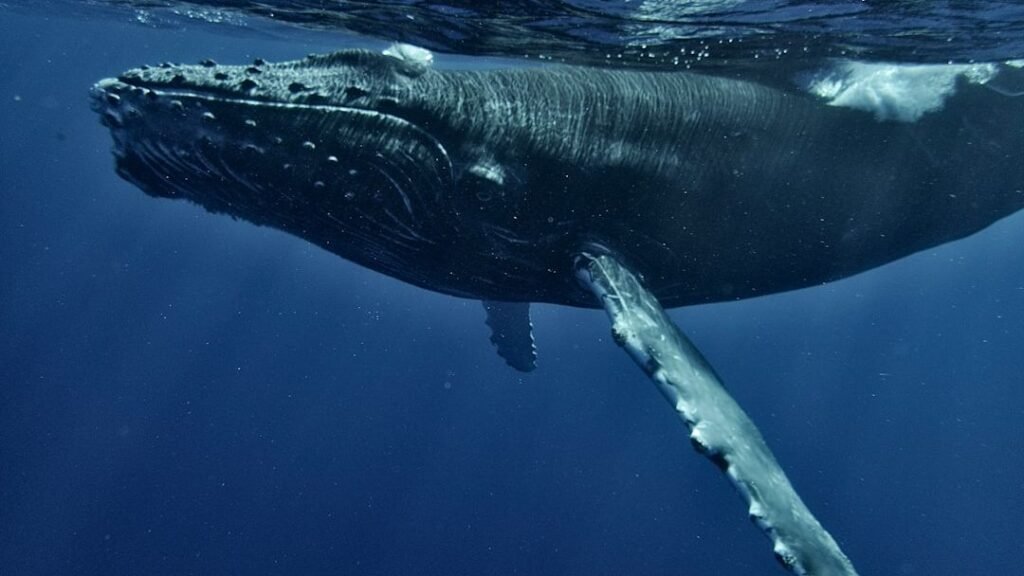
Every zodiac sign gets its spirit animals, but Pisces invites a trickier question: what living creature truly carries that hushed, empathetic stillness we associate with water and wonder? The answer isn’t hiding in the stars so much as gliding beneath the surface. As biologists trace how animals cooperate, soothe, and simply move through the world, a quiet contender keeps surfacing in field notes and camera traps. Picture a shadow with wings, unhurried, unthreatening, and deeply social. In 2025, as new sensors and tagging studies mature, that silhouette turns unmistakable: the manta ray.
The Hidden Clues
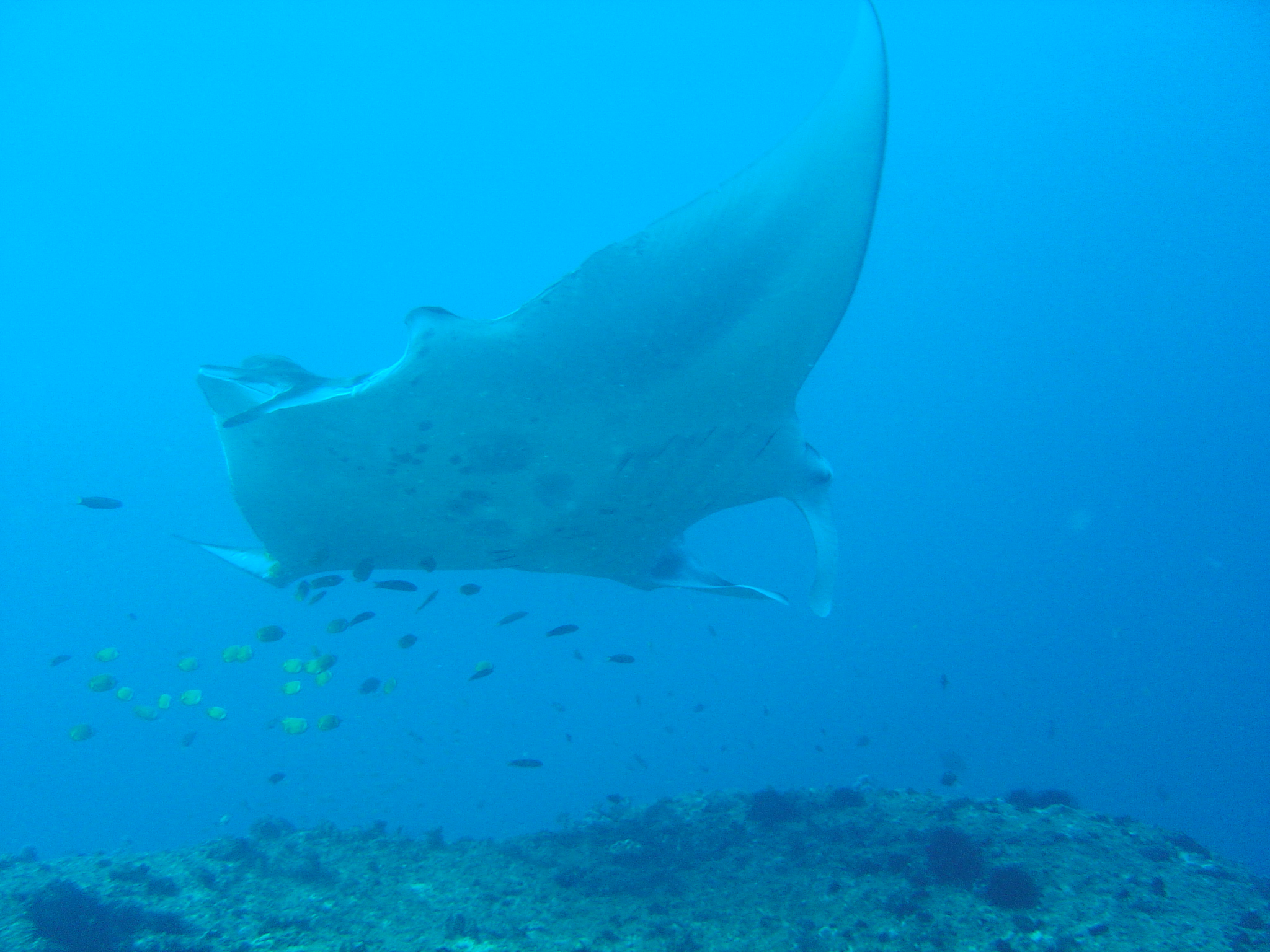
What if the calmest presence on a reef is the one with the widest wings? The manta ray doesn’t rush; it arrives, like a thought, then lingers as if time is a tide it can read. Divers talk about the hush that follows a circling manta at a cleaning station, and even skeptical researchers acknowledge how the entire scene tends to slow down. You feel the water settle, the way a crowded room softens when someone finally lowers their voice. It’s a kind of leadership by quiet example.
Calm in science isn’t about astrology or mood boards; it’s about measurable behavior. Smooth locomotion, low-aggression interactions, and long, unbroken bouts of routine activity all signal what researchers sometimes call behavioral stability. Mantas tick those boxes in a way few large animals do. And that consistency – wave after wave, pass after pass – looks a lot like the Piscean ideal of serenity in motion.
From Ancient Lore to Modern Science
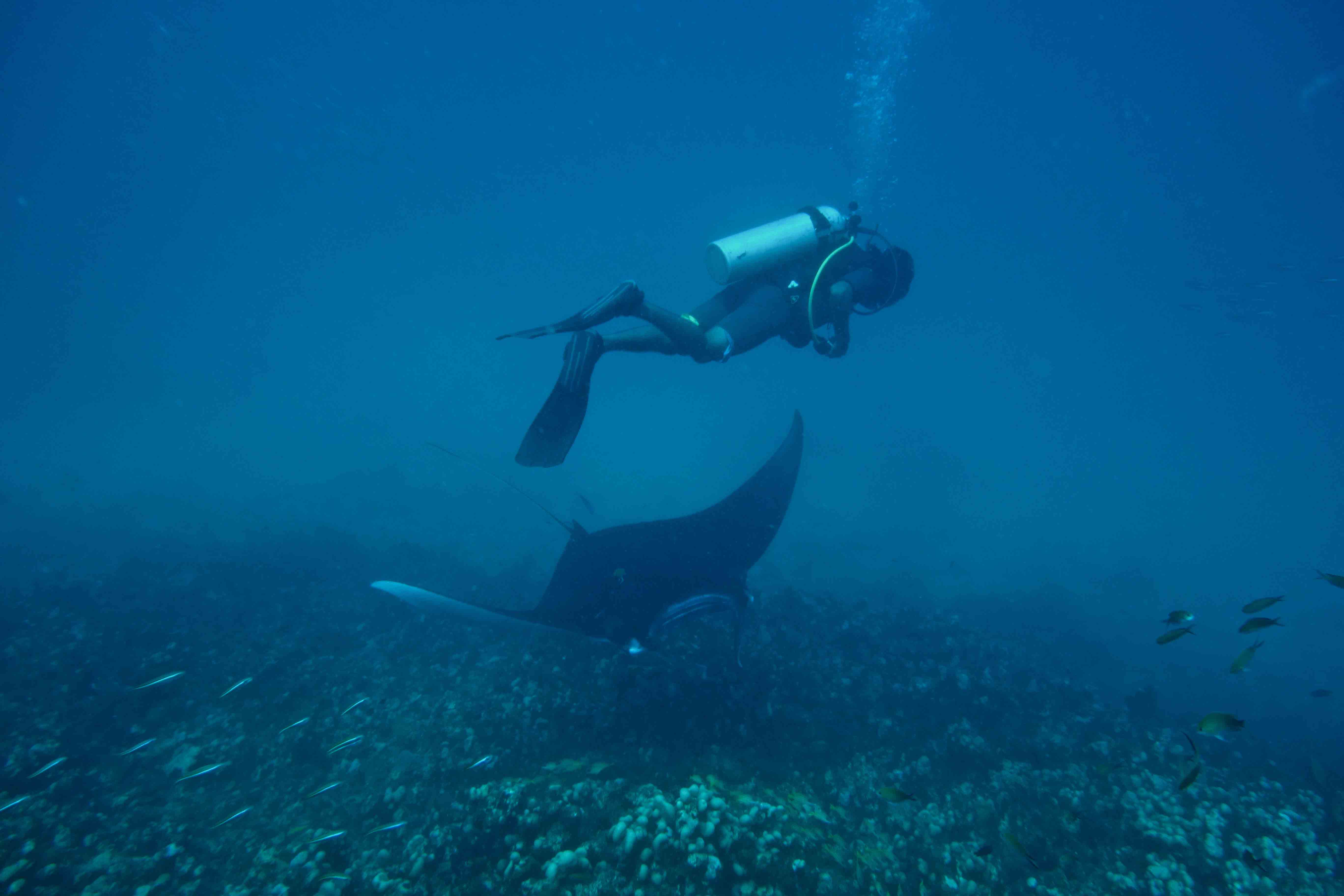
Astrology gave Pisces its twin fish, a metaphor for emotional depth and empathy; modern biology offers tools to test whether any creature matches that vibe. Field teams now pair high-resolution video with accelerometers and passive acoustic sensors to map how animals move, feed, and socialize without getting in their way. Instead of guessing, we can quantify stillness, track social proximity, and infer stress through noninvasive indicators like time budgets and gentle movement patterns. That lets us compare species that look “peaceful” with those that are demonstrably so.
Across studies, rays stand out for predictably tranquil routines at cleaning stations and during filter feeding, where conflict brings no advantage. Their social gatherings, while looser than a dolphin pod or elephant family, persist seasonally and across years in the same places. That repeatability matters; calm isn’t a snapshot, it’s a habit. When habits hold across individuals and sites, scientists start paying attention.
The Candidate: The Manta Ray
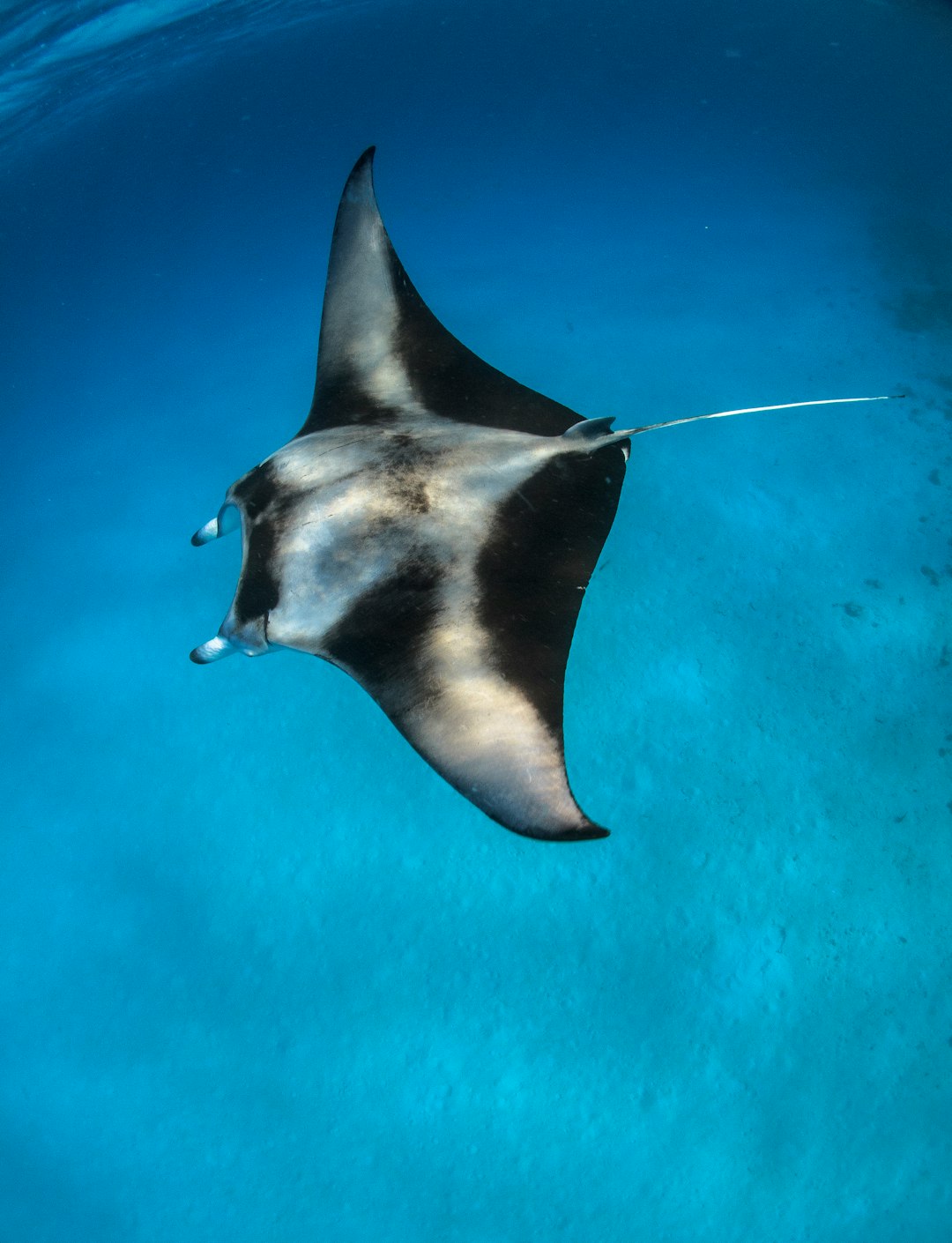
Two closely related species dominate the story – the reef manta and the giant oceanic manta – each a master of the slow arc and the unhurried glide. They feed on drifting plankton, which means no chases, no ambushes, and almost no conflict with other marine life. Their propulsion is more ballet than sprint, converting wingbeats into near-effortless lift that barely ripples the water. In a reef thrumming with quick decisions, mantas move like a long exhale.
There’s also the mind behind the motion. Among fishes, mantas are noted for relatively large brains and notable sensory integration, supporting curiosity-driven behavior at cleaning stations and around unfamiliar objects. I once hovered at the edge of a Maldivian channel, holding my breath for no good reason, while a manta circled back repeatedly with the patience of a librarian waiting for you to finish a page. Calm isn’t just how they act – it’s how they seem to invite you to act, too.
Signals of Serenity
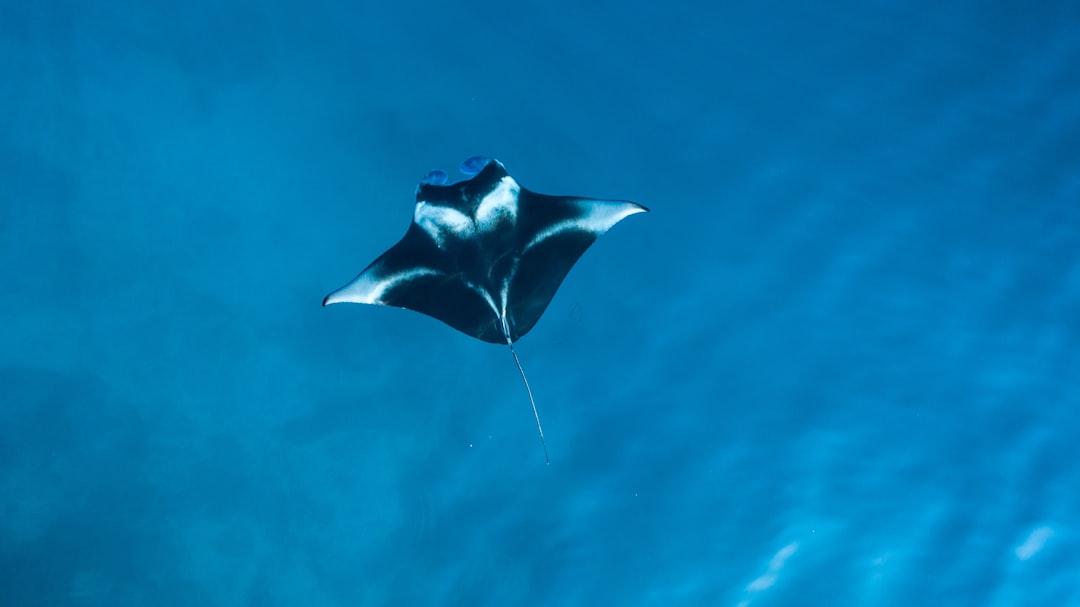
How do you quantify what looks like grace? Start with the data stream: researchers analyze wingbeat rhythms, glide ratios, and acceleration noise to distinguish cruising from agitation. Long, even glide phases suggest low energetic strain; narrow turns and steady revisits to cleaning stations imply predictable, low-conflict routines. Pair that with observations of scarce intraspecies aggression and minimal territorial defense, and the portrait sharpens.
- Time budgets show prolonged, repeatable visitation at cleaning stations with few interruptions.
- Movement profiles favor smooth, low-jerk trajectories over bursts or pursuit maneuvers.
- Social spacing remains tolerant, with frequent overlapping arcs and limited displacement behavior.
None of this proves “peaceful” emotions, but together these lines of evidence map a stable, low-conflict lifestyle. In behavioral science, that’s as close as you get to calm written in numbers.
Empathy, But Make It Aquatic
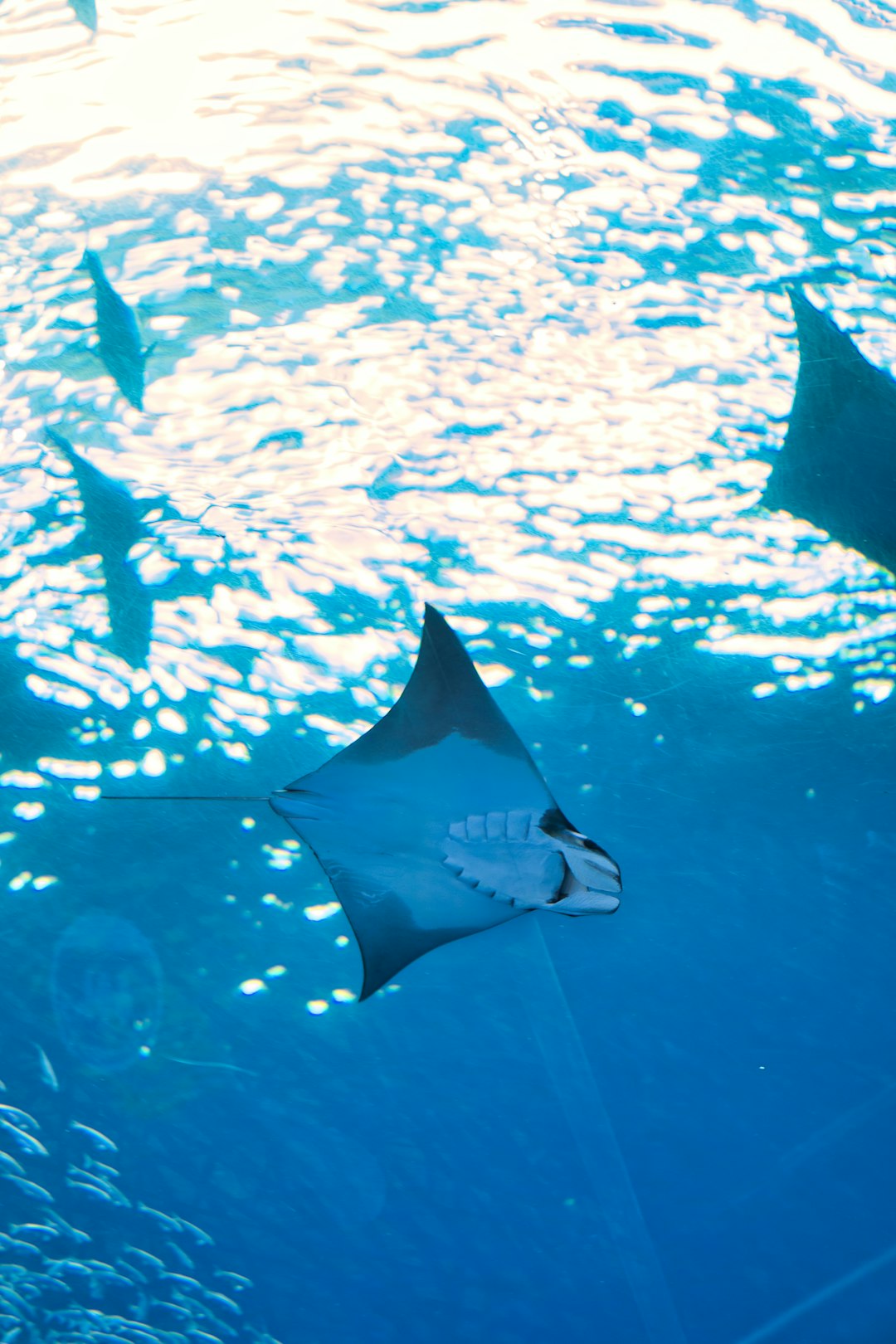
Empathy is tricky to test in the ocean, yet we can look for proxies that hint at social sensitivity. In many vertebrates, social buffering – being calmer in the company of others – shows up in movement harmony and reduced startle responses, both documented around manta congregation sites. It’s not the tight-knit caregiving of elephants or the consolation gestures seen in great apes, but it is a cooperative choreography built on tolerance. No biting queues, no elbowing for space, just a patient carousel of fish and cleaner wrasses getting their work done.
Scientists tread carefully here, because the ocean doesn’t offer easy hormone samples or clean lab conditions. Still, the weight of observation points to a species that solves daily problems through space-sharing rather than dominance. That minimalist social rule set feels surprisingly Piscean: let the current guide, and everyone gets what they need. When your lifestyle depends on drifting banquets and trusted cleaning partners, gentleness becomes a winning strategy.
Why It Matters
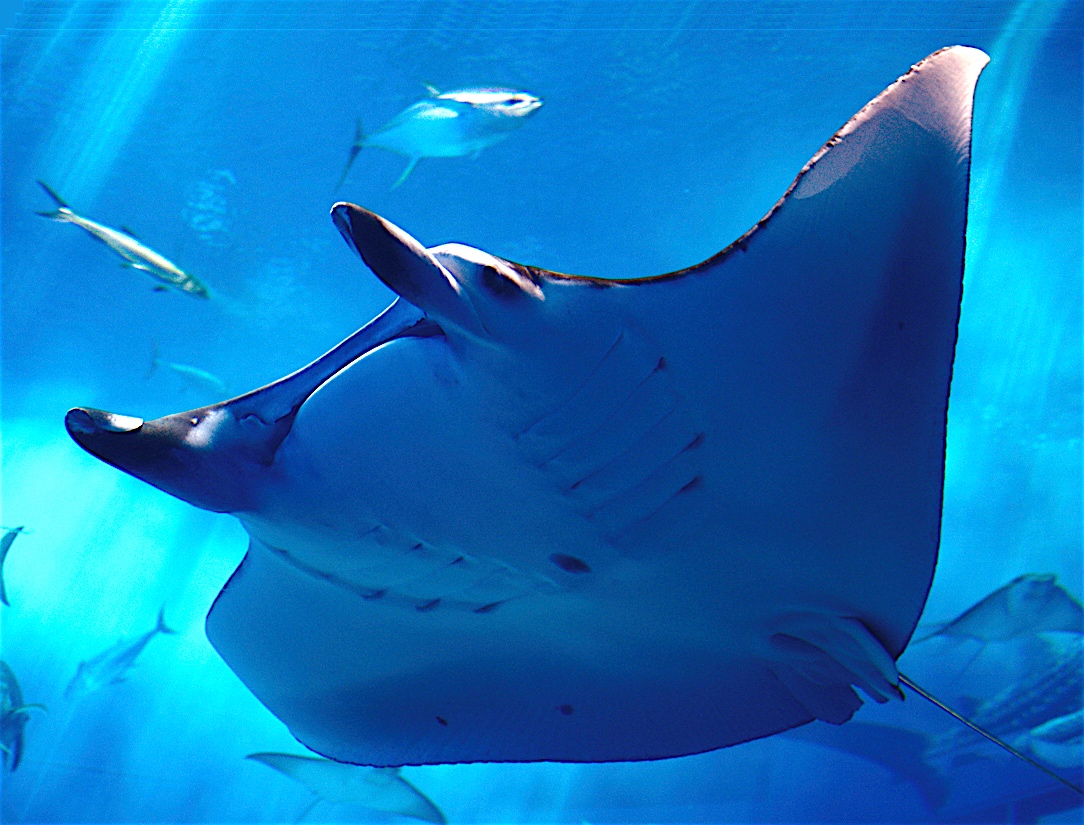
Linking zodiac archetypes to real species might sound whimsical, but it’s a powerful entry point for public understanding. People protect what they feel, and narratives of calm, empathy, and grace are sticky in the best way. Conservation has long relied on crisis language; pairing it with credible, behavior-based stories adds a steadier note. Instead of fear for a vanishing ocean, we get respect for a way of living that works without noise or force.
Compared with traditional outreach – charts of population decline, maps of bycatch – behavioral stories help non-specialists grasp what’s at stake. A manta isn’t just a number; it’s a slow dancer that keeps the reef’s mood balanced. When the dancer is gone, the room feels different. That’s a point a lecture rarely lands, but a quiet encounter does in seconds.
The Future Landscape
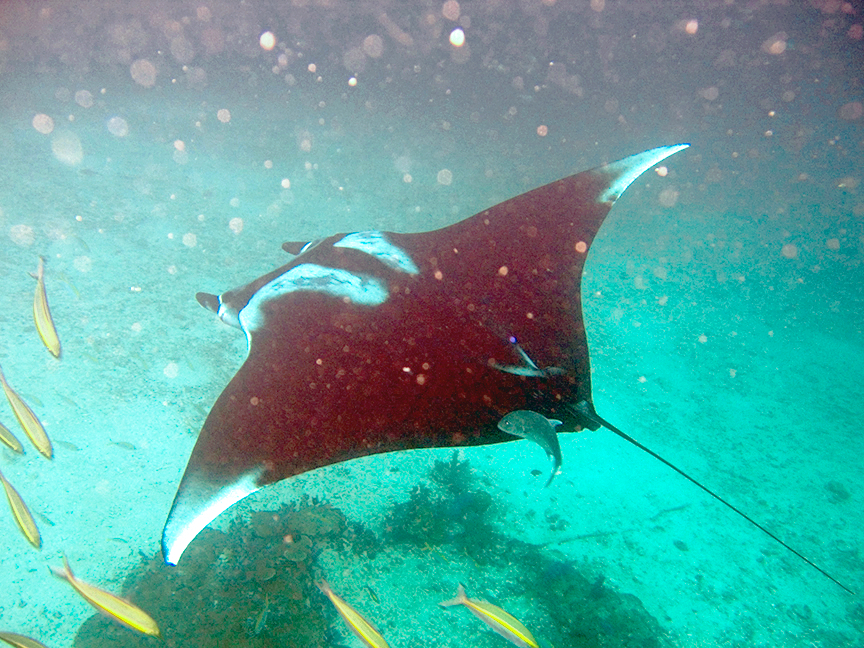
The next few years will sharpen this picture with technology that finally fits the animal. Miniaturized tags can log glide efficiency and wingbeat stability for weeks without slowing a manta down. AI image-matching already turns citizen photos of belly spot patterns into population estimates, and upcoming models will layer behavior on top, spotting shifts in activity that might flag stress. Drones and gentle autonomous vehicles can watch cleaning stations from a distance that doesn’t change the script.
Threats, meanwhile, aren’t theoretical. Bycatch, microplastic-laden plankton, and warming-driven shifts in ocean currents all test a lifestyle built on predictable flows. The paradox is stark: the calmest beings are unusually sensitive to chaos. If current mapping, policy guardrails, and low-impact tourism scale together, mantas can keep rehearsing that unhurried dance. If not, the world loses one of its clearest case studies in serenity as survival strategy.
Conclusion
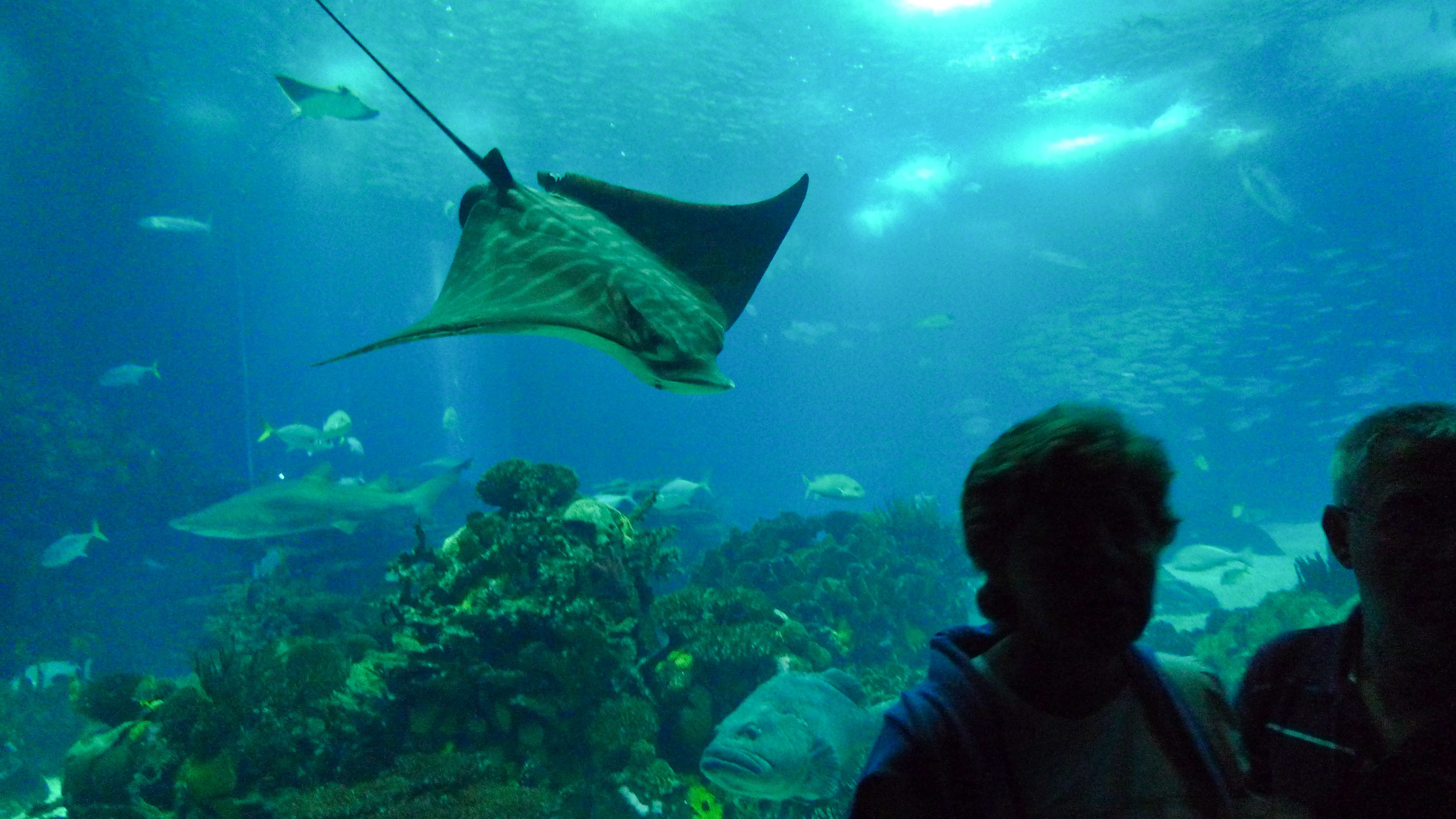
If the manta ray really is the Pisces spirit made flesh and fin, we owe that calm a return gesture. Choose reef-safe sunscreen, skip single-use plastics when you can, and support organizations that fund manta research and protect cleaning stations. If you dive, log your sightings with photo IDs so scientists can track individuals without touching them. If you vote, support coastal policies that limit bycatch and strengthen marine protected areas.
Most of all, carry the lesson forward. Tolerance is not passive; it’s a deliberate way of sharing space that keeps complex systems from fraying. The ocean is giving us a master class in quiet coordination, written in wings and water. Let’s learn from it while there’s still time.
Suhail Ahmed is a passionate digital professional and nature enthusiast with over 8 years of experience in content strategy, SEO, web development, and digital operations. Alongside his freelance journey, Suhail actively contributes to nature and wildlife platforms like Discover Wildlife, where he channels his curiosity for the planet into engaging, educational storytelling.
With a strong background in managing digital ecosystems — from ecommerce stores and WordPress websites to social media and automation — Suhail merges technical precision with creative insight. His content reflects a rare balance: SEO-friendly yet deeply human, data-informed yet emotionally resonant.
Driven by a love for discovery and storytelling, Suhail believes in using digital platforms to amplify causes that matter — especially those protecting Earth’s biodiversity and inspiring sustainable living. Whether he’s managing online projects or crafting wildlife content, his goal remains the same: to inform, inspire, and leave a positive digital footprint.