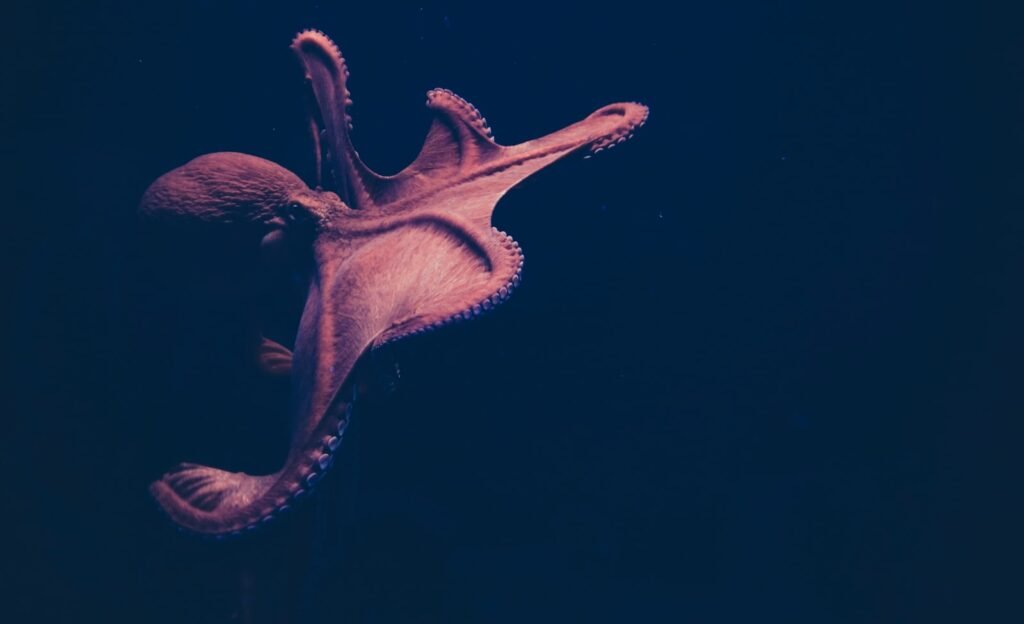

Ask any field biologist about curiosity and you’ll get a knowing smile – because in the wild, questions are survival tools. Gemini’s restless, twin-track energy shows up not in myth but in animals that can’t stop checking, probing, and trying the next thing. The mystery is which creature wears that badge best: the stealthy night tinkerers, the ocean’s puzzle-solvers, or the air’s tool-making tacticians. Scientists are racing to decode how curiosity evolves and why some species chase novelty like a headline. The result is a surprising, sometimes hilarious, always revealing look at minds that won’t sit still.
The Hidden Clues
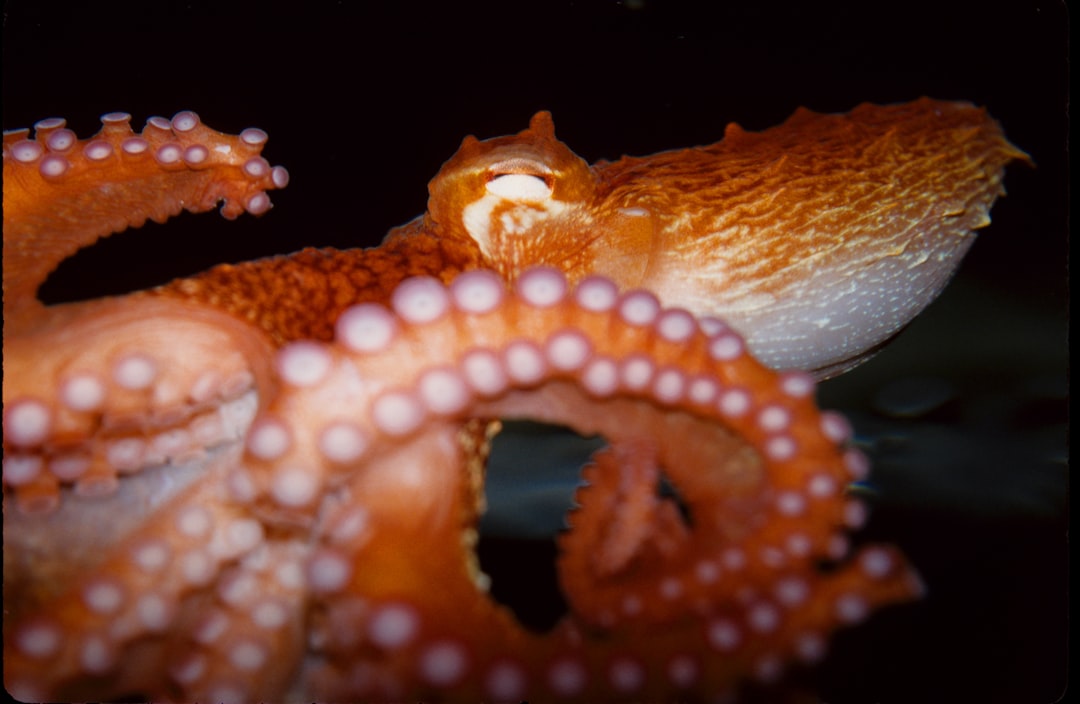
Step into the octopus’s world and you meet a mind that treats the seafloor like a laboratory bench. These shape-shifters test shells, valves, and jars with surgical precision, then change tactics if a method stalls. Their arms aren’t just tools; they’re semi-autonomous scouts packed with neurons that taste and feel the world, sending back rapid-fire updates. It’s exploration in stereo: central brain plotting, arms improvising.
In aquaria and coastal shallows, octopuses unscrew lids, carry coconut halves as portable fortresses, and re-route around mazes with uncanny speed. They’re bold to the point of mischievous, sampling lights, cameras, and anything that faintly promises information. If Gemini is about twin impulses – play and problem-solving – the octopus fuses them in one fluid, relentless investigation.
Restless Night Explorers
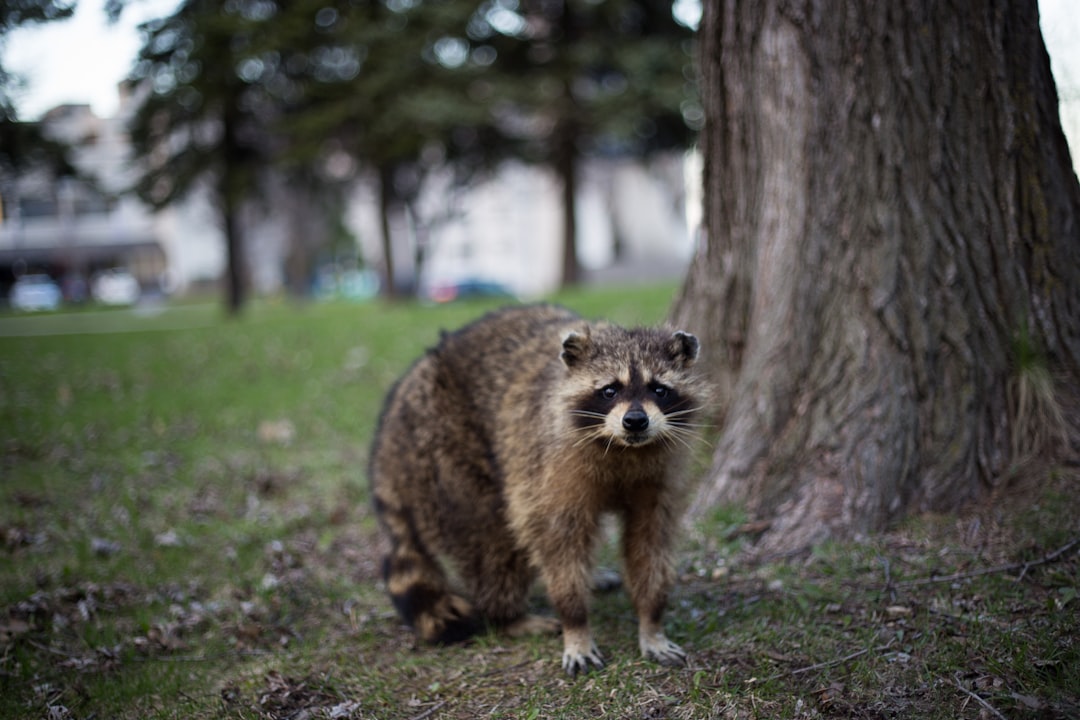
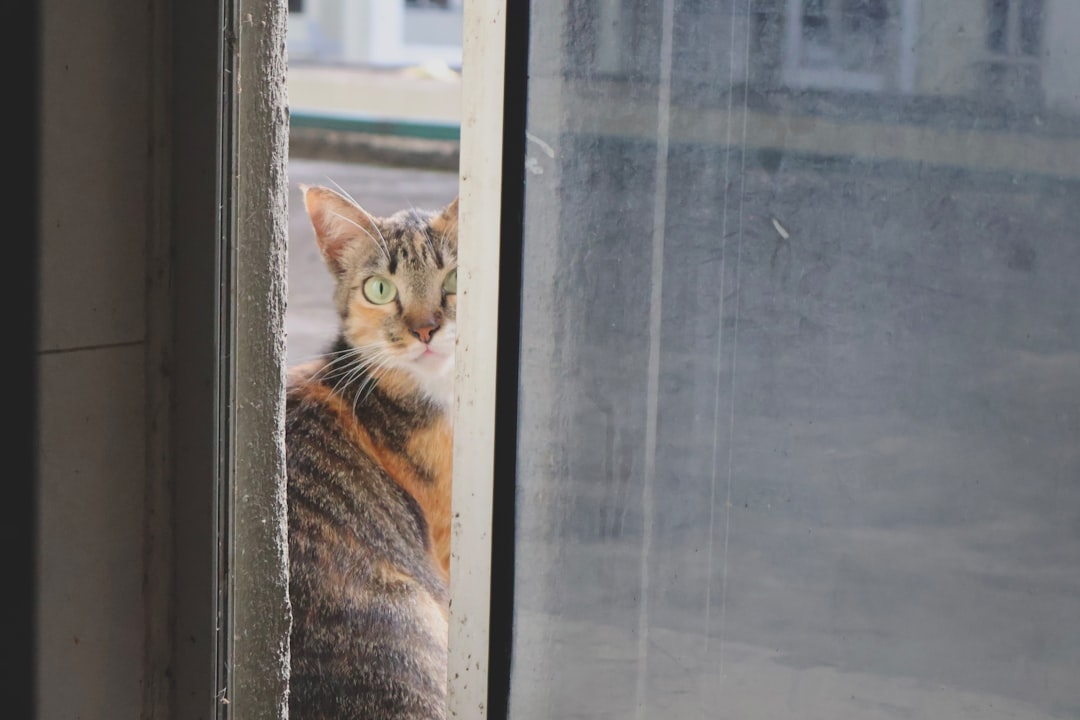
Raccoons transform cities into obstacle courses, decoding latches, sliding gates, and touchscreen puzzles meant to slow them down. Watch one at dusk and you’ll see a pattern: test, withdraw, test again, escalate. That loop of trial and revision looks almost like a street-smart version of the scientific method, only faster and stickier.
I once paused on a sidewalk while a raccoon assessed a bungee-corded bin, tugged three ways, and then quietly rolled it to use the curb as leverage. That’s not luck; that’s nimble cognition shaped by a world that keeps changing the rules. Gemini’s energy is in that pivot from plan A to plan B without losing momentum.
From Ancient Tools to Modern Science
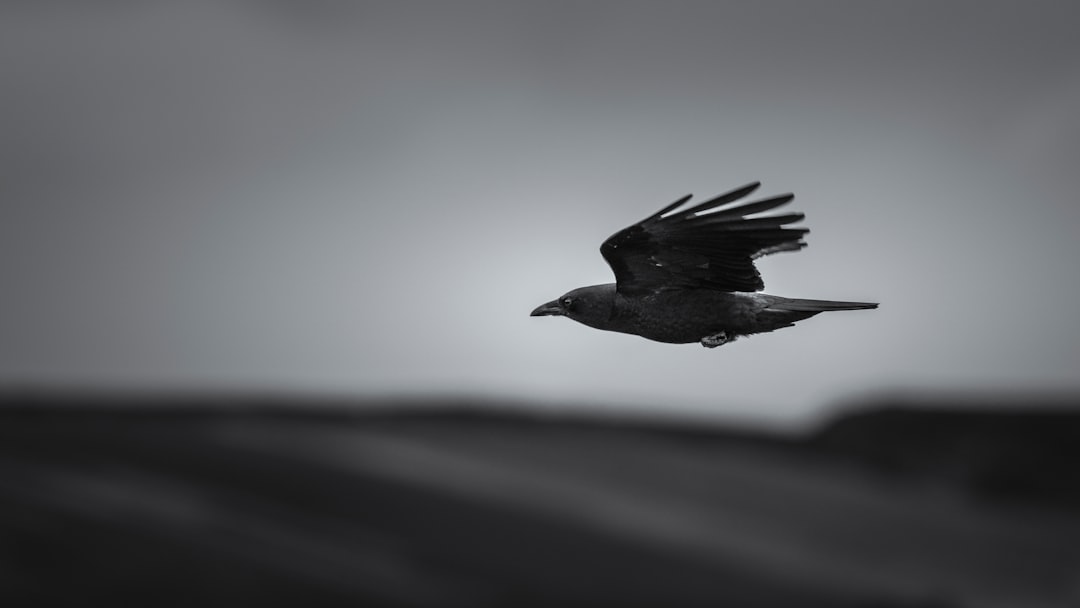
Crows – especially the New Caledonian kind – don’t just pick up sticks; they engineer tools with hooks and barbs, then refine designs on the fly. In field experiments, they string together steps, stash the right tool, and return later with a better one, as if running drafts of an idea. That capacity to notice, adjust, and build becomes a feedback loop of curiosity feeding innovation.
Researchers now map crow problem-solving with high-speed video and multi-camera arenas, revealing moments when a new tactic sparks. The image is unmistakable: a bird tilts its head, re-evaluates a gap, tries an untested angle, and succeeds. If Gemini is the sign of clever pivots, corvids are its engineers-in-black.
The Play Engine
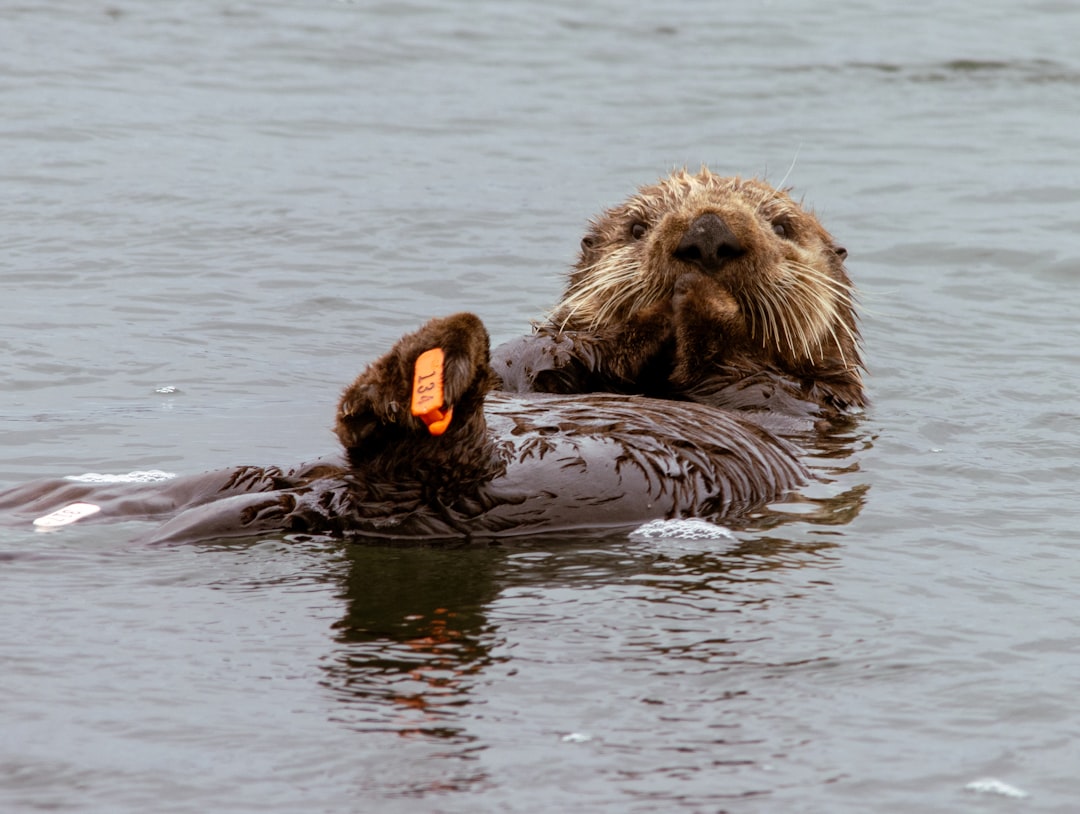
Sea otters ride the surf with pockets full of possibilities, tucking stones under their forearm and testing mussels like lockpicks. Play isn’t frivolous here; it’s a training ground for rapid experimentation under pressure. Rolling, juggling, and swapping tools builds a library of micro-skills that pay off when the tide turns rough and the next meal is tricky.
Marine biologists tracking individuals see persistent preferences – some otters return to the same tool shape, others switch fast when a shell resists. That blend of personal style and opportunism mirrors the dual pulse of Gemini: familiar methods coexisting with the itch to try the unexpected. The result is a culture of curiosity written in surf and stone.
Tiny Hunters, Big Questions
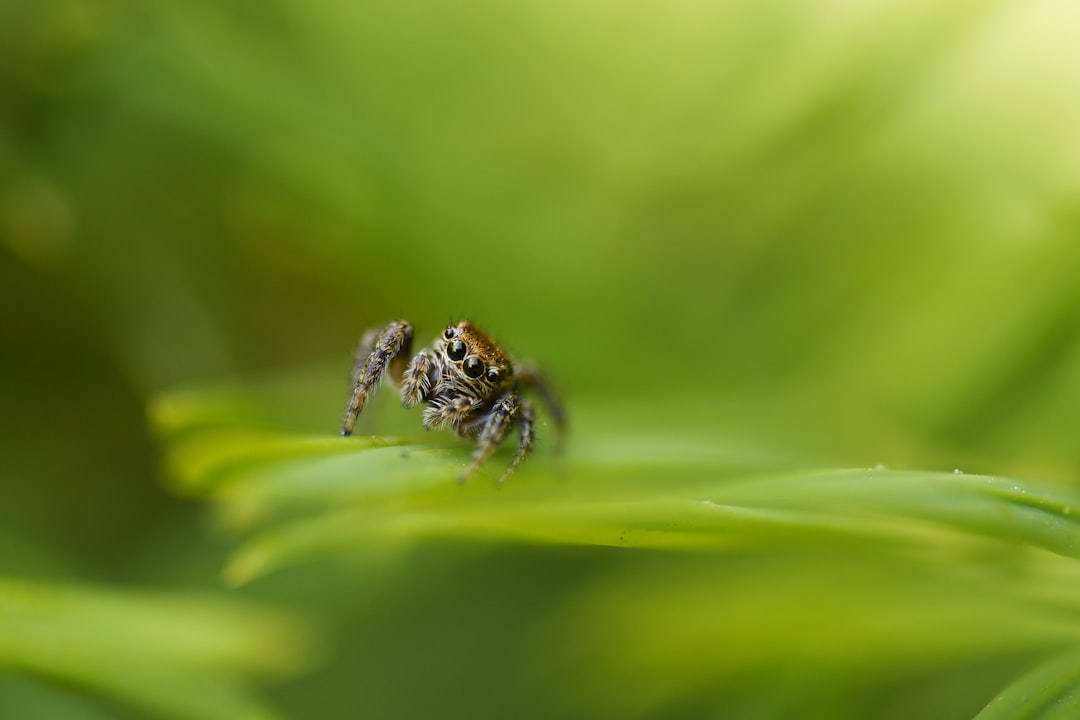
Jumping spiders face a three-dimensional puzzle every time lunch moves around the leaf. With panoramic eyes and telescopic focus, they test angles, map detours, and even abandon a path mid-stalk when a better route appears. That’s not random skittering; it’s controlled exploration tuned to a portable theater of branches and light.
In lab arenas, these spiders surprise researchers by choosing indirect paths that temporarily hide the target – an act requiring memory and nerve. They embody the small-but-bold profile: a few millimeters of muscle making plans that outsize their bodies. Curiosity here looks like micro-adventures stitched into survival.
Networked Curiosity
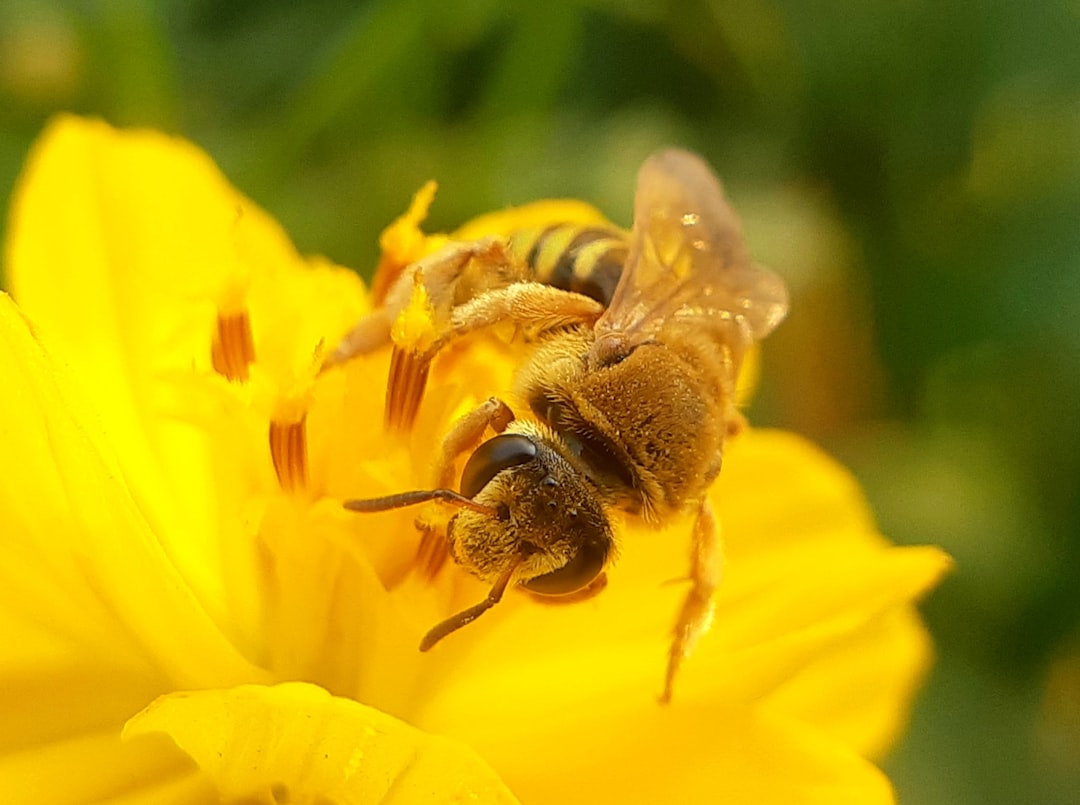
Honeybee scouts are the newsroom editors of the meadow, sampling distant nectar sources, then arguing the case with dances that encode direction and distance. Their debates are messy, iterative, and strangely democratic, with support ebbing and flowing until a quorum forms. It’s collective curiosity – no single hero, just a chorus of informed bets.
What makes this Gemini-like is the duality of roles: today’s forager can be tomorrow’s explorer, switching gears as the landscape shifts. The hive adapts because individuals are free to investigate and change their minds. Curiosity scales from a single bee’s detour to a colony’s decisive move.
Global Perspectives
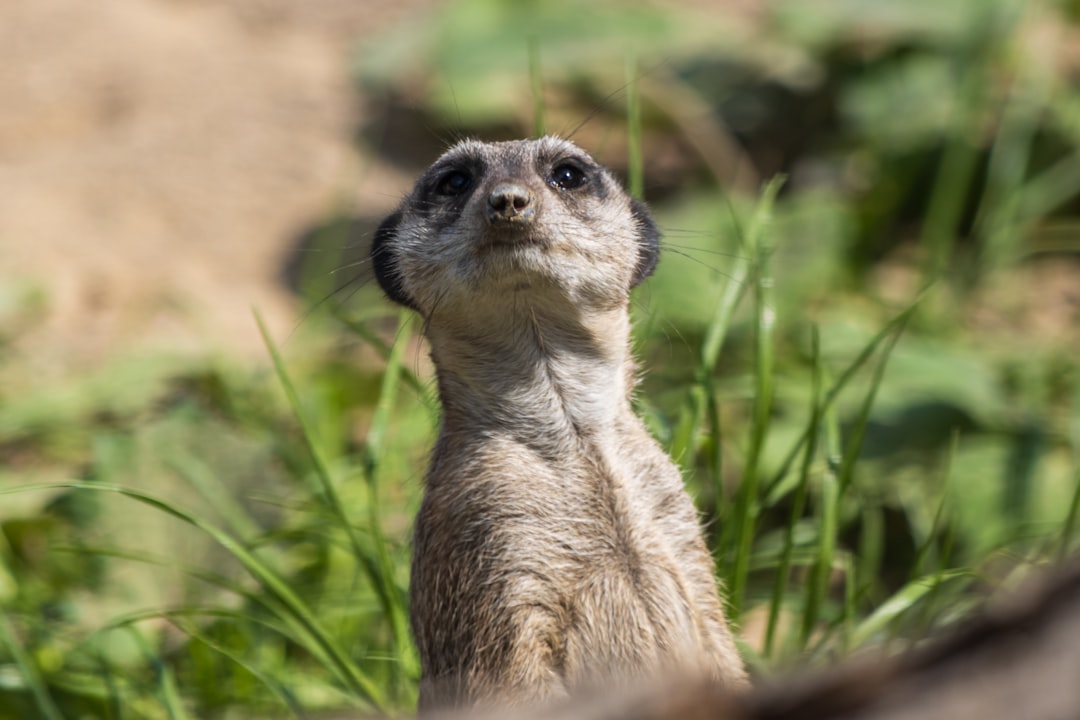
Across deserts, oceans, forests, and alleyways, curiosity wears local colors. Meerkats teach pups to dismantle risky prey, guiding them from disabled scorpions to live ones in a carefully staged curriculum. Dolphins invent regional foraging tricks – like carrying sponges to protect their snouts – then pass them on as traditions anchored in exploration.
Even parrots like kea treat novelty as a team sport, dismantling objects not for calories but for insight, a kind of alpine R&D. The pattern is striking: where environments change rapidly or resources are patchy, curiosity becomes a survival multiplier. Gemini’s vibe shows up wherever nimble minds meet shifting maps.
Why It Matters
Curiosity isn’t just cute; it’s a core engine of cognition, innovation, and resilience. Classic behavioral tests prized consistency and control, but they often filtered out the messy brilliance of exploratory behavior. Modern approaches embrace variability, tracking how animals switch strategies when a tactic fails and how those switches forecast long-term success.
For conservationists, that shift is pivotal. Species that explore can outmaneuver city sprawl, climate jolts, and novel foods, while rigid specialists stumble when the script changes. Measuring curiosity gives us a new way to predict who adapts, who needs help, and what habitats spark flexible minds.
The Future Landscape
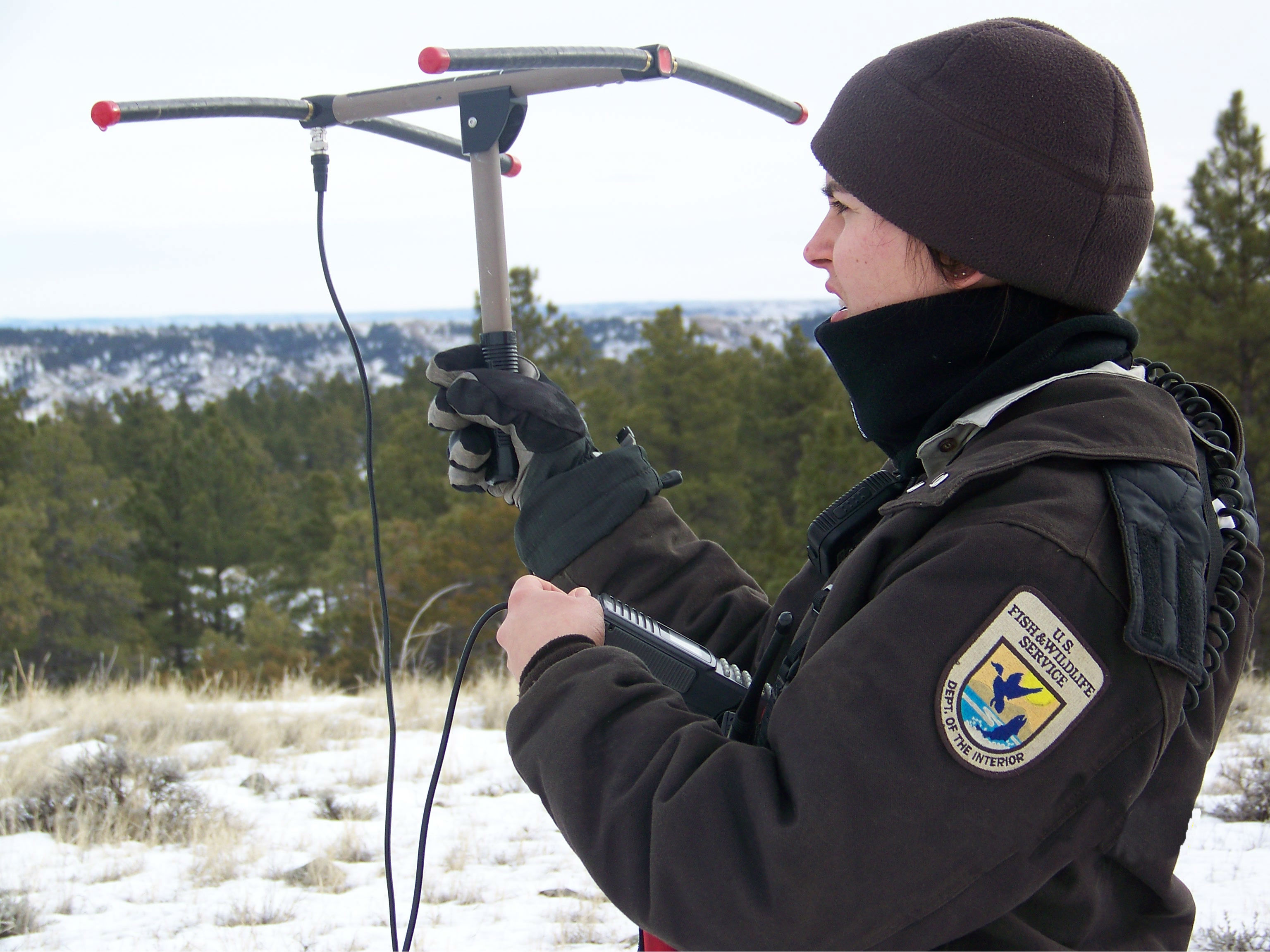
New biologging tags capture micro-movements that reveal on-the-fly decisions: a raccoon’s paw hesitation, an otter’s stone swap, a crow’s tool tweak. Computer vision now flags “aha” moments in video, identifying the second an animal abandons a failing plan and tries another. Paired with acoustic sensors and environmental DNA, we can map curiosity hotspots like weather systems.
But there are knots to untangle. Ethical tracking, data privacy for urban wildlife, and the risk of over-interpreting clever tricks as proof of human-like intent all demand caution. If we get it right, tomorrow’s fieldwork will read like live investigative journalism, following restless minds as they write their own headlines.
Call to Action
You can help curiosity thrive by making space for exploration where you live. Keep a respectful distance from wildlife, secure trash to avoid harmful encounters, and support local habitat projects that turn sterile edges into living corridors. If you’re near water, back kelp and seagrass restorations that shelter otter prey and rebuild coastal resilience.
Join community science platforms that log crow tools, raccoon sightings, or bee activity; your observations feed datasets that change policy. And if you teach, bring problem-solving games into classrooms to mirror the natural world’s iterative magic. Curiosity grows where questions are welcomed and experiments are safe to try.
Conclusion
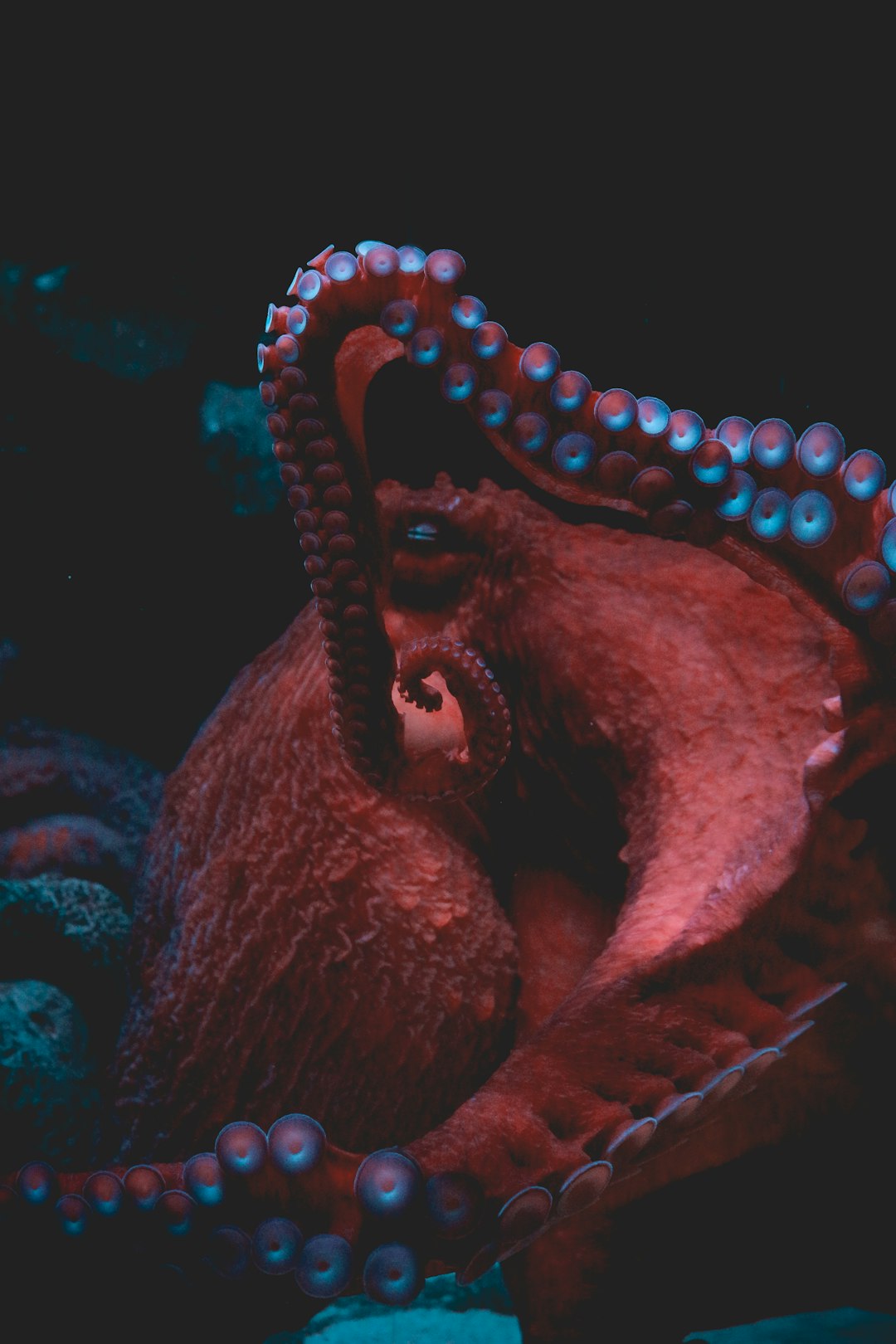
If Gemini had a totem, it wouldn’t be just one creature; it would be a constellation of restless minds, from octopus labs under the waves to raccoon workshops in the alley. Still, if pressed, the octopus edges ahead – its twin-track control system and improvisational flair embody the sign’s split yet synchronized energy. Crows and raccoons are close seconds, showing how fast pivots and bold tests can redraw a landscape in a night or a season.
In the end, the answer is a living question, and that feels right for a world that refuses to sit still. The best part is that we can watch, learn, and let that wild curiosity rewire our own. Which animal surprised you most today?
Suhail Ahmed is a passionate digital professional and nature enthusiast with over 8 years of experience in content strategy, SEO, web development, and digital operations. Alongside his freelance journey, Suhail actively contributes to nature and wildlife platforms like Discover Wildlife, where he channels his curiosity for the planet into engaging, educational storytelling.
With a strong background in managing digital ecosystems — from ecommerce stores and WordPress websites to social media and automation — Suhail merges technical precision with creative insight. His content reflects a rare balance: SEO-friendly yet deeply human, data-informed yet emotionally resonant.
Driven by a love for discovery and storytelling, Suhail believes in using digital platforms to amplify causes that matter — especially those protecting Earth’s biodiversity and inspiring sustainable living. Whether he’s managing online projects or crafting wildlife content, his goal remains the same: to inform, inspire, and leave a positive digital footprint.