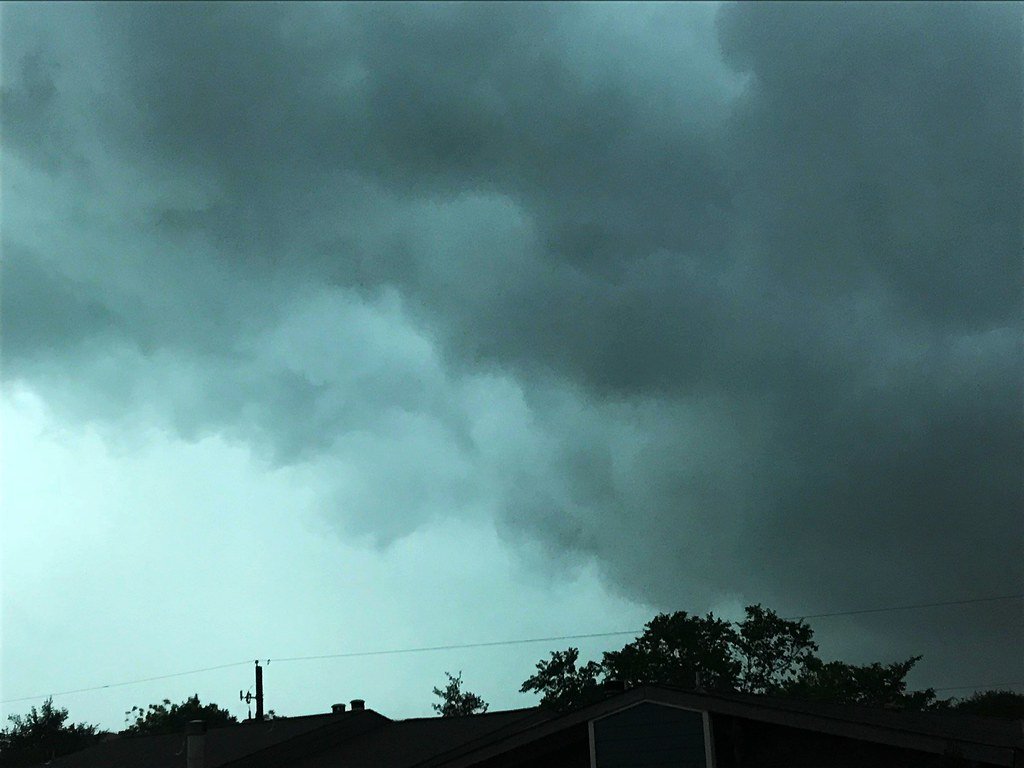

Have you ever looked up at the sky before a thunderstorm and noticed something unsettling? The clouds aren’t the usual gray or white, but an eerie shade of green that makes your stomach drop. You might have heard people say this means a tornado is coming, but the science tells a more complex story.
While a green sky doesn’t guarantee a tornado will strike, it often signals that conditions are ripe for severe weather. The phenomenon occurs when specific atmospheric conditions align during powerful thunderstorms. Understanding this natural warning system could help you make better decisions when dangerous weather approaches.
The Physics Behind Nature’s Green Warning
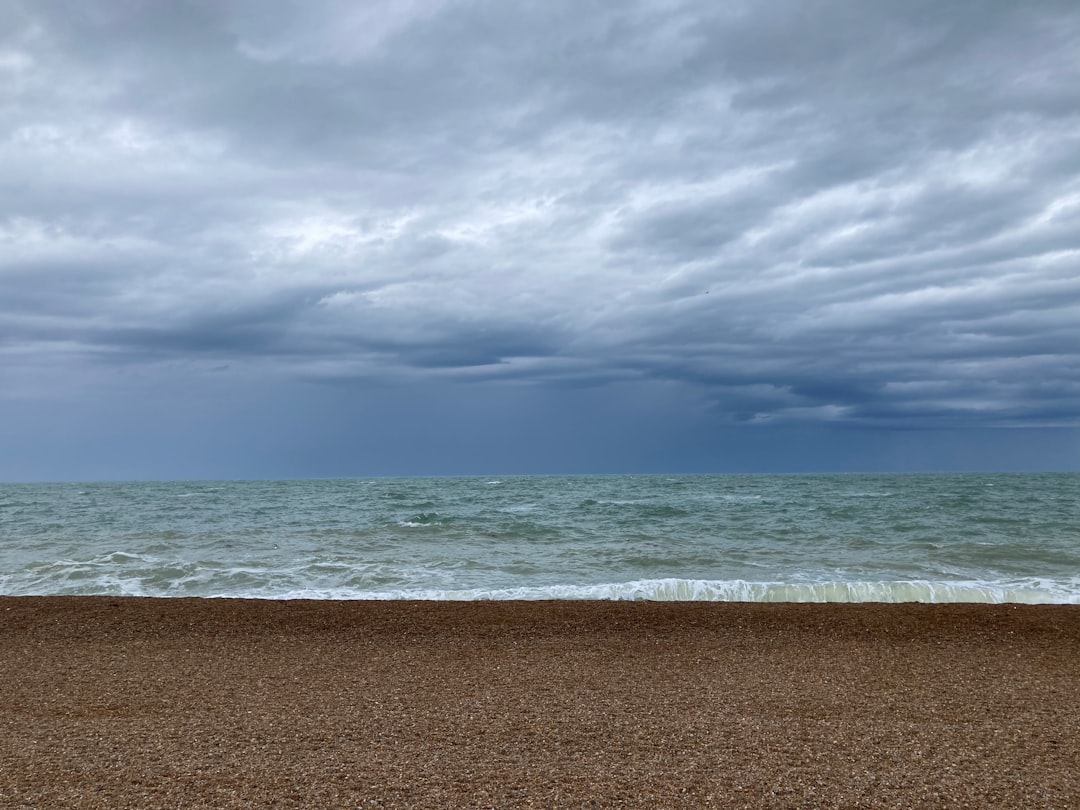
The sky looks blue because, during the day, particles in the air scatter more violet and blue light, and our eyes are more sensitive to blue light. This familiar blue sky can transform into something much more ominous when the right conditions develop.
Light under a 12-mile high thundercloud is primarily blue, due to scattering by water droplets within the cloud. When blue objects are illuminated with red light, they appear green. The green coloring emerges from this optical interaction between the storm clouds and sunlight. Large, thick thunderstorm clouds directly impact the way we perceive the color of the sky explaining why the eye perceives it as green.
When Sunset Meets the Storm
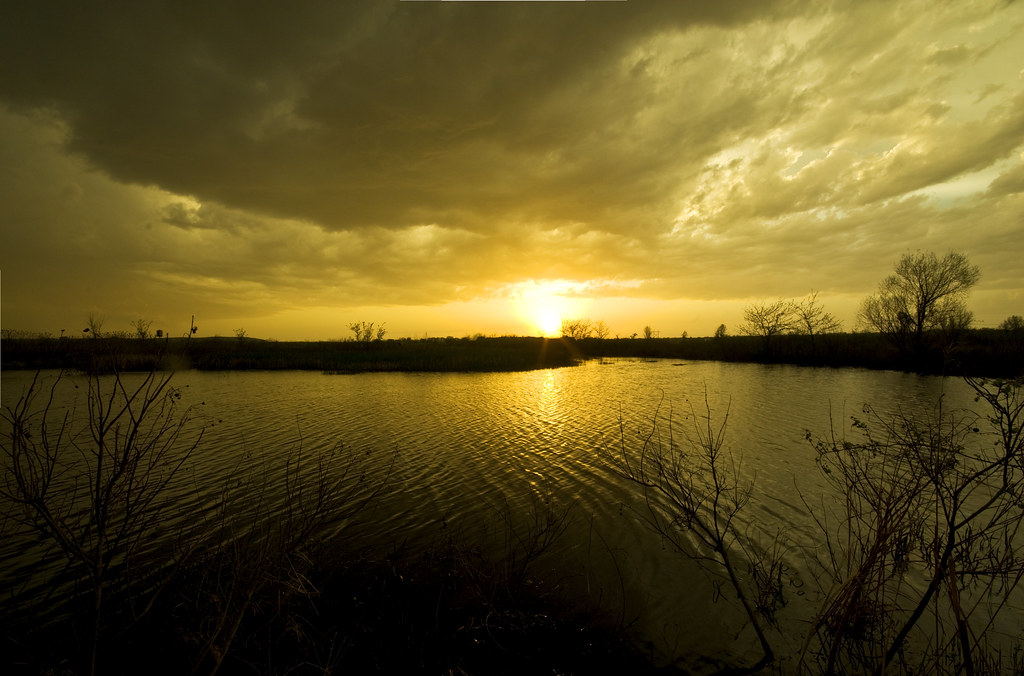
Thunderstorms, which can be the home of tornadoes, usually happen later in the day, when the sun is approaching the horizon. That creates a reddish tinge in the sky, as any fan of sunsets knows. The timing of severe weather plays a crucial role in creating green skies.
Because severe storms usually happen later in the day, the sun is at the exact right angle to create this color in the sky. “It’s the heating of the day, and the sun is beginning to set, so the combination of that red-orange yellow glow from sunset hitting the blue of the water in the cloud creates green”. This explains why you rarely see green skies during morning storms or at night.
Water and Ice Create the Perfect Canvas
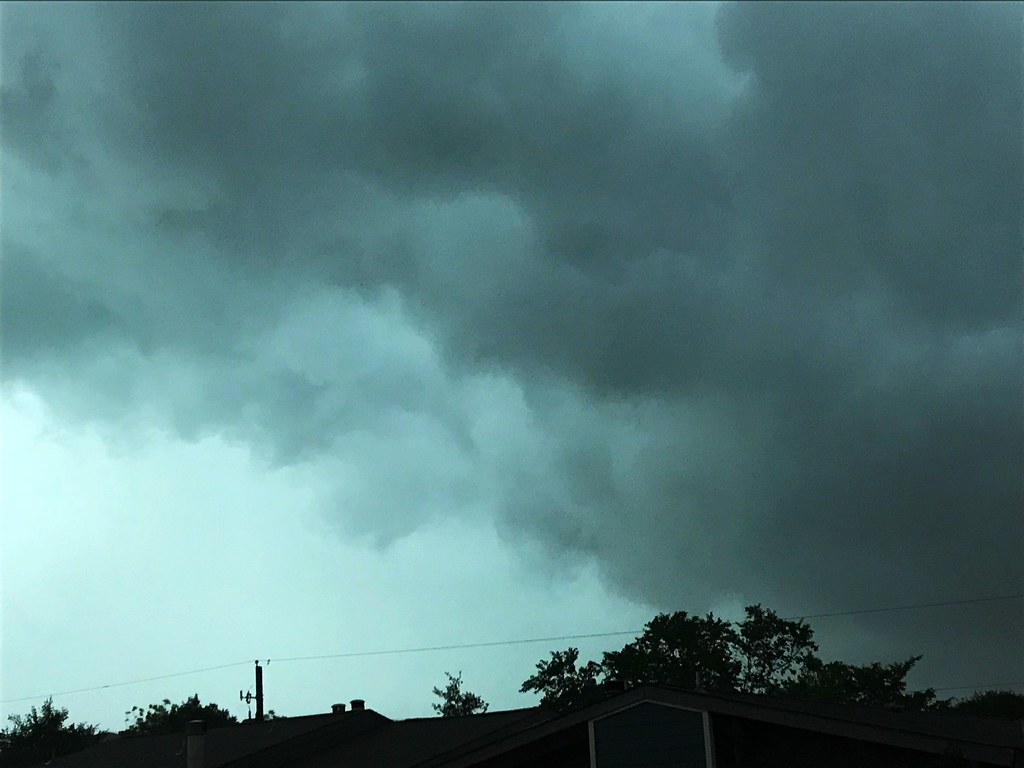
It takes an incredibly high amount of water and ice to create these colors. So a green sky is a visual signal that the storm approaching is incredibly intense. The water content in these massive storms acts like nature’s filter, changing how we perceive light.
Another factor leading to green skies might be the water droplets themselves. Water is really good at reflecting blue light, but it can also reflect green light under just the right conditions, such as when a lowering sun’s rays shine on them. These droplets essentially become tiny mirrors, creating the green tint that makes the sky look so otherworldly.
The Tornado Connection Myth Busted
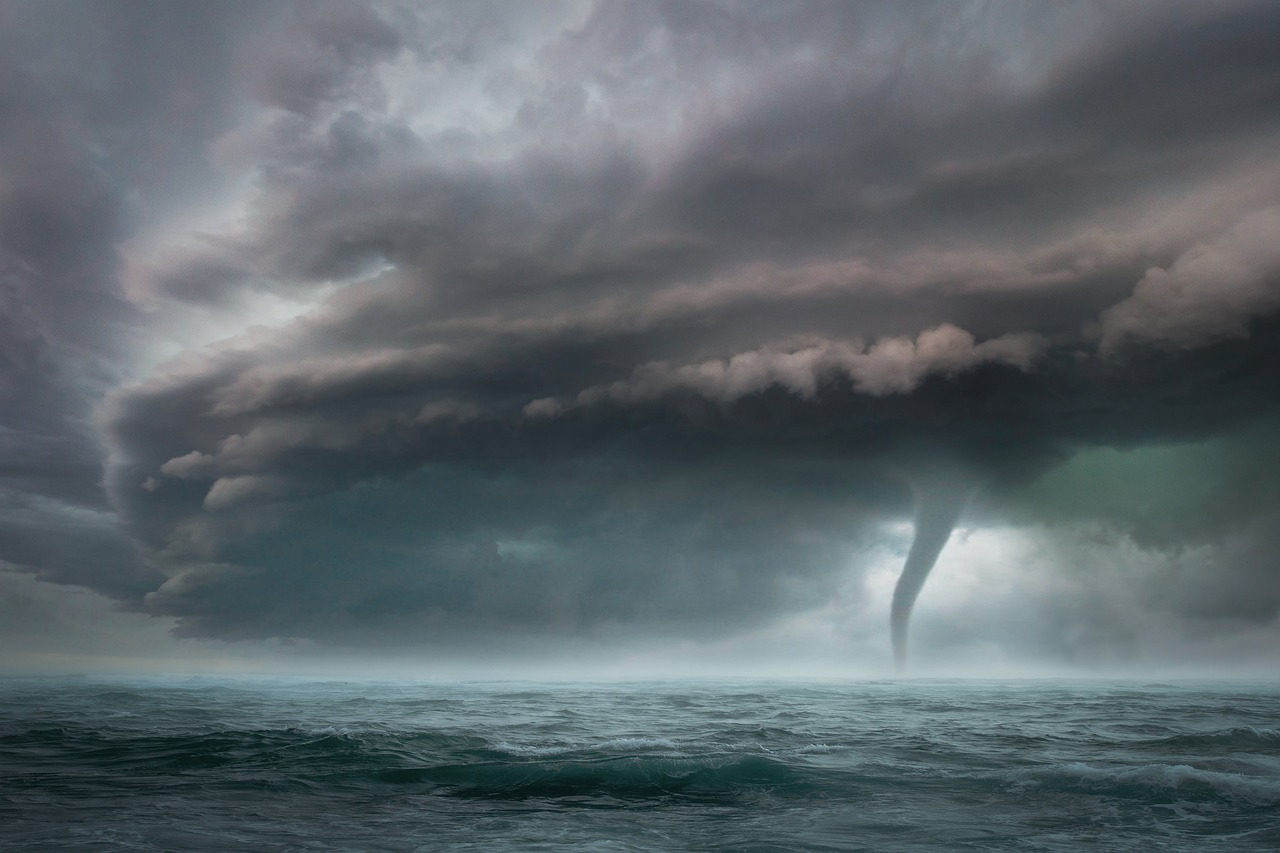
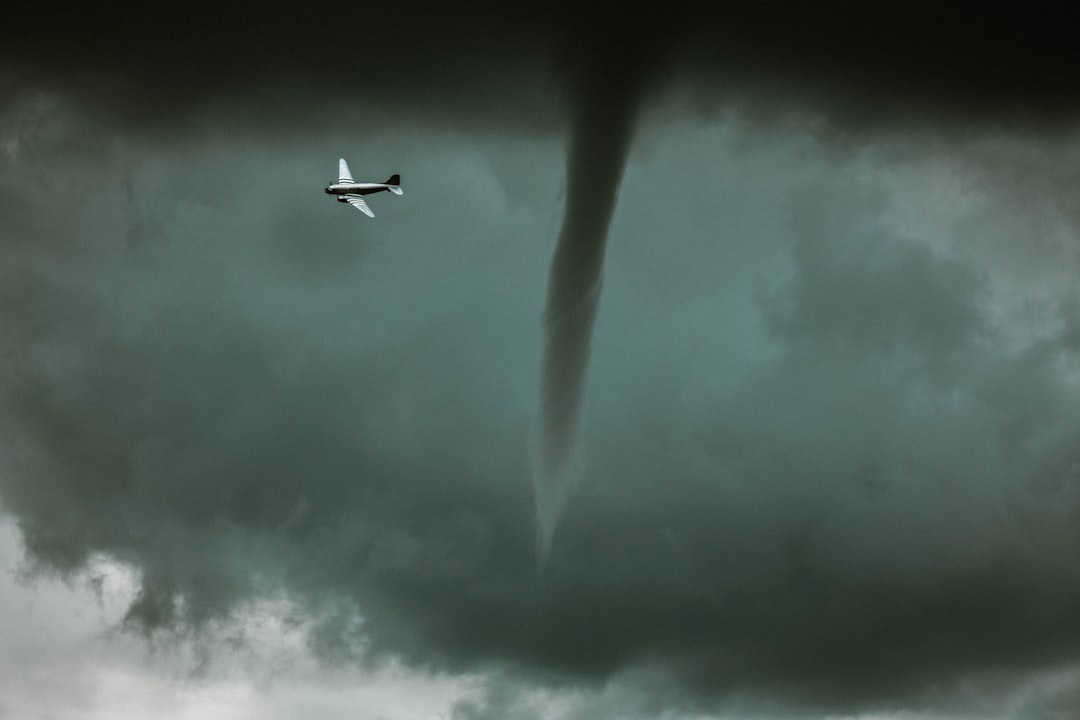
However, seeing a green sky does not necessarily mean that a tornado is imminent. This long-standing belief has persisted for generations, but meteorologists have a different view. Though the sky can appear green during severe weather, it will not always turn green when a tornado is about to touch down. It’s a mere coincidence that the sky turns green before a tornado.
However, there is no evidence to prove that a green sky is a sure sign of a tornado or hail. The scientific community has studied this phenomenon extensively and found no direct causal relationship. Tornado-producing storms proved similarly divorced from any particular sky color, other than dark. Many tornadoes occur without any green coloring in the sky at all.
What Green Skies Actually Tell Us
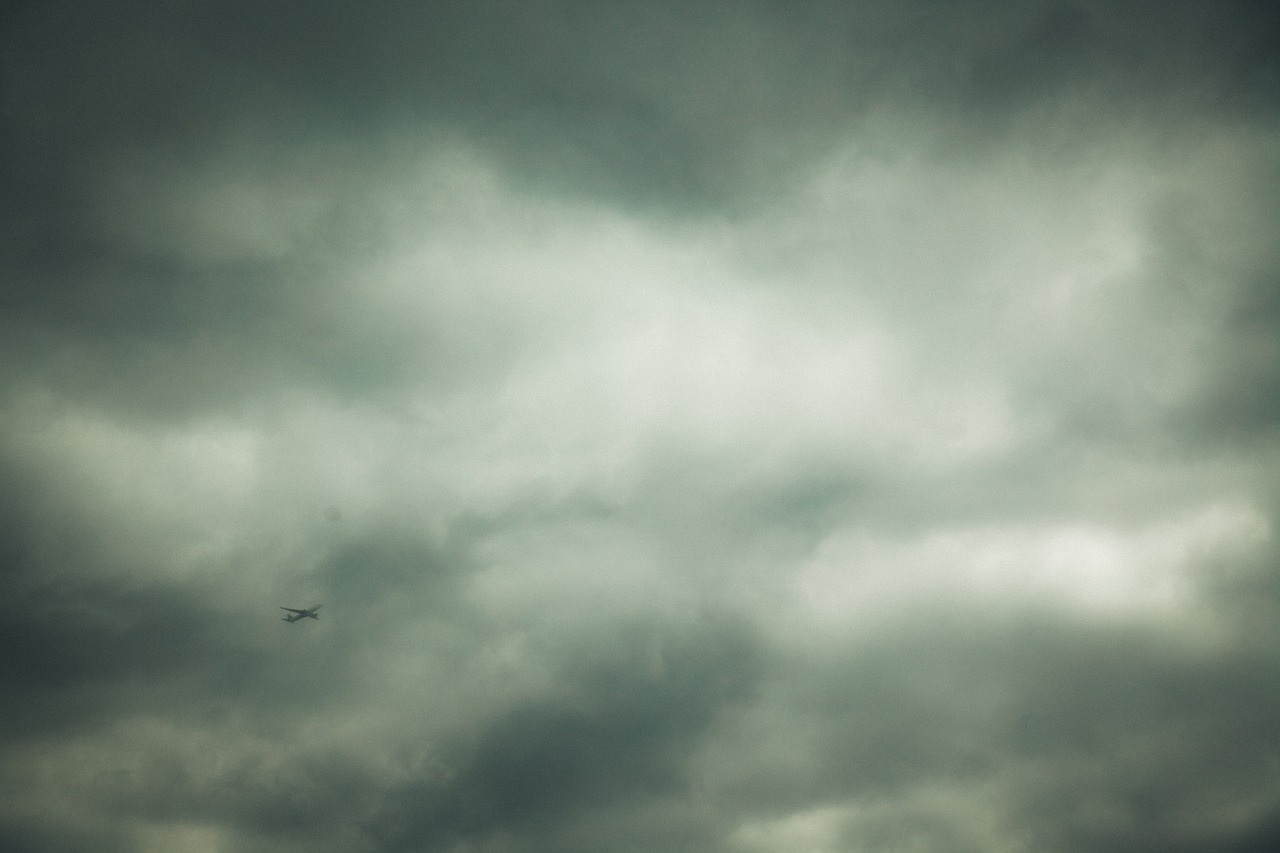
Green is significant, but not proof that a tornado is on the way. A green cloud “will only occur if the cloud is very deep, which generally only occurs in thunderstorm clouds.” Those are the kind of storms that may produce hail and tornadoes. The green sky serves as an indicator of storm intensity rather than a tornado predictor.
Large hail is almost certain in these storms. A green sky can happen only with very organized, intense, and most often rotating thunderstorms. In short, if the storm is powerful enough to turn the sky green, it’s often strong enough to produce a tornado. The key word here is “often,” not “always.”
Modern Tornado Detection Technology
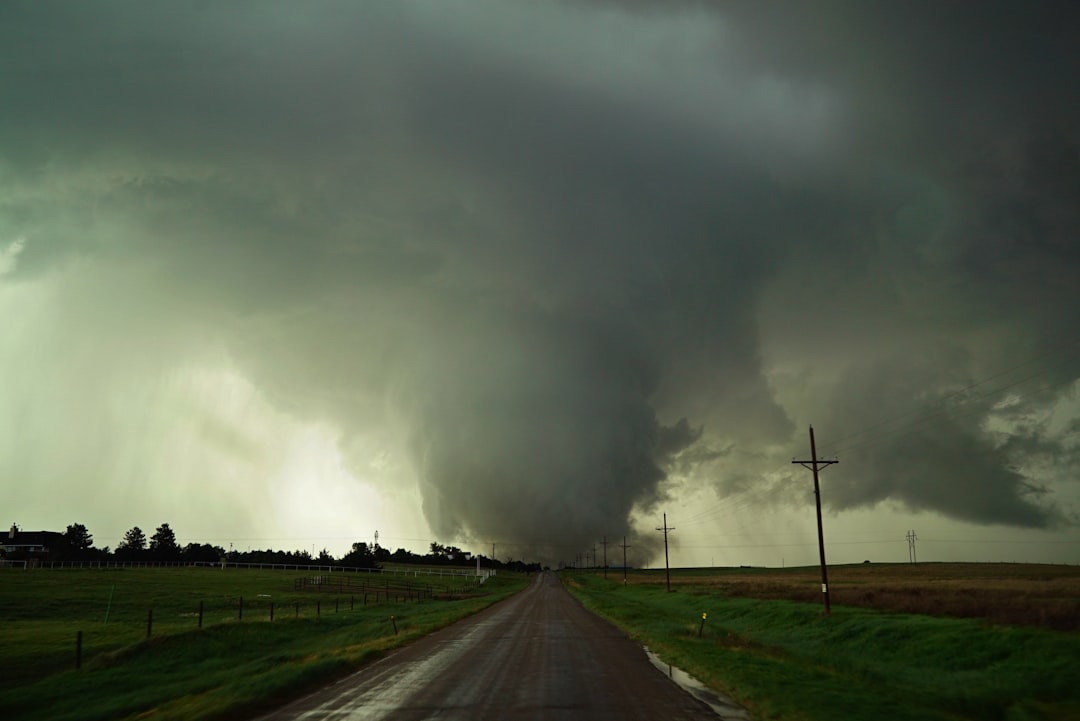
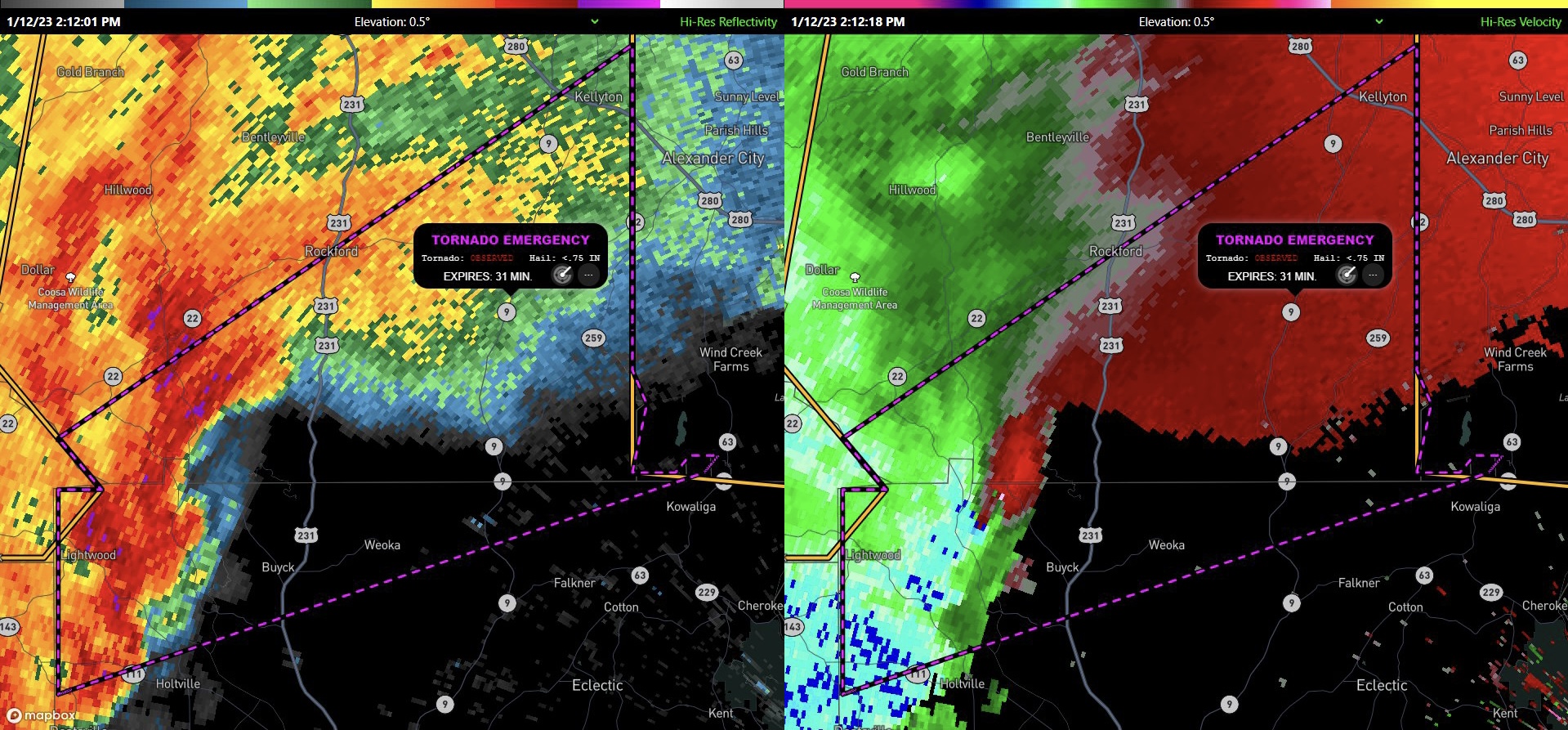
Modern weather surveillance technology such as Doppler weather radar can detect rotation in a thunderstorm, allowing for early warning before a tornado develops. Today’s meteorologists don’t rely on visual cues like green skies to predict tornadoes.
Right now, the average gap between when meteorologists issue a warning and when the tornado hits is 14 minutes. Researchers are working on systems that could potentially provide longer lead times, though current operational warnings still average around 14 minutes. In high-risk situations, every minute counts, and having that critical extra time to respond can mean the difference between life and death.
The Human Element in Storm Detection
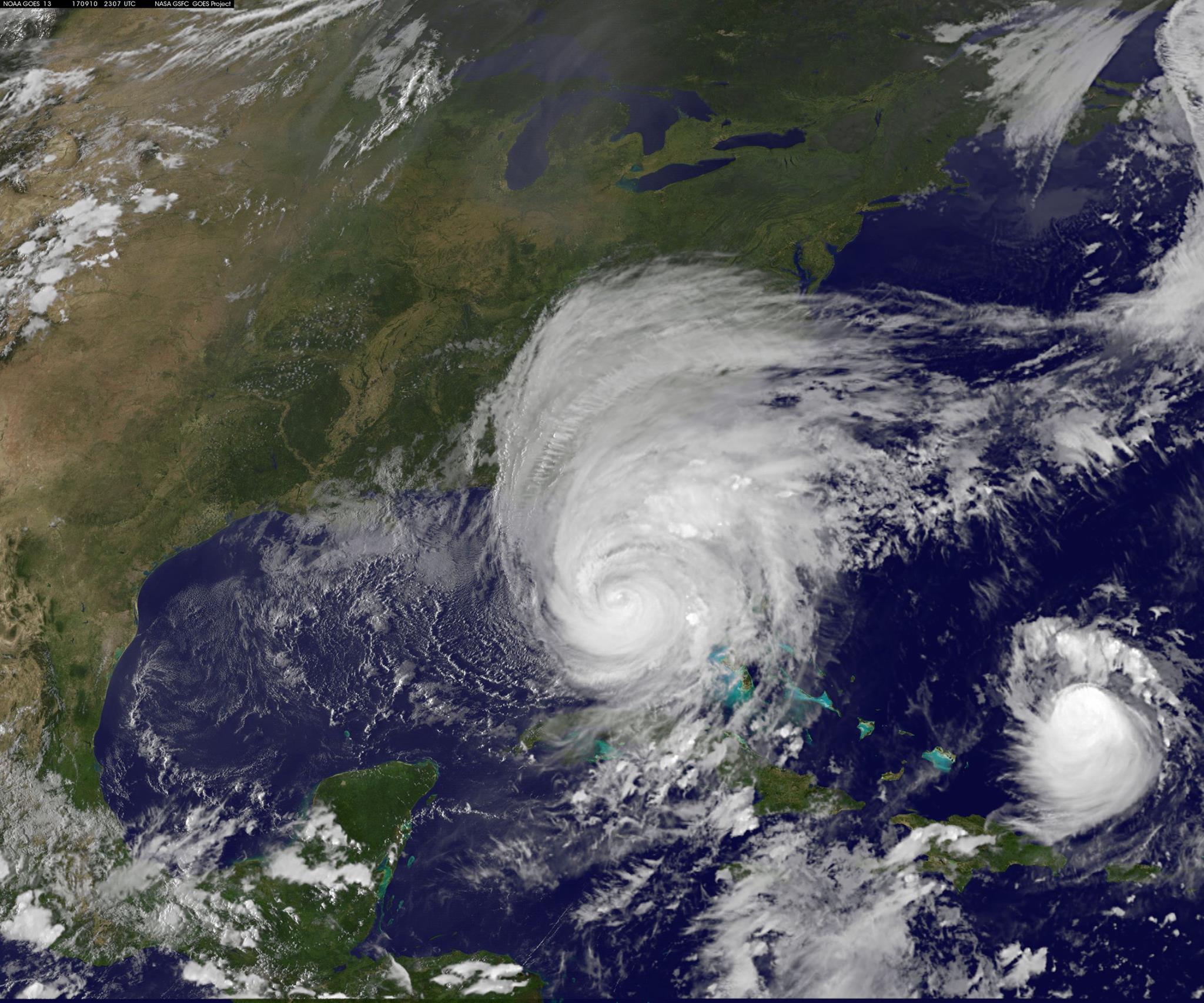
Storm spotters have been trained to recognize tornado conditions and report what they see to the National Weather Service. Storm spotters can be emergency managers or even local people with a keen interest in severe weather who have taken formal storm spotter training in their community. These volunteers play a vital role in modern tornado detection.
Even as new technology allows the NWS to issue warnings with more lead time, spotters will always be needed as links between radar indications of severe weather and ground truth. Storm spotters are needed because radar systems such as NEXRAD, and satellite images, do not detect tornadoes or hail, only indications that the storm has the potential. Radar and satellite data interpretation will usually give a warning before there is any visual evidence of such events, but ground truth from an observer can either verify the threat or determine it is not imminent.
Advanced Warning Systems Beyond Green Skies
Research is ongoing into detecting atmospheric conditions that signal tornado formation using various methods, including listening for unique signals known as tweaks, whistlers, and sferics. These are key indicators of intense electrical activity in the atmosphere: an early precursor to tornadoes.
A team of researchers at the University of Mississippi’s National Center for Physical Acoustics is working to combat this issue by developing an early warning system to detect and track tornadoes using infrasound, low-frequency sound waves that humans cannot hear. “Researchers hope this technology could eventually provide more precise tornado tracking, though such capabilities remain in development”.
The Warning System Hierarchy
Tornado Watch: Be Prepared! Tornadoes are possible in and near the watch area. Review and discuss your emergency plans, take inventory of your supplies and check your safe room. Be ready to act quickly if a warning is issued or you suspect a tornado is approaching. Acting early helps to save lives! Understanding the different alert levels helps you respond appropriately to threats.
Tornado Warning: Take Action! A tornado has been sighted or indicated by weather radar. Tornado Emergency: Seek Shelter Immediately! A tornado emergency is the National Weather Service’s highest alert level. It is issued when a violent tornado has touched down in the watch area. There is a severe threat to human life and property, with catastrophic damage confirmed. Immediately seek refuge in the safest location possible.
Why You Shouldn’t Rely on Sky Color Alone
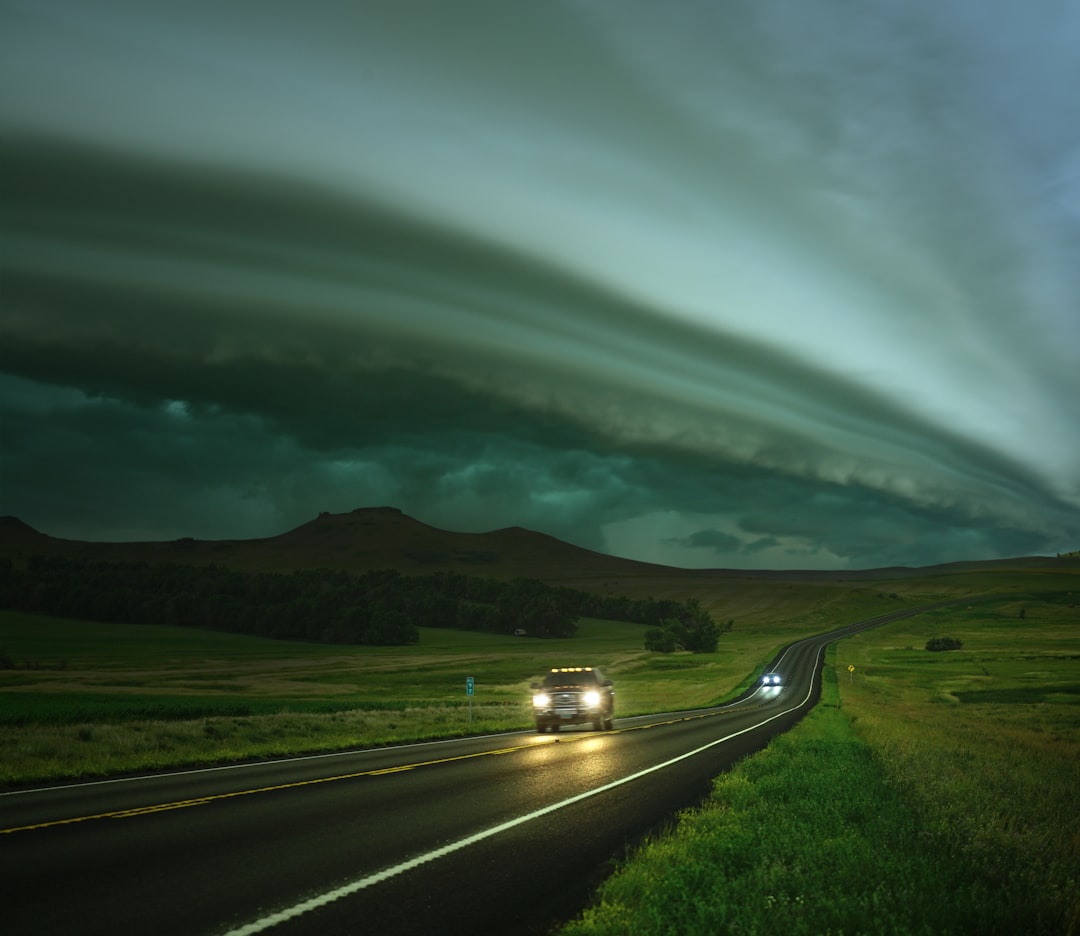
Tornadoes can happen at various times of the day, meaning you won’t always see that green sky. “Think about North Carolina, where we get a lot of tornadoes at night. There are zero colors at night. You can also get storms in the middle of the day when the angle of the sun is much higher, and you won’t see that green.” This timing dependency makes green skies unreliable as tornado predictors.
When she and her colleagues asked people who might receive a tornado warning what they’ll do after the fact, the most commonly agreed upon response is to go outside to look around. “I don’t know what they’re looking for. But if you have on average 14 minutes, but maybe it’s more like six, then you take two minutes to put your shoes on, and then you go outside – then your tornado is suddenly four minutes away, and you may not be able to get somewhere safe.” Don’t waste precious time looking for green skies when you could be taking shelter.
When you notice a green sky, remember that it’s simply telling you a powerful storm is nearby. The green coloring results from fascinating optical physics, not supernatural forces. While you shouldn’t panic at the sight of green clouds, you should take them as a serious warning to monitor weather conditions and prepare for potentially severe weather.
Trust the meteorologists and their advanced technology rather than folklore. If tornado warnings are issued for your area, take immediate action regardless of what color the sky appears. What do you think about the next time you see those eerie green clouds rolling in?
Hi, I’m Andrew, and I come from India. Experienced content specialist with a passion for writing. My forte includes health and wellness, Travel, Animals, and Nature. A nature nomad, I am obsessed with mountains and love high-altitude trekking. I have been on several Himalayan treks in India including the Everest Base Camp in Nepal, a profound experience.