
Picture a world where your morning coffee is guaranteed safe from contamination, where missing persons are found within hours, and where deadly diseases are caught before they spread. Now imagine that this safety net depends entirely on the sensitive noses of dogs, the keen eyesight of dolphins, and the natural instincts of creatures we’ve barely begun to understand. This isn’t science fiction – it’s happening right now, in laboratories, airports, and rescue operations around the globe. But as we push the boundaries of what animals can do for human security and well-being, we’re facing some uncomfortable questions that make scientists, ethicists, and animal lovers lose sleep.
The Ancient Partnership Between Humans and Animal Detectors
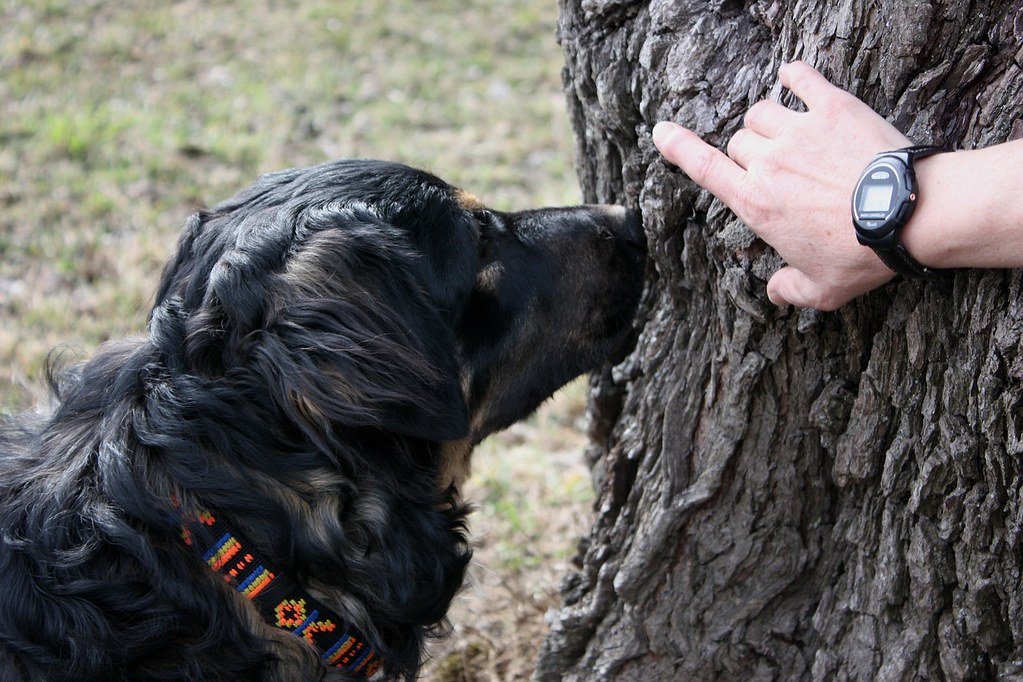
Long before we had sophisticated machines and high-tech sensors, humans figured out that animals possessed detection abilities that put our own senses to shame. Archaeological evidence suggests that dogs were helping humans hunt and track as far back as 15,000 years ago. What started as survival necessity evolved into something much more complex. Today, this partnership has expanded beyond anything our ancestors could have imagined. We’re not just asking animals to find food or track prey anymore – we’re asking them to detect everything from explosives to cancer cells, from illegal drugs to endangered species trafficking.
Dogs: The Four-Legged Crime Fighters

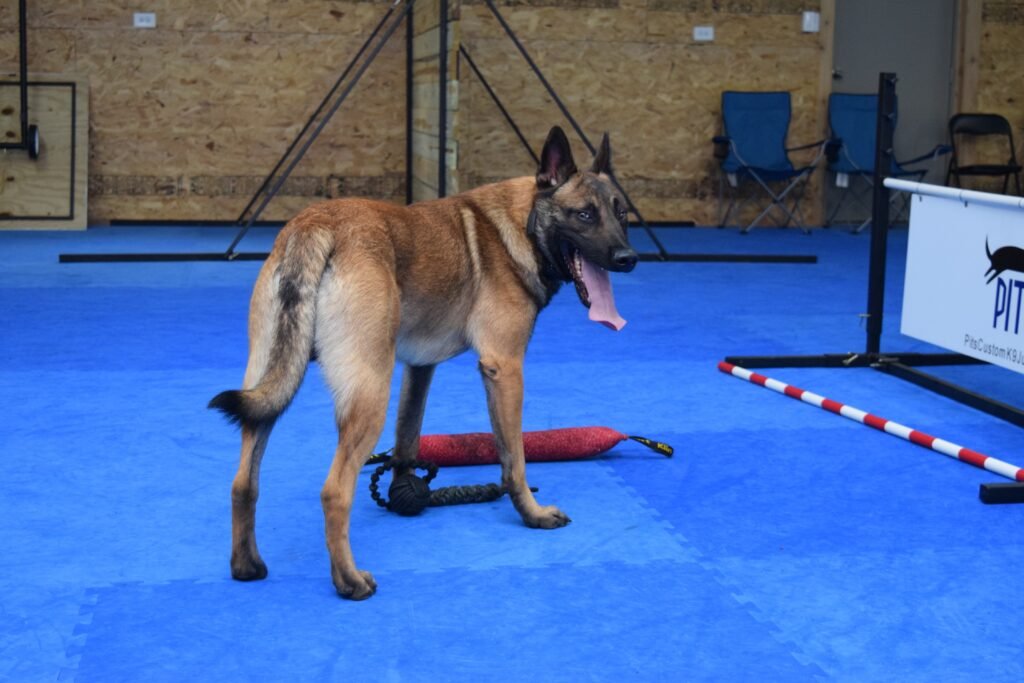
When most people think of animal detection work, dogs immediately come to mind, and for good reason. A dog’s nose contains roughly 300 million scent receptors compared to our measly 6 million. This means they can detect odors at concentrations nearly 100 million times lower than what humans can smell. Police departments worldwide rely on K-9 units for drug detection, explosive detection, and even finding digital storage devices in cybercrime investigations. These dogs undergo rigorous training that can last months or even years, learning to distinguish between thousands of different scents. But here’s where it gets complicated – these animals are essentially working full-time jobs with no choice in the matter.
Medical Marvels: When Animals Become Living Diagnostic Tools

Perhaps nowhere is the ethical debate more intense than in medical detection work. Dogs have been trained to detect various types of cancer with accuracy rates that sometimes surpass traditional medical tests. Some can identify lung cancer from breath samples, while others can detect prostate cancer from urine samples. There are documented cases of dogs alerting their owners to cancerous moles or tumors before any symptoms appeared. Rats, believe it or not, have been trained to detect tuberculosis in sputum samples with remarkable precision. The potential to save human lives is enormous, but so are the questions about whether we have the right to use animals as living medical equipment.
The Explosive Truth About Bomb Detection Animals
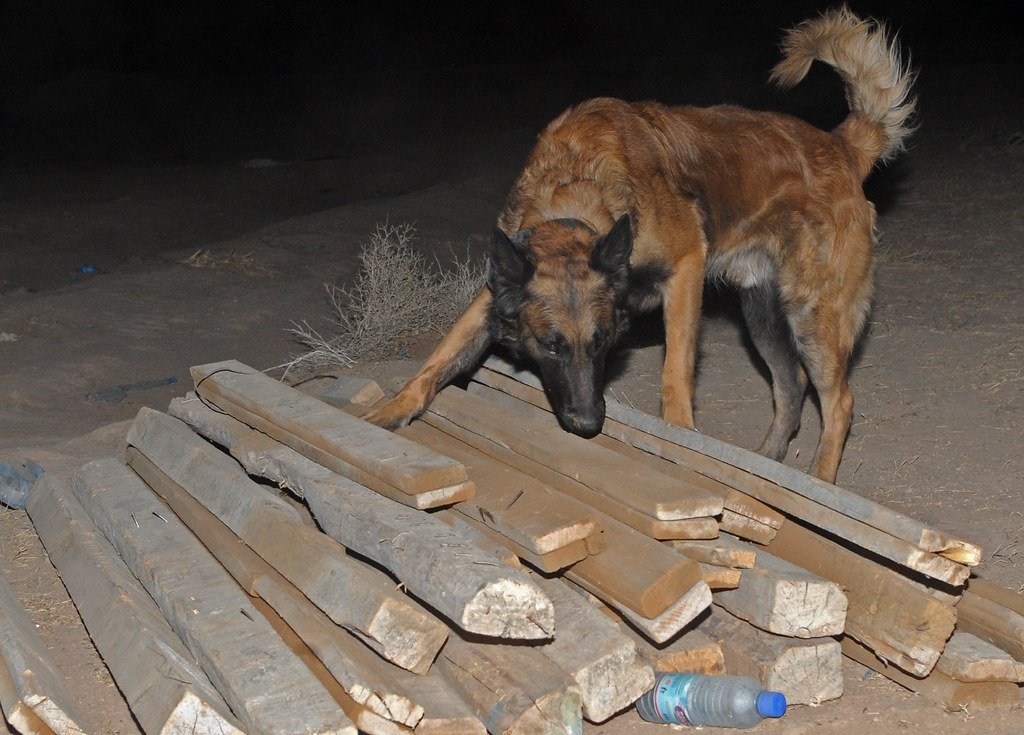
In airports, military bases, and high-security areas around the world, animals are literally putting their lives on the line to keep humans safe. Dogs trained for explosive detection work in some of the most dangerous environments on Earth, from war zones to terrorist attack sites. Their work is incredibly valuable – a single detection dog can clear areas much faster than human bomb disposal experts using electronic equipment. However, these animals face real physical danger, and some have been injured or killed in the line of duty. The ethical question becomes even more complex when we consider that these animals have no understanding of the risks they’re taking or the choice to refuse dangerous assignments.
Dolphins in Military Service: When Nature Becomes Weaponized
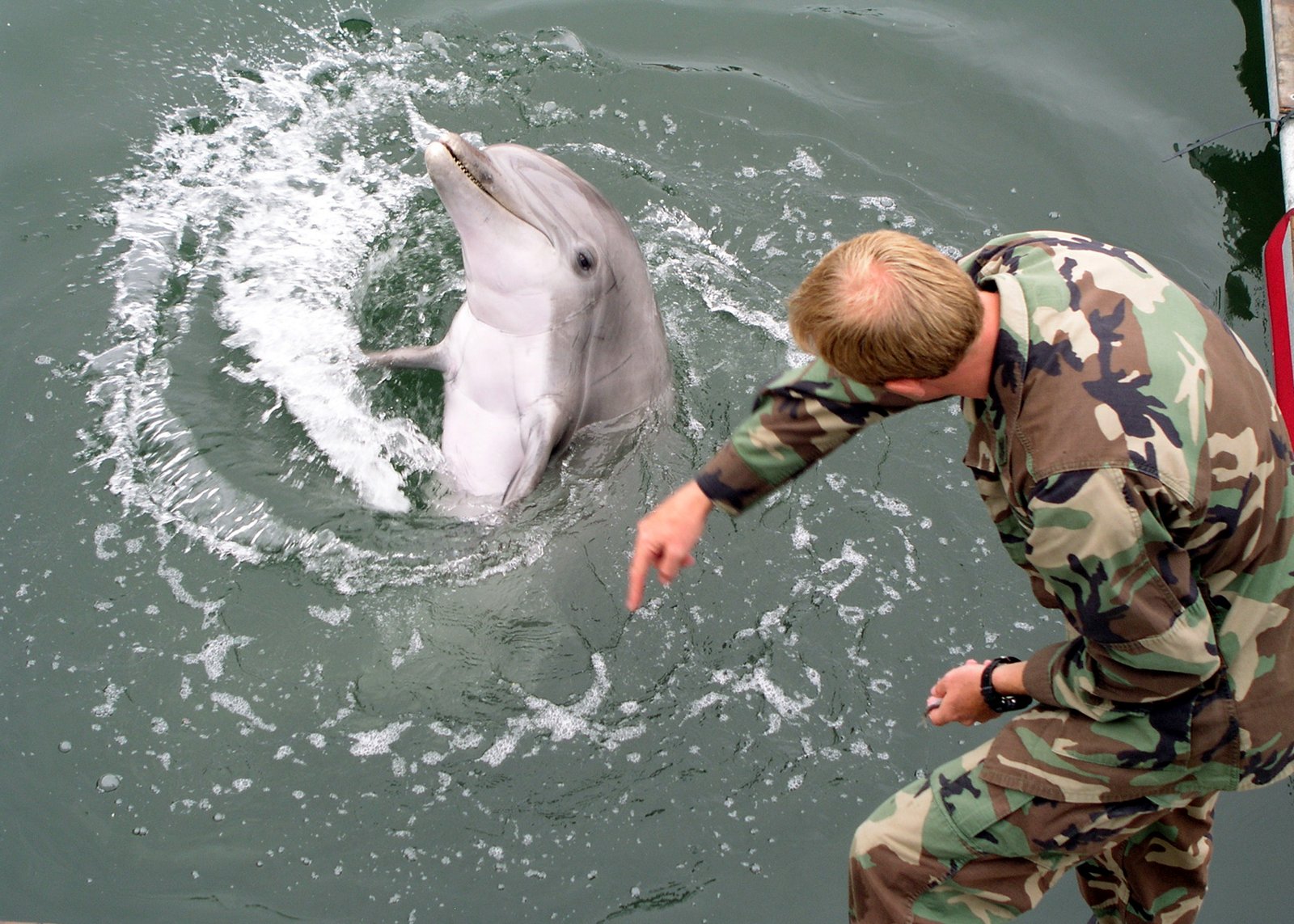
The U.S. Navy’s Marine Mammal Program has been using dolphins and sea lions for decades to detect underwater mines, locate lost equipment, and even guard naval facilities. Dolphins’ natural echolocation abilities make them incredibly effective at finding objects on the ocean floor that sonar equipment might miss. These marine mammals can dive deeper and stay underwater longer than human divers, making them invaluable for certain military operations. Yet critics argue that using highly intelligent marine mammals for military purposes crosses ethical lines, especially when these animals are removed from their natural social groups and confined to military facilities. The debate intensifies when considering that dolphins and whales are among the most cognitively complex animals on the planet.
The Surprising World of Rodent Detectives

While dogs get most of the attention, rodents are quietly revolutionizing detection work in ways that might surprise you. Giant African pouched rats have been trained to detect landmines in countries like Cambodia and Mozambique, where unexploded ordnance continues to claim lives decades after conflicts ended. These rats are light enough that they won’t trigger the mines they find, unlike their human handlers. In laboratories, rats and mice are being trained to detect diseases, identify chemical compounds, and even assist in quality control for food production. Their small size, relatively low cost, and quick training time make them attractive alternatives to larger animals, but this also raises questions about whether we’re exploiting animals simply because it’s convenient and cost-effective.
The Neuroscience Behind Animal Detection Abilities

Understanding how animals accomplish these remarkable feats of detection requires diving deep into neuroscience and sensory biology. Dogs process scent information through a completely different neural pathway than humans, with a much larger portion of their brain dedicated to analyzing odors. Their olfactory bulb – the part of the brain that processes smells – is proportionally 40 times larger than ours. Dolphins use echolocation through specialized structures in their heads called melons, which focus sound waves and interpret the echoes with incredible precision. This biological machinery took millions of years to evolve, and we’re essentially borrowing it for our own purposes. Some scientists argue that understanding these mechanisms could help us develop artificial alternatives, potentially reducing our dependence on live animals.
Training Methods: Where Science Meets Animal Welfare
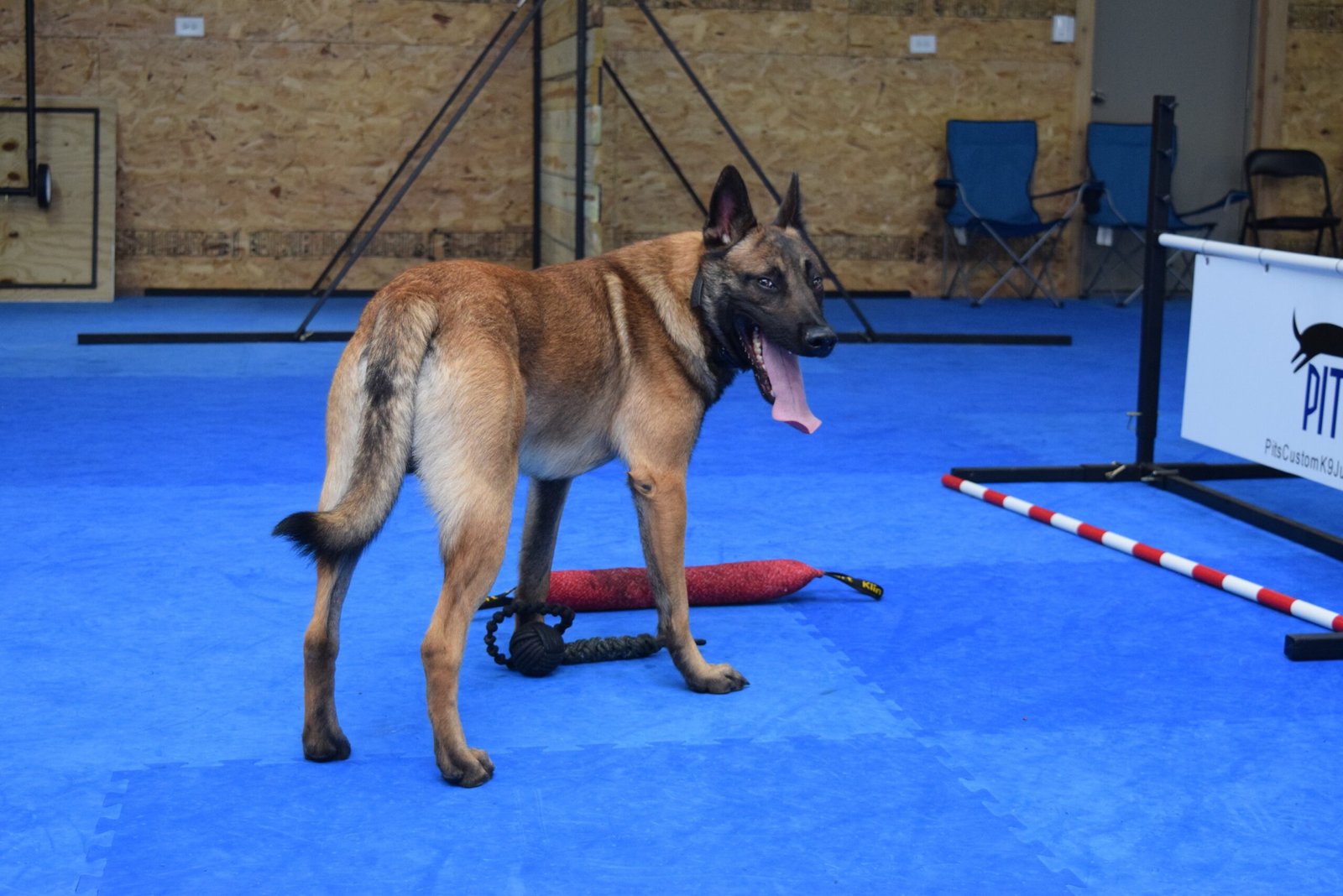
The methods used to train detection animals have evolved significantly over the decades, but they remain a source of ethical concern. Most modern training programs use positive reinforcement techniques, rewarding animals with food, play, or affection when they successfully identify target scents or objects. However, the intensity and duration of training can be grueling. Detection animals often work for hours at a time, processing thousands of samples or searching vast areas. The training itself can take months or years, during which animals are separated from natural behaviors and social structures. While trainers argue that many animals seem to enjoy the work and form strong bonds with their handlers, critics question whether animals can truly consent to such intensive training and work schedules.
The Stress Factor: When Work Becomes Overwhelming

Recent research has begun to examine the stress levels and psychological well-being of working detection animals. Studies using cortisol measurements and behavioral assessments suggest that some detection animals do experience significant stress, particularly those working in high-pressure environments like airports or active conflict zones. Dogs working in drug detection have shown signs of anxiety and behavioral changes after prolonged exposure to the work environment. Military dolphins have exhibited behaviors consistent with psychological distress when separated from their pods or kept in artificial environments for extended periods. These findings are forcing researchers and handlers to reconsider how we manage the welfare of working animals and whether certain types of detection work are simply too stressful to be ethical.
Accuracy vs. Ethics: When Animals Outperform Machines
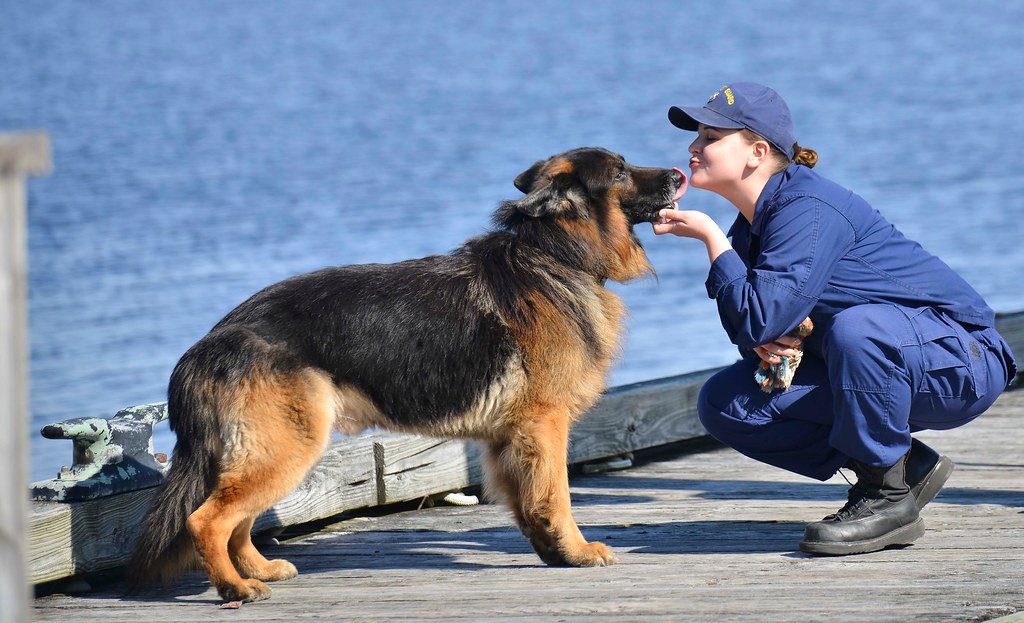
One of the strongest arguments for using animals in detection work is their superior performance compared to mechanical alternatives. Drug-detection dogs have accuracy rates that consistently exceed electronic detection systems, particularly for certain types of substances. Medical detection dogs can identify diseases in stages so early that conventional tests haven’t yet proven effective. The speed at which animals can process and analyze complex scent information is still unmatched by artificial systems. However, this superior performance creates an ethical dilemma: if animals can save more lives or prevent more crimes than machines, do we have a moral obligation to use them? Or does their superior ability actually make it more important to find alternatives that don’t involve potential animal exploitation?
The Economics of Animal Detection: Following the Money Trail
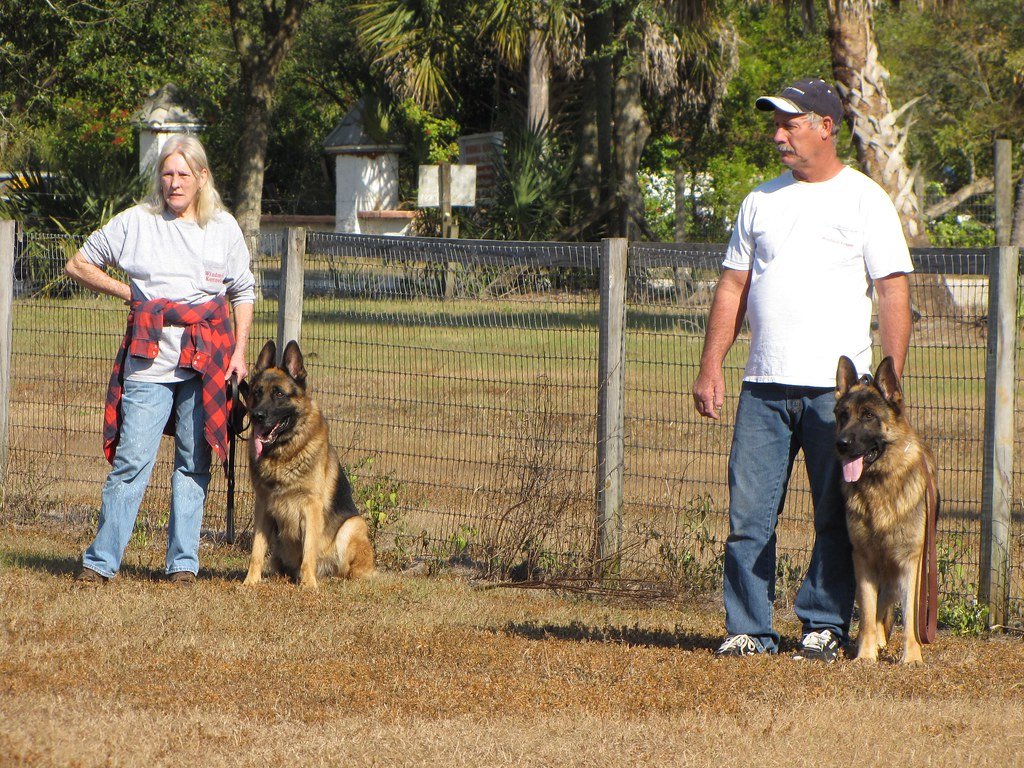
The commercial aspects of animal detection work add another layer to the ethical debate. Training a single detection dog can cost anywhere from $15,000 to $50,000, making them valuable commodities in law enforcement and security industries. Companies that breed and train detection animals operate as businesses, with profit motives that don’t always align with animal welfare concerns. Military contracts for marine mammal programs run into millions of dollars annually. This economic reality means that decisions about animal detection programs aren’t made purely on scientific or ethical grounds – financial considerations play a significant role. Some critics argue that the commodification of animal abilities creates inherent conflicts between profit and welfare.
Legal Frameworks: When Law Struggles to Keep Up with Science

The legal landscape surrounding animal detection work is surprisingly complex and often inconsistent. While laboratory animals are protected by various regulations and oversight committees, working detection animals often fall into legal gray areas. Military animals are considered equipment rather than sentient beings under many legal frameworks, which affects how they’re treated and what protections they receive. International laws governing the transport and use of animals for detection work vary dramatically between countries. Some nations have strict regulations about using certain species, while others have virtually no oversight. This patchwork of legal protections creates situations where the same type of work might be illegal in one country but perfectly acceptable in another.
Alternatives on the Horizon: When Technology Catches Up

Scientists and engineers are working frantically to develop artificial alternatives to animal detection systems. Electronic noses using arrays of chemical sensors are becoming more sophisticated, though they still can’t match the sensitivity and discrimination abilities of biological systems. Machine learning algorithms are being trained to recognize patterns in sensor data that might indicate the presence of target substances. Some researchers are even exploring biomimetic approaches, trying to recreate the structure and function of animal sensory organs in artificial systems. However, the complexity of biological detection systems means that truly effective artificial alternatives may still be years or decades away. This timeline raises questions about what we do in the meantime and whether continued animal use is justified while waiting for better alternatives.
The Intelligence Question: Do Smarter Animals Deserve More Protection?

One of the most challenging aspects of the animal detection debate involves the cognitive abilities of the animals involved. Using highly intelligent species like dolphins, elephants, or primates in detection work raises different ethical questions than using less cognitively complex animals. Some philosophers and ethicists argue that more intelligent animals have greater capacity for suffering and therefore deserve stronger protections. Others contend that all sentient beings, regardless of intelligence level, deserve equal consideration. This debate becomes particularly complex when considering that some of the most effective detection animals – like dolphins and dogs – are also among the most intelligent. The question becomes whether superior intelligence makes their use more valuable to humans or more ethically problematic.
Cultural Perspectives: When Values Clash Across Borders

Views on using animals for detection work vary dramatically across different cultures and societies. Western countries generally emphasize individual animal welfare and rights, leading to stricter regulations and more ethical oversight. Many Asian cultures have different philosophical approaches to human-animal relationships that may be more accepting of using animals for human benefit. Indigenous communities often have complex spiritual relationships with animals that don’t fit neatly into Western ethical frameworks. These cultural differences create challenges for international cooperation in detection work and raise questions about whose ethical standards should apply when animals are used across national borders. The globalization of security concerns means that animals trained in one country might work in another with completely different ethical standards.
The Retirement Question: What Happens When Work is Done?

One often-overlooked aspect of animal detection work is what happens to animals when their working lives are over. Detection dogs typically work for 6-8 years before age or health issues force retirement. Military dolphins may work for decades before becoming too old for active duty. The cost and complexity of caring for retired working animals creates practical and ethical challenges. Some organizations have excellent retirement programs that place animals in loving homes or specialized facilities. Others have less comprehensive plans, and some retired working animals end up in less than ideal situations. The quality of an animal’s retirement should arguably be considered when evaluating the ethics of using them for detection work in the first place.
Public Opinion: What People Really Think

Surveys and polls reveal that public opinion on animal detection work is complex and often contradictory. Most people support using dogs for police work and search and rescue operations. Support drops significantly when it comes to using animals in military applications or potentially dangerous situations. Many people are uncomfortable with the idea of using highly intelligent animals like dolphins for human purposes. However, support tends to increase when the stakes are high – more people accept animal detection work when it involves saving human lives or preventing terrorism. These shifting opinions suggest that public acceptance depends heavily on how the work is framed and what alternatives are available.
Scientific Innovation: Pushing the Boundaries of What Animals Can Detect

Researchers continue to discover new applications for animal detection abilities that push ethical boundaries in unexpected directions. Dogs are being trained to detect COVID-19 infections, electronic devices hidden by criminals, and even certain mental health conditions through scent analysis. Scientists are exploring whether animals can detect natural disasters before they occur or identify environmental contamination in ways that instruments cannot. Each new application raises fresh ethical questions about how far we should go in exploiting animal abilities and whether some uses cross lines that others don’t. The rapid pace of scientific discovery often outpaces ethical oversight, creating situations where animals are used in ways that haven’t been thoroughly examined from a welfare perspective.
The Future of Animal Detection: Toward Ethical Solutions

As we look toward the future, several trends are emerging that could reshape the ethical landscape of animal detection work. Advances in artificial intelligence and sensor technology may eventually provide alternatives that match or exceed animal capabilities. Improved understanding of animal cognition and welfare is leading to better treatment standards and more ethical training methods. Some organizations are developing “consent-based” training approaches that try to give animals more choice in their participation. Virtual reality and computer modeling are being used to reduce the number of live animals needed for certain types of research and development. These developments suggest that the future of detection work may involve fewer animals, better treatment of those that are used, and more ethical approaches overall.
The intersection of science and ethics in animal detection work represents one of the most complex moral challenges of our time. We’re asking animals to use their natural abilities to solve uniquely human problems, from security threats to medical diagnosis to environmental monitoring. While the benefits to human society are undeniable, the costs to animal welfare and autonomy are significant and often overlooked. As our technological capabilities advance and our understanding of animal consciousness deepens, we’re forced to confront uncomfortable questions about exploitation, consent, and the value we place on different forms of life. The decisions we make today about how to use animal detection abilities will shape not only the future of security and medicine but also our relationship with the natural world. What kind of partnership do we want with the animals whose extraordinary senses we depend on?