
Have you ever stepped outside after a summer storm, filled your lungs with that crisp, electrifying scent, and felt a sudden jolt of nostalgia or wonder? There’s something almost magical about the way the world smells after rain. It’s fresh, earthy, and sometimes tinged with a sharp, almost metallic edge that some describe as the smell of ozone. But what’s really behind this mysterious “after-rain” aroma? Is it just ozone, or is there an entire orchestra of natural chemistry at play, performing in the wake of every downpour? Let’s pull back the curtain on one of nature’s most enchanting mysteries.
The Mystery of the After-Rain Scent

For centuries, people have marveled at the unique fragrance that hangs in the air after a rainstorm. Some call it refreshing; others say it’s almost electric. This scent isn’t just a poetic idea—it’s a real phenomenon that scientists have worked to unravel. The after-rain smell is a blend of different compounds, each telling a story about the earth, the sky, and the water that ties them together. It’s not just nostalgia or imagination; it’s chemistry in action.
Petrichor: The Earthy Essence
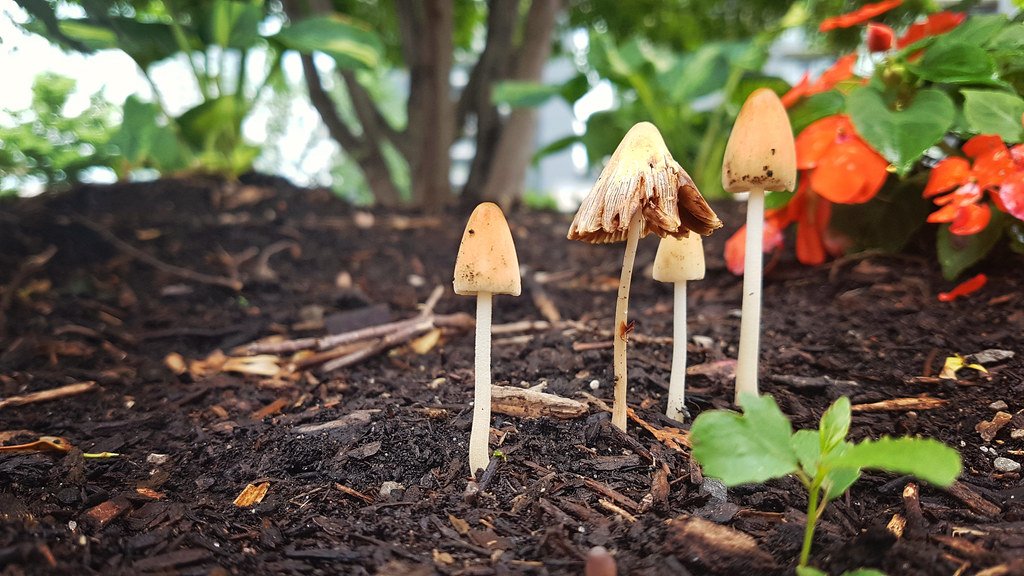
One of the most captivating components of the after-rain scent is called petrichor. The word itself sounds mysterious, almost ancient, and it comes from the Greek “petra” (stone) and “ichor” (the fluid that flows in the veins of the gods). Petrichor is that warm, earthy aroma that rises up when rain hits dry soil or pavement. This scent comes from oils produced by plants, which are absorbed by the ground and released into the air when rain disturbs them.
Geosmin: Nature’s Signature Scent
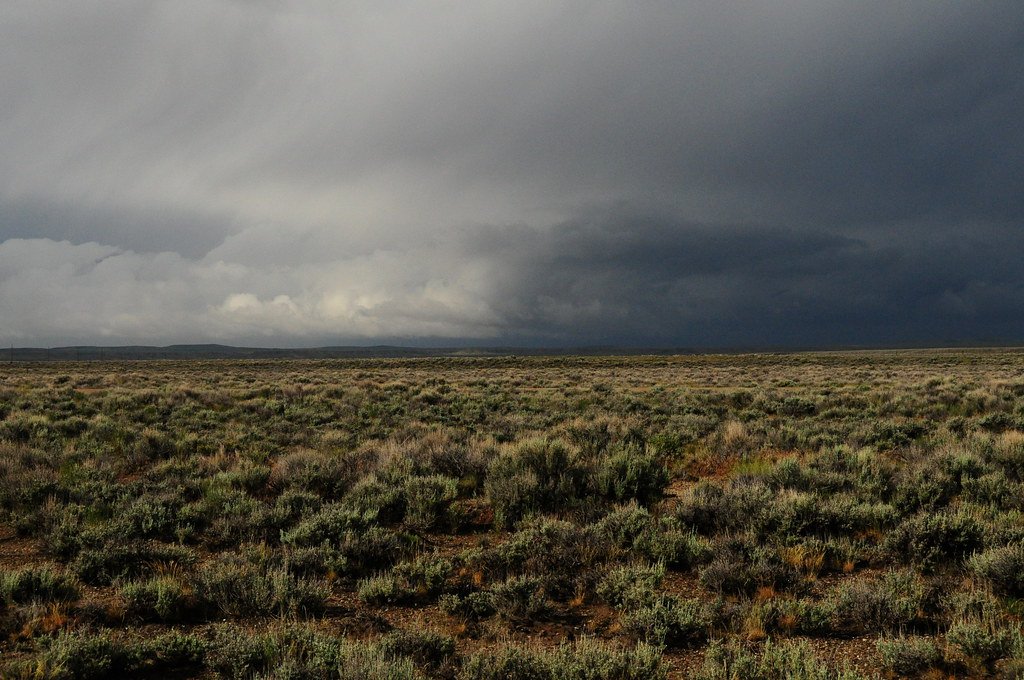
Geosmin is the molecule responsible for the earthy smell associated with fresh rain. Produced by soil-dwelling bacteria called actinomycetes, geosmin is incredibly potent—even just a few parts per trillion can be detected by our noses. When rain falls, it breaks open soil particles, releasing geosmin into the air. Imagine the first bite of a fresh beetroot—that’s geosmin, and it’s the same note your nose picks up after a storm.
Ozone: The Sharp, Clean Edge

Ozone brings a different character to the after-rain scent, one that feels almost electric and sharp. Ozone molecules form high in the atmosphere during thunderstorms, when lightning splits oxygen molecules, allowing them to recombine as ozone (O₃). Sometimes, winds push this ozone down to where we can smell it. That striking, almost metallic smell before or after a storm? That’s ozone, a gas that’s as reactive as it is recognizable.
Lightning and Atmospheric Chemistry

Lightning is nature’s own chemistry lab, breaking apart oxygen and nitrogen molecules, which then form new compounds, including ozone. During a thunderstorm, these reactions happen on a massive scale, and the results can sometimes be detected by our noses. It’s almost as if the air itself is being scrubbed and refreshed. This is why the air often smells so different after a lightning storm compared to gentle rain.
Plant Oils and Their Secret Release

Plants, like silent chemists, create oils that are stored in their leaves, bark, and roots. When the weather is dry, these oils seep into the soil and stay there, almost hidden. But when rain finally arrives, the impact of water droplets causes these oils to be released into the air. This burst of plant fragrance mingles with geosmin and ozone, creating that unique after-rain bouquet.
How Rainfall Releases Hidden Aromas

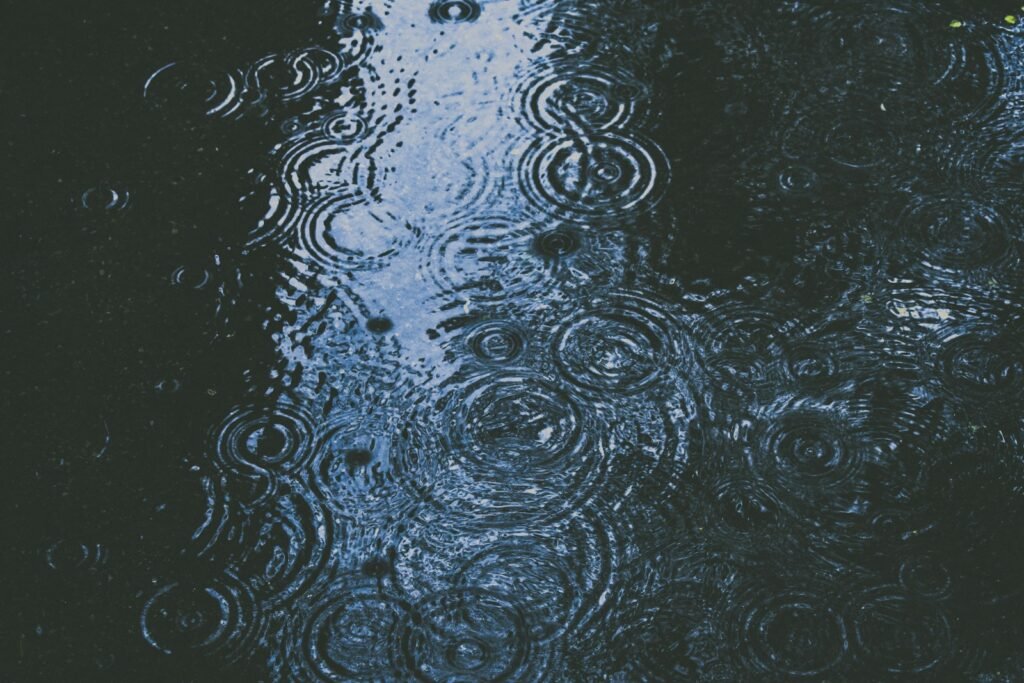
Raindrops don’t just fall—they explode against the ground, trapping tiny air bubbles beneath them. These bubbles rise up and burst, releasing minute particles of soil, plant oil, and bacteria into the air. This process, called aerosolization, acts like a natural diffuser, spreading those after-rain scents far and wide. The next time you see raindrops splashing, imagine millions of tiny scent carriers bursting into the air.
The Role of Bacteria in Scent Creation
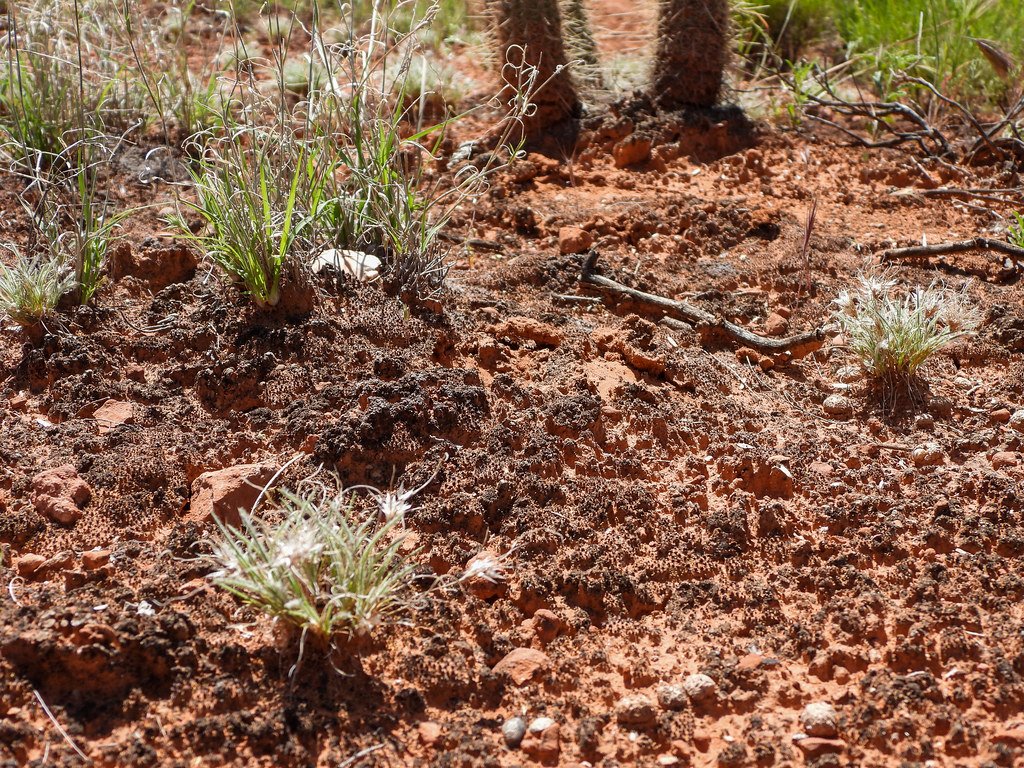
It might seem strange, but the pleasant smell after rain is owed, in part, to bacteria. Soil-dwelling microbes, especially actinomycetes, break down organic matter and produce geosmin as a byproduct. When rain comes, it disturbs the soil, helping these bacteria release their aromatic compounds. Without these microscopic workers, the world after rain would smell a lot less inviting.
Why Does Rain Smell Different in Different Places?

Not every after-rain scent is the same. The ingredients change depending on where you are—urban streets, dense forests, or open fields. City rain might carry hints of concrete and car exhaust, while a forest after rain smells mossy and green. That’s because the local soil, plants, and even pollution levels all influence which aromas are released. It’s like nature’s way of giving every place its own signature perfume.
Human Sensitivity to the After-Rain Scent

Humans are surprisingly sensitive to the chemicals that create the after-rain smell. Our noses can detect geosmin at incredibly low concentrations, much lower than many other odors. Some scientists think this sensitivity is a survival trait, helping our ancestors find fresh water or fertile land. Whether or not that’s true, it explains why the after-rain scent can be so powerful and unforgettable.
The Emotional Power of Rain’s Aroma

For many, the scent of rain is more than just a physical reaction—it stirs up memories and emotions. Maybe it reminds you of childhood summers, camping trips, or cozy afternoons indoors. Scientists have found that smells are closely linked to memory and emotion, so it’s no wonder the after-rain aroma can feel so nostalgic or calming. It’s a scent that travels straight to the heart.
Weather Patterns and Their Scent Signatures

Different types of rainstorms produce different scents. A light drizzle on a hot day might bring out more plant oils, while a thunderstorm might highlight ozone and geosmin. The temperature, humidity, and even wind direction can change what you smell after rain. It’s like nature is a perfumer, mixing a new fragrance with every storm.
Urban vs. Rural After-Rain Smells

In the city, after-rain scents can be tinged with concrete, asphalt, and even a hint of gasoline. Rural and wild areas, on the other hand, are more likely to showcase earthy petrichor and plant-based aromas. These differences can be dramatic, making the after-rain scent a way to connect to the unique character of a place. It’s a reminder that even something as simple as rain can reveal the story of where you are.
How Pollution Alters Rain’s Scent

Air pollution can change the after-rain scent in surprising ways. Chemicals from cars, factories, or agriculture can mix into the air and soil, sometimes muting the natural fragrances or creating new, less pleasant odors. In some cities, the after-rain smell might be sharper or more chemical than earthy. It’s an invisible reminder of how human activity shapes even the most natural experiences.
After-Rain Scent in Popular Culture
The smell of rain has inspired poets, musicians, and artists for generations. From classic songs to modern perfumes, people have tried to capture that elusive scent in words, music, and bottled fragrances. It’s a testament to how deeply this phenomenon resonates with us, serving as a symbol for freshness, renewal, and the simple joys of nature.
Can We Recreate the After-Rain Scent?

Scientists and perfumers have worked for years to bottle the after-rain scent. By isolating compounds like geosmin and synthesizing plant oils, they’ve come close to recreating petrichor in a lab. Some perfumes now boast “rain” or “earth” notes, offering a whiff of nostalgia on demand. Still, nothing quite matches the real thing—a living, breathing scent that rises from the earth after a storm.
What the After-Rain Scent Reveals About Our World

The aroma that follows rain is more than just a pleasant bonus—it’s a signal from the natural world. It tells us about the health of our soil, the plants around us, and even the quality of our air. Every time you breathe in that fresh, earthy air after a storm, you’re experiencing a complex conversation between earth, water, and sky. Isn’t it amazing to think that something as simple as a scent can reveal so much about our planet?