Imagine standing at the foot of a mighty glacier, surrounded by the crispest air you’ve ever breathed. Suddenly, an otherworldly chorus echoes across the frozen landscape—groans, pops, whistles, and haunting melodies that send shivers down your spine. These are the mysterious songs of melting ice, a soundtrack created not for human ears, but for the ages. As climate change accelerates and ancient ice retreats, these strange and beautiful sounds are being discovered, studied, and cherished by scientists and adventurers alike. But what do these glacial songs really mean, and why do they matter now more than ever?
The Hidden Orchestra Beneath the Ice

Beneath the surface of every glacier lies a world teeming with sound. While we often picture glaciers as silent, frozen giants, their interiors pulse with noise. As ice shifts and cracks, it produces vibrations that travel through air and water, sometimes audible and sometimes beyond human hearing. This hidden orchestra is always playing, revealing secrets about the glacier’s health and the forces at work within. When researchers lower microphones into the icy depths, they capture a symphony unlike any other—sometimes soothing, sometimes alarming, but always mesmerizing.
What Causes Glaciers to Sing?

The eerie music of glaciers is more than just random noise. It’s the product of complex natural processes. As glaciers melt, water trickles through cracks, refreezes, and then suddenly releases, causing sharp pops and cracks. Ice grinding against rock creates deep rumbles, almost like a distant drum. Sometimes, pressure builds up under the ice until it explodes in a thunderous boom. Each sound is a clue, a tiny piece of a puzzle that scientists are racing to understand as glaciers around the world rapidly change shape.
The Science of Cryoacoustics
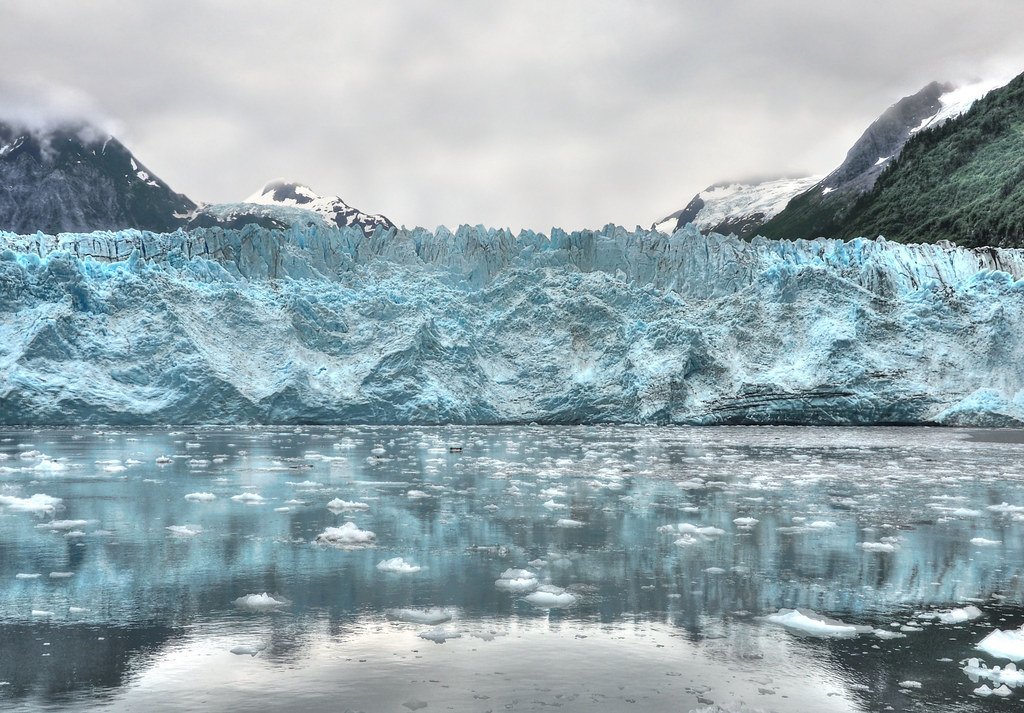
Cryoacoustics is the study of sounds produced by ice. This field blends physics, geology, and environmental science to decode the language of glaciers. Using underwater microphones called hydrophones, researchers can “listen in” on melting icebergs and retreating glaciers. By analyzing the frequency and volume of different sounds, they can track how quickly a glacier is melting or detect hidden crevasses. Cryoacoustics is still a young science, but it’s already rewriting what we know about our planet’s coldest places.
Haunting Melodies: Describing Glacial Sounds

To the untrained ear, glacial sounds can seem almost supernatural. They range from sharp, high-pitched chirps to low, mournful moans that seem to vibrate through your bones. Some researchers have compared them to the cries of whales or the ringing of cathedral bells underwater. In 2024, an expedition to Greenland captured a particularly eerie sequence—like a ghostly choir rising from the depths. These sounds are not only scientifically valuable, but they also inspire awe and wonder, reminding us of the mysterious beauty that still exists on Earth.
Real-World Expeditions: Listening on the Frontlines
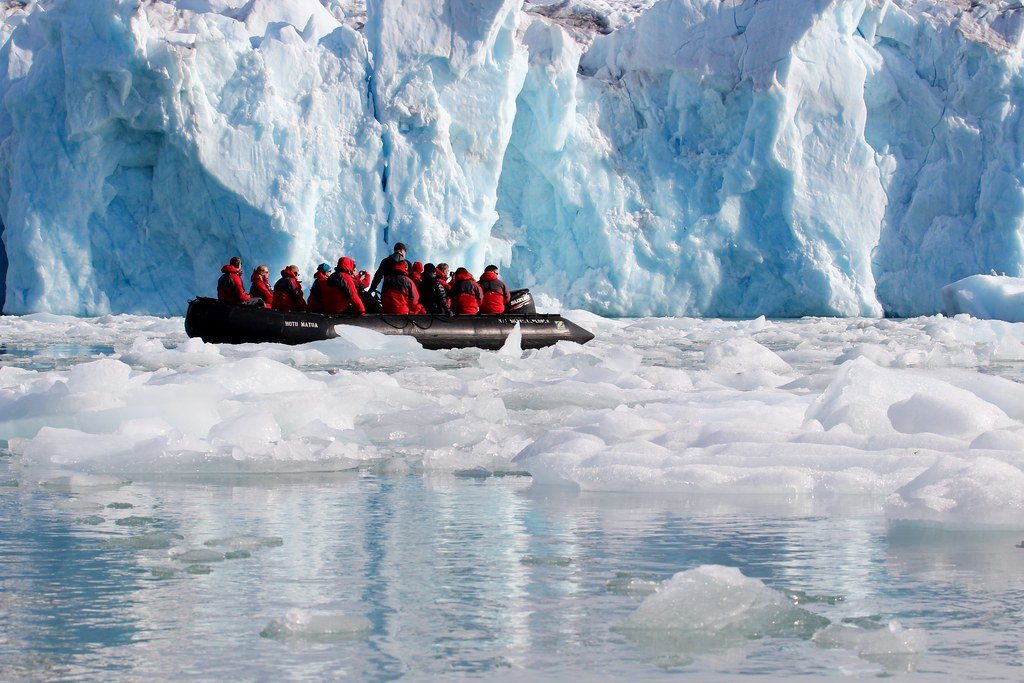
Scientists and adventurers have traveled to some of the world’s most remote locations to experience these sounds firsthand. In Alaska, teams camped beside the rapidly retreating Mendenhall Glacier, recording the constant symphony of cracking and bubbling. In Antarctica, researchers have spent months in isolation, their only company the haunting calls of shifting ice. These field recordings are not just scientific data—they are living reminders of a vanishing world, now preserved in digital archives for future generations to hear.
The Role of Melting in the Soundscape
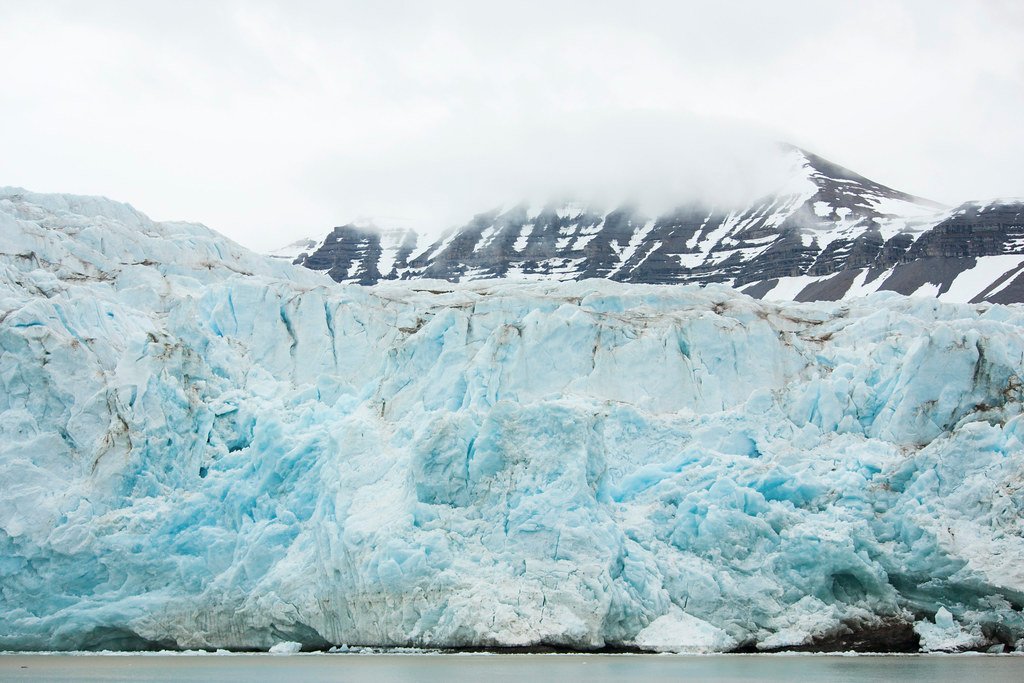
Melting is the driving force behind many of these strange sounds. As temperatures rise, meltwater carves tunnels and rivers within the glacier, creating gurgles and whistles. When this water suddenly escapes, it can cause explosive cracks or gentle sighs. The intensity and frequency of these sounds can reveal how quickly a glacier is melting, offering a real-time glimpse into the effects of climate change. In some cases, the sounds become so intense that they drown out all other noises, a stark warning of just how fast the ice is disappearing.
Glacial Calving: Nature’s Thunderclap
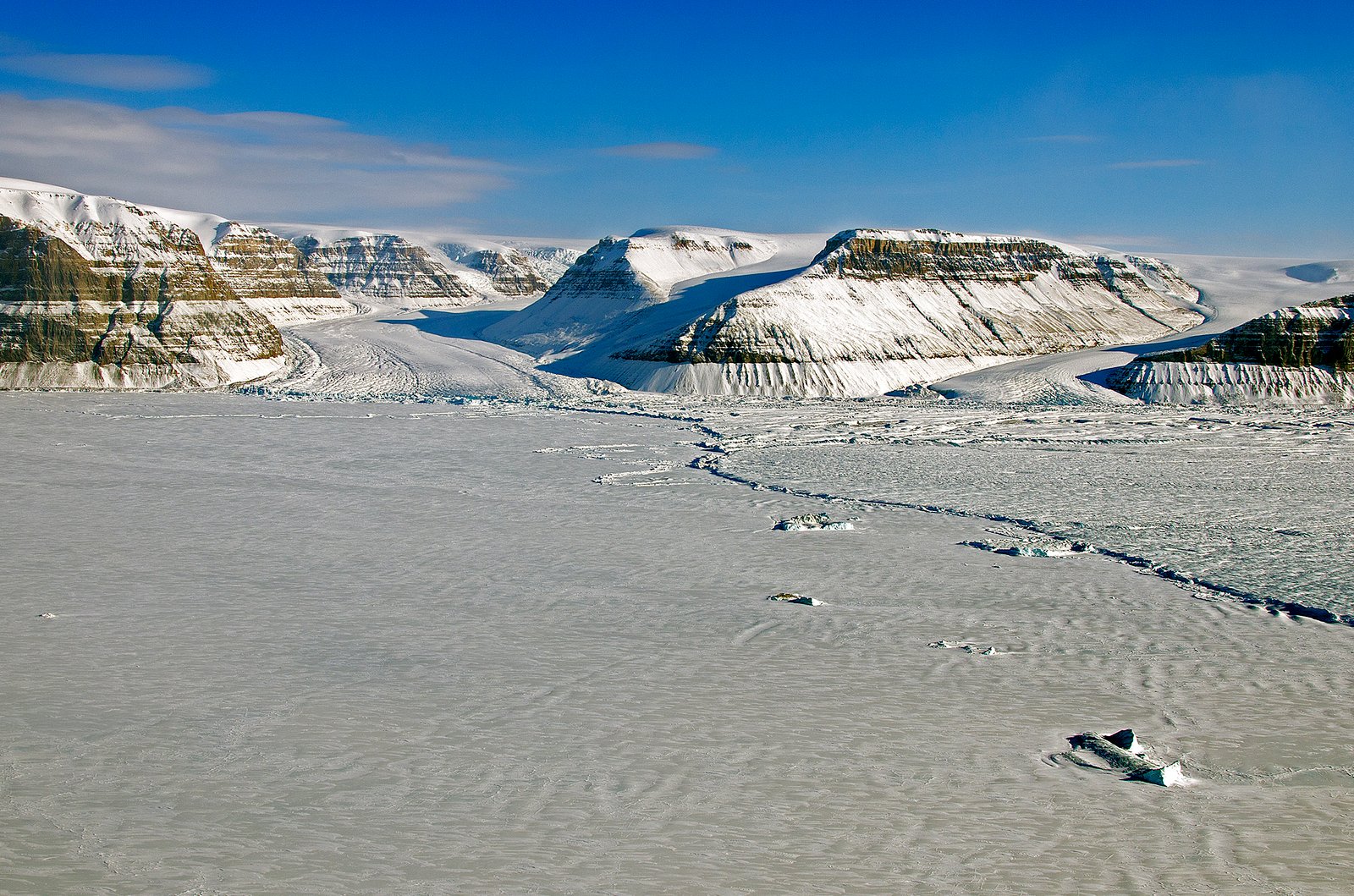
Few sounds in nature rival the drama of glacial calving—the moment when a massive chunk of ice breaks free and crashes into the sea. The resulting boom can be heard for miles, followed by the roar of waves and the crackling of smaller ice breaking apart. Calving is both a spectacle and a sign of instability, often marking the rapid retreat of a glacier. For those lucky enough to witness it, the sound is unforgettable—a reminder of nature’s power and fragility all at once.
Underwater Echoes: Sounds Below the Surface

Much of the glacial symphony happens underwater, hidden from human ears. As icebergs melt, they release a steady stream of bubbles that create a chorus of snaps and hisses. These sounds travel great distances, sometimes confusing marine animals or interfering with underwater navigation. Scientists use specialized equipment to capture these underwater echoes, gaining insight into how much ice is melting below the surface—a process that, until recently, was almost impossible to measure.
Impact on Wildlife: Nature’s Soundtrack
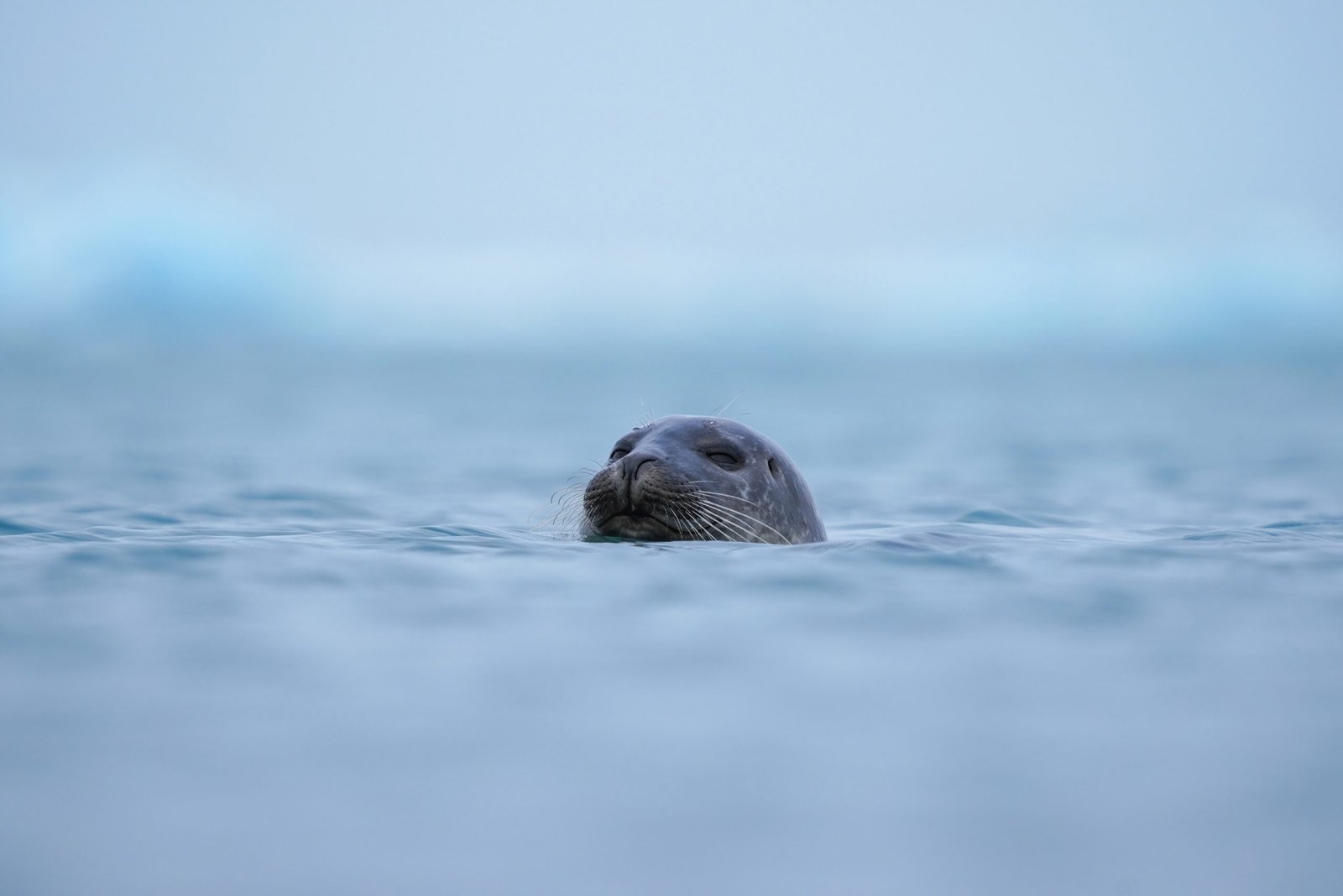
Animals living near glaciers are deeply attuned to these sounds. Seals, whales, and seabirds navigate by listening to the noises of melting and shifting ice. For some species, these sounds are a signal to approach or avoid certain areas. Changes in the glacial soundscape can disrupt migration patterns and feeding habits, creating ripple effects throughout entire ecosystems. As glaciers melt faster, the volume and quality of these sounds change, forcing wildlife to adapt in ways scientists are only beginning to understand.
Climate Change: Turning Up the Volume

As global temperatures rise, glaciers are melting at unprecedented rates. This acceleration means that the eerie sounds of cracking and bubbling are becoming more frequent and intense. In places like Greenland, microphones have recorded an explosion of sound activity over the last decade—clear evidence of glaciers in distress. These changes are not just a curiosity; they are a wake-up call. The louder the glaciers sing, the more urgent the message: our planet is changing, fast.
Human Encounters: Awe, Fear, and Inspiration
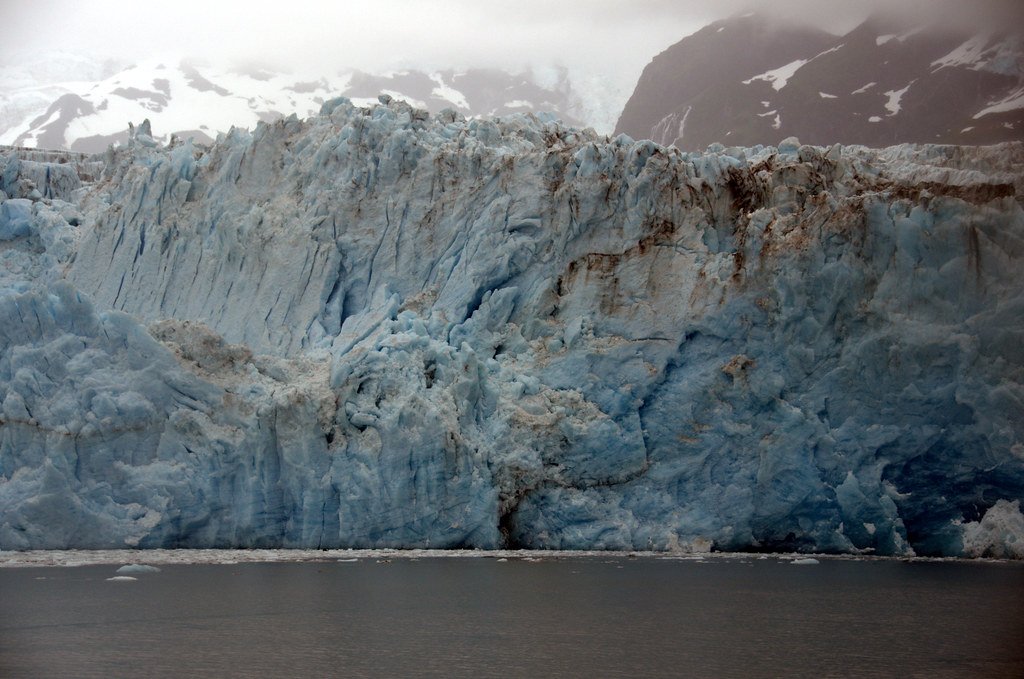
For those who’ve heard glaciers sing in person, the experience is unforgettable. Some describe it as awe-inspiring, others as deeply unsettling. There’s a sense of listening to the heartbeat of the Earth itself, a reminder of forces far beyond our control. Artists, musicians, and writers have drawn inspiration from these sounds, weaving them into music and stories that capture the imagination. In a world where so much is digital and artificial, the raw, ancient voices of glaciers offer something real—and profoundly moving.
Recording the Vanishing Voices

With so many glaciers shrinking or disappearing, scientists are racing to record their sounds before they’re lost forever. Expeditions now carry sensitive microphones and underwater recorders, capturing hours of audio that form a sonic time capsule. These recordings are shared with the public, featured in museums, and even used in virtual reality experiences. By preserving these voices, we keep a vital part of our planet’s history alive, even as the ice itself vanishes.
Technological Marvels: How We Listen

Advancements in technology have made it possible to listen to glaciers like never before. Tiny sensors can detect the faintest vibrations, while underwater drones explore beneath the ice. Some scientists use artificial intelligence to analyze thousands of hours of recordings, identifying patterns and changes over time. These tools are revolutionizing our understanding of glaciers, turning raw noise into valuable data that can help predict future changes.
Glacial Songs in Art and Culture
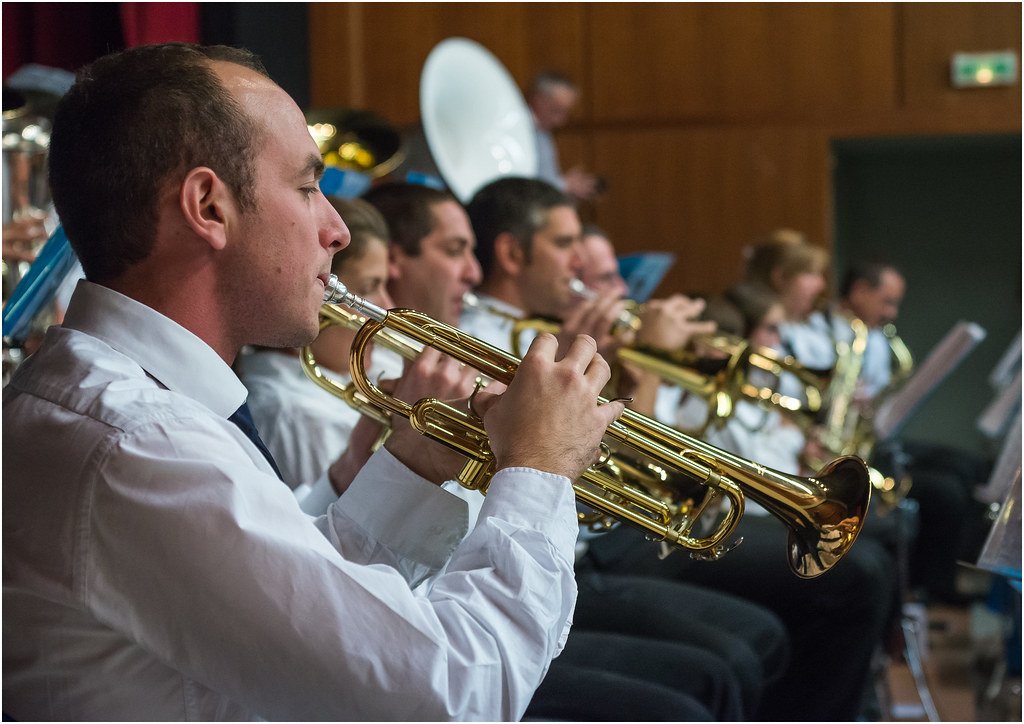
The haunting sounds of glaciers have inspired more than just scientists. Composers have woven these melodies into symphonies, while filmmakers use glacial soundscapes to create atmosphere and tension. In recent years, artists have held concerts using real glacier recordings, bringing the distant Arctic and Antarctic into city concert halls. These creative projects help bridge the gap between science and emotion, making the invisible world of glaciers tangible and immediate.
Emotional Impact: Why the Sounds Matter
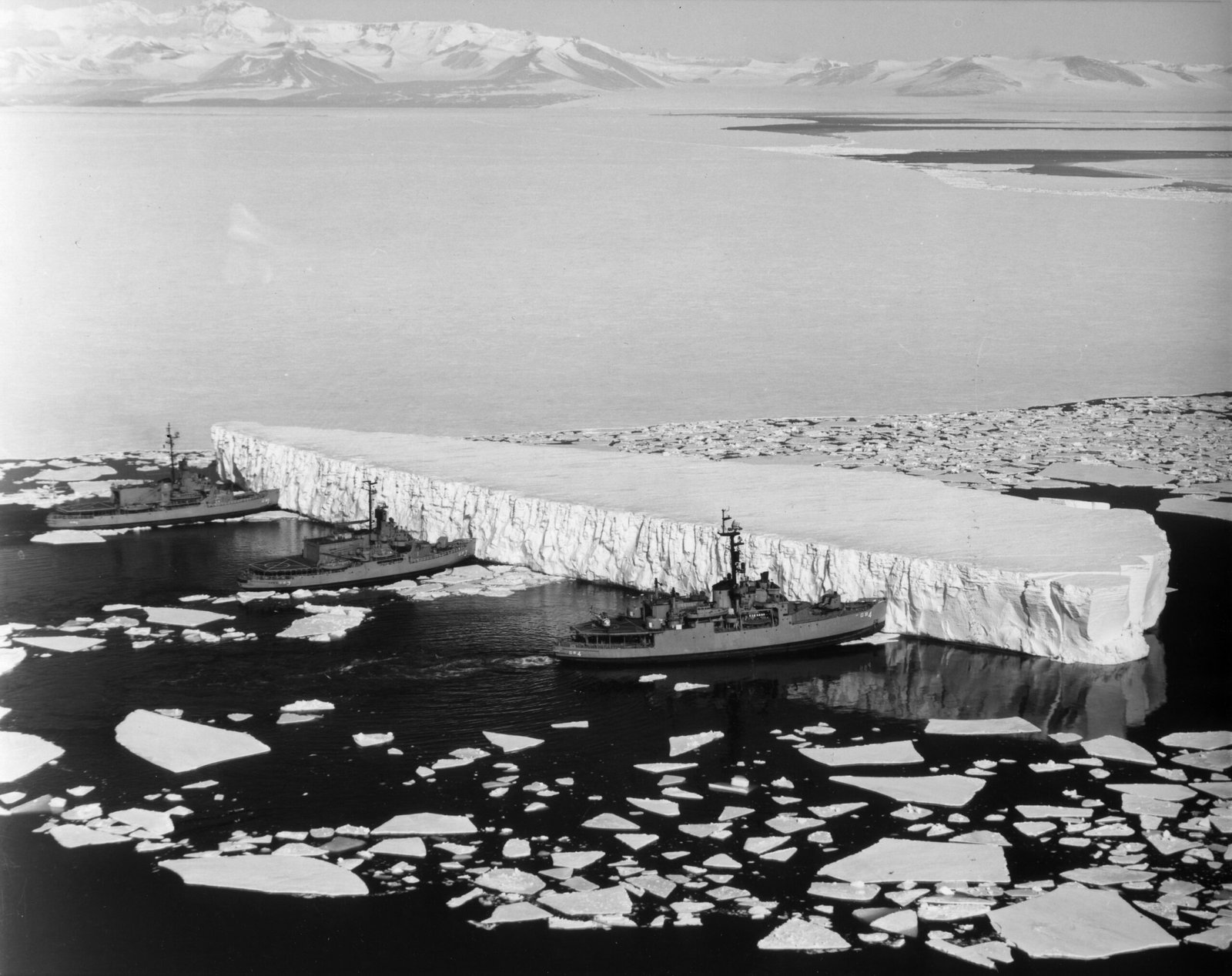
Hearing a glacier “sing” is more than a scientific curiosity—it’s an emotional experience. For many, these sounds evoke a sense of loss, knowing that what they’re hearing may soon be gone. Others feel hope, inspired to take action to protect our fragile planet. The eerie beauty of glacial music reminds us of nature’s complexity and the urgent need to preserve it. In a time of rapid environmental change, these sounds connect us to something larger than ourselves.
What the Future Holds: A Race Against Time

As glaciers continue to melt, the world’s cryoacoustic symphony is changing fast. Some sounds are growing louder, while others are fading into silence. Scientists warn that if current trends continue, many of these voices may be lost within our lifetimes. But by listening carefully, recording diligently, and sharing widely, we can ensure that the songs of the glaciers are never truly forgotten. Their eerie melodies are both a warning and a wonder, echoing across the ages and into our hearts.