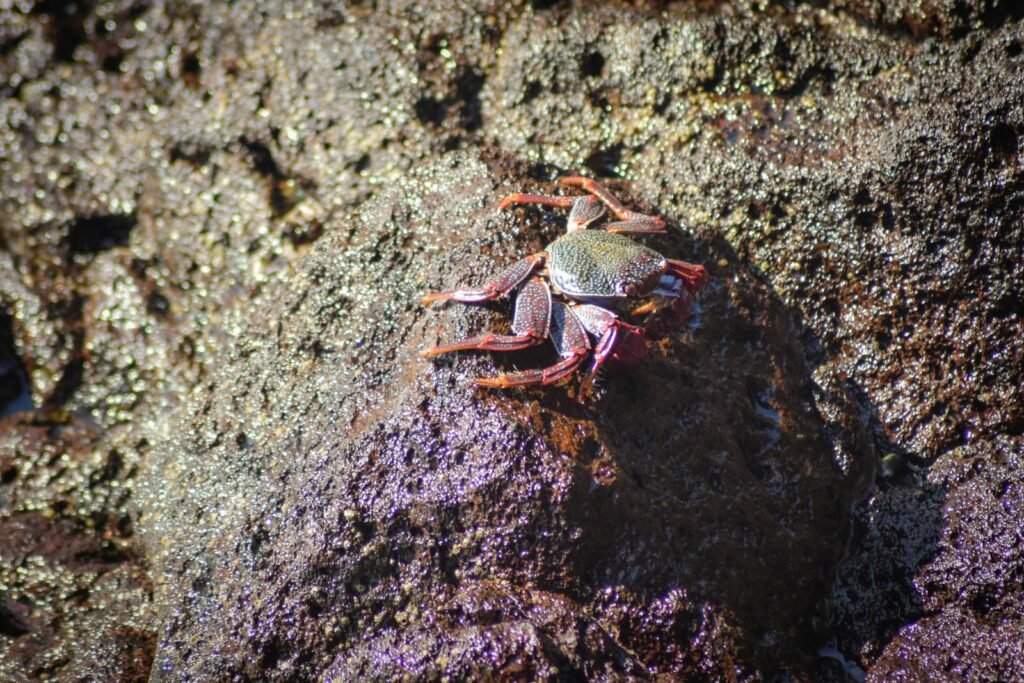

Imagine the sound of tiny armored feet scuttling across the ocean floor, multiplying in number, reshaping habitats, and turning ecosystems upside down. This is not a scene from a science fiction story—it’s the reality unfolding along coastlines around the world as invasive crabs and other marine species embark on a relentless conquest. Their journey isn’t just fascinating; it’s alarming. These invaders, often unseen and underestimated, hold the power to alter the fate of entire marine environments, threaten beloved fisheries, and challenge our understanding of nature’s balance. But how did these crustacean conquerors get here? And what does their takeover mean for the oceans and people who depend on them?
The Arrival: How Invaders Cross Oceans

The journey of invasive marine species, especially crabs, often begins far from their new homes. Many hitch rides in the ballast water of cargo ships, traveling thousands of miles before being released into unfamiliar waters. Others cling to ship hulls or stow away in packing materials. Once they arrive, these newcomers find themselves in habitats with few natural enemies and abundant food, setting the stage for explosive population growth. Human activities—shipping, fishing, and aquaculture—have accelerated the movement of these species, linking distant ecosystems in ways nature never intended. The green crab, native to Europe, now scuttles along both coasts of North America, showcasing just how easily these creatures conquer new frontiers. Their arrival is often silent, but the consequences can be thunderous.
What Makes a Crab Invasive?
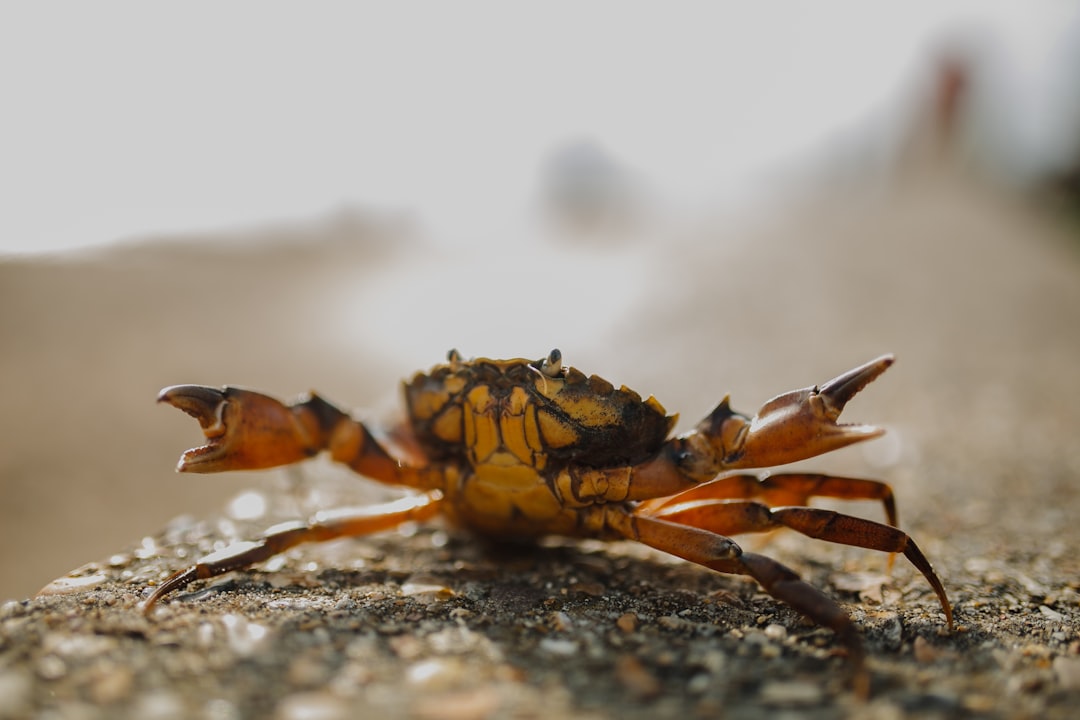
Not all crabs are troublemakers. What sets an invasive species apart is its ability to thrive outside its native range and outcompete local organisms. Invasive crabs like the European green crab or the Asian shore crab are masters of adaptation. They reproduce quickly, eat a wide variety of foods, and tolerate different temperatures and salinities. Their resilience gives them an edge over native species, making them formidable opponents in their new homes. In addition, invasive crabs are often aggressive, overwhelming local crabs and shellfish by sheer numbers. This ability to dominate new habitats is what makes them both remarkable and menacing.
The Destructive Power of Invasion
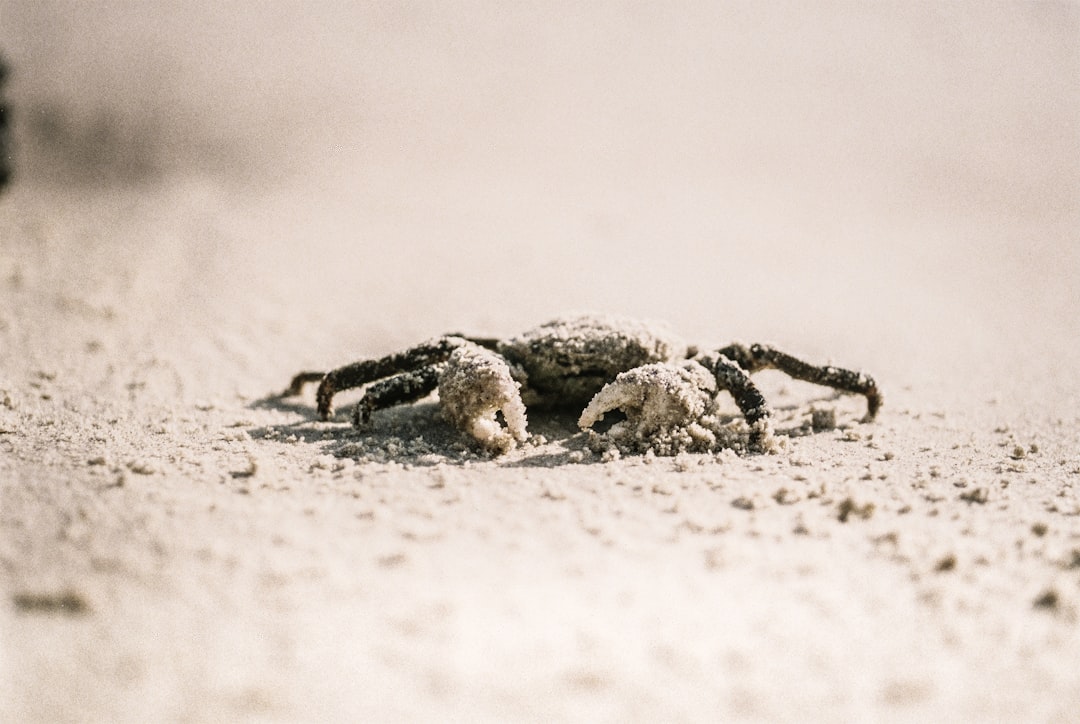
When invasive crabs take hold, they don’t just blend quietly into the background. They often rip through local ecosystems like a storm. Green crabs, for example, are notorious for tearing up eelgrass beds—vital nurseries for young fish and shellfish. Their digging and eating habits uproot plants, destroy habitat, and trigger a cascade of effects throughout the food web. The loss of eelgrass can reduce water quality and leave fish, birds, and other marine life struggling to survive. In other regions, invasive crabs prey on native clams and oysters, threatening commercial fisheries and the livelihoods of coastal communities. The disruption is often swift, surprising, and difficult to reverse.
Case Study: The European Green Crab’s Global Advance
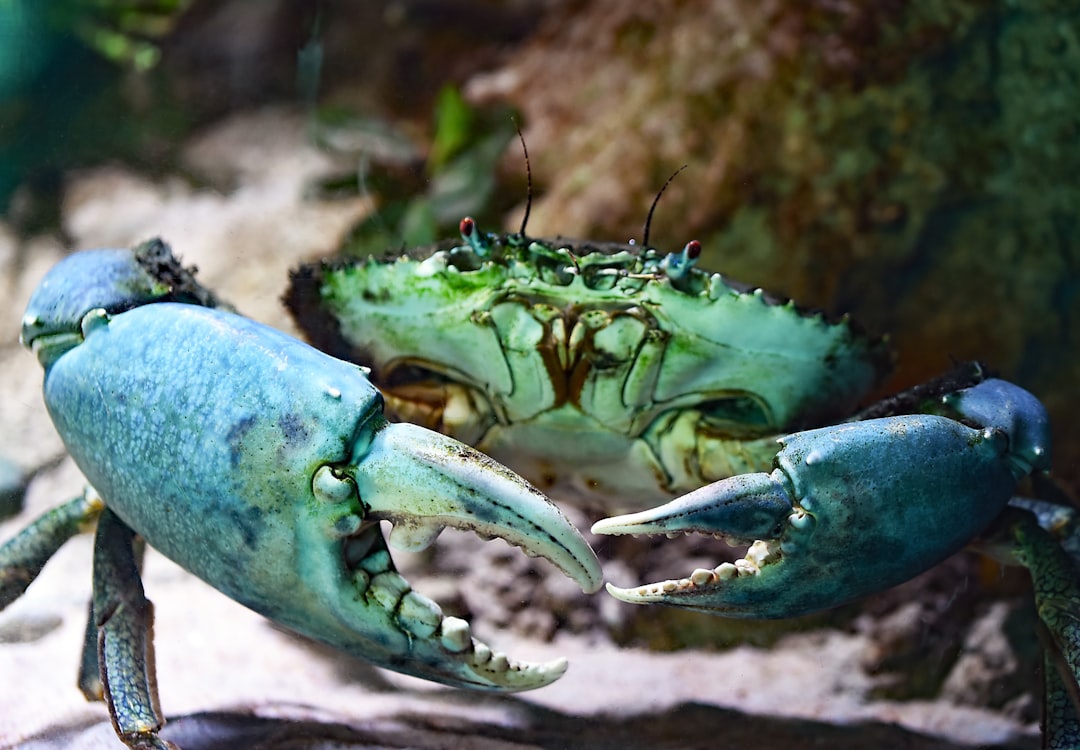
The European green crab is a textbook example of a marine invader gone wild. First reported in North America in the 1800s, it has since spread from San Francisco to Nova Scotia, even reaching the coasts of South Africa and Australia. Its secret? A voracious appetite, rapid reproduction, and the ability to survive in harsh conditions. Green crabs feast on mollusks, crustaceans, and even small fish, leaving little behind for native species. Their invasion has led to the decline of valuable shellfish stocks and the collapse of some coastal fisheries. Scientists and fishermen alike have watched in frustration as the green crab continues its relentless march, defying efforts to contain it.
Disrupting the Balance: Effects on Native Species
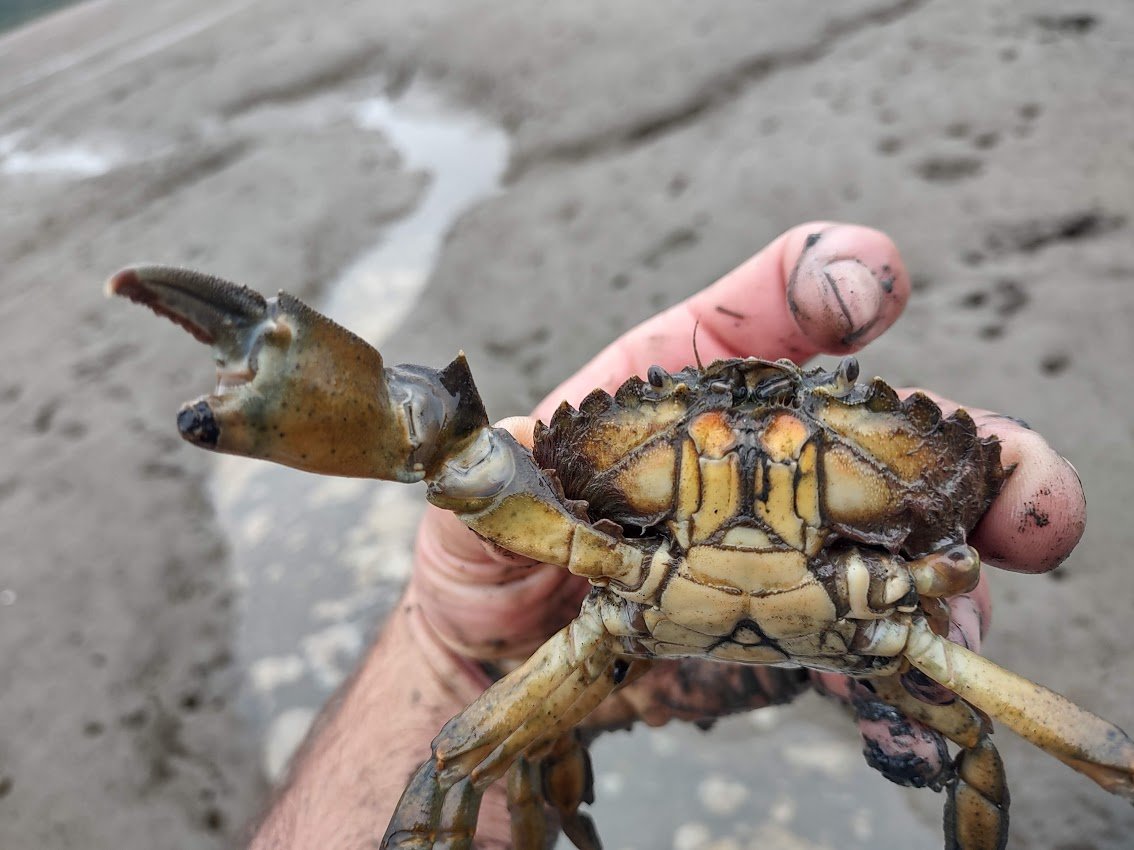
Invasive crabs often spell disaster for local wildlife. Native crabs and shellfish, unaccustomed to fierce competition, are quickly outpaced. The Asian shore crab, for instance, has crowded out native species along the Atlantic coast of the United States, reducing biodiversity and altering the web of life. Birds and fish that rely on native shellfish for food may struggle to find enough to eat, creating ripple effects that extend far beyond the shoreline. The disappearance of key species can unravel entire ecosystems, leaving once-thriving habitats barren and unrecognizable. It’s a shocking reminder of how one invader can tip the scales of nature.
Economic Consequences: The Price of Invasion
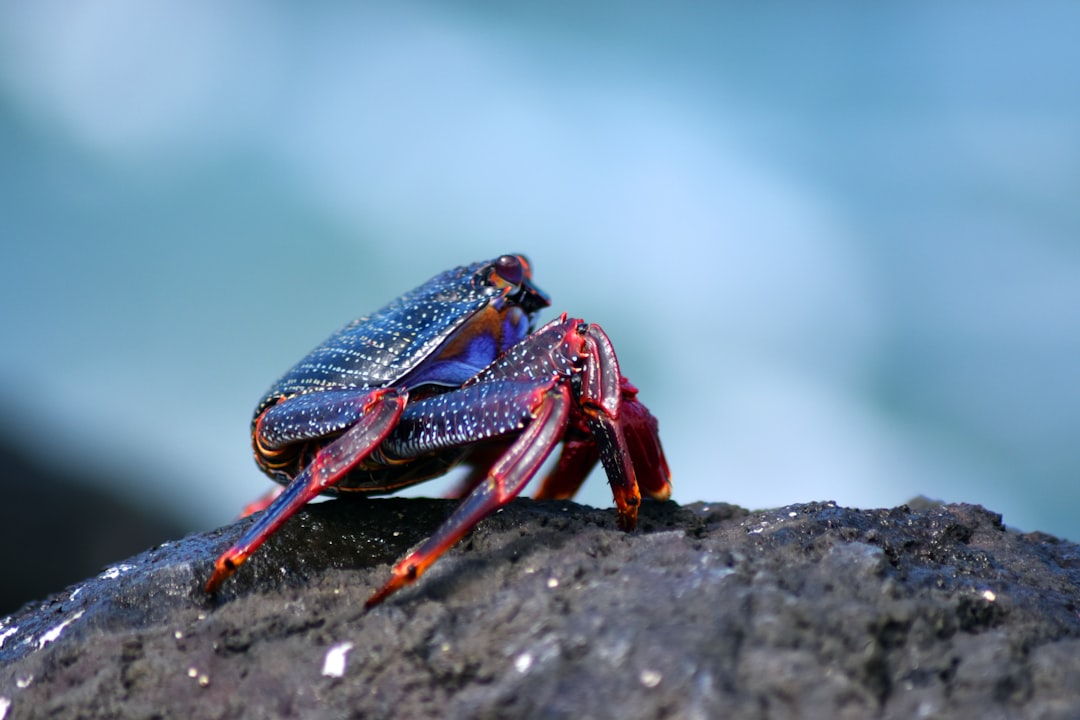
The financial toll of invasive crabs is staggering. Fishermen who once depended on native shellfish find their catches dwindling as crabs devour stocks and destroy habitats. Aquaculture operations spend millions on crab-proofing their gear, only to watch as losses mount. In Maine, for example, the green crab’s appetite for soft-shell clams has led to the closure of entire fisheries, putting livelihoods at risk. The costs don’t stop at the water’s edge—tourism, real estate, and even local cuisine can suffer as iconic species disappear. Every year, invasive species inflict billions of dollars in damage worldwide, turning what might seem like a small problem into a global crisis.
Unseen Allies: How Invasives Help Each Other
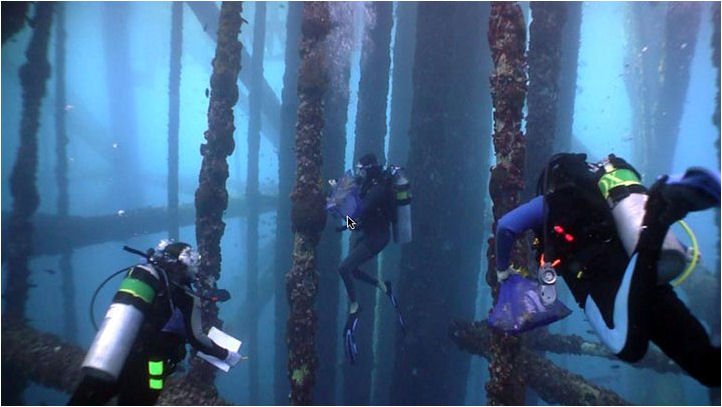
A surprising twist in the invasion story is the way some non-native species work together, amplifying their impact. Invasive crabs may create openings for other invaders, such as predatory snails or aggressive seaweeds, forming a destructive alliance. For example, green crabs can disturb sediment and uproot plants, making it easier for invasive seaweeds to take hold. This synergy can accelerate the decline of native species and make recovery even harder. Like a domino effect, the arrival of one invader often paves the way for others, transforming once-balanced ecosystems into battlegrounds of competing outsiders.
Climate Change: Fueling the March

Rising ocean temperatures and shifting currents are giving invasive crabs new opportunities to expand. Warmer waters allow species like the green crab and Asian shore crab to survive in places they once couldn’t. As habitats change and native species struggle to adapt, invaders find open doors to colonize new regions. Climate change also increases the frequency of storms, which can transport larvae and adults across ocean basins. The result is a perfect storm of conditions that help invasive species spread faster and farther than ever before. This double threat—climate change and biological invasion—poses a daunting challenge for scientists and coastal communities alike.
Fighting Back: Management and Control Efforts
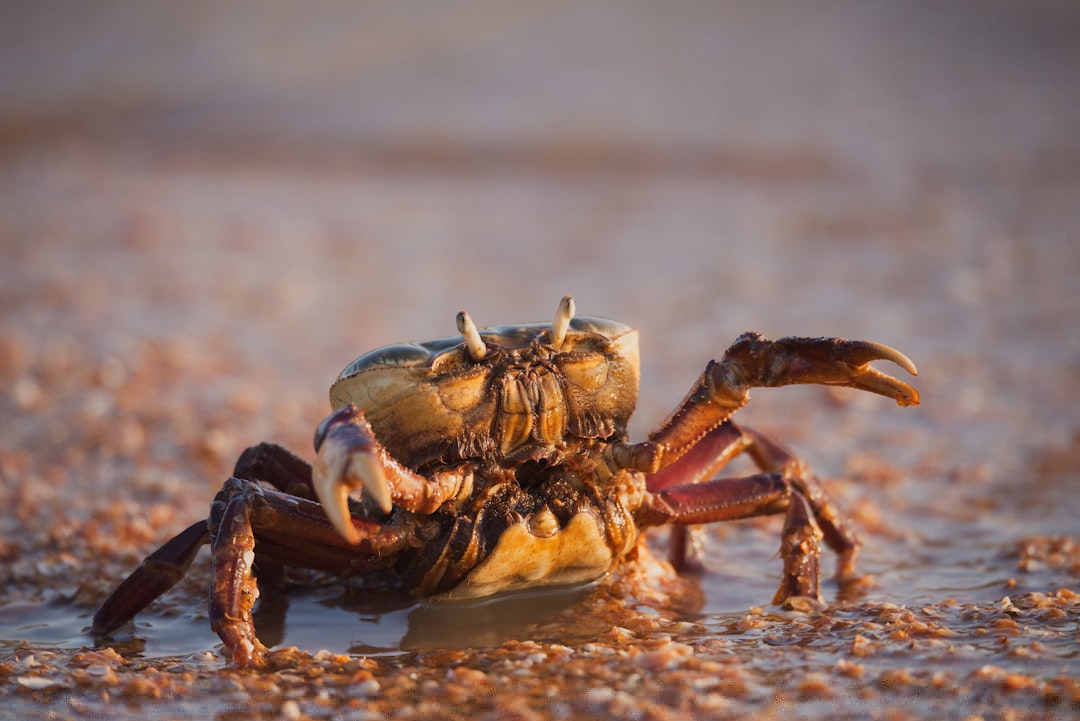
Battling invasive crabs is no easy feat. Scientists and managers use a mix of traps, barriers, and public education to slow their advance. In some areas, targeted removal programs have shown promise, with volunteers and fishermen joining forces to catch as many invaders as possible. Biological controls, such as introducing natural predators or diseases, are being explored, but carry risks of their own. Despite these efforts, eradication is rare; most programs focus on limiting damage and protecting vulnerable habitats. The fight is ongoing, requiring constant vigilance, innovation, and cooperation across borders.
Stories of Resilience: Nature’s Unexpected Comebacks
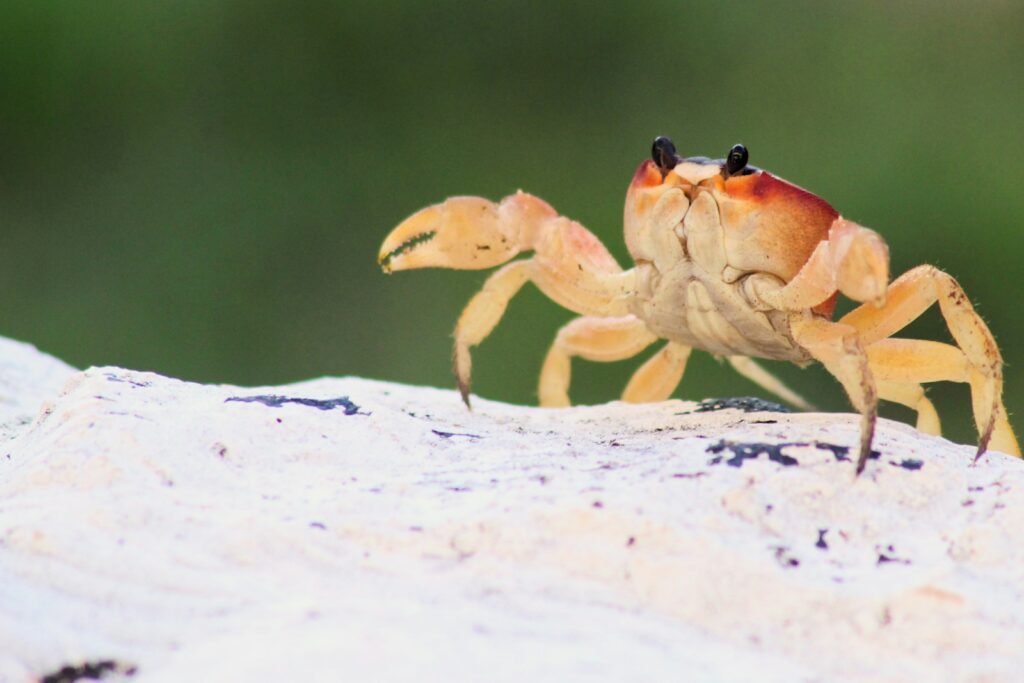
Amid the chaos, there are glimmers of hope. Some native species adapt, finding new ways to survive alongside their invaders. In a few regions, creative solutions—like using invasive crabs as bait or in cuisine—have helped turn a problem into an opportunity. Coastal communities, scientists, and conservationists are working together like never before, sharing knowledge and building resilience. These stories remind us that while invasions can be devastating, nature and humanity have remarkable capacities for adaptation and renewal. Each success, no matter how small, is a beacon in the fight to restore balance.
The Power of Awareness: What You Can Do
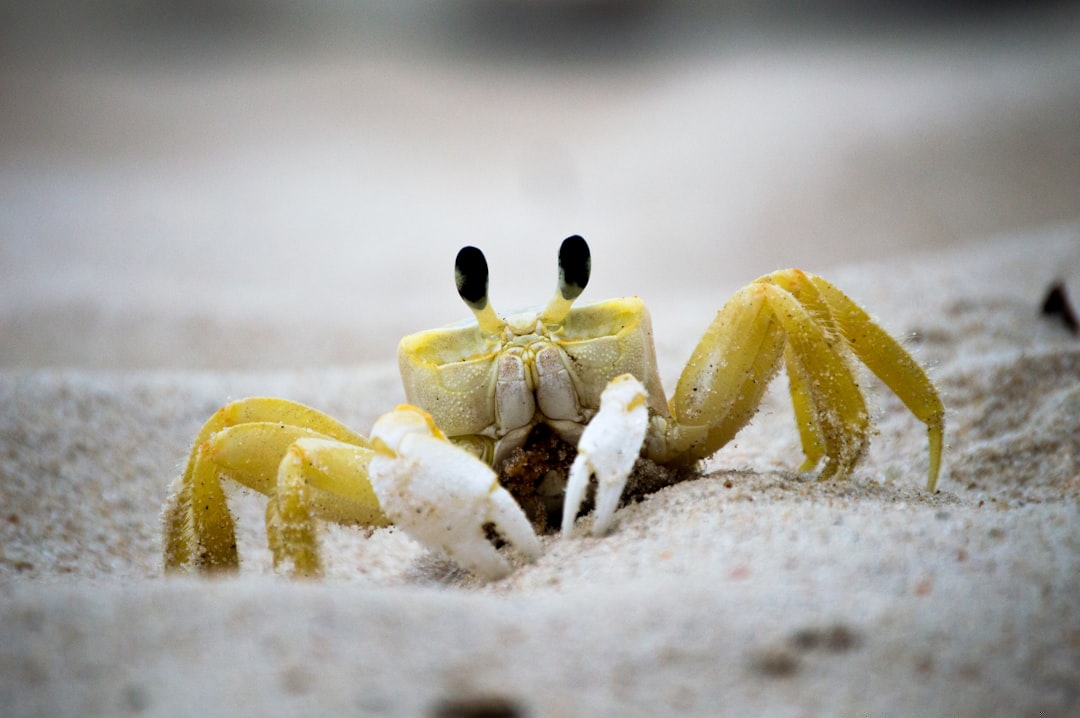
Everyone has a role to play in preventing the spread of invasive species. By cleaning boats, gear, and clothing before moving between waterways, you can help stop hitchhikers in their tracks. Reporting sightings of unusual crabs or other marine life to local authorities can make a real difference. Supporting local fisheries and conservation efforts helps strengthen communities on the front lines of the invasion. Even small actions—like learning about the issue and spreading the word—can have a ripple effect. Together, we can slow the march of invasive crabs and protect the oceans we love.
A Future on the Edge: What Lies Ahead?
The story of invasive crabs is still being written, and its ending is far from certain. As oceans warm and global trade expands, new invasions are almost inevitable. But with knowledge, action, and determination, we can shape what comes next. The fate of our coasts and marine life depends on the choices we make today. Will we let the chaos continue, or rise to the challenge and defend the delicate balance of the sea?