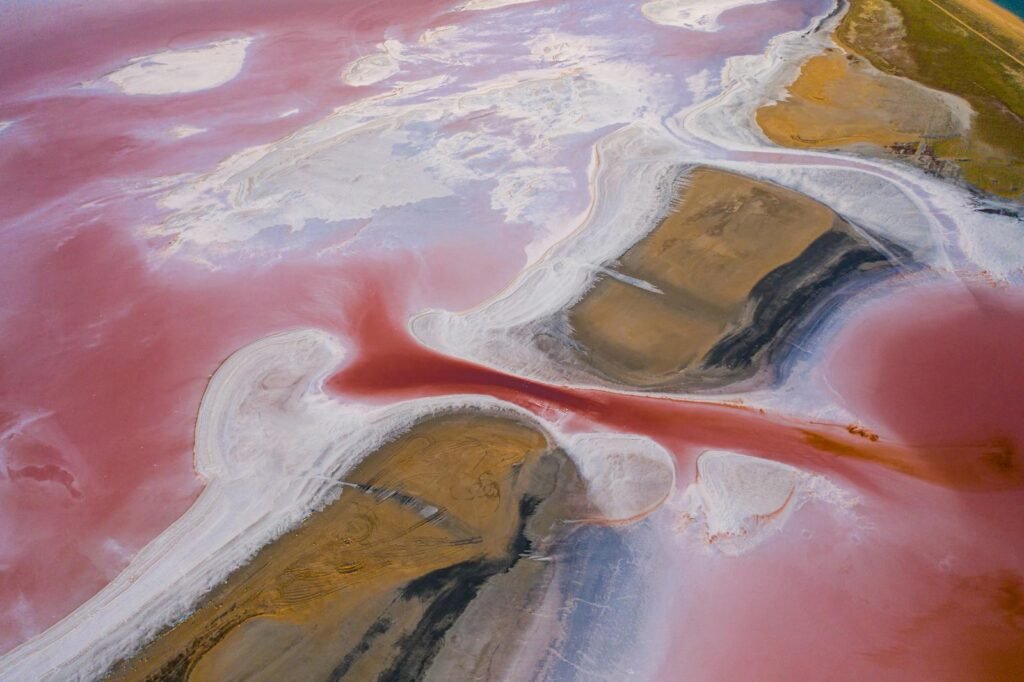

Imagine standing at the edge of a lake and instead of seeing the usual blue-green shimmer, you’re greeted by a surreal, candy-colored pink. It seems almost otherworldly—like something out of a dream or a painting. Yet, pink lakes are very real, dotting the landscapes of Australia, Africa, Europe, and even North America. But what’s behind these vibrant, bubblegum hues? The answer is a fascinating blend of chemistry, biology, and sometimes a touch of human curiosity. Let’s dive into the wild, wonderful world of pink lakes and unlock the secrets behind their rosy glow.
The Surprising First Sight of a Pink Lake

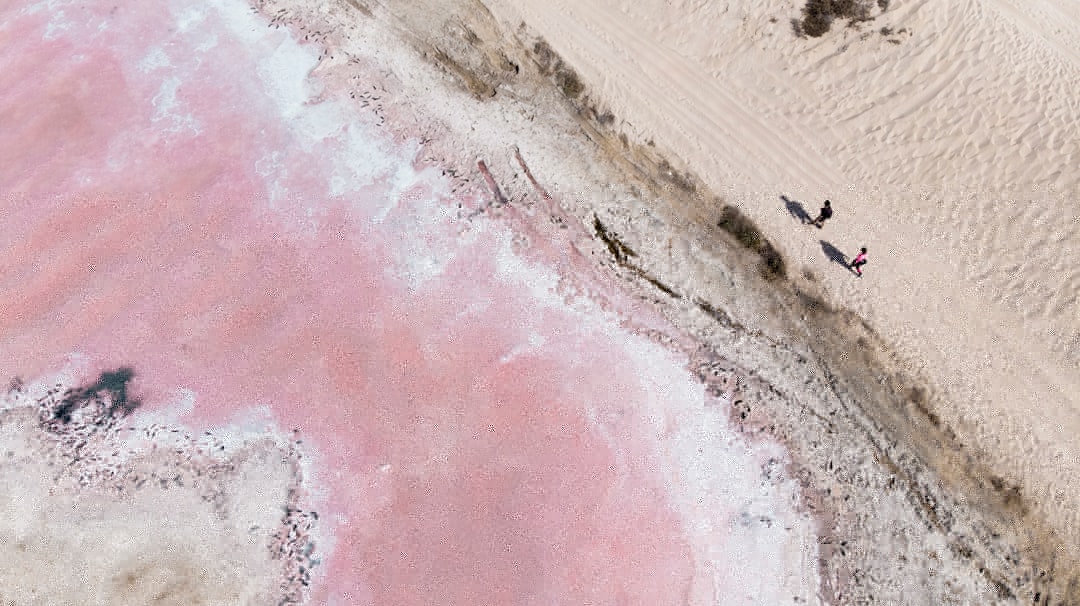
The first time people lay eyes on a pink lake, they often do a double-take. It’s not every day that water looks like strawberry milk. Tourists have described the experience as “staggering” and “unbelievable.” The color can be so intense that it almost feels unnatural, as if someone dumped buckets of dye into the water. Photographers travel from around the globe to capture this unique sight, and social media is flooded with images that seem too bright to be real. Yet, these lakes are not only real but also perfectly safe to visit and even swim in—at least in most cases. The initial shock quickly gives way to curiosity: Why is the water pink, and how does this even happen?
Where in the World Are Pink Lakes Found?
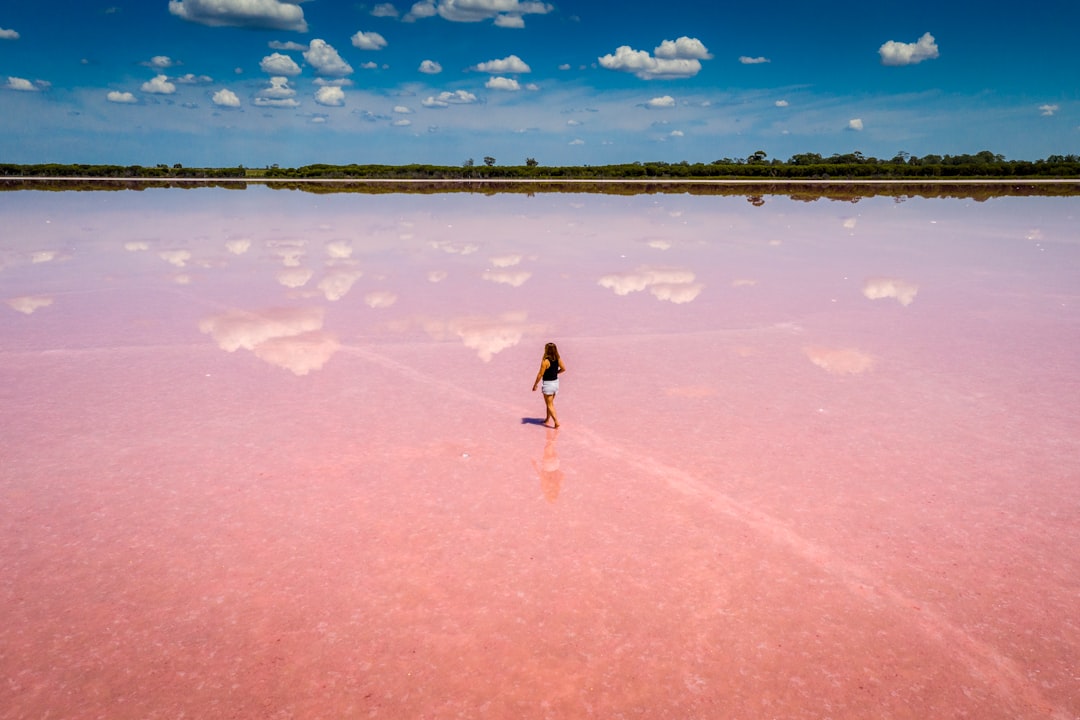
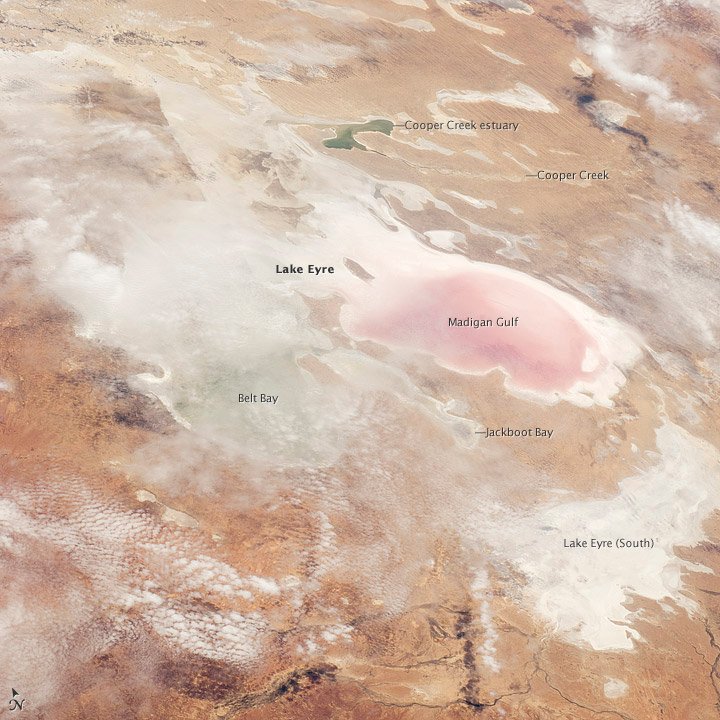
Pink lakes can be found scattered across several continents, each one with its own story. Some of the most famous examples include Lake Hillier in Australia, Lake Retba in Senegal, and the Las Coloradas lakes in Mexico. Each of these places attracts visitors eager to witness the phenomenon firsthand. Australia especially is known for its collection of pink lakes, with Lake Hillier being so vibrant it can be seen from the air. In Europe, Spain’s Salinas de Torrevieja also boasts a stunning pink hue. Even in the United States, lakes like the Great Salt Lake in Utah sometimes develop a pinkish tint. The locations might vary, but the magic is universal.
The Microbial Masters Behind the Pink
It turns out the stars of the show are not chemicals or pollution, but tiny living things. Halophilic (salt-loving) microorganisms, especially a type of algae called Dunaliella salina and certain bacteria like Halobacterium, are the real artists painting these lakes pink. These microbes thrive where most other life can’t—salty, extreme environments that would kill ordinary fish and plants. Dunaliella salina produces carotenoids, the same pigments that give carrots their orange color, as a defense against the intense sunlight and salty conditions. When these pigments build up in high numbers, the water takes on a rosy glow that can look almost magical to human eyes.
Salt, Sunlight, and Science: The Recipe for Pinkness
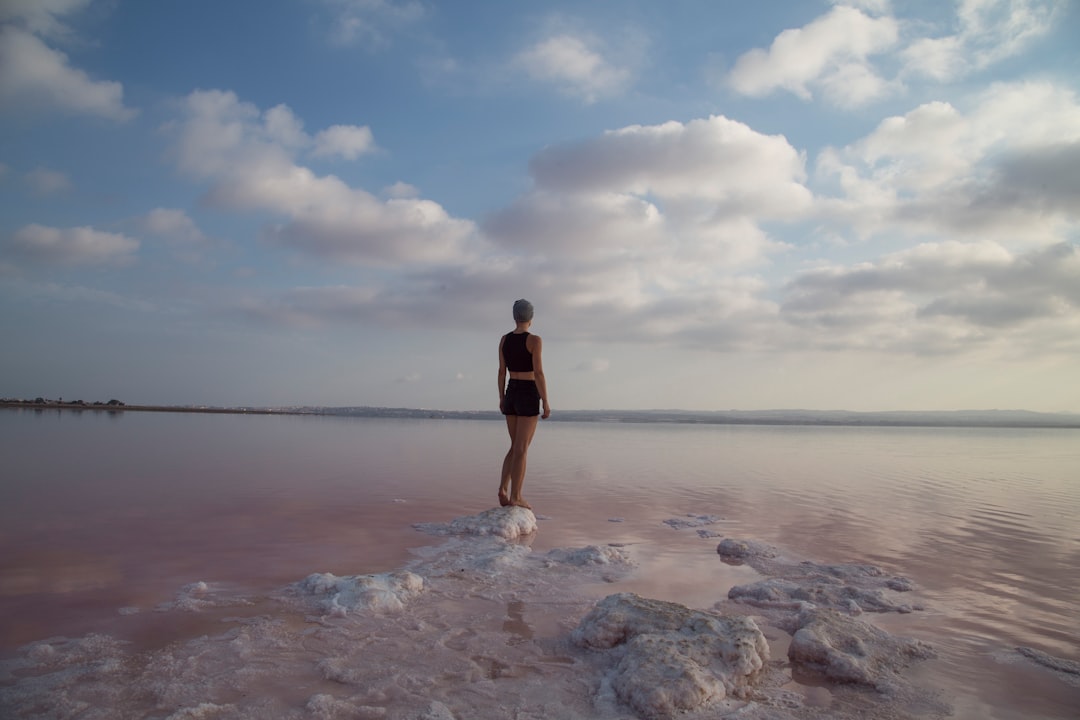
You might be wondering why these pink lakes aren’t everywhere. It’s all about the right recipe—a mixture of high salinity, lots of sunlight, and warm temperatures. The saltier the water, the more likely it is to support the growth of Dunaliella salina and other pigment-producing microbes. Sunlight acts as both a trigger and a challenge for these organisms, pushing them to ramp up their pigment production for protection. Without enough salt or sun, the lake might just look like any other. But when everything lines up, the transformation is astounding.
Why Doesn’t Every Salty Lake Turn Pink?
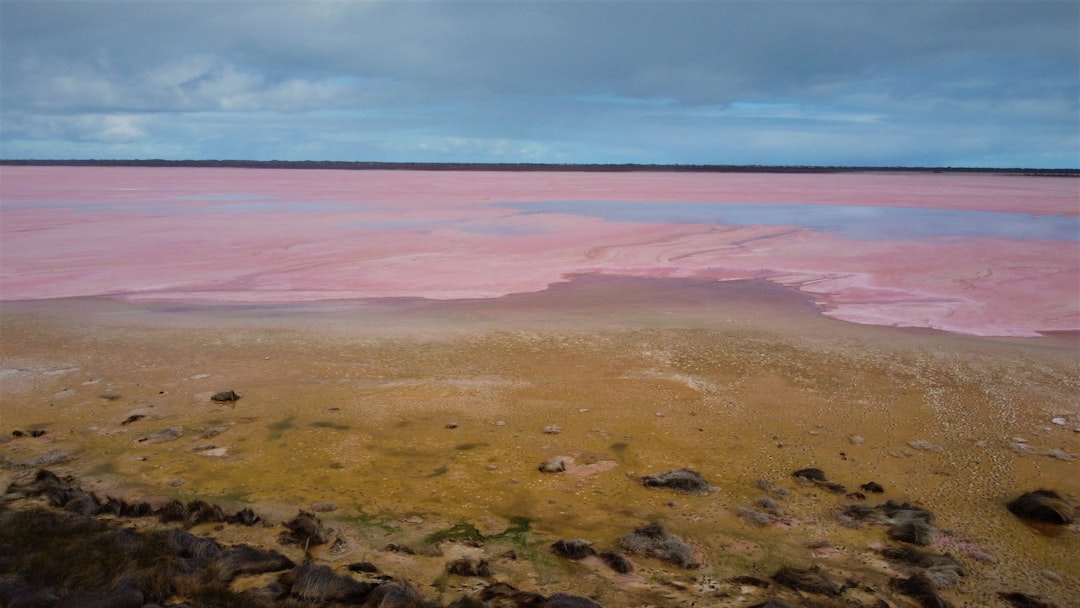
It’s tempting to think that any salty lake should be pink, but that’s not the case. Sometimes the balance isn’t quite right—maybe the water isn’t salty enough, or the temperatures aren’t warm enough for the microbes to thrive. Pollution or changes in water levels can also disrupt the delicate ecosystem. Some lakes only turn pink during certain times of the year, when conditions are just right. Others might have all the ingredients but are missing key microbes, or the water is too deep for sunlight to penetrate all the way down. It’s a reminder of just how rare and fragile these pink wonders are.
Seasonal Changes: When Lakes Turn Pinkest
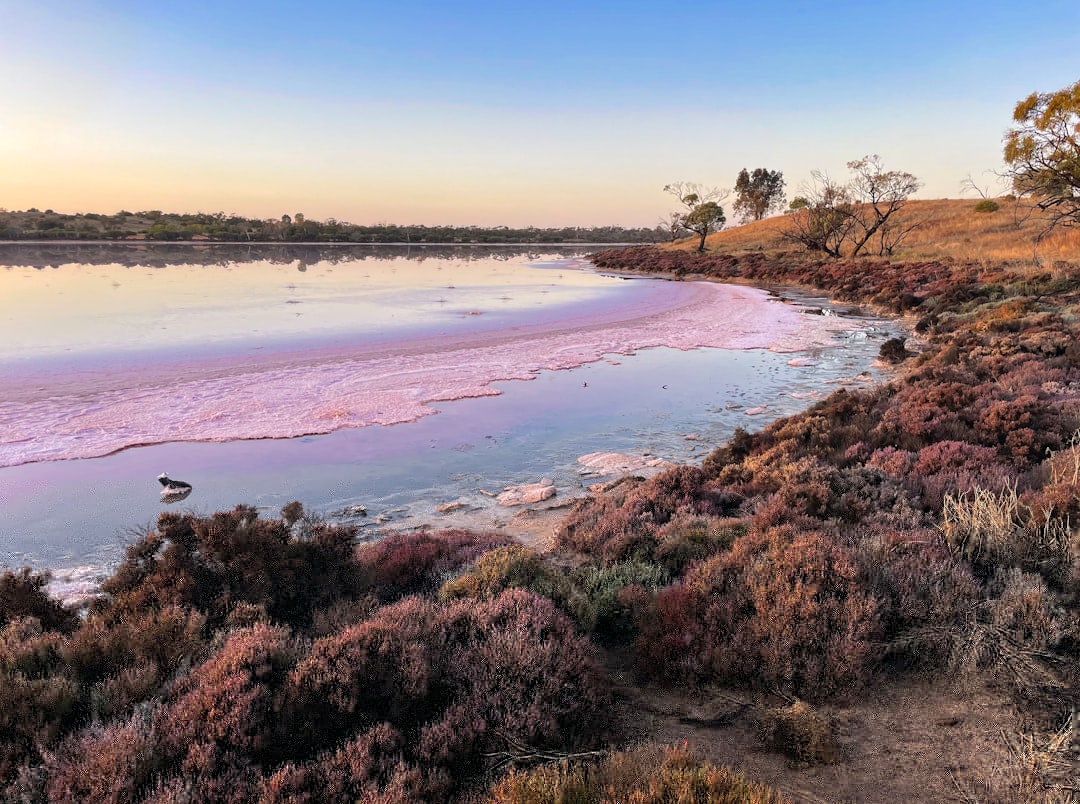
The color of pink lakes isn’t static; it often changes with the seasons. During dry, hot months, water evaporates, making the remaining lake even saltier—prime conditions for pink-producing microbes to multiply. In wetter seasons, the lake might return to a more normal color as rainfall dilutes the salt and the microbial population drops. For example, Lake Retba in Senegal is at its most vibrant in the dry season, while Lake Hillier remains pink year-round thanks to its stable conditions. Locals and scientists alike keep a close eye on these shifts, waiting for that perfect, picture-worthy moment.
Tourism and the Pink Lake Boom
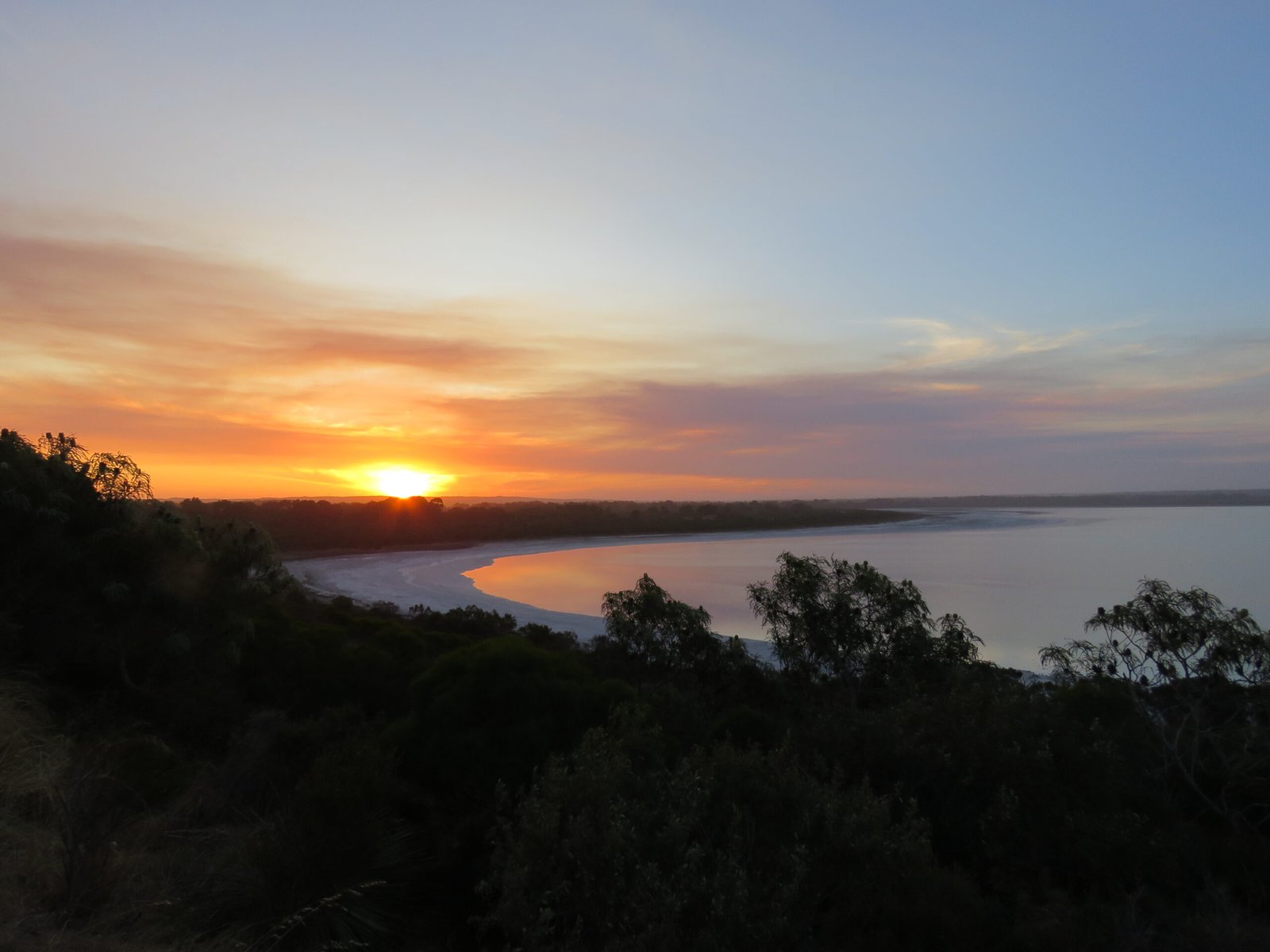
The rise of Instagram and travel blogs has turned pink lakes into bucket-list destinations. Who wouldn’t want a selfie with such an unusual backdrop? Local economies have embraced the influx of tourists, offering boat tours, guided walks, and even pink lake spa treatments. However, the surge in visitors also brings challenges. Too much foot traffic can disturb delicate shorelines and introduce pollutants. There’s an ongoing debate about how to balance economic benefits with environmental protection, a puzzle faced by many natural wonders worldwide.
Pink Lake Myths and Misconceptions
With something as eye-catching as a pink lake, myths are bound to flourish. Some people believe the color comes from pollution or toxic chemicals, but most pink lakes are naturally occurring and perfectly safe. Others think the lakes are dyed for tourism—an understandable suspicion given how surreal they look. There are even legends about magical properties and ancient rituals tied to these waters. Scientists have worked hard to separate fact from fiction, emphasizing that the real explanation is both stranger and more wonderful than any myth.
Can You Swim in a Pink Lake?

Many pink lakes are open for swimming, and the experience is unforgettable. The salty water makes you extra buoyant, much like the Dead Sea. Some visitors report a silky, almost slippery feeling on their skin thanks to the minerals. However, not all pink lakes are safe for a dip; some are protected for conservation reasons, while others may have unstable or muddy shores. It’s always best to check with local guides before jumping in. For those who do take the plunge, the memory of floating in a bubblegum-colored lagoon is hard to forget.
The Science of Pink Pigments
The color pink in these lakes comes down to science—specifically, the pigments produced by halophilic organisms. Dunaliella salina, for example, produces beta-carotene, a reddish-orange pigment, as a way to shield itself from UV radiation. Halobacterium, on the other hand, uses pigments called bacterioruberin, which help with photosynthesis and protection against harsh conditions. When these pigments build up in high concentrations, they create the lakes’ signature pink color. It’s a natural, chemical-free process that showcases the adaptability of life.
The Role of Salt Harvesting

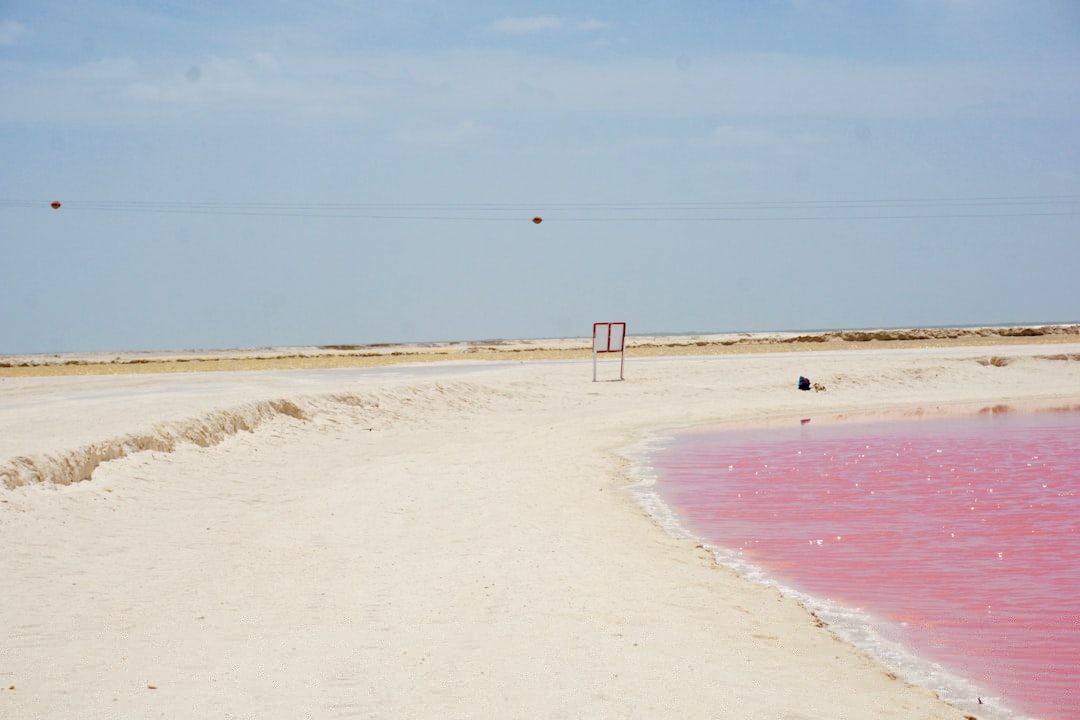
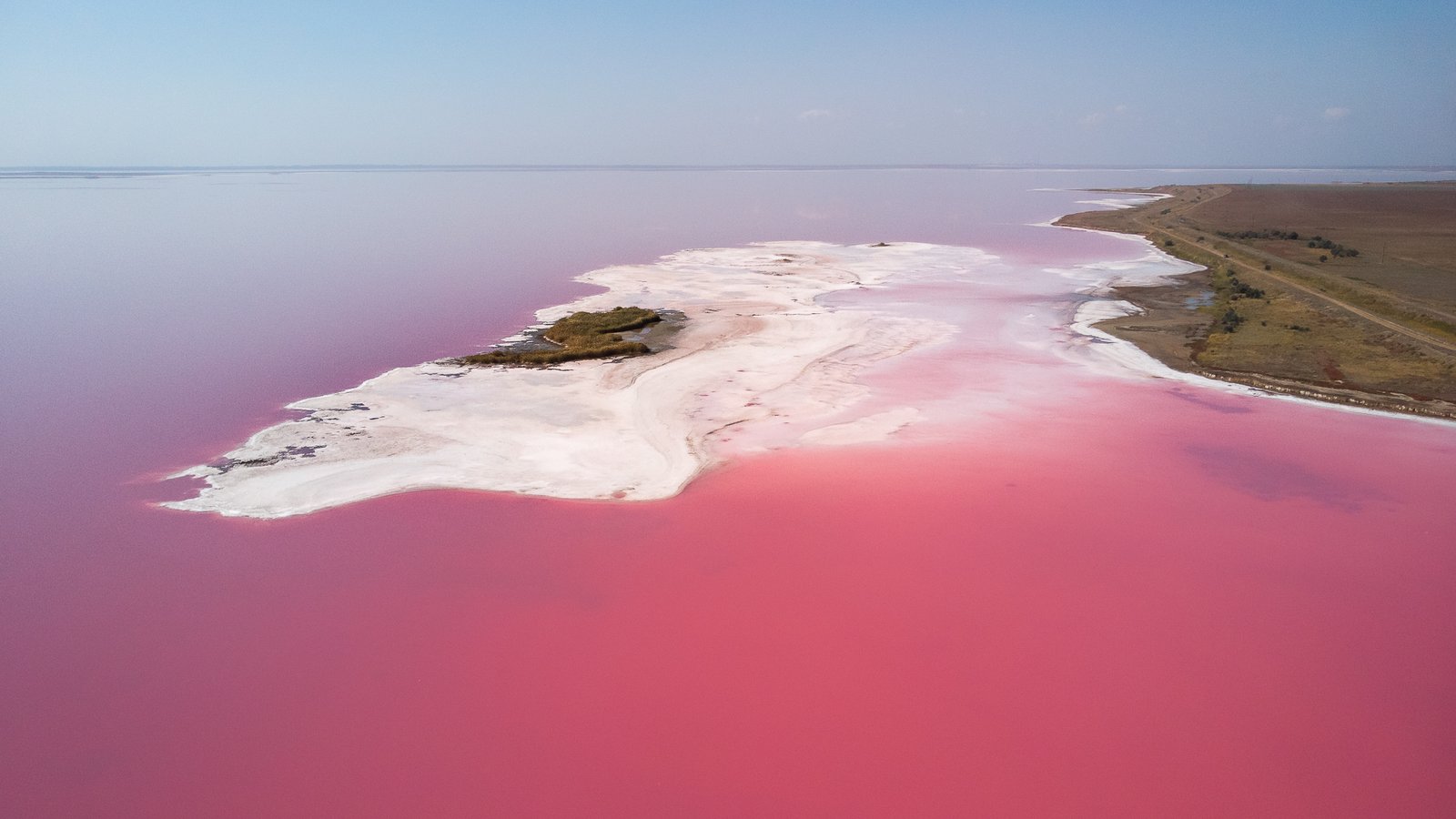
In some cases, humans have played a role in intensifying or even creating pink lakes. Salt harvesting operations, like those seen at Las Coloradas in Mexico, can increase salinity and make conditions ideal for pigment-producing microbes. Workers harvest salt by allowing water to evaporate in shallow ponds, sometimes resulting in brilliant pink hues. The sight of piles of white salt surrounded by pink water is both striking and a reminder of the close connection between people and their environment. However, too much interference can upset the balance, leading to unintended consequences.
How Climate Change Impacts Pink Lakes
Climate change is adding a new layer of uncertainty to the future of pink lakes. Rising temperatures and shifting rainfall patterns can alter the delicate balance of salinity and microbial life. Some scientists worry that increased evaporation could make some lakes too salty even for Dunaliella salina, while others might dry up completely. On the flip side, more frequent storms or flooding could dilute lakes, causing them to lose their pink color. It’s a delicate dance, and one that highlights just how sensitive these ecosystems are to broader environmental changes.
Pink Lakes in Art and Culture

The sight of a pink lake has inspired artists, writers, and musicians for generations. In Australia, Aboriginal legends speak of sacred pink waters, while in Senegal, Lake Retba is a symbol of natural beauty and resilience. Painters have tried to capture the unique hues on canvas, while poets use pink lakes as metaphors for transformation and mystery. Even modern advertising has jumped on the bandwagon, with pink lakes featuring in fashion shoots and commercials. It’s clear that the allure of these lakes goes far beyond science—they stir something deep in the human imagination.
Threats to Pink Lake Ecosystems
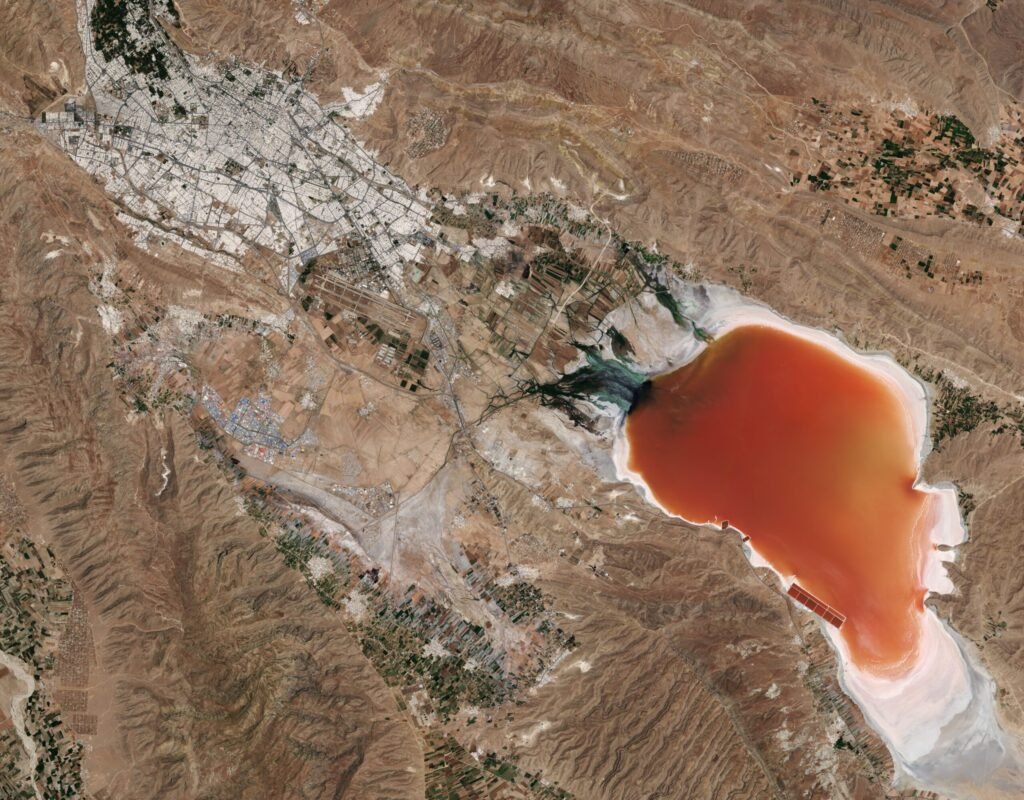
Despite their beauty, pink lakes are under threat. Over-extraction of water for agriculture, pollution from nearby industries, and careless tourism all pose risks. Some lakes have lost their pink color entirely due to environmental changes or human interference. Conservationists are sounding the alarm, urging governments and local communities to protect these fragile environments. The balance is precarious, and once lost, the unique conditions that make a lake pink can be very difficult to restore. It’s a race against time to ensure these wonders endure.
How Scientists Study Pink Lakes
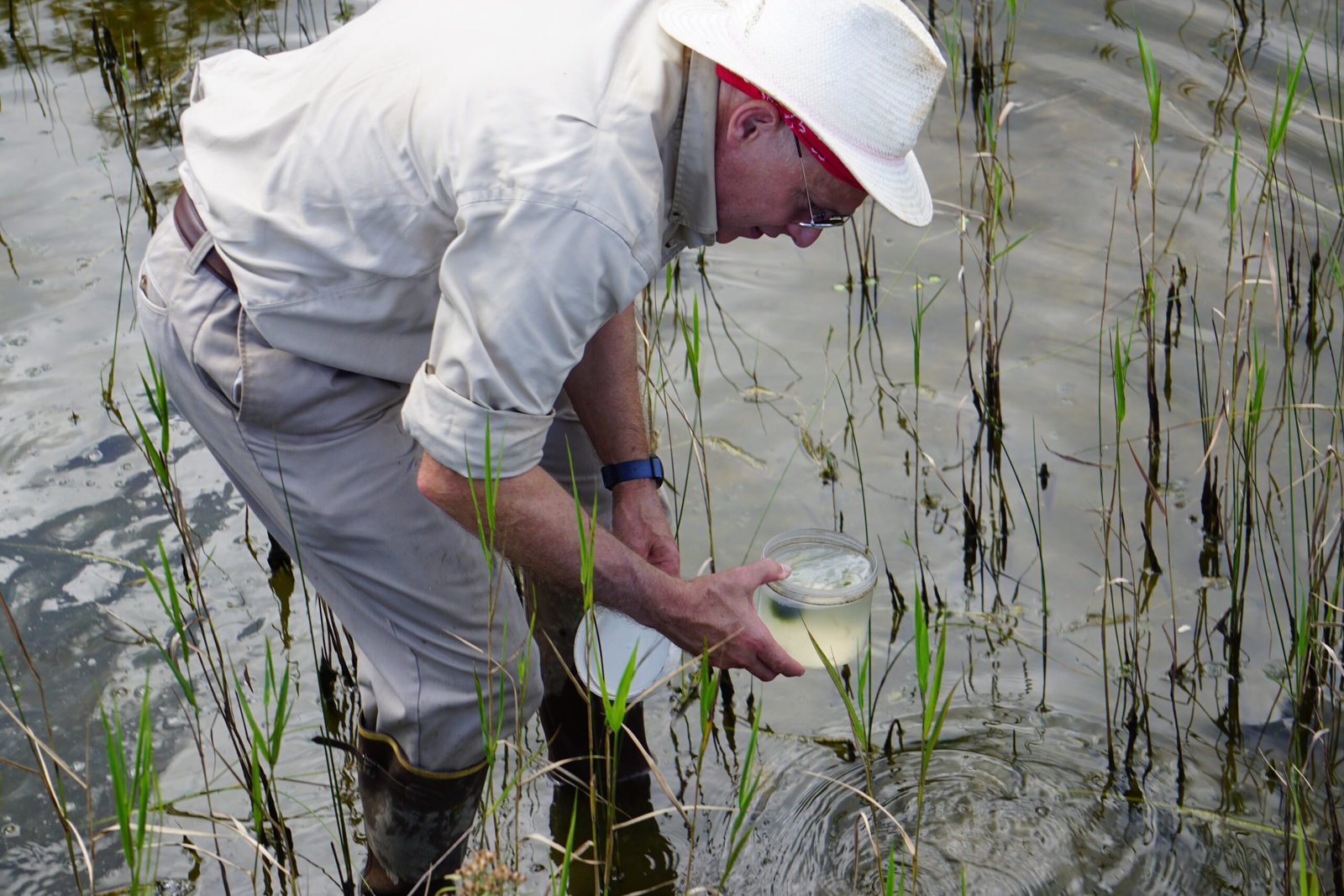
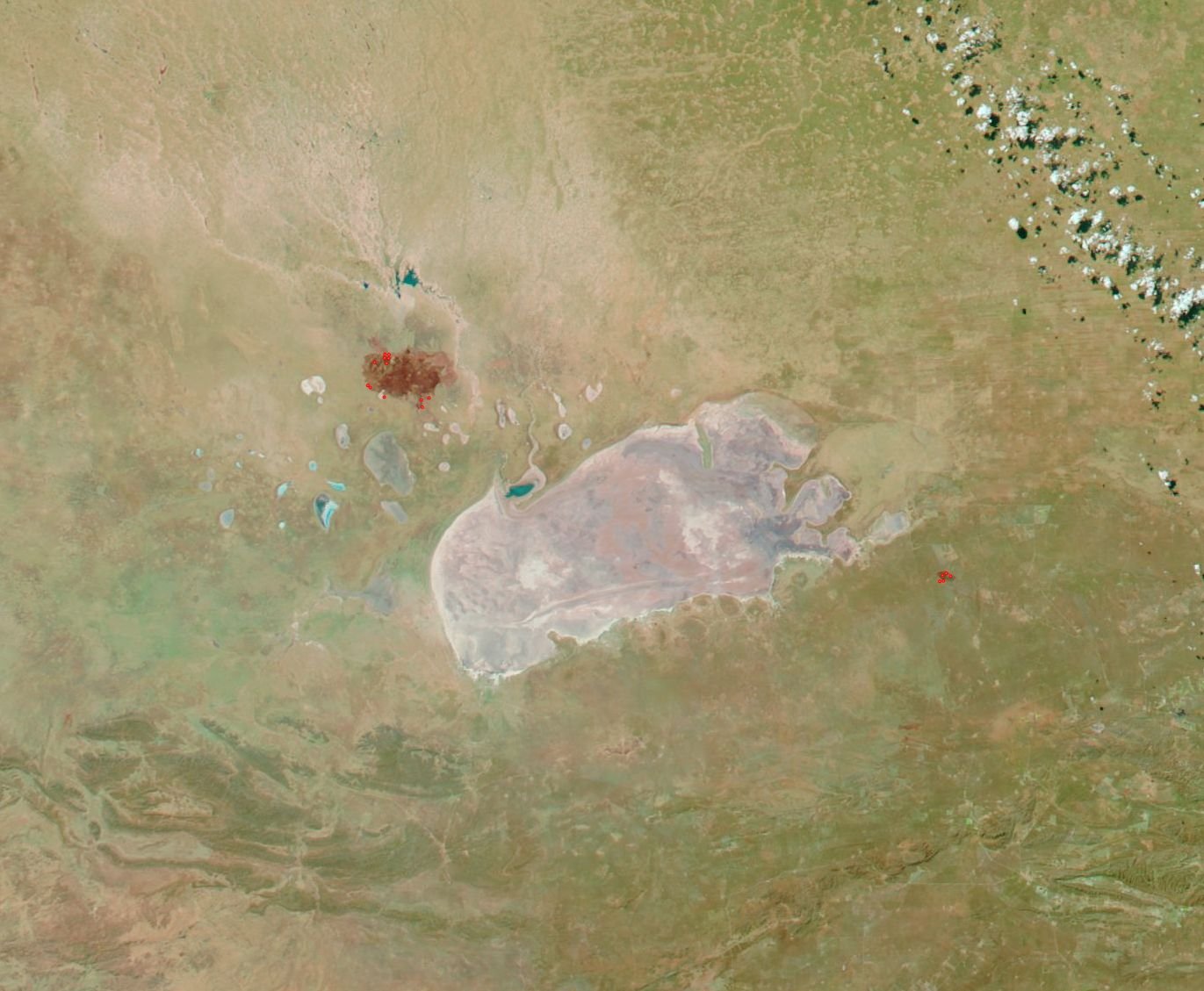
Studying pink lakes is both a joy and a challenge for scientists. Researchers collect water and sediment samples, analyze microbial populations, and track changes in color over time. Some even use drones and satellite imagery to monitor lakes from above, capturing the ebb and flow of pinkness across the landscape. The data helps scientists understand not just why lakes turn pink, but how these ecosystems respond to changing conditions. Every new discovery brings fresh questions—and a deeper appreciation for the complexity of nature.
Could Pink Lakes Exist On Other Planets?
It might sound like science fiction, but the conditions that create pink lakes on Earth could exist elsewhere in the universe. Scientists have speculated that salty, microbe-rich lakes could be present on Mars or the icy moons of Jupiter and Saturn. If so, the presence of pigment-producing organisms could be a clue in the search for extraterrestrial life. The study of pink lakes on Earth offers a fascinating window into what life might look like in the harshest environments imaginable—both here and far beyond.
The Future of Pink Lakes
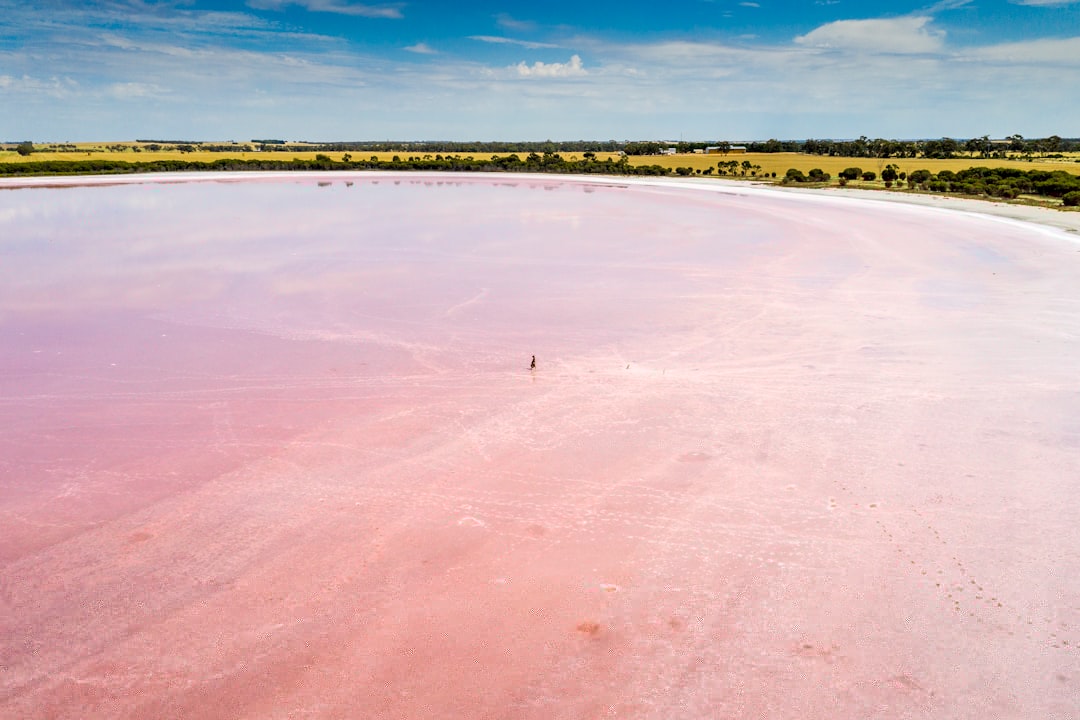
With growing interest and awareness, the future of pink lakes hangs in the balance. Scientists, conservationists, and local communities are working together to protect these natural wonders. Education is key—helping people appreciate the fragility and importance of pink lake ecosystems can inspire more responsible tourism and better policies. As climate change and human activity continue to reshape the world, the fate of pink lakes is a test of our commitment to preserving the planet’s most magical places.
Personal Reflections: The Magic of Pink Water
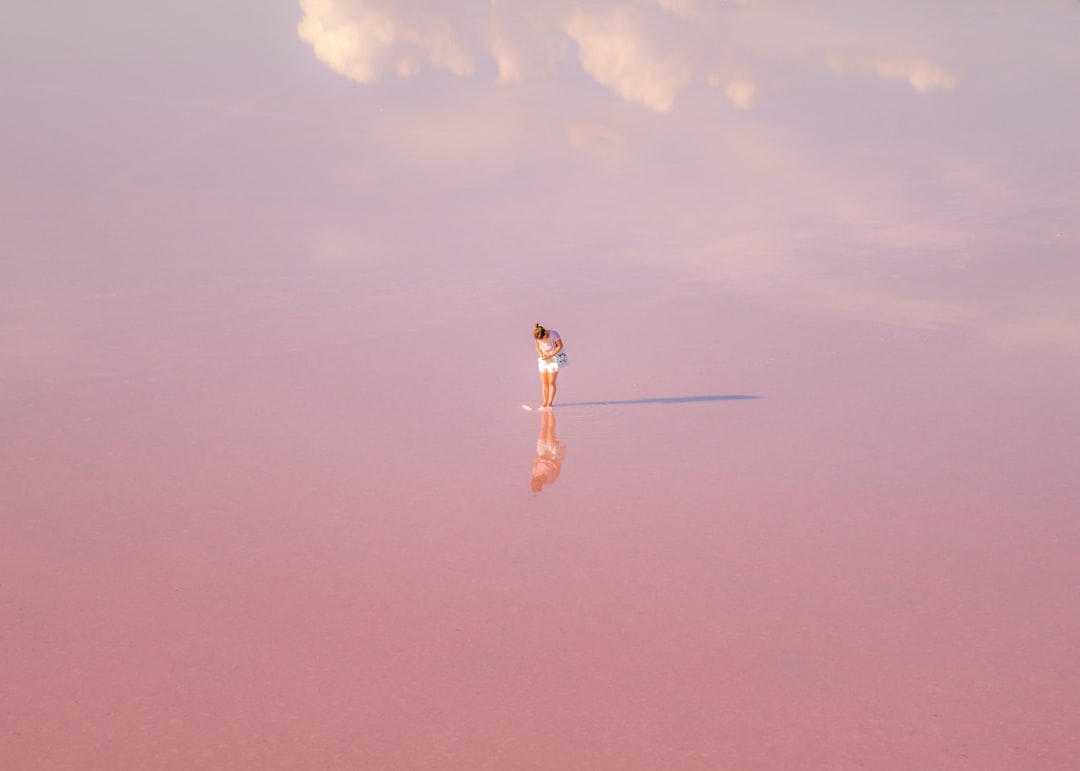
Standing beside a pink lake, it’s hard not to feel a sense of wonder. The color tugs at something deep inside, blending science, art, and emotion into a single, unforgettable experience. It’s a reminder that the world still holds surprises, that not everything has been explained or tamed. Pink lakes invite us to ask questions, to seek answers, and to marvel at the ingenuity of life. They are nature’s way of saying: there’s more to this planet than meets the eye. Would you ever expect a lake to blush?