
Yellowstone’s name alone can tighten a throat. The mind jumps to ash-dark skies and a single apocalyptic blast, as if the ground were a loaded spring. But the latest magma imaging and ground-deformation records sketch a more intricate, less cinematic truth: a giant system that moves in slow breaths and brief flutters, not in constant crisis. Scientists are reading those motions with a toolkit that has matured from hammers and field notes to satellites, fiber optics, and 3‑D seismic maps. What they’re seeing doesn’t erase risk – it reframes it, and that difference matters for how we plan, how we travel, and how we sleep at night.
The Hidden Clues
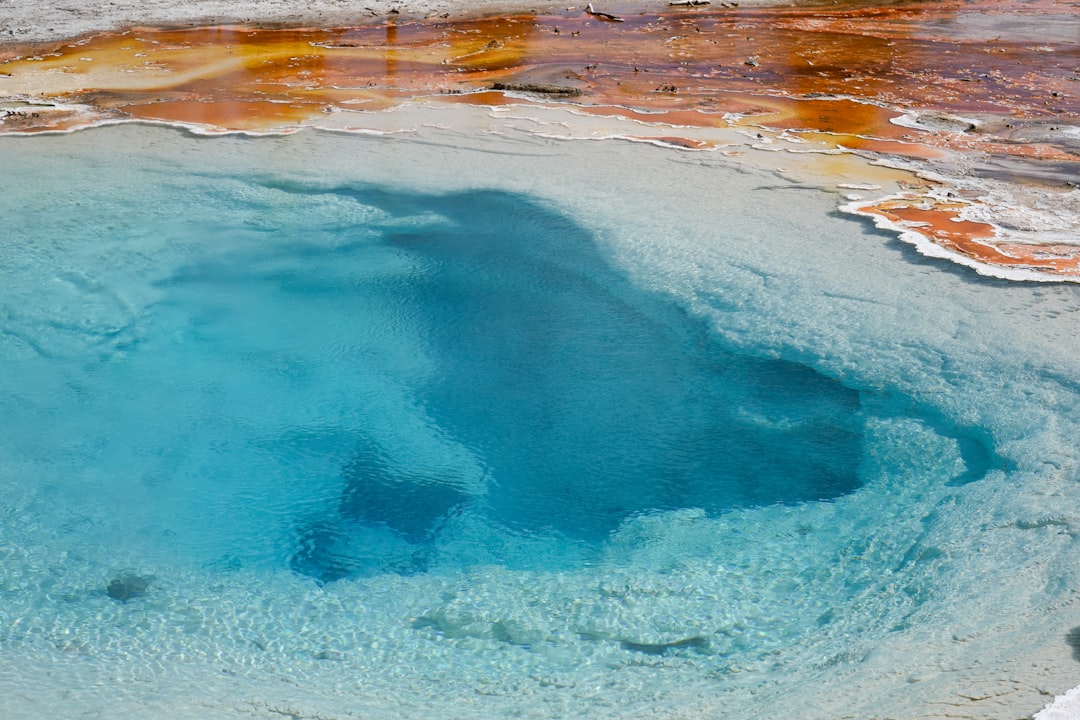
What if the real story beneath Yellowstone isn’t a ticking bomb, but a slow, restless heartbeat? Magma data show a crust that swells and sinks by mere inches to a few inches over years, like a sleeping giant rolling over rather than leaping awake. Seismic swarms – hundreds of tiny quakes clustering in days or weeks – are the murmurs of hot fluids and fractures adjusting, not the drumbeat of imminent rupture. Taken together, these signs point to a largely crystalline “mush” where melt threads through a framework of solid minerals.
That mushy reality is crucial: molten pockets exist, but the bulk is rigid enough to resist easy movement. Pressure blips here and gas pulses there can reshape the caldera floor without heralding a catastrophe. It’s a living system, yes, but its language is subtle and layered, and we’re finally learning to translate it.
From Ancient Tools to Modern Science
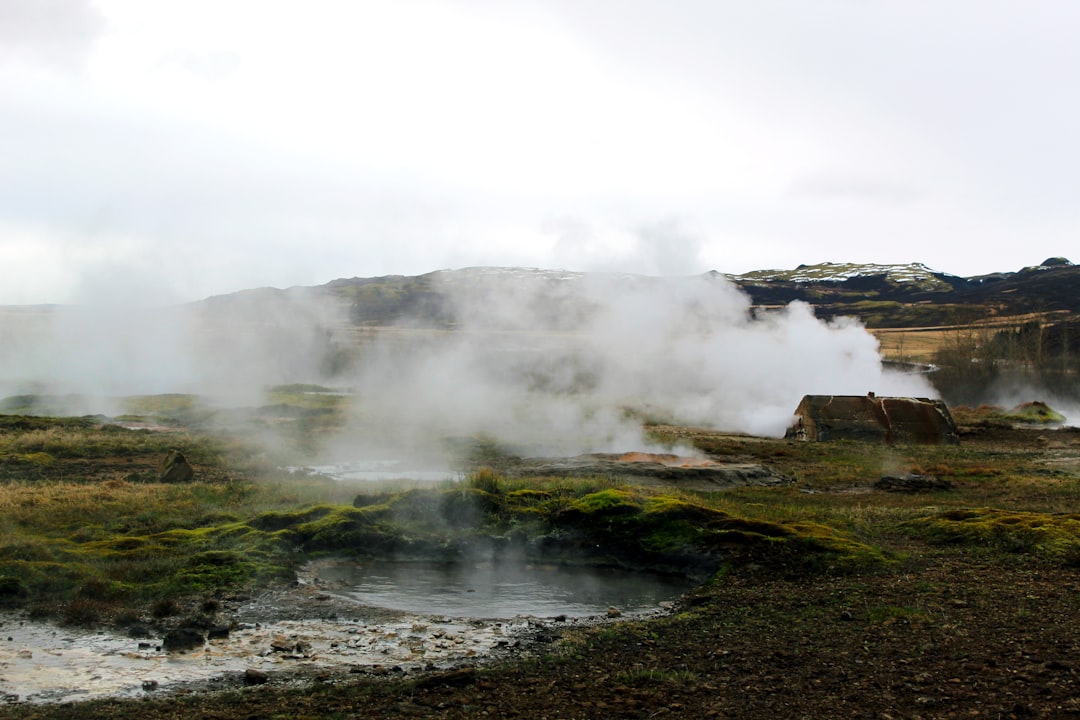
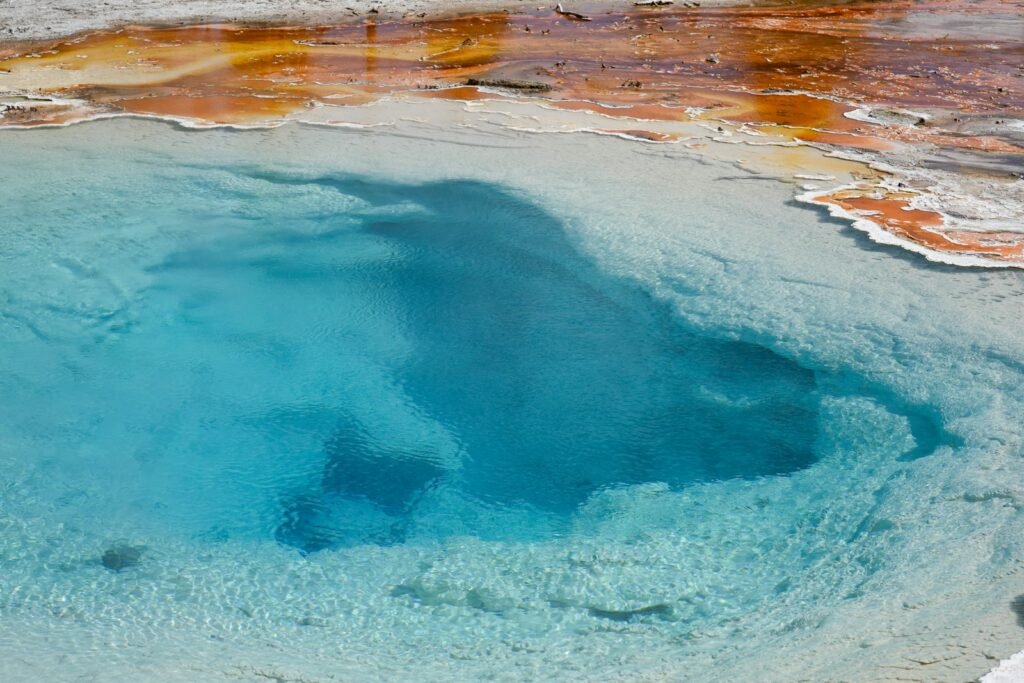
Yellowstone’s earliest surveys traced geysers and steaming pools with notebooks and compass bearings, mapping heat at the surface. Today, satellites capture millimeter-scale elevation changes across the caldera, while GPS stations – anchored to bedrock – record slow tilts you’d never feel. Seismic arrays turn the Earth into a medical scan, reconstructing the deep anatomy from the echoes of tiny quakes.
Magnetotelluric measurements, which sense how rocks conduct natural currents, highlight zones where hot, salty fluids accumulate. In some pilot projects, fiber-optic cables act like thousands of microphones along a single strand, detecting passing waves from both traffic and microquakes. The result is a layered portrait: surface hot springs as bright freckles, shallow reservoirs like warm lenses, and deeper structures feeding the system over geologic time.
What the Magma Numbers Really Mean
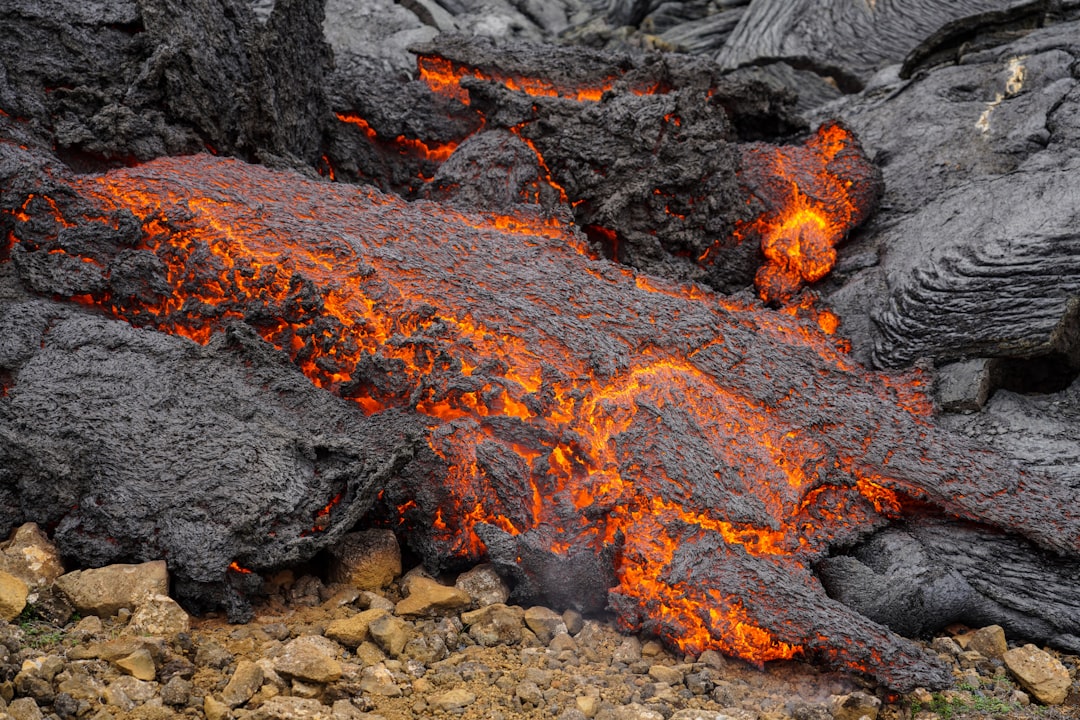
When scientists say “melt fraction,” they’re not talking about a glowing ocean; they mean the proportion of molten material within a mostly solid scaffolding of crystals. In Yellowstone’s upper crust, the melt content is commonly described as a modest slice of the whole – roughly about one tenth or less in many areas – distributed in pockets and thin films. That’s far from the runny, high-melt reservoirs seen before fast eruptions at certain smaller volcanoes.
Here’s the key: eruptibility tends to rise only when melt becomes interconnected and abundant enough to flow, pressurize, and escape. At Yellowstone, the data indicate a system where melt is present yet mostly isolated, like water in a sponge that hasn’t begun to drip. That still allows pressure waves and deformation, but it makes sustained eruption dynamics harder to achieve without a major recharge or structural change.
The Hidden Plumbing
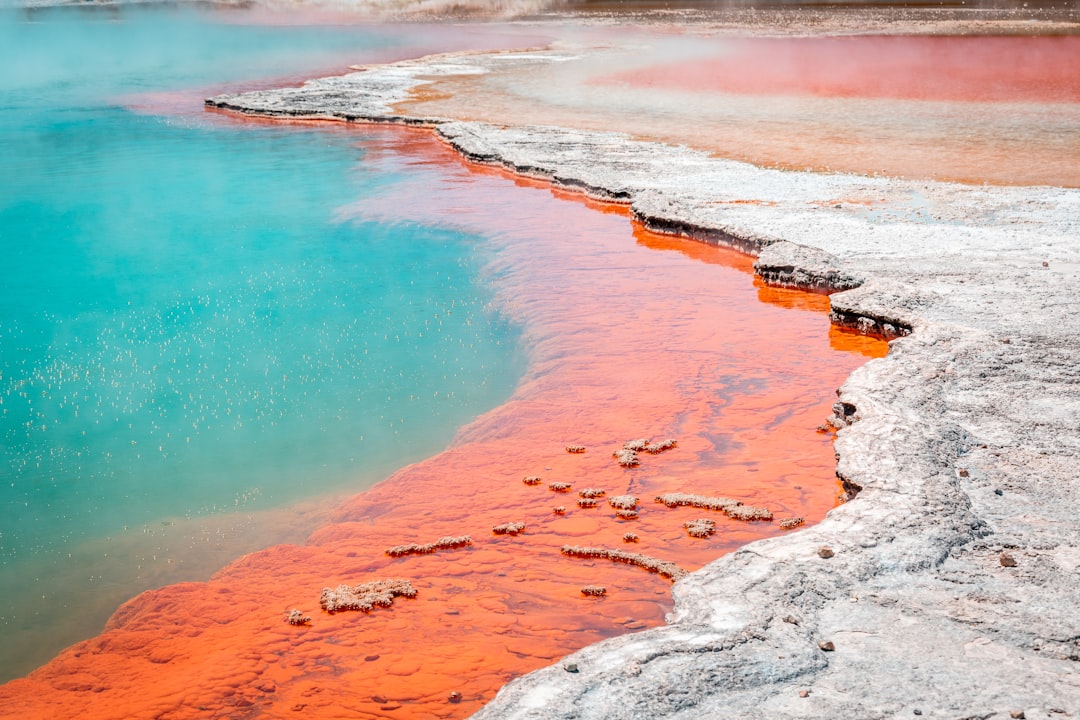
Beneath the caldera, Yellowstone’s plumbing comes in tiers: a shallower reservoir in the upper crust and a deeper one below, stacked like two imperfectly aligned lungs. The deeper body delivers heat and chemically rich fluids upward over long timescales, while the shallower zone interacts more directly with the geyser basins, faults, and fragile surface ground. Between them are sills and fractures that act as valves, sometimes leaking, sometimes sealing, always evolving.
Think of it as a giant hydrothermal engine, not a single tank under pressure. Gas bubbles exsolve from magma, fluids percolate, and minerals precipitate, sealing pathways and then cracking again when pressure returns. That dynamic, on-again, off-again circulation is why the ground can lift for a few years, pause, and then subside without a single eruption.
Signals We Watch
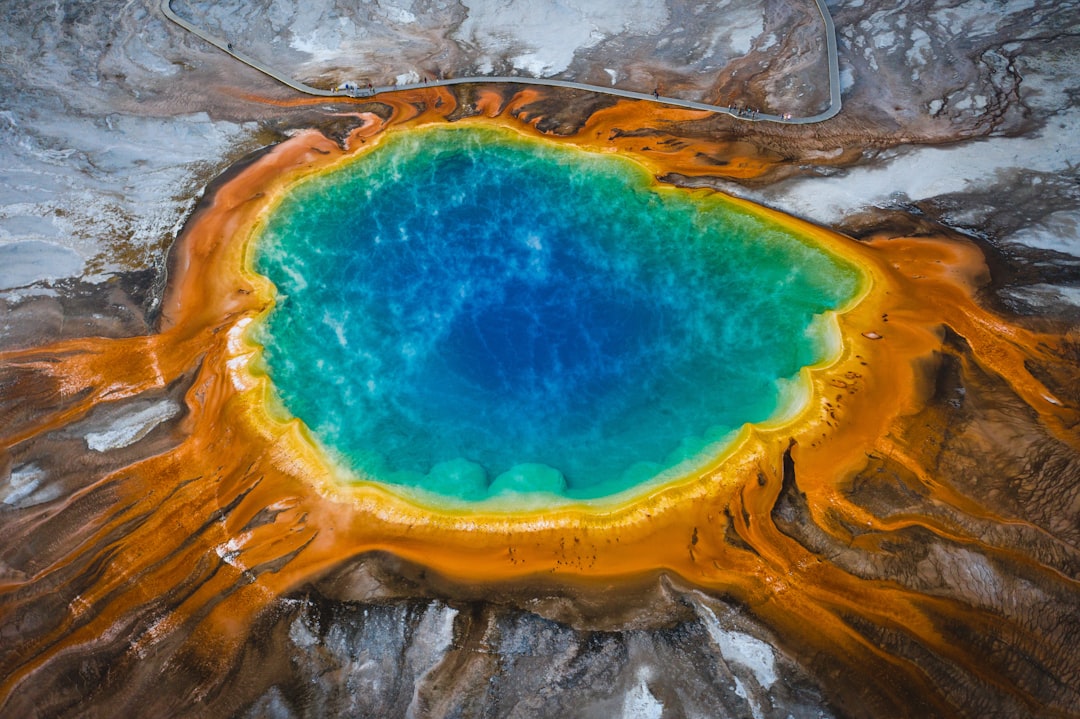
Three signals dominate the dashboard. First are earthquakes: frequent swarms of tiny events are typical for Yellowstone, and the pattern – depth, rate, and energy – matters more than the raw count. Second is ground deformation: GPS and radar satellites reveal subtle bulges and sags that betray shifting subsurface pressure and fluid migration.
Third is gas: carbon dioxide and sometimes sulfur-bearing gases escape through soils and vents, and changes can hint at deeper stirring. None of these signs alone writes the story; only their chorus does. A worrying scenario would combine faster quakes, accelerating deformation, and marked gas shifts sustained over weeks to months – signals we simply are not seeing in concert on a persistent basis.
Why It Matters
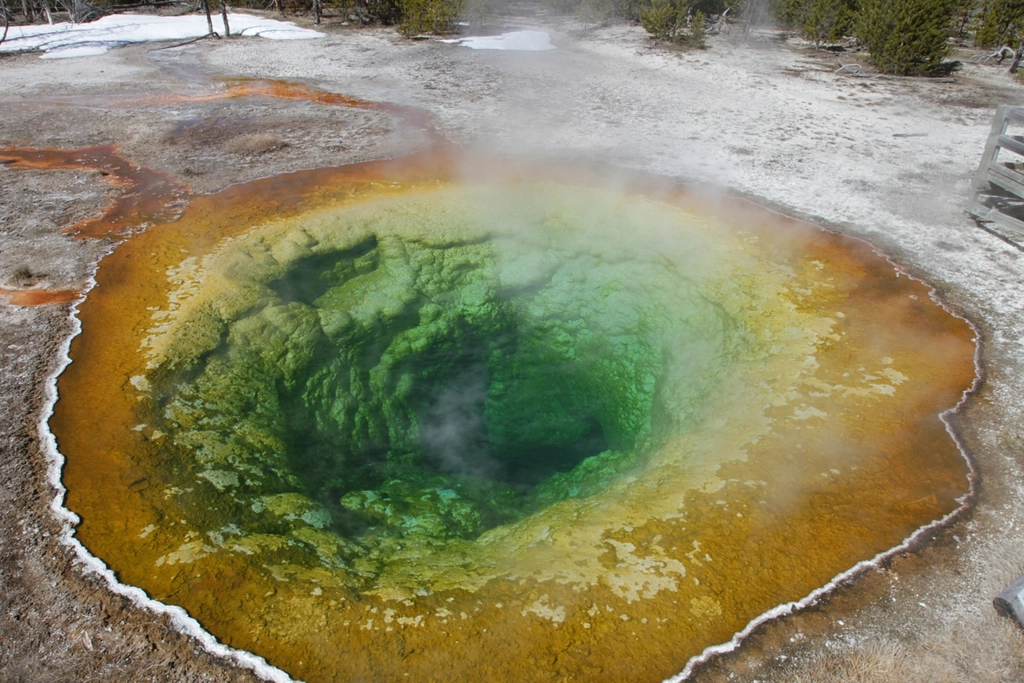
Popular lore fixates on a worst-case supereruption, but the most credible hazards here, statistically, lean smaller and closer to the surface. Hydrothermal explosions – steam-driven blasts that can toss rock and carve craters – have scarred Yellowstone in the recent geologic past and could again with little warning at a local scale. Lava flows, while rare in human timescales, are within the realm of possibility and would reshape landscapes and infrastructure on park scales.
Understanding magma fractions and fluid pathways reframes emergency planning from doomsday thinking to practical readiness. It points officials to watchlists focused on geyser basins, roads, and utilities, and it guides how we maintain safe access for millions of visitors. In short, better magma data translates into smarter decisions where people, wildlife, and a powerhouse of geothermal energy all intersect.
Global Perspectives
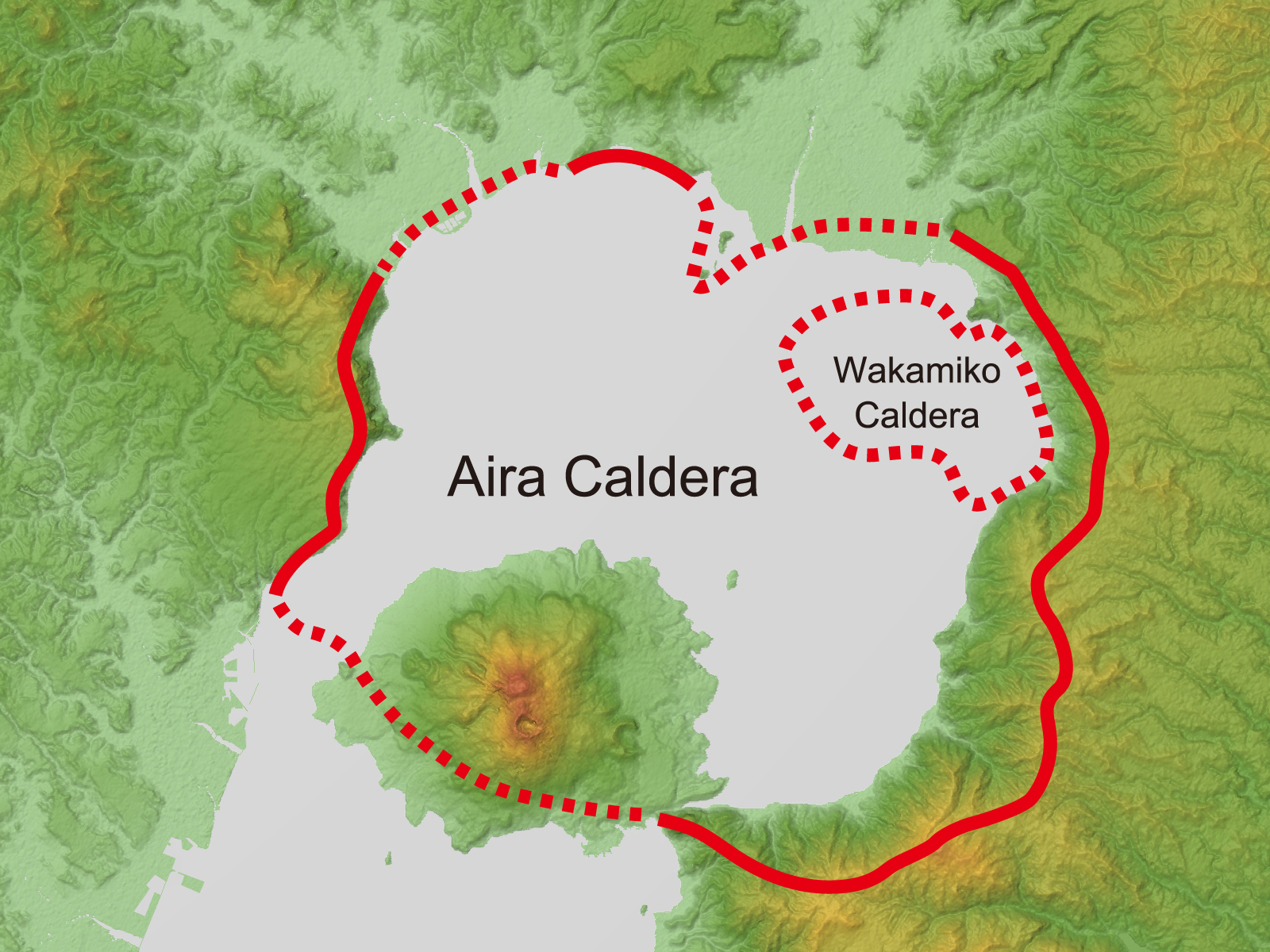
Yellowstone is one chapter in a global story of large calderas that breathe more than they blast. From other volcanic depressions that rise and fall over decades to restless systems near coastal cities, the pattern is familiar: long quiet punctuated by local disruptions, not constant existential threat. Comparing these systems sharpens our models for how melt integrates, how gases move, and when small unrest tips into sustained eruption.
Crucially, lessons travel both ways. Techniques tuned in Yellowstone – dense seismic arrays, joint satellite and ground analyses, and fluid-focused models – feed research at distant calderas, and insights from abroad help decode Yellowstone’s next mood swing. That scientific exchange makes every dataset more valuable, and it keeps myths from outpacing measurements.
The Future Landscape
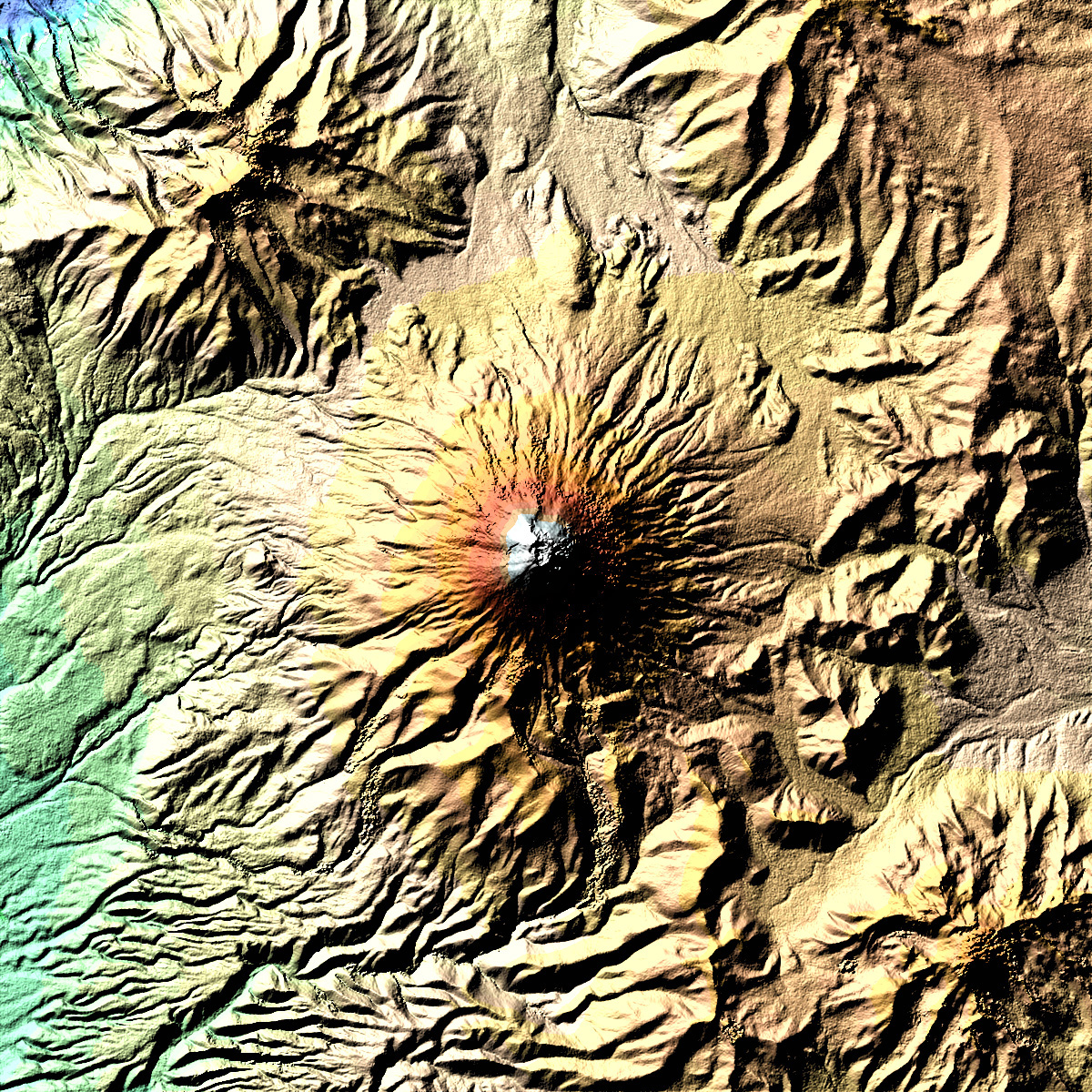
Next-generation tools are already reshaping the view underground. Faster radar satellites capture deformation in near-real time, while improved seismic imaging sharpens the boundaries between mush and melt. Emerging sensors – from portable gas analyzers to experimental quantum gravimeters – promise to track mass changes and gas pulses with unprecedented sensitivity.
Equally transformative is analysis: machine learning is sorting noisy swarms to spot patterns humans might miss, and data-sharing pipelines are moving observations from remote valleys to researchers’ screens in hours, not months. The challenge is avoiding false alarms as sensors grow more watchful. The opportunity is earlier, clearer warnings – measured in months to years if conditions truly begin to organize toward eruption – paired with practical guidance for park managers and nearby communities.
Conclusion
Staying informed is the simplest, strongest step. Follow official updates from observatories and the park service, and treat viral claims without clear data as background noise. When visiting, respect closures around thermal areas and stay on marked paths; that protects fragile crusts and keeps measurements clean.
Support the science that keeps watch – through educational programs, public science initiatives, or community groups that connect researchers with the people who live and work in the region. The story under Yellowstone is nuanced and evolving, not ominous by default. Listening closely is how we keep it that way – are you paying attention?
Suhail Ahmed is a passionate digital professional and nature enthusiast with over 8 years of experience in content strategy, SEO, web development, and digital operations. Alongside his freelance journey, Suhail actively contributes to nature and wildlife platforms like Discover Wildlife, where he channels his curiosity for the planet into engaging, educational storytelling.
With a strong background in managing digital ecosystems — from ecommerce stores and WordPress websites to social media and automation — Suhail merges technical precision with creative insight. His content reflects a rare balance: SEO-friendly yet deeply human, data-informed yet emotionally resonant.
Driven by a love for discovery and storytelling, Suhail believes in using digital platforms to amplify causes that matter — especially those protecting Earth’s biodiversity and inspiring sustainable living. Whether he’s managing online projects or crafting wildlife content, his goal remains the same: to inform, inspire, and leave a positive digital footprint.