
Astrology might seem worlds away from the physics of stars or the chemistry of planetary atmospheres, yet the same skies that guide spacecraft trajectories also inspired the zodiac symbols millions of people still use to interpret stories and themselves. In an age when telescopes map exoplanets and satellites track Earth’s changing climate, fans are also mapping fictional worlds like Game of Thrones onto the zodiac wheel. At first glance, that might sound like harmless fandom fun, but it also reveals how deeply cosmic patterns still shape our imagination, moral judgments, and even our understanding of power and survival. When we ask which zodiac signs resemble, we are really asking how ancient sky-based archetypes continue to color the way we see human behavior. And in a culture increasingly driven by data and simulations, this strange overlap between constellations, climate, and character might tell us more about ourselves than about the stars.
The Hidden Clues in the Stars of Westeros
Look closely at Game of Thrones and you start to notice something uncanny: the traits that define each major character echo zodiac archetypes that have been circulating since Babylonian sky-watchers first carved constellations into clay. Tyrion Lannister’s sharp wit and relentless need to analyze every political move feel unmistakably like Virgo’s mercurial mind, always sorting, sifting, and critiquing. Daenerys Targaryen’s fiery conviction and grand, sometimes reckless vision for a new world have all the hallmarks of Aries, the cardinal fire sign driven toward bold beginnings and dramatic confrontations. Jon Snow, haunted by duty and identity, moves like a classic Capricorn, bearing the emotional weight of a crumbling system on his shoulders while climbing toward reluctant leadership. These are not perfect one-to-one matches, of course, but they offer an intriguing pattern, like faint constellations that become clearer once someone traces the lines for you.
Those lines become even sharper when you place characters side by side on the zodiac wheel. Sansa Stark’s slow, painful evolution from naive idealist to strategic survivor mirrors the arc of Libra, a sign obsessed with fairness, balance, and appearances, but capable of wielding diplomacy as a quiet weapon. Cersei Lannister radiates the darker edge of Leo energy, demanding adoration, clinging to status, and turning theatrical pride into a political tool. Bran Stark as the all-seeing seer channels Aquarius, the air sign associated with radical perspective shifts, pattern recognition, and unsettling detachment from personal emotion. Once you start reading Westeros through the zodiac, it stops feeling like coincidence and starts looking like a coded language for human behavior written across both sky and script.
From Ancient Zodiac to Modern Fan Theories
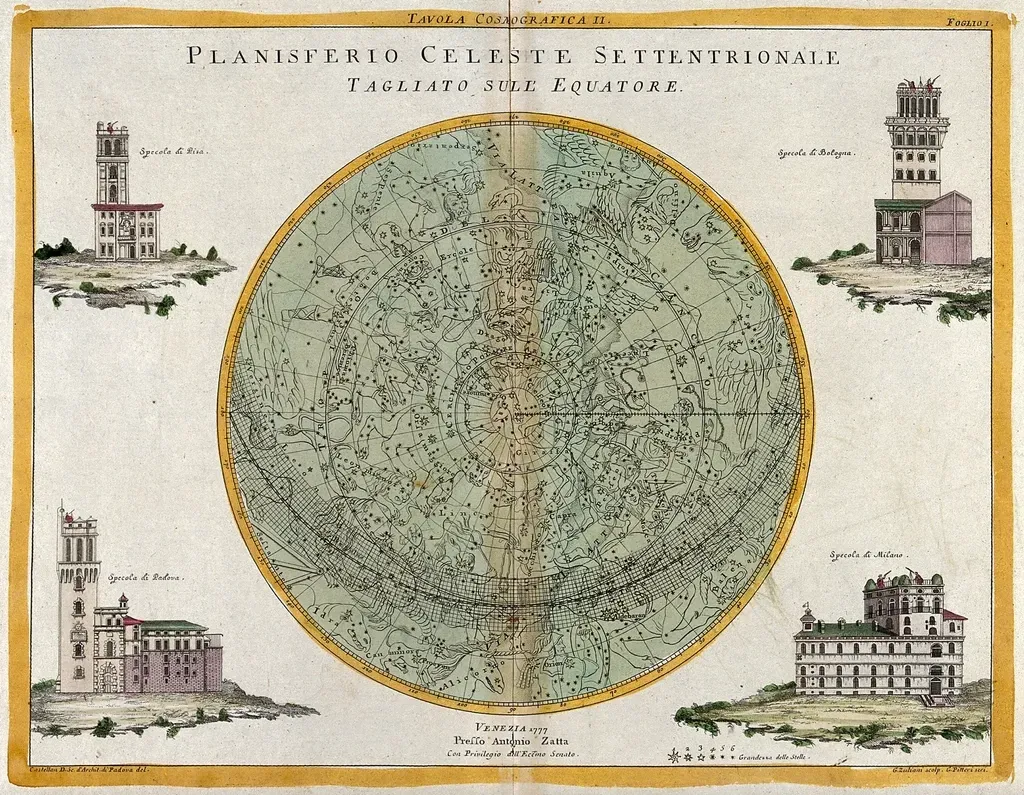
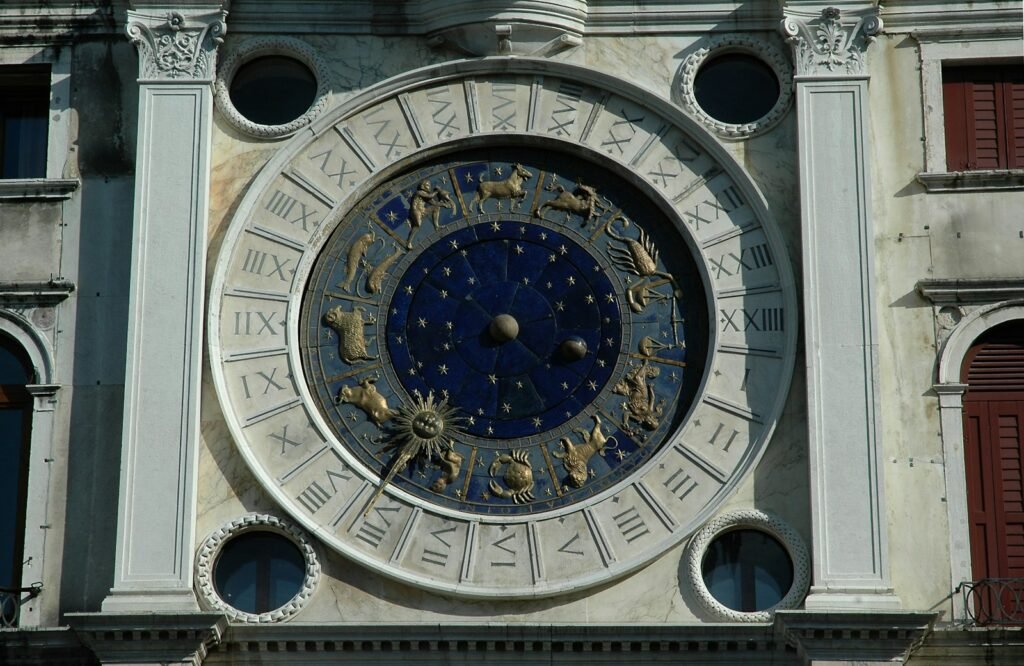
The zodiac was never just about personal horoscopes; it began as a practical tool for tracking time, seasons, and the movements of planets against the fixed constellations. Ancient astronomer-priests divided the ecliptic into twelve sections not to help anyone decide who to date, but to map the cycles of planting, flooding, and migration that made survival possible. Over centuries, those sky-based markers accumulated stories, symbols, and personality traits, evolving into the familiar zodiac signs people consult today. In a way, Game of Thrones is doing something parallel: it builds a fantasy world where celestial cycles, long winters, and omens from the sky dictate human decisions. The show’s ominous line that winter is coming functions like an astrological warning that a harsh new cycle is inevitable, no matter how powerful the characters think they are.
Modern fan theories that assign zodiac signs to characters are an extension of that long tradition of reading meaning into the heavens. Fans scour scenes for symbolic details, noticing how Daenerys stands silhouetted by the sun like a solar deity or how Arya Stark, agile and sharp, embodies the quicksilver nature often associated with Gemini or Scorpio’s intense focus. This is not rigorous science, but it is a form of pattern-making that has deep roots in how humans process complex information. Long before spreadsheets and climate models, myths and constellations provided frameworks for understanding chaos. Today, fans on forums and social media are effectively creating a crowdsourced mythology, aligning one fictional universe with another, older map of personality that hangs above our real night sky.
Mapping Game of Thrones Characters to Zodiac Archetypes
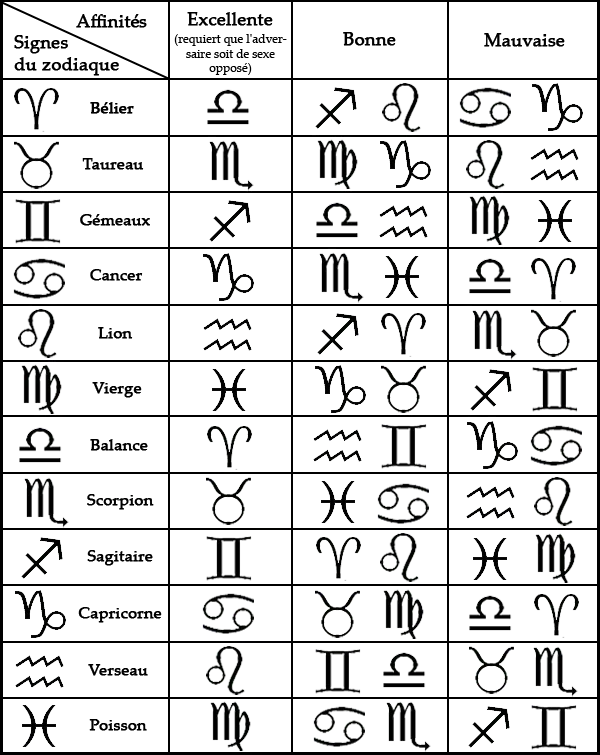
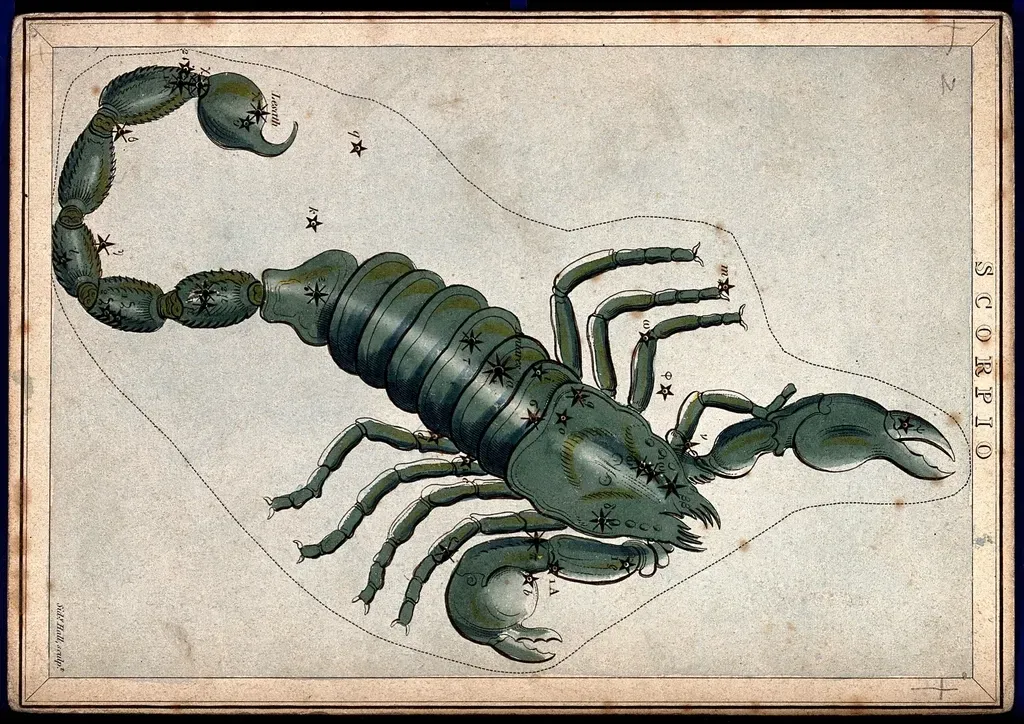
When you start assigning zodiac signs to specific Game of Thrones characters, the exercise becomes a kind of psychological field study wrapped in fantasy. Take Jon Snow as Capricorn: he is disciplined, brooding, and obsessed with duty, repeatedly choosing responsibility over personal happiness, which mirrors Capricorn’s reputation as the mountain goat climbing a lonely, cold path. Arya Stark, driven by revenge, intensely private, and capable of surviving in the shadows, fits many hallmarks of Scorpio, the sign associated with transformation, secrecy, and piercing emotional intensity. Daenerys as Aries is almost too on the nose – her dragons act like literal embodiments of elemental fire, and her storyline is propelled by bold, sometimes impulsive decisions that ignite sweeping change. These alignments may not be official, but they resonate because they reflect enduring templates for how we classify behavior.
Even supporting characters slide neatly into this cosmic casting. Samwell Tarly feels like a classic Cancer or Pisces, guided by empathy, memory, and a deep emotional intelligence that often outperforms brute strength. Jaime Lannister’s evolution from arrogant golden knight to morally conflicted exile tracks with Leo’s journey from shallow pride to a more humbled, heart-centered courage. Brienne of Tarth radiates Taurus or Virgo energy, grounded, loyal, and pragmatic, treating oaths like gravitational forces that keep her orbit steady. These assignments do not change what happens in the story, but they offer a secondary framework, almost like an overlay of the zodiac wheel on a fictional map, revealing new angles on why these characters feel so familiar and strangely real.
Why It Matters: Science, Storytelling, and Cosmic Archetypes
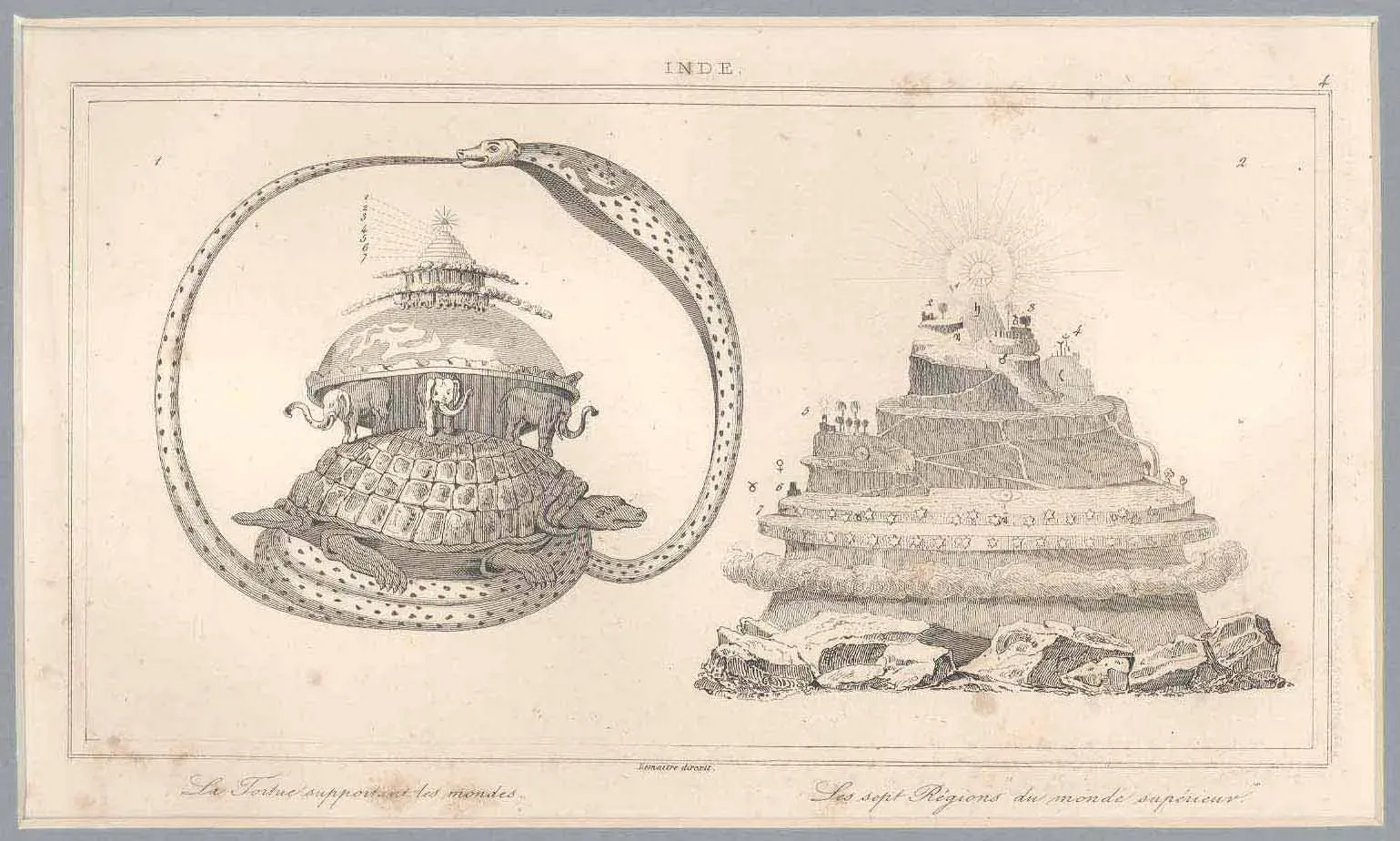
On the surface, asking which zodiac signs are might seem like harmless entertainment, but it raises serious questions about how humans relate to the cosmos in an era of advanced science. We now know that constellations are arbitrary alignments of stars separated by vast distances, and that horoscopes have no support in controlled studies of behavior or personality. Yet the zodiac persists because it provides accessible archetypes – courageous fire signs, analytical earth signs, emotional water signs – that help people describe complex traits in simple language. When viewers use those archetypes to decode Westeros, they are participating in an ancient pattern: using the sky not as a literal predictor, but as a metaphorical mirror.
From a science communication perspective, dismissing all of this as irrational misses an opportunity. The same curiosity that leads someone to ask whether Tyrion is a Virgo can be redirected toward real questions about how we measure personality, model human decisions, or simulate climate systems in fictional and real worlds. In my own experience as a science journalist, I have seen readers who start with zodiac memes end up captivated by discussions of circadian biology, seasonal affective patterns, or the physics of axial tilt. The key is to acknowledge that the zodiac operates today more as cultural code than scientific tool, while still respecting the emotional and narrative power it holds. That balance allows us to use popular media as a bridge from mythic thinking to evidence-based understanding.
Global Perspectives: A Sky Shared Across Cultures
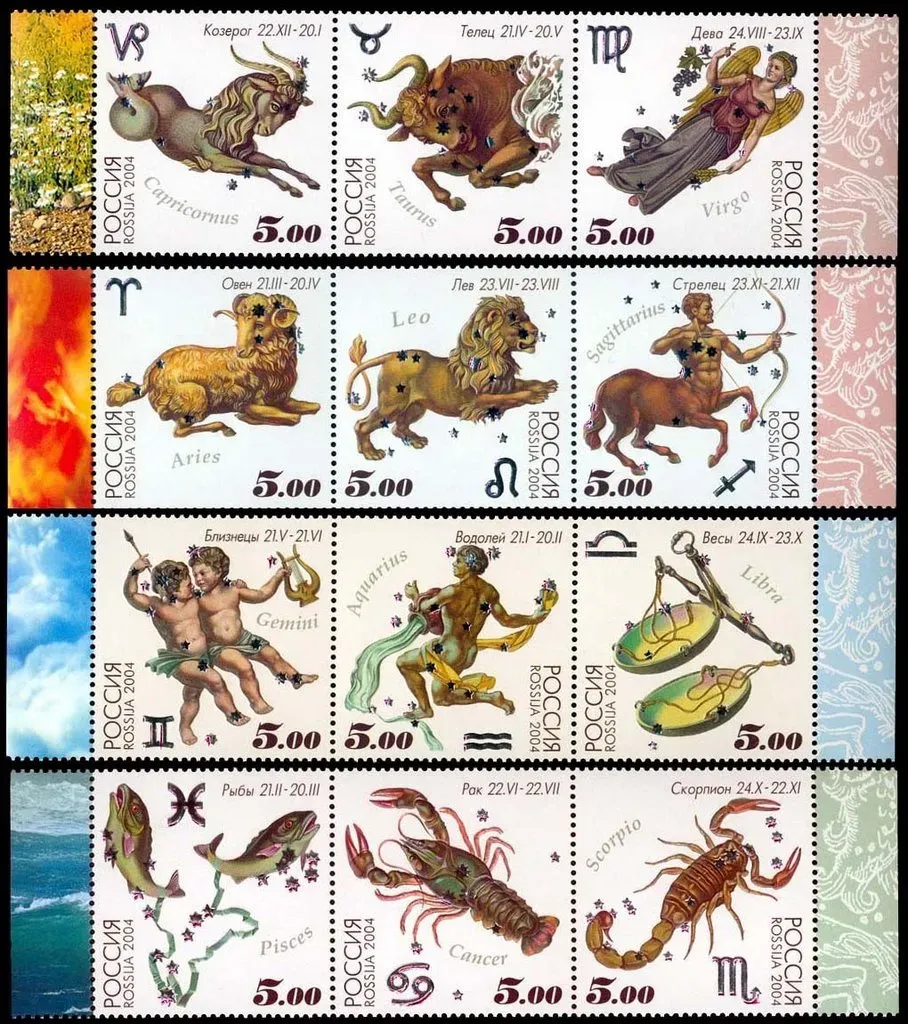
Game of Thrones is a global phenomenon, and so is the zodiac, but the way they intersect varies depending on cultural background and sky traditions. Western astrology divides the sky into twelve zodiac signs tied loosely to Greco-Roman mythology, yet many cultures developed their own parallel systems, such as the Chinese zodiac or the Indian sidereal zodiac used in Vedic astrology. Fans from different regions often mix these frameworks, reading Daenerys not only as an Aries-like figure but also as a dragon symbol in East Asian traditions, or mapping Bran’s seer role onto Vedic concepts of karmic cycles. These cross-cultural readings show that humans everywhere reach for the sky when they need language for power, fate, and transformation. They also remind us that the night sky is a shared backdrop, even if the stories we project onto it differ.
This global layering matters in a time when astronomy and climate science rely on international collaboration. The same satellite networks that observe polar ice melt and track storms do so under constellations known by many names in many cultures. When fans in Brazil, India, Europe, or the United States argue online about whether Cersei is a Leo or a Scorpio, they are also participating, however informally, in a planetary conversation about meaning and pattern. That conversation can either deepen divides between scientific and cultural perspectives or become a bridge where both sides learn from each other. Framing Game of Thrones zodiac debates as modern folklore anchored to real celestial reference points opens a path toward that bridge, where the wonder of story meets the rigor of data.
The Science–Myth Line: Where Evidence Ends and Archetype Begins
Scientifically, there is no credible evidence that the zodiac signs under which people are born determine their personality, fate, or compatibility. Large-scale studies that have tried to correlate birth dates with traits, career paths, or behavior patterns have consistently found no meaningful links once biases are controlled. That matters, because it reminds us that while the sky influences Earth through gravity, radiation, and orbital dynamics, it does not script our character arcs. At the same time, the language of the zodiac persists because it offers ready-made archetypes that people use to make sense of complexity. In a way, using zodiac signs for Game of Thrones characters is safer than applying them to real people, because it keeps the archetypes firmly in the realm of narrative and symbolism.
Understanding where science ends and story begins is crucial. The real impacts of the cosmos on Earth are measurable and profound: solar storms can disrupt power grids, changes in Earth’s orbit influence long-term climate cycles, and the distribution of sunlight shapes ecosystems and human health. Those are the domains where rigorous evidence must guide our decisions and policies. The zodiac, by contrast, belongs to our symbolic toolkit, closer to literature and psychology than to physics. Treating it that way allows us to enjoy the rich metaphor of calling Jon Snow a Capricorn or Arya a Scorpio without confusing that metaphor for a predictive formula. The line between myth and measurement does not have to be hostile; it just has to be clear.
Looking Ahead: The Future of Sky Stories in a Data-Driven Age
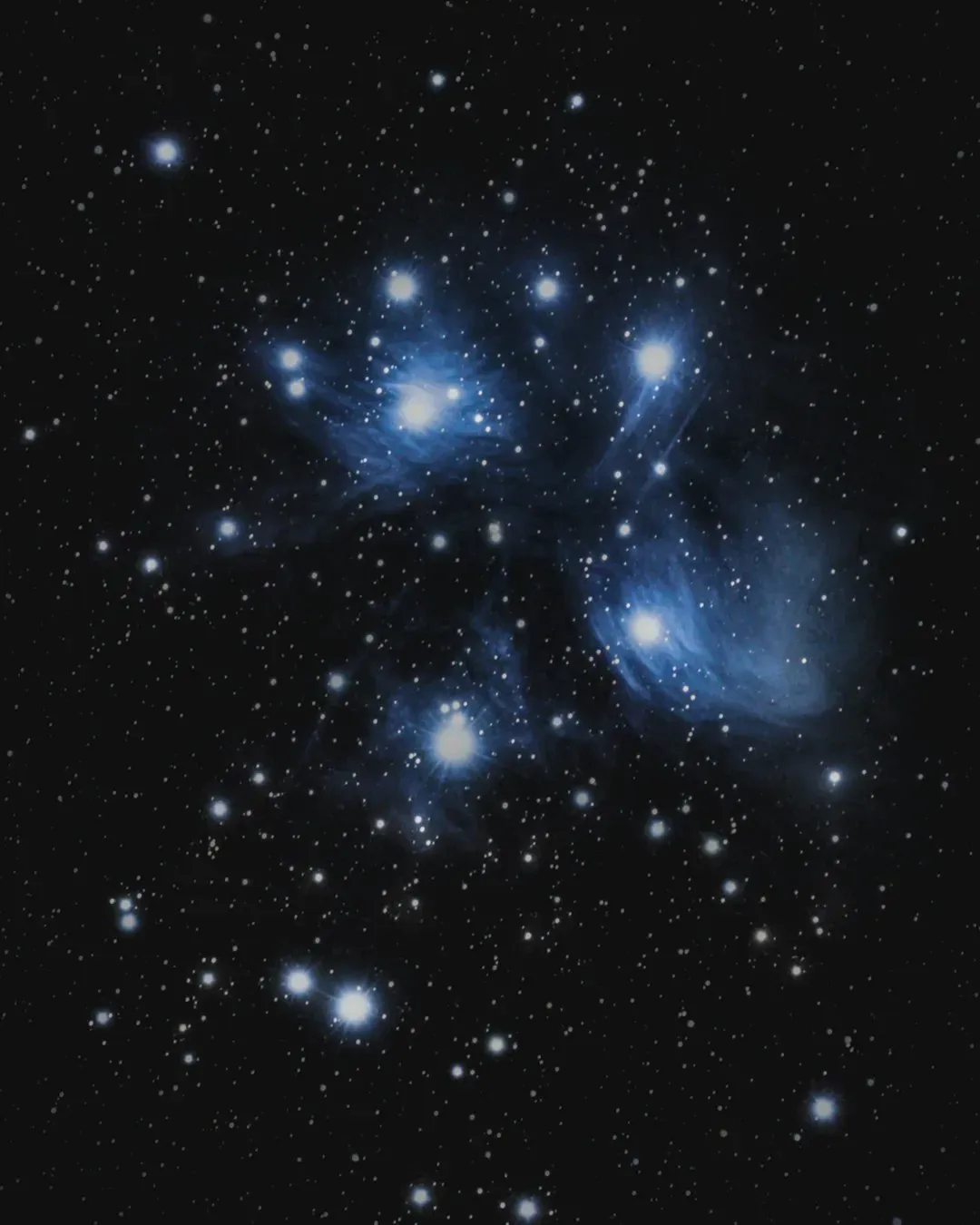
As astronomy and data science advance, our relationship with the sky is changing again, and that shift will shape how we use systems like the zodiac in storytelling. New telescopes and sky surveys are mapping billions of stars and exoplanets, creating detailed catalogs that dwarf anything ancient astronomers could have imagined. At the same time, entertainment algorithms are learning what kinds of characters, plot twists, and archetypes keep viewers hooked, turning story design itself into a kind of predictive science. It is not hard to imagine a near future where fan debates about zodiac signs in shows like Game of Thrones blend with AI-driven personality analyses and big-data insights about audience preferences. The constellations might be replaced by network graphs, but the human drive to find patterns will remain.
This future poses both opportunities and challenges. On one hand, sophisticated simulations could help writers build worlds where celestial mechanics, climate, and culture are more scientifically plausible, offering richer canvases for fans to explore. On the other hand, there is a risk that mythic systems like the zodiac will be either dismissed as obsolete or commercialized into shallow marketing tools. Navigating that tension will require science communicators, storytellers, and audiences to stay aware of what each framework is good at. The zodiac is powerful at organizing archetypes; data is powerful at revealing real-world patterns. Where they overlap, as in the cosmic casting of Westeros, we have a chance to invite people deeper into both wonder and understanding.
How Readers Can Engage With the Sky Behind the Stories
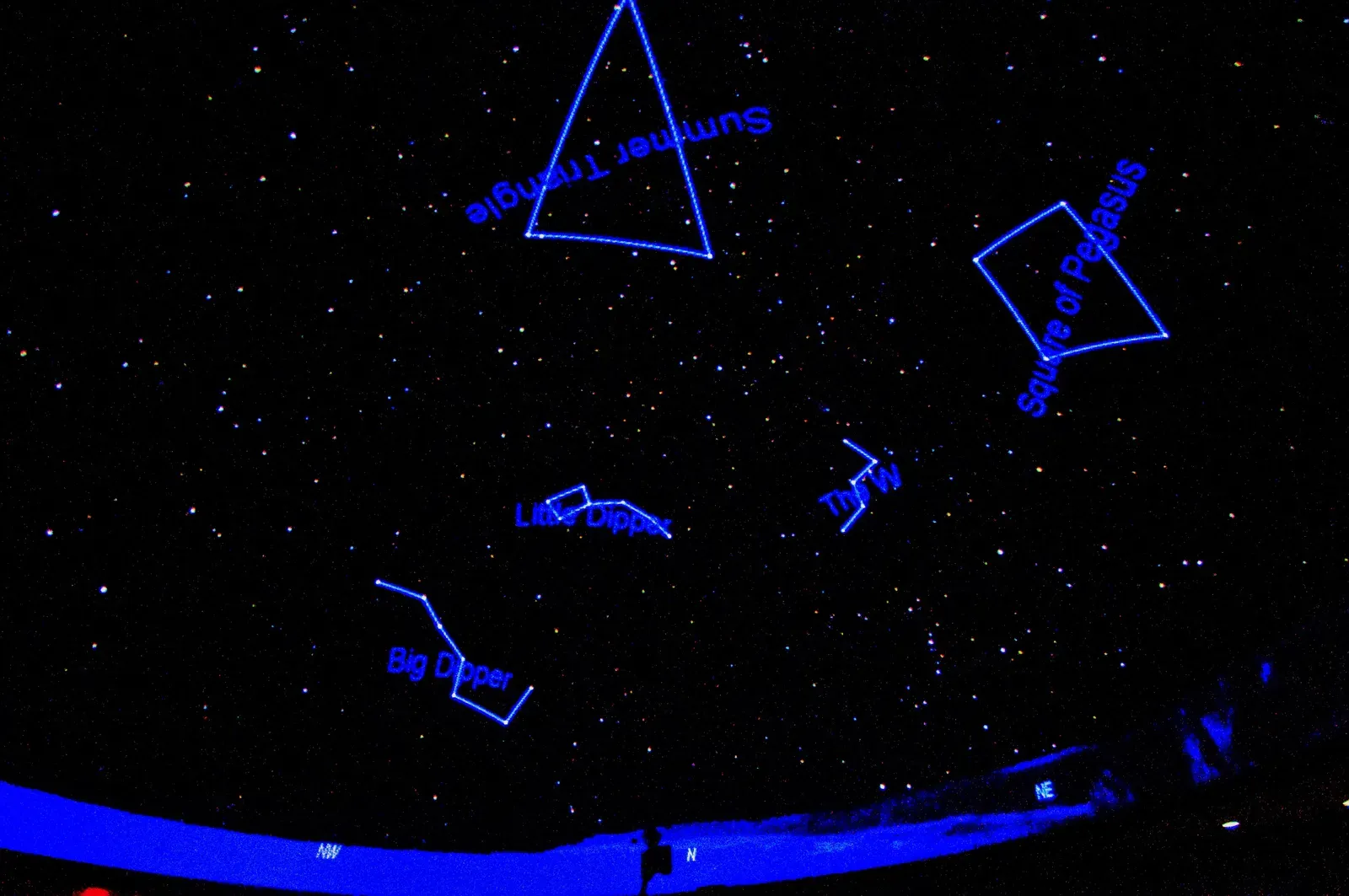
If you find yourself assigning zodiac signs to your favorite Game of Thrones characters, you are already halfway to thinking like both a storyteller and a sky-watcher. One simple next step is to look up the real constellations that inspired the zodiac and learn where they sit in your local night sky during different seasons. Many public observatories, planetariums, and science museums offer sky tours or online programs that connect mythic constellations with modern astrophysics, turning familiar symbols into gateways to real data. You can also follow missions that study solar activity, exoplanets, or Earth’s changing climate to see how our understanding of the cosmos is evolving beyond the ancient zodiac wheel. Treat the zodiac as an entry point rather than an endpoint, a poetic doorway into a much larger universe.
Supporting organizations that bridge culture and science is another meaningful way to engage. That might mean donating to a local observatory, joining a citizen science project that tracks variable stars or light pollution, or simply sharing articles that explain the difference between symbolic astrology and evidence-based astronomy. In your own conversations, you can enjoy the fun of calling Cersei a Leo or Bran an Aquarius while gently steering friends toward questions like how orbital mechanics shape seasons or how cosmic radiation affects life on Earth. These small shifts accumulate, fostering a public that is fluent in both stories and science. And in a world where our future depends on understanding planetary systems as clearly as we understand fictional ones, that fluency is far more powerful than any horoscope.
Suhail Ahmed is a passionate digital professional and nature enthusiast with over 8 years of experience in content strategy, SEO, web development, and digital operations. Alongside his freelance journey, Suhail actively contributes to nature and wildlife platforms like Discover Wildlife, where he channels his curiosity for the planet into engaging, educational storytelling.
With a strong background in managing digital ecosystems — from ecommerce stores and WordPress websites to social media and automation — Suhail merges technical precision with creative insight. His content reflects a rare balance: SEO-friendly yet deeply human, data-informed yet emotionally resonant.
Driven by a love for discovery and storytelling, Suhail believes in using digital platforms to amplify causes that matter — especially those protecting Earth’s biodiversity and inspiring sustainable living. Whether he’s managing online projects or crafting wildlife content, his goal remains the same: to inform, inspire, and leave a positive digital footprint.