Birthstones sit at a strange crossroads of science and symbolism: they are literal rocks shaped by ancient geology and, at the same time, tiny mirrors for our hopes, fears, and identities. For some people, they are nothing more than decorative gems; for others, they feel like a personal cosmic badge pinned to the calendar. Underneath the glossy jewelry-counter stories, though, lies a real history of trade routes, mineral chemistry, cultural psychology, and even placebo-like effects. As scientists look closer at how beliefs shape behavior and well-being, birthstones are becoming less of a guilty pleasure and more of a window into how we construct meaning. The mystery is not whether your stone can change your fate, but how your belief in it can subtly change you.
The Hidden Clues: What Your Birthstone Says About How You See Yourself
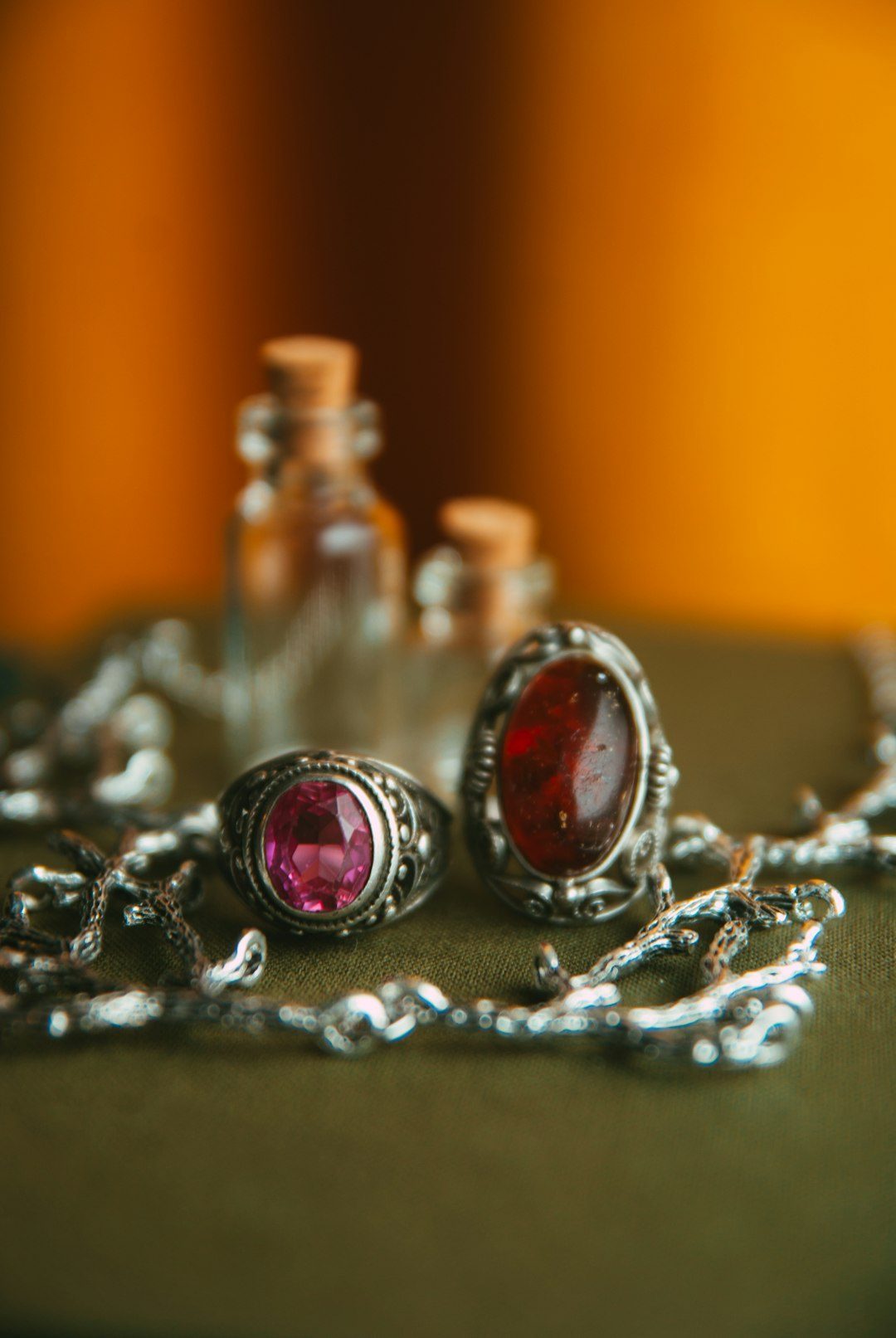
Open any birthstone chart and you see a neat pairing: garnet with loyalty, sapphire with wisdom, diamond with strength, amethyst with calm. On the surface, these labels sound like marketing copy, but psychologists would argue they act like personality prompts. When someone hears that their stone is “protective” or “brave,” they often start to notice or emphasize those traits in themselves, a classic example of what researchers call a self-fulfilling expectation. The result is that your birthstone becomes less a prediction and more a story you help write. It is not the mineral that reveals you; it is the narrative you build around it.
There is also a quiet emotional power in having a symbol that feels unchangeably yours, assigned not by taste or fashion but by time of birth. That fixed link can feel oddly stabilizing in a world where almost everything else is customizable and temporary. Studies on identity and symbols show that people often cling strongly to objects that represent continuity, like family heirlooms or cultural emblems, because they help answer the question of who they are across different life stages. A birthstone necklace or ring can play a similar role, grounding you in a story that began before you even knew what gemstones were. In that sense, what the stone “reveals” is often how badly we want to see ourselves as coherent and consistent over time.
From Ancient Talismans to Modern Gem Labs
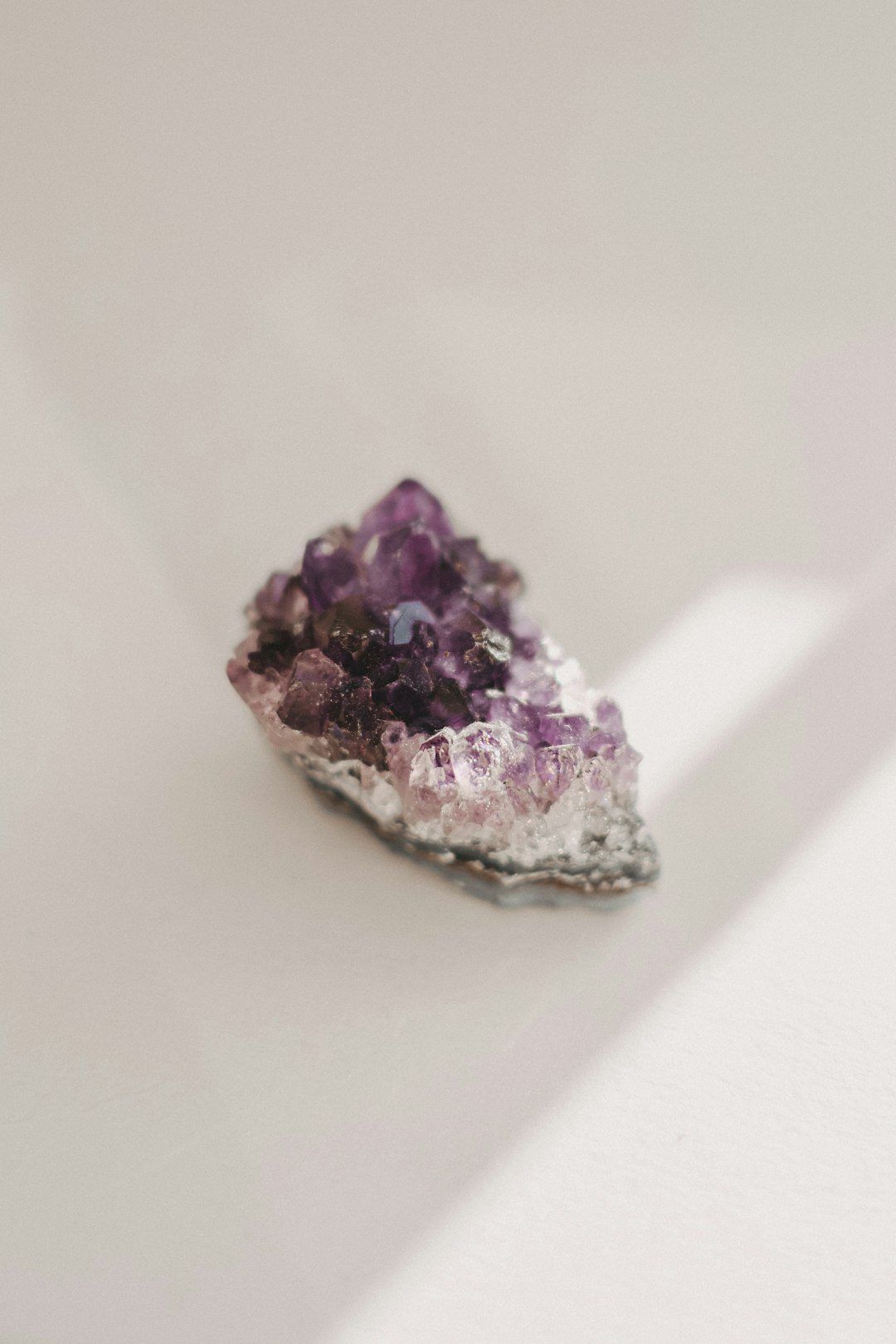
The idea that stones carry power is far older than the neat twelve-month charts printed on jewelry boxes today. Ancient texts linked gemstones not to birthdays but to religious symbols, celestial bodies, or sacred garments, and travelers along trade routes carried these ideas between regions like invisible cargo. Over centuries, those associations shifted and merged with local beliefs, until Western jewelers in the nineteenth and twentieth centuries helped standardize the now-familiar list: garnet for January, amethyst for February, and so on. What looks like timeless cosmic order is actually the product of historical chance, marketing decisions, and cultural negotiation. The modern “official” birthstone lists were shaped as much by commerce as by tradition.
Meanwhile, gemology – the scientific study of gemstones – has stripped away much of the mystical fog while revealing something arguably more fascinating. In labs, sapphires are not symbols of truth but crystals of corundum colored by traces of iron and titanium; emeralds are beryl suffused with chromium or vanadium; opals are fragile networks of silica spheres diffracting light. High-powered microscopes and spectroscopy do not prove that stones change luck or love, but they do show that each gem carries an intricate geological biography. These stories involve ancient oceans, volcanic heat, tectonic pressure, and spans of time that make a human life feel like a blink. When you wear a birthstone, you are, quite literally, wearing a slice of planetary history on your skin.
The Psychology of Sparkle: Why We See Personality in Rocks
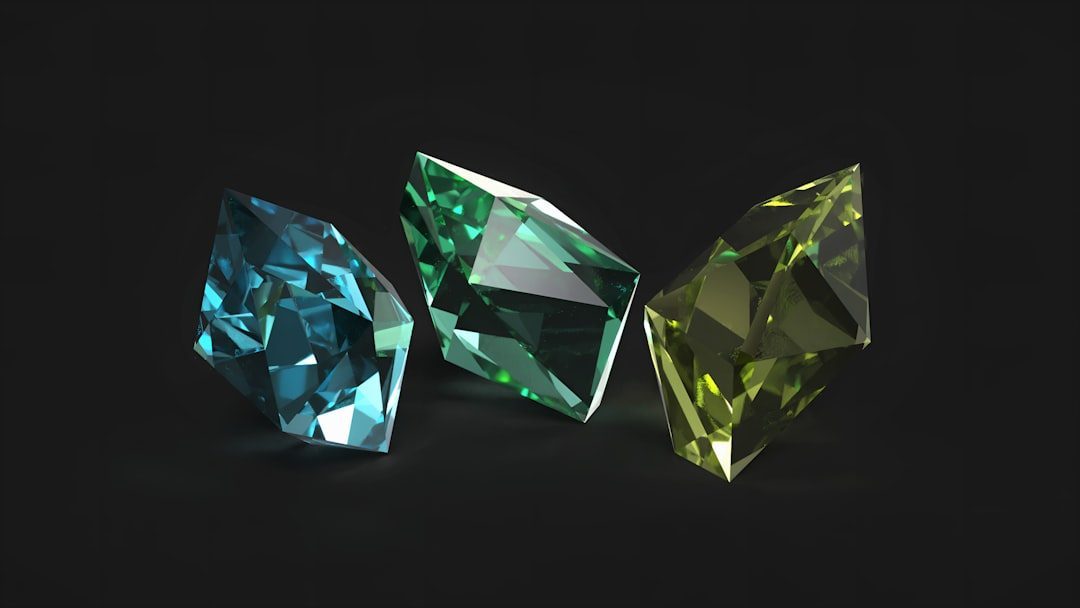
There is a name for the habit of reading human qualities into non-human things: anthropomorphism. We do it with pets, cars, even weather systems, and gemstones are an especially inviting target because they are both beautiful and durable. When a stone is described as fiery or serene, the mind easily leaps from the physical quality – color, clarity, brilliance – to a matching emotional state. Over time, those poetic shortcuts harden into supposed character traits: ruby for passion, aquamarine for calm seas of emotion, peridot for optimism. The stone becomes a tiny avatar of how you would like to be seen.
Belief adds another layer. Research on the placebo effect and meaning-making shows that when people think an object is “lucky” or “protective,” they often behave more confidently or feel less anxious. That does not mean the mineral is sending out invisible rays; it means the story around it gives the brain permission to relax or take a risk. A person who believes their garnet bracelet keeps them grounded might feel steadier during a job interview, simply because the ritual of wearing it creates a sense of control. This is where birthstones edge into something like psychological tools: symbols that help people regulate feelings in unpredictable situations. The science is less about crystal energy and more about how our expectations shape our inner life.
Global Perspectives: One Birth, Many Stones
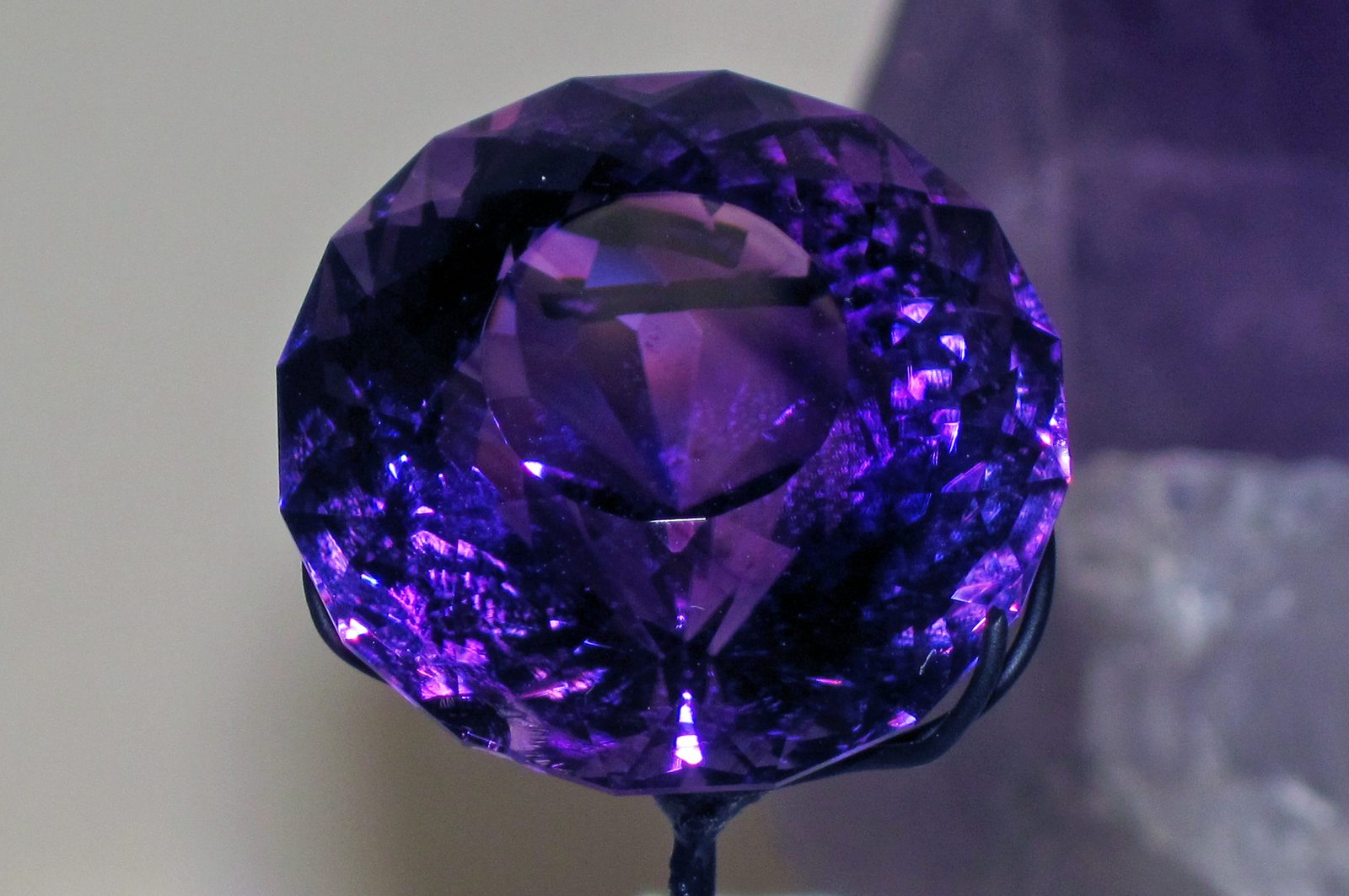
Look beyond the standard Western list and the birthstone story becomes much more varied – and revealing. In parts of South Asia, traditional systems link gemstones not to months but to planets, with specific stones chosen to harmonize or counteract a person’s astrological chart. In Japan, flowers are sometimes paired with birth months as symbolic counterparts to stones, giving a softer seasonal layer to personal identity. Even within Europe and North America, historical lists from different centuries assign different stones to the same month, reflecting shifts in trade, availability, and fashion. The supposed universality of birthstones dissolves into a patchwork of local logics.
This diversity undercuts any claim that there is a single “true” stone for any given birthdate. Instead, it suggests that people are excellent at building meaning from whatever materials are at hand: rubies when trade routes allow, garnets when mines are closer, synthetic stones when technology finally catches up. When the same month can be linked to several different gems depending on culture or era, the personality traits tied to those stones start to look like cultural mirrors rather than cosmic assignments. That is not a weakness of the birthstone idea; it is a clue that the real story is about human creativity. In every region, people have taken hard, silent minerals and turned them into vocabulary for feelings that are otherwise hard to pin down.
The Science of Fortune: Can Stones Really Change Your Luck?
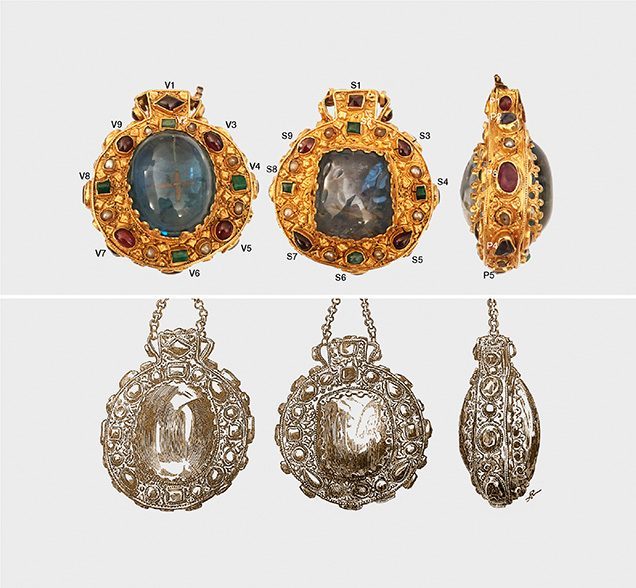
Fortune is a slippery concept, mixing probability, perception, and narrative into one word. No controlled study has ever shown that wearing a particular mineral alters random events in the outside world, like lottery numbers or traffic patterns. What can change, however, is how a person perceives and responds to those events. When someone treats a birthstone as a charm of success, they may be more willing to network, apply, ask, or persist – behaviors that statistically raise the odds of a favorable outcome. In that indirect way, a tiny stone can have an outsized impact on the arc of a life.
Scientists who study luck often find that so-called lucky people tend to share a few habits: they notice opportunities, they keep their social networks active, and they are willing to pivot when plans change. A birthstone that symbolizes opportunity or protection can encourage exactly those habits by calming fear and reinforcing a sense of identity that is aligned with action. Consider how athletes rely on rituals or objects to get into the right mental state; the performance boost comes from the mind, but the object is the trigger. Birthstones can play a similar role in everyday life, especially at key moments like exams, interviews, or big moves. The gem does not bend the universe, but belief can bend behavior, and behavior shapes outcomes.
The Future Landscape: Lab-Grown Gems, Data, and Digital Birthstones
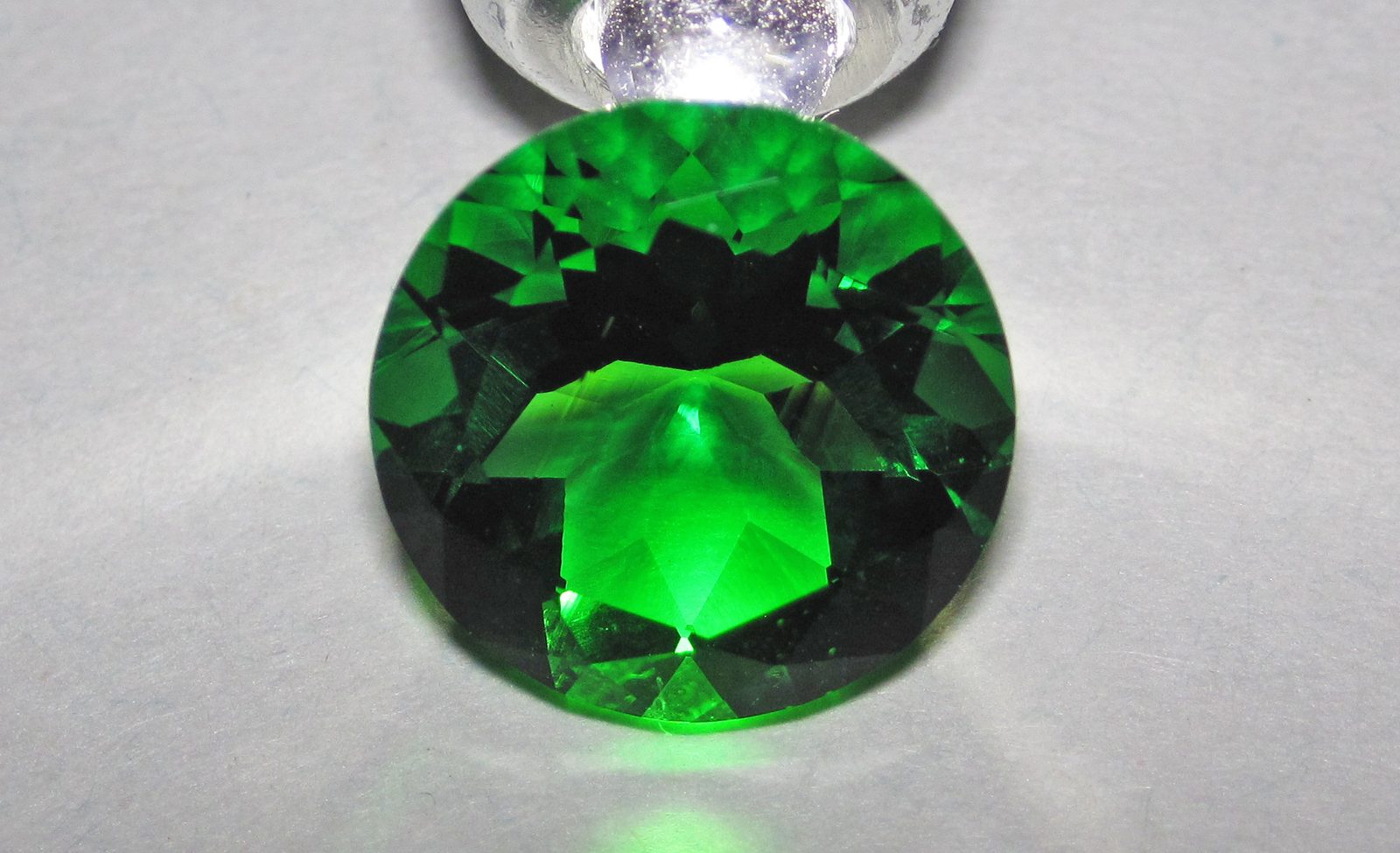
As technology reshapes the gem world, the idea of a birthstone is quietly evolving. Lab-grown diamonds, sapphires, emeralds, and other stones are now widely available, often at lower cost and with a smaller environmental footprint than many mined gems. For some people, this raises an uncomfortable question: if the stone is grown in a lab rather than forged deep in the earth over millions of years, does it still “count” as a birthstone? Others argue that the symbolism is portable, and that the ethical or sustainable backstory of a stone can become part of its meaning. The debate mirrors larger shifts in how we value authenticity versus impact in the things we wear.
Digital culture is adding another twist. People now discover their birthstones through apps, social feeds, and interactive quizzes that might also serve them personality tests, star sign breakdowns, or even genomic ancestry results. It is easy to imagine near-future tools that combine basic psychological profiling with gemstone suggestions, offering a kind of “customized” birthstone aligned with temperament rather than month. Virtual reality and gaming worlds already feature digital jewelry that can change color or form, hinting at a future where your birthstone is as much a digital avatar element as a physical ring. In that landscape, the old calendar-based list may become just one option among many, and the idea of fortune might be tied more to data patterns than to mineral types.
Taking It Personally: Simple Ways to Engage With Your Birthstone
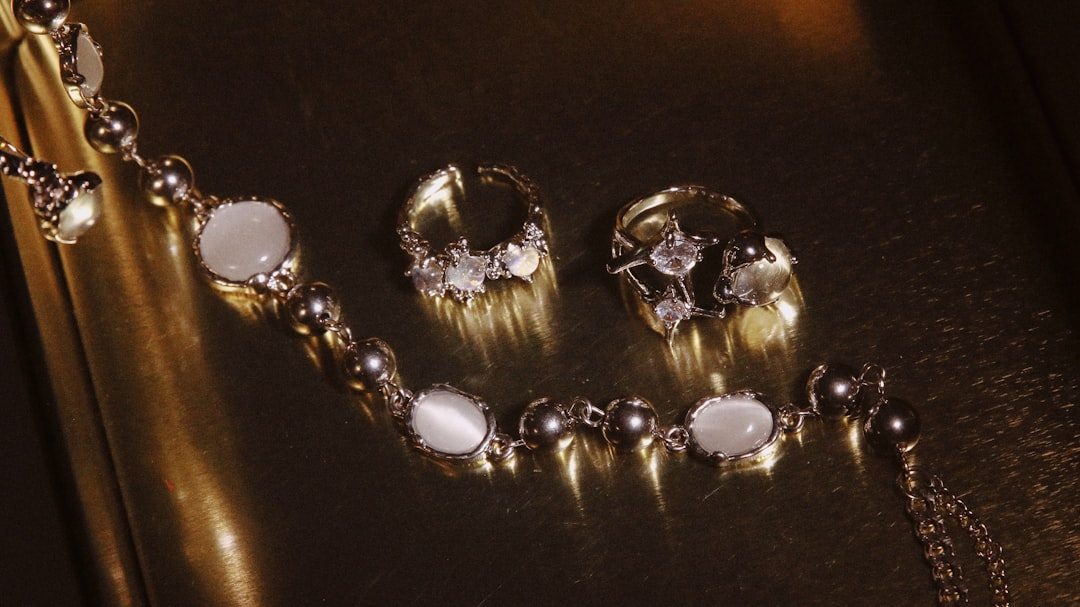
If you are curious about what your birthstone says about you, the easiest first step is simply to look up its traditional associations and notice which parts resonate and which feel off. Treat those traits less as predictions and more as prompts: qualities you might want to explore, strengthen, or consciously reject. You could wear your stone during moments when you need a psychological nudge – confidence for a presentation, calm for a tough conversation, persistence for a long project. Pay attention to whether the ritual changes how you feel or act, even in small ways. That kind of personal experiment turns a passive belief into active self-observation.
There are also broader ways to engage. You might learn about where your stone commonly comes from, how it is mined or grown, and what environmental or labor issues surround it, then choose pieces that align with your values. You could explore how different cultures interpret the same gemstone, using your birthstone as a gateway into global history and symbolism rather than a fixed label. And, if the official stone for your month does not feel like “you,” you can adopt an alternate traditional stone or one whose story fits better with your lived experience. In the end, the most interesting thing about your birthstone is not the rock itself, but the way you use it to reflect, question, and shape who you are becoming.
Suhail Ahmed is a passionate digital professional and nature enthusiast with over 8 years of experience in content strategy, SEO, web development, and digital operations. Alongside his freelance journey, Suhail actively contributes to nature and wildlife platforms like Discover Wildlife, where he channels his curiosity for the planet into engaging, educational storytelling.
With a strong background in managing digital ecosystems — from ecommerce stores and WordPress websites to social media and automation — Suhail merges technical precision with creative insight. His content reflects a rare balance: SEO-friendly yet deeply human, data-informed yet emotionally resonant.
Driven by a love for discovery and storytelling, Suhail believes in using digital platforms to amplify causes that matter — especially those protecting Earth’s biodiversity and inspiring sustainable living. Whether he’s managing online projects or crafting wildlife content, his goal remains the same: to inform, inspire, and leave a positive digital footprint.