Imagine reaching out your hand and brushing the edge of a black hole, the most extreme object in the universe. It sounds like pure science fiction, but astrophysicists have actually mapped out, in unnerving detail, what would really happen to a human body that got too close. Far from being an instant, painless fade to black, the journey would be a slow-motion horror show written in the language of Einstein’s equations. Yet within that terror lies one of the most beautiful ideas in physics: that by understanding how a black hole would tear you apart, we learn how the universe itself is stitched together. This is where mystery collides with mathematics, and where our deep fear of cosmic oblivion becomes a tool for discovery.
The First Contact: Crossing the Point of No Return
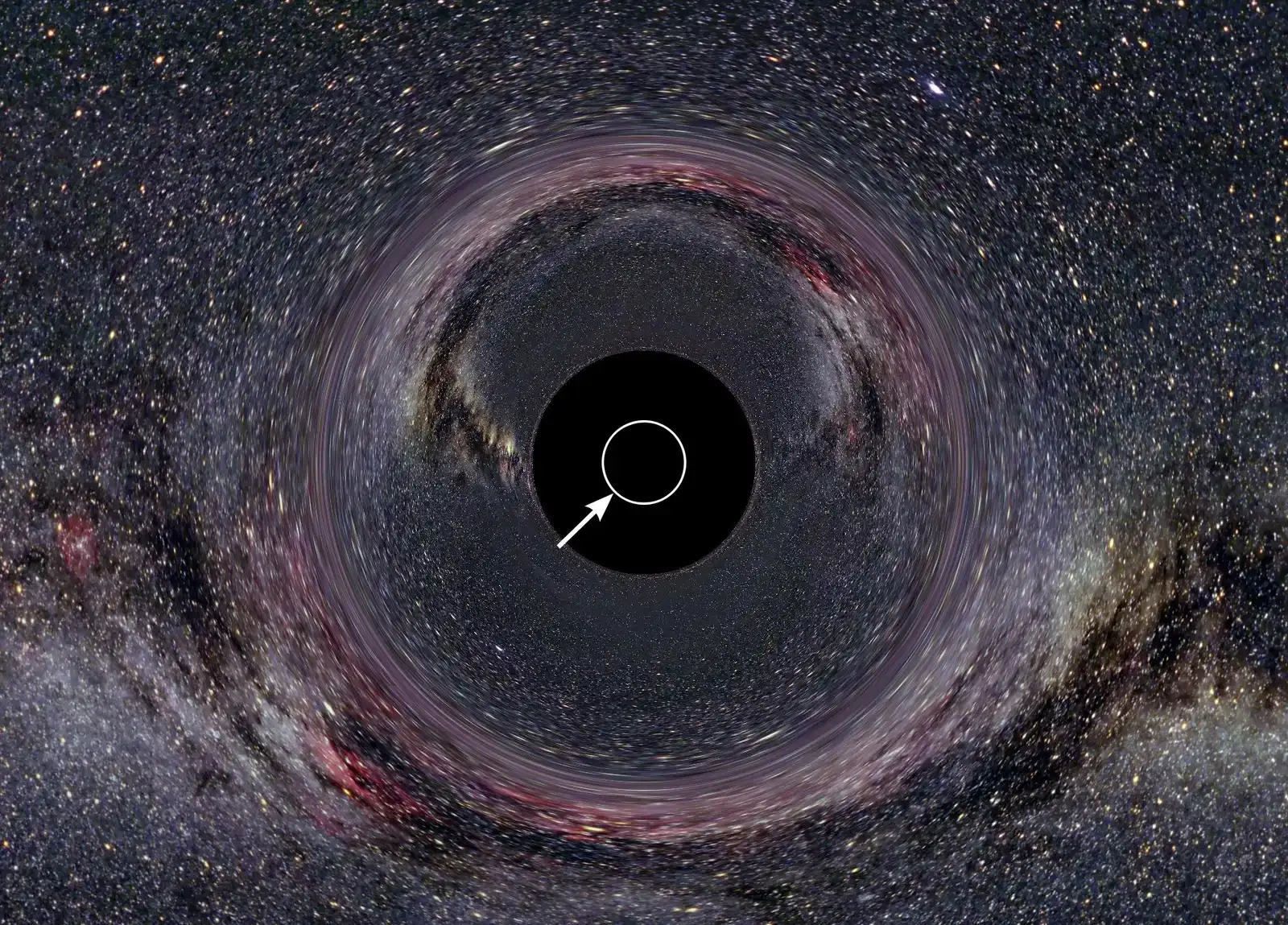
What scientists call the event horizon is often described as the “point of no return,” but that phrase hides an eerie truth: you probably would not feel anything special as you crossed it. If the black hole is supermassive, like the one at the center of our Milky Way, the gravity difference between your head and your feet at the horizon could actually be small enough that your body would not immediately notice. To you, floating in a spacesuit, the crossing would be strangely ordinary, almost boring, even as the outside universe watched something very different. From far away, your motions would appear to slow, your signals would redden, and you would seem to freeze at the edge, never quite falling in.
This bizarre mismatch is not a camera trick; it is general relativity playing out in real time. Time itself flows differently for you than for an observer safely outside, so what feels like seconds to you can look like ages to them. Light from your suit struggles to escape the growing gravity well, losing energy and shifting to redder wavelengths until it fades entirely. In a very real sense, first contact with a black hole is not just about where you are, but when you are, and that is what makes this boundary so haunting. You cross a line that the rest of the universe can never truly follow you past.
Spaghettification: The Body-Stretching Truth
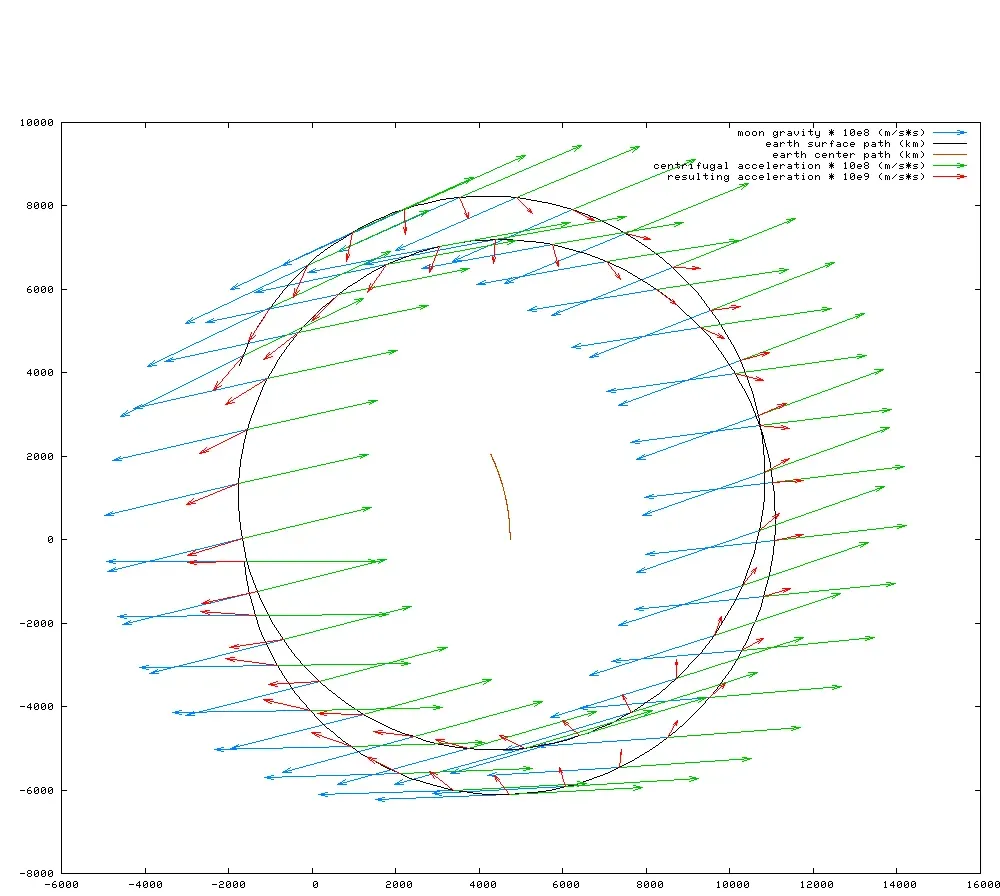
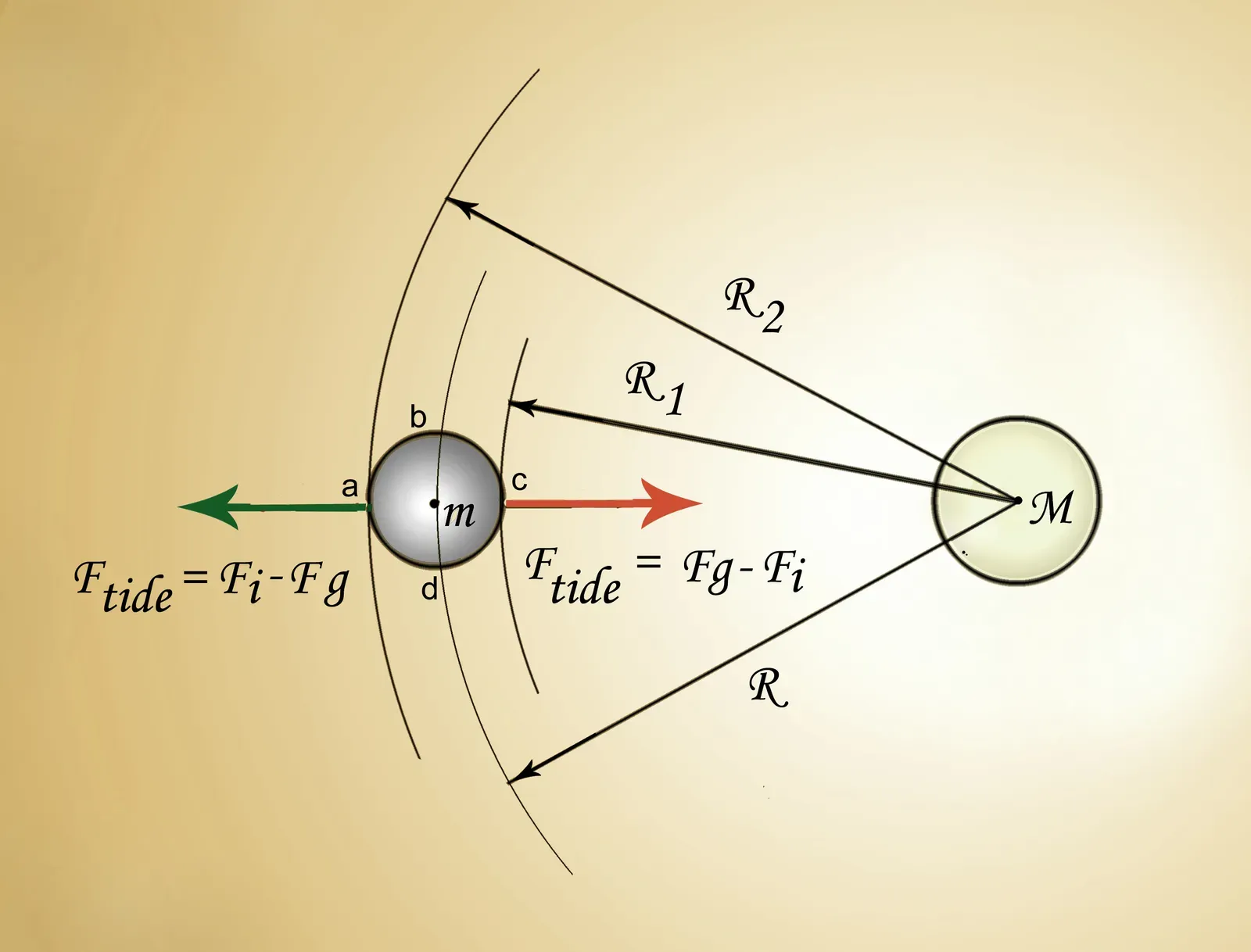
Behind the slightly comical nickname “spaghettification” is one of the most brutal physical processes known. As you fall closer to a stellar-mass black hole, the pull of gravity on your feet becomes far stronger than the pull on your head, and the difference grows with terrifying speed. Your body would be stretched lengthwise and squeezed sideways, like dough rolled through an invisible cosmic pasta machine. Bones, tissues, and even atoms would eventually yield to these tidal forces long before you reached the center.
The details depend on the mass of the black hole, and that twist is one of the most surprising parts of the story. For a small black hole with a few times the mass of the sun, spaghettification could begin well before you even cross the event horizon, shredding you into a long, thin stream of matter. Around a supermassive black hole, you might fall through the horizon mostly intact, only to meet your grisly stretching fate much deeper inside. Either way, the physics is the same: gravity is no longer just pulling you down, it is pulling you apart. That gruesome outcome is not speculation; it is a direct consequence of how space and time warp around extreme mass.
The Hidden Clues: What Your Death Would Reveal About Spacetime
As morbid as it sounds, theorists treat a falling astronaut almost like a scientific instrument to probe what we can never directly touch. Every stage of the fall carries information about the geometry of spacetime, from how quickly you accelerate to how your clock would tick compared with distant observers. The way your body stretches and the pattern in which your signals fade carry subtle clues about the black hole’s mass, spin, and even how cleanly it formed. In that sense, your destruction is like a final transmission, encoding data in pain and physics rather than in numbers on a screen.
Astrophysicists study similar clues in the real universe by watching stars that wander too close and are torn apart. Telescopes pick up sudden flares of X-rays and ultraviolet light as the stellar material is shredded and heated while spiraling inward. These so-called tidal disruption events are nature’s version of the spaghettification experiment, played out on a cosmic scale. By comparing the light curves and energy patterns from these events with theoretical models, researchers refine their understanding of gravity where it is strongest. Your fall is a story we tell, but the universe has already run the experiment many times with unfortunate stars.
From Ancient Curiosities to Modern Gravity Labs
The idea of a place so dense that light could not escape traces back centuries, long before “black hole” became a household term. Early thinkers speculated about “dark stars,” objects whose gravity might be strong enough to trap light, but they had no tools to test those fantasies. Only with Einstein’s theory of general relativity in the early twentieth century did the concept of a true black hole emerge as a rigorous solution to the equations of gravity. At first, many physicists treated it like a weird mathematical quirk rather than something that might actually exist in the sky.
That skepticism faded as evidence piled up, especially in the late twentieth and early twenty-first centuries. Measurements of stars whipping around invisible centers, flashes of high-energy radiation, and finally the first direct image of a black hole’s shadow turned abstractions into concrete targets of study. Today, black holes function as natural laboratories for testing physics in regimes we can never create on Earth. They connect ancient philosophical questions about nothingness and infinity with modern observatories orbiting our planet. The journey from speculative “dark stars” to precision gravity labs might be one of the most dramatic shifts in the history of science.
Gravitational Echoes: Listening to Cosmic Collisions
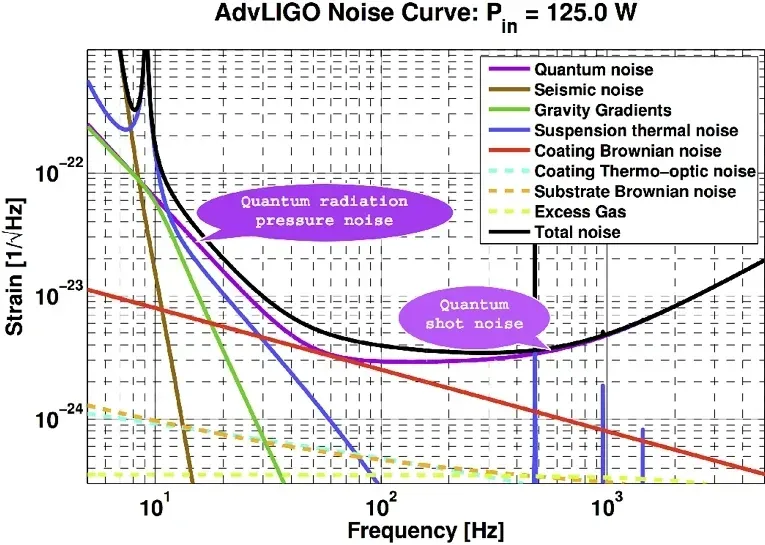
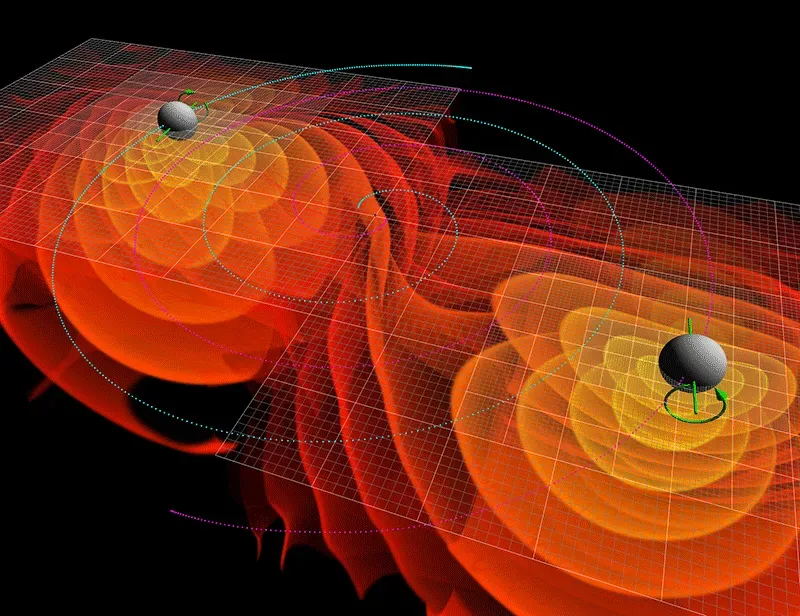
The most dramatic black hole discoveries of the last decade have not come from telescopes pointing at light, but from detectors listening for waves in spacetime itself. When two black holes spiral together and merge, they send out ripples known as gravitational waves, faint distortions that pass through everything in their path. Facilities on Earth measure these minute changes by tracking how laser beams bounce between mirrors kilometers apart, looking for shifts smaller than the width of a proton. Each detection is like hearing the final chords of a violent gravitational symphony that happened billions of years ago.
These signals carry an entirely different kind of information from what we get from light. They reveal the masses and spins of the merging black holes, the shape of their orbits, and whether the final object rings down exactly as Einstein’s theory predicts. In a way, it is as if the universe is narrating the last moments before two event horizons become one. If you ever wondered what it sounds like when spacetime itself is shaken, these faint chirps are the answer. They also hint at how black holes grow over cosmic time, sometimes by quietly sipping gas, sometimes by crashing headlong into each other.
Why It Matters: Black Holes as Keys to the Deep Universe
At first glance, asking what happens if you touch a black hole might seem like idle curiosity about a fate no one will ever face. But that question forces us to confront the limits of our most successful theories, especially where general relativity and quantum mechanics collide. The sharp boundary at the event horizon, the information carried by anything that falls in, and the ultimate fate of matter all push against what we think we know about reality. In that sense, black holes act like pressure tests for physics itself, exposing cracks that more ordinary systems never reveal.
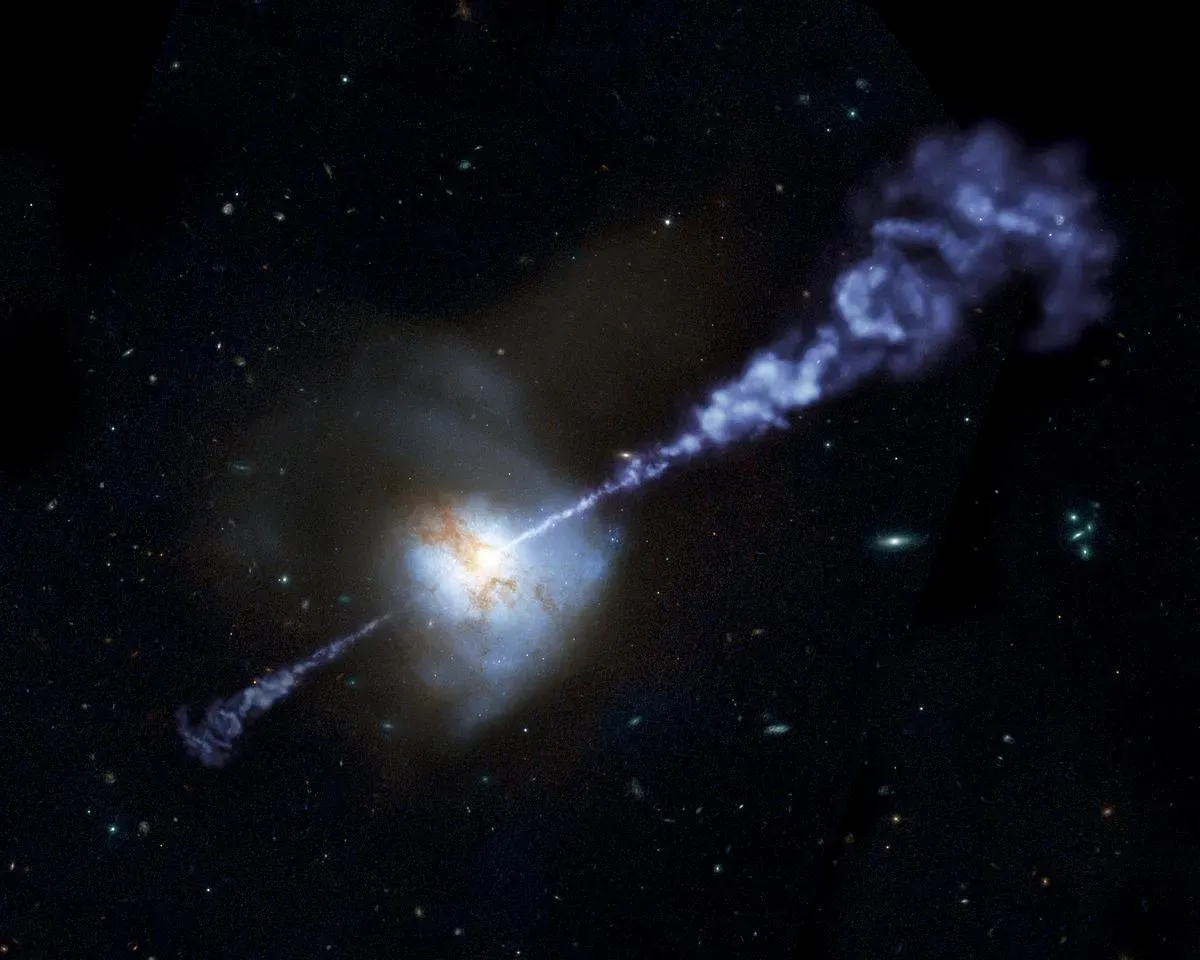
They also play a surprisingly practical role in shaping the cosmos we see. Supermassive black holes at the centers of galaxies help regulate star formation by blasting out jets and winds that heat and stir surrounding gas. The growth and activity cycles of these giants leave imprints on galaxy shapes, cluster structures, and even the distribution of elements needed for life. When we study how black holes behave, we are indirectly studying why the universe looks the way it does, and perhaps why a planet like Earth could exist. So the drama of a body being torn apart is inseparable from the quieter story of how galaxies, stars, and eventually people came to be.
The Future Landscape: New Eyes on the Invisible
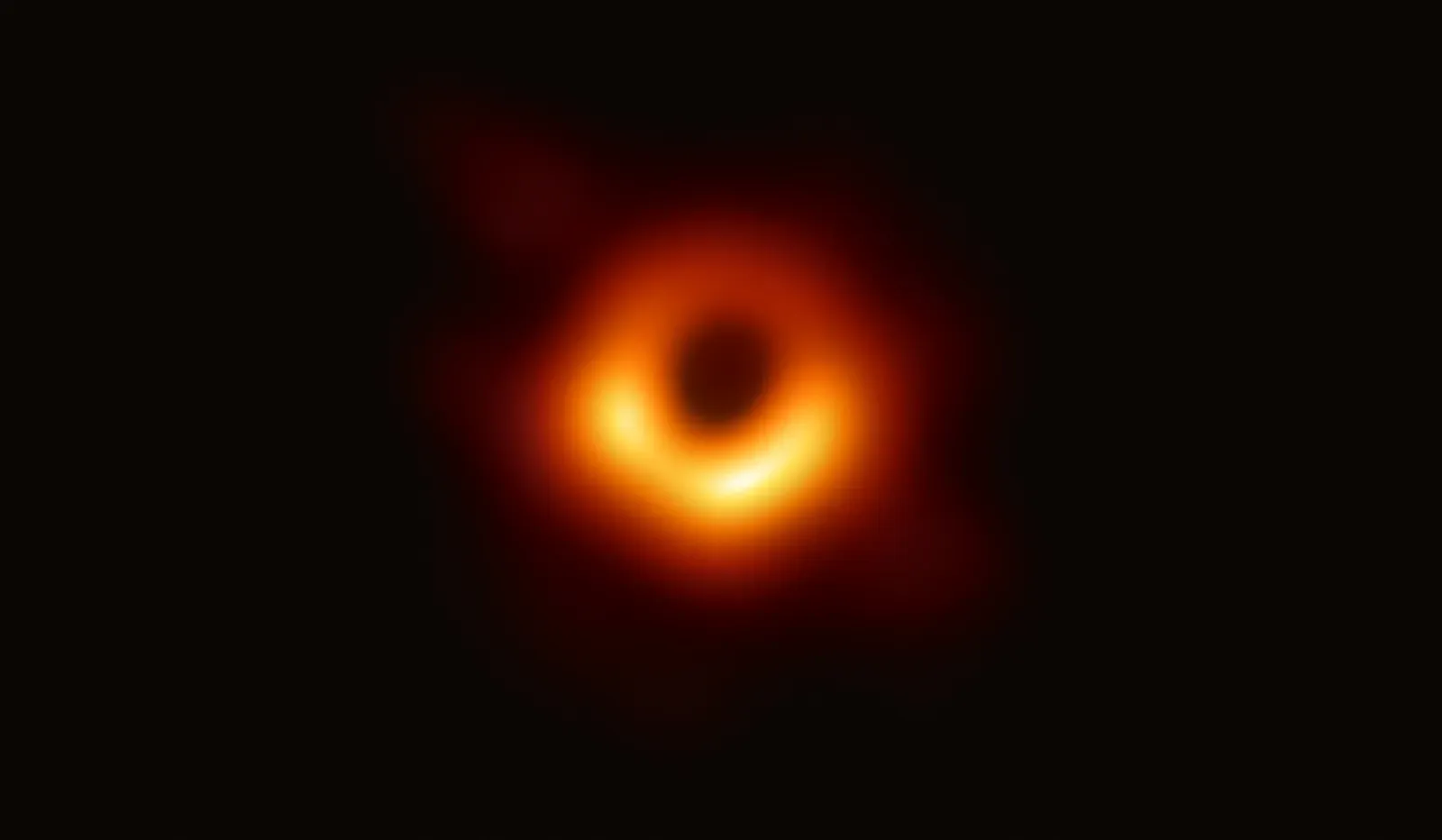
The coming decades promise an explosion in our ability to watch black holes in action, even if we can never get close ourselves. Next-generation space telescopes and more sensitive gravitational-wave observatories will track mergers across a wider range of masses and distances. Improved versions of the Event Horizon Telescope will sharpen images of black hole shadows, allowing astronomers to test relativity with unprecedented precision. Meanwhile, high-energy observatories will monitor flares from stars being shredded, piecing together a timeline of how often black holes feed.
Theoretical work is evolving just as fast, with physicists exploring exotic ideas like quantum-corrected horizons and possible bridges to other regions of spacetime. None of these speculations change the basic fact that a human body would be hopelessly doomed near a black hole, but they might reshape what we think happens to the information encoded in that body. On a more down-to-earth level, the same technologies built to study black holes often spill over into precise timing systems, data analysis techniques, and sensor innovations. The quest to understand what you would feel as you fell into the dark might, indirectly, give us clearer views of our own planet and more accurate tools for everyday life. In a strange twist, the most unreachable objects in the universe could drive some of the most practical advances.
How You Can Engage With the Deepest Dark
Even if you never get closer to a black hole than your living room, there are real ways to be part of this unfolding story. Simple actions like following observatory announcements, public data releases, or live streams of major discoveries help build a broader culture that values fundamental science. Many research projects now share open data, meaning that students, educators, and curious amateurs can explore raw measurements from telescopes and detectors. Supporting science education programs, planetariums, or local astronomy clubs keeps the pipeline of future black hole researchers flowing.
You can also use black holes as a gateway topic for talking about bigger issues: how we fund science, how we weigh risk and reward, and how we decide which big questions are worth chasing. The awe that comes with imagining your body stretching into a thread of atoms near an event horizon is the same awe that can nudge someone toward a physics class, a coding hobby, or a career in engineering. Sharing that feeling, whether through conversations, social media, or classroom projects, matters more than it might seem. In the end, the real power of black holes lies not just in what they do to matter, but in what they do to our imagination – and that is something you can help amplify.
Suhail Ahmed is a passionate digital professional and nature enthusiast with over 8 years of experience in content strategy, SEO, web development, and digital operations. Alongside his freelance journey, Suhail actively contributes to nature and wildlife platforms like Discover Wildlife, where he channels his curiosity for the planet into engaging, educational storytelling.
With a strong background in managing digital ecosystems — from ecommerce stores and WordPress websites to social media and automation — Suhail merges technical precision with creative insight. His content reflects a rare balance: SEO-friendly yet deeply human, data-informed yet emotionally resonant.
Driven by a love for discovery and storytelling, Suhail believes in using digital platforms to amplify causes that matter — especially those protecting Earth’s biodiversity and inspiring sustainable living. Whether he’s managing online projects or crafting wildlife content, his goal remains the same: to inform, inspire, and leave a positive digital footprint.