
Picture this. You wake up one morning to find your world plunged into complete darkness. Not the kind of darkness that comes with clouds or storms, but an absolute, cosmic blackness. The sun has vanished without a trace.
Your mind would likely race to science fiction scenarios. Yet the reality would unfold as a terrifying symphony of physics, biology, and chemistry. We would not notice the Sun’s disappearance until about 8 minutes and 20 seconds after it had disappeared due to the light (and gravity wave) travel time from the Sun to the Earth. Those precious eight minutes would become humanity’s last moments of normalcy before Earth descended into an unprecedented catastrophe.
Let’s dive into the mysterious depths of what would happen if our life-giving star took a week-long vacation from existence.
The Eight-Minute Grace Period
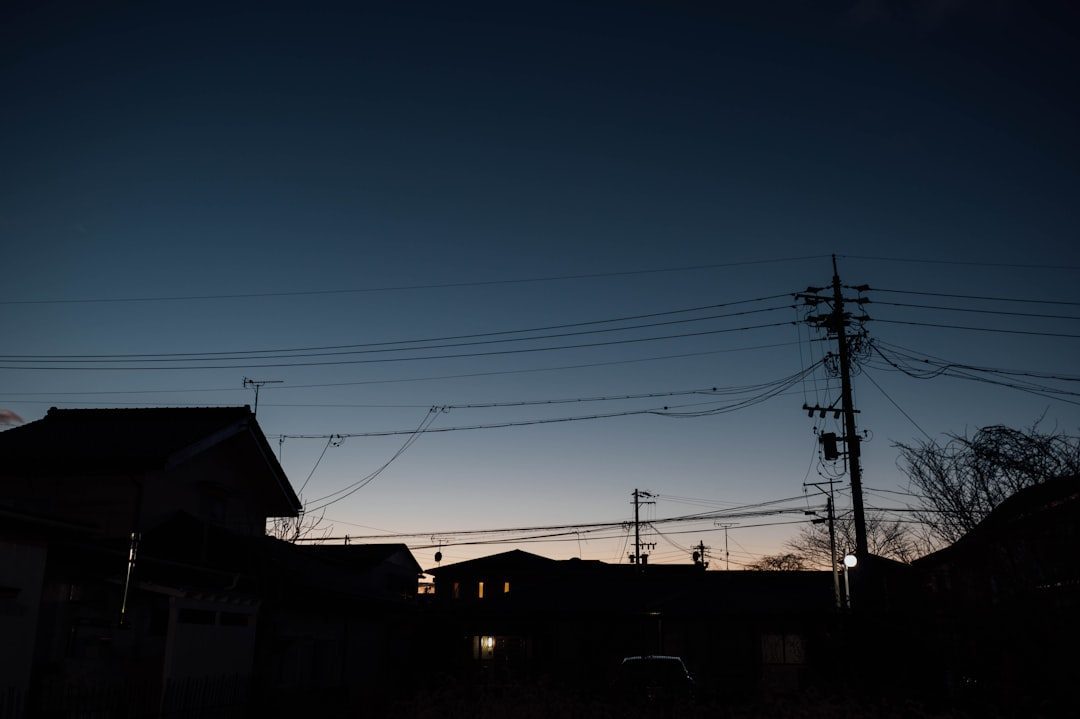
When the sun disappears, you wouldn’t notice immediately. Light from our star takes approximately 8 minutes and 20 seconds to reach Earth. During these crucial moments, life would continue its regular rhythm. Life on our planet would continue as usual, unaware of the impending catastrophe.
Honestly, those first eight minutes would feel almost normal. Electricity would still function, and a peaceful glow would persist in the sky as light from other planets reflected back to Earth. You could still complete that morning coffee routine or check your phone. The sun would appear to shine normally in the sky, creating a false sense of security before the cosmic hammer falls.
Darkness Descends Across the Globe
Once those crucial 8 minutes elapsed, our world would be plunged into complete darkness. The moon, no longer illuminated by the sun’s rays, would disappear from view. This wouldn’t be like an eclipse or even the darkest night you’ve ever experienced. The absence would be total and terrifying.
Stars would become visible, but their faint light would do little to dispel the overwhelming blackness. The illumination by the rest of the Milky Way would be approximately 1/300 of that of a Full Moon. Think about that. The entire galaxy’s worth of starlight would provide less illumination than a single full moon.
Yet there’s something poetic about this darkness. We might be able to see around thanks to the night sky and our own man-made technologies. Cities would become beacons in an endless void, their artificial lights suddenly precious beyond measure.
Earth Breaks Free from Its Orbital Dance
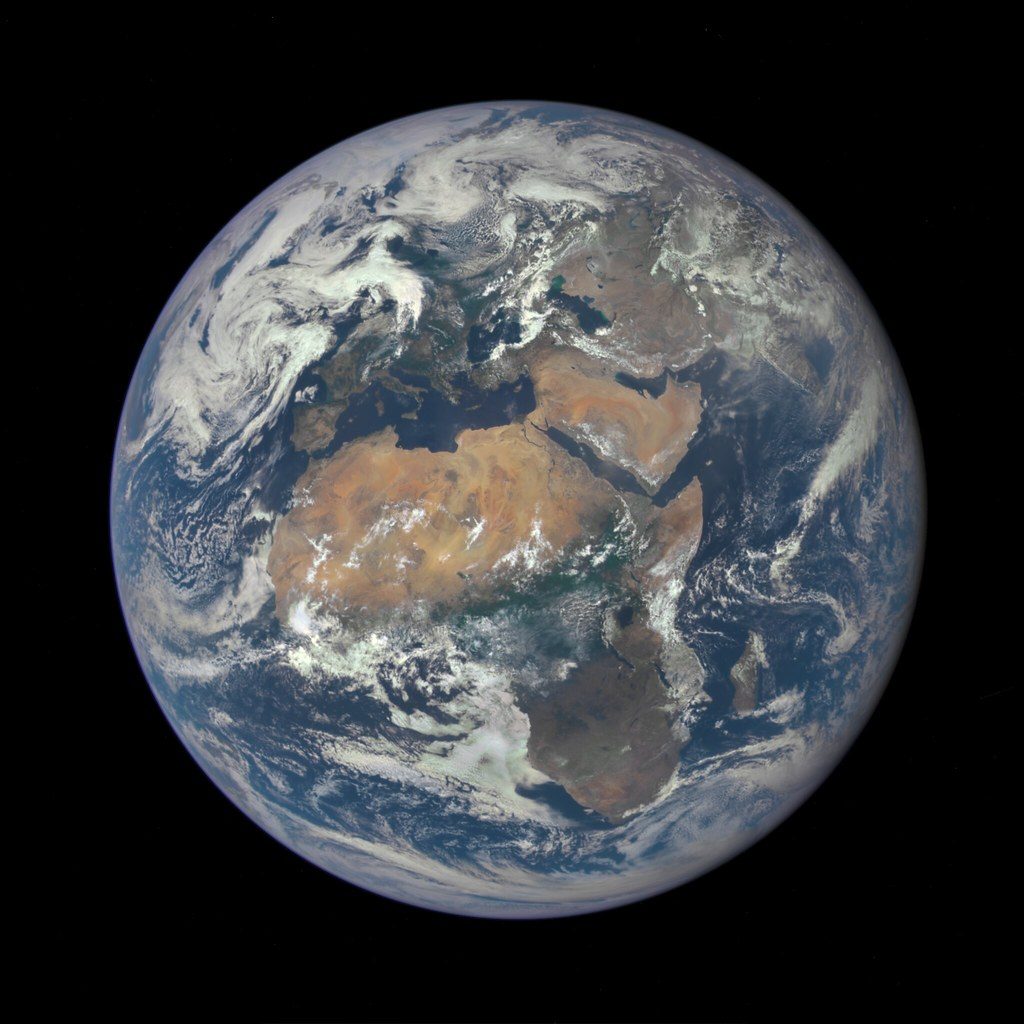
The gravitational consequences would be immediate and profound. Earth would move in a straight line path at constant velocity into space, instead of continuing in its nearly circular orbit. Our planet wouldn’t suddenly stop. Instead, it would continue moving at its current orbital speed of roughly 67,000 miles per hour, but now in a straight line into the cold depths of space.
Without the sun’s gravitational anchor, the earth and other planets would begin drifting out of their orbits. Our planet would move in a straight line at constant velocity, following Newton’s first law of motion. This cosmic exodus would mark the beginning of Earth’s journey as a rogue planet, wandering eternally through interstellar space.
Photosynthesis Stops Dead in Its Tracks

Photosynthesis would cease instantly, halting plant growth and setting off a chain reaction through the food chain. Every green leaf, every blade of grass, every microscopic algae in the ocean would suddenly stop producing the oxygen we breathe and the food that sustains life.
Most plants will not be able to undergo photosynthesis and will die. However, there’s a glimmer of hope in this botanical apocalypse. There are some larger trees that can survive for decades without it. These ancient giants would become the last green guardians in a world rapidly turning brown and lifeless.
Temperature Plummets into Frozen Hell

The temperature drop would be swift and merciless. Within just one week, the average surface temperature would plummet to around 0°F (-18°C), making most of the planet uninhabitable for life as we know it. This isn’t a gradual cooling like winter approaching. This is nature’s thermostat being turned to its coldest setting.
The planet’s temperature would drop to about zero degrees Fahrenheit (minus 17.8 degrees Celsius) over the course of the week. That’s certainly chilly, but it’s not enough to freeze off the human race and other forms of life on the planet. Interestingly, a week wouldn’t be quite enough time for total extinction.
The Ocean’s Slow Surrender to Ice
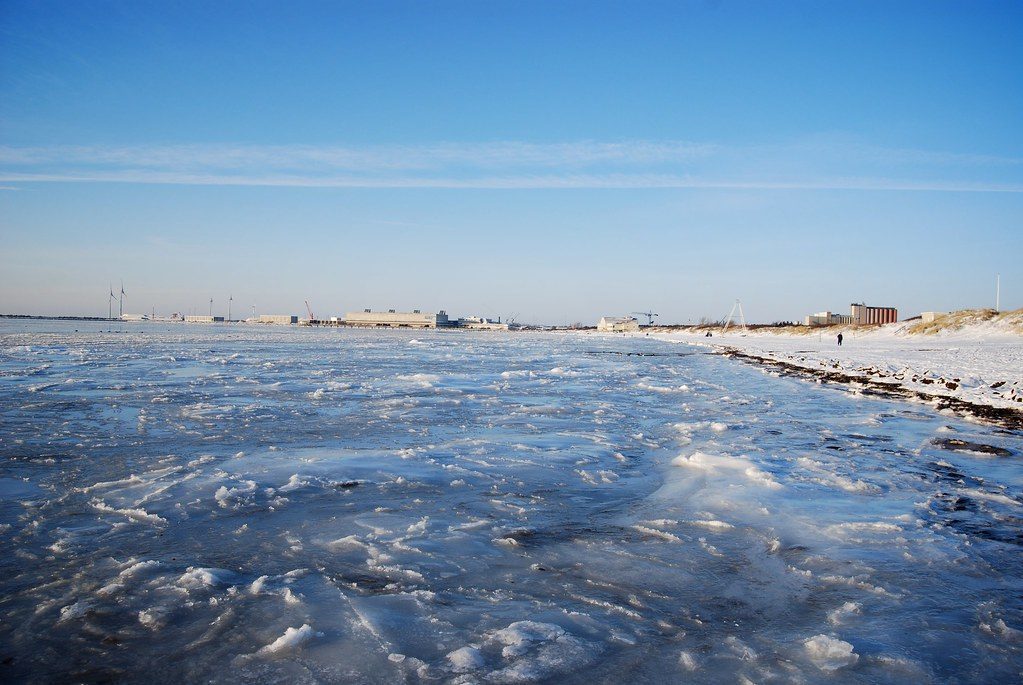
Within two months, the ocean’s surface would freeze over, but it would take another thousand years for our seas to freeze solid. This creates a fascinating paradox. While the surface world becomes uninhabitable within days, the vast depths of our oceans would remain liquid sanctuaries for centuries.
The top layers of the oceans would freeze over, but in an apocalyptic irony, that ice would insulate the deep water below and prevent the oceans from freezing solid for hundreds of thousands of years. Marine life in the deepest trenches might actually survive longer than almost any surface-dwelling creature.
The Food Chain Collapses Like Dominoes

Herbivores would quickly consume the remaining vegetation and begin to starve, followed by carnivores and omnivores higher up the food chain. This disruption would lead to the collapse of entire ecosystems as organisms lose access to necessary resources. The intricate web of life that took billions of years to construct would unravel in a matter of weeks.
The loss of plants would have a ripple effect throughout the food chain. Herbivores would quickly die off due to lack of food, which would in turn cause carnivores to starve. The entire ecosystem would be thrown off balance, and it’s likely that many species would go extinct as a result. It’s a sobering reminder of how dependent every living thing is on that distant star.
Humanity’s Last Stand
Humans wouldn’t die immediately, but survival would become the ultimate challenge. There are around 1,200,000 billion metric tons of oxygen in the atmosphere. This should be enough for humans to breathe air for the next one thousand years. All animals would be long gone so we would be the only spenders of oxygen. We’d have air to breathe, but nothing to eat and nowhere warm to live.
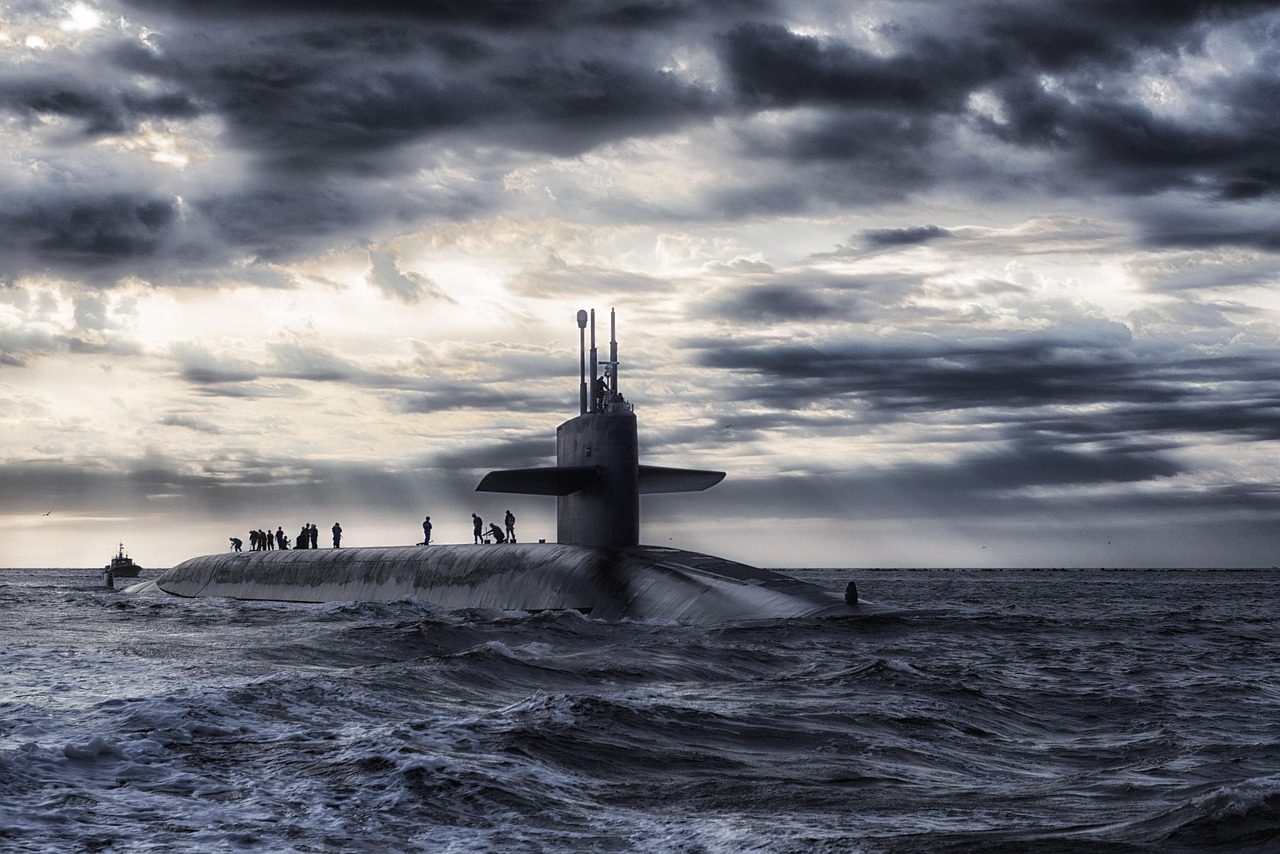
The most promising survival strategy? Humans could live in submarines in the deepest and warmest parts of the ocean, but a more attractive option might be nuclear- or geothermal-powered habitats. One good place to camp out: Iceland. The island nation already heats approximately 90 percent of its homes using geothermal energy, and people could continue harnessing volcanic heat for hundreds of years.
The Final Countdown to Absolute Zero
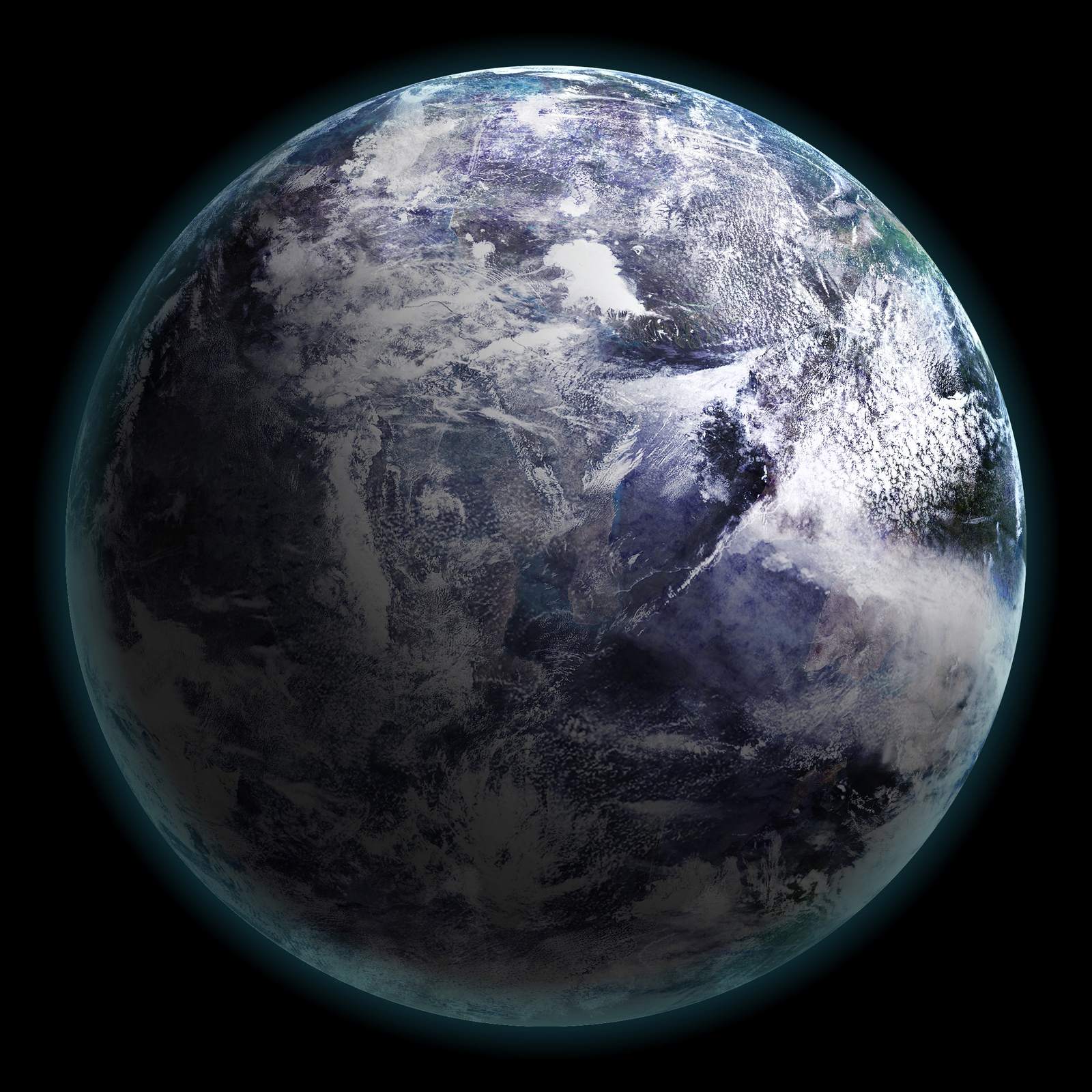
After a week without the sun, Earth would only be beginning its descent into cosmic winter. Millions of years after that, our planet would reach a stable –400°, the temperature at which the heat radiating from the planet’s core would equal the heat that the Earth radiates into space. Eventually, even the atmosphere itself would freeze and fall as snow.
All life on the earth’s surface has ceased to exist. The average temperature has dropped to minus 219°C and continues to fall to an absolute zero at minus 273°C. The earth becomes a ball of ice. What was once a vibrant blue marble would become a frozen tomb drifting through the void.
After just one week without our sun, Earth would transform from humanity’s cradle into a frozen wasteland hurtling through space. The intricate dance of life that has persisted for billions of years would grind to a halt, leaving only deep-sea creatures and perhaps a few hardy humans huddled around geothermal vents as the last witnesses to terrestrial existence. It’s a humbling reminder of just how precious and fragile our relationship with that burning star 93 million miles away truly is. What do you think would be humanity’s best strategy for survival in such a scenario?
Hi, I’m Andrew, and I come from India. Experienced content specialist with a passion for writing. My forte includes health and wellness, Travel, Animals, and Nature. A nature nomad, I am obsessed with mountains and love high-altitude trekking. I have been on several Himalayan treks in India including the Everest Base Camp in Nepal, a profound experience.