Imagine a world where your compass no longer points north, where the vibrant auroras are no longer confined to the poles but dance across the sky globally, and where the very shield that protects the Earth from space’s harshest elements fades away. This scenario isn’t just the stuff of science fiction but a potential reality if Earth’s magnetic field were to collapse. The Earth’s magnetic field is a crucial component of our planet’s defense system, safeguarding us from solar winds and cosmic radiation. But what if this protective shield were to fail? Let’s delve into the science behind this intriguing possibility and explore its profound implications.
The Nature of Earth’s Magnetic Field
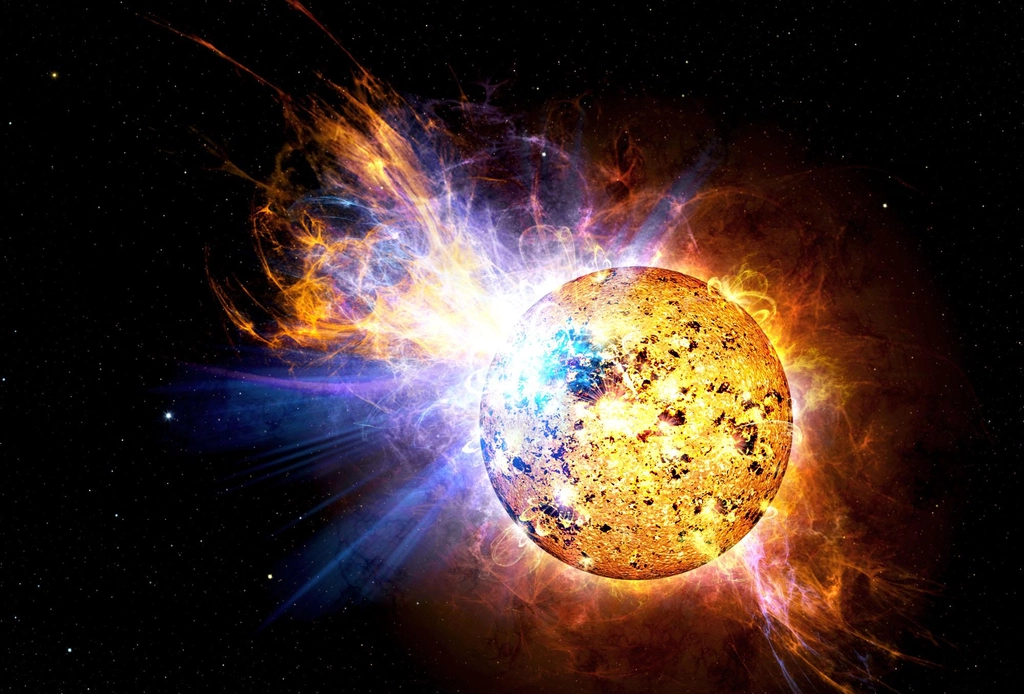
Earth’s magnetic field is created by the movement of molten iron and other metals in its outer core. This movement generates currents, which in turn produce magnetic fields. These fields combine to form a dipolar magnetic field, with magnetic north and south poles. It’s like a giant bar magnet at the heart of our planet. However, unlike a simple bar magnet, Earth’s magnetic field is dynamic and constantly changing. This dynamism is crucial for its protective functions. The field extends into space and forms a shield known as the magnetosphere, which deflects solar wind and cosmic rays. Without it, life as we know it might not exist.
Historical Flips and Fluctuations
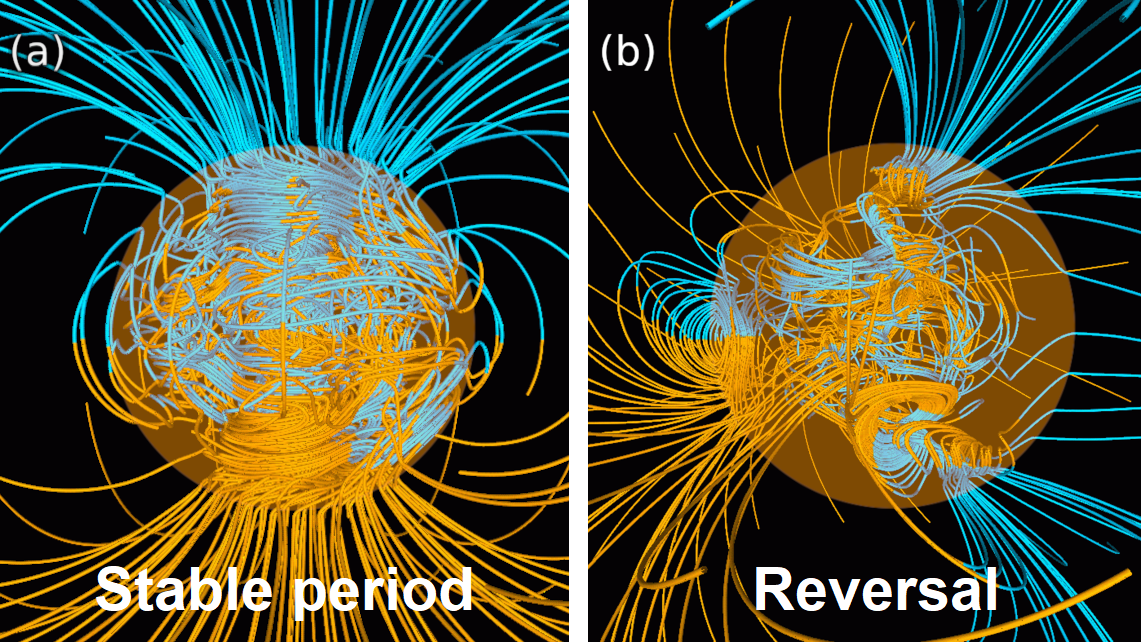
The Earth’s magnetic field is not static. It has flipped many times in the past, a phenomenon known as geomagnetic reversal. These reversals are random and can happen over thousands of years. For instance, the last major flip, known as the Brunhes-Matuyama reversal, occurred about 780,000 years ago. While these flips don’t happen overnight, they do indicate that the magnetic field is far from permanent. During these periods, the strength of the field decreases, which might lead to increased exposure to harmful radiation. However, life has persisted through past reversals, suggesting some resilience to these changes.
Impact on Human Technology
A collapse or significant weakening of the magnetic field would have profound effects on our technology. GPS systems, which rely on magnetic fields for navigation, could become unreliable. Similarly, satellites that orbit the Earth would be at greater risk from solar radiation, potentially disrupting communications, weather forecasting, and even banking transactions. Power grids could also be affected, as geomagnetic storms could induce currents that damage transformers and other infrastructure. The reliance on technology in our daily lives means that the collapse of the magnetic field would be more than a mere inconvenience; it could lead to widespread chaos.
Environmental Consequences

The magnetic field plays a crucial role in protecting the Earth’s atmosphere from being stripped away by solar winds. If the field were to weaken significantly, more of the atmosphere could be lost to space, leading to a thinner atmosphere and increased exposure to solar and cosmic radiation. This change could affect climate patterns and weather systems, potentially leading to more extreme weather events. The loss of atmospheric particles could also impact the amount of ultraviolet radiation reaching the surface, posing increased risks to living organisms. Just as a house without walls would be vulnerable to outside elements, so too would Earth without its magnetic shield.
Effects on Human Health

The Earth’s magnetic field provides a protective bubble that helps shield us from harmful cosmic and solar radiation. If the field were to collapse, this protective layer would be compromised, leading to increased exposure to radiation. While humans can tolerate low levels of radiation, higher exposure levels could increase the risk of cancer and other health issues. It’s akin to living in a house with a leaking roof – while you might manage for a while, over time, the exposure to the elements can cause significant damage. Thus, the health implications of a magnetic field collapse could be dire.
Potential Impacts on Wildlife

Many species, particularly migratory birds and sea turtles, rely on the Earth’s magnetic field for navigation. A collapse of the magnetic field could disorient these animals, potentially leading to disruptions in migration patterns. For example, birds might arrive at breeding grounds too early or too late, affecting their reproductive success. Similarly, sea turtles might struggle to find their way back to nesting sites. These disruptions could have cascading effects on ecosystems, as changes in one species can ripple through food webs, altering the balance of entire ecosystems.
Scientific Predictions and Models

Scientists have developed models to predict the behavior of Earth’s magnetic field. These models suggest that while a complete collapse is unlikely, the field could weaken significantly. Some scientists believe we are currently in the early stages of a reversal, as the magnetic field has weakened by about 9% over the last 170 years. However, predicting the exact timing and consequences of such events is challenging. The complexity of the Earth’s core dynamics makes it difficult to forecast with precision. Yet, these models are crucial for preparing for potential future scenarios and mitigating their impacts.
The Role of Solar Activity

The sun plays a significant role in influencing the Earth’s magnetic field. Solar winds, which are streams of charged particles emitted by the sun, interact with the magnetosphere. During periods of high solar activity, such as solar flares, the magnetic field can be temporarily disrupted. These interactions can lead to geomagnetic storms, which can affect technology and power systems on Earth. Understanding the relationship between solar activity and the magnetic field is crucial for predicting and managing these impacts. It’s a bit like preparing for a storm – knowing when it’s coming can help us take protective measures.
Are We Prepared for a Collapse?
Given the potential consequences of a magnetic field collapse, it’s essential to consider our preparedness. While we can’t prevent such an event, we can develop strategies to mitigate its impacts. This might include strengthening infrastructure, improving technology to withstand radiation, and developing contingency plans for communication and navigation systems. Public awareness and education are also crucial, as understanding the risks can help communities prepare and respond effectively. Just as we prepare for earthquakes or hurricanes, we must also consider how to adapt to changes in the Earth’s magnetic field.
The Broader Implications for Earth

The potential collapse of the Earth’s magnetic field raises broader questions about our planet’s future. It highlights the dynamic nature of Earth’s systems and our reliance on them for survival. While the magnetic field has been a constant presence for millions of years, its potential collapse reminds us of the fragility of our planet’s protective mechanisms. It also underscores the importance of scientific research and innovation in understanding and mitigating these risks. As we look to the future, we must continue to explore and understand the complexities of our planet, ensuring we are prepared for whatever changes may come.