
You’ve probably thought about it during those quiet moments staring up at the daytime sky. That familiar yellow ball of light that’s been your constant companion since birth won’t last forever. The reality is, our sun has an expiration date. So what exactly happens when the star that defines your world starts shutting down? Let’s be real, this is both a fascinating and terrifying question.
The answer involves dramatic cosmic transformations that’ll reshape everything you know about the solar system. I think it’s worth understanding the science behind our star’s eventual demise, even if it’s comfortably billions of years away. Honestly, the story of how the sun will die is one of the most incredible tales the universe has to tell.
The Sun’s Current Life Stage
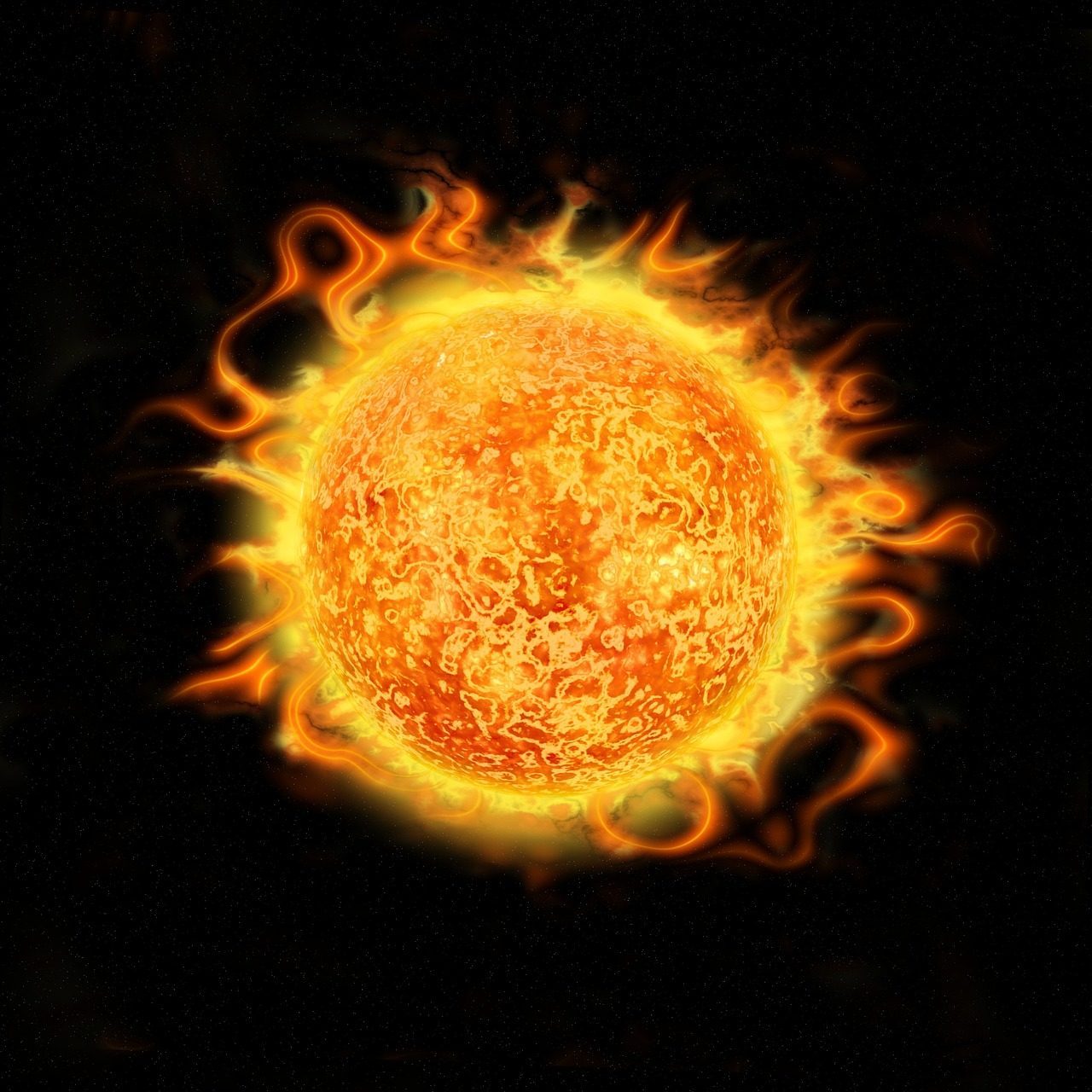
Your sun is currently in the most stable phase of its life cycle and has been since the formation of the solar system, about 4.5 billion years ago. The sun is on the main sequence stage of its life, during which nuclear fusion reactions in its core fuse hydrogen into helium. This process has been chugging along for billions of years with remarkable consistency.
Think of it as a perfectly balanced battle between two titanic forces. Gravity constantly tries to crush the sun inward while nuclear fusion in its core pushes outward with tremendous energy. The sun will begin to die in about 5 billion years when it runs out of hydrogen. Right now, though, things are stable. Every second, massive amounts of hydrogen are being converted into helium deep within that fiery core.
When The Hydrogen Runs Out
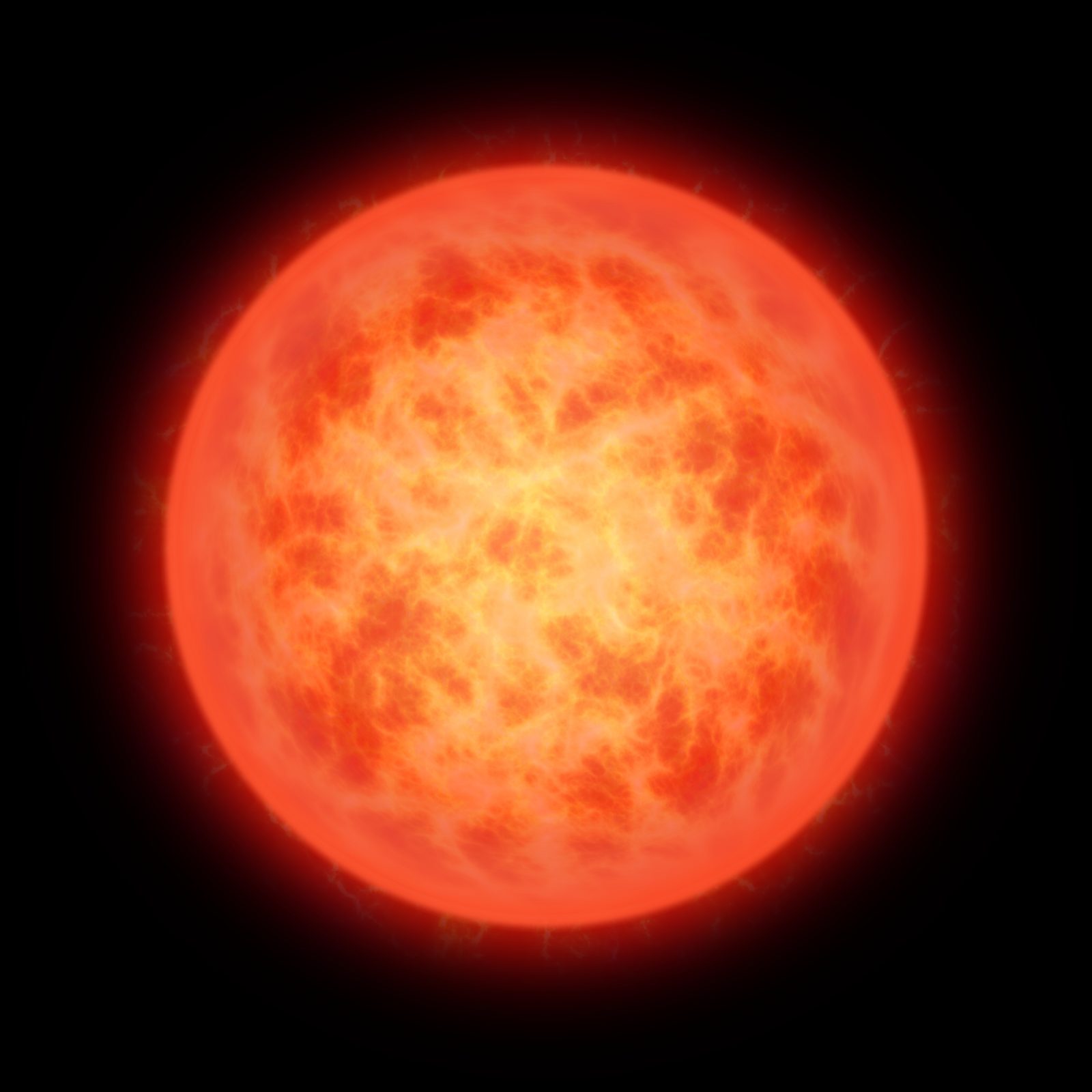
Once all the hydrogen gets used up, the sun will grow out of this stable phase. Here’s the thing, the core won’t just go dark. With no hydrogen left to fuse in the core, a shell of fusion hydrogen will form around the helium-filled core, and gravitational forces will take over, compressing the core and allowing the rest of the sun to expand.
This is where things get really wild. The transition doesn’t happen overnight. The sun’s transition from the main sequence to the red giant phase is a gradual process, spanning approximately a billion years, and this expansion is gradual and takes about a billion years. It’s hard to say for sure, but the changes will fundamentally alter what the sun looks like and how it behaves.
The Red Giant Transformation
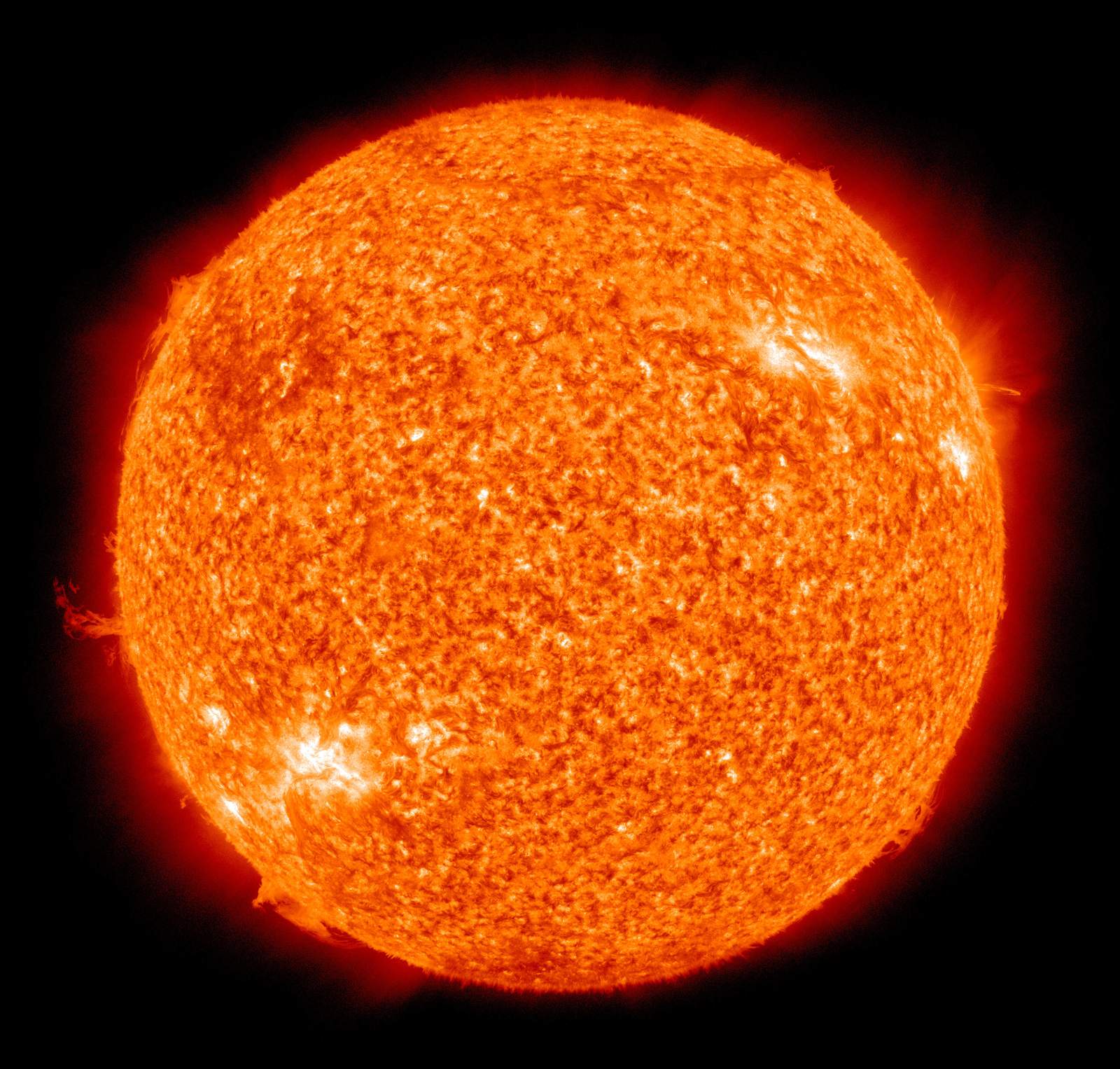
The star will grow larger than we can imagine – so large that it will envelop the inner planets, including Earth. Picture the sun swelling to hundreds of times its current size, turning from a bright yellow star into a bloated red giant. The surface will cool down, giving it that distinctive reddish color, even as the core becomes hotter and denser.
During this phase, your familiar sun will become almost unrecognizable. When the sun becomes a red giant star, it will start to lose mass quickly, and by the time it reaches its largest radius, 256 times its current size, it will be down to only 67 percent of its current mass. Powerful stellar winds will blow enormous amounts of solar material into space. The inner solar system will become an inferno.
Earth’s Grim Fate
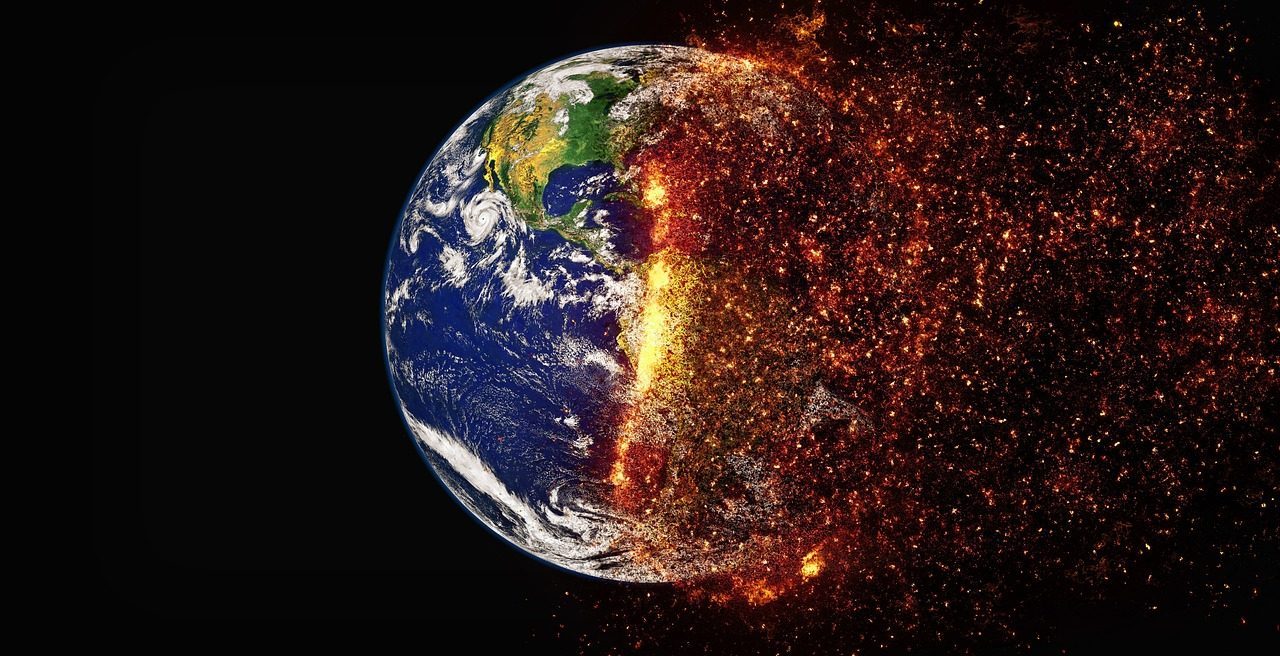
You might be wondering if Earth stands a chance. The Earth will become uninhabitable much sooner than that, and after about a billion years the sun will become hot enough to boil our oceans. Long before the sun reaches its full red giant size, life on this planet will end.
In 3.5 billion years, the sun will be 40 percent brighter than it is right now, which will cause the oceans to boil, the ice caps to permanently melt, and all water vapor in the atmosphere to be lost to space. The debate among scientists continues about whether Earth will be completely swallowed by the expanding sun or merely scorched into a lifeless rock. Either way, it’s not a pretty picture. The bad news is that the Earth will NOT survive the sun’s expansion.
The Helium Flash Event
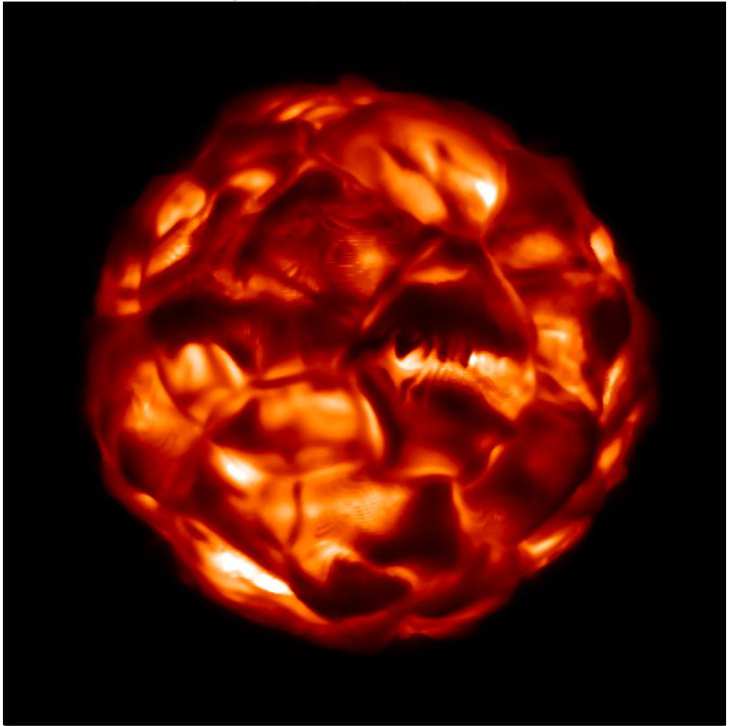
A helium flash is a very brief thermal runaway nuclear fusion of large quantities of helium into carbon through the triple-alpha process in the core of low-mass stars during their red giant phase, and the sun is predicted to experience a flash 1.2 billion years after it leaves the main sequence. This is one of the most dramatic moments in the sun’s death process.
Imagine roughly six percent of the core being converted into carbon within just minutes. The core will ignite violently in a helium flash where approximately six percent of the core and 40 percent of the sun’s mass will be converted into carbon within a matter of minutes. The sheer violence of this event is staggering, though all that explosive energy remains trapped deep inside. After the flash, the sun will actually shrink somewhat and stabilize for another phase of its life.
The Final Expansion And Planetary Nebula
Over the course of the next 20 million years, the sun will then become unstable and begin losing mass through a series of thermal pulses that will occur every 100,000 years or so, becoming larger each time and increasing the sun’s luminosity to 5,000 times its current brightness and its radius to over 1 AU. These pulsations will mark the beginning of the end.
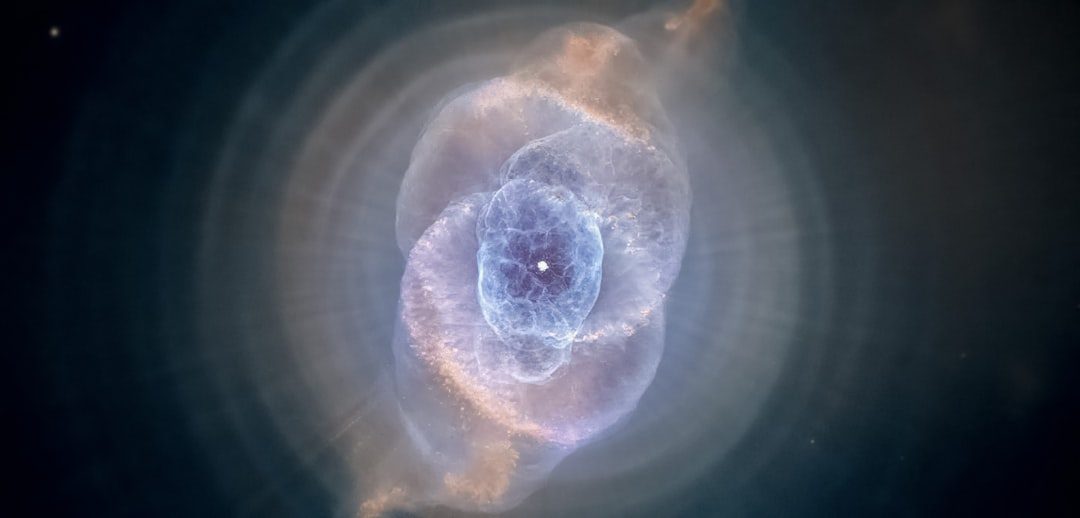
The sun will eventually blow off its outer layers in beautiful, expanding shells of gas. About 12.5 billion years after its formation, half of the sun’s mass will remain, and the expanding outer layers will be illuminated by the hot core within, creating a glowing cosmic cloud known as a planetary nebula. Despite the name, planetary nebulae have nothing to do with planets. They’re simply the gorgeous death shrouds of dying stars.
The White Dwarf Remnant
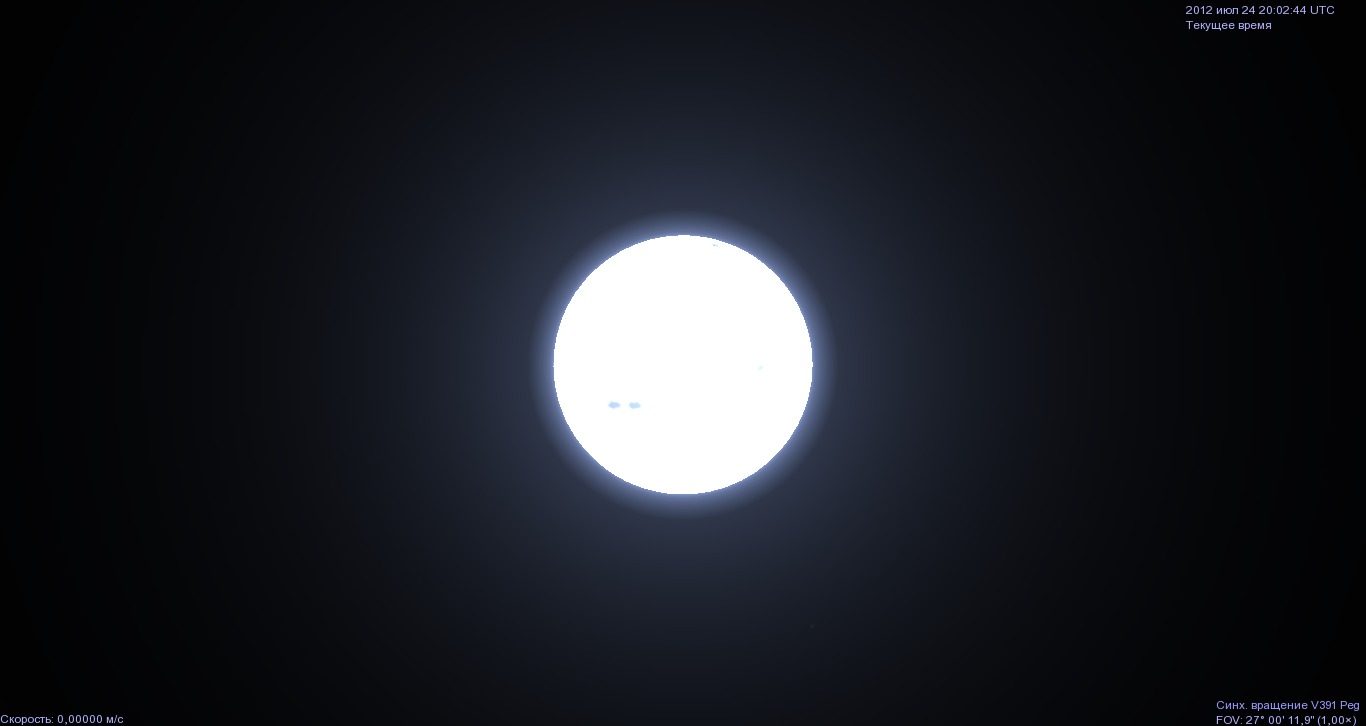
The sun will shrink down to become a dying ember of a star, known as a white dwarf, only a little larger than Earth. What remains after all that drama is something quite extraordinary. You’ll have a stellar core roughly the size of Earth but containing about half the sun’s original mass.
Eventually, our sun will give up the struggle, shrugging off its outer atmosphere in a series of outbursts that leave behind the star’s core: a white-hot lump of carbon and oxygen, and this white dwarf will initially be staggeringly hot, blasting off X-ray radiation, but within a billion years or so, the white dwarf will settle down to more manageable temperatures and simply hang out for trillions upon trillions of years. It’s a strange afterlife for a star. Still blazingly hot but no longer generating energy through fusion, just slowly radiating away its stored heat.
The Final Fade Into Darkness
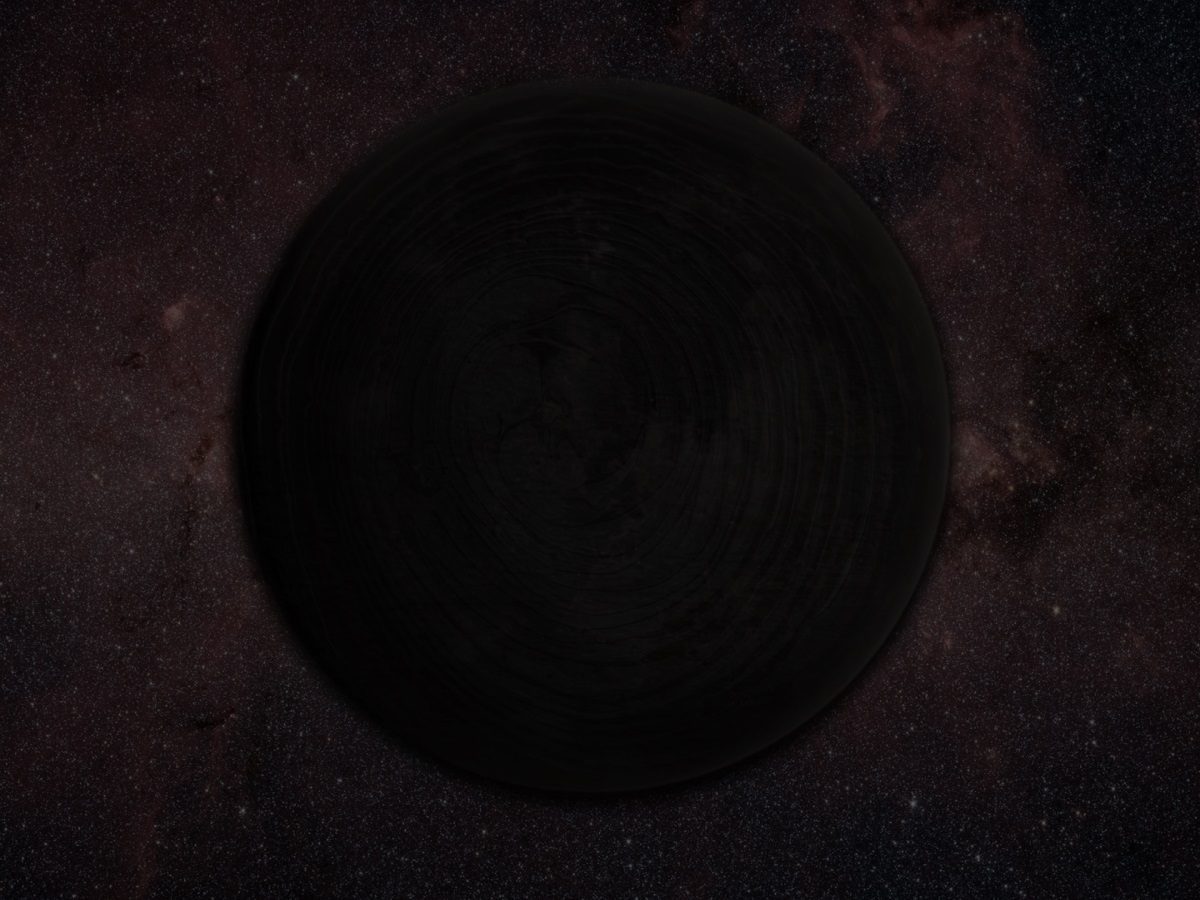
The white dwarf remnant will eventually expend all its remaining heat and light energy and perhaps in hundreds of billions of years fade into its final stage: that of a lifeless black dwarf, and currently, black dwarfs are merely hypothesized because the Universe, aged at 13.8 billion years, is not yet old enough to have created any. The universe itself isn’t old enough yet for any star to have reached this final stage.
Eventually, after unfathomable stretches of time, the white dwarf will cool completely. It’ll become a cold, dark cinder drifting through space. The low mass of our once mighty star will have lost much of its gravitational pull, causing the planets to drift farther out, nothing more than frozen, charred rocks. What was once the brilliant center of your solar system will fade into cosmic obscurity. The story ends not with a bang, but with an incredibly long, slow dimming into eternal night.
Did you expect that the sun’s death would be such a drawn-out, multi-stage process? What’s perhaps most remarkable is that this entire epic tale is still billions of years from beginning.