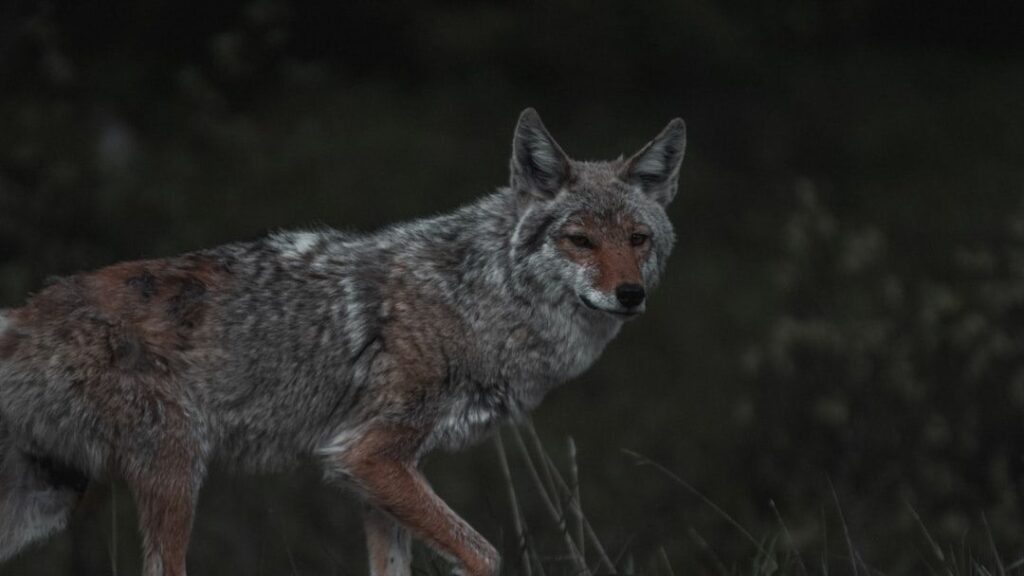

If you are lying awake at 2 a.m. listening to coyotes yip, howl, and scream outside your window, it can feel eerie, thrilling, and a little unnerving all at once. Your brain immediately starts asking questions: Are they getting closer? Is this dangerous? Is something wrong with the local ecosystem? That soundtrack in the dark is not random noise; it is a complex social language that biologists have spent decades trying to decode.
Hearing coyotes every night is usually not a sign that something has gone terribly wrong, but it is a sign that the local landscape has changed enough for them to thrive right next to people. In a way, your insomnia is proof that coyotes have become one of the most successful wild mammals in modern North America. Let’s unpack what experts really know about those nightly howls, what they mean for your safety, your pets, and your neighborhood, and how to respond in a way that is calm, smart, and grounded in science rather than fear.
1. Nightly Howling Usually Means A Stable, Not Exploding, Coyote Population
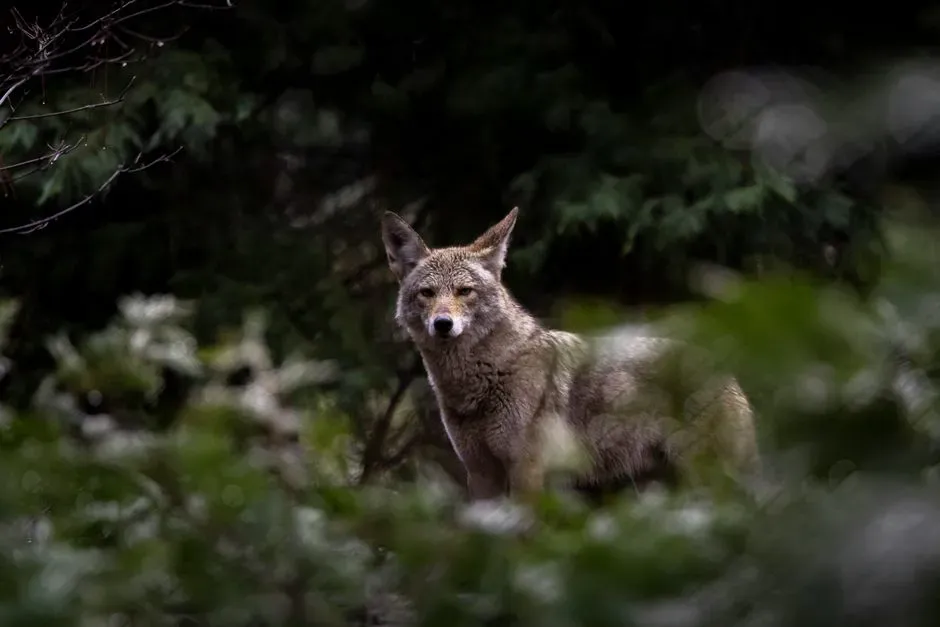
It is tempting to assume that if you suddenly notice coyotes calling every night, their numbers must have exploded. Wildlife biologists caution that this is usually an illusion. Coyotes are highly vocal in certain seasons and social situations, so what you are hearing is often a shift in behavior, not a massive surge in population. In many areas, the number of coyotes stays surprisingly stable because food, territory, and social structure naturally limit how many can live in a given space.
This is one of the stranger truths experts emphasize: trying to eradicate coyotes often backfires and can lead to more breeding, not less. Coyotes respond to heavy killing by having larger litters and expanding into newly opened territories, which is one reason they have spread from the open West into suburbs and cities across the continent. When you hear them night after night, it usually means there is an established family group that has settled in and is using the local area as its home range, not an endless wave marching toward your backyard.
2. Those Chilling Howls Are Mostly Family Roll Call, Not Hunting Cries
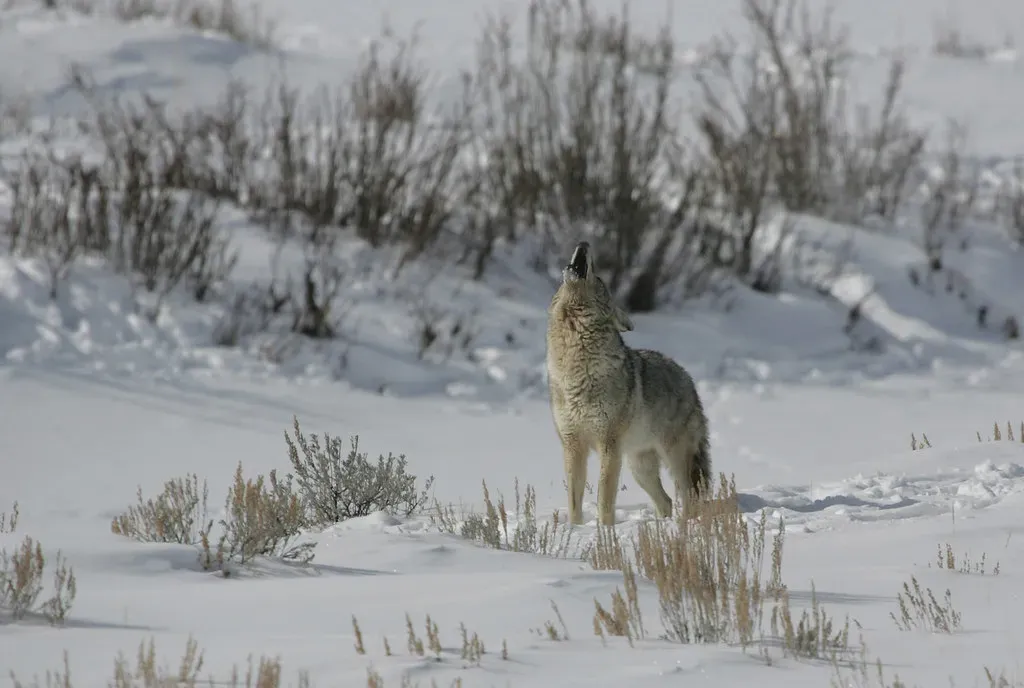
Many people imagine coyotes howling like a movie monster as they chase down prey, but that is not how their vocal system really works. Wildlife researchers describe coyote howls, yips, and barks as a kind of long-distance group chat. Families will howl at dawn and dusk, and sometimes in the middle of the night, to locate each other, reunite after hunting, or signal ownership of a territory to neighboring groups. What sounds like a frenzied mob can actually be just a few coyotes whose overlapping voices create an audio illusion of a much larger pack.
If you pay attention over time, you may notice patterns that line up with this social function. For instance, you might hear a burst of high-pitched yips followed by deeper, drawn-out howls that taper off as the coyotes regroup and move on. Experts note that the most intense chorus howls often happen during breeding season in late winter or when pups are old enough to start wandering away from the den in summer and early fall. The next time that eerie choir kicks off, it is more likely a family check-in than a hunting celebration.
3. Hearing Coyotes Often Is A Sign Of A Rich Food Web Around You
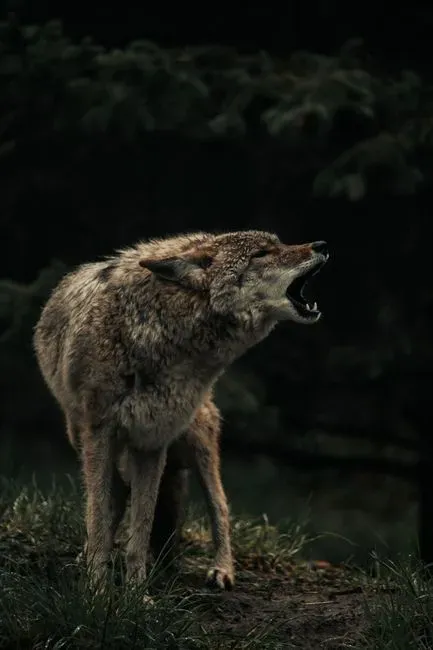
From a scientific point of view, coyotes are indicators of a productive, if very human-shaped, ecosystem. They thrive where there are ample small mammals like rabbits, voles, rats, and mice, along with fruit, insects, and the occasional fawn. If you are hearing them every night, chances are your area is providing a reliable buffet, even if you never see a single rabbit. In urban and suburban neighborhoods, that food may also include unsecured trash, outdoor pet food, compost, and fallen birdseed that attracts rodents.
Ecologists sometimes describe coyotes as an ecological mirror: they reflect back the choices people in a neighborhood are making. A yard with dense shrubbery, bird feeders, and water sources draws in songbirds and rodents, which in turn draw coyotes. Overwatered lawns and ornamental plantings can create lush micro-habitats in otherwise dry regions. So when experts hear residents complain about nightly howling, they often look first at how the local human environment might be unintentionally feeding the coyote food web.
4. Risk To People Is Very Low, But Pets Are Another Story
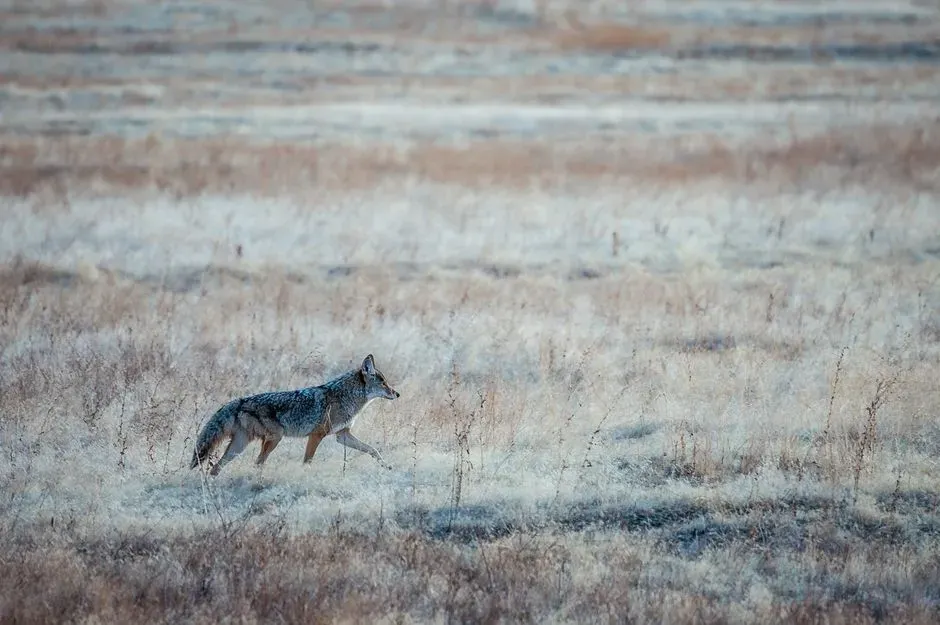
Wildlife agencies are remarkably consistent on one point: healthy coyotes attacking adults is extremely rare, and even incidents with children are uncommon compared with everyday risks like cars or domestic dogs. Coyotes are naturally wary of humans and generally prefer to avoid close encounters. Hearing them call every night does not mean they are stalking your doorstep; it usually means they are comfortable using greenbelts, ravines, utility corridors, and other hidden routes to move through your neighborhood while you sleep.
However, experts are far less relaxed when it comes to pets. Small dogs and outdoor cats can be taken as prey or be injured in territorial disputes, especially during denning season when adults are protective of pups. Wildlife departments repeatedly advise keeping cats indoors, supervising dogs in yards, using leashes on walks, and avoiding letting pets roam at dawn or dusk when coyotes are most active. From an expert’s standpoint, the real management issue is not human safety so much as how we protect our companion animals in a landscape we now share with a clever mid-sized predator.
5. Your Own Behavior Can Quiet Coyotes Without Harming Them
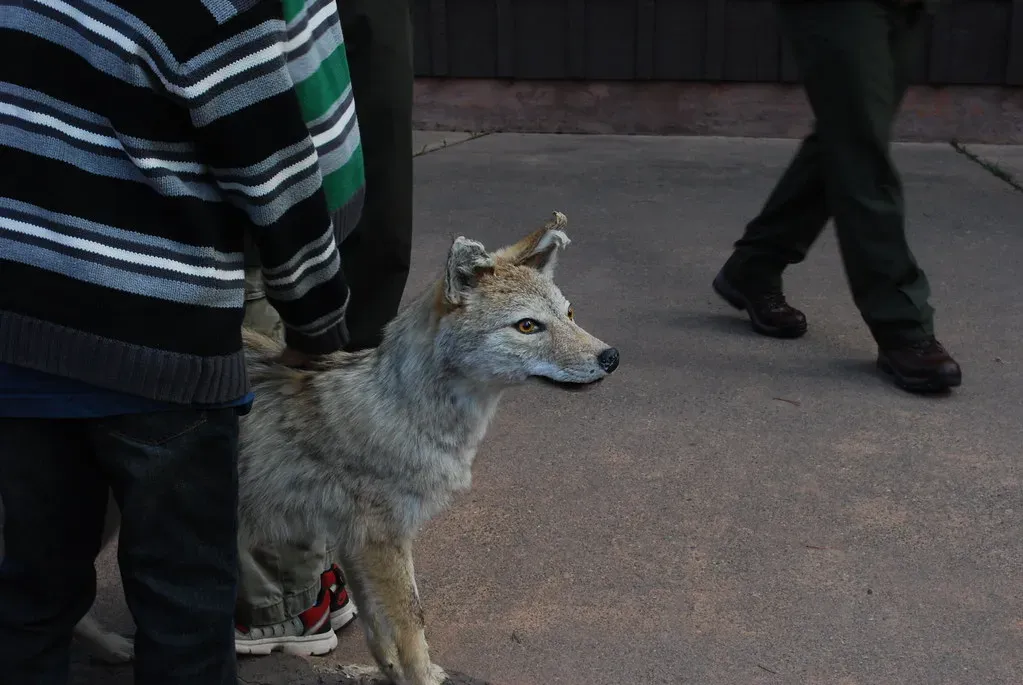
One of the most empowering things biologists stress is that your daily habits can directly influence how bold, loud, and persistent local coyotes become. Feeding them, whether on purpose or by leaving food sources accessible, teaches them that humans are suppliers, not something to be wary of. That is when you start to see coyotes strolling casually down sidewalks at midday or circling backyards even when people are outside. From an expert’s perspective, this kind of food conditioning is a straight path to conflict and, too often, lethal removal.
On the flip side, neighborhoods that “haze” coyotes consistently when they get too close – yelling, clapping, waving arms, using noise makers or even garden hoses – tend to end up with shyer, more elusive animals. This may feel rude or harsh at first, but wildlife managers argue that reinforcing a healthy fear of people is actually an act of respect that can save coyotes’ lives in the long run. If you hear them every night and you do not want that to escalate into daytime encounters, tightening up your trash, taking in pet food, and making yourself loud and annoying when they approach are surprisingly effective tools.
6. Seasonal Changes Explain Why Some Months Sound Wilder Than Others
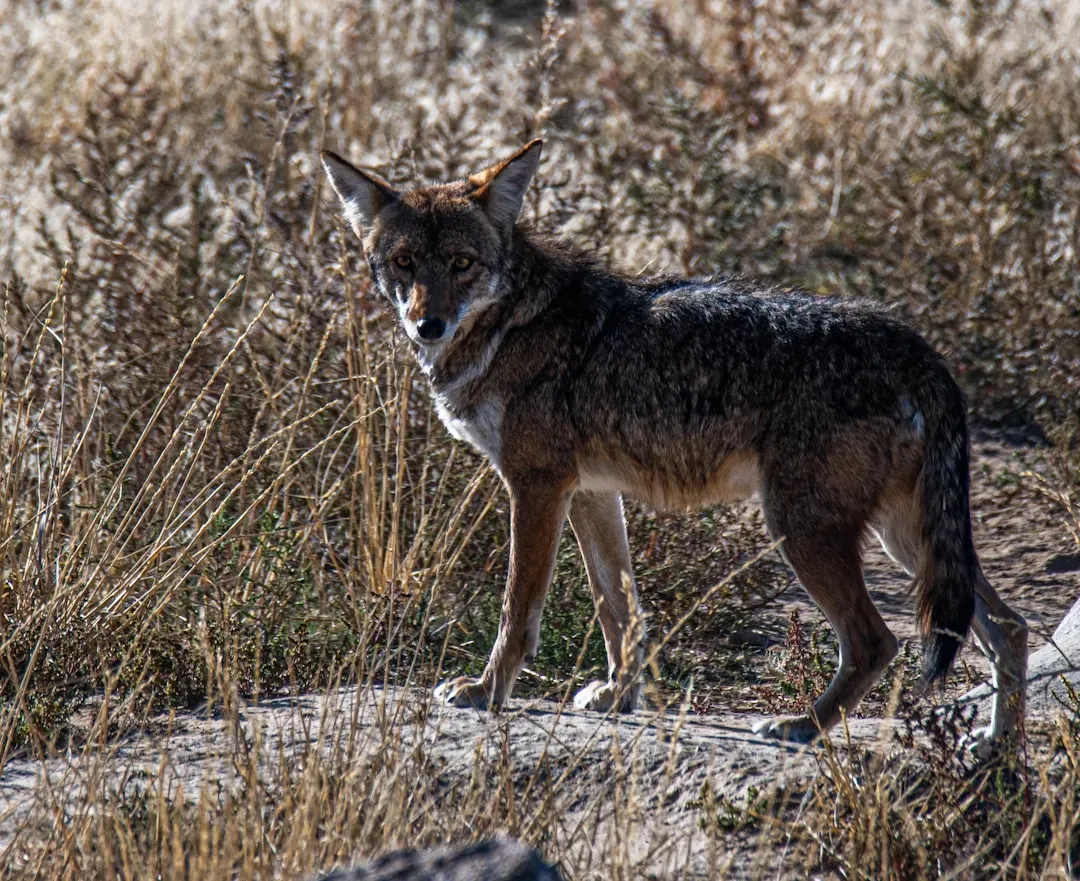
If you have ever noticed that some weeks are almost silent while others sound like a nightly festival of howls, you are picking up on the seasonal rhythms biologists track closely. Late winter is peak breeding season, when pairs strengthen bonds and defend territories more vigorously, so vocal activity often spikes. In spring and early summer, when pups are young and vulnerable, adults may be quieter around the den but more defensive if you or your dog happen to wander too close. By late summer and fall, when juveniles start exploring and testing boundaries, you can hear what sounds like chaotic, excited “teenage” howling.
Weather and sound travel also shape what you hear. Cold, still nights carry coyote calls farther than warm, windy ones, so winter choruses can sound closer and more intense even if the animals are following the same routines. Here is the twist that experts like to point out: your own attention runs on a seasonal clock too. People tend to notice howls more when windows are open, when they spend evenings on porches or in yards, or during unusual quiet spells like power outages. Your impression of “every night” may be as much about these patterns as it is about coyote numbers.
I still remember house-sitting once on the edge of a canyon and being sure there were dozens of coyotes just beyond the fence, only to see a trail camera photo later that showed three adults and a couple of lanky pups. That experience permanently changed how I listen: now, when I hear that same chaotic chorus, I imagine a small family band practicing their parts in the dark, not an army massing beyond the porch light.
7. Coexisting With Coyotes Can Actually Benefit The Neighborhood
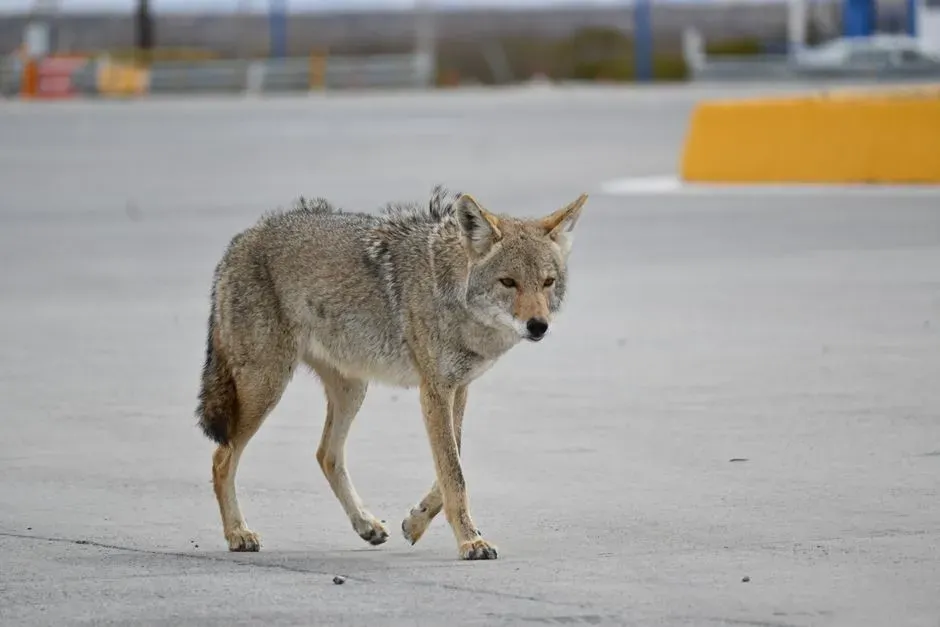
This is the part that surprises a lot of people: some ecologists argue that having a resident group of coyotes can be good for a community. By hunting rodents and scavenging carrion, they help control populations of animals that can spread disease, damage gardens, or attract even more pests. In many urban areas, coyotes have become the top predator by default, stepping into a role once filled by wolves, bobcats, or larger carnivores driven away by development. Their nightly patrols can keep certain nuisance species in check in a way that poisons and traps never quite manage.
Of course, this does not mean you have to love every midnight howl to appreciate their role. What experts tend to emphasize is balance: if coyotes are wary, mostly active at night, and feeding on natural prey, their presence can be a quiet ecological service. When they get too comfortable around people and shift to raiding garbage or taking pets, the relationship breaks down. Hearing them every night is, in some ways, proof that you are living in a place where the wild has not been entirely smoothed over, and that can be unsettling and oddly comforting at the same time.
8. When Nightly Howls Cross The Line, It Is Time To Call Professionals
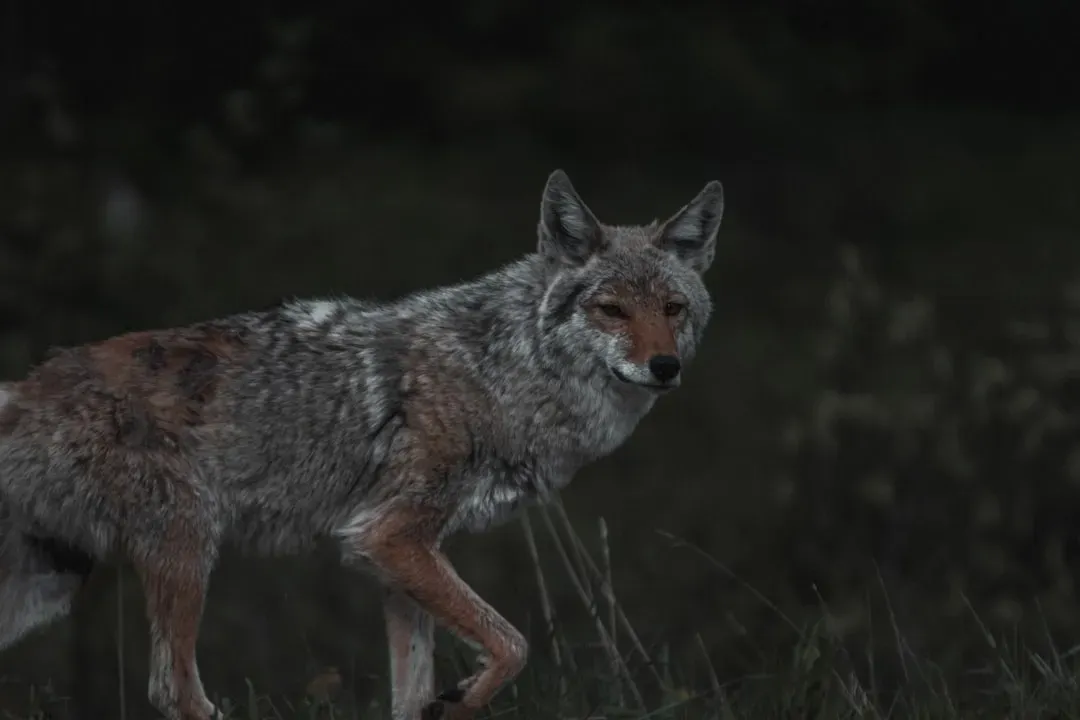
While most coyote activity is harmless background noise, experts are clear about certain red flags. If coyotes are repeatedly approaching people at close range, following joggers or kids, lingering in yards during the day, or showing no fear when hazed, that is not normal wild behavior. Similarly, if you see animals that look sick, injured, or severely underweight, or if there are verified attacks on pets despite basic precautions, local wildlife agencies want to know. They can assess whether behavior has shifted into genuinely dangerous territory and decide on targeted responses.
What they do not recommend is spontaneous vigilante action. Trapping, poisoning, or shooting at coyotes without permits is not only illegal in many places but can also destabilize the local social structure in ways that increase conflict. Instead, professionals may combine public education, stricter trash and pet management, active hazing programs, and, in rare cases, removal of specific problem individuals. If the nighttime soundtrack around your home has gone from eerie but tolerable to something that makes you feel genuinely unsafe, reaching out for expert help is a reasonable, responsible step.
Conclusion: The Howls Are A Message – What Will You Do With It?

Listening to coyotes every night is like overhearing a wild family conversation that was never meant for human ears. Wildlife experts read those sounds as signs of a functioning ecosystem, a stable local group, and a species that has adapted brilliantly to the world we have built. At the same time, they are blunt: whether that coexistence stays peaceful or tips into conflict depends heavily on us – our trash cans, our pet routines, our willingness to haze instead of feed, and our choice to learn instead of panic. Personally, the more I have learned about coyotes, the less I fear the noise and the more I worry about how quickly human impatience can turn a shared landscape into a battleground.
If there is a bottom line, it is this: those nightly howls are not an automatic emergency siren, but they are not meaningless background noise either. They are a reminder that your neighborhood is part of a larger living system, one that includes sharp ears, hungry bellies, and family bonds playing out under the streetlights. You can treat that reminder as an invitation – to secure your yard, protect your pets, and maybe even feel a spark of awe the next time the chorus starts up. When you hear them tonight, will you only reach for the window to shut out the sound, or will part of you listen a little closer and wonder what story the wild is telling right outside your door?