
Under pressure, most of us like to believe we stay rational, but biology has other plans. When stress spikes, our brains quietly shift into older, more instinctive modes that look a lot less like spreadsheets and a lot more like the wild. This is where an odd but surprisingly useful analogy comes in: pairing zodiac signs with animals whose stress reactions mirror our own nervous-system habits. It is not about destiny or cosmic instruction manuals, but about using familiar symbols to talk about real neuroscience, hormones, and behavior in a way that actually sticks in memory. Think of it as a playful map of how your body reacts when life stops feeling safe – and how you might steer those reactions instead of getting dragged by them.
Aries: The Charging Bull and the Neurobiology of Snap Decisions
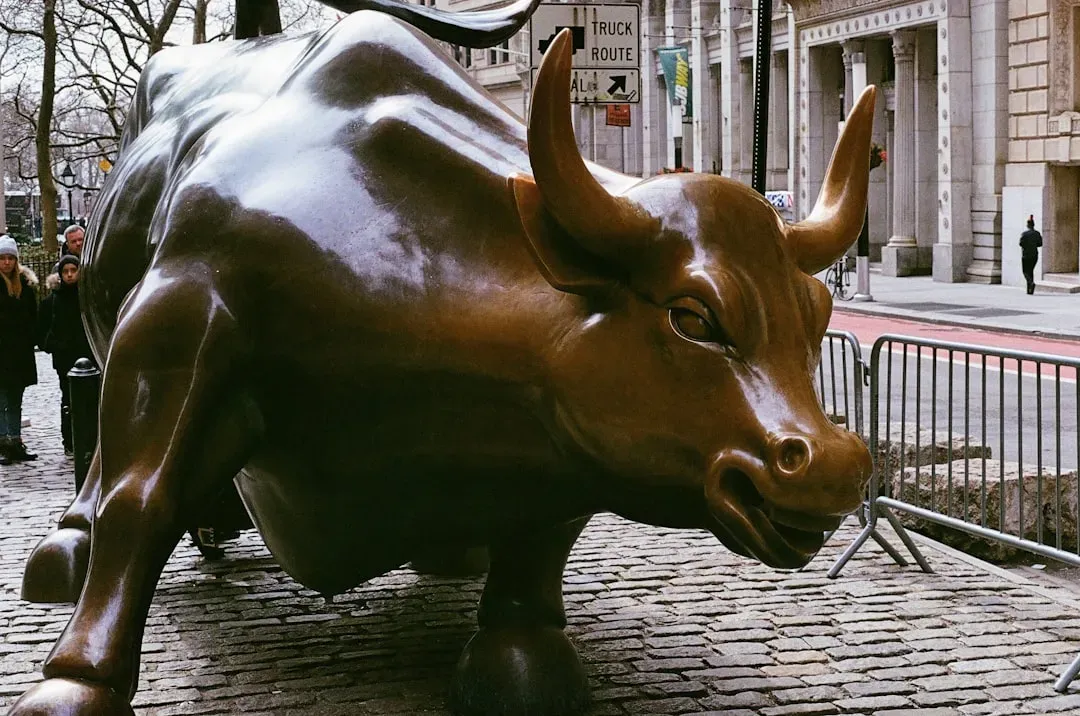
Aries is often imagined as the ram, but under stress its behavior looks more like a bull seeing red: head down, adrenaline pumping, and ready to push through obstacles rather than walk around them. Biologically, this maps onto a nervous system that jumps quickly into the “fight” branch of the classic fight‑flight‑freeze response, with stress hormones like adrenaline and noradrenaline flooding the bloodstream. In studies of acute stress, people who favor rapid, high‑intensity responses tend to show faster heart‑rate spikes and stronger activation in brain regions linked to action and reward. That is the charging bull energy: movement first, analysis later, sometimes leaving a wake of broken fences behind.
When an Aries‑type person is under pressure at work or in relationships, this might look like firing off an email, confronting someone on the spot, or taking on three new tasks rather than backing down. The upside is courage and the ability to act when others freeze; the downside is a higher chance of regretting impulsive moves once the hormonal wave recedes. Learning to pause for a single minute – literally sixty seconds of slow breathing – can interrupt that bull‑charge enough to bring the more reflective parts of the brain back online. The goal is not to tame the bull completely, but to teach it when to charge and when to stand its ground without moving.
Taurus: The Stubborn Bison That Hunkers Down Under Pressure
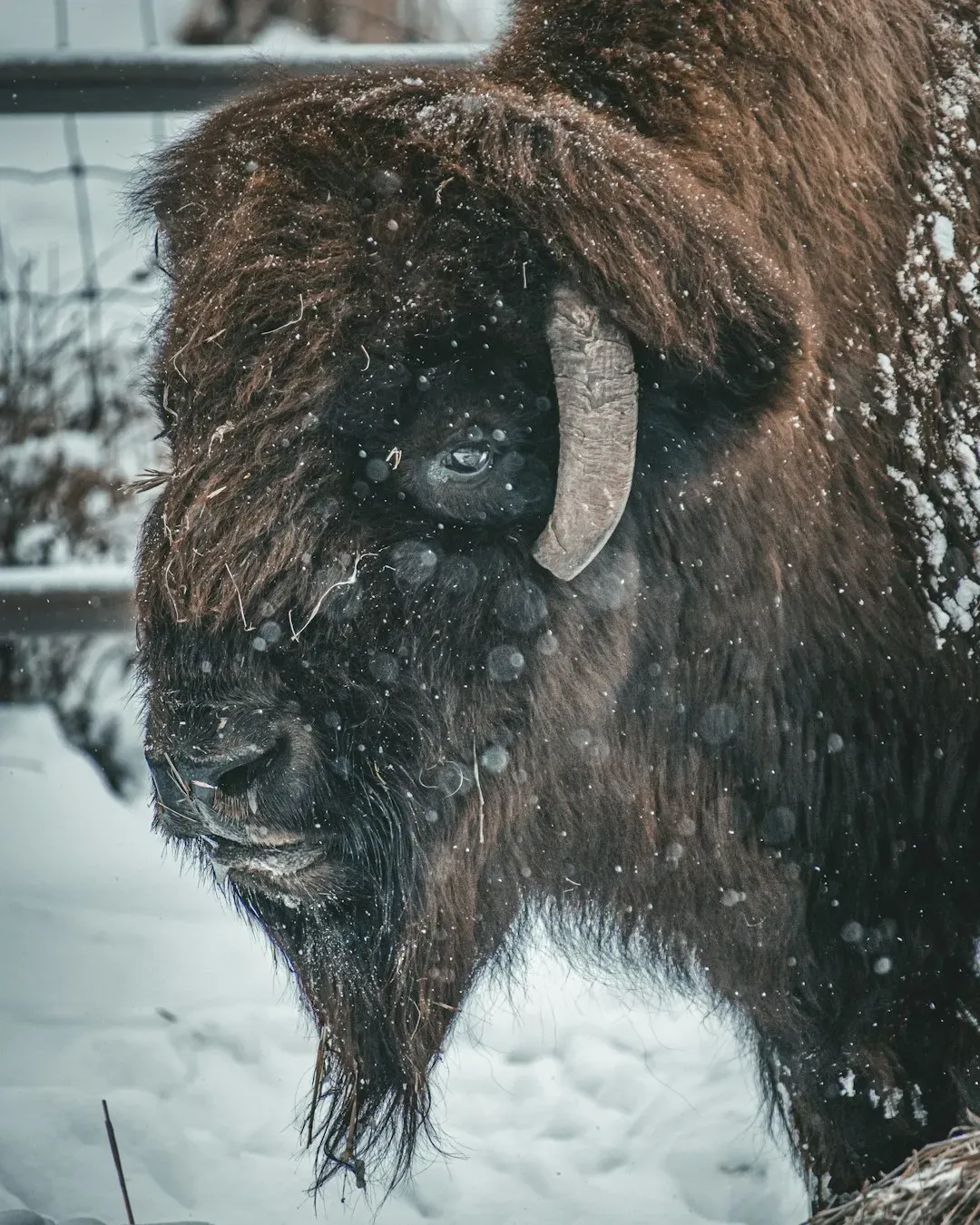
Taurus under stress behaves less like a charging animal and more like a bison in a blizzard: it turns its back to the storm, lowers its head, and waits it out. In physiological terms, this is a tilt toward the “freeze” or “endure” style of coping, where the body still experiences stress but redirects energy into conservation rather than explosive action. Researchers studying resilience in harsh environments, from Arctic reindeer to North American bison, have found that survival often depends on doing less, not more – slowing movement, conserving heat, and riding out scarcity. The Taurean response echoes this, preferring routines, familiar comforts, and stability when the world feels chaotic.
In human life, that might look like clinging to schedules, cooking the same meals, or resisting any change in plans when stress levels are high. This can be quietly powerful, because stability can prevent rushed mistakes and protect long‑term goals, just as a herd that does not panic avoids dangerous stampedes. But the same instinct can morph into stubborn avoidance, where real problems go unaddressed because they threaten the current routine. For Taurus‑type stress patterns, the key skill is learning to take small, deliberate steps – micro‑changes that respect the love of stability while still moving toward solutions before the snow drifts too high.
Gemini: The Meerkat’s Hyper‑Vigilance and Social Scanning
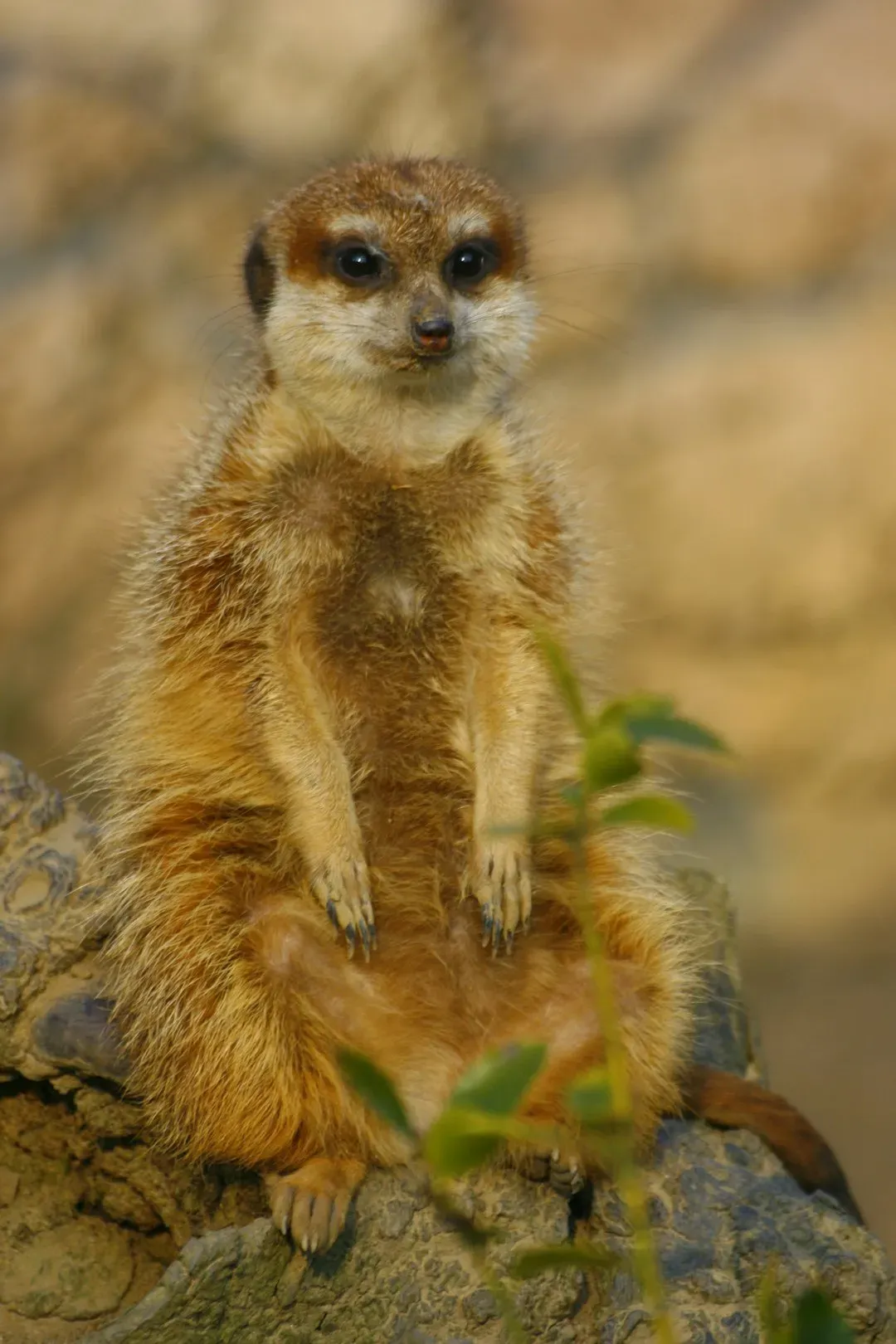
Under stress, Gemini resembles a meerkat popping up on its hind legs, scanning in all directions, and chattering with the group about what might be coming. Neuroscientists see something similar in people who respond to threat with mental and social overactivity: racing thoughts, constant checking, and a powerful urge to talk things through. This often reflects a strong “flight” response, not necessarily in the sense of running away physically, but in darting from idea to idea or conversation to conversation, searching for safety through information. In brain‑imaging studies, anxious anticipation tends to light up areas involved in prediction and social evaluation, like the prefrontal cortex and parts of the temporal lobes.
For Gemini‑type stress reactors, there is comfort in texting three friends, reading five articles, and mentally rehearsing every possible outcome before it happens. That scanning can be adaptive, just like meerkats survive by being excellent sentinels that spot danger early and warn the group. But it can easily slide into analysis loops where every notification feels like a potential threat and the nervous system never really gets to stand down. Techniques that anchor attention – like briefly naming sights, sounds, and physical sensations – can help the “meerkat brain” climb down from its lookout, at least long enough to rest and recover before the next watch shift.
Cancer: The Hermit Crab Retreating into an Emotional Shell
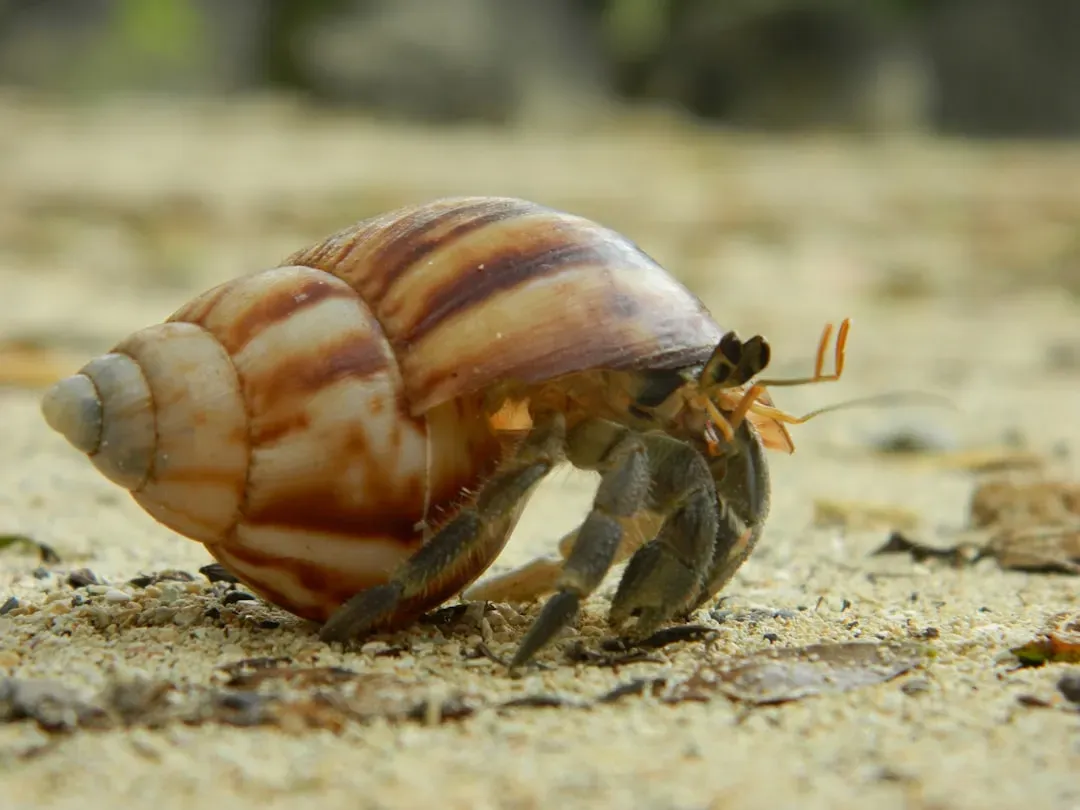
Cancer under stress is often compared to a crab, but it behaves more like a hermit crab dragging its borrowed shell back into a crevice and waiting in the dark. Biologically, this echoes what psychologists call withdrawal coping: pulling away from social situations, turning inward, and focusing on emotional safety above all. People who lean this way often show elevated activity in brain circuits tied to emotional memory, which makes old hurts and worries feel more vivid when new stress hits. The result is a powerful urge to retreat, sometimes even from those who are trying to help.
In the wild, a hermit crab’s retreat is not cowardice; it is a survival move that protects soft, vulnerable tissue while the threat passes. The same can be true for Cancer‑type reactions, where taking time alone with familiar objects, music, or rituals can genuinely soothe an overloaded nervous system. The risk is staying inside the shell too long, letting imagined dangers grow larger than the real ones outside. One practical approach is treating social contact like carefully timed foraging trips: set a small, specific goal – one conversation, one text, one short meeting – and then return to the shell with new information rather than staying hidden in the same old fears.
Leo: The Stressed Lion Guarding Territory and Pride
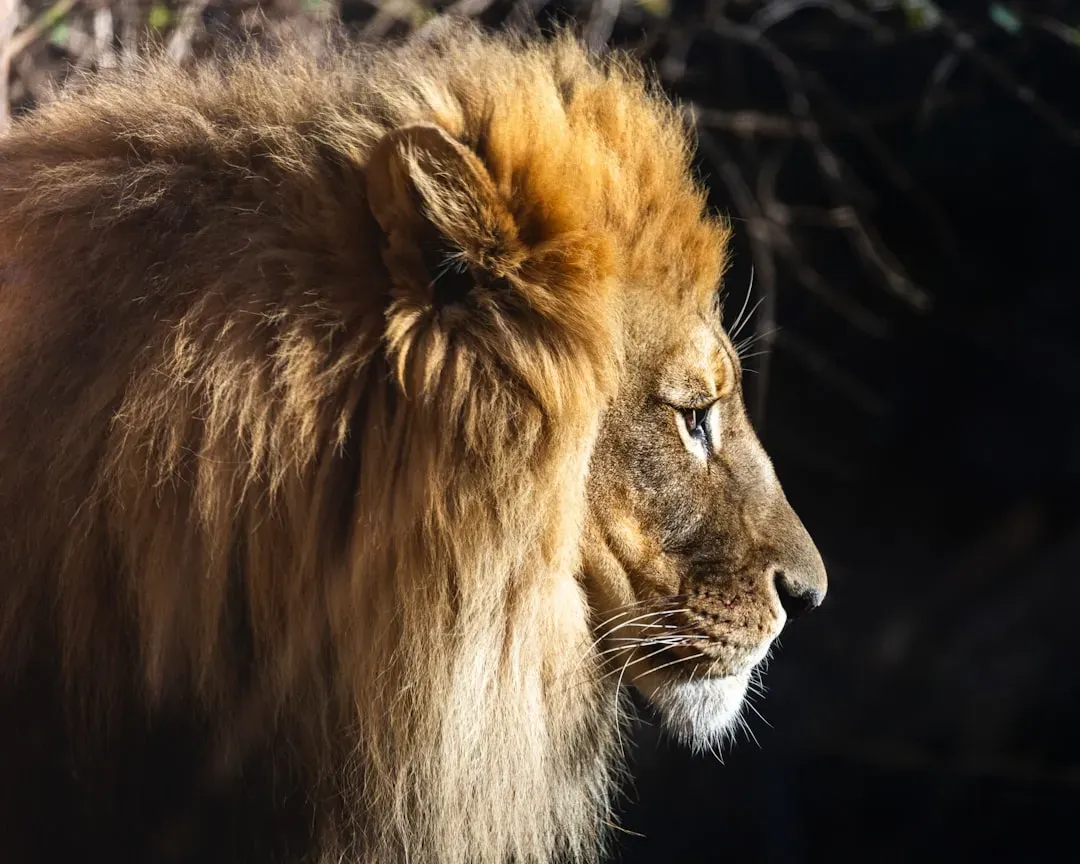
Leo’s stress style looks a lot like a lion confronted by rival predators near its territory: bristling posture, heightened vigilance, and a fierce concern with status and respect. From a biological standpoint, status threats can activate the same stress pathways as physical danger, releasing cortisol and adrenaline and sharpening attention toward anything that feels like disrespect or rejection. Social mammals, from primates to big cats, often show intense reactions when their place in the hierarchy is challenged, because rank influences access to food, safety, and mates. Human brains still carry this wiring, even when the “territory” is a job title, a creative project, or a social media feed.
For Leo‑type individuals, stress might show up as a strong need to assert competence, defend reputation, or dramatically prove that they are in control. The lion reaction can drive bold leadership in a crisis, rallying others and turning fear into a shared sense of purpose. But it can also lead to dramatic confrontations or burnout from constantly trying to perform strength. One useful shift is reframing stress responses as a responsibility to protect the “pride” in a broader sense – using that energy to support others, delegate when needed, and recognize that sometimes the most powerful lion is the one that chooses to rest in the shade before the next patrol.
Virgo: The Beavering Engineer Fixing Every Tiny Leak
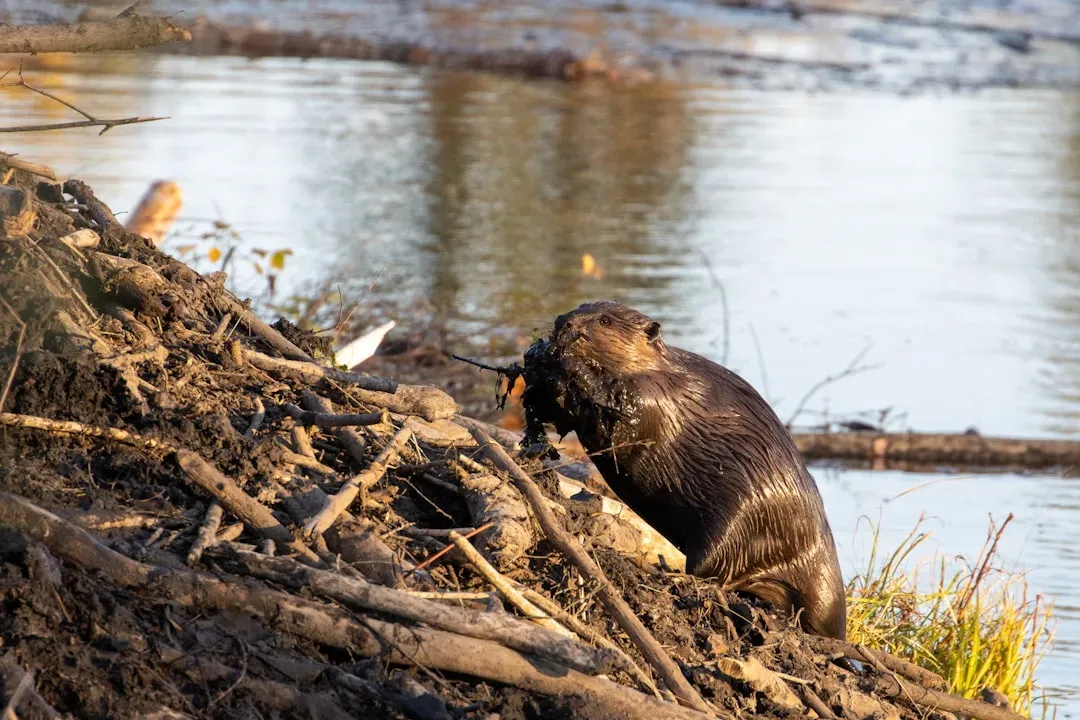
Virgo under pressure behaves like a beaver facing rising water: scanning for leaks, rearranging branches, and obsessively improving the dam. In psychological terms, this mirrors a problem‑focused coping style, where the stress response channels into detailed analysis and continuous tinkering. Studies of perfectionism and anxiety often find that attention narrows under stress, locking onto small flaws and potential failures, while the body stays keyed up with moderate but prolonged levels of stress hormones. That is the beaver energy: not a single dramatic fight or flight, but hours of intense, meticulous activity meant to prevent the worst from happening.
This can be incredibly valuable, especially in roles where catching errors matters, like medicine, engineering, or data analysis. The downside is that when everything looks like a leak, the nervous system never gets to treat a day as “good enough” to relax. Instead of asking whether a situation is stressful, Virgo‑type reactors may ask how it could secretly be even more stressful if they do not fix one more detail. Learning to set explicit “good enough” thresholds, and to distinguish between real structural cracks and cosmetic chips, helps the beaver conserve energy. The dam does not have to be perfect to hold back the river; it has to be solid where it counts most.
Libra: The Zebra Herd Managing Stress Through Balance and Belonging
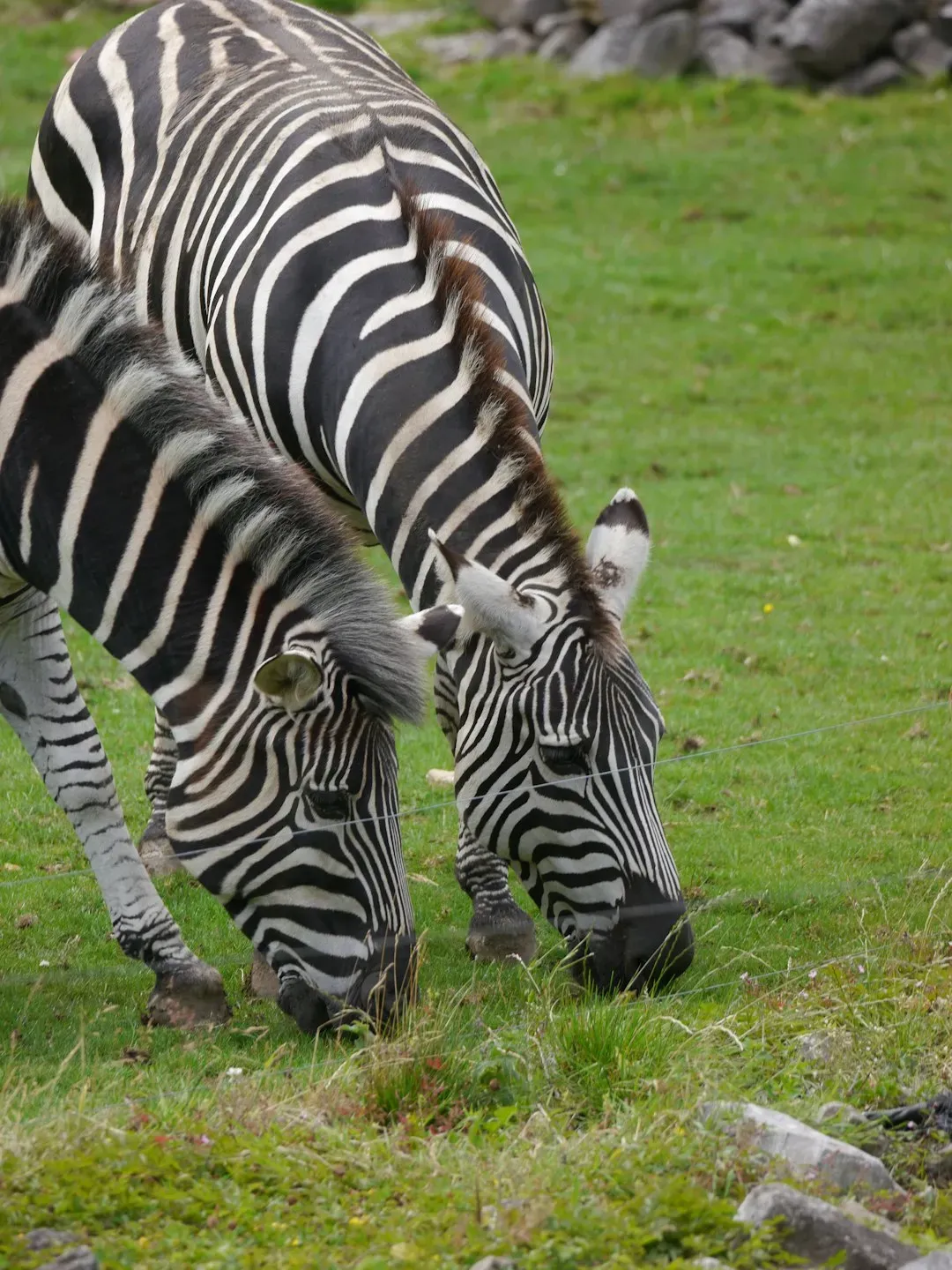
Libra under stress resembles a zebra in a savanna herd: safety comes from staying in rhythm with others, reading social signals, and keeping the group cohesive. Biologically, this reflects how social connection can buffer stress, lowering cortisol levels and stabilizing heart rate when people feel supported and understood. Studies on herd animals and primates show that isolation amplifies stress responses, while synchronized behavior – moving, grazing, or resting together – can calm the nervous system. Libra‑type stress management leans into this, prioritizing harmony, conflict resolution, and fairness as ways to restore a sense of safety.
In human relationships, that might involve mediating arguments, smoothing over tensions, or delaying personal decisions to keep the peace. This balancing act can be protective, preventing stressful situations from escalating into open conflict. But it can also create a quieter internal strain when someone keeps their own needs suppressed for too long to maintain external harmony. For Libra‑style reactors, a healthier pattern is learning that saying no or voicing disagreement does not necessarily break the herd; sometimes it strengthens the stripes, making the social pattern more honest and resilient under future stress.
Scorpio: The Scorpion’s Controlled Venom and Deep Surveillance
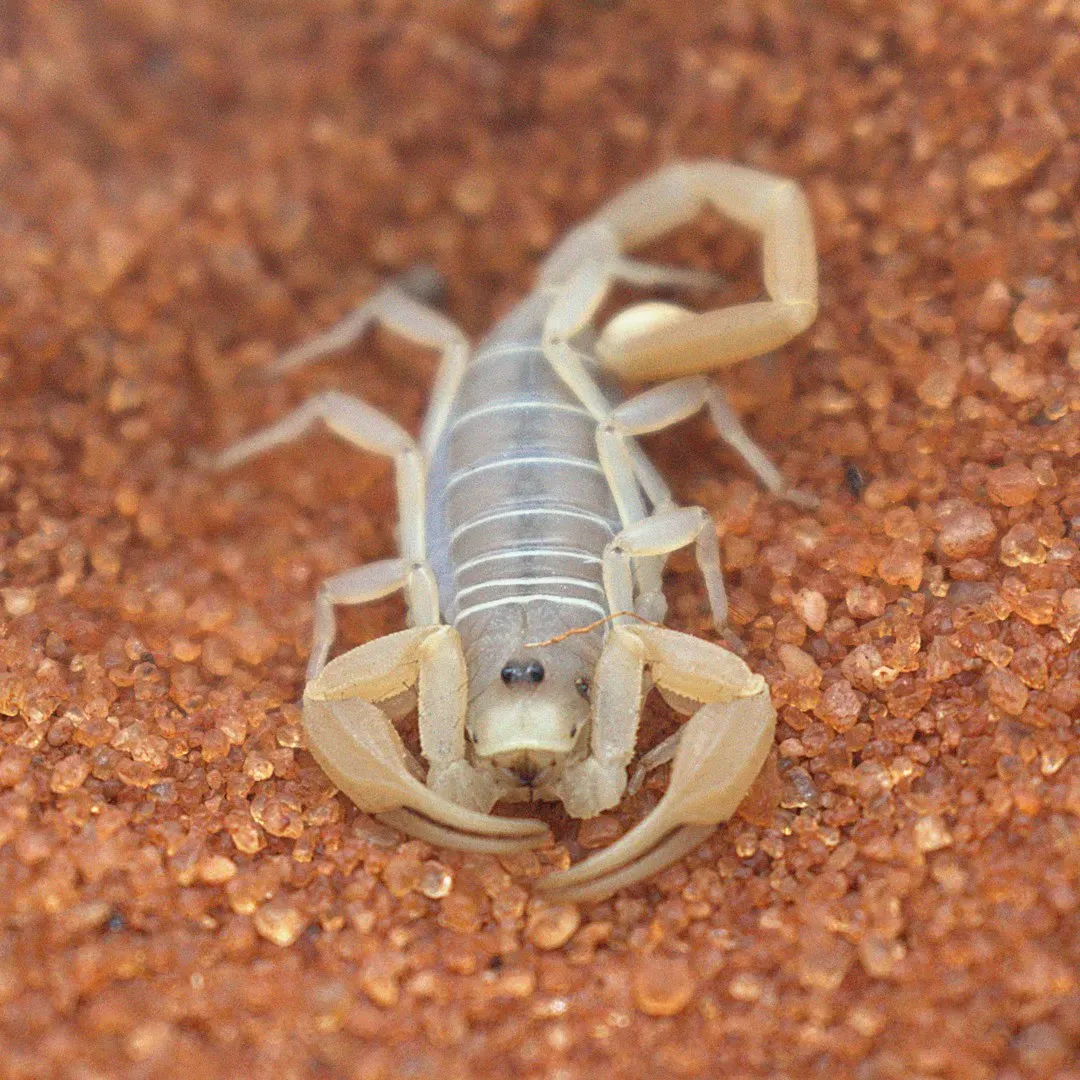
Scorpio’s reaction to stress truly does echo its symbol: the scorpion that stays still, observes, and only strikes with precision when necessary. In psychological research, this resembles coping through deep analysis, emotional intensity, and tightly controlled reactions rather than obvious outbursts. The nervous system here may not show the wild swings seen in more explosive stress styles, but stress markers can stay elevated for longer, paired with strong activation in areas involved in threat detection and memory. In the wild, scorpions conserve energy by moving minimally and using venom sparingly; every strike costs resources, so it must matter.
For Scorpio‑type people, this might appear as going quiet during conflict while mentally tracking every word and implication, building a detailed internal map of who can be trusted. The advantage is strategic thinking: instead of reacting to every slight, they can choose a moment when action will be most effective. The risk is carrying stress like a pressure chamber, where unexpressed anger or fear becomes corrosive over time. Practices that safely release intensity – writing, physical exertion, or confidential conversations with someone genuinely trusted – can keep the scorpion’s sting from turning inward. The power is not in never feeling stress, but in choosing when and how to let it move through the system.
Sagittarius: The Stressed Albatross That Needs a Wider Horizon
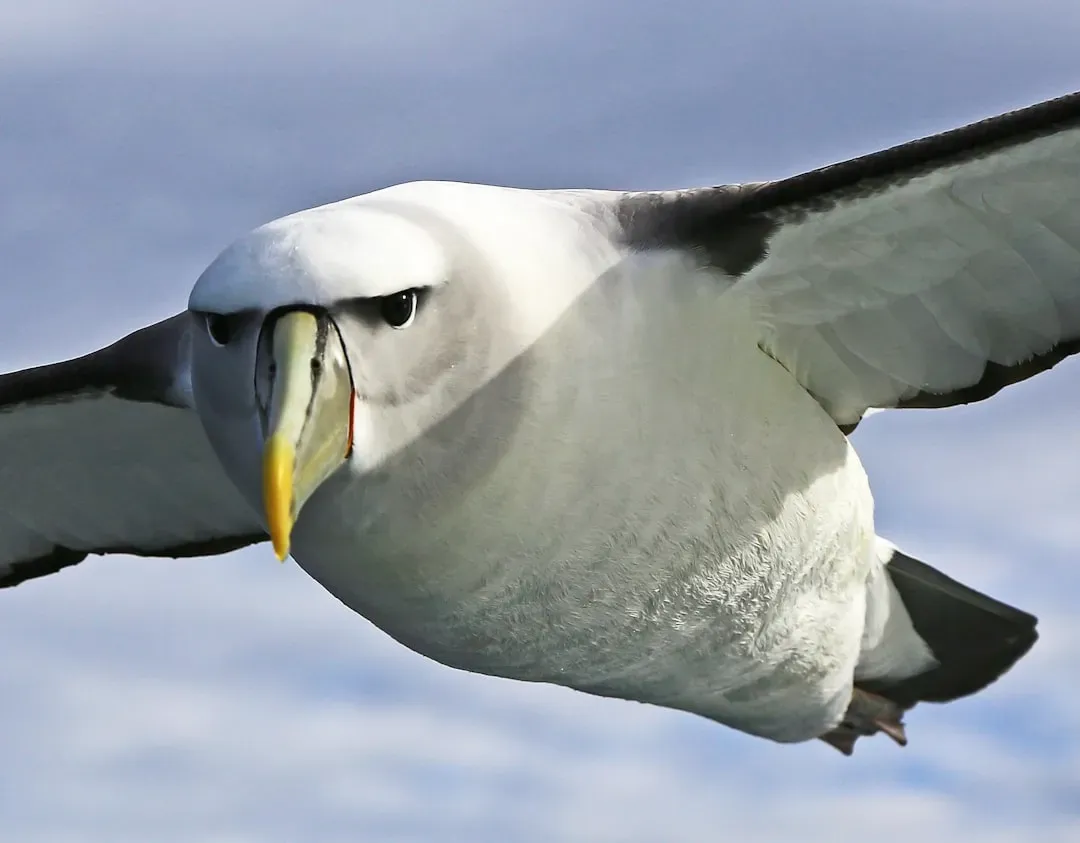
Sagittarius under stress behaves like an albatross forced to stand on a small, crowded dock instead of soaring over open ocean. Biological research on wide‑ranging animals, from migratory birds to large mammals, shows that confinement and lack of novelty can act as strong stressors, raising stress hormone levels and triggering restless, repetitive behavior. Sagittarius‑type stress patterns mirror this: when life feels cramped or over‑controlled, the reaction is to seek escape through travel, big ideas, or new experiences. The nervous system finds relief not in stillness, but in expanded perspective.
In everyday life, that might look like impulsively planning a trip, diving into a new course, or reframing problems as part of a larger life story. This can be deeply adaptive, because zooming out reduces the perceived threat of any single setback, similar to how a bird from high altitude sees storms as passing patterns rather than permanent walls. However, running from every stressful situation can prevent real learning, leaving the same issues waiting at the next destination. For Sagittarius‑leaning reactors, the art is combining movement with meaning: using that urge to explore not just to escape, but to collect tools, skills, and perspectives that make future stress feel more navigable.
Capricorn: The Mountain Goat Climbing Slowly Through Adversity
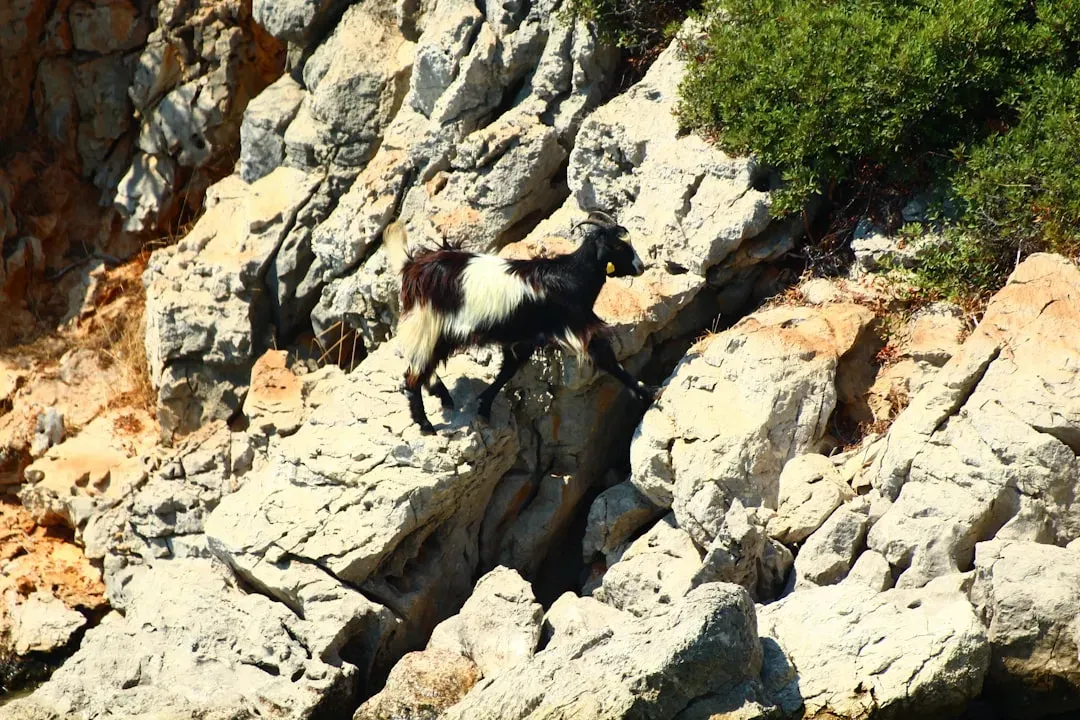
Capricorn in crisis looks like a mountain goat on a steep cliff: focused, steady, and remarkably willing to keep climbing even when conditions are harsh. Physiologically, this aligns with what researchers call stress hardiness or grit, where individuals appraise stressors as challenges to be met rather than purely as threats. Their bodies still mount a stress response – cortisol rises, heart rate increases – but they tend to return to baseline more efficiently and maintain goal‑directed behavior over long periods. In the wild, mountain goats survive by methodically navigating dangerous terrain rather than avoiding it altogether.
For Capricorn‑type people, this might show up as working longer hours during a crisis, taking on extra responsibility, or quietly planning three steps ahead instead of reacting to daily drama. The clear advantage is resilience and the ability to hold a long‑term vision even when the present feels unstable. The hidden cost is that chronic overwork can wear down the same systems that make them so durable, leading to health problems if recovery time is neglected. Learning to treat rest as a strategic climb, rather than a sign of weakness, helps the mountain goat keep its footing over an entire lifetime instead of sprinting up one peak and collapsing.
Aquarius: The Octopus Rethinking the Problem Under Pressure
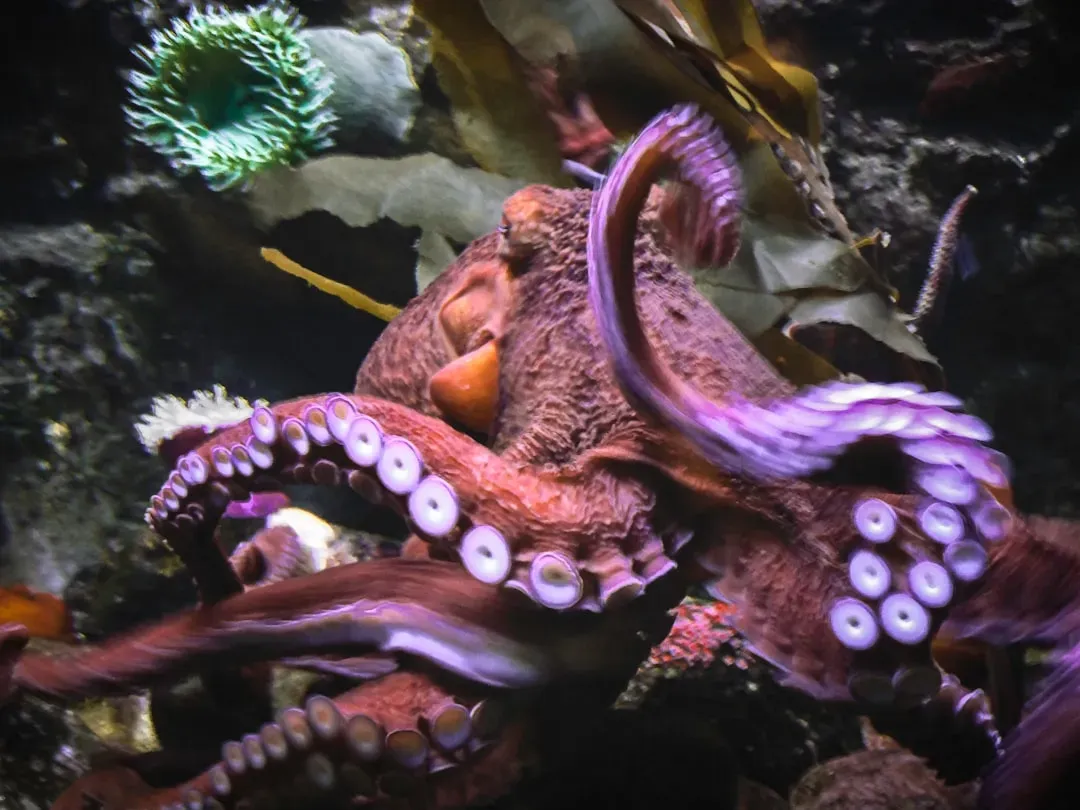
Aquarius under stress behaves like an octopus in a complex reef: instead of charging or freezing, it reshapes itself, finds unconventional exits, or even changes color to reset the situation. In laboratory studies, octopuses show striking problem‑solving abilities under challenging conditions, experimenting with tools, containers, and escape routes in ways that suggest flexible nervous systems. Human brains that react like this often engage networks involved in creative thinking and reappraisal, trying to reinterpret the stressor rather than just endure it. Aquarius‑type reactors may feel an urge to redesign systems or question rules whenever pressure builds.
In everyday terms, that might mean proposing radical schedule changes, new technologies, or entirely different ways of framing a crisis, sometimes baffling those who prefer predictable routines. This approach can generate breakthroughs, because some stressful situations truly come from systems that no longer work and need to be reimagined. Yet constant reinvention can itself become stressful for people who share the same environment, especially if change arrives faster than they can adapt. The healthiest version of the octopus response uses creativity selectively: mapping where innovation will genuinely reduce stress for everyone, and where stability is kinder to nervous systems already stretched thin.
Pisces: The School of Fish Merging and Drifting Through Emotional Currents
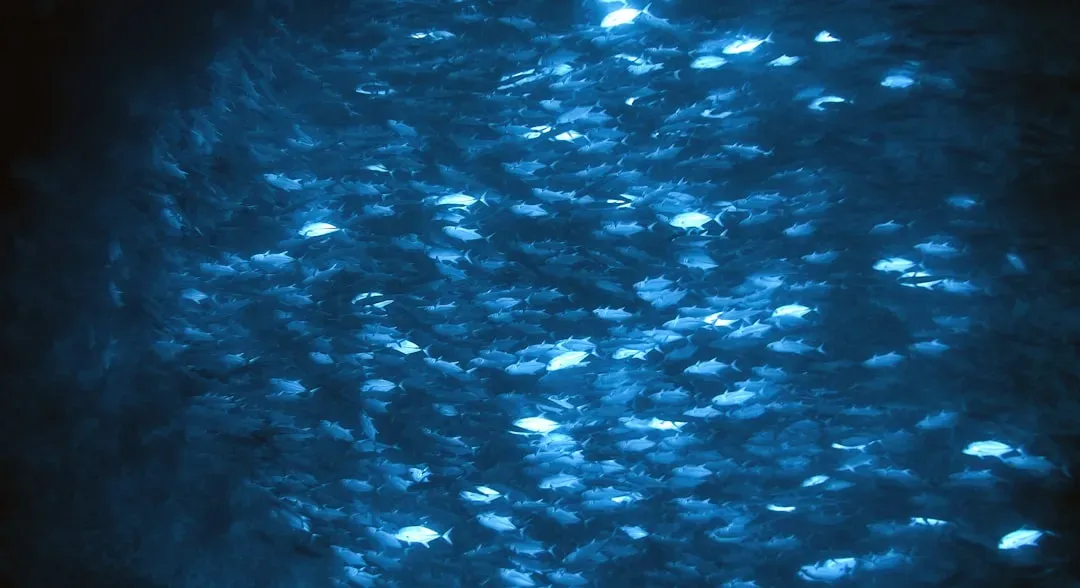
Pisces under stress resembles a school of fish responding to a predator: movements blur together, boundaries soften, and safety comes from merging with others or with larger emotional currents. Neuroscientists studying emotional contagion find that humans, like schooling fish, often synchronize moods and reactions, especially under threat, through subtle cues in voice, expression, and posture. For Pisces‑type stress patterns, this can mean absorbing the feelings of those around them until it is hard to tell where their own anxiety ends and someone else’s begins. The nervous system leans toward sensitivity, picking up faint signals that more blunt temperaments might miss.
This sensitivity can be a strength, allowing early detection of brewing conflicts or unspoken distress in a group, just as fish detect subtle water pressure changes. But it can also become overwhelming, leading to emotional flooding, escapist habits, or difficulty making firm decisions when other people’s needs feel louder than their own. Grounding techniques that reestablish personal boundaries – simple things like labeling emotions as “mine” or “theirs,” or spending time in quiet environments – help the school of fish reorganize instead of scattering. The goal is not to harden into a solitary predator, but to learn to swim in and out of emotional currents without dissolving into them.
Stress, Symbols, and What Science Is Really Saying
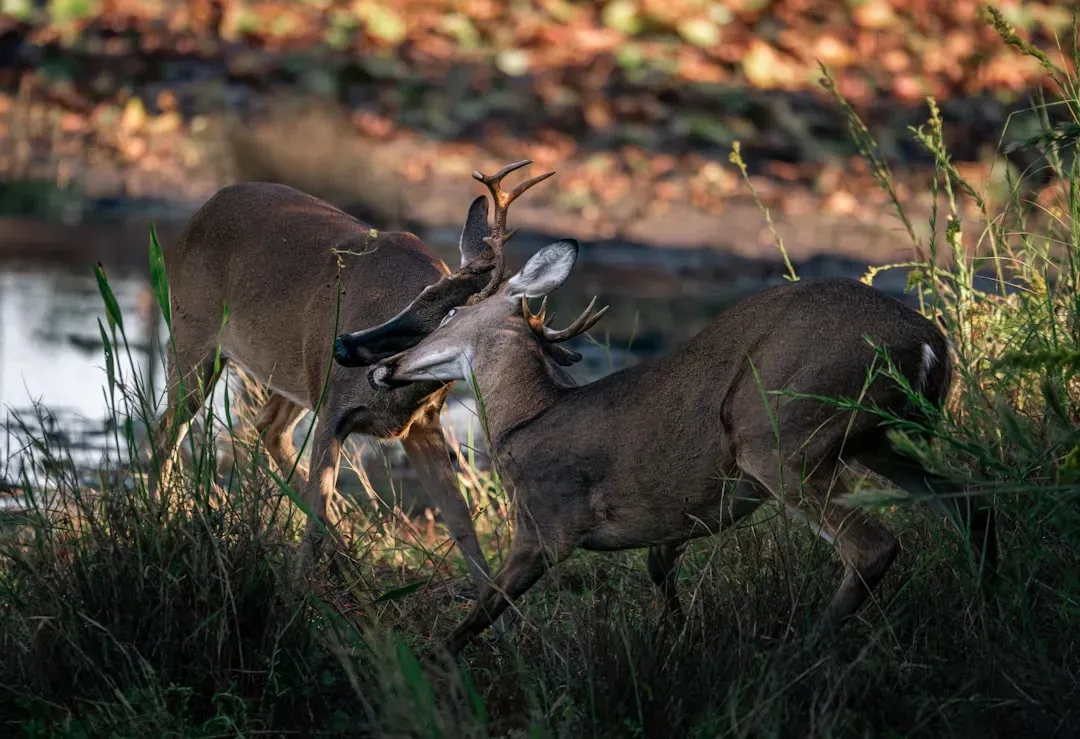
Comparing zodiac signs to wild animals might sound whimsical, but it taps into something research keeps confirming: under stress, humans rely on deeply rooted, often unconscious patterns that have more in common with other mammals, birds, and even invertebrates than we like to admit. Modern stress science has shifted from seeing people as rational actors who simply “handle it” to recognizing specific coping profiles that resemble fight, flight, freeze, and more complex blends. Using zodiac and animal metaphors gives those patterns names and images we can remember, which can make it easier to notice them in real time. Instead of asking whether a sign description is literally true, the more useful question is whether a given animal‑style reaction feels familiar in your own body when things get hard.
Earlier views of astrology treated it as fate; contemporary psychology treats personality and stress responses as tendencies shaped by biology, history, and environment that can still be changed. By reading these pairings as mirrors rather than instructions, we link ancient symbolic systems with current knowledge about hormones, brain circuits, and evolution in a way that is engaging rather than dry. It becomes less about whether the stars dictate your reaction and more about recognizing your inner bull, bison, meerkat, or octopus before it runs the show. In a world where chronic stress is nearly constant, understanding that inner wildlife might be one of the most practical forms of self‑knowledge we have.
Keeping Your Inner Wildlife in View
If one of these animals made you uncomfortably nod in recognition, that is precisely the point: self‑awareness is the first step toward changing any stress pattern. You do not need to become a different sign or swap animals; you just need to know when your default instinct is helping and when it is quietly making life harder. Paying attention to your heart rate, breathing, and thought patterns during everyday hassles – traffic, emails, family tensions – can reveal which wild strategy your nervous system favors before a real crisis hits. From there, simple experiments like slowing your breath, changing your posture, or altering your environment become ways to gently retrain those instincts rather than fight them head‑on.
If you are curious to go deeper, you can explore resources on stress physiology, nervous‑system regulation, and personality science, and even track your own reactions like a field biologist studying an animal in its habitat. Paying that kind of honest, compassionate attention to your inner wildlife will not erase stress from modern life, but it can transform how you move through it. You might still charge, freeze, tinker, or flee under pressure – but you will be doing it with your eyes open, which changes everything.
Suhail Ahmed is a passionate digital professional and nature enthusiast with over 8 years of experience in content strategy, SEO, web development, and digital operations. Alongside his freelance journey, Suhail actively contributes to nature and wildlife platforms like Discover Wildlife, where he channels his curiosity for the planet into engaging, educational storytelling.
With a strong background in managing digital ecosystems — from ecommerce stores and WordPress websites to social media and automation — Suhail merges technical precision with creative insight. His content reflects a rare balance: SEO-friendly yet deeply human, data-informed yet emotionally resonant.
Driven by a love for discovery and storytelling, Suhail believes in using digital platforms to amplify causes that matter — especially those protecting Earth’s biodiversity and inspiring sustainable living. Whether he’s managing online projects or crafting wildlife content, his goal remains the same: to inform, inspire, and leave a positive digital footprint.