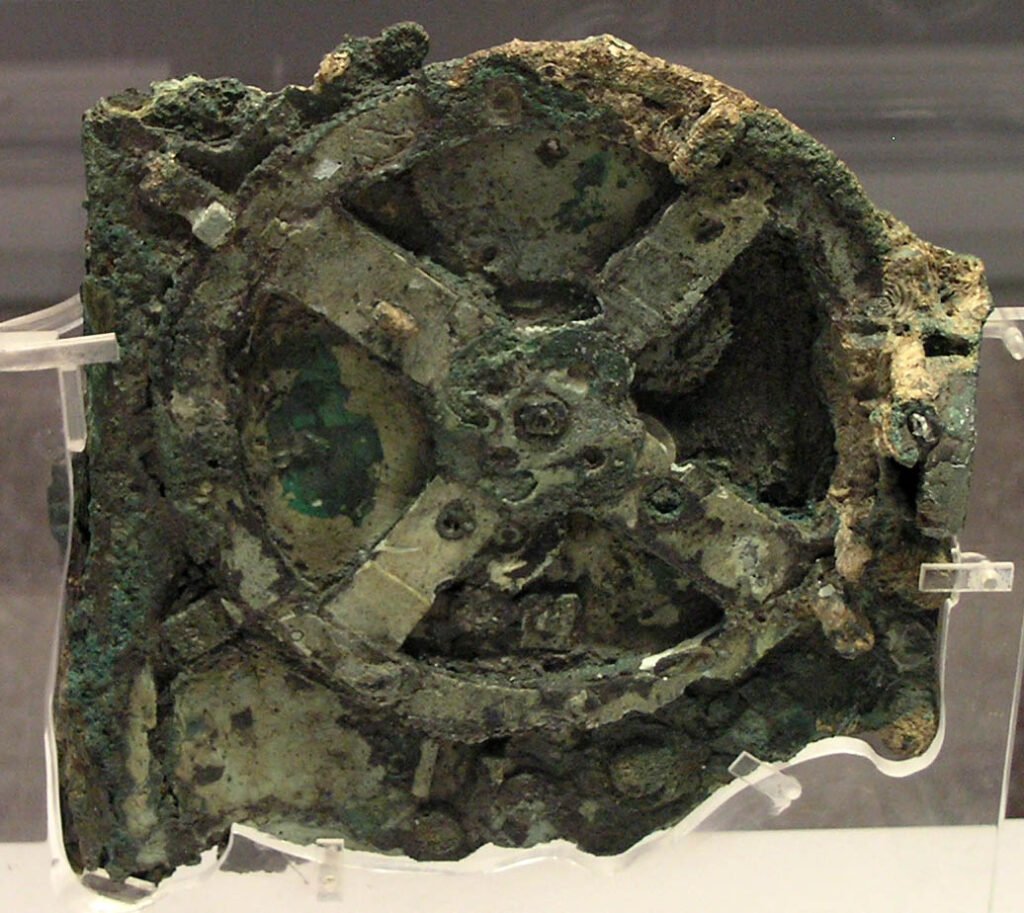

Picture this: you’re turning a simple bronze handle, and suddenly the entire cosmos begins to move before your eyes. The Sun traces its annual path, the Moon cycles through its phases, and distant planets dance their mysterious patterns across artificial heavens. This isn’t science fiction. This was reality for someone living over two thousand years ago.
The Antikythera Mechanism stands as perhaps the most mind-bending artifact ever pulled from the depths of ancient history. When Greek sponge divers first discovered it in 1901, nobody could have imagined that this corroded lump of bronze would fundamentally challenge everything we thought we knew about ancient Greek technology.
The Cosmic Calculator That Predicted the Future
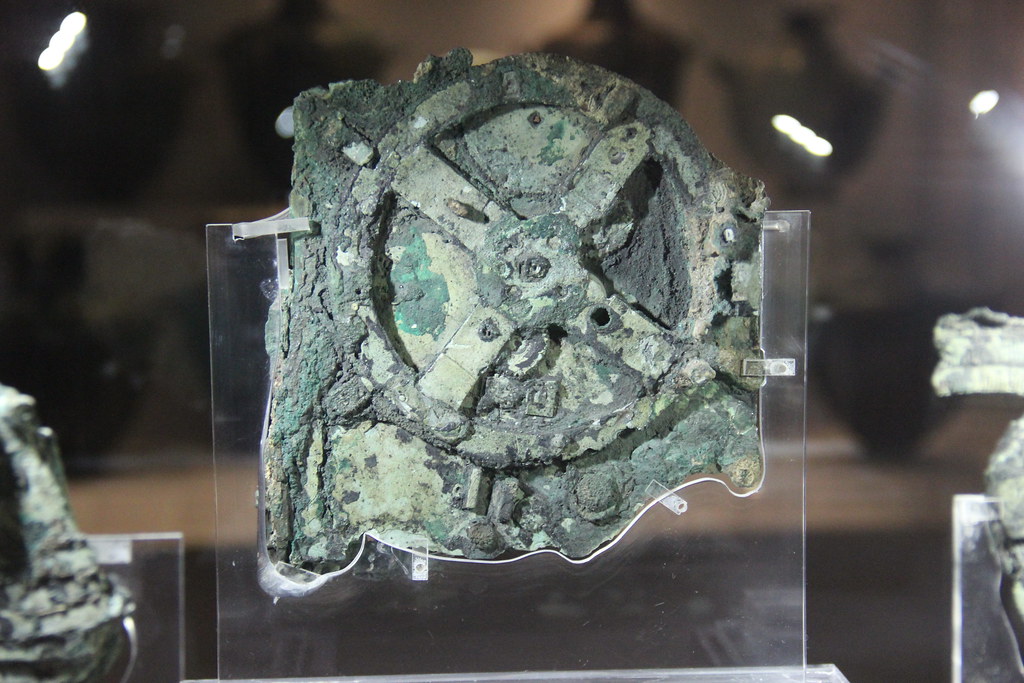
The Antikythera mechanism was an ancient Greek mechanical device made of bronze and used to calculate and display information about astronomical phenomena, and it could be used to predict astronomical positions and eclipses decades in advance. Think about that for a moment. While most people imagine ancient Greeks as philosophers debating under olive trees, someone among them was building what essentially amounts to the world’s first computer.
The action of turning the hand crank would cause all interlocked gears within the mechanism to rotate, resulting in the simultaneous calculation of the position of the Sun and Moon, the moon phase, eclipse, and calendar cycles, and perhaps the locations of planets. This wasn’t just showing you where celestial bodies were today. It could predict astronomical positions and eclipses decades in advance.
More Than Just Star Gazing
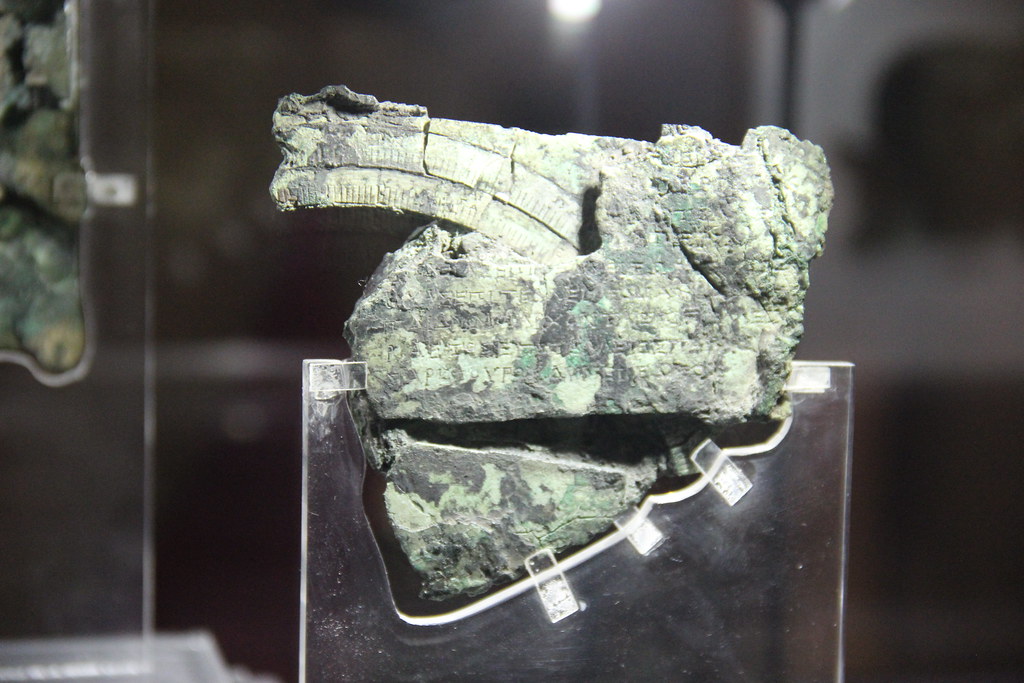
The researchers discovered that the markings on a smaller dial inside the Metonic one spelled out the locations of the names of Panhellenic games, and in 2008, scientists reported new findings showing the mechanism not only tracked the Metonic calendar and predicted solar eclipses, but also calculated the timing of panhellenic athletic games, such as the ancient Olympic Games, including the dates of the major crown games that took place in ancient Greece. Imagine having a device that could tell you exactly when the next Olympics would be held, years in advance.
That’s something of no scientific interest. That’s of human, social interest. The mechanism wasn’t just for astronomers. It was deeply connected to the social fabric of ancient Greek life, tracking everything from religious festivals to sporting events that brought the entire Greek world together.
Eclipse Prediction With Startling Precision
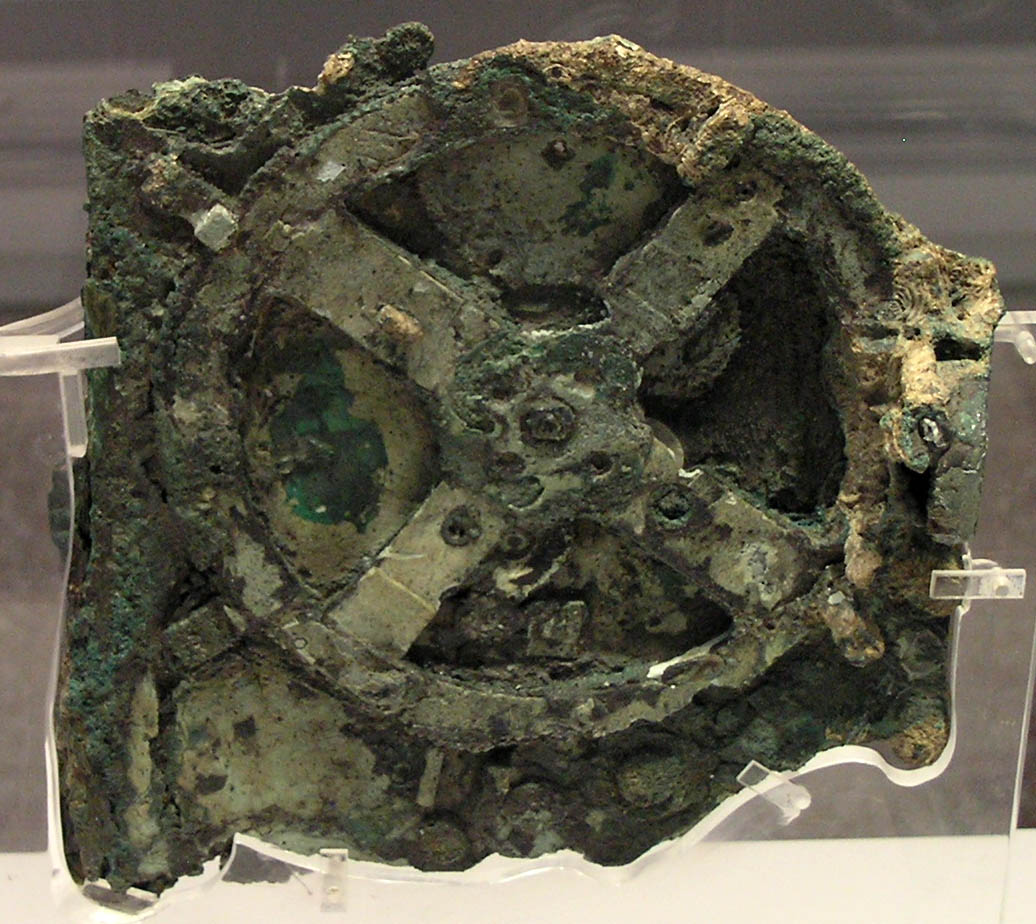
Members of the Antikythera Mechanism Research Project used data from high-resolution, 360-degree x-ray scans to decipher markings as small as 0.06 inch tall on a spiral dial on the rear of the instrument, and the pattern of glyphs was highly accurate: it matched the start dates of 100 eclipses that occurred during the final four centuries BC, as determined by NASA.
The ancient Greeks built a machine that can predict, for many years ahead, not only eclipses but also a remarkable array of their characteristics, such as directions of obscuration, magnitude, colour, angular diameter of the Moon, relationship with the Moon’s node and eclipse time. This level of detail goes far beyond simple astronomy. They were predicting the specific characteristics of eclipses with remarkable accuracy.
A Teaching Tool for the Cosmos
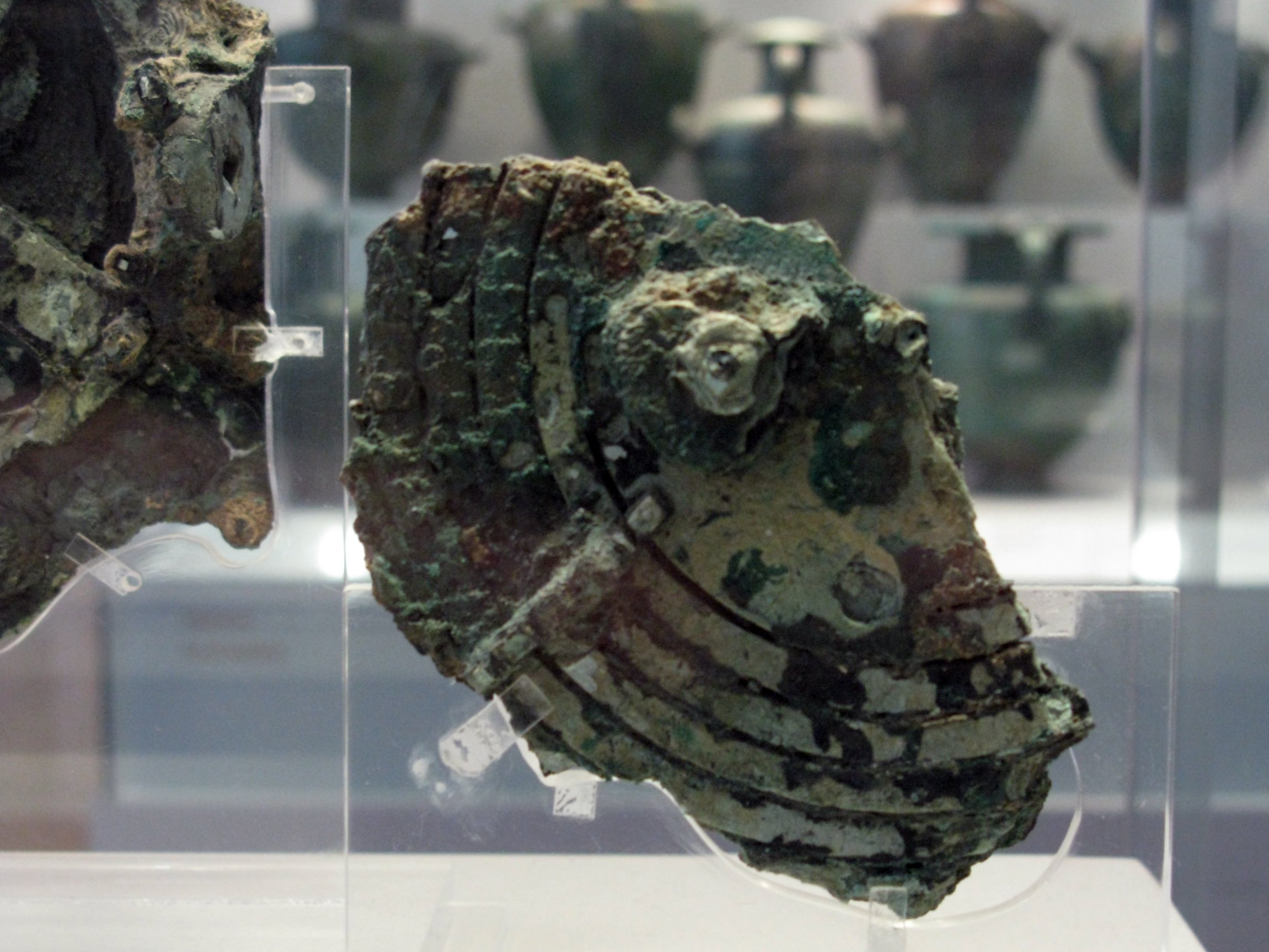
Whatever purpose Archimedes may have had in mind for his instrument, the use of the Corinthian calendar indicates that the Antikythera mechanism was not built for scientists. Instead it may have been for teaching nonspecialists about astronomy. This reveals something fascinating about its true purpose.
Some scholars believe the mechanism was intended as a teaching tool, a portable model of the cosmos showing how the heavens moved. Others argue that it was created for a wealthy patron, perhaps a king or a naval commander who wanted to plan voyages and religious festivals according to the stars. The evidence suggests this wasn’t locked away in some scholarly institution but was meant to be used by people who needed practical astronomical knowledge.
The Mystery of Lost Planetary Displays
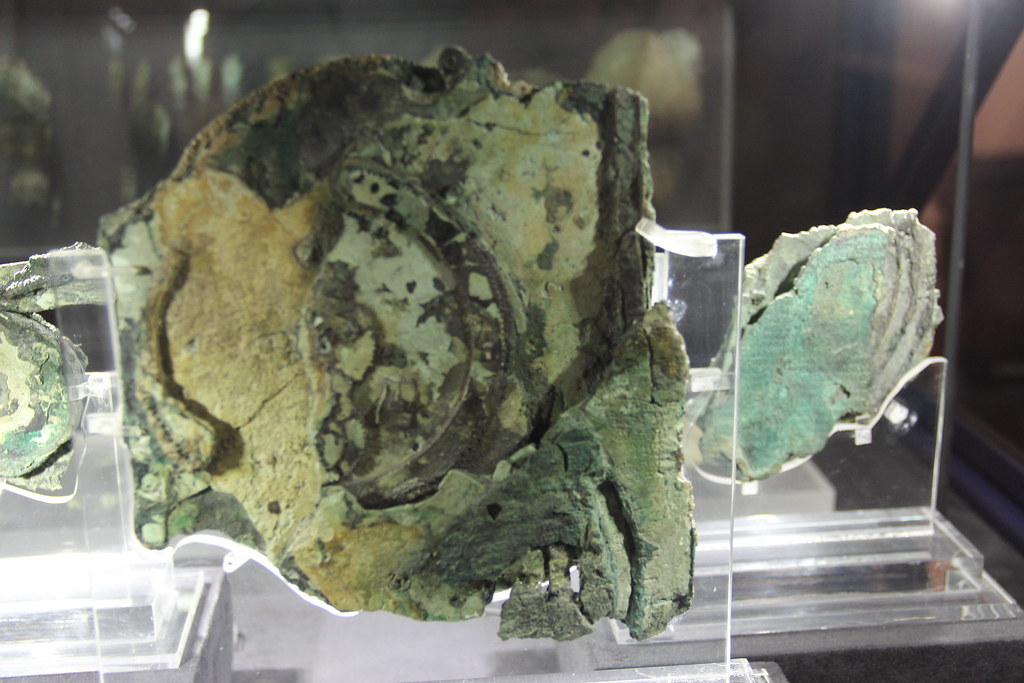
The inscriptions imply that there may originally have been a display of planetary positions, most likely on the front face, but nearly all the relevant parts are missing. This is where things get particularly intriguing. X-ray CT revealed inscriptions describing the motions of the Sun, Moon and all five planets known in antiquity and how they were displayed at the front as an ancient Greek Cosmos, with a ring system with nine outputs – Moon, Nodes, Mercury, Venus, Sun, Mars, Jupiter, Saturn and Date.
The front of the mechanism appears to have been a complete model of the known universe, showing planetary positions with mechanical precision. Wright showed that the epicyclic theories could be translated into epicyclic gear trains with pin-and-slot mechanisms to display the planets’ variable motions. They had figured out how to mechanically reproduce the complex dance of planetary motion.
Calendar Coordination Across Ancient Greece
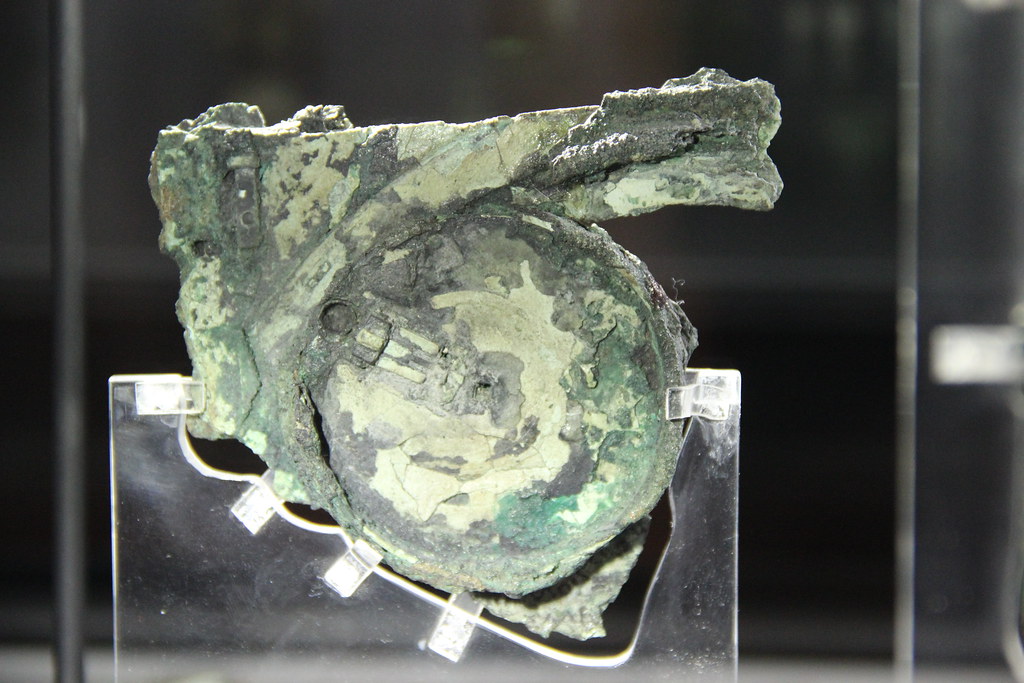
Though no month names on the Metonic calendar were previously known, we have now identified all 12 months, which are unexpectedly of Corinthian origin. The Corinthian colonies of northwestern Greece or Syracuse in Sicily are leading contenders – the latter suggesting a heritage going back to Archimedes.
Besides the predictions of astronomical events, the Mechanism could determine dates related to religious, social and agricultural rituals and events. The subsidiary dial within the upper back spiral of the Antikythera Mechanism displayed the dates of the Olympic Games, which were held during the first or the second Full Moon after the summer solstice. This wasn’t just about tracking time; it was about coordinating an entire civilization’s most important events.
Revolutionary Engineering Hidden in Plain Sight
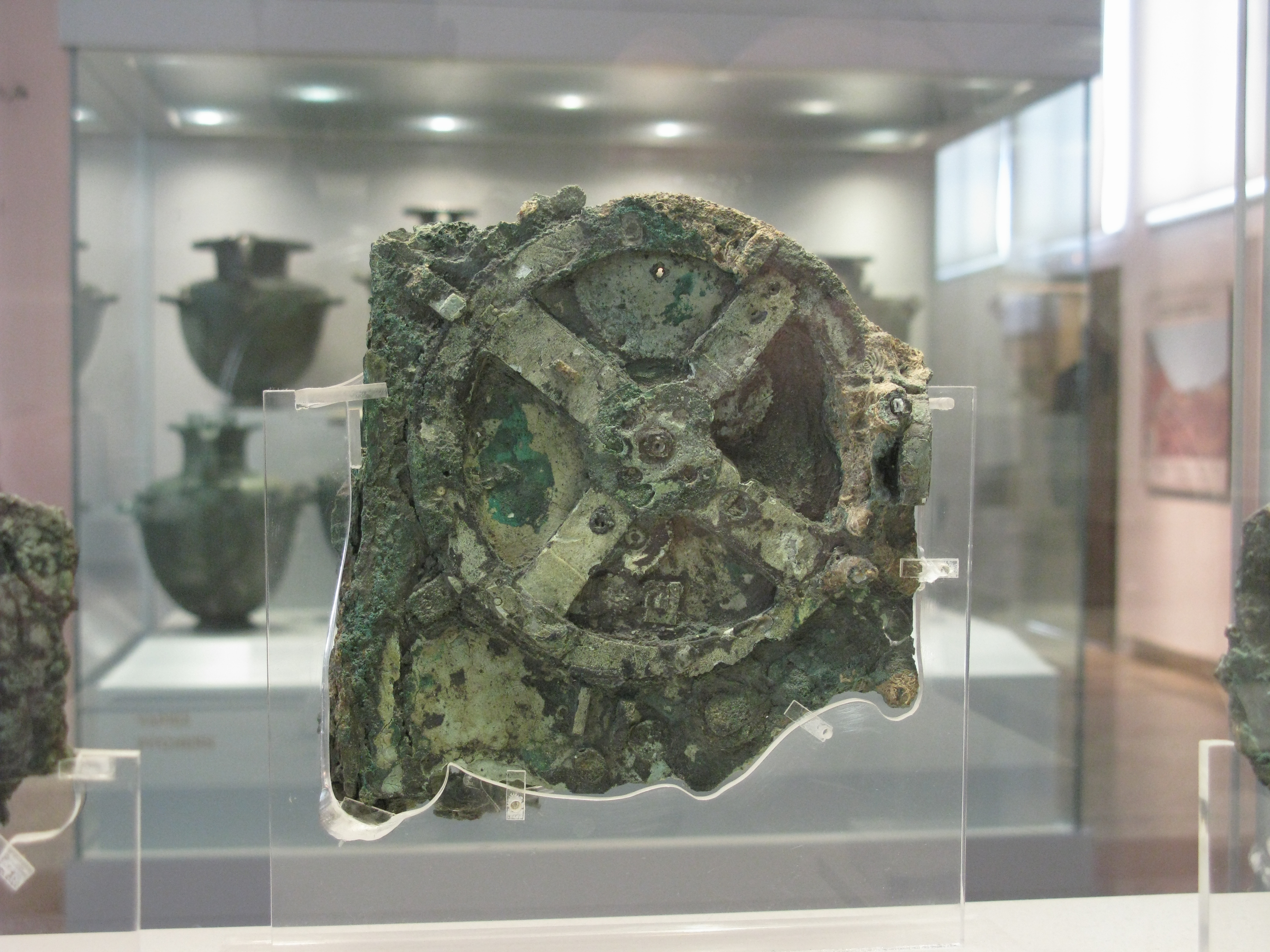
The Antikythera mechanism had the first known set of scientific dials or scales, and its importance was recognized when radiographic images showed that the remaining fragments contained 30 gear wheels. No other geared mechanism of such complexity is known from the ancient world or indeed until medieval cathedral clocks were built a millennium later.
The Antikythera mechanism, with its precision gears bearing teeth about a millimeter long, is completely unlike anything from the ancient world. The level of mechanical sophistication required to build this device wouldn’t be matched again for over a thousand years. Mechanical clocks, rediscovered in the Middle Ages, were celebrated as marvels of innovation – yet they were echoes of something the Greeks had already glimpsed.
So It was far more than an ancient computer or astronomical calculator. It was a bridge between the practical needs of an entire civilization and the mysterious movements of the cosmos above. From predicting eclipses that could terrify populations to scheduling the Olympic Games that united the Greek world, from teaching students about planetary motion to helping wealthy patrons plan important ventures, this bronze marvel served as the ultimate intersection of science, society, and human curiosity.
The mechanism reminds us that even two millennia ago, humans were driven by the same desire that pushes us to build satellites and space telescopes today: the need to understand our place in the universe and harness that knowledge for very human purposes. What do you think about the idea that such advanced technology existed so long ago? Tell us in the comments.
Jan loves Wildlife and Animals and is one of the founders of Animals Around The Globe. He holds an MSc in Finance & Economics and is a passionate PADI Open Water Diver. His favorite animals are Mountain Gorillas, Tigers, and Great White Sharks. He lived in South Africa, Germany, the USA, Ireland, Italy, China, and Australia. Before AATG, Jan worked for Google, Axel Springer, BMW and others.