You never really forget the first time you see a wild moose. It is like a horse crossed with a camel and a tank, somehow elegant and awkward at the same time. If your heart jumps when you spot one, that reaction makes sense: you are looking at one of the largest land animals in North America, and it can be dangerous if you handle the moment badly. The good news is that with a clear head and a bit of know‑how, you can usually turn a risky situation into a safe, unforgettable wildlife sighting.
This is where preparation pays off. You do not need to become a backcountry expert, but you do need a mental checklist: how to read a moose’s body language, how far to stay back, what to do if it starts moving toward you, and how to keep your dog from turning a calm moose into an angry one. Think of this as your field guide written directly to you, so when you suddenly notice that dark, hulking shape on the trail, you already know what to do instead of just freezing and hoping for the best.
Recognize Just How Big And Powerful A Moose Really Is
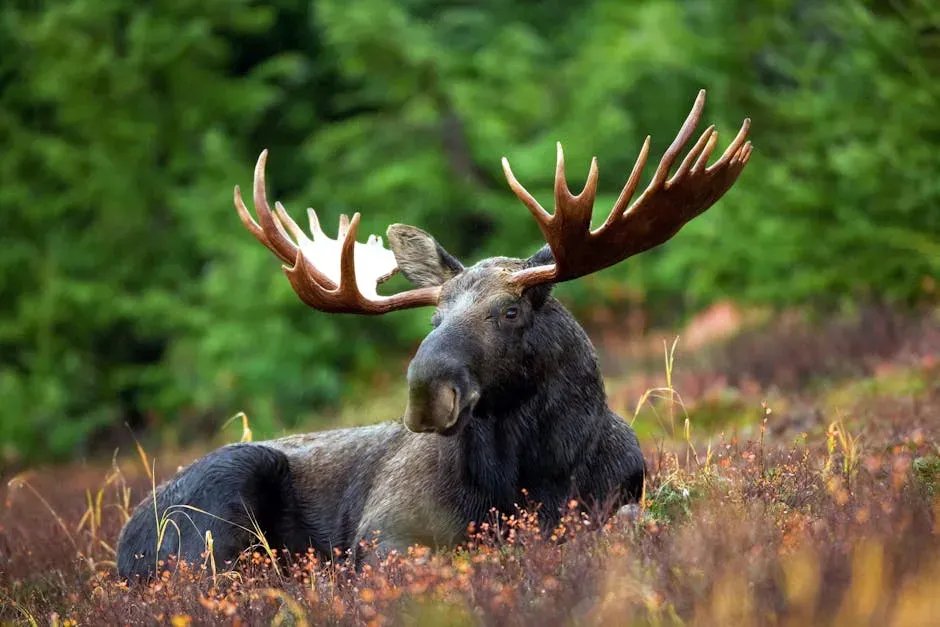
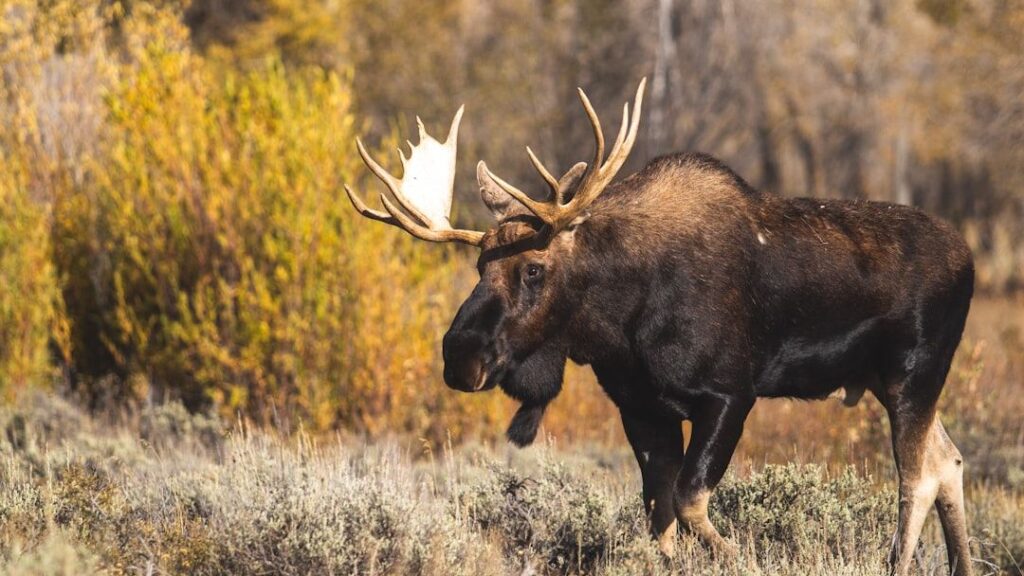
Before you can react wisely, you need a realistic picture of what you are dealing with. A full-grown bull moose can stand about as tall as a basketball hoop at the shoulder and weigh as much as a small car, and even a cow or a young moose massively outweighs you. That sheer size matters because it changes how collisions, kicks, and charges play out; if a moose hits you, you are not “wrestling with wildlife,” you are getting hit by living, moving heavy equipment.
On top of that, moose are built for their environment, not for you. Those long legs that look clumsy in photos let them move quickly over deep snow and marshy ground, and they can cover distance much faster than you think, especially at a short sprint. When you keep that in mind, it becomes obvious why you cannot outrun a moose or “stand your ground” like you might have heard with other animals. Respecting their power is the foundation of every smart move you will make next.
Learn The Typical Places You Are Most Likely To See A Moose
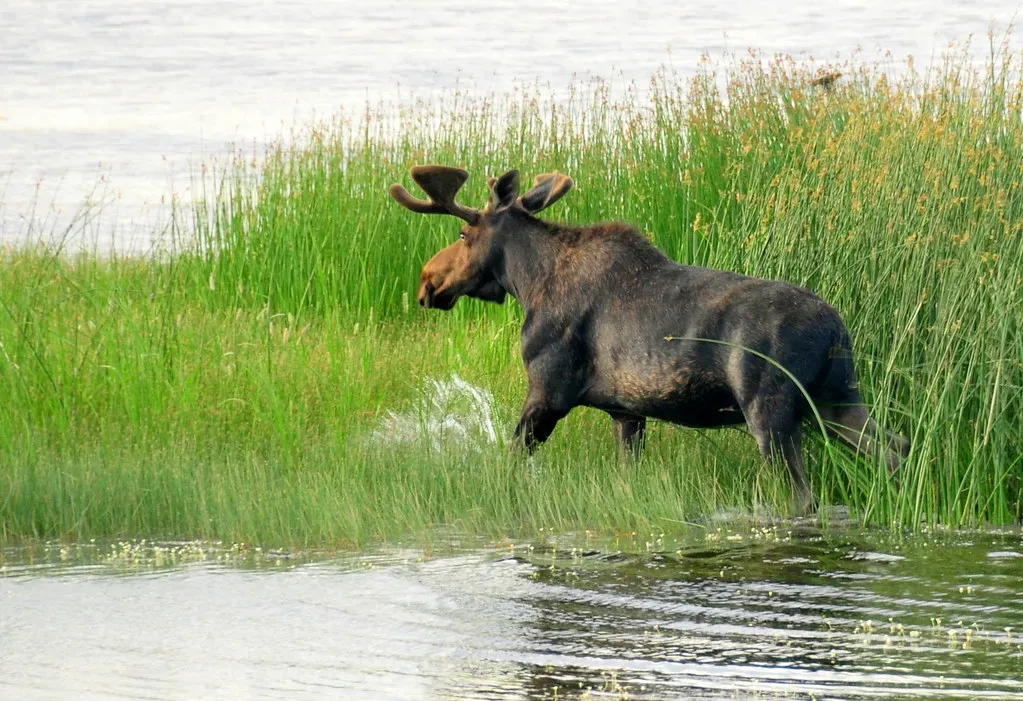
You are more likely to handle an encounter well if you expect it in the first place. Moose favor cooler climates and tend to hang out near wetlands, lakes, rivers, and boggy low spots where they can browse on aquatic plants and shrubs. If you are hiking or driving at dawn or dusk through these kinds of areas in regions where moose live – like parts of the northern United States, Canada, or Scandinavia – you should assume a moose could be nearby, even if you do not see one yet.
Season and weather also change the odds. In hot weather, moose often seek shade or water; in winter, they may use packed trails or roads because plowed or packed surfaces are easier than deep snow. That means your favorite groomed ski trail or quiet backroad can double as a moose highway. When you know you are in moose country, you slow down when driving, you keep your eyes scanning ahead on trails, and you stay extra alert around blind corners, thick brush, and any place with fresh tracks or droppings.
Spot The Early Signs That A Moose Is Around
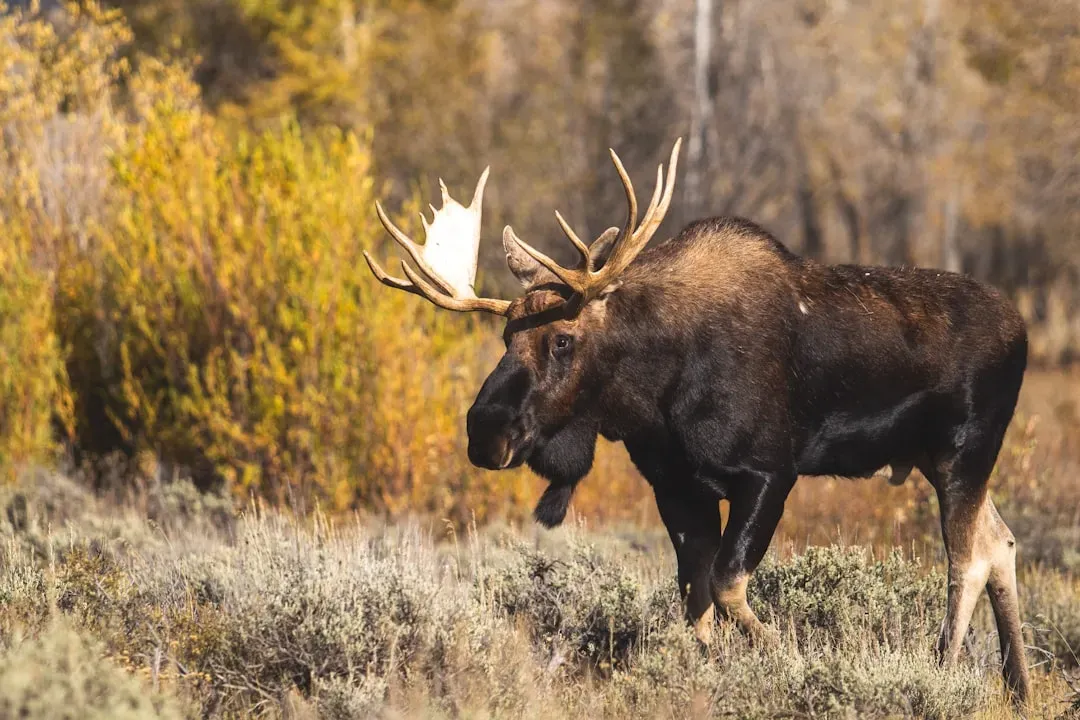
Often, you get clues before you get the full moose. You might notice tracks that look like oversized deer prints, large and heart‑shaped, or piles of droppings that resemble large oval pellets. Stripped branches at about your chest or head height can also signal that a moose has been browsing there recently. If you start to see these signs repeatedly, you should mentally switch into “moose mode,” moving more slowly and looking ahead more carefully.
Your ears and nose can help too. In calm conditions, you might hear heavy steps, splashing in shallow water, or branches snapping in a way that does not match a small animal or bird. In some damp, marshy areas, you can even get a musky, barnyard‑like smell if a moose has been hanging around. You do not need to obsess over every crack of a twig, but if several signs line up, you treat the area as active moose territory, which means being ready to stop, back off, or change your route.
Keep A Safe Distance And Use Your Body Position Wisely
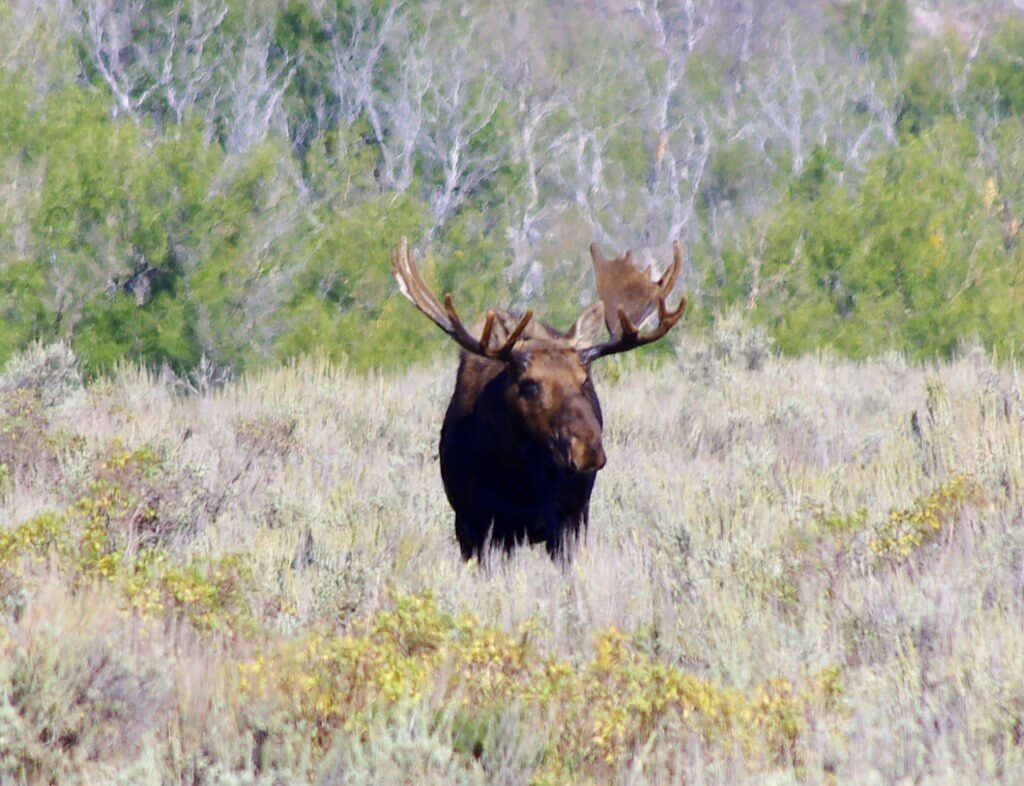
When you finally see the animal itself, distance is your best safety tool. As a rule of thumb, you want to stay far enough away that the moose clearly notices you but does not change its behavior in a tense way; if it keeps calmly feeding or looking around, you are probably far enough. If you can count individual hairs or see the whites of its eyes, you are too close. In practice, this usually means staying well beyond the range where you would take a casual phone photo and zooming in instead of stepping closer.
Your body language matters too. You want to face the moose enough to keep it in view, but you avoid staring it down or making sudden movements. Turn your body slightly sideways to appear less threatening, speak quietly if you say anything at all, and start putting slow, steady steps between you and the animal. If you are on a trail and the moose is blocking the way, the safest move is usually to retreat the way you came, even if that means changing your plans for the day.
Read The Warning Signs Of An Agitated Or Aggressive Moose
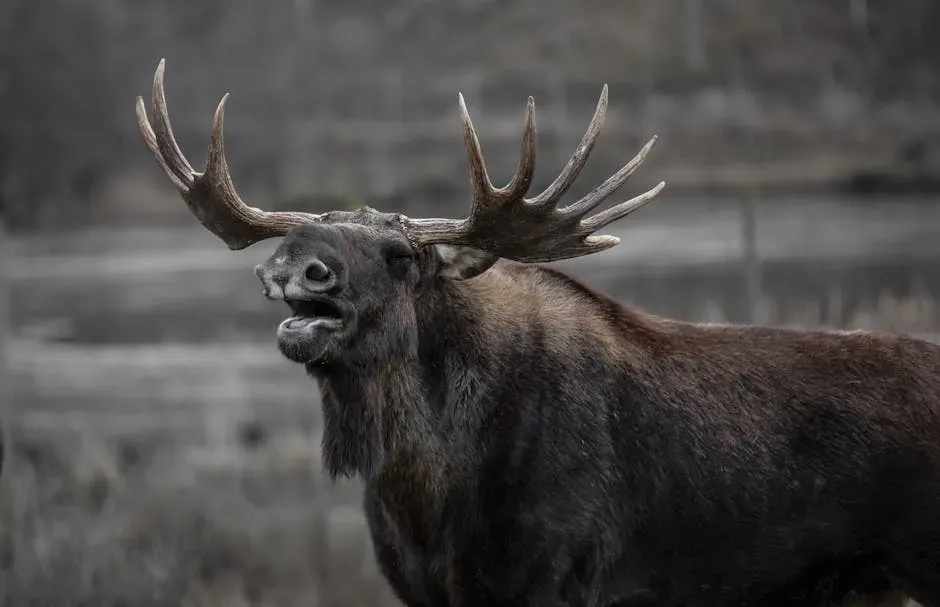
Not every moose you see is angry, but when one is, it will usually tell you with its body language before it charges. If the ears pin back against the head, the long hair on its hump stands up, or it starts licking its lips and tossing its head, you are looking at a stressed or irritated animal. It may also lower its head, walk directly toward you, or sway its head slowly from side to side, all of which are serious warning signs you should take to heart.
Sometimes a moose gives a short mock charge, rushing a few steps and then stopping to see if you move off. The worst thing you can do at that point is stay put or move closer with a camera. If you see any of these signals, you stop trying to observe and switch to getting yourself out of range as calmly and quickly as possible. You do not try to talk it down, lure it with food, or test how close it will let you come; you accept that the moose is in a bad mood and you remove yourself from the situation.
Know Exactly What To Do If A Moose Charges You
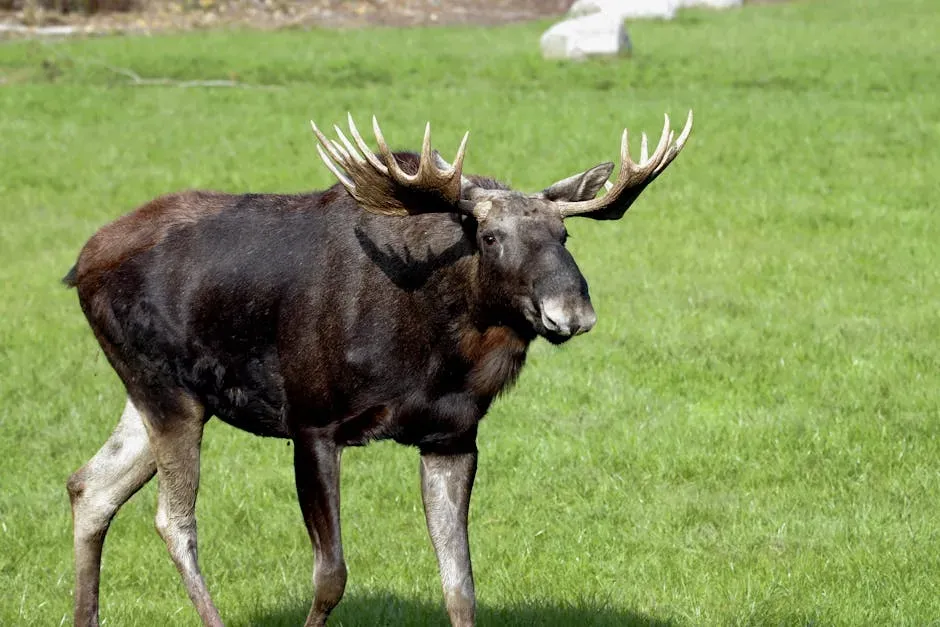
A charging moose is terrifying, and your instincts may scream at you to run in a straight line or freeze, but you need a better plan than panic. Unlike with some predators, with moose you are allowed to run if it closes the distance, because they are not chasing you as prey, they are trying to drive you away. If you have room, you put solid objects – trees, boulders, even a parked car – between you and the animal, using them like pillars on an obstacle course.
If the moose closes in and you cannot stay upright, your goal shifts to protecting your vital areas. You curl into a ball, cover your head and neck with your arms, and try to shield your torso as much as possible. Moose often strike with their hooves, stomping at what they see as a threat on the ground, and movement can trigger more strikes. Staying curled up and as still as you can until the moose moves off gives you the best chance of getting away with bruises instead of something far worse.
Handle Dogs, Kids, And Groups So You Do Not Trigger A Moose
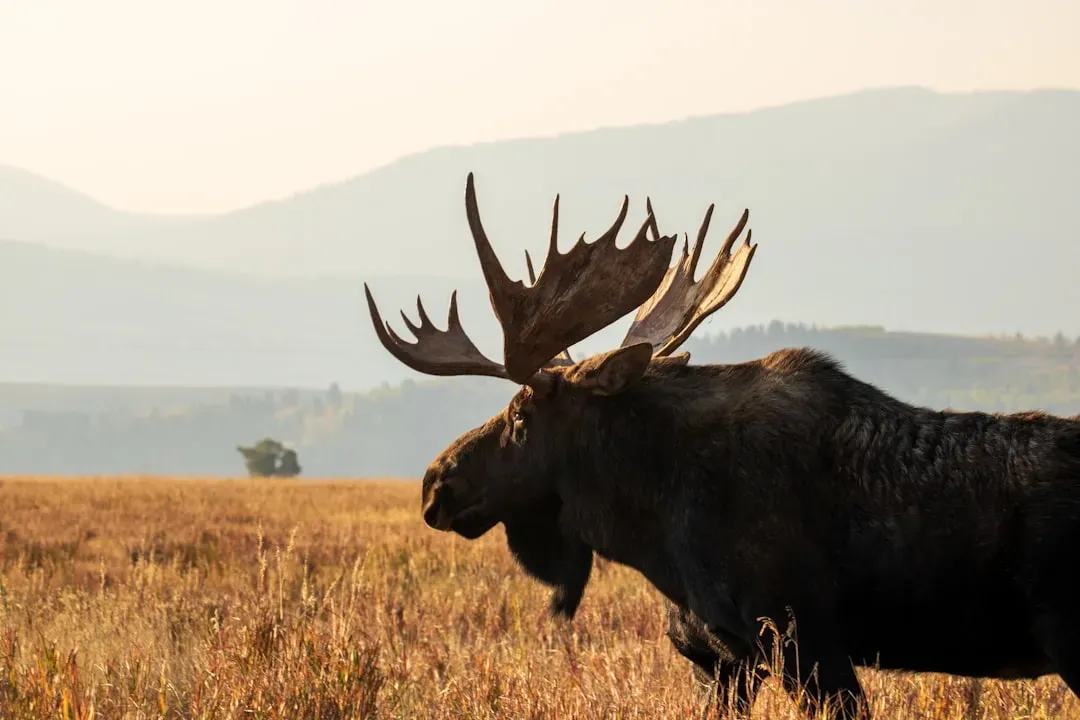
Even a relaxed moose can flip into defensive mode if something in your group feels like a predator. Dogs are the biggest problem; to a moose, a barking, lunging dog looks uncomfortably similar to a wolf. If you are in moose country, you keep your dog leashed and under tight control, and if you see a moose, you shorten that leash, keep the dog quiet if possible, and be ready to turn around and leave. Letting a dog harass or chase a moose is dangerous for you, the animal, and the dog itself.
With kids and larger groups, your job is to keep everyone calm and coordinated. You speak in a low, steady voice, you instruct people not to run in all directions, and you move away together as a group rather than scattering. If someone in your party is fascinated and wants a closer look, you gently but firmly shut that idea down and remind them that the wildlife is not a photo prop. When you treat the moose with respect and keep your group orderly, you dramatically lower the odds of an encounter turning ugly.
Adjust Your Behavior In Different Seasons And Situations
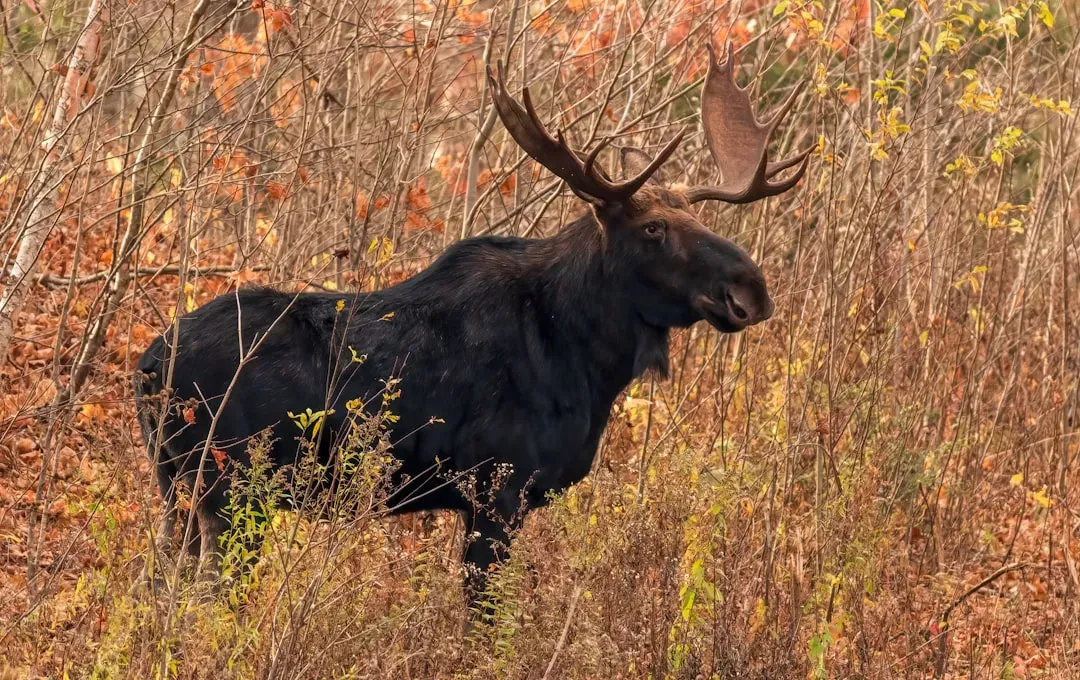
A moose in spring is not the same as a moose in fall, and you should adapt to that. In late spring and early summer, cows with calves are especially defensive; they read anything approaching as a possible threat to their young. If you see a calf alone, you do not go anywhere near it or try to “help,” because the mother is almost always close and may charge if she thinks you are taking her baby. Giving moose with calves an extra-wide buffer is one of the simplest ways to stay safe.
During autumn, bulls can be more aggressive while they are in rut, driven by hormones and competition with other males. In winter, moose dealing with deep snow, scarce food, and cold may already be stressed, and they sometimes use roads and packed trails because they are exhausted from plowing through drifts. In all of these cases, your basic rules stay the same – keep your distance, watch for warning signs, back off early – but you lean even more toward caution because the moose’s stress level is already higher than usual.
Drive Carefully In Moose Country To Avoid Collisions
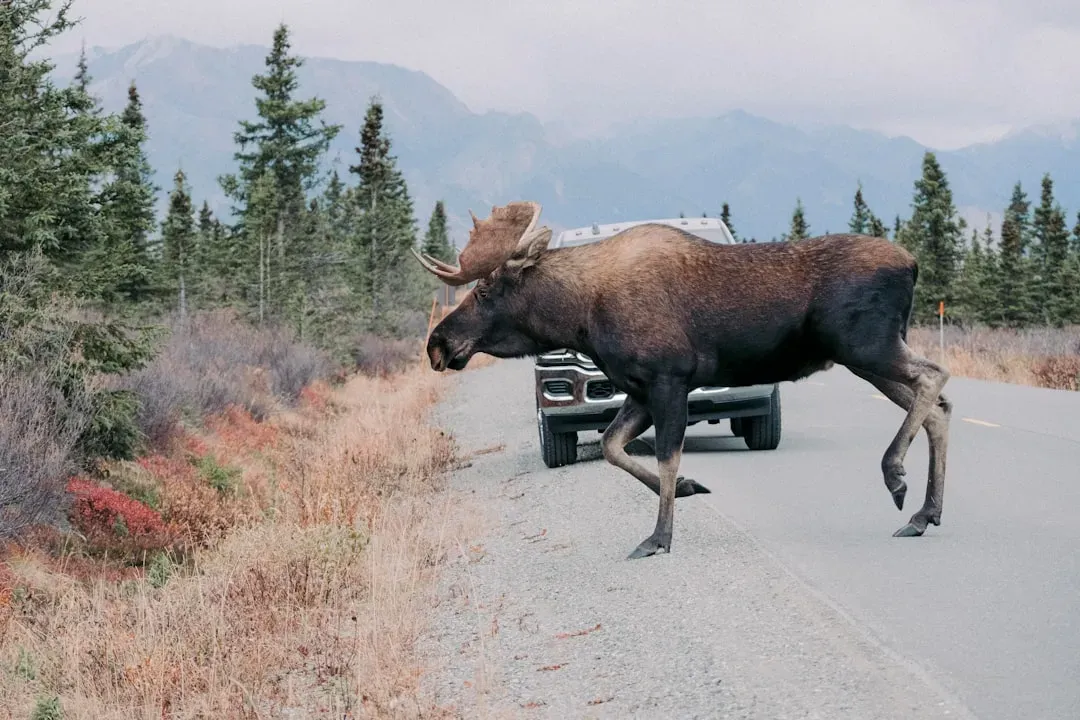
Not every encounter happens on a trail; sometimes it is your car meeting a moose on a dark road, and that can be just as deadly. Moose are tall enough that, in a collision, their body often comes through the windshield rather than just hitting the front of the car, which makes these crashes especially severe. To lower your risk, you slow down in posted wildlife zones, especially at dawn and dusk, and you treat roadside vegetation, dips, and curves as hiding spots where a moose might suddenly appear.
Your headlights and attention are your main defenses. When you see a moose near the road, you brake firmly while staying in your lane and give it plenty of time to move off; you do not assume it will act like a deer and bolt away quickly. If you spot one, you also scan for others, because moose are not always alone. When conditions are bad – fog, snow, heavy rain – you ease back on speed and give yourself more time to react, accepting that arriving a few minutes later is a small price to pay for avoiding several hundred kilograms of animal through your windshield.
Respect Moose As Wild Neighbors, Not Tourist Attractions
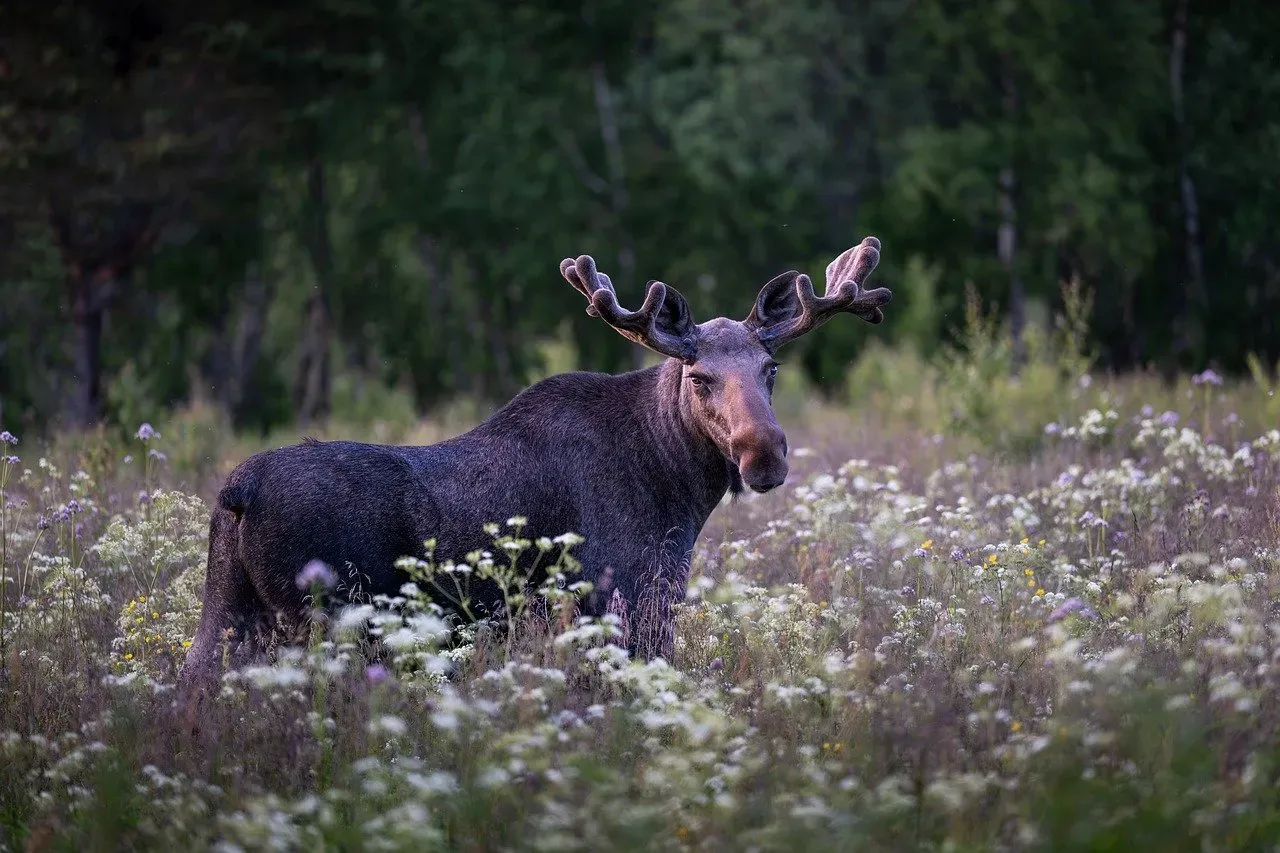
In the end, dealing safely with moose in the wild comes down to a mindset: you see them as powerful, unpredictable neighbors, not as fuzzy characters in a nature show that owe you a perfect photo. When you remind yourself that this is their home and you are the visitor, it becomes much easier to accept turning around on a trail, backing away without a picture, or skipping that selfie that would have put you a few steps closer. You are trading a small moment of disappointment for a big gain in safety – for you and for the moose.
You also carry your choices home with you. When you tell friends or family about your encounter, you can frame it as a story about how wild and impressive the animal was, and how giving it space felt like the right thing, instead of bragging about getting dangerously close. Over time, that kind of attitude helps keep moose more tolerant of people and reduces the number of conflicts. The next time you step onto a trail in moose country, you are not just another hiker; you are someone who knows how to share the landscape with a giant and walk away with a good story instead of a close call. Did you expect so much of your safety to come down to a few calm, thoughtful steps?