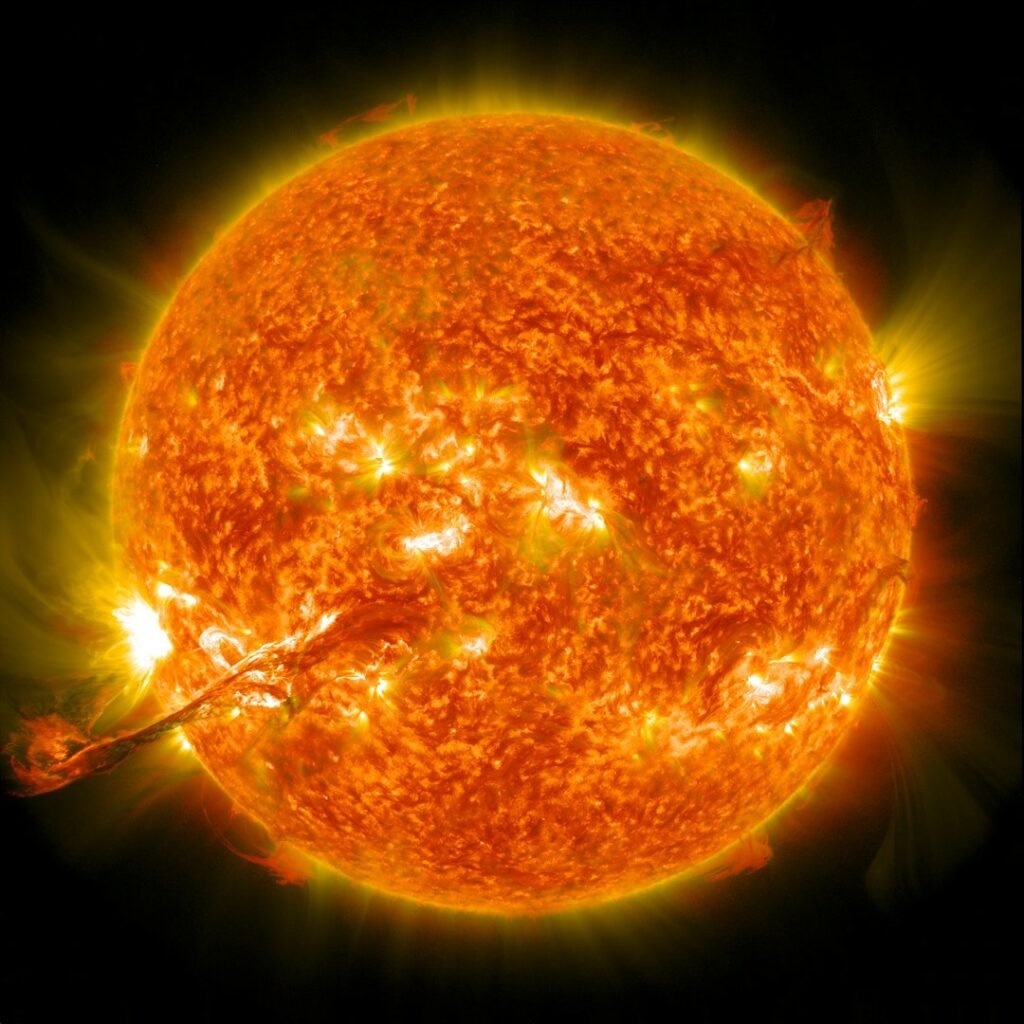

Over the past stretch of weeks, the Sun has been busy – snapping off bursts of energy that light up space like flashbulbs and rattle the invisible weather that surrounds our planet. For satellite operators, pilots, and grid managers, these flares are not distant curiosities but practical problems that arrive at the speed of light. The mystery is why some flares barely dent our communications while others ripple through the magnetosphere and leave a mark on Earth’s systems. Solar physicists are racing to decode the clues hidden in each eruption, turning raw light into forecasts that buy precious hours. The question shaping the field now is simple and urgent: what do these recent fireworks tell us about tomorrow’s risks?
The Hidden Clues
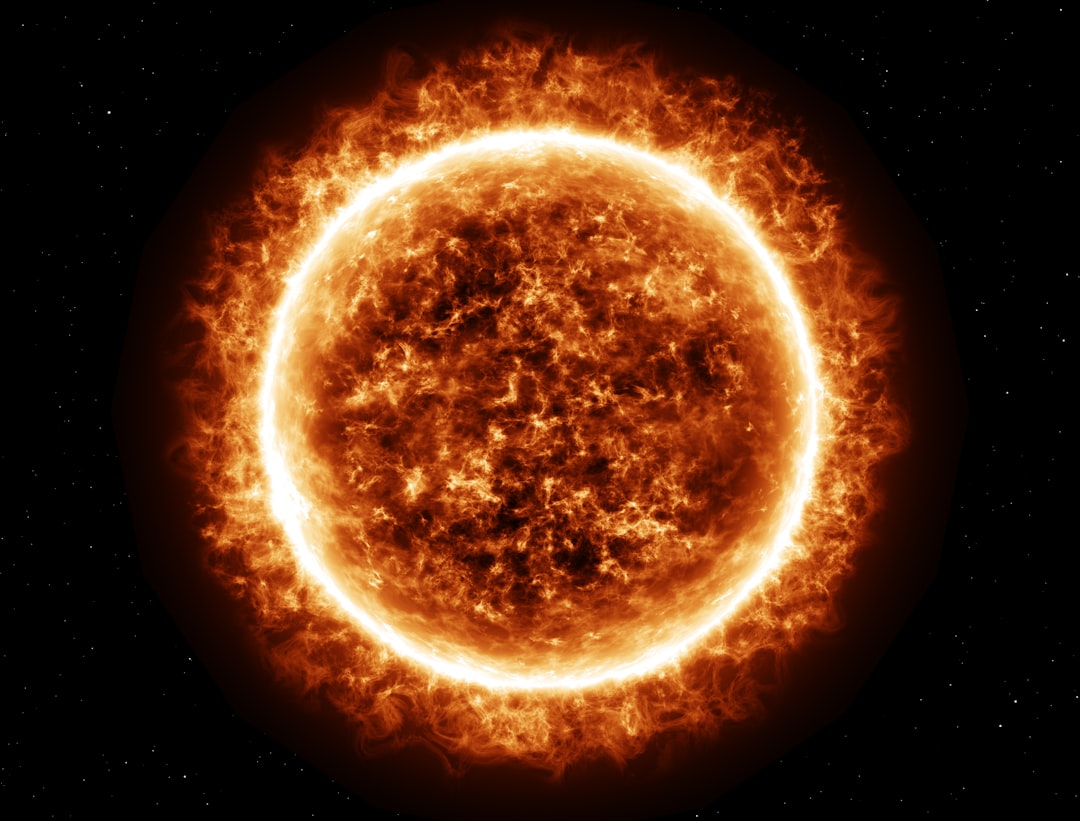
What if a burst of light 93 million miles away could silently redirect a plane, scramble GPS, or tug at a power grid? That’s the stakes when a solar flare erupts, and the first hints arrive as X‑rays and extreme ultraviolet light that spike in minutes. In those wavelengths, scientists watch flare ribbons crawl across the Sun’s surface like neon seams, mapping where magnetic energy is being unleashed.
Magnetograms reveal the deeper story: snarled fields in active regions twist like rubber bands about to snap, and the most tangled zones tend to produce the fiercest flares. Spectral fingerprints show which layers of the solar atmosphere are heating fastest, offering clues about whether a blast will hurl a coronal mass ejection or stay confined. Together, those clues turn a dazzling show into a diagnostic, the way a doctor reads an EKG to predict the next heartbeat.
From Ancient Tools to Modern Science

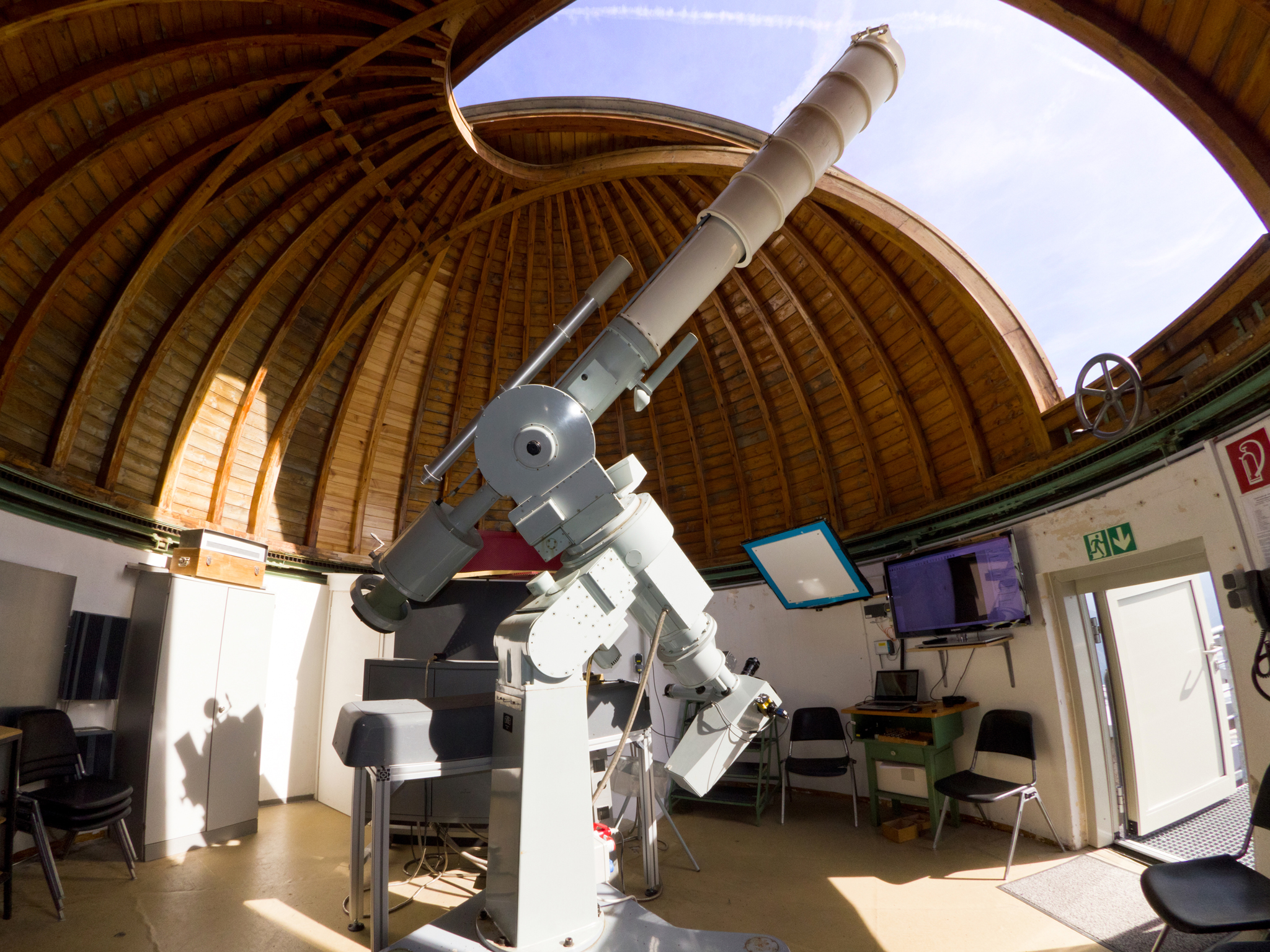
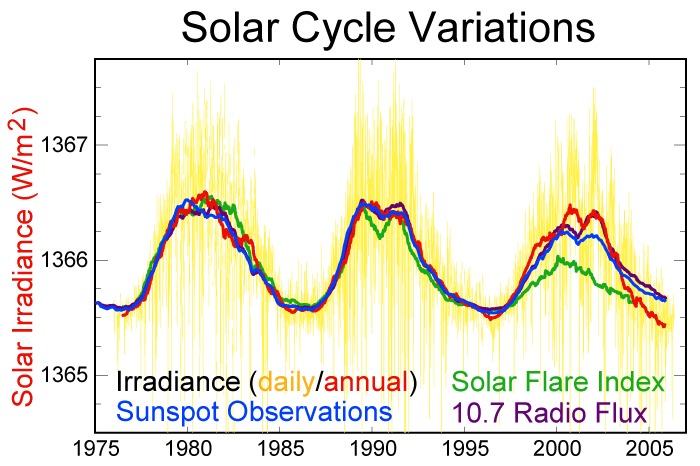
Humanity’s space‑weather obsession began with simple spot counts, sketched at the eyepiece and tallied by hand. Those counts taught us that the Sun runs in cycles, swelling toward a stormy peak and then calming again, a rhythm that underpins every modern forecast. Today, fleets of spacecraft track the same dance from ultraviolet to radio, and ground observatories add magnetic detail that orbiting eyes can’t see.
Helioseismology now listens to the Sun’s interior the way geologists listen to Earth’s, teasing out flows that feed active regions before they break the surface. Pair that with high‑cadence imagery, and researchers can watch a region grow restless in real time, like a pot that’s about to boil.
Inside a Flare: What Actually Erupts

At the core is magnetic reconnection – field lines snap and rejoin, converting stored magnetic stress into heat and particle acceleration. The flare’s flash is the fast part, a flood of X‑rays that can disturb radio on the sunlit side of Earth almost instantly. Sometimes a flare comes with a slower punch: a coronal mass ejection that barrels outward and can unsettle our magnetosphere days later.
Particles ride the shock front and stream down magnetic highways toward Earth, where they can charge spacecraft surfaces and degrade electronics. The choreography matters because a brilliant flare without a well‑aimed ejection may be dramatic yet harmless, while a moderate‑looking event with the right geometry can trigger a geomagnetic storm. Decoding that choreography, event by event, is how forecasting moves from spectacle to strategy.
Why It Matters
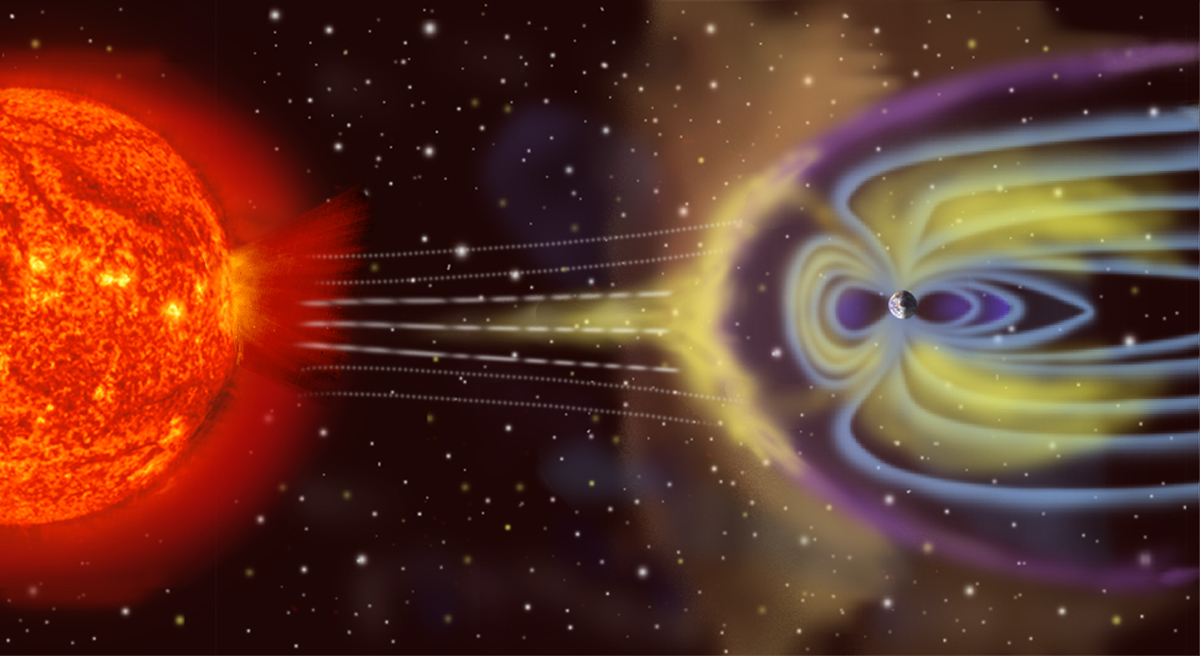
Space weather used to sound niche, but our lives now lean on technologies that depend on a stable electromagnetic environment. Navigation signals can bend, fade, or glitch during solar disturbances, nudging precision farming, logistics, and timing networks off course at the worst moments. High‑frequency radio used by transpolar flights can fade, forcing reroutes that burn extra fuel and time.
Power grids feel the strain when geomagnetically induced currents creep into long transmission lines and transformers, adding heat and wear. I think about it whenever I see aurora headlines – pretty lights overhead can coincide with quiet drama inside control rooms and satellite operations centers. The takeaway is blunt: when the Sun gets loud, modern infrastructure needs earplugs and a plan.
Reading the Sun in Real Time
Forecasters blend physics‑based models with machine‑learning systems trained on decades of flare and storm data. Magnetogram evolution, shear angles, sunspot complexity, and prior activity each add a slice of probability, and ensemble models turn those slices into odds of radio blackouts, radiation storms, or geomagnetic disturbances. The goal is a few hours’ warning for flares and a day or more for ejections, enough to switch satellites into safe modes and adjust grid configurations.
On the operations floor, the watch never stops: solar images refresh every few minutes, coronagraphs chase outward‑flying clouds, and solar wind monitors upstream of Earth provide the final nowcast. When those sensors show a southward‑pointing magnetic field in the incoming wind, operators know to brace, because that orientation couples efficiently with Earth’s field. Real‑time data is the difference between surprise and strategy.
Global Perspectives
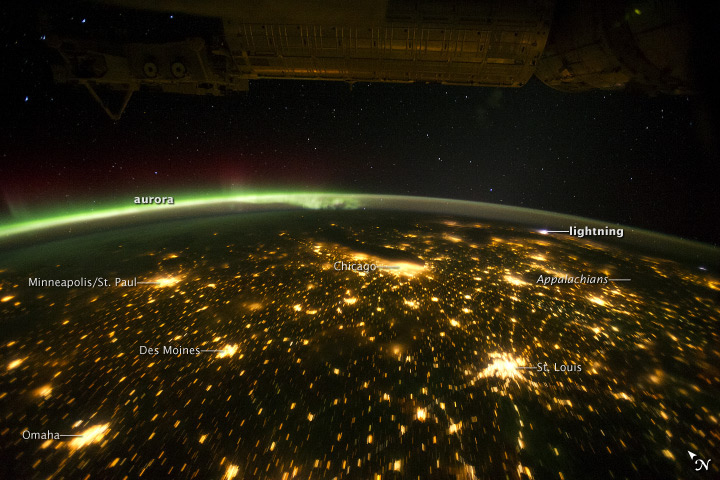
Not every country experiences the same risks, and not every operator has the same tools. High‑latitude grids and long east‑west transmission lines tend to face larger geomagnetic currents, while equatorial regions often grapple more with ionospheric disruptions that rattle radio and navigation. Aviation hubs in the far north build contingency routes, and polar research stations plan communications around the Sun’s moods.
There’s also an equity story: smaller nations with growing satellite use and expanding grids may lack robust monitoring or hardened infrastructure. When I watched a rare aurora from my backyard, it struck me that the sightline was global – the beauty traveled, but so did the risk. A resilient future will require shared data, shared practice drills, and shared investment.
The Future Landscape
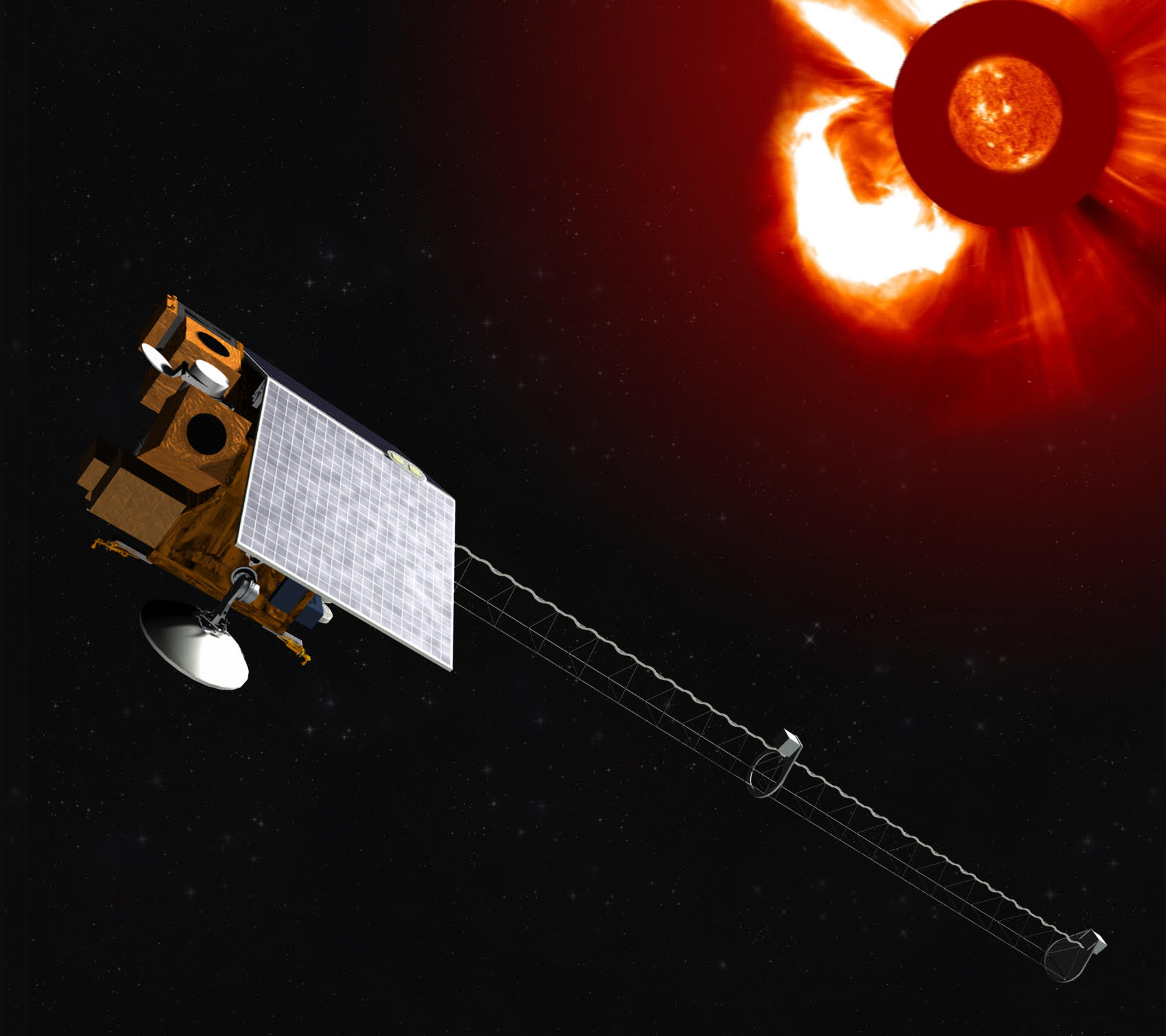
New spacecraft positioned both upstream of Earth and off to the Sun’s side promise earlier warnings and better 3D views of ejections as they launch. Instruments are getting faster and smarter, capturing the first split seconds of reconnection where the physics decides whether an event stays small or snowballs. Onboard autonomy can let satellites protect themselves when warning times shrink to minutes.
Power systems are evolving too, with transformers designed to tolerate quasi‑DC currents and grid models that forecast hot spots before they form. The toughest challenge is the rare, severe storm that arrives maybe once in a generation – too infrequent for instinct, too consequential to ignore. Building for that tail risk is where policy, engineering, and science must meet.
From Data Deluge to Decisions
The irony of modern space weather is that we’re drowning in images yet thirsty for certainty. Petabytes pour in daily, but decision makers want a single answer: stand down or stand by. That’s pushing forecasters to translate probabilities into actions, the way coastal communities treat hurricane cones as specific moves, not abstract maps.
Better verification metrics – did the model call the timing, magnitude, and orientation right – help trim false alarms without missing the big ones. And feedback loops from airlines, grid operators, and satellite fleets feed the next round of models, closing the gap between laboratory skill and operational value. In short, less dashboard, more decisions.
What to Watch Next
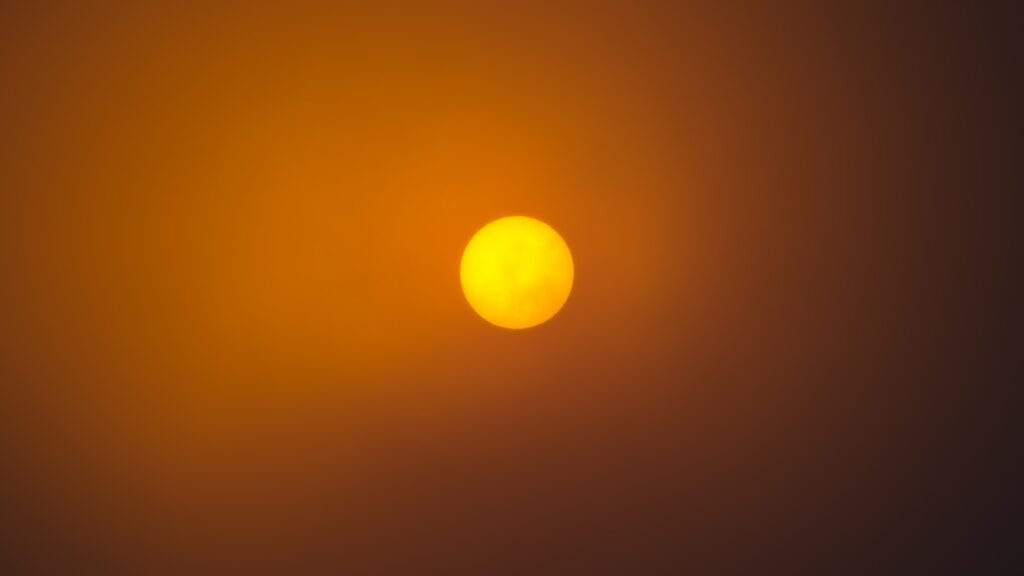
Solar Cycle 25 is approaching its stormy crest, and heightened flare rates are likely to ebb only gradually. Expect more days when radio fades on the sunlit side and more nights when auroras stray from the poles. The pattern may feel chaotic, but the science is turning that noise into signal faster than ever.
Keep an eye on multipoint solar monitors, improved coronagraphs, and novel ionospheric sensors that map disruptions over entire continents in real time. If those systems knit together, forecasts could shift from regional warnings to personalized impact guidance, the way weather apps now tell you when the rain will start on your block. That’s the leap from awareness to adaptation.
Conclusion

You don’t need a dish on your roof to take space weather seriously; a few simple habits help. Follow official space‑weather alerts, and if you run equipment that depends on clean timing or navigation, build in a manual fallback. Small businesses that use precision GPS can keep a paper map or offline coordinates ready for those rare but real glitchy hours.
If you work in utilities, aviation, or satellite services, push for drills that treat severe storms like any other emergency scenario. And for the rest of us, investing in science literacy and supporting observatories translates directly into sturdier infrastructure and fewer surprises. The Sun will keep telling its story – are we ready to listen?
Suhail Ahmed is a passionate digital professional and nature enthusiast with over 8 years of experience in content strategy, SEO, web development, and digital operations. Alongside his freelance journey, Suhail actively contributes to nature and wildlife platforms like Discover Wildlife, where he channels his curiosity for the planet into engaging, educational storytelling.
With a strong background in managing digital ecosystems — from ecommerce stores and WordPress websites to social media and automation — Suhail merges technical precision with creative insight. His content reflects a rare balance: SEO-friendly yet deeply human, data-informed yet emotionally resonant.
Driven by a love for discovery and storytelling, Suhail believes in using digital platforms to amplify causes that matter — especially those protecting Earth’s biodiversity and inspiring sustainable living. Whether he’s managing online projects or crafting wildlife content, his goal remains the same: to inform, inspire, and leave a positive digital footprint.