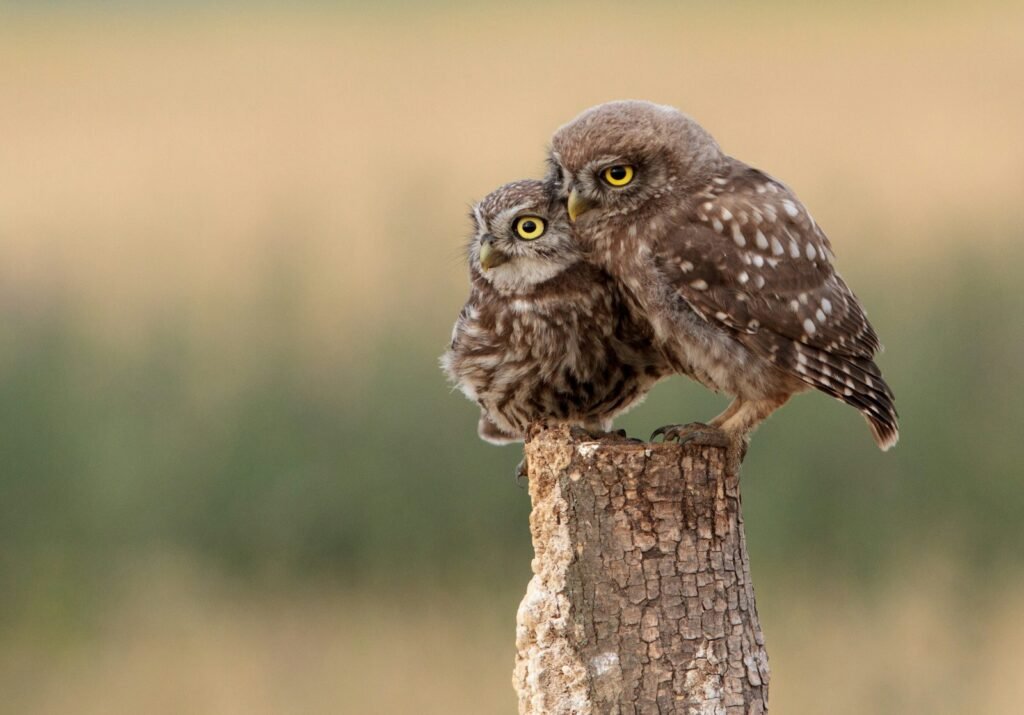

Across the North American night sky, owls glide like rumors with wings, carrying layers of meaning that span generations, languages, and landscapes. For many Native American nations, these birds are not just animals but powerful totems that sit at the intersection of life, death, knowledge, and warning. Today, as owls struggle against habitat loss, climate shifts, and noise pollution, their spiritual weight is colliding with a very real ecological crisis. Scientists tracking declining owl populations are now hearing echoes of what tribal elders have said all along: when the owls change, something deeper is shifting. The mystery is no longer whether the owl matters, but whether we are prepared to listen to what this totem animal has been signaling all along.
The Hidden Clues in the Owl’s Silent Flight
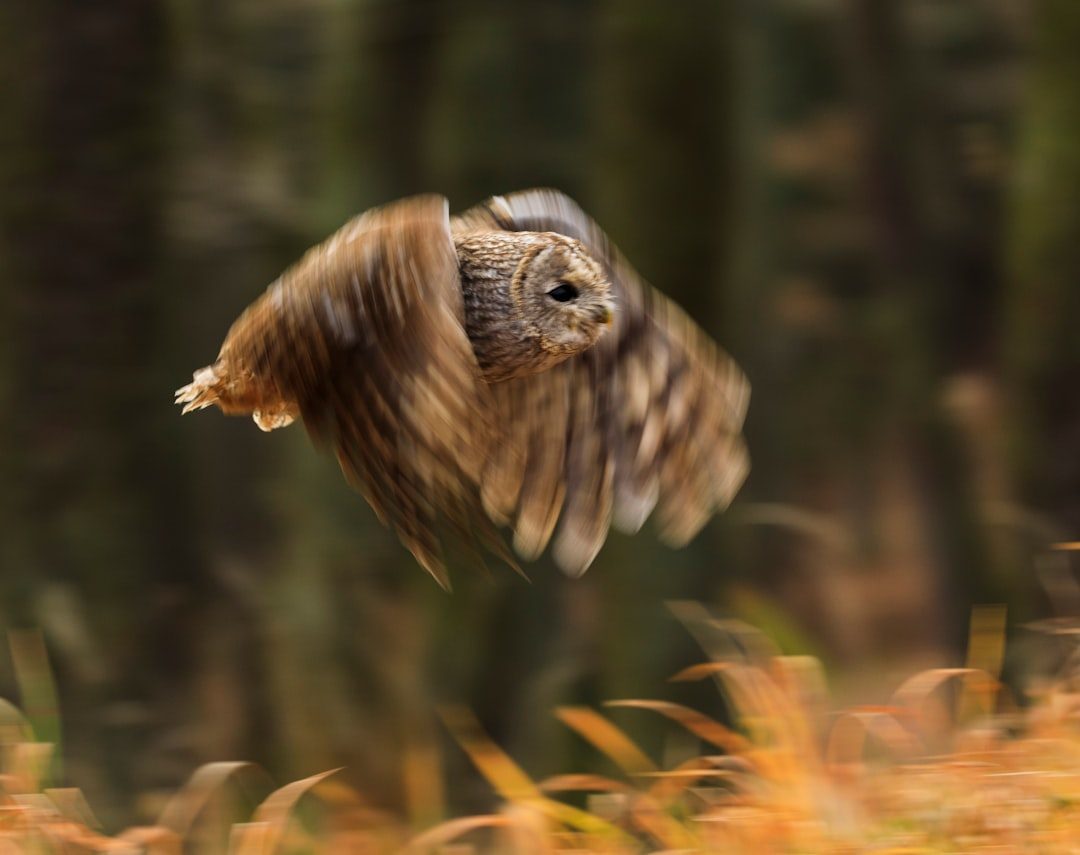
Stand in a pine forest in the Pacific Northwest at night, and you might hear an owl before you ever see it – if you are lucky enough to hear anything at all. Owls are masters of silent flight, thanks to serrated wing feathers and soft plumage that disrupt air turbulence, turning flapping into near-total quiet. For many Native traditions, that silence is not emptiness but presence: a sign that the unseen world is closer than it appears. In cultural stories, this quiet approach often marks the owl as a messenger that arrives without fanfare, carrying warnings, insights, or omens that demand careful attention.
From a biological point of view, that same silence signals something different but equally powerful: a finely tuned predator evolved to hunt in darkness without tipping off its prey. Ecologists now use owl presence or absence as a kind of living readout on local ecosystems, because these birds sit high on the food web and depend on healthy populations of small mammals, insects, and other prey. When owls vanish from a forested canyon or desert edge, it can be one of the first hints that something is off at ground level. In a sense, the owl’s totemic role as a warning sign has always had a scientific counterpart, long before field surveys and acoustic monitors caught up.
Voices of Warning: Death, Change, and the Night
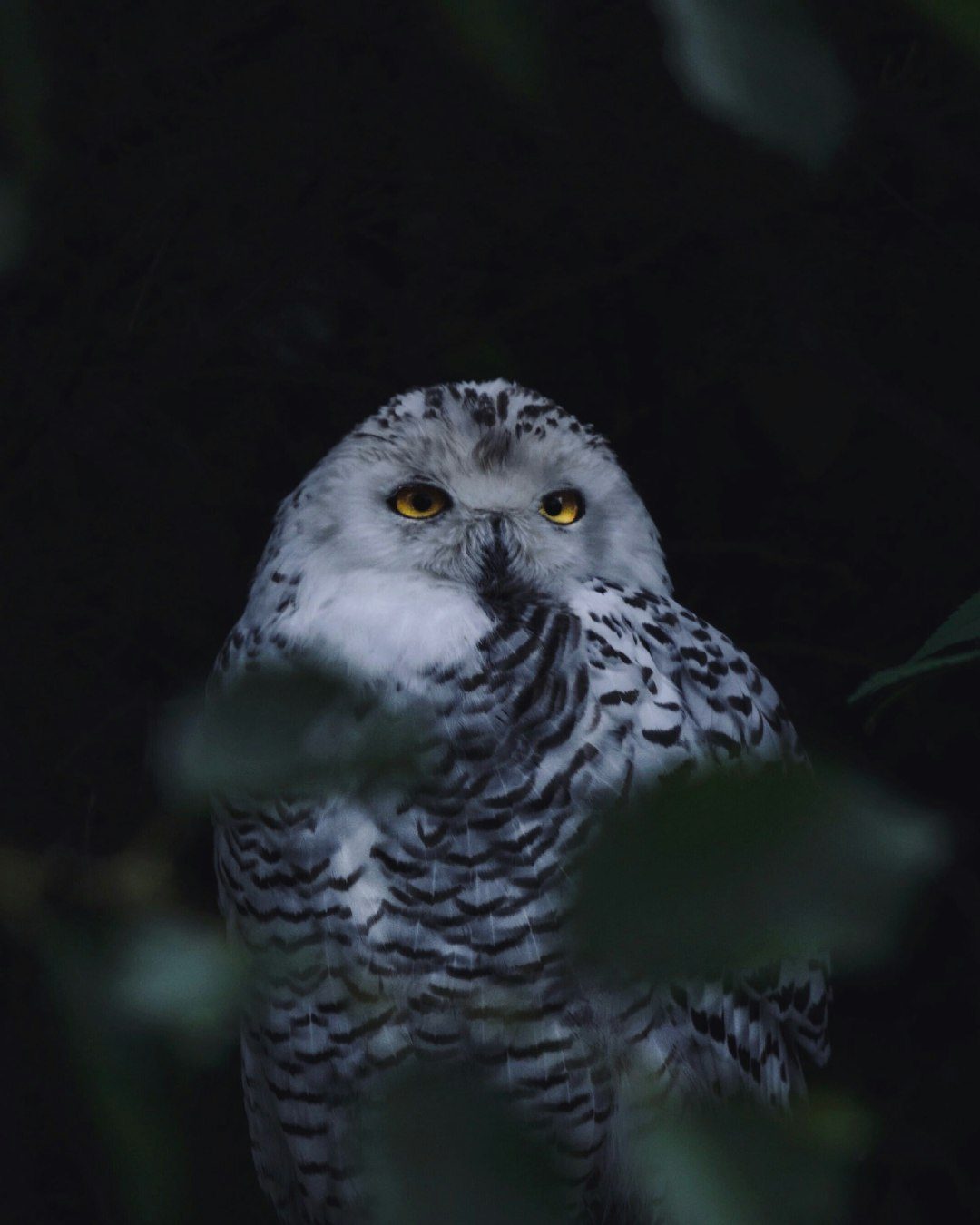
Across Native American cultures, the owl’s reputation often leans toward the ominous, but that story is far more layered than a simple symbol of doom. Among several Plains and Southwestern tribes, owl calls have traditionally been associated with messages from the spirit world, sometimes signaling impending death or serious illness. To an outsider, that might sound like superstition; to people whose families have lived with these stories for generations, it is a warning system intertwined with lived experience. The night, after all, has always been a time when humans are at a sensory disadvantage and more vulnerable to predators, both real and imagined.
Modern psychology offers a parallel explanation: humans are wired to notice patterns that might signal danger, and a sudden, eerie call in the dark will naturally grab the brain’s attention. Yet what is fascinating is how traditional teachings rarely stop at fear; the owl often represents transition rather than simple catastrophe. Death in these narratives is not only an ending, but a passage that connects the living and ancestral worlds, with the owl acting as a guide or herald. The totem meaning, then, frames fear as a doorway into respect, reflection, and sometimes necessary change, which is not so far from how we talk about disruptive scientific findings today.
Regional Totems: From Southwest Deserts to Northern Forests
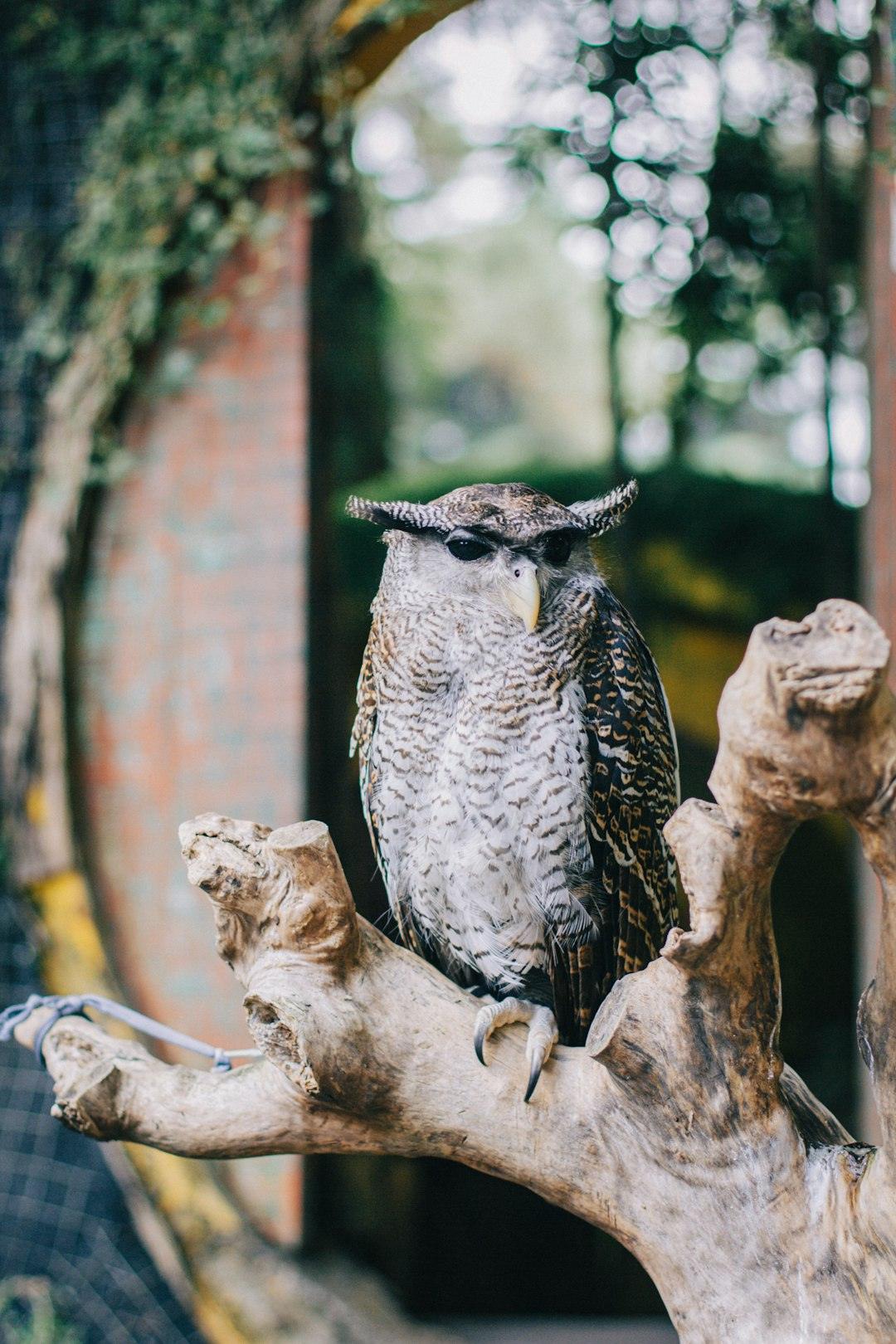
Talk about owls with elders in the Sonoran or Chihuahuan Desert, and you will likely hear about the elf owl or burrowing owl, small birds that haunt cactus stands and dry washes like restless sparks. In these arid landscapes of the American Southwest, owls are often tied to stories about drought, survival, and the thin line between life and death under an open sky. Move north into the forests of the Pacific Northwest or the Great Lakes region, and different species take center stage: great horned owls, barred owls, and – in the Pacific Northwest – northern spotted owls, each carrying its own reputational weight. The meanings may shift slightly from nation to nation and region to region, but the pattern remains: owls are rarely neutral; they are charged, consequential presences.
As a science journalist, I remember sitting in a cedar grove in Washington state with a biologist who casually referred to the spotted owl as both a “cultural flashpoint” and “ecosystem litmus test.” It struck me that this mirrored how many Native communities talk about owls as boundary keepers between worlds. In the Appalachians, screech owls have long been woven into family stories about bad luck and uncanny encounters, even as local birders celebrate them as beloved backyard predators. That tension between affection and unease is part of what makes the owl such a potent totem animal: it forces people to admit that not everything powerful in nature is comforting.
From Ancient Stories to Modern Fieldwork
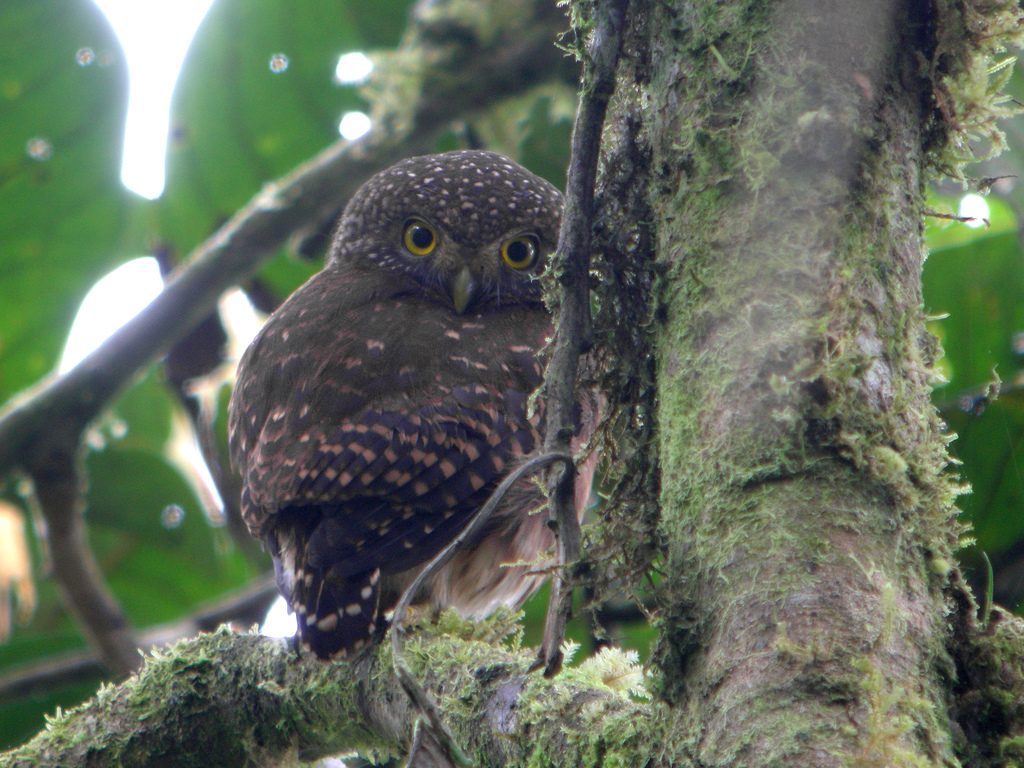
For centuries, Native storytellers have described how owls seem to appear at crucial moments – outside a home before news of a death, above a camp before a dangerous journey, or circling over a battlefield. These accounts frame owls as early-warning beings, attuned to disturbances humans cannot yet see. In recent decades, wildlife scientists, operating from a very different worldview, have used radio tags, GPS tracking, and thermal cameras to show that owls often respond swiftly to changes in habitat, prey abundance, and light pollution. When logging fragments old-growth forest, or when suburban sprawl pushes into grasslands, owl behavior and numbers are among the first to shift.
This creates an unexpected convergence between traditional narratives and modern data. Where elders might say the owl has left because the land is being mistreated, a biologist might point to reduced nesting sites and declining rodent populations. Both are essentially describing the same phenomenon in different languages: when ecosystems are pushed beyond their limits, the totem animal of the night grows scarce or behaves strangely. It is not romanticizing tradition to say that ancient stories captured patterns long before spreadsheets did. Instead, it suggests that treating those stories as a form of ecological memory could make modern fieldwork more insightful and more respectful.
Why It Matters: The Owl as Cultural Compass and Ecological Barometer
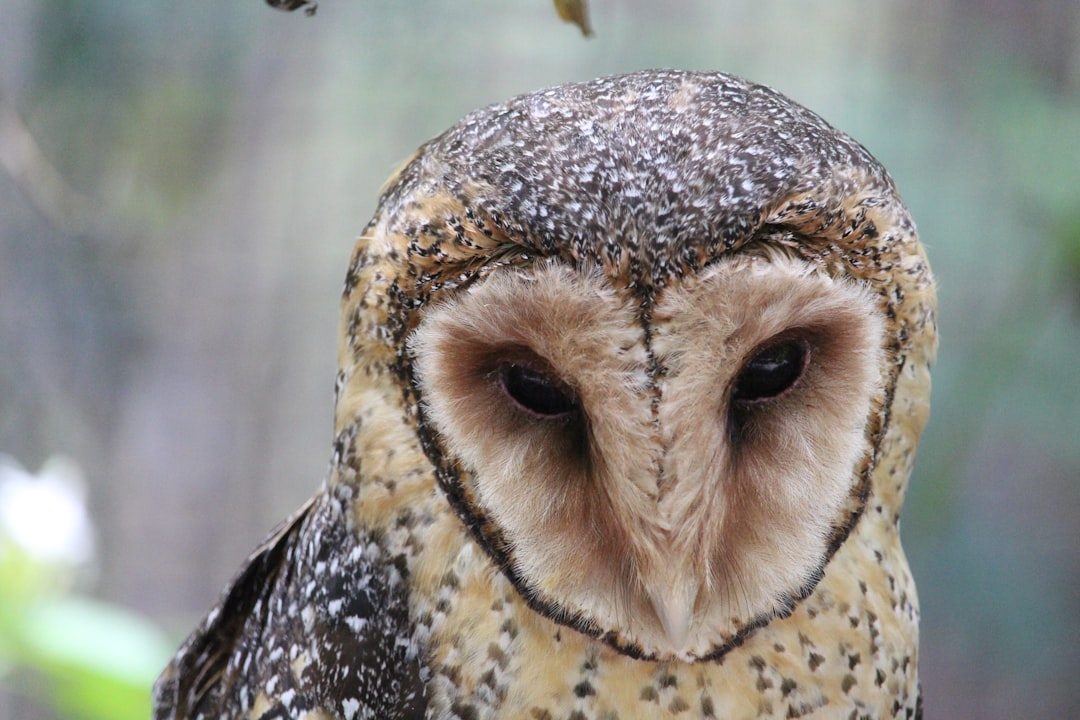
It can be tempting to treat totem meanings as poetic background noise, but ignoring them means missing a powerful guide to how people relate to the land. In many Native communities, owls still influence decisions about where to camp, when to travel, or how to interpret a run of bad luck or illness. From a scientific angle, these beliefs may not be testable in a lab, yet they shape behaviors that directly affect human safety and wildlife encounters. When conservationists plan owl surveys or habitat protections without listening to these cultural frameworks, they risk not only disrespect but practical failure.
Consider the way environmental assessments often rely on raw numbers: nest counts, call frequencies, prey biomass. These metrics are crucial, but they are not the whole picture. Traditional teachings add another layer, describing what it means for a community when owls go quiet or suddenly become more visible near homes and roads. If a totem animal is understood as a messenger of imbalance, then its decline is more than a data point; it is a moral alarm. That moral dimension could be a missing accelerant in public support for protecting habitats that owls and humans share.
Science Meets Story: Bridging Knowledge Systems
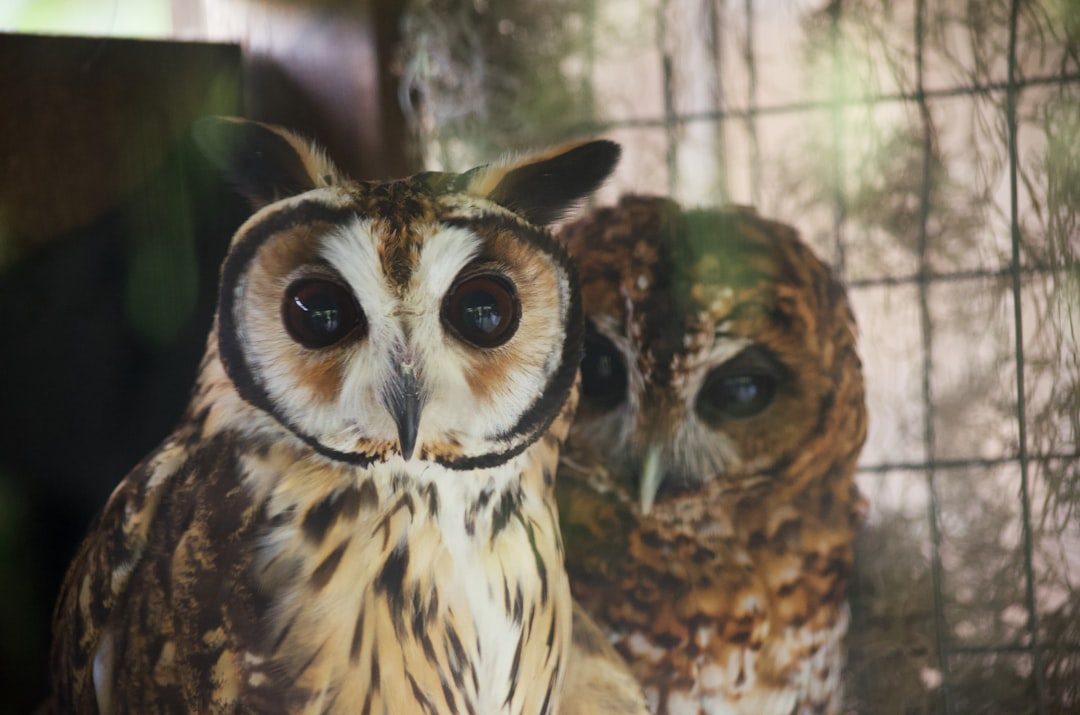
Across the United States, there is a slowly growing movement to bring Indigenous knowledge and Western science into honest conversation, and owl research is one of the places where this feels especially urgent. Tribal wildlife departments in the Northwest and Southwest are increasingly collaborating with universities and federal agencies to monitor owl populations on and near reservation lands. Field teams might combine acoustic monitoring – lists of hoots, screeches, and trills recorded through the night – with community reports of unusual owl behavior. In some cases, elders help identify call types or seasonal patterns that had been overlooked in earlier studies.
For a long time, scientific institutions treated traditional stories as interesting folklore rather than actionable information, but that stance is starting to crack. When an elder says owls no longer nest where they did in their childhood, that memory maps onto a time series that predates most modern data sets. In a world where climate baselines are shifting faster than field budgets can keep up, that kind of long-term, place-based knowledge becomes invaluable. The totem meaning of the owl – as a keeper of hidden knowledge – lands differently when biologists realize how much of that knowledge has been sitting outside their usual channels. Bridging these systems is less about courtesy and more about building a fuller, more accurate picture of change.
The Future Landscape: Light, Noise, Climate, and Sacred Space
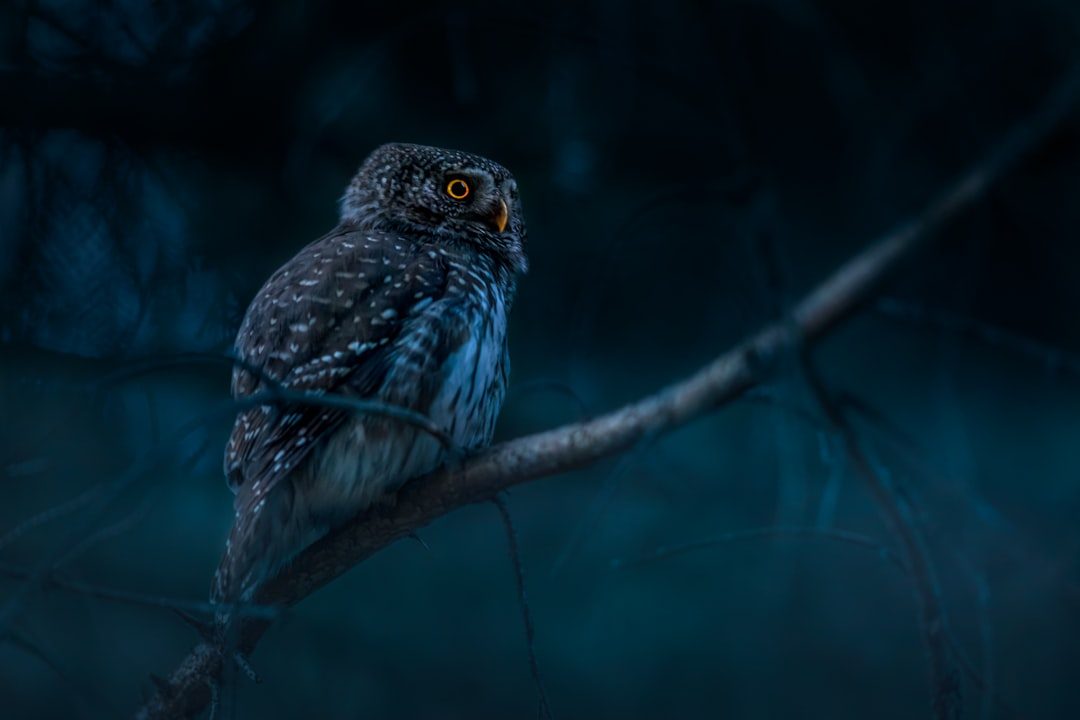
Looking ahead, the owl’s role as both spiritual symbol and ecological indicator is running into new kinds of pressure that older stories never had to account for. Artificial light at night is washing out dark skies from Arizona to New England, disrupting nocturnal hunting and confusing migratory pathways. Noise from highways, oil and gas operations, and expanding cities drowns out calls that owls rely on to communicate and stake out territory. Climate change is reshuffling where prey species can live, which in turn pushes owls into new regions or traps them in shrinking habitat islands.
On sacred lands, these pressures are more than technical management problems; they are direct assaults on places where the owl’s totem presence has anchored ceremonies and stories for generations. Yet there are emerging tools that could help: better dark-sky regulations, quieter infrastructure design, and climate-smart forestry that preserves older trees for nesting. Some tribal and nontribal agencies are experimenting with mapping “acoustic sanctuaries” where night soundscapes, including owl calls, are actively protected as cultural and ecological resources. If those efforts succeed, they will not just conserve a charismatic bird; they will help keep living relationships between people, place, and totem animals intact in a rapidly changing century.
How You Can Listen: Everyday Actions and Shared Responsibility

You do not have to be a biologist or a cultural expert to treat the owl with the seriousness that Native traditions have long given it. One of the simplest steps is to pay attention to your local nightscape: reduce outdoor lighting when possible, shield necessary lights downward, and avoid bright white LEDs that scatter harshly into the sky. Supporting land trusts, tribal conservation programs, and local habitat projects that preserve forests, wetlands, and desert scrub helps keep owl hunting grounds intact. Even small choices, like letting a corner of your property grow wilder or advocating for tree preservation in your town, can ripple up the food web to benefit nocturnal predators.
You can also seek out Native-led educational programs, museum exhibits, or public talks that explore the cultural meanings of animals without turning them into novelty. Listening to those perspectives does not require total agreement; it requires curiosity and humility about what counts as knowledge. If you hear an owl tonight, you might think of it as a data point, a story prompt, a warning, or a blessing – or all of those at once. However you interpret it, the key act is to recognize that its presence is not random. In a world that is getting louder and brighter, simply choosing to listen to what moves in the dark is its own quiet form of respect.
Suhail Ahmed is a passionate digital professional and nature enthusiast with over 8 years of experience in content strategy, SEO, web development, and digital operations. Alongside his freelance journey, Suhail actively contributes to nature and wildlife platforms like Discover Wildlife, where he channels his curiosity for the planet into engaging, educational storytelling.
With a strong background in managing digital ecosystems — from ecommerce stores and WordPress websites to social media and automation — Suhail merges technical precision with creative insight. His content reflects a rare balance: SEO-friendly yet deeply human, data-informed yet emotionally resonant.
Driven by a love for discovery and storytelling, Suhail believes in using digital platforms to amplify causes that matter — especially those protecting Earth’s biodiversity and inspiring sustainable living. Whether he’s managing online projects or crafting wildlife content, his goal remains the same: to inform, inspire, and leave a positive digital footprint.