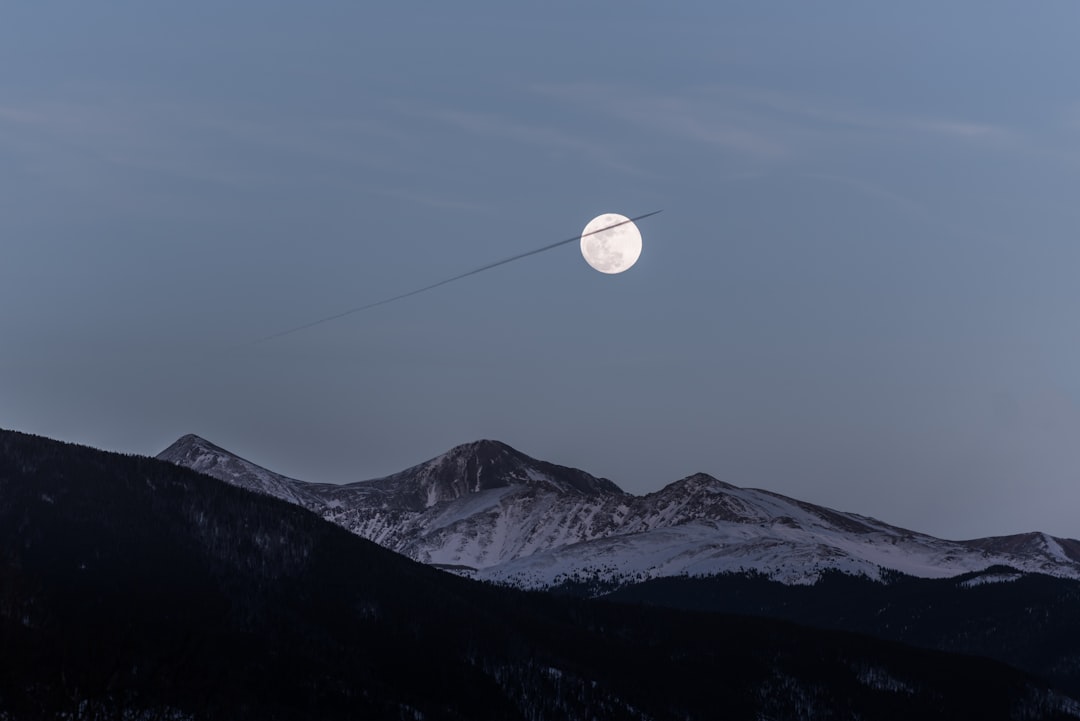
Imagine staring up at the full Moon one clear night, as millions have done for centuries, and realizing that somewhere near its mysterious, shadowy south pole, future generations might be building homes, growing gardens, and even laughing under a different sky. The Moon’s south pole isn’t just another gray, cratered landscape—it’s a place brimming with possibilities, intrigue, and the promise of a new chapter for humanity. For anyone who’s ever wondered where our next giant leap might land, the secrets hidden in those cold, sunlit ridges and eternal shadows could change everything we know about building a life away from Earth.
The Allure of the Moon’s South Pole
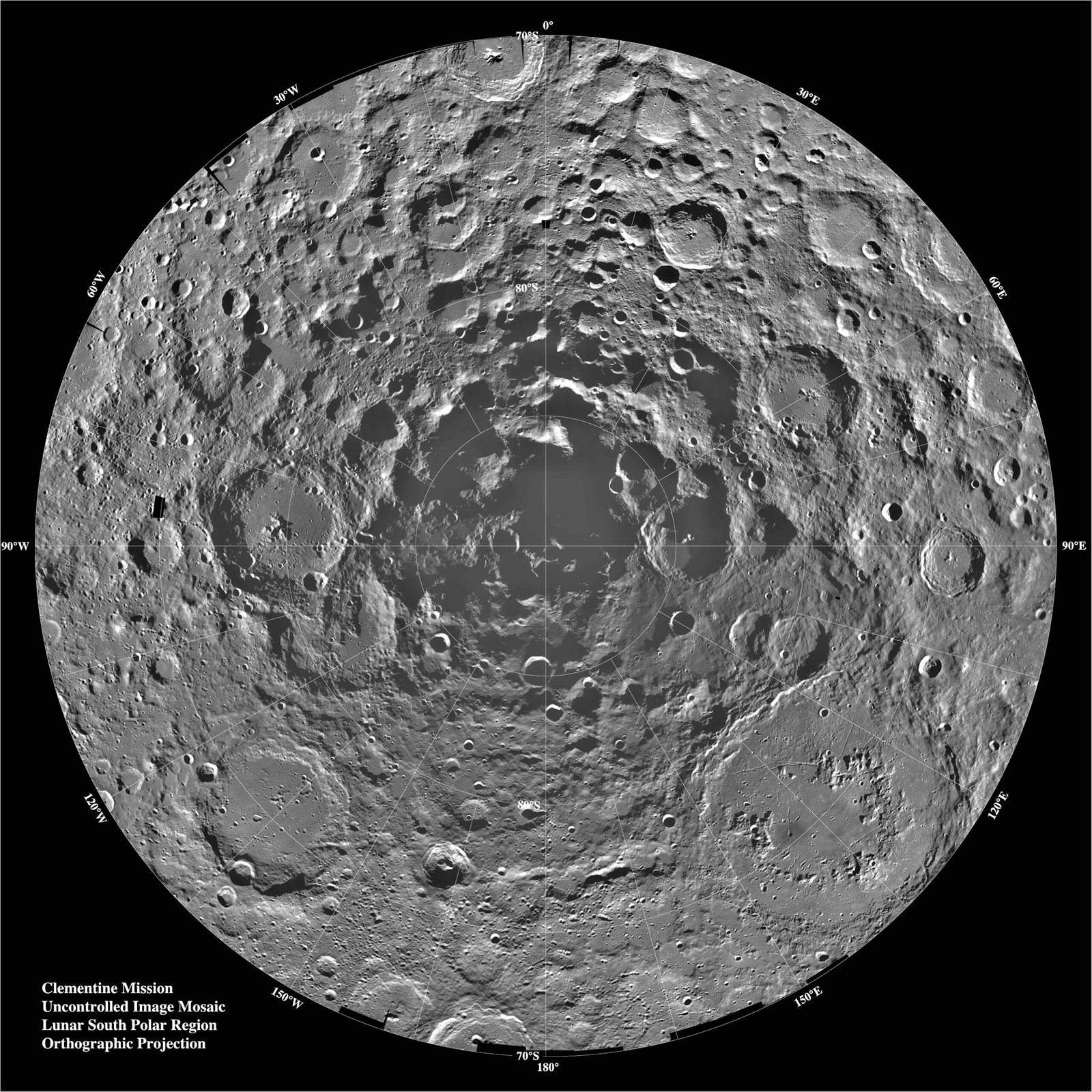
The Moon’s south pole has become the darling of space agencies and scientists across the globe. Unlike the familiar lunar equator, this region holds areas bathed in near-constant sunlight and others in perpetual darkness. The juxtaposition of light and shadow creates a landscape that feels almost otherworldly, even by lunar standards. The south pole is special because it may hold resources critical for life, like water ice locked away in frozen craters. The thought of harnessing these resources isn’t just science fiction anymore—it’s the foundation of plans for future colonies. The excitement buzzing around this region is palpable, and every new discovery only adds fuel to the dream of humans calling the Moon home.
Water Ice: The Game-Changer
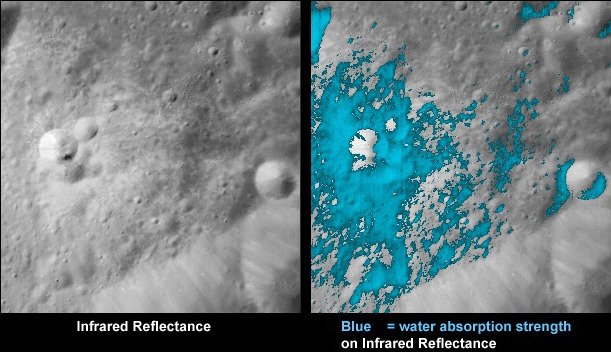
Perhaps the most electrifying discovery about the Moon’s south pole is the presence of water ice. In the permanently shadowed craters, temperatures plunge so low that even sunlight can’t melt the ancient ice trapped there for billions of years. This isn’t just a scientific curiosity—it’s a lifeline. Water can be used for drinking, growing food, and even making breathable oxygen. More astonishingly, it can be split into hydrogen and oxygen to make rocket fuel. The prospect of tapping into these icy reserves could turn the south pole into a refueling station for missions deeper into space. The promise of water has already shifted how we think about living on the Moon, transforming it from a barren wasteland into a place with real, tangible hope.
Endless Daylight: Powering the Future
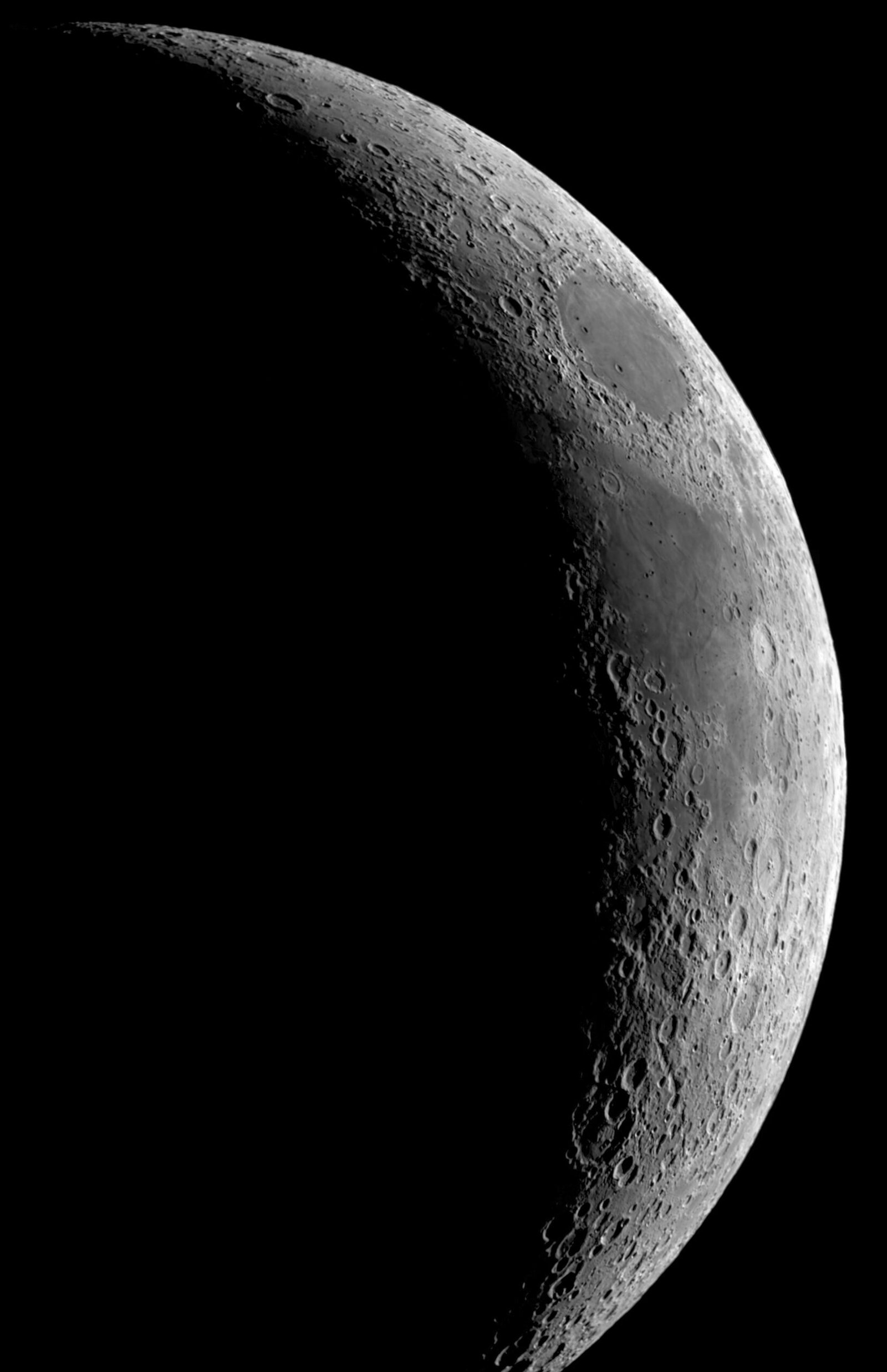
Certain mountain peaks and crater rims at the lunar south pole are bathed in sunlight for up to 80 percent of the year. This near-constant daylight is a stark contrast to the two-week nights endured at other lunar locations. For future colonists, abundant sunlight means reliable solar power—a critical resource for running life-support systems, laboratories, and habitats. Imagine solar panels stretching across a sunlit ridge, quietly soaking up energy to keep everything running smoothly. This endless daylight could mean the difference between thriving and merely surviving, making the south pole a top contender for humanity’s first real settlement beyond Earth.
Temperature Extremes: A Double-Edged Sword

The Moon’s south pole isn’t all sunshine and opportunity; it’s also a land of extremes. While some areas bask in sunlight, others are colder than Pluto. Temperatures in shadowed craters can dip below -230°C (-382°F), creating a frozen world that would challenge even the bravest explorers. Managing these brutal conditions will demand ingenuity and grit from anyone hoping to live there. On the flip side, the sunlit regions offer more stable temperatures compared to other lunar sites. The contrast between light and dark, warmth and cold, adds an extra layer of complexity—and fascination—to the challenge of surviving on the Moon.
Building Habitats in a Hostile World
Constructing safe, comfortable shelters at the south pole will stretch our creativity to its limits. Engineers are already dreaming up habitats that can withstand micrometeorite impacts, cosmic radiation, and wild temperature swings. Some plans feature underground bunkers burrowed into the lunar soil for extra protection, while others imagine inflatable domes covered with regolith. The choice of building materials and designs will be shaped by the harsh environment, the availability of local resources, and the need for long-term sustainability. The south pole could become a proving ground for new architectural ideas that might one day be used on Mars or even further afield.
Harvesting Lunar Resources: In-Situ Resource Utilization
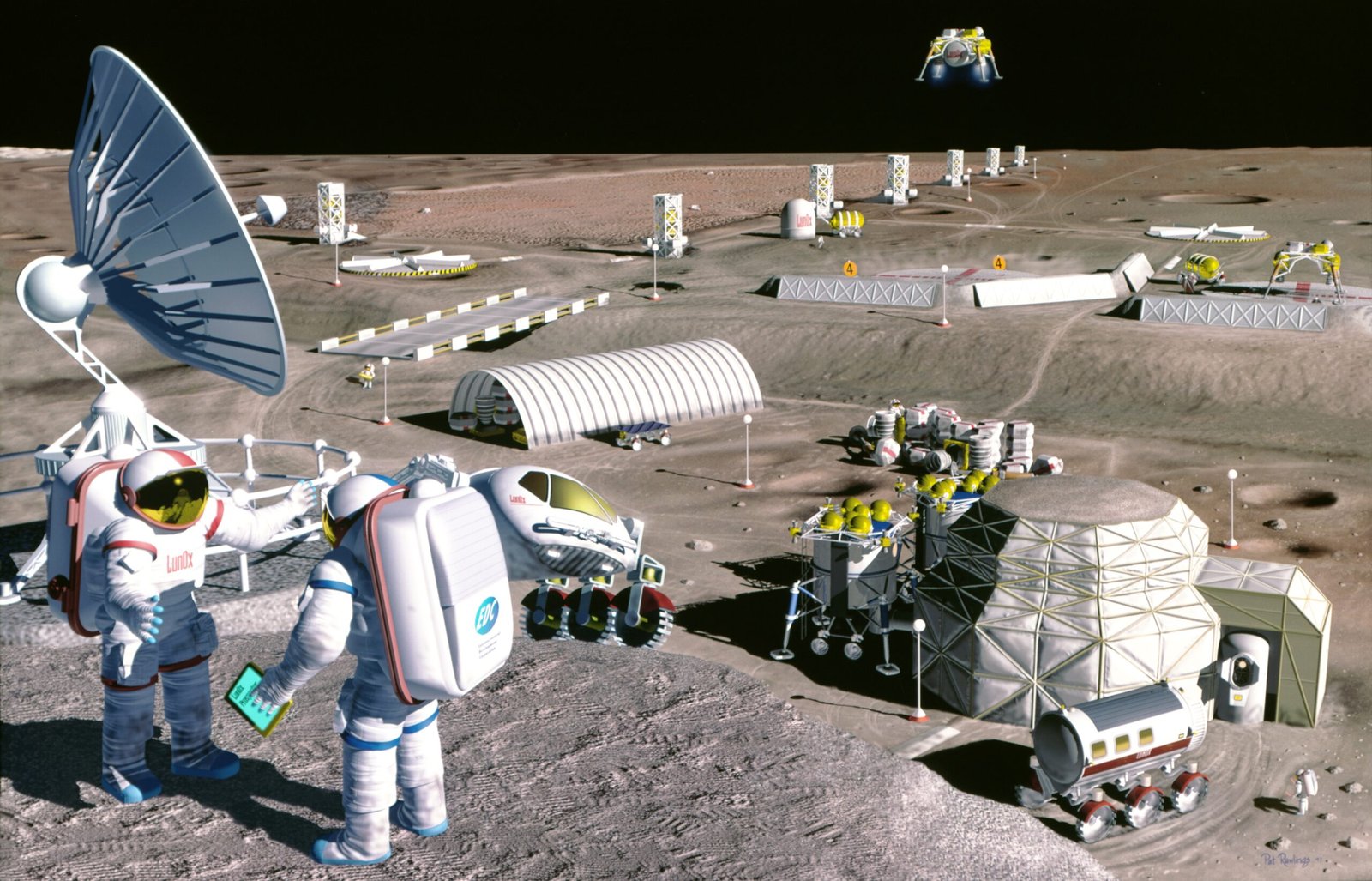
One of the most exciting possibilities for Moon colonists is “in-situ resource utilization”—the idea of using what’s already there instead of hauling everything from Earth. The lunar south pole offers a rare chance to test this concept on a grand scale. Water ice can be mined and purified, lunar soil (regolith) might be turned into bricks or concrete, and certain minerals could be extracted for manufacturing. This resourcefulness is more than just clever—it’s essential for any long-term settlement. Every kilogram not sent from Earth saves money and energy, making the dream of a self-sufficient lunar outpost feel tantalizingly close.
The Challenge of Lunar Dust
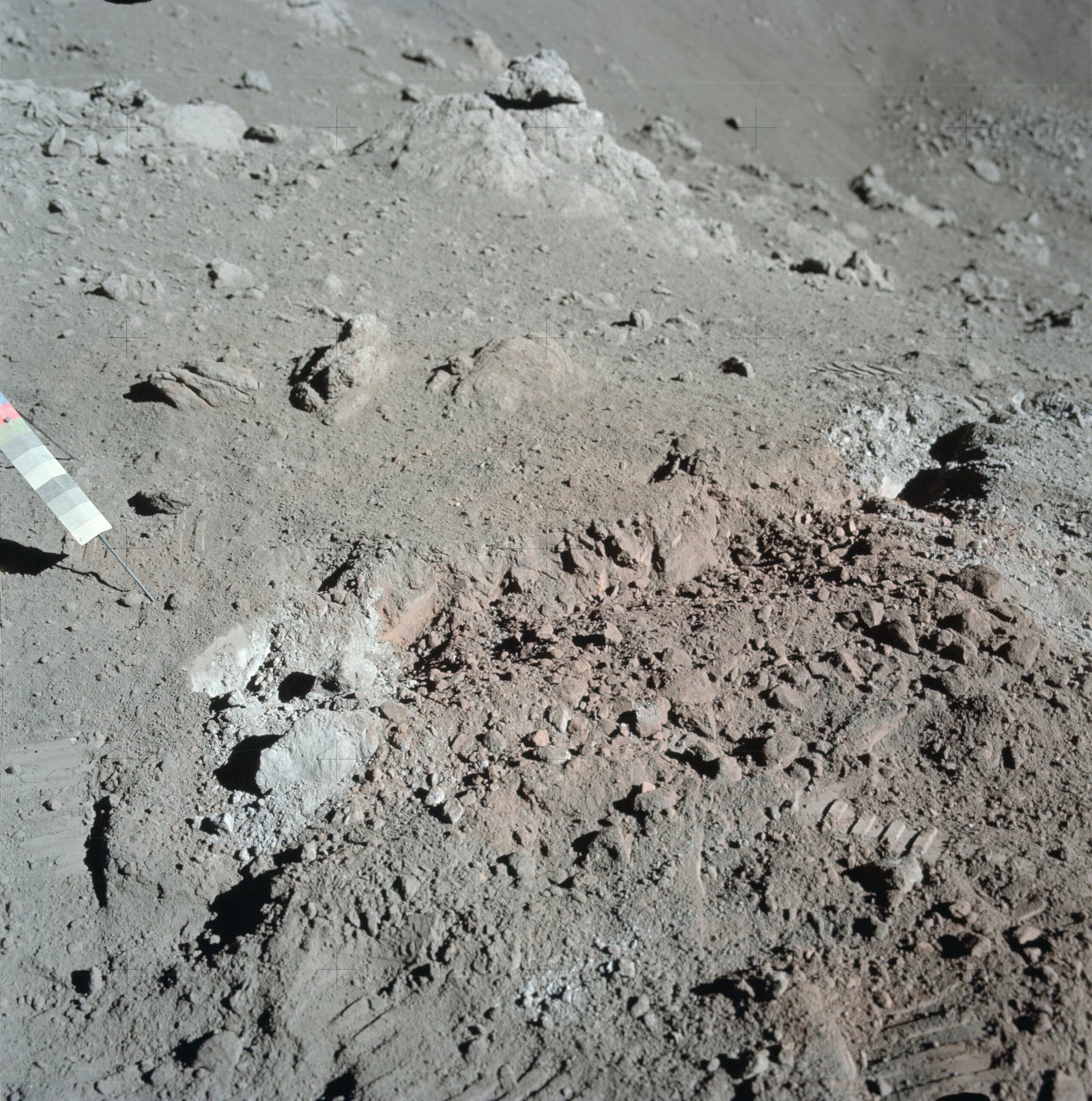
Lunar dust, or regolith, is one of the south pole’s sneakiest hazards. It’s clingy, abrasive, and relentless, sticking to everything and wearing down equipment. During the Apollo missions, astronauts found moon dust getting into their suits, tools, and even their lungs—a gritty reminder that this alien world doesn’t play by Earth’s rules. For future colonists, managing lunar dust will be a daily struggle. Engineers are experimenting with new materials, airlocks, and cleaning techniques to keep habitats and machinery running smoothly. The battle against dust will shape every aspect of life and work at the lunar south pole.
Radiation: The Invisible Threat

Unlike Earth, the Moon has no thick atmosphere or magnetic field to shield it from cosmic rays and solar storms. At the south pole, radiation is a silent, ever-present danger. Long-term exposure could cause serious health problems for future settlers, from cancer to radiation sickness. Colonists will need to build protective habitats, use regolith shielding, and perhaps even develop special suits to minimize their risk. The challenge of radiation isn’t just technical—it’s psychological, too, forcing settlers to rethink how they live, work, and play under an alien sky.
Communication: Staying Connected with Earth
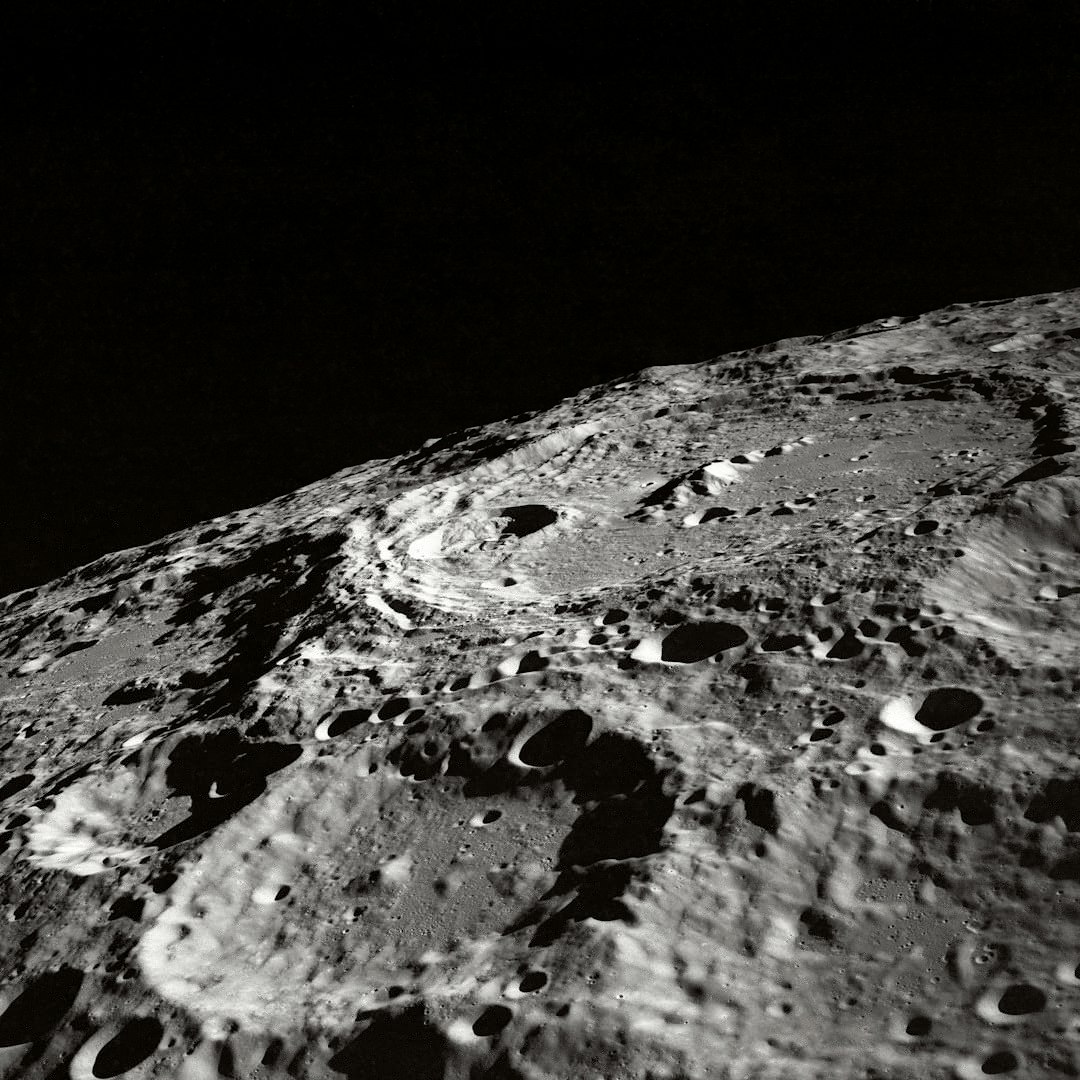
The Moon’s south pole is a long, long way from home—about 384,000 kilometers, to be exact. Reliable communication with Earth is crucial for safety, science, and sanity. However, the rugged terrain can create blind spots for radio signals, especially in deep craters. Engineers are working on networks of satellites and relay stations to keep colonists connected, ensuring they can share discoveries, call for help, and even video chat with loved ones. The ability to communicate quickly and clearly will be a lifeline for anyone venturing into this remote frontier.
Transporting People and Supplies
Getting to the Moon’s south pole isn’t like hopping on a quick flight. Each mission requires careful planning, powerful rockets, and precise landings. The rough, uneven terrain adds an extra layer of risk, making landing and moving around a challenge. Future lunar rovers and landers will need to be tough, nimble, and smart enough to navigate this rugged landscape. Over time, supply chains will evolve, with regular shipments of food, equipment, and maybe even mail from Earth. The journey to the south pole will test our engineering skills and our patience, but it’s the price of opening up a new world.
Cultivating Food in Lunar Soil
Nothing says “home” like a patch of green in the middle of a gray wasteland. Growing food on the Moon’s south pole is more than a dream—it’s a necessity for any long-term colony. Scientists are experimenting with hydroponics, aeroponics, and even lunar greenhouses that use local water and sunlight. Imagine astronauts biting into fresh lettuce grown in a habitat overlooking an ancient crater—it’s a powerful symbol of hope and resilience. Learning to grow food in this harsh environment will teach us lessons for surviving not just on the Moon, but anywhere humans dare to go.
The Role of Robotics and AI
Before humans set foot at the south pole, robots and artificial intelligence will blaze the trail. Rovers can scout landing sites, map the terrain, and even begin mining water ice before the first people arrive. AI systems will help manage habitats, monitor health, and keep everything running smoothly when human hands aren’t available. These digital pioneers will work tirelessly in the extreme cold and darkness, gathering data and preparing the way for human settlers. The partnership between humans and machines will be at the heart of any successful lunar colony.
International Collaboration: A New Space Age
The race to the Moon’s south pole isn’t just a competition—it’s a chance for countries to work together on a scale never seen before. NASA, ESA, Roscosmos, ISRO, and private companies like SpaceX are all eyeing the region, with plans to share data, resources, and even habitats. The spirit of cooperation could turn the south pole into a model for peaceful exploration, showing that humanity can unite for a common goal. Sharing the challenges and rewards of lunar colonization might just be the key to unlocking the next era of space adventure.
Scientific Discoveries Await
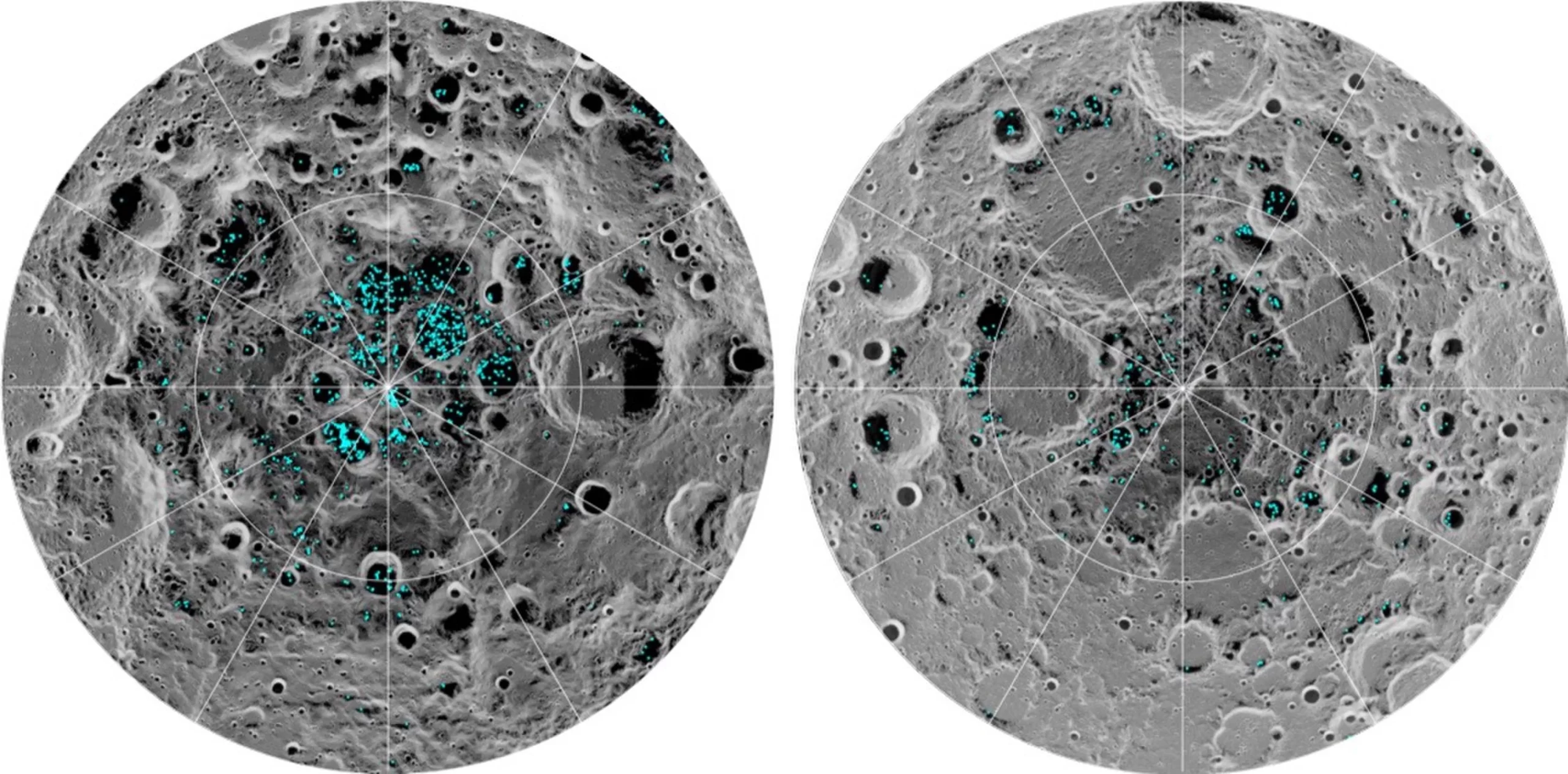
The south pole is not just a stepping stone for colonists—it’s also a treasure chest for scientists. The ancient ice in its craters could contain records of the early solar system, preserved for billions of years. Every rock, crater, and shadow has a story to tell about the Moon’s history and the origins of water in our cosmic neighborhood. Unraveling these mysteries will help us understand not just our own satellite, but the history of Earth and the potential for life elsewhere. The thrill of discovery is part of what makes the south pole so irresistible.
Psychological Challenges of Isolation

Life at the Moon’s south pole will be lonely, strange, and sometimes overwhelming. Colonists will have to cope with isolation, confinement, and the knowledge that help is days away. These psychological challenges are just as real as any technical problem, demanding resilience, teamwork, and creativity. Activities like group meals, games, and virtual reality “windows” back to Earth might help maintain morale. The journey won’t just test our bodies and machines—it will test our minds and spirits, too.
Preparing for Mars and Beyond
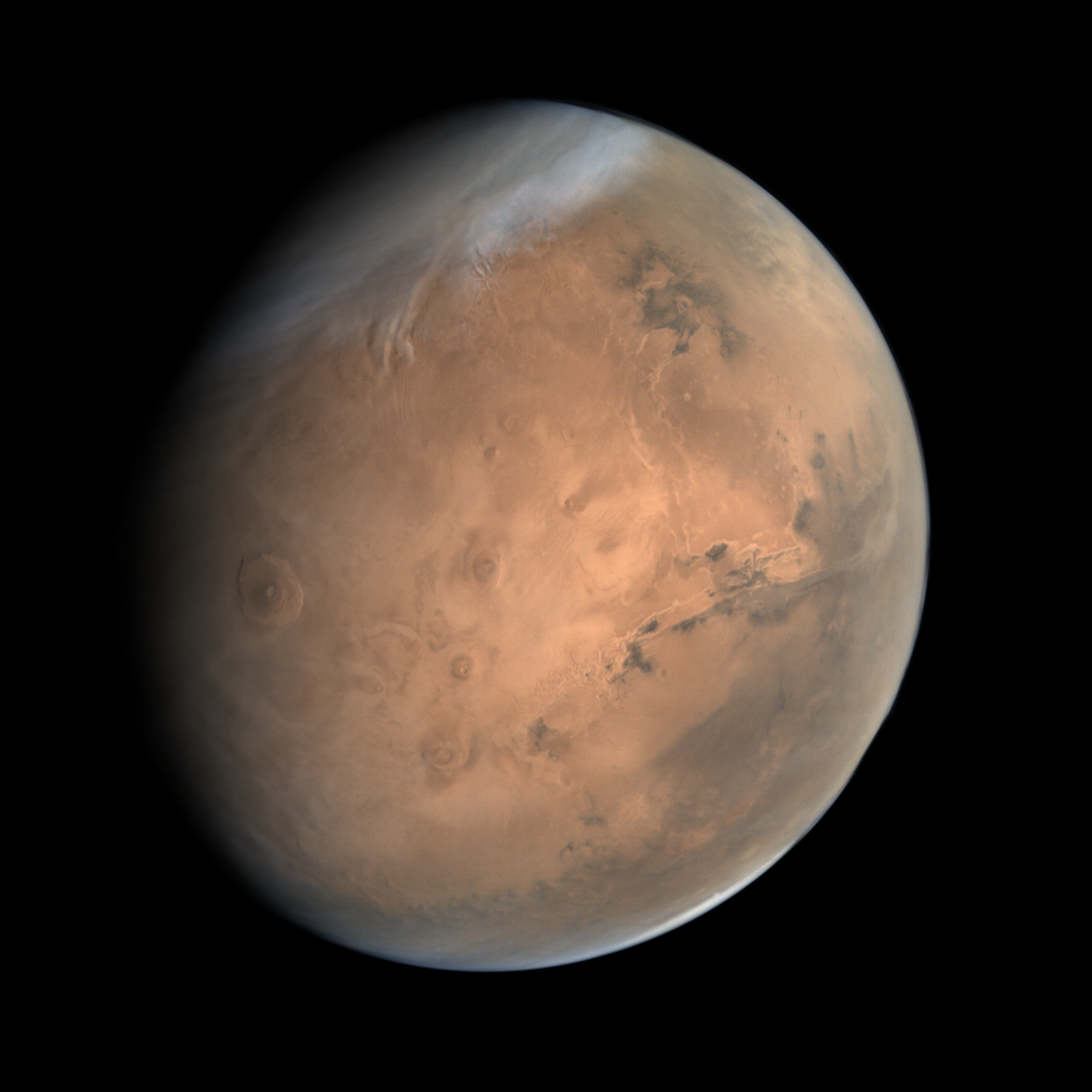
The Moon’s south pole isn’t the final destination—it’s a training ground for even bigger journeys. Everything we learn about surviving in extreme environments, using local resources, and working as a team will be invaluable for missions to Mars and beyond. The challenges faced on the Moon will seem familiar when humanity sets its sights on the Red Planet or the icy moons of Jupiter. In a way, the south pole is our cosmic classroom, teaching us lessons for the next leap into the unknown.
Economic Opportunities on the Moon
A lunar colony isn’t just a scientific outpost—it could also be a hub for business and innovation. Mining water, extracting rare minerals, and supporting space tourism could create new industries and jobs. Companies are already dreaming up ways to build infrastructure, launch satellites, and even open hotels on the Moon. The south pole’s unique resources and strategic location make it the perfect place for entrepreneurs and visionaries to leave their mark. The economic boom could reach back to Earth, fueling advances in technology, energy, and transportation.
Education and Inspiration for the Next Generation
Imagine a classroom where students can watch live feeds from astronauts exploring lunar craters, or even control robots on the Moon from Earth. The south pole could become a living laboratory, inspiring millions of kids to dream bigger and reach higher. Science fiction is turning into science fact before our eyes, and the excitement is contagious. The story of the Moon’s south pole will be told in books, movies, and classrooms, igniting imaginations and shaping the future of exploration.
Cultural and Ethical Questions

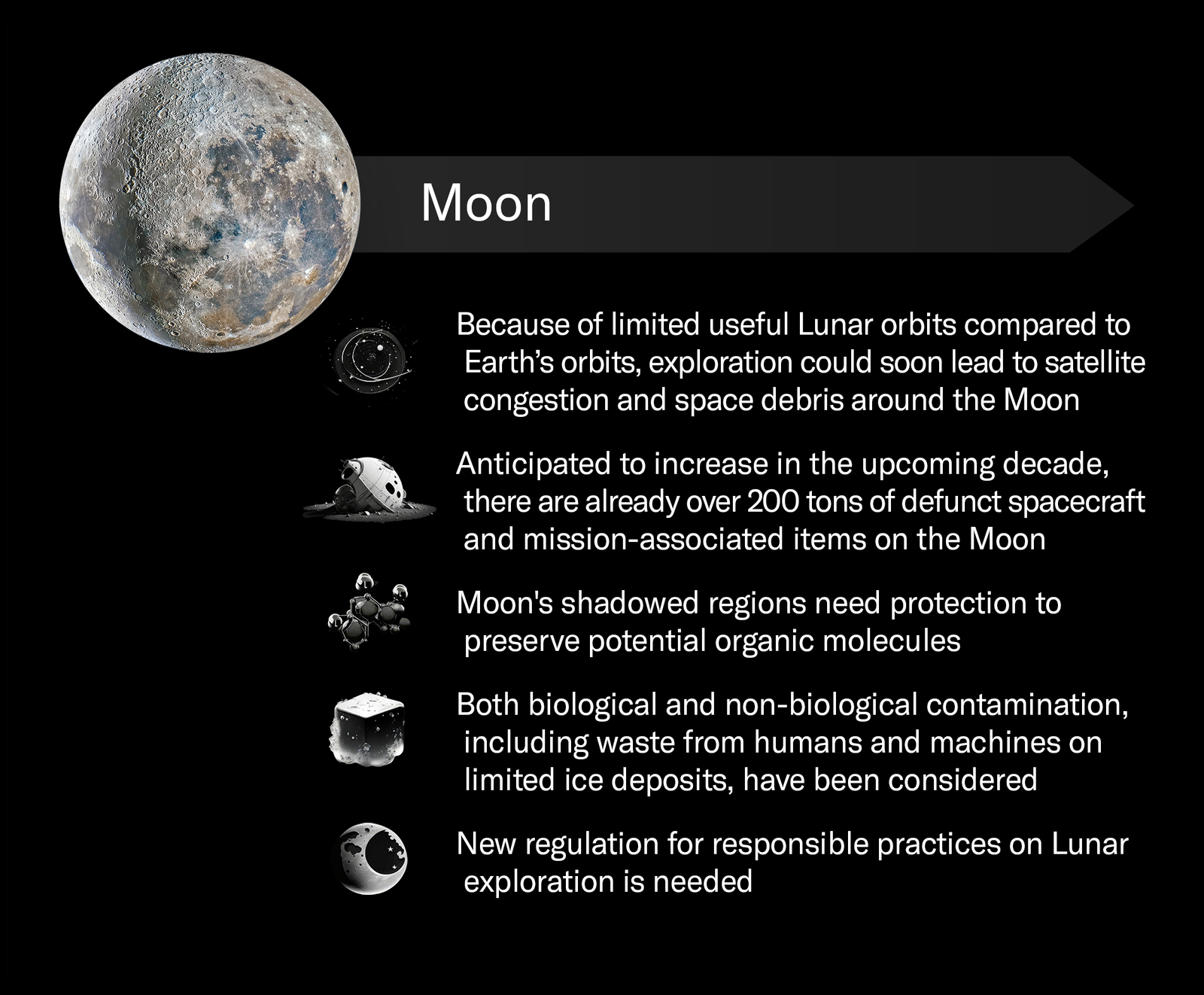
Colonizing the Moon’s south pole isn’t just about technology and science—it’s about values and choices. Who gets to decide how lunar resources are used? How do we protect the region’s unique beauty and history? What responsibilities do we have to future generations? These questions are complex and deeply human, forcing us to think about what kind of explorers—and neighbors—we want to be. The answers we find at the south pole will shape not just our lunar future, but our place in the universe.
A New Home Under a Different Sky
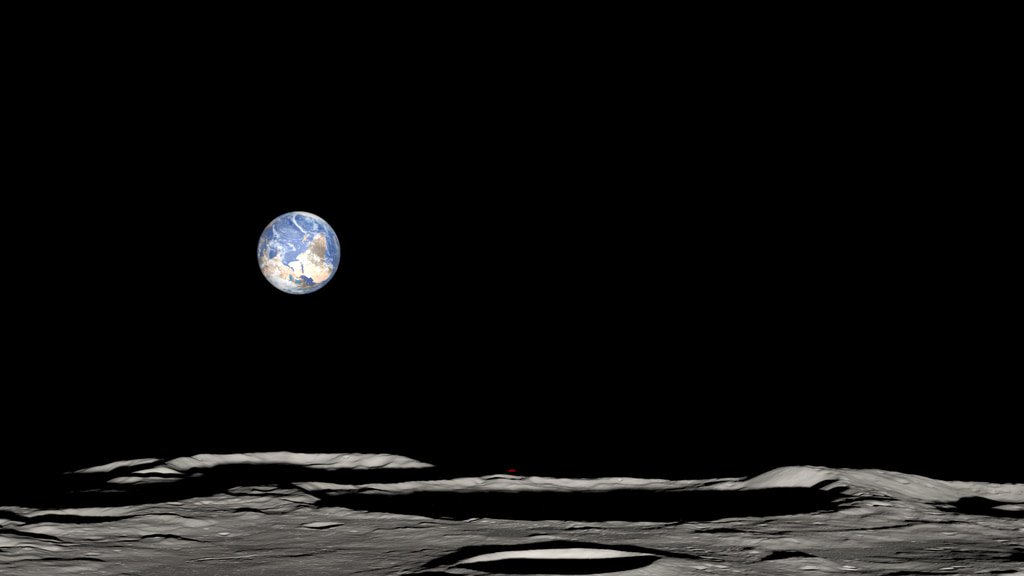
The Moon’s south pole could soon be more than a shimmering light in our night sky—it could be a new home, an outpost of hope, and a symbol of what humanity can achieve when we reach together for the stars. The possibilities are as vast as the lunar landscape itself: water for life, sunlight for power, and mysteries waiting to be solved. With every step on that frozen ground, we’ll be writing a new chapter in the greatest adventure of all time.