
Imagine a creature with arms that seem to think for themselves, a being that can unscrew jars, mimic other species, and escape the most secure tanks. This isn’t science fiction—it’s the octopus, a marvel of the ocean and a living riddle for scientists. For years, these enigmatic animals have captivated divers and researchers alike, not just because of their bizarre appearance, but because of their astonishing intelligence. The octopus brain, so different from our own, challenges everything we think we know about what it means to be smart. What secrets are wrapped within their soft bodies? And what can these aquatic escape artists teach us about the very nature of intelligence?
The Alien Architecture of the Octopus Brain
Unlike any other creature on Earth, the octopus possesses a nervous system that is truly out of this world. Its brain isn’t centralized like ours; instead, it’s distributed throughout its body, with two-thirds of its neurons residing in its arms. Each arm can taste, touch, and even make decisions, almost as if it has a mind of its own. This decentralized brain structure means octopuses process information locally, allowing them to multitask in ways that seem impossible for most animals. The main brain, shaped like a doughnut, sits between their eyes, but the real magic happens in their flexible limbs. This unique setup forces us to rethink what a brain needs to look like to be intelligent.
Sensational Problem-Solvers of the Sea
Octopuses have earned a reputation as the Houdinis of the ocean, thanks to their impressive problem-solving skills. In laboratories, they’ve been observed opening childproof bottles, figuring out mazes, and even using coconut shells as portable shelters. These tasks require memory, planning, and an understanding of cause and effect—abilities once thought to be exclusive to mammals and birds. Their knack for escaping enclosures is legendary, often leaving researchers baffled. These feats highlight not only their intelligence but also their curiosity and drive to explore their environment, much like a clever child left alone in a room full of puzzles.
Learning Without a Teacher
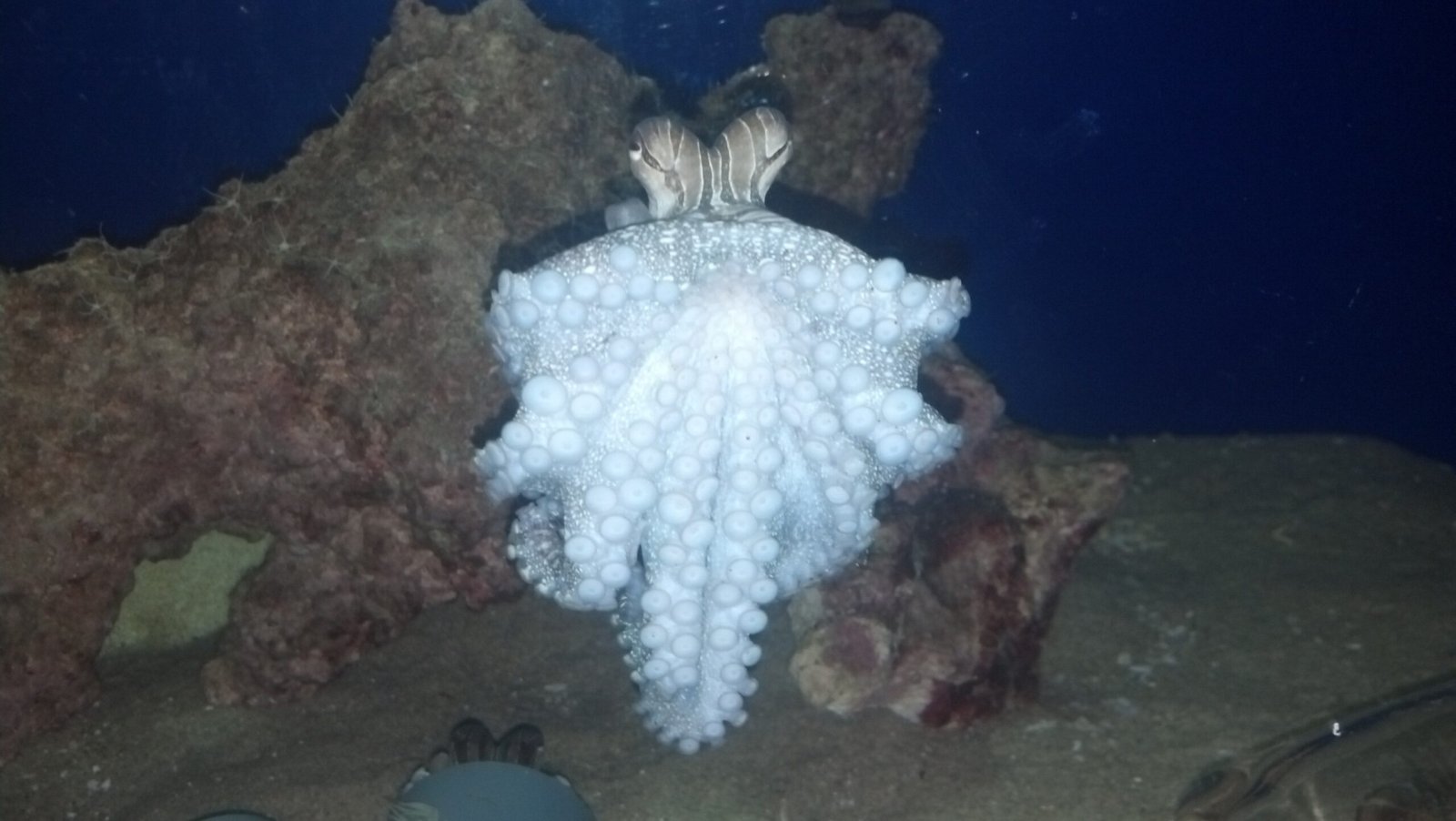
One of the most astonishing aspects of octopus intelligence is their ability to learn entirely on their own. Unlike many animals that rely on social learning, young octopuses receive no instructions from their parents. They are born alone and must quickly figure out how to hunt, hide, and survive in a world full of predators. In experiments, octopuses have demonstrated the capacity for observational learning—watching another octopus complete a task, then mimicking the behavior themselves. This shows a remarkable ability to process and apply information quickly, a trait that hints at a sophisticated type of intelligence.
Memory and Recognition: More Than Just Instinct
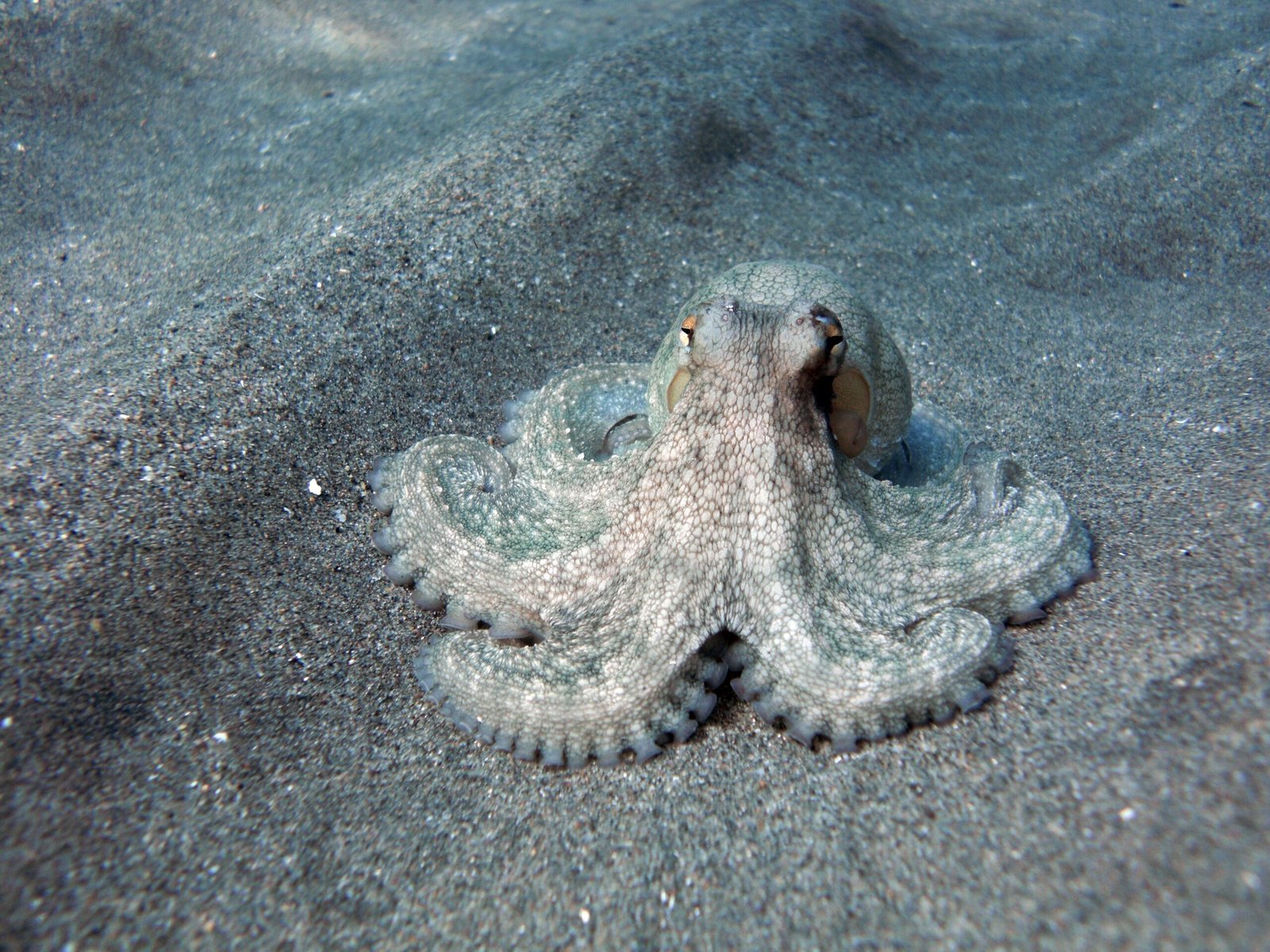
Octopuses don’t just react to their surroundings—they remember. Studies have shown that they can recognize individual humans, preferring some people over others, and holding grudges against those who treat them poorly. In the wild, they remember the locations of good hunting spots and the safest hiding places, sometimes even rearranging objects in their dens to suit their preferences. Their memory is both short-term and long-term, allowing them to learn from their mistakes and successes. This capacity for memory, so similar to our own, brings them even closer to us in the realm of complex intelligence.
Masters of Disguise and Deception
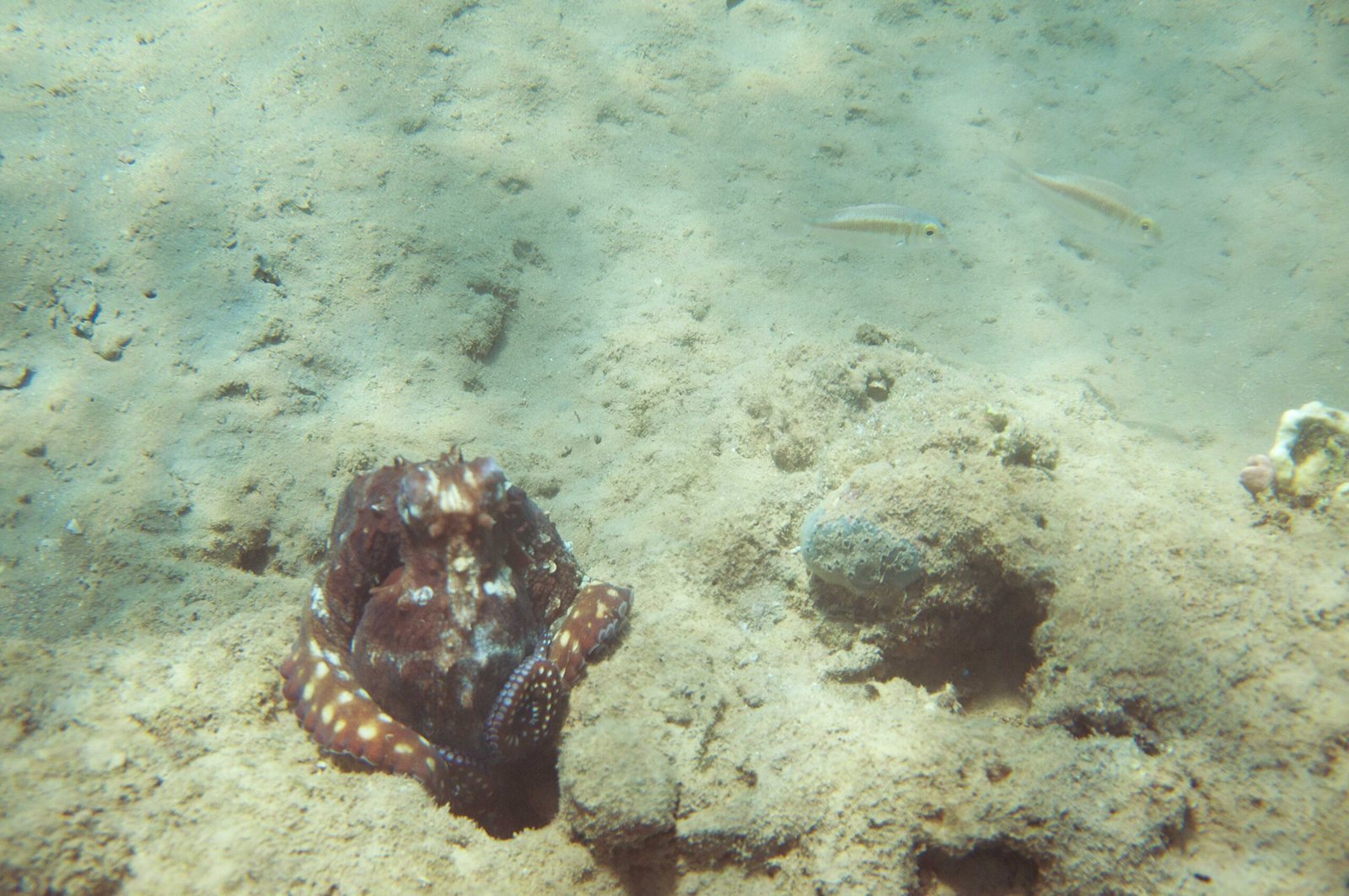
Few animals can match the octopus when it comes to camouflage and trickery. By rapidly changing color, texture, and even the shape of their bodies, octopuses can vanish against a coral reef or transform themselves into the likeness of toxic creatures. This isn’t just a reflex; it requires the octopus to analyze its surroundings and select the most effective disguise. Some species even use mimicry to fool predators or prey, pretending to be a venomous sea snake or a flatfish. These acts of deception reveal an ability to plan, adapt, and outsmart others—a clear sign of advanced intelligence.
Tools and Technology of the Underwater World
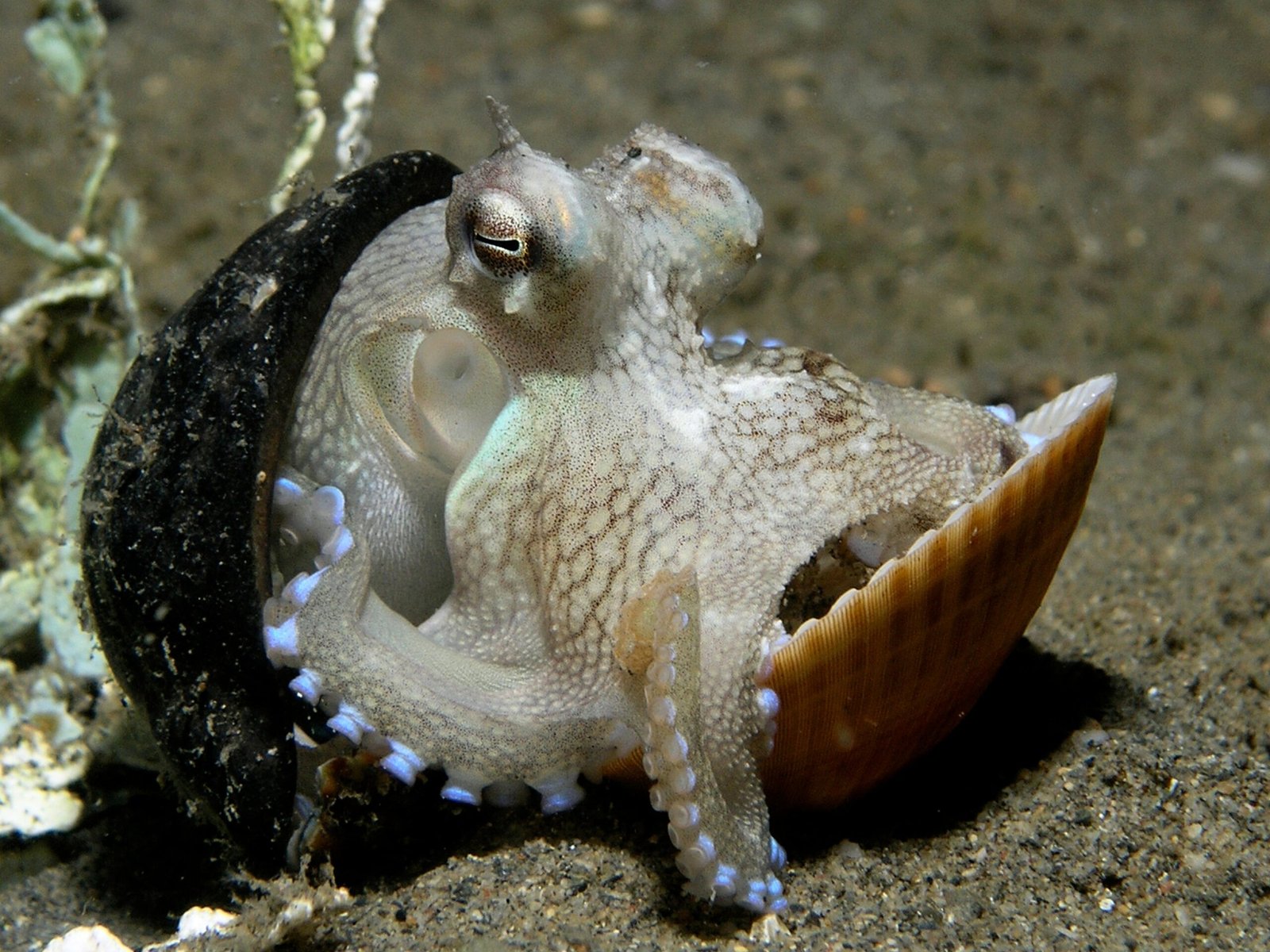
Tool use was once considered a defining feature of human intelligence, but octopuses have shattered that illusion. In Indonesia, the veined octopus has been observed collecting coconut shells and assembling them into shelters, carrying them across the seafloor like a suitcase. Others use rocks to barricade their dens or break open tough prey. This use of tools shows foresight and the ability to manipulate their environment for future benefit. It’s a rare trait in the animal kingdom and offers a window into the cognitive flexibility of these fascinating creatures.
The Social Lives of Solitary Geniuses
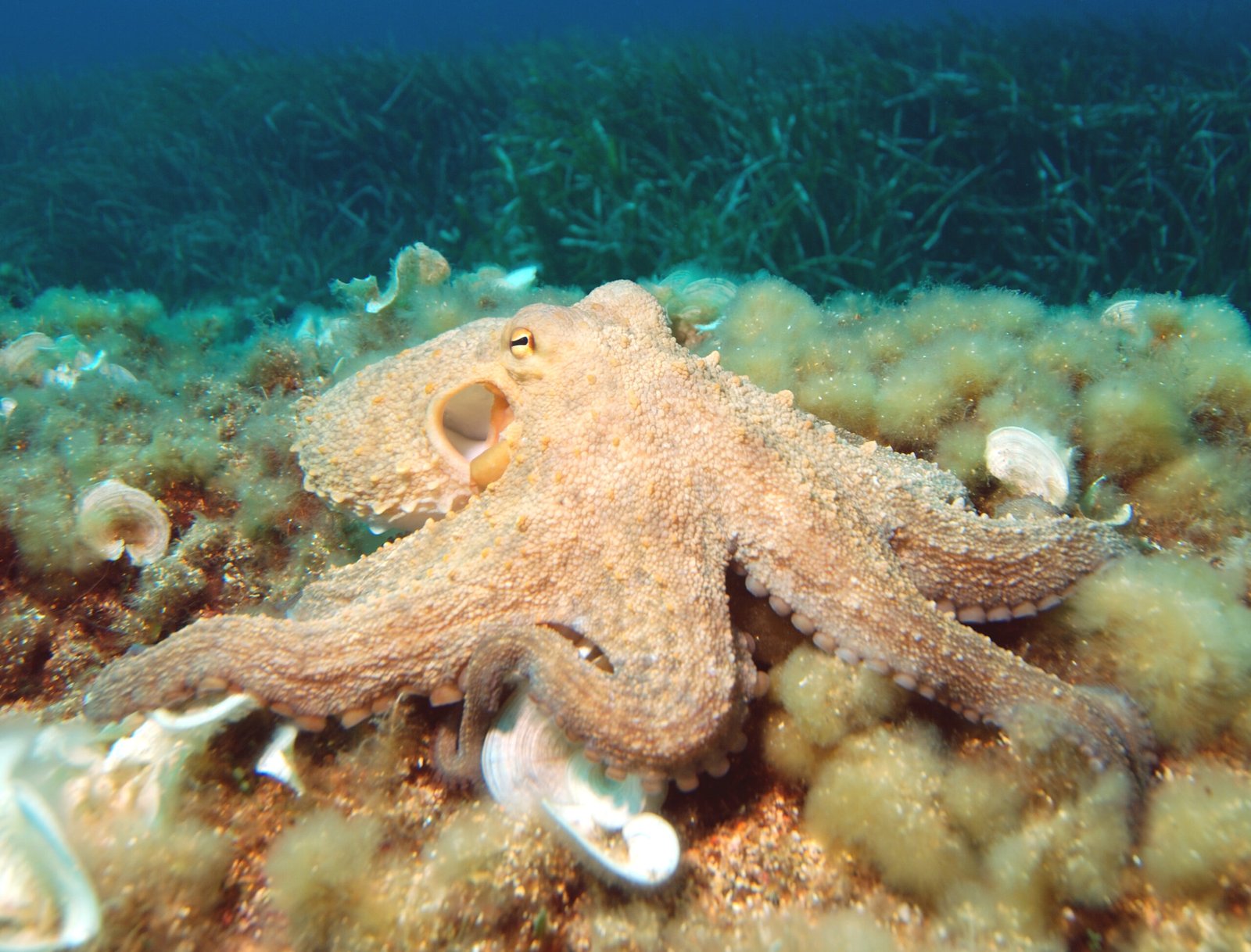
Though most octopuses are thought to be solitary, recent research suggests there’s more to their social lives than meets the eye. In certain environments, octopuses have been seen gathering in small groups, sharing dens, and even engaging in what looks like play or communication. Sometimes, they show surprisingly complex behaviors, like chasing or signaling each other with changing skin patterns. These fleeting social interactions hint that octopuses possess a flexible intelligence, capable of adapting to different situations, and perhaps even developing relationships.
Emotion and Personality in Eight Arms
It’s easy to think of intelligence as cold and logical, but octopuses seem to have distinct personalities. Some are shy, others bold; some are quick to investigate new objects, while others are cautious. Scientists have witnessed octopuses expressing what appears to be frustration, excitement, and even curiosity. They can become playful or aggressive, and their mood often changes depending on their environment or interactions. This range of behaviors suggests that octopuses are not just thinking machines, but feeling creatures—adding another layer to their enigmatic intelligence.
Comparing Octopus Intelligence to Mammals and Birds
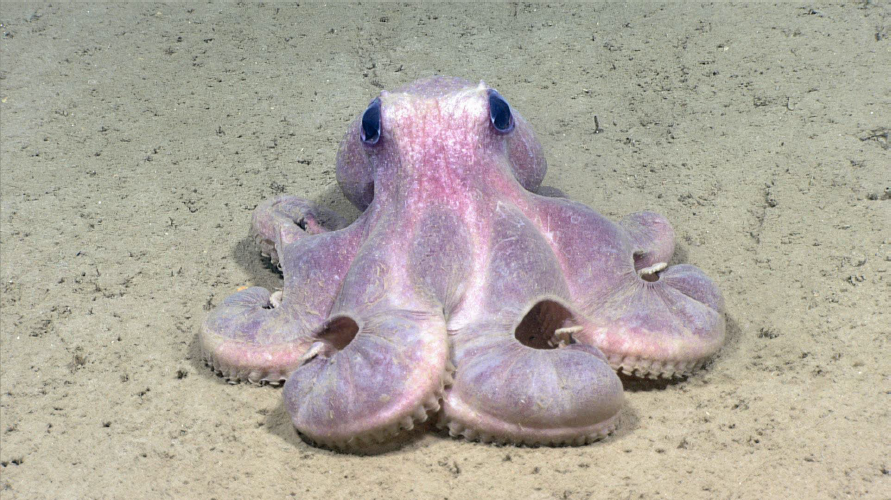
What makes octopus intelligence so remarkable is how it evolved independently from our own. Despite sharing no recent common ancestor with mammals or birds, octopuses have developed many of the same cognitive skills. This phenomenon, known as convergent evolution, shows that intelligence can arise in very different forms and structures. While mammals rely on a centralized brain and social learning, octopuses thrive with their decentralized nervous system and solitary lifestyles. This comparison forces us to rethink the very definition of intelligence and opens our minds to the many possible ways it can emerge.
What Octopuses Teach Us About the Nature of Intelligence
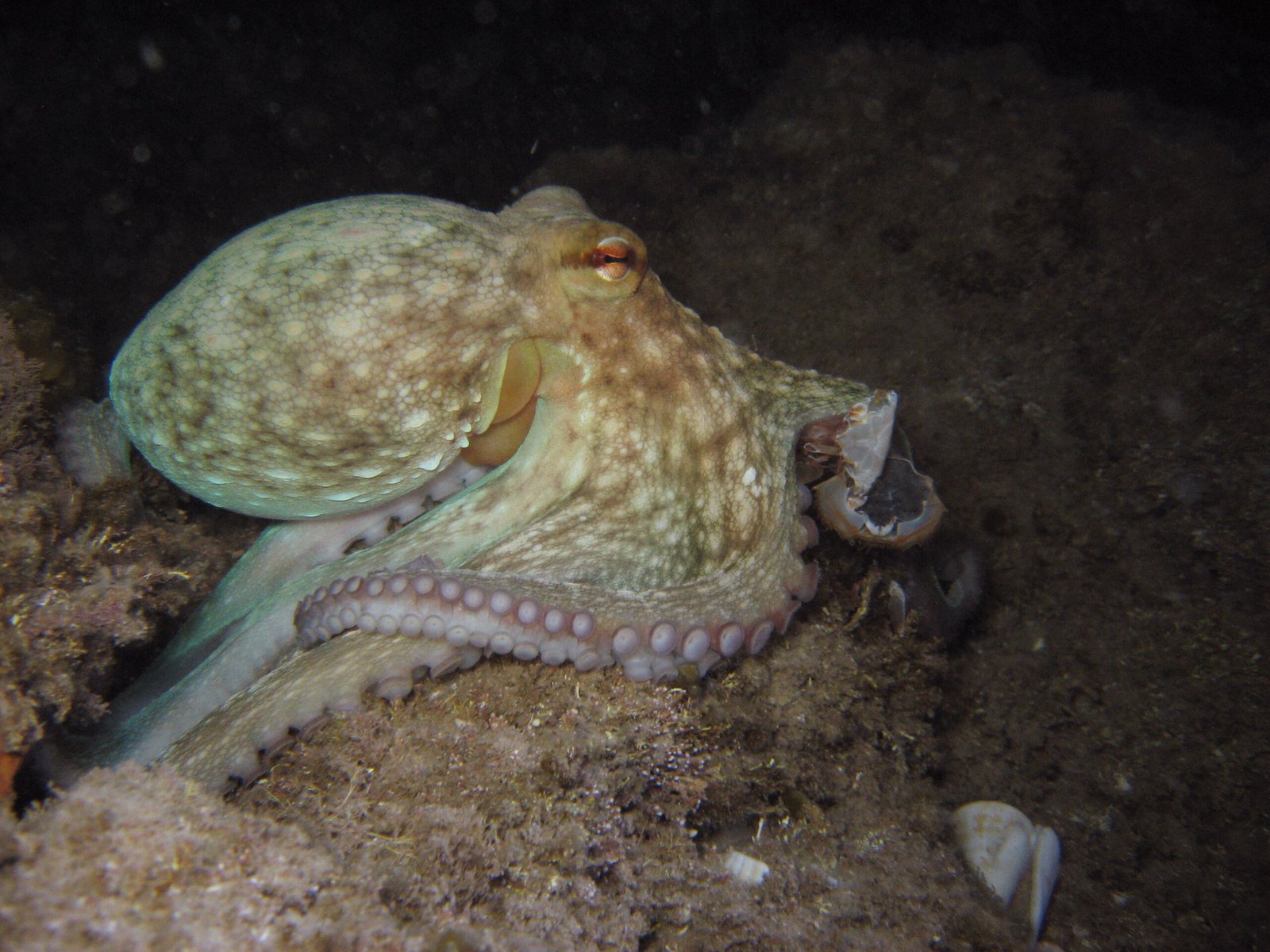
The story of octopus intelligence is more than just a tale about clever animals—it’s a lesson in humility for humans. By studying the octopus, we learn that intelligence is not confined to creatures that look or act like us. It can bubble up in the most surprising places, shaped by evolution’s endless creativity. Their unique brains remind us that there are countless ways to solve life’s challenges, and that the capacity to learn, remember, and adapt may be far more widespread than we ever imagined. Who knows what other forms of intelligence are waiting to be discovered beneath the waves—or even beyond our planet?