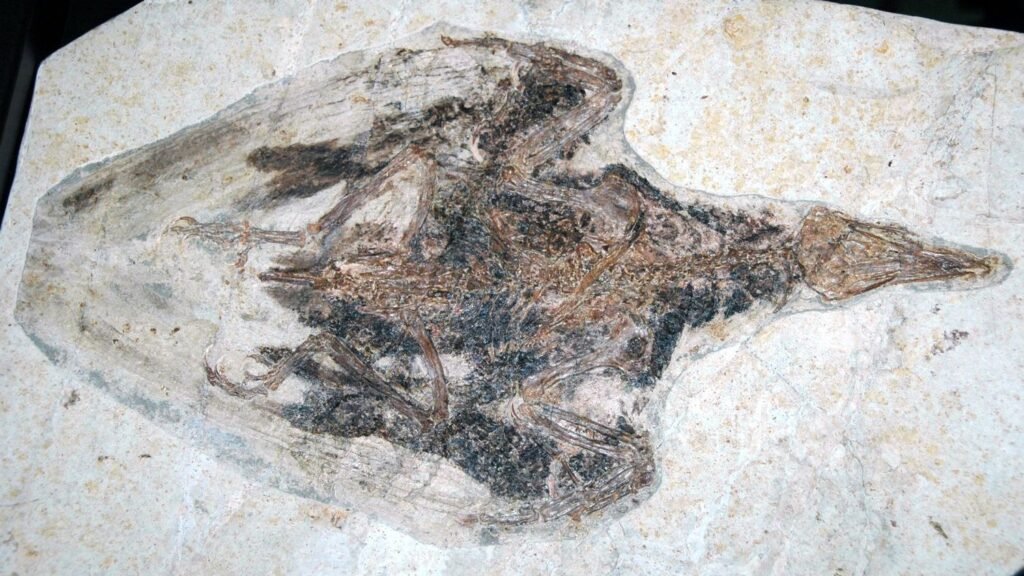

You’ve probably walked past a museum display case, stared at a fossilized skeleton, and wondered what life was really like millions of years ago. That dinosaur bone or ancient shell looks solid, permanent, almost like a stone sculpture. Yet the reality is far stranger. Fossils aren’t just relics from a distant past.
They’re time capsules holding secrets we’re only beginning to crack open. In recent years, scientists have pushed the boundaries of what fossils can tell us, revealing preserved proteins, metabolic molecules, and even hints of genetic material that shouldn’t exist. These discoveries challenge everything we thought we knew about how long biological information can survive.
Frozen Molecules From Millions of Years Ago
Researchers have uncovered thousands of preserved metabolic molecules inside fossilized bones millions of years old, offering a surprising new window into prehistoric life. Think about that for a second. Not just the shape of a bone, but actual chemical traces of what an animal ate, diseases it suffered from, even the climate it lived in. The findings reveal animals’ diets, diseases, and even their surrounding climate, including evidence of warmer, wetter environments.
One fossil even showed signs of a parasite still known today. This approach transforms fossils from static objects into dynamic biological archives. It’s hard to say for sure, but these metabolic fingerprints might reveal connections between ancient ecosystems and modern ones that we never imagined possible. This approach could transform how scientists reconstruct ancient ecosystems.
The DNA Dilemma and Its Surprising Limits
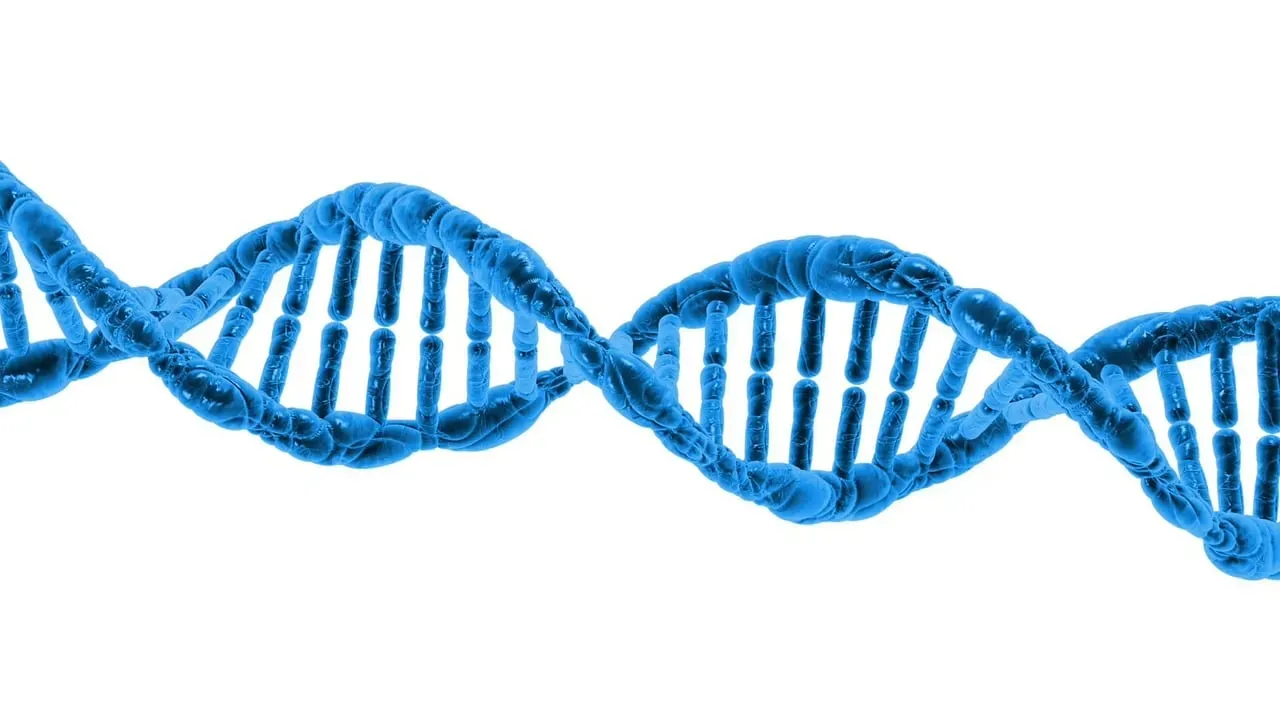
Let’s be real. Everyone wants to extract dinosaur DNA and create a real Jurassic Park scenario. Unfortunately, the science tells a different story. DNA survives a maximum of one to 1.5 million years, so forget about dinosaurs. Even under the best preservation conditions, there is an upper boundary of 0.4 to 1.5 million years for a sample to contain sufficient DNA for sequencing technologies.
The oldest verified DNA comes from unexpected sources. Researchers have sequenced the oldest RNA ever recovered, taken from a woolly mammoth frozen for nearly 40,000 years. That’s impressive, yet still nowhere near the age of dinosaurs. The oldest DNA sequenced from physical specimens are from mammoth molars in Siberia over 1 million years old, and in 2022, two-million-year-old genetic material was recovered from sediments in Greenland, currently considered the oldest DNA discovered so far. Even that record-breaking discovery pales compared to the vast stretches of deep time.
Ancient Proteins That Last Forever (Almost)
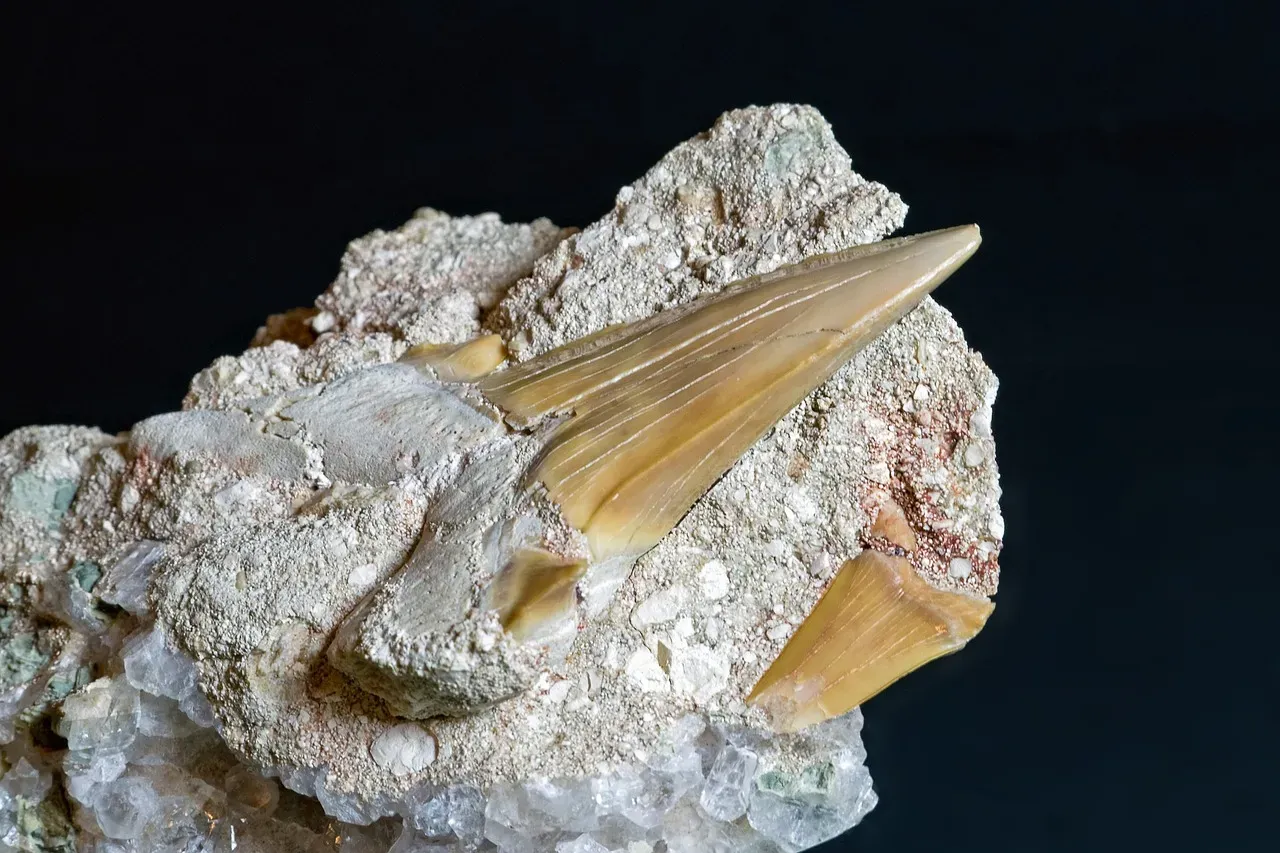
Here’s where things get really interesting. Proteins survive much longer than DNA, and they’re revealing evolutionary relationships scientists couldn’t trace before. Scientists have now extracted and sequenced proteins from dental fossils of extinct rhinoceroses, elephants and hippopotamuses, including from a rhino tooth 21-24 million years old. That absolutely shatters the DNA barrier.
A group describes ancient enamel proteins from fossilized teeth that were found in the Canadian High Arctic and estimated to be up to 24 million years old. The cold environment helped preserve these molecular remnants. Proteins, which stick around in fossils for much longer than DNA does, could allow scientists to explore whole new eras of prehistory and use molecular tools to examine bones from a much broader part of the world than is currently possible. This field, called paleoproteomics, opens doors that were previously locked.
Human Origins Get More Complicated Every Year
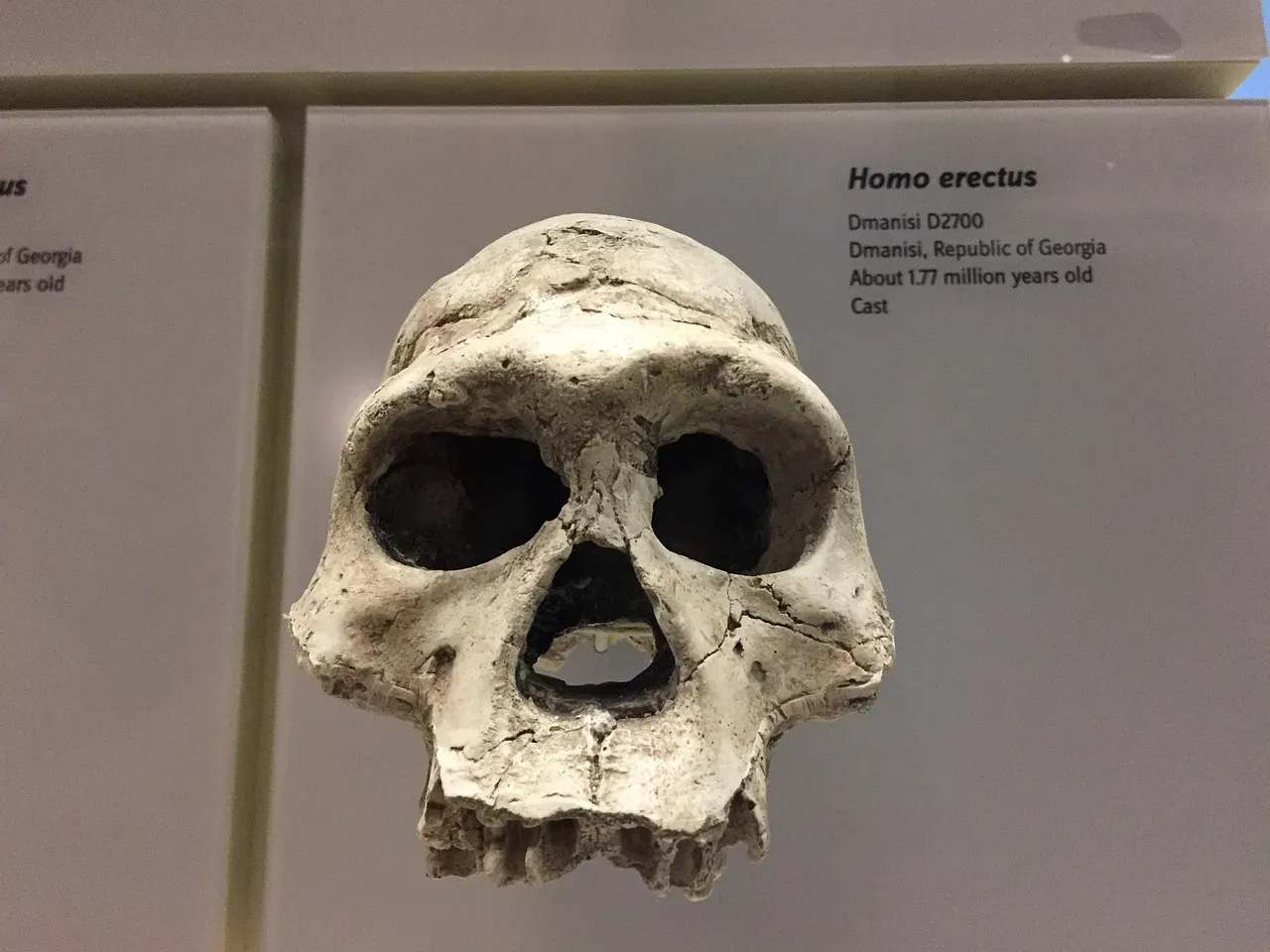
Every time scientists think they’ve figured out the human family tree, fossils throw a wrench into the works. In the deserts of Ethiopia, scientists uncovered fossils showing that early members of our genus Homo lived side by side with a newly identified species of Australopithecus nearly three million years ago. That coexistence challenges the linear progression model many people still imagine.
A new study found strong anatomical evidence that Sahelanthropus tchadensis was bipedal, including a ligament attachment seen only in human ancestors, placing bipedalism near the very root of the human family tree. Walking upright emerged far earlier than researchers previously believed. Two separate studies say that a nearly complete 146,000-year-old skull found in Harbin, China, is actually the first known fossil skull of mysterious human relatives called the Denisovans, though debate continues.
Fossils That Look Like They Died Yesterday
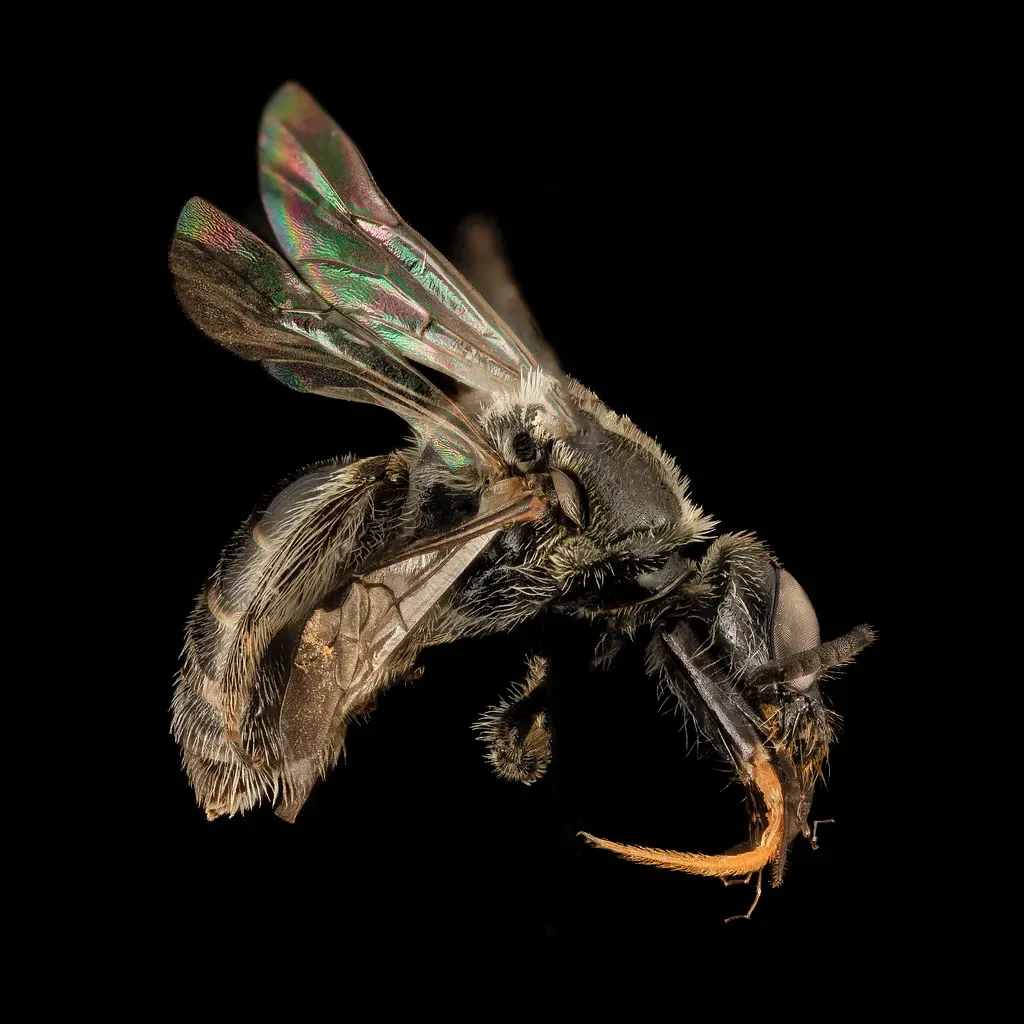
Some fossils preserve details so exquisite that you’d swear the organism died recently, not millions of years ago. A groundbreaking fossil discovery in the Grand Canyon has unveiled exquisitely preserved soft-bodied animals from the Cambrian period, offering an unprecedented glimpse into early life more than 500 million years ago. Soft tissue rarely fossilizes, making these finds extraordinary.
An ancient drop of tree sap captured the moment, 100 million years ago, when a fungus burst out of the body of an ant pupa, and now we know that the zombifying organisms have been around at least twice as long as thought. This amber-preserved horror scene connects modern parasitic fungi directly to their ancient counterparts. The level of detail preserved in amber continues to astound scientists worldwide.
The Cambrian Explosion Still Baffles Experts
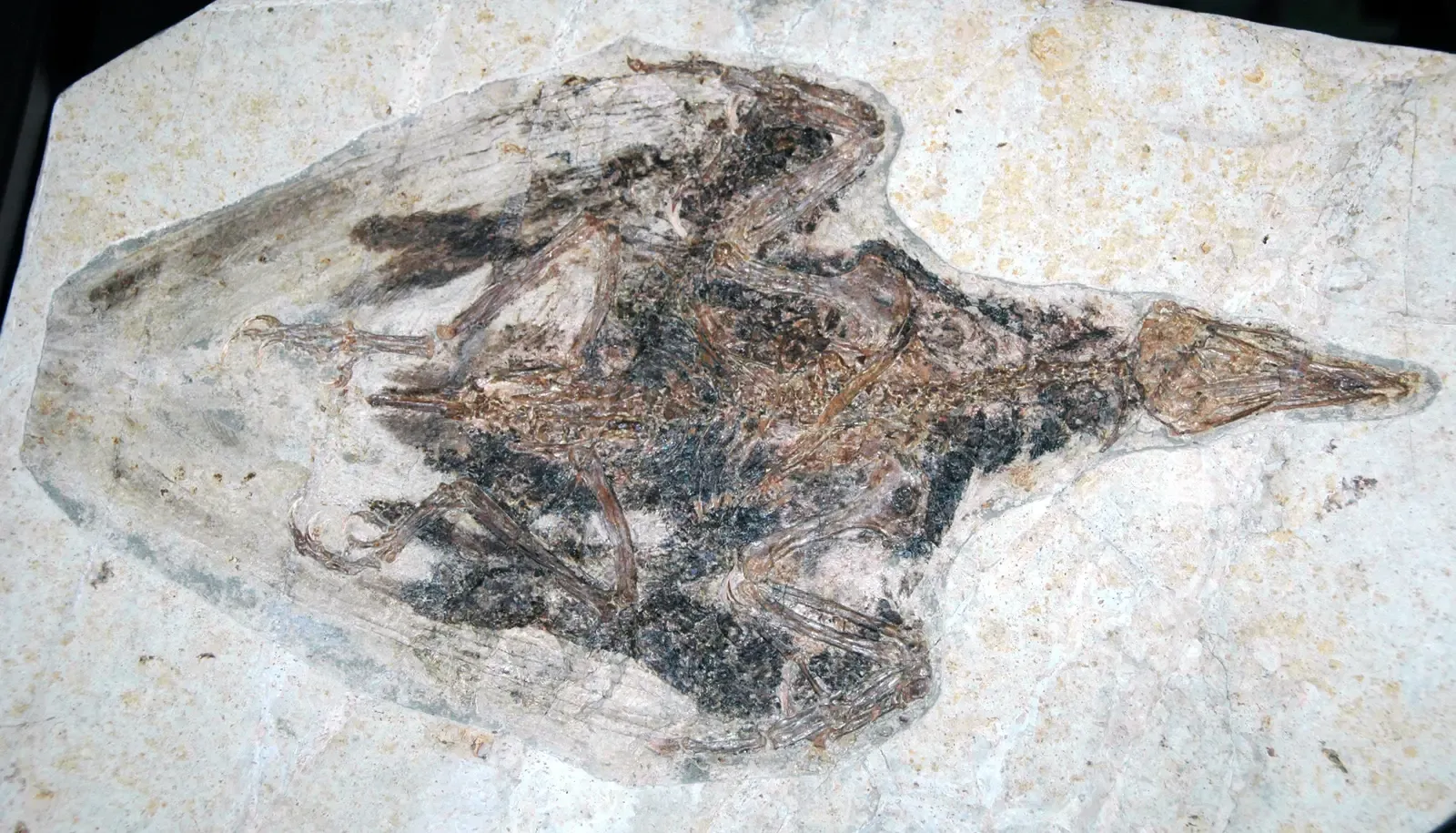
The Cambrian Period witnessed a wild explosion of new life forms around 541 million years ago. Along with new burrowing lifestyles came hard body parts like shells and spines, and a shift also occurred towards more active animals, with defined heads and tails for directional movement to chase prey. This rapid diversification remains one of paleontology’s biggest puzzles.
Before the Cambrian, strange creatures dominated. By about 580 million years ago there was a proliferation of other organisms, in addition to sponges, with bodies shaped like fronds, ribbons, and even quilts, living alongside sponges for 80 million years. The body plans of most Ediacaran animals did not look like modern groups. What happened to these bizarre organisms, and how did they relate to the Cambrian creatures that followed?
Mysteries Hiding in Plain Sight
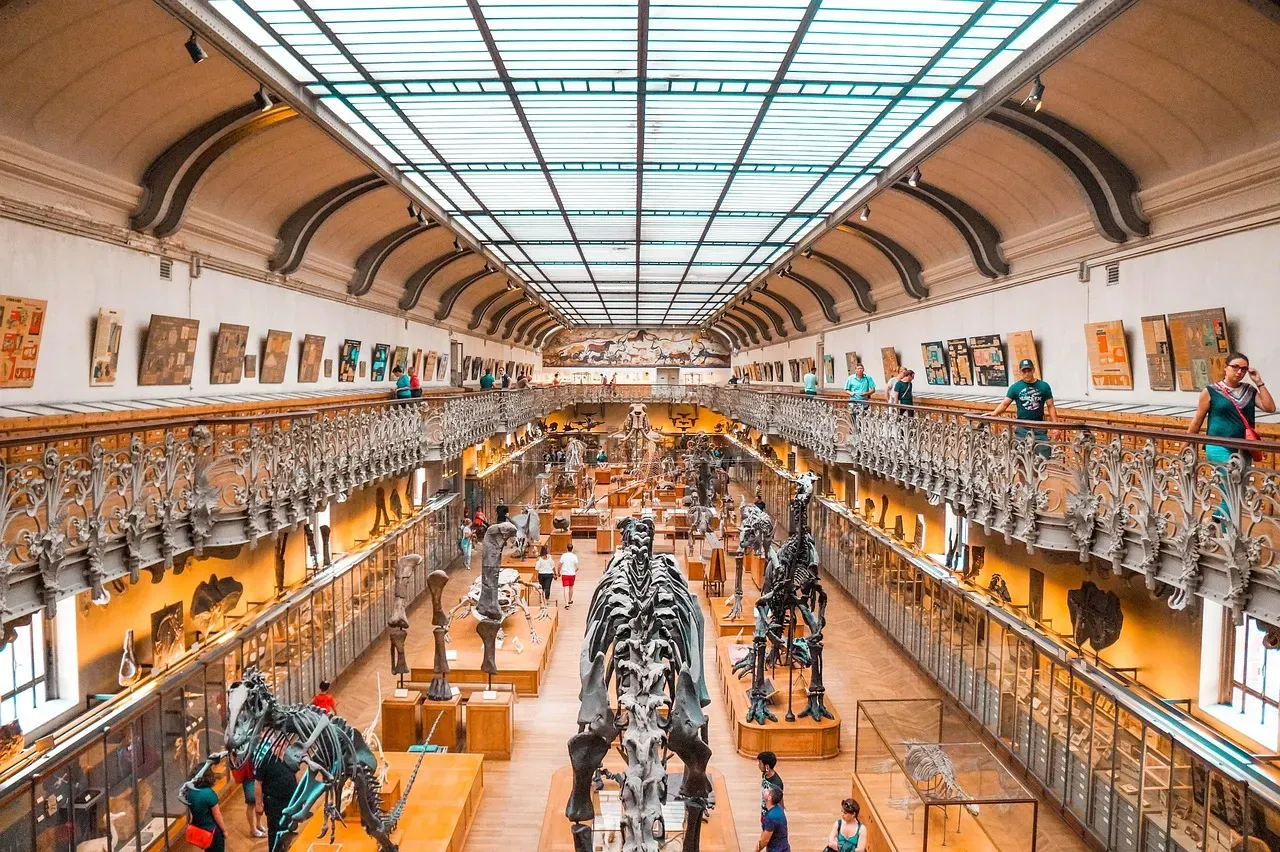
Museums worldwide hold countless fossils that haven’t been fully studied. The Tully Monster, discovered in 1958, includes a long, torpedo-shaped body, stalk eyes, and a clawed proboscis, and for decades, no one could figure out if it was a vertebrate or an invertebrate, and it still doesn’t fit comfortably into any known phylum, with some scientists saying it might not even belong to any existing group on Earth. That’s genuinely baffling.
Even the basic sexual anatomy of dinosaurs is a bit of a mystery. Every dinosaur started life by hatching from an egg, but how parent dinosaurs came together to start the next generation isn’t as clear. These fundamental questions about reproduction, behavior, and anatomy remain largely unanswered despite decades of research. Honestly, we know shockingly little about the daily lives of creatures we’ve been studying for over a century.
What the Future Holds for Fossil Secrets
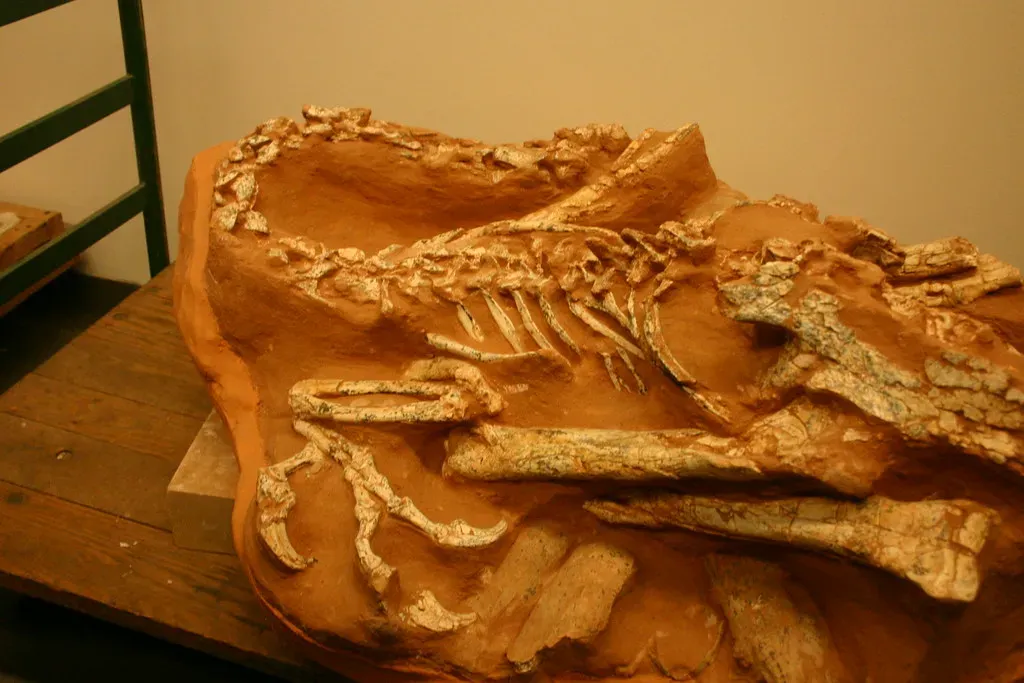
Technology keeps advancing, revealing fossil secrets once thought lost forever. Such techniques will allow paleontologists to determine more accurate dates for fossil sites with preserved eggshell, which is essential to working out which dinosaur species lived together, how dinosaurs evolved over time and other big-picture questions. Dating methods improve constantly, refining our timeline of life’s history.
Even though many questions remain, it cannot yet be ruled out that retrieving ancient sequences in fossils older than the Pleistocene will be possible in the future. New microscopy techniques and molecular analysis tools might crack open fossils we’ve given up on. The boundary between impossible and merely difficult keeps shifting as science progresses. Who knows what tomorrow’s technology will reveal from stones we’ve already cataloged and dismissed?
Every fossil you see in a museum represents an incomplete story. The bones tell us shapes and sizes, but the molecular secrets locked inside reveal diets, diseases, climates, and relationships spanning millions of years. We’re living in a golden age of paleontology, where technology finally catches up to our curiosity. Ancient life isn’t as silent as we once believed. These fossils are still talking. We’re just learning how to listen. What do you think we’ll discover next?