
Walk into the ocean past where your feet leave the sand, and you basically step into another planet. Down there, animals see in colors we can’t imagine, survive pressures that would crush a submarine, and use electricity and sound like superpowers. The wild part is that scientists keep admitting the same thing: we’ve barely scratched the surface of what these creatures can really do.
Over the last few years, deep-sea cameras, tiny animal trackers, and new genetic tools have revealed powers that sound less like biology and more like science fiction. From octopus “shape‑shifting” to fish that literally fix their own DNA in the dark, the ocean is quietly showing us what life is capable of when you’re not stuck on land. Let’s dive into some of the most surprising, slightly unsettling, and genuinely awe‑inspiring abilities hiding beneath the waves.
The Invisible Language of Bioluminescence
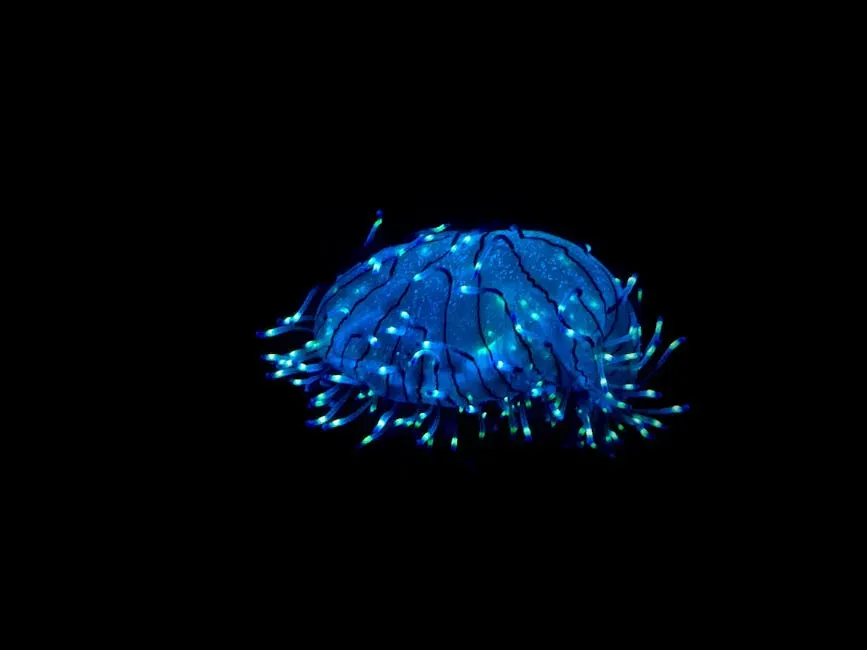
Imagine living in a world where nearly every message is written in light. In the deep sea, from a few hundred meters down to the absolute black of the abyss, countless creatures use bioluminescence as their main language. They make their own light using chemical reactions, often in specialized organs or with the help of bacteria, and the patterns are anything but random.
Some fish flash in specific rhythms that seem to work like names or ID tags, helping them recognize their own species in endless darkness. Others use long, slow glows to attract mates or short strobe-like bursts to confuse or blind predators. There are shrimp that spit glowing clouds like smoke bombs, and squids that release light instead of ink to distract attackers. To us, the deep ocean looks empty and black, but to these animals it’s more like a neon city of secret signals and code we’re only beginning to decode.
Octopus Shape‑Shifting and Mind‑Bending Camouflage
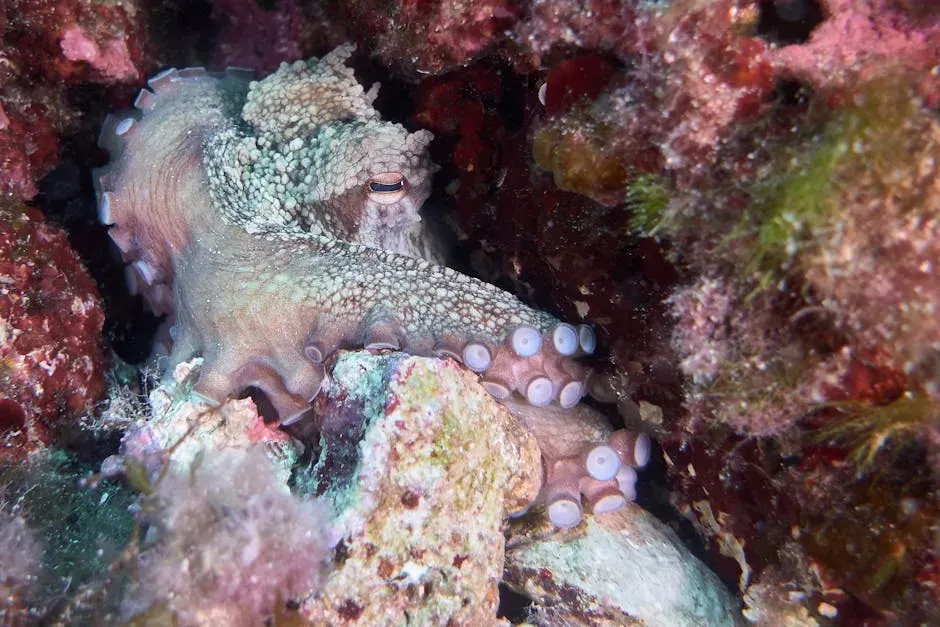
Octopuses don’t just hide; they perform full‑body magic tricks. In a fraction of a second, they can change their skin’s color, pattern, and even texture to match rocks, sand, coral, or other animals. They do this using an outrageous network of pigment cells and tiny muscles, all wired into a nervous system that’s partly spread through their arms instead of just a centralized brain like ours.
Some species mimic venomous fish, sea snakes, and even lionfish, rearranging their arms and patterns to fake an entirely different animal. Others flatten themselves into the shape of algae or crumble into a lumpy “rock” that somehow moves when you’re not looking. What’s wild is that an octopus is color‑blind by human standards, yet it still pulls off flawless camouflage in a world full of colorful light. It suggests they’re sensing their surroundings in a way we still don’t truly understand, almost like seeing with their skin instead of their eyes.
Electric Senses and Underwater Radar
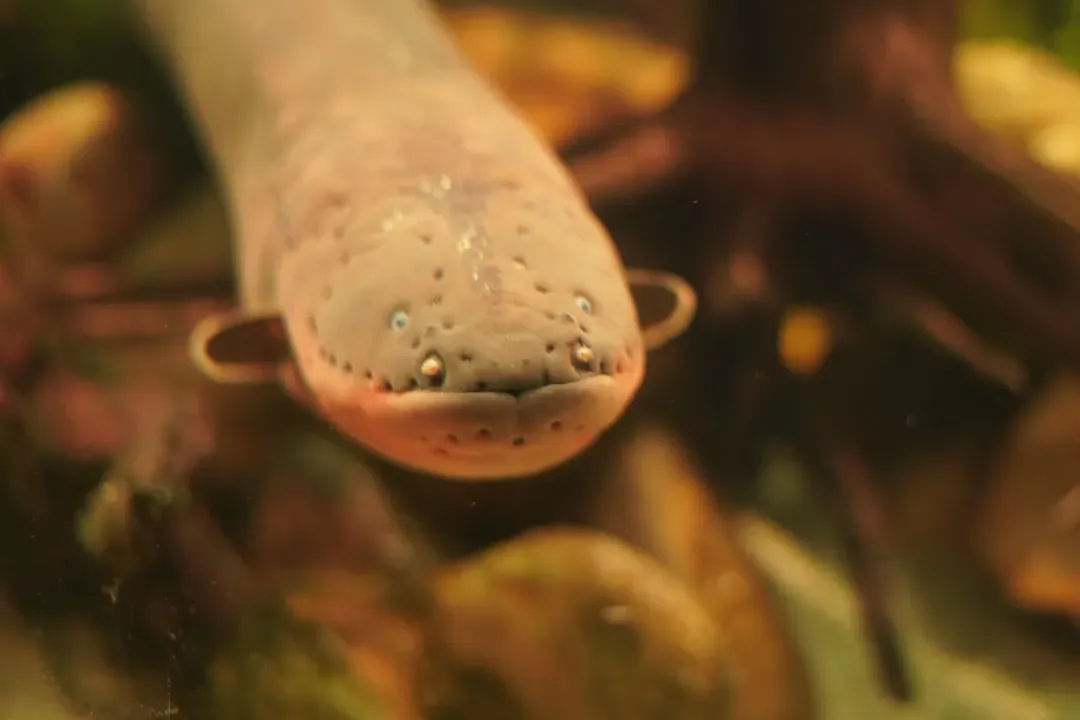
A lot of ocean animals are basically walking (or swimming) electricity detectors. Sharks, rays, and some bony fish can sense tiny electric fields created by the muscles and nerves of other animals. To them, a hiding fish in the sand might as well be shining like a beacon, because its heartbeat and twitching muscles send out a soft electric glow that they can pick up even in complete darkness.
Then there are creatures that go one step further and generate their own electric fields. Electric fish like knifefish and elephantnose fish send out weak electrical pulses and read how the field changes when it bounces off nearby objects. It works a bit like a personal underwater radar or 3D scanner. While we rely on flashlights, sonar, and cameras, these animals constantly map their world in electricity, detecting objects, prey, and even other fish in murky, muddy water where vision is practically useless.
Sound Superpowers: Songs, Maps, and Sonic Weapons
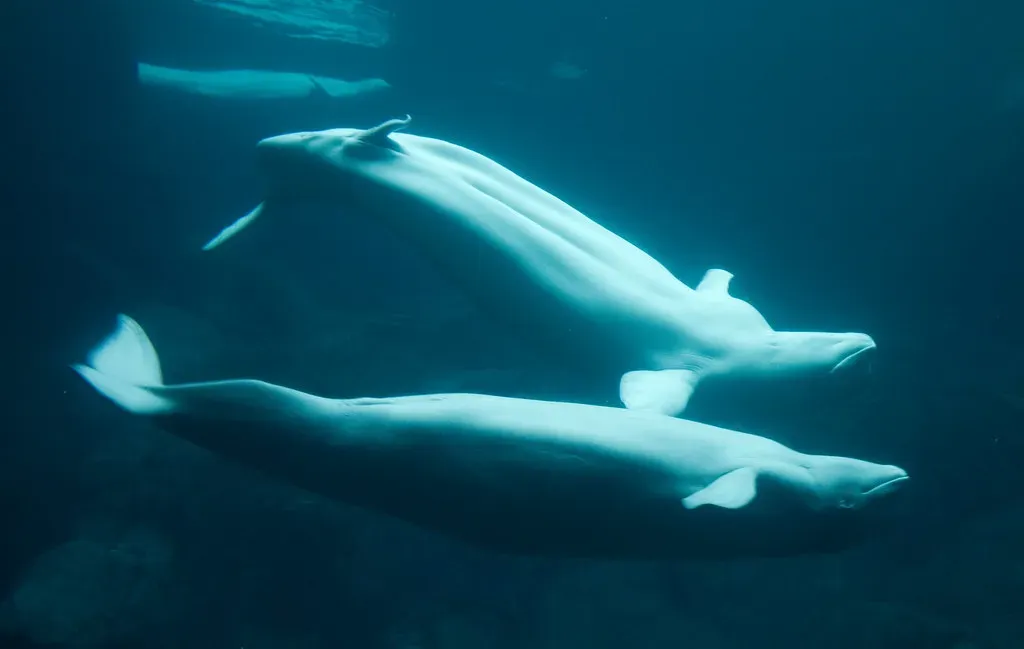
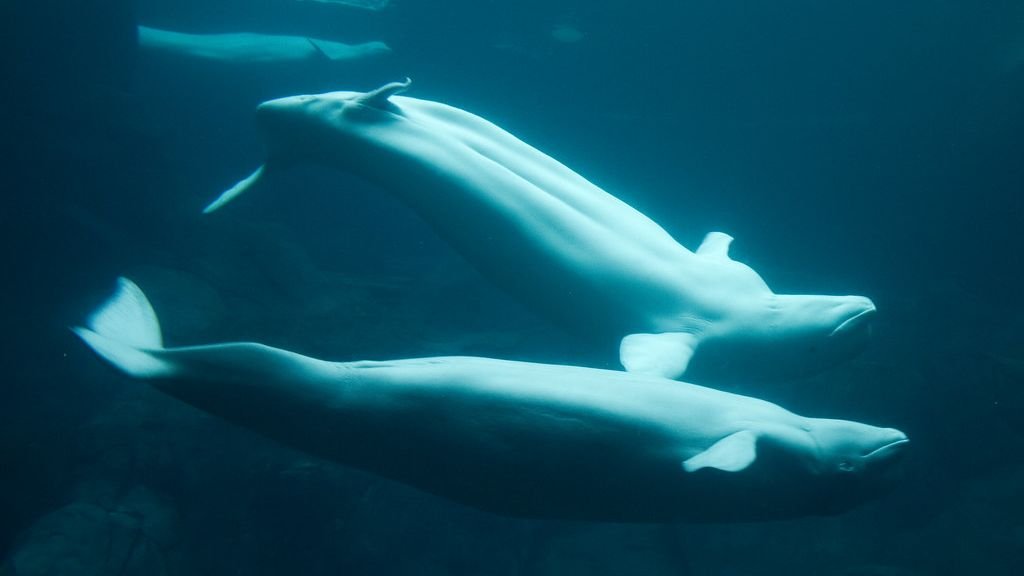
If light is rare underwater, sound is the opposite; it travels far and fast. Many ocean creatures have turned sound into something way beyond simple communication. Whales use low, rolling calls that can travel across vast stretches of ocean, and there’s growing evidence they might be using sound not only to stay in touch but to navigate, find food, and keep track of environmental changes that we barely notice.
On the smaller side, snapping shrimp create shock waves with a single snap of their claw, producing sounds powerful enough to stun small prey. Some fish chorus together at dusk and dawn, filling entire bays with sound that can be picked up on underwater microphones many kilometers away. To us, the sea can seem quiet from the surface, but beneath the waves it’s more like a crowded city full of overlapping voices, sonic maps, and even acoustic weapons built into tiny bodies.
Pressure‑Proof Bodies and Deep‑Sea Survival Tricks
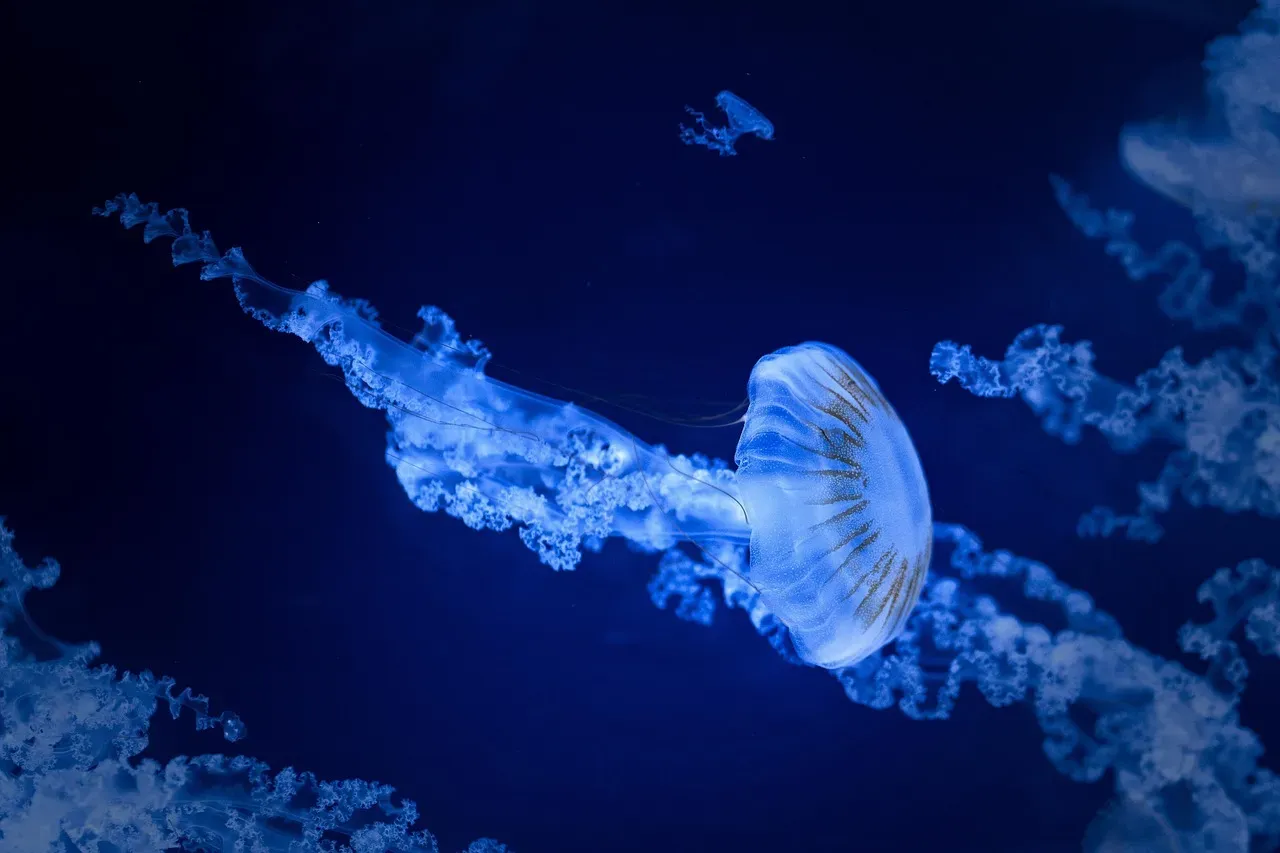
Most of us would not last a second at the depths where some ocean animals live. At thousands of meters below the surface, the pressure is so intense it would crush metal structures and implode unprotected submarines. Yet deep‑sea fish, worms, crustaceans, and even jellylike creatures drift and feed there as if it were perfectly normal. Their secret lies in bodies designed from the ground up for extremes.
Instead of rigid bones and gas‑filled spaces that would collapse, many deep animals have flexible cartilage, jellylike tissues, and special molecules that help their proteins and cell membranes stay stable under enormous pressure. Some have enzymes tuned to work better in the cold and dark, where energy is scarce and food is rare. A few can go days or even weeks between proper meals, slowing their metabolism down to a crawl. Where we see an environment not meant for life, they’ve turned it into home by quietly rewriting the rules of survival.
Regeneration, DNA Repair, and Longevity Secrets
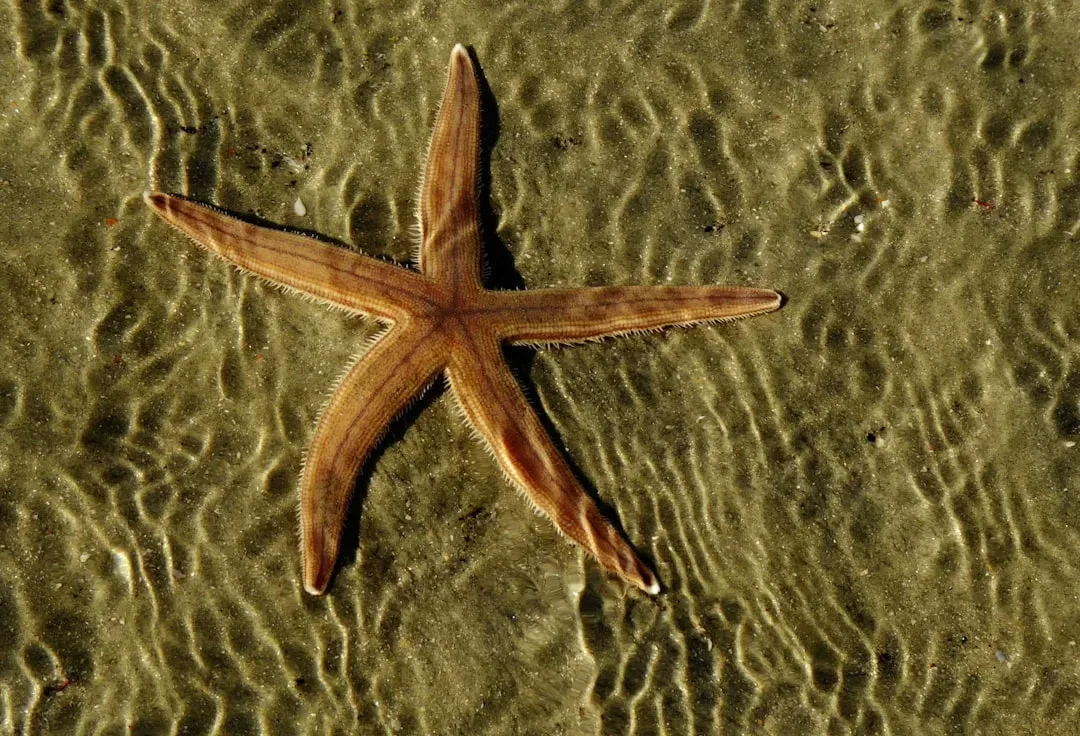
In the ocean, damage isn’t always permanent. Many marine creatures can regrow lost limbs, repair serious injuries, or keep their cells functioning far longer than we’d expect. Sea stars can regenerate entire arms, and in some cases, a single arm with part of the central body can regrow into a full animal. Certain worms can rebuild complex body parts after being cut, reshaping tissue like it’s clay instead of flesh.
There are also deep‑sea corals and some sponges that can live for centuries, maybe even longer, by maintaining their cells and DNA in a slow, steady rhythm. Some fish, especially those in darker or deeper waters, seem to have enhanced DNA repair systems that help them survive constant low‑level damage from their environment. While we search for anti‑aging tricks in creams and supplements, the ocean quietly houses animals that have simply built longevity into their biology, restarting and repairing themselves rather than accepting decay as a given.
Navigation by Earth’s Magnetic Field
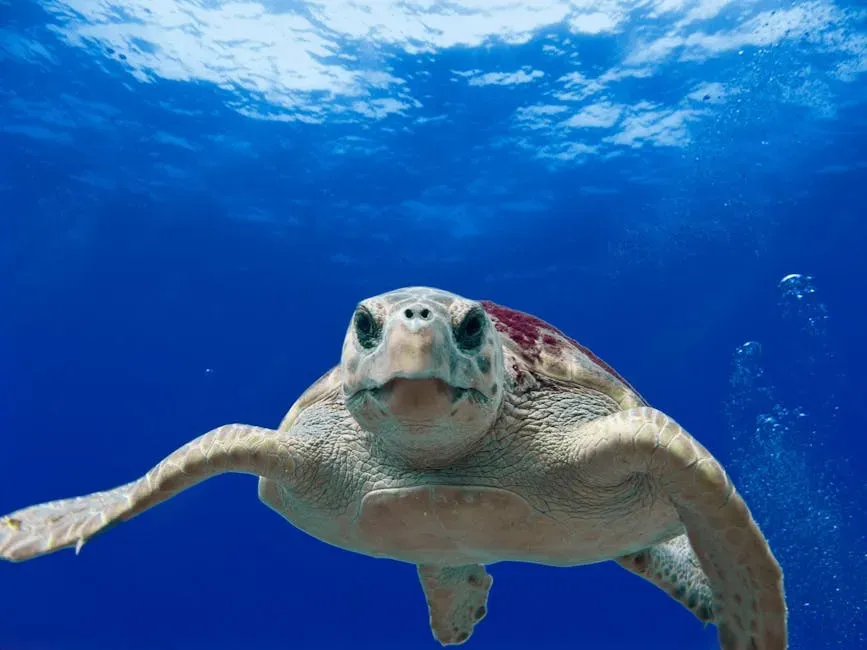
One of the strangest powers in the ocean is something we can’t feel at all: the Earth’s magnetic field. Many marine animals appear to sense it and use it like a built‑in GPS. Sea turtles hatch on a beach, disappear into the open ocean for years, then somehow return to roughly the same stretch of coastline where they were born. Studies suggest they remember the magnetic “signature” of their birthplace and follow subtle changes in the planet’s field to navigate back.
Salmon, some sharks, and possibly even tiny plankton also show behaviors that match changes in magnetism, almost like they’re reading invisible signposts in the water. Scientists are still arguing over exactly how they do it, whether through magnetic particles in their tissues or special chemical reactions in their cells. Whatever the mechanism, these animals are calmly using a sixth sense that we completely lack. Where we need satellites and maps, they feel their way along lines we can’t see, tracing routes that have guided their ancestors for countless generations.
The Ocean’s Powers and Our Narrow Imagination
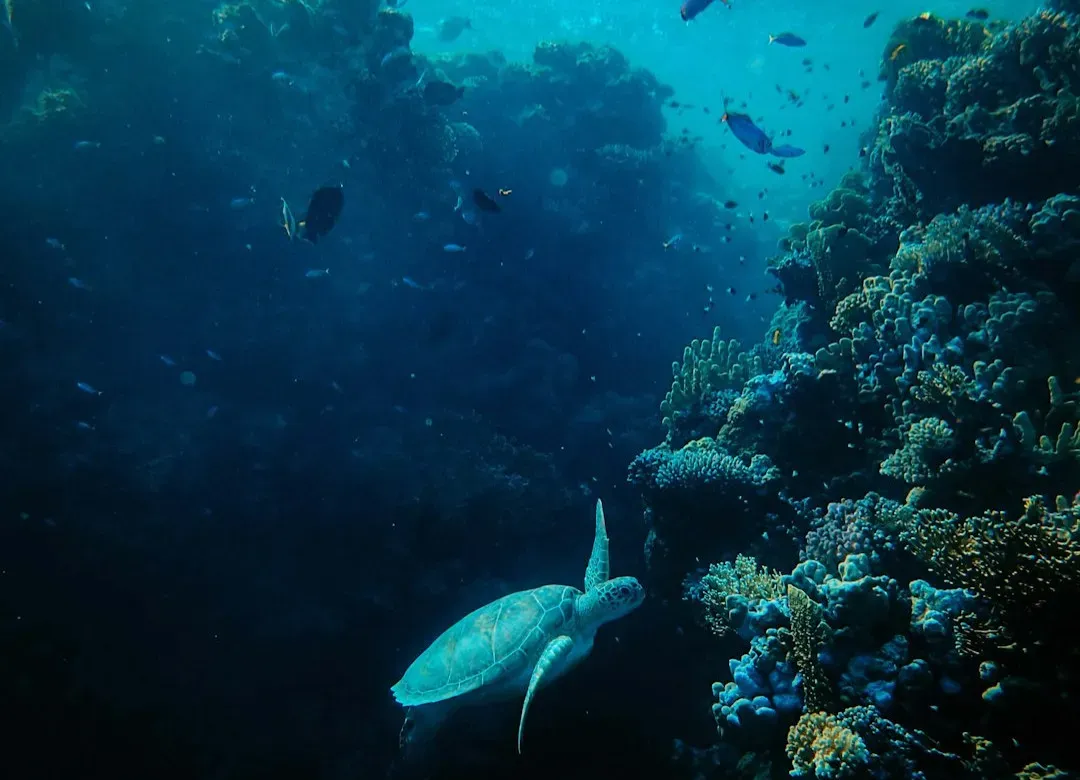
The more we learn about ocean creatures, the more it feels like our idea of what life can do is painfully small. Light‑making fish, camouflaging octopuses, electric‑sensing sharks, and deep‑sea animals that treat crushing pressure as no big deal all point to the same truth: evolution has tried far more experiments in the sea than we’ve ever experienced on land. Every new deep‑sea dive, acoustic survey, or genetic study seems to uncover yet another ability we didn’t even know to look for.
I sometimes think about how, not long ago, people doubted anything could live in the deepest trenches at all. Now we know those places crawl with life using tricks that feel almost supernatural. If that much can hide in the dark just a few kilometers down, what else is waiting in the parts of the ocean we still haven’t seen?