
Picture yourself plunging through Mediterranean waters, expecting another routine sponge-diving expedition. Instead, you stumble upon bronze fragments that will challenge everything historians believed about ancient technology. Captain Dimitrios Kontos and a crew of sponge divers from Symi island discovered the Antikythera wreck in early 1900, and recovered artefacts during the first expedition with the Hellenic Royal Navy, in 1900–01. Among marble statues and golden treasures lay a corroded lump that appeared unremarkable, yet contained secrets more sophisticated than anything found in the ancient world. The device they uncovered would force scientists to completely rewrite their understanding of Greek engineering capabilities. Nearly 125 years later, researchers continue unlocking mysteries from what many now call the world’s first computer.
The Discovery That Changed Everything
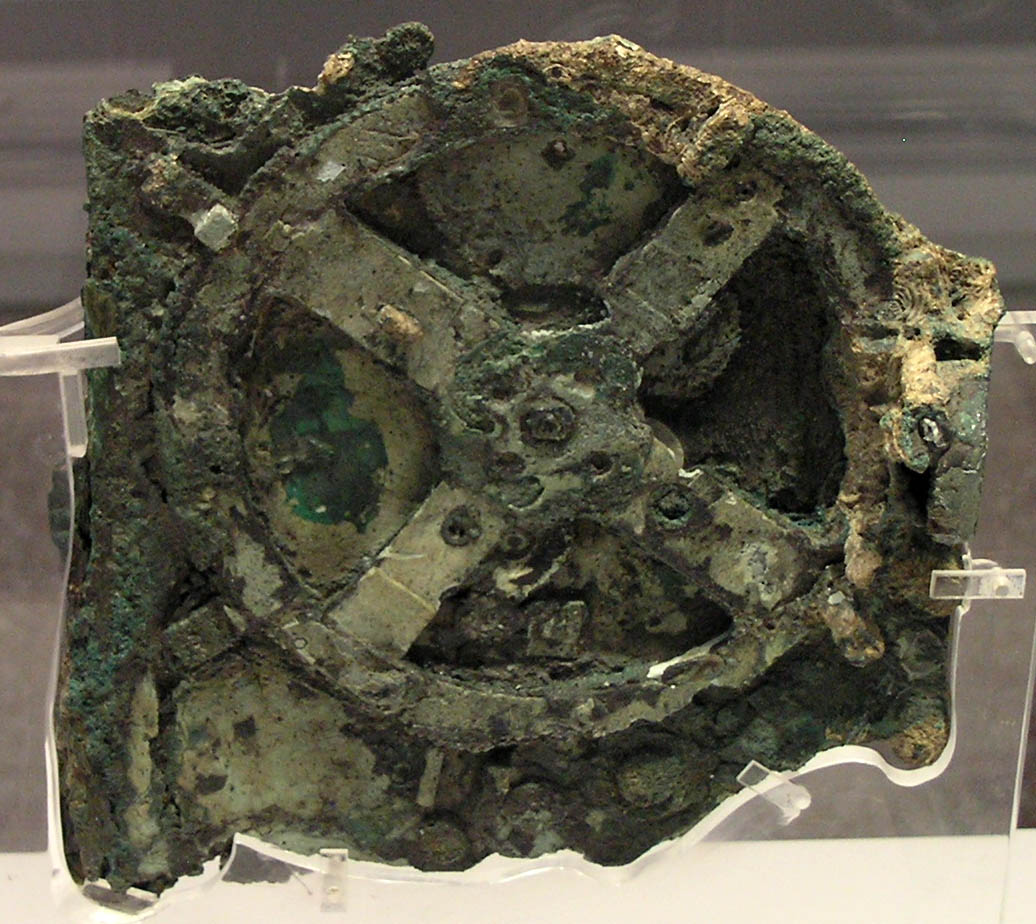
In the spring of 1900, a group of Greek sponge divers took shelter from a storm near the small island of Antikythera. The waves crashed against their ship as they waited for calmer seas, unaware that destiny was about to place them at the threshold of one of the most astonishing discoveries in human history. When the waters stilled, they plunged into the Aegean, expecting to gather sponges as they always had. Instead, one diver surfaced with wide, frightened eyes, describing a vision of “a heap of rotting corpses” strewn across the seafloor. What he had seen were not corpses but statues – bronze and marble figures scattered in silence, part of a sunken shipwreck that had lain undisturbed for nearly two thousand years. Among the treasures recovered from that wreck – a wealth of sculptures, jewelry, and glassware – was a lump of corroded bronze and wood, unremarkable compared to the glittering artifacts around it.
It went unnoticed for two years, while museum staff worked on piecing together more obvious treasures, such as the statues. In 1902, during a visit to the National Archaeological Museum in Athens, it was noticed by Valerios Stais, a Greek archaeologist, as containing a gear. This moment changed archaeology forever. The device that emerged from beneath centuries of marine corrosion would prove to be more sophisticated than any mechanical invention until medieval clockwork appeared over a millennium later.
Hidden Clues Beneath Bronze Corrosion
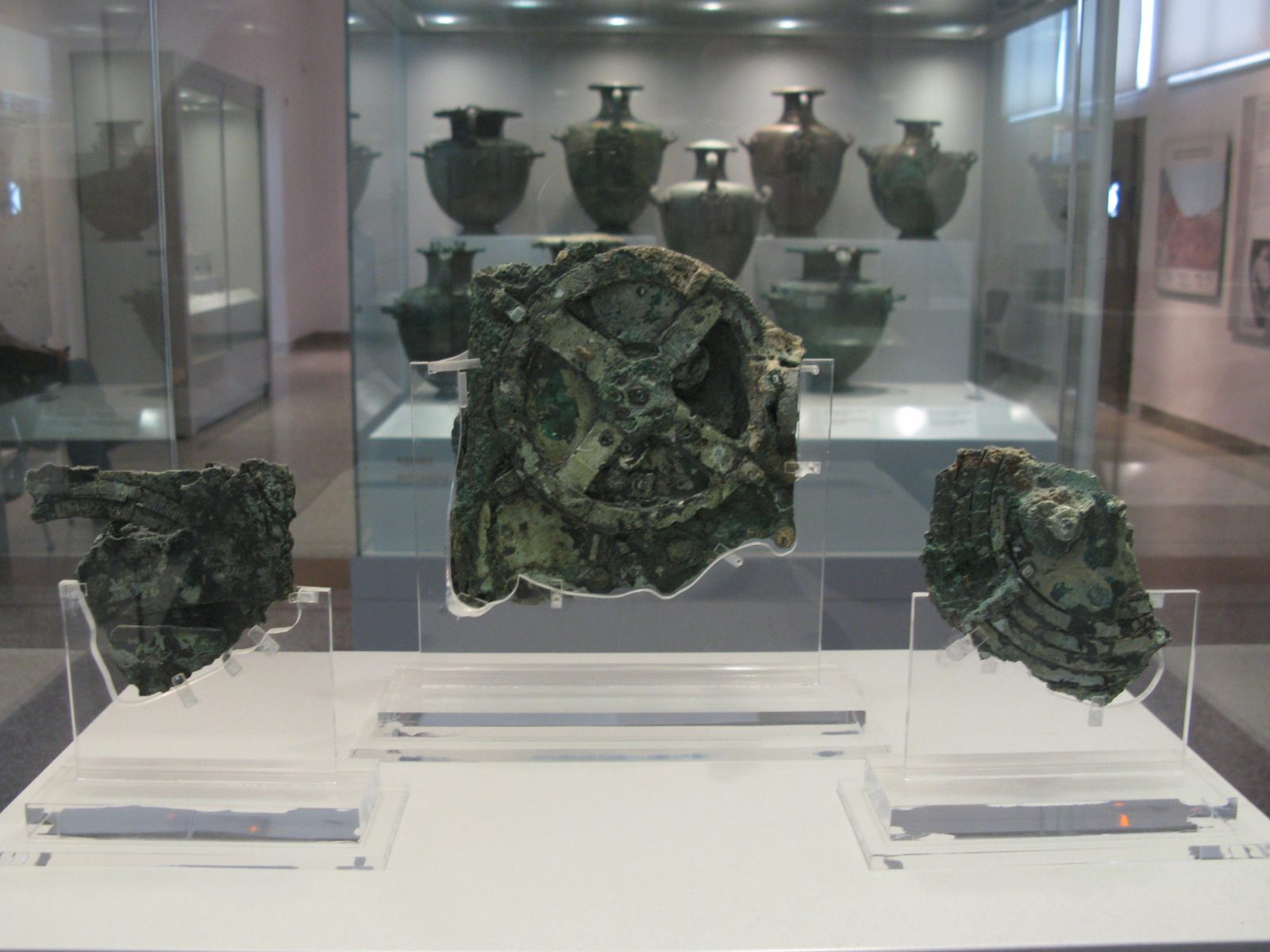
The Antikythera mechanism is an ancient Greek hand-powered orrery (model of the Solar System). It is the oldest known example of an analogue computer. It could be used to predict astronomical positions and eclipses decades in advance. It could also be used to track the four-year cycle of athletic games similar to an olympiad, the cycle of the ancient Olympic Games. However, understanding exactly what lay within those corroded fragments would take decades. Months after it was recovered, the object split apart, revealing tiny gearwheels inside, around the size of coins. It was an astonishing discovery: no one had even thought that such precision gearwheels could exist in ancient Greece. Today, only a third of the original Mechanism survives, split into 82 fragments – designated by letters A-G and numbers 1-75.
Studies in 2005 using 3D X-rays and surface imaging enabled researchers to show how the Mechanism predicted eclipses and calculated the variable motion of the Moon. However, until now, a full understanding of the gearing system at the front of the device has eluded the best efforts of researchers. Each technological breakthrough revealed new layers of complexity that shouldn’t have existed in the ancient world.
From Ancient Tools to Modern Science
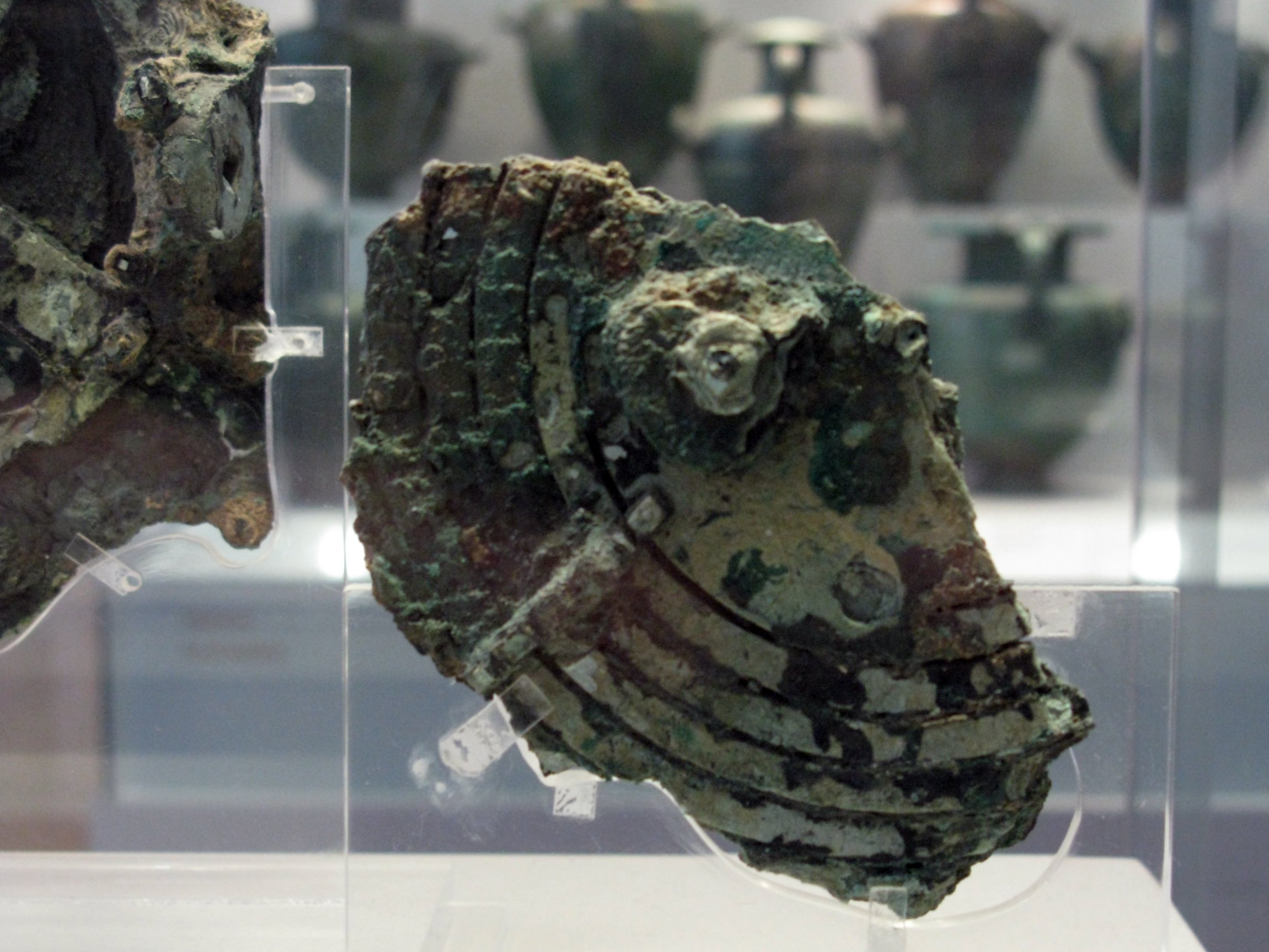
The marriage of cutting-edge technology with archaeological investigation has revolutionized our understanding of the mechanism. In a new paper published in the Horological Journal, the Glasgow researchers describe how they used two statistical analysis techniques to reveal new details about the calendar ring. They show that the ring is vastly more likely to have had 354 holes, corresponding to the lunar calendar, than 365 holes, which would have followed the Egyptian calendar. The analysis also shows that 354 holes is hundreds of times more probable than a 360-hole ring, which previous research had suggested as a possible count.
Researchers at the University of Glasgow say they’ve used statistical modeling techniques, originally designed to analyze gravitational waves – ripples in spacetime caused by major celestial events such as two black holes merging – to suggest that the Antikythera mechanism was likely used to track the Greek lunar year. The precision required to create such a device astounds modern engineers. It also reveals that the holes were precisely positioned with extraordinary accuracy, with an average radial variation of just 0.028mm between each hole. “It’s given me a new appreciation for the Antikythera mechanism and the work and care that Greek craftspeople put into making it – the precision of the holes’ positioning would have required highly accurate measurement techniques and an incredibly steady hand to punch them.
Engineering Marvel Beyond Its Time
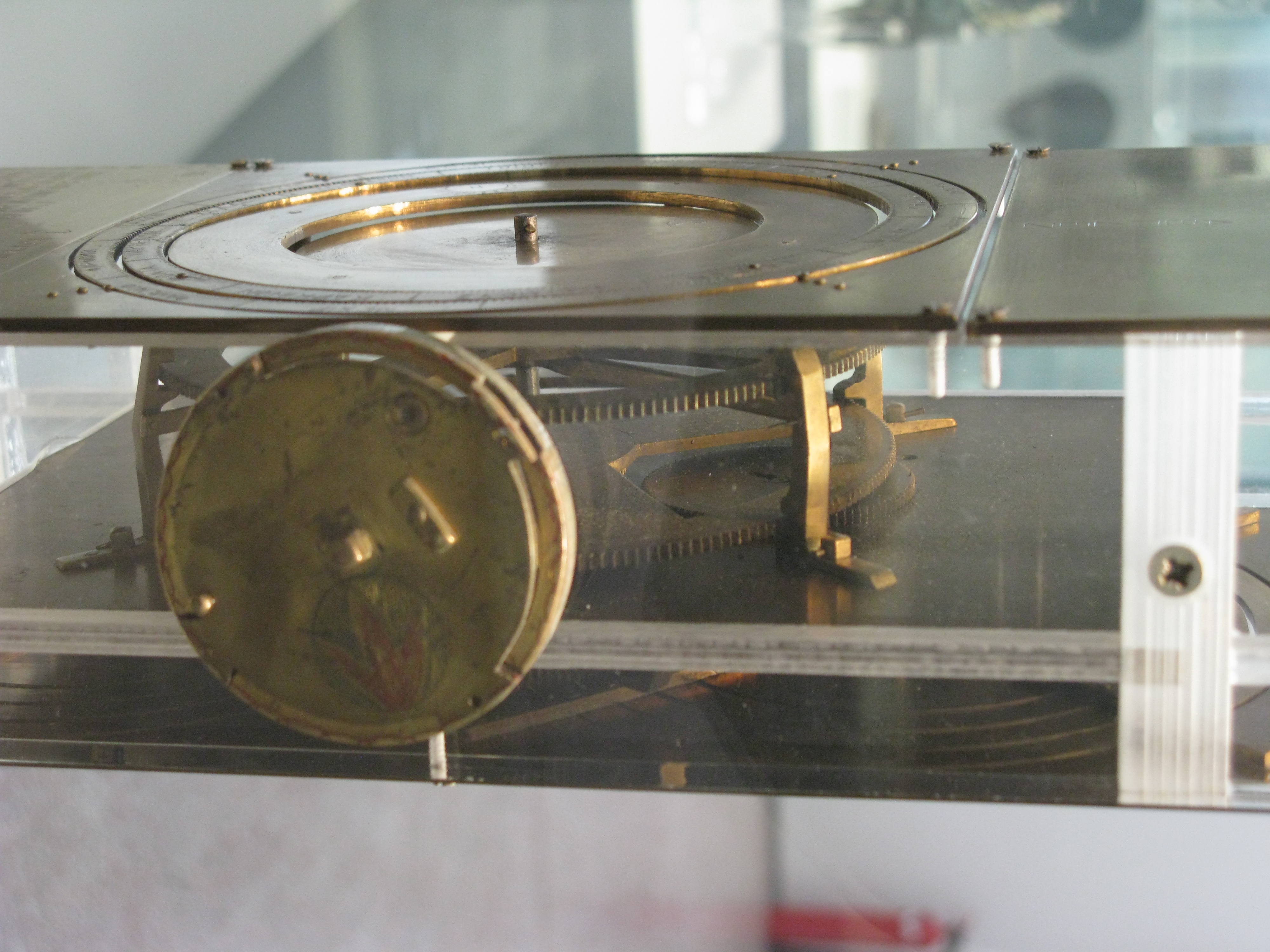
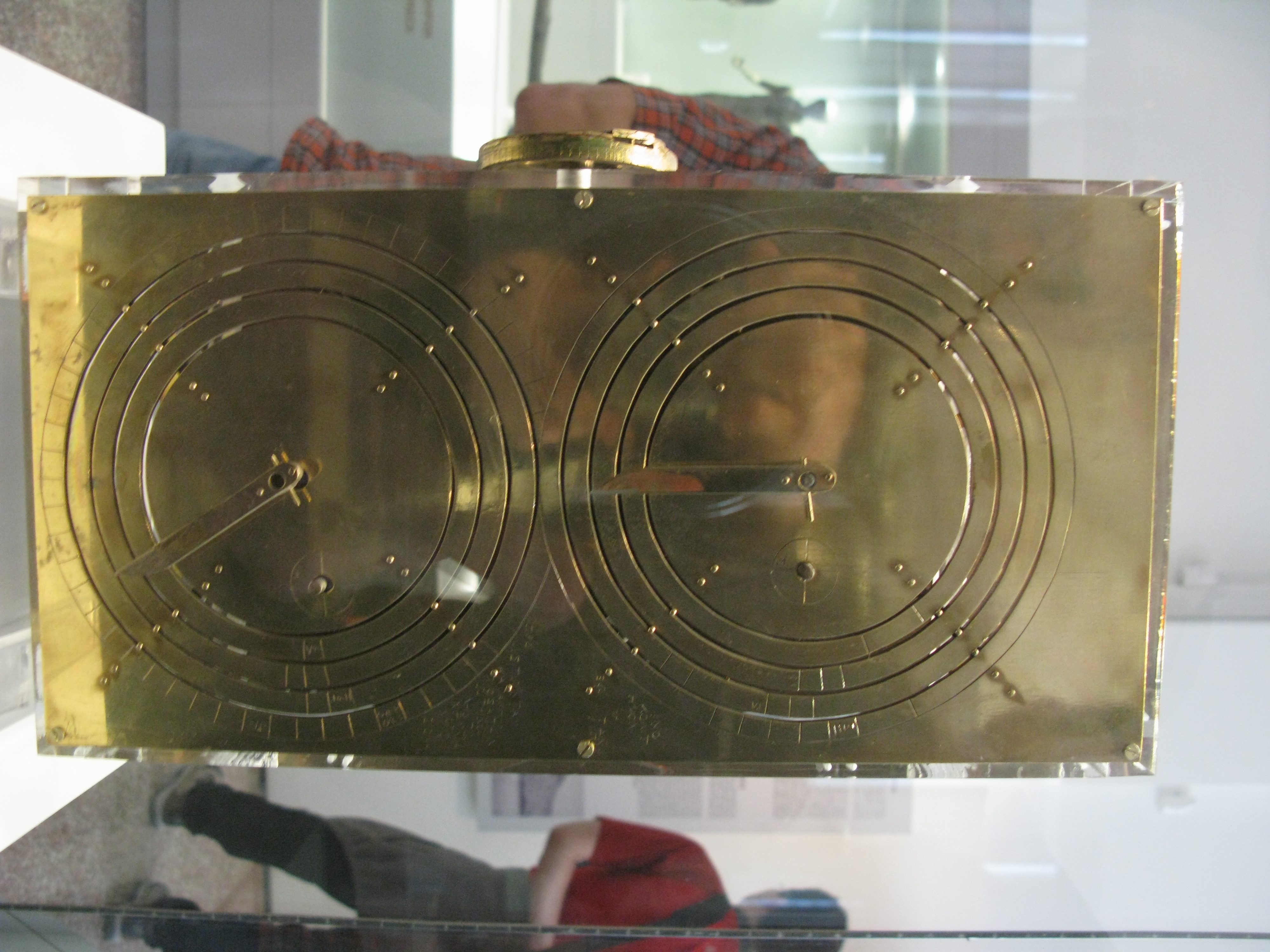
The Antikythera Mechanism is considered a highly advanced device and comprises a design encased in a wooden box with dimensions 32 cm x 16 cm x 10 cm. The front and back of the mechanism were covered by bronze plates with intricate calendars and astronomical scale markings. At least 39 interlocking gears worked in unison to move the seven pointers simultaneously; this method allowed prediction of different astronomical events. The sophistication of its gear trains rivals clockwork that wouldn’t appear again until the 14th century.
The Antikythera Mechanism was a computational instrument for mathematical astronomy, incorporating cycles from Babylonian astronomy and the Greek flair for geometry. It calculated the ecliptic longitudes of the Moon, Sun and planets; the phase of the Moon; the Age of the Moon; the synodic phases of the planets; the excluded days of the Metonic Calendar; eclipses – possibilities, times, characteristics, years and seasons; the heliacal risings and settings of prominent stars and constellations; and the Olympiad cycle – an ancient Greek astronomical compendium of staggering ambition. It is the first known device that mechanized the predictions of scientific theories and it could have automated many of the calculations needed for its own design – the first steps to the mechanization of mathematics and science.
Why It Matters
Professor Edmunds said: “It does raise the question what else were they making at the time. In term of historic and scarcity value, I have to regard this mechanism as being more valuable than the Mona Lisa.” The mechanism forces us to reconsider fundamental assumptions about ancient technological capabilities. Machines with similar complexity did not appear again until the 14th century in western Europe. This thousand-year gap suggests that sophisticated engineering knowledge was lost and had to be rediscovered.
The Antikythera mechanism stands as a symbol of lost genius, a reminder that history is not a straight line of progress but a fragile web of knowledge. For centuries, humanity stumbled in darkness, forgetting what had once been achieved. Mechanical clocks, rediscovered in the Middle Ages, were celebrated as marvels of innovation – yet they were echoes of something the Greeks had already glimpsed. The device challenges linear assumptions about technological progress and reminds us how much knowledge can be lost to time.
The Future Landscape
The 2024 expedition to the Antikythera shipwreck marked a significant milestone in underwater archaeology. Between May 17 and June 20, under the framework of the 2021-2025 research program led by the Swiss Archaeological School in Greece and supervised by the Ephorate of Marine Antiquities. Ideal weather conditions allowed for extensive excavation, yielding numerous artifacts, with the most notable being a substantial part of the ship’s hull. What’s more, a second area of interest has offered up evidence that the site is one of multiple wrecks.
These technologies allow researchers to study the device in ways that would have been impossible just a few decades ago. Each new imaging session brings fresh discoveries, suggesting that the Antikythera Mechanism still has secrets waiting to be unlocked. The marriage of ancient artifacts with modern technology is rewriting the story of human innovation. Future archaeological expeditions may uncover similar devices, revealing whether the Antikythera mechanism was unique or part of a broader tradition of sophisticated Greek engineering.
Global Perspectives

The scientists who have reconstructed the Antikythera mechanism also agree that it was too sophisticated to have been a unique device. This evidence that the Antikythera mechanism was not unique adds support to the idea that there was an ancient Greek tradition of complex mechanical technology that was later, at least in part, transmitted to the Byzantine and Islamic worlds, where mechanical devices which were complex, albeit simpler than the Antikythera mechanism, were built during the Middle Ages. The device represents not isolated genius but a lost technological tradition that influenced multiple civilizations.
Modern reconstructions of the mechanism now exist in museums worldwide, from Montana to Paris to Athens. Modern tinkerers are busy building working models of the Antikythera Mechanism based on the latest research. To date there have been more than 10 models built since the first one was constructed back in the 1930s. One of the most recent incarnations of the device is in the form of a Hublot watch designed by the Swiss engineer Mathias Buttet. The watch includes the Antikythera Mechanism’s functions. These reconstructions help researchers understand how the original might have functioned while inspiring new generations of engineers and historians.
The Antikythera mechanism continues revealing its secrets more than a century after discovery. Professor Woan added: “It’s a neat symmetry that we’ve adapted techniques we use to study the universe today to understand more about a mechanism that helped people keep track of the heavens nearly two millennia ago.” This ancient computer represents humanity’s enduring quest to understand and predict the cosmos, bridging thousands of years of scientific curiosity.
What mysteries still lie hidden beneath Mediterranean waves? The mechanism reminds us that human ingenuity often exceeds our expectations, regardless of the era. As technology advances, who knows what other impossible artifacts from the past await discovery?
Suhail Ahmed is a passionate digital professional and nature enthusiast with over 8 years of experience in content strategy, SEO, web development, and digital operations. Alongside his freelance journey, Suhail actively contributes to nature and wildlife platforms like Discover Wildlife, where he channels his curiosity for the planet into engaging, educational storytelling.
With a strong background in managing digital ecosystems — from ecommerce stores and WordPress websites to social media and automation — Suhail merges technical precision with creative insight. His content reflects a rare balance: SEO-friendly yet deeply human, data-informed yet emotionally resonant.
Driven by a love for discovery and storytelling, Suhail believes in using digital platforms to amplify causes that matter — especially those protecting Earth’s biodiversity and inspiring sustainable living. Whether he’s managing online projects or crafting wildlife content, his goal remains the same: to inform, inspire, and leave a positive digital footprint.