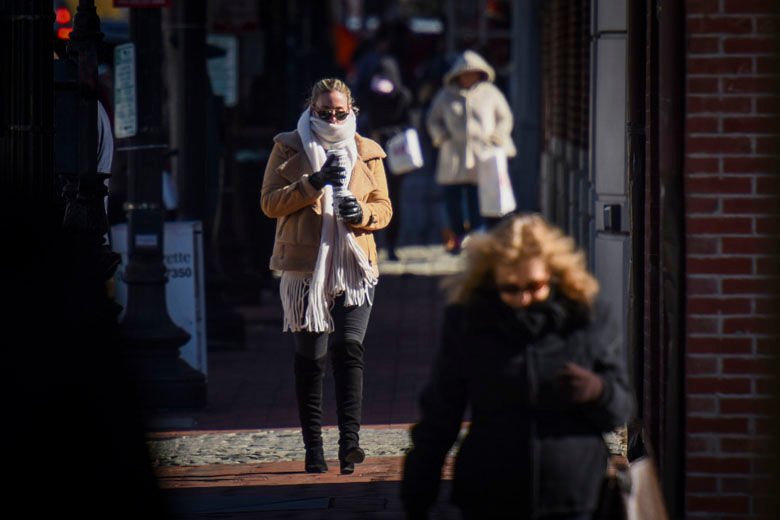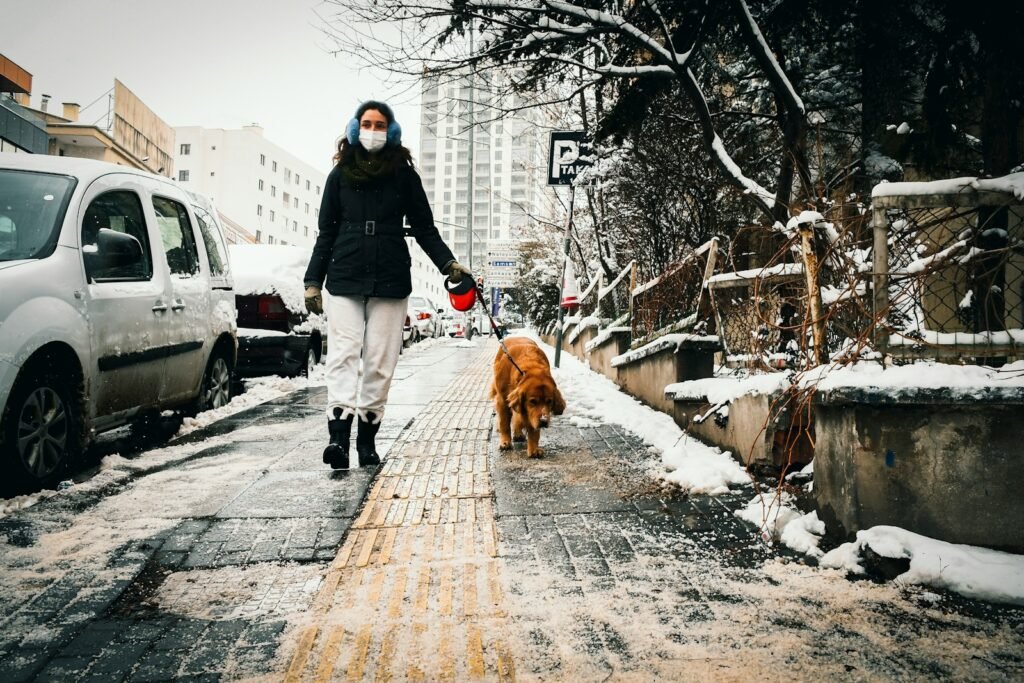

Arctic air can sneak across Minnesota like a shadow, turning a routine dog walk into a test of biology and judgment. Each year, cold snaps arrive faster than many pet owners expect, and small mistakes – an extra ten minutes outside, a puddle of antifreeze in the driveway – can spiral. The mystery isn’t whether winter is dangerous; it’s how to read the signals before trouble strikes. Scientists are mapping those signals, from the way paws lose heat to how wind accelerates chilling, and the findings are surprisingly practical. The story here is part field guide, part survival science, and all about keeping the animals we love safe when the temperature plunges.
The Hidden Clues
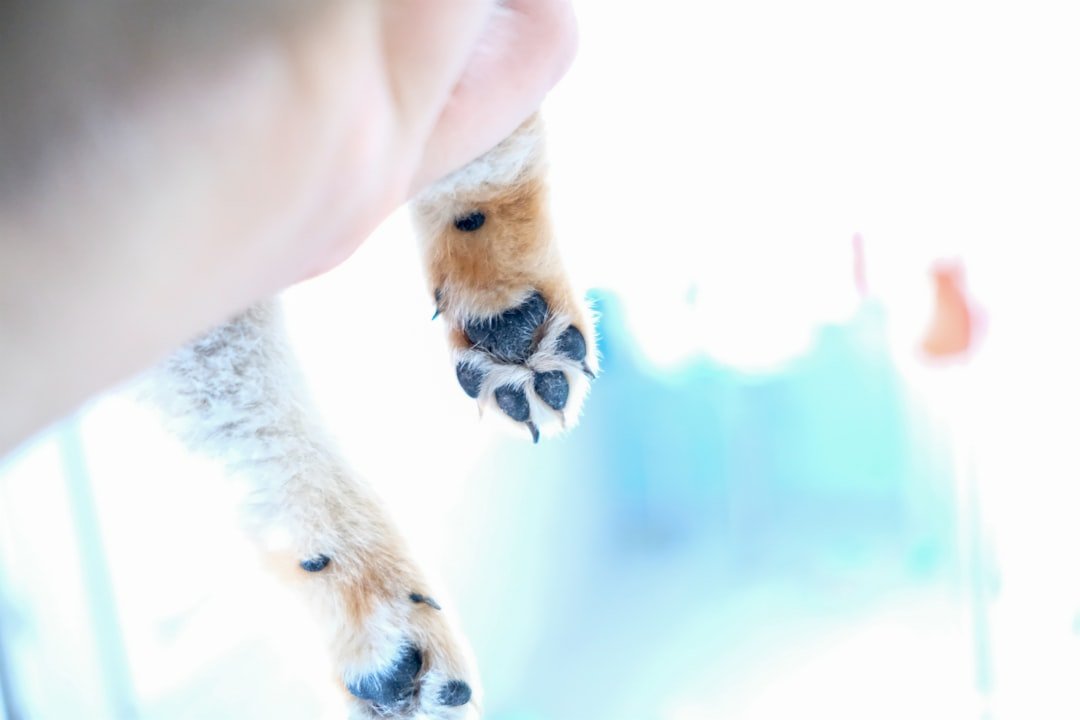
Here’s the quiet truth: the first warning sign of cold stress is often behavior, not shivering. Dogs that normally bound ahead may hesitate at the curb, lift their paws, or tug toward home; cats might refuse the porch step and angle back to the heat source they trust. Those moments matter because skin can start cooling long before a pet looks “cold.” Wind slices through fur, and wet snow robs heat in a heartbeat, especially from the paws, belly, ears, and tail. I learned this the hard way with my short‑haired terrier; the day looked bright, but a gusty subzero wind had her paw‑dancing within minutes, a silent plea I nearly missed. Pay attention to those tiny pivots and pauses – they’re the body’s first headlines.
From Ancient Tools to Modern Science

For centuries, northern peoples judged safe travel by feel: the bite of the wind, the sound of snow underfoot. Today, veterinary science and meteorology give us sharper instruments. Wind chill turns a cold day into a dangerous one by speeding heat loss, and moisture multiplies that effect, which is why sleet is often worse than powder. Thermal imaging shows how quickly paw pads cool on ice, and sensors in smart collars now track activity dips that can flag early discomfort. These tools don’t replace intuition; they translate it, offering numbers where once we had nothing but hunches. When forecasts mention a fast‑dropping front or blowing snow, think of it as a physiological forecast for your pet, not just a weather update.
Cold, Physiology, and Breeds
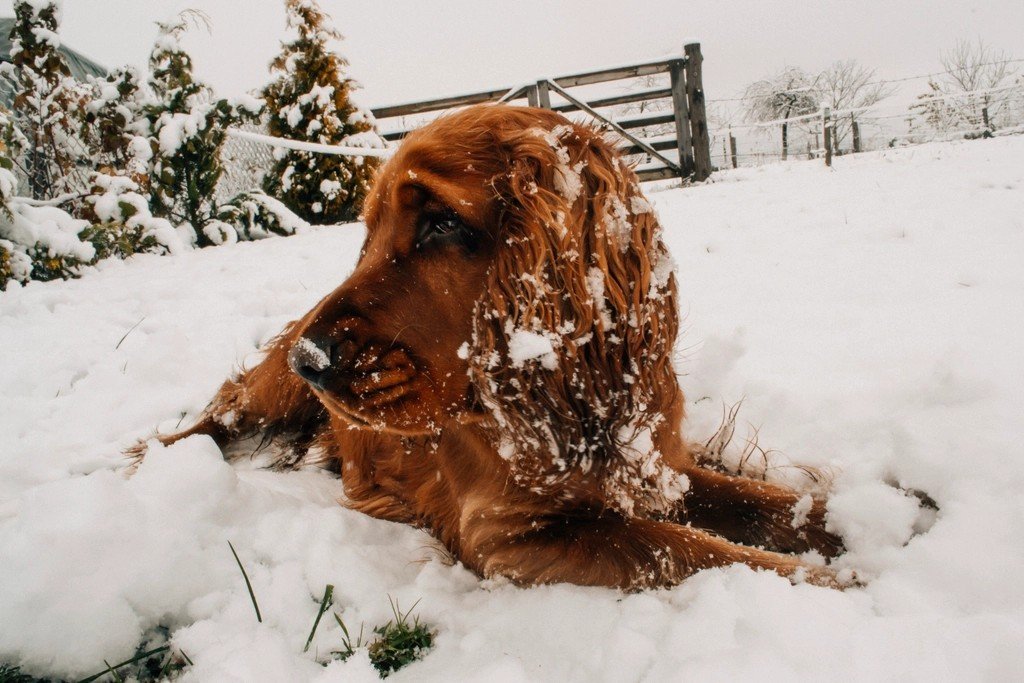
Coats are not created equal, and neither are metabolisms. Double‑coated breeds like huskies or Newfoundlands trap insulating air, while sleek, short‑haired dogs lose warmth quickly and often need jackets and booties for even brief outings. Smaller animals cool faster because of their larger surface area relative to body mass, and seniors or pets with endocrine or cardiac issues may struggle to regulate temperature at all. Cats are experts at finding microclimates – a sun stripe on the floor, the warm back of a sofa – but that can hide how sensitive they are to drafts and cold floors. Calorie needs can rise for active dogs in frigid weeks, yet overweight, low‑activity pets rarely benefit from extra rations. Match the plan to the physiology, not the calendar.
Frostbite, Hypothermia, and Real-World Warning Signs
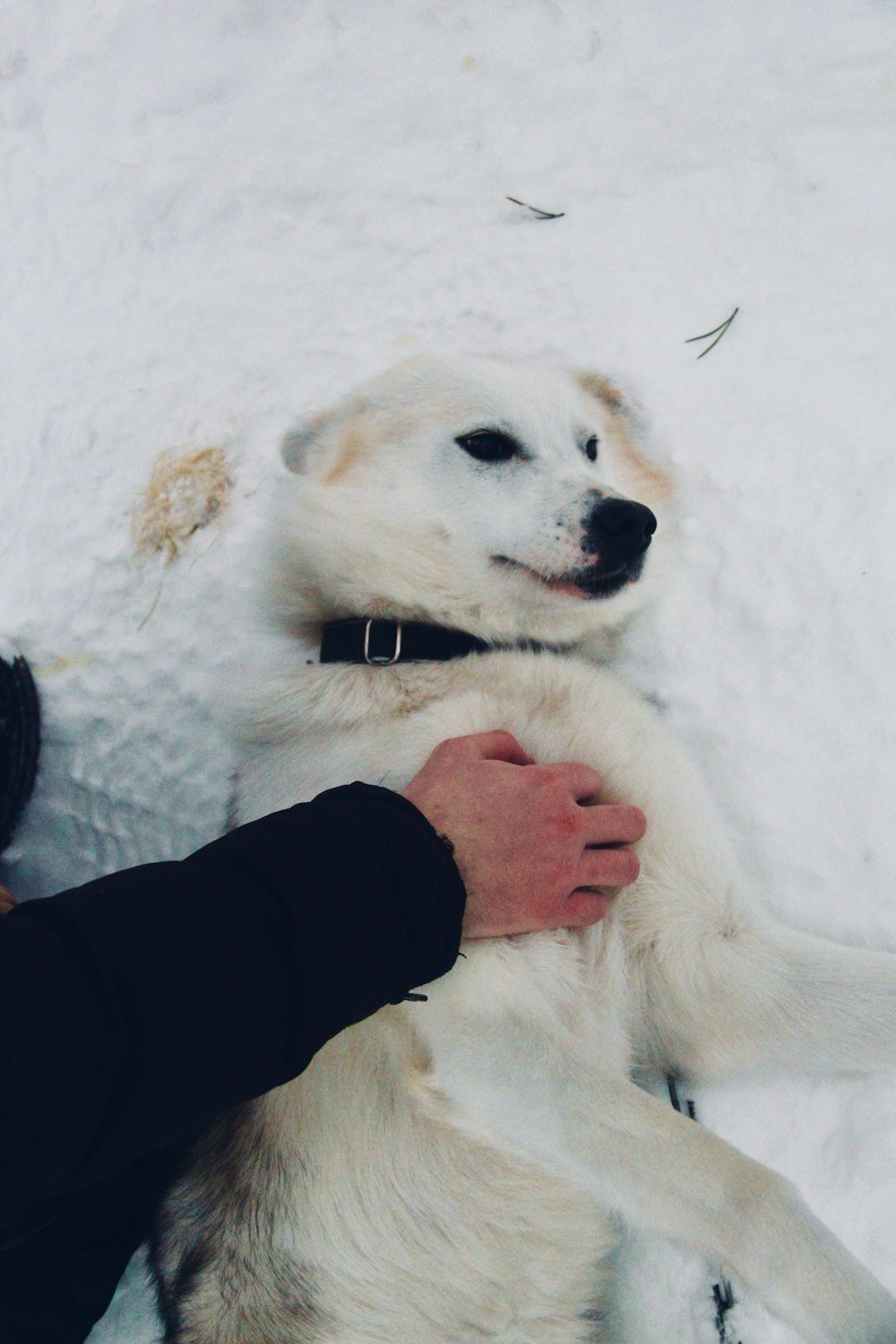
Frostbite is a local injury, and it loves edges: ear tips, tails, and toes. Skin may look pale, gray, or bluish before turning red and swollen as it warms, and pets might lick or guard the spot; resist the urge to rub since that can worsen tissue damage. Hypothermia is systemic and sneaky – think slowed movement, weak pulse, confusion, and breathing that becomes shallow or irregular. The right response is steady and gentle warming: remove wet gear, wrap the pet in dry layers, and use body heat or warm – not hot – compresses while you call your veterinarian. Avoid heating pads on bare skin, and skip hot baths that shock cold vessels. If you’re unsure which you’re seeing, act as if it’s both and seek professional help quickly.
Ice, Salt, and Chemical Hazards
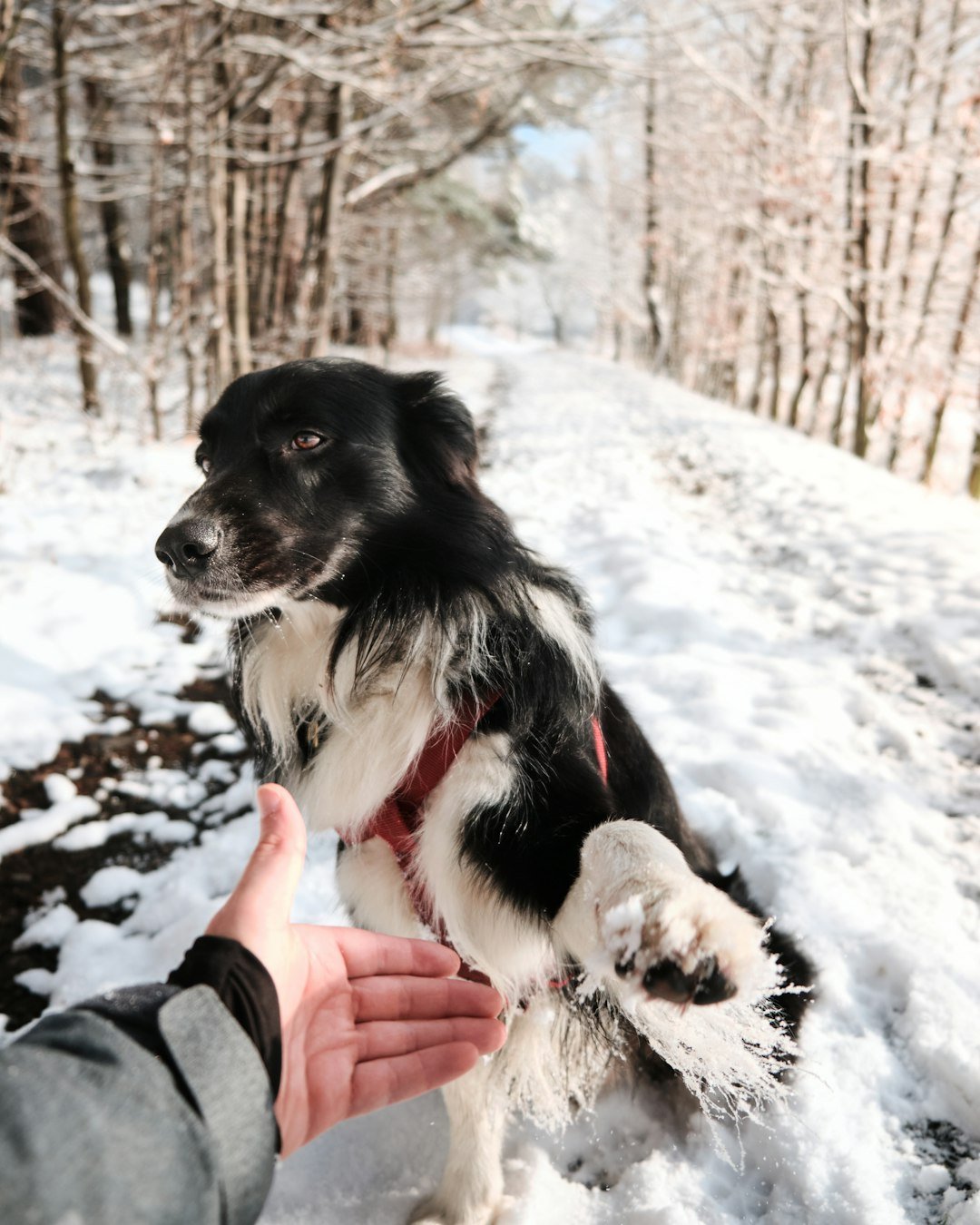
Winter streets are a chemistry set, and paws are on the front line. Common de‑icer salts can dry and crack pads, and some products cause gastrointestinal upset if licked off at home. Rinse and dry paws after walks, trim the hair between toes to limit ice balls, and consider booties or paw wax for a barrier. Antifreeze is another cold‑season threat; even small amounts of ethylene glycol can be deadly, and spills can hide beneath a dusting of snow. Choose products labeled pet‑safer (often propylene glycol), store them securely, and clean spills thoroughly. Remember that garages concentrate fumes and risks – idling cars, space heaters, and chemical drips – so turn that space from a hazard zone into a strictly supervised zone.
Why It Matters
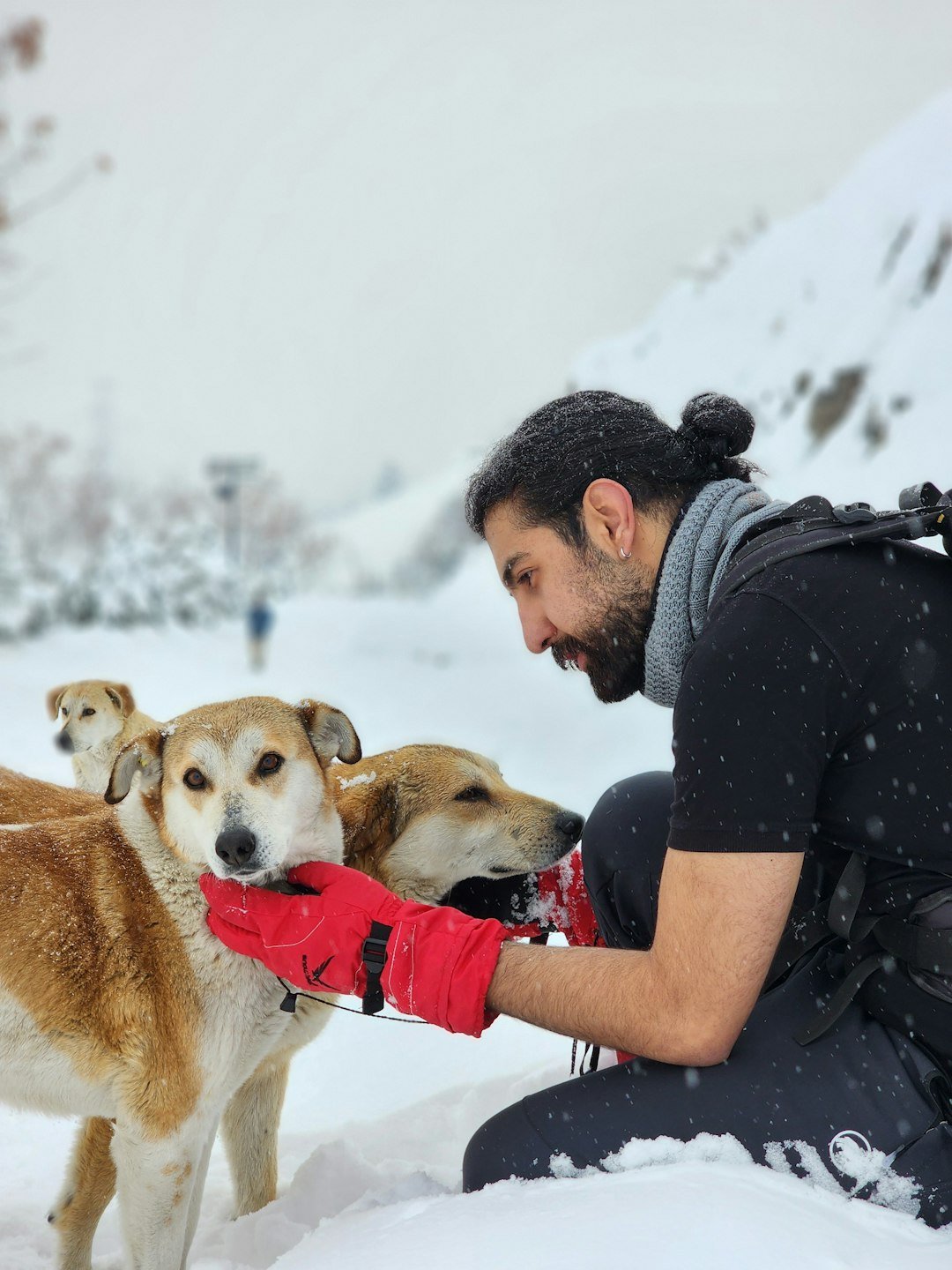
The stakes go beyond comfort; cold stress ripples through health, safety, and even community resources. Emergency clinics see predictable spikes during bitter spells: slip‑and‑fall injuries on ice, salt‑related paw problems, and frostbite after pets bolt during storms. Traditional wisdom says, “They have fur, they’ll be fine,” but physiology says otherwise, particularly for short‑coated breeds, seniors, and pets with chronic disease. Modern veterinary care can reverse many cold‑related injuries, but recovery can be long and costly, and some tissue damage is permanent. Better to focus on prevention: time‑limited walks, protective gear, and a routine that includes quick paw checks and warm‑up breaks. In other words, what looks like over‑preparation is really evidence‑based care.
Minnesota’s Wild Neighbors and Urban Risks
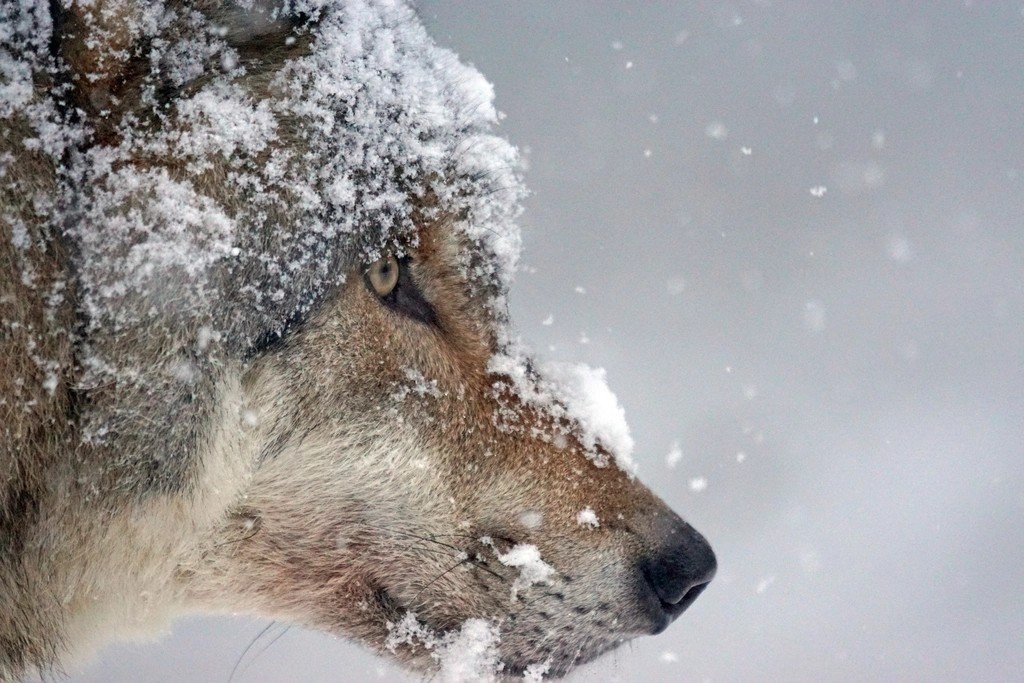
Winter changes the map of who visits your yard. Coyotes and foxes often roam closer to neighborhoods in lean months, and deep snow encourages wildlife to use plowed roads and shoveled paths, bringing them into pet territory. Keep cats indoors and dogs leashed, especially at dawn and dusk when visibility is poor and scents carry strangely in cold air. Bird feeders can indirectly attract predators by drawing small mammals, so tidy spilled seed and secure trash to reduce lures. Frozen lakes and ponds are another trap; snow hides thin ice and currents, and pets don’t read warning signs. If you must venture onto ice, keep dogs on short leads and have a plan for a quick retreat if the surface groans or cracks.
The Future Landscape
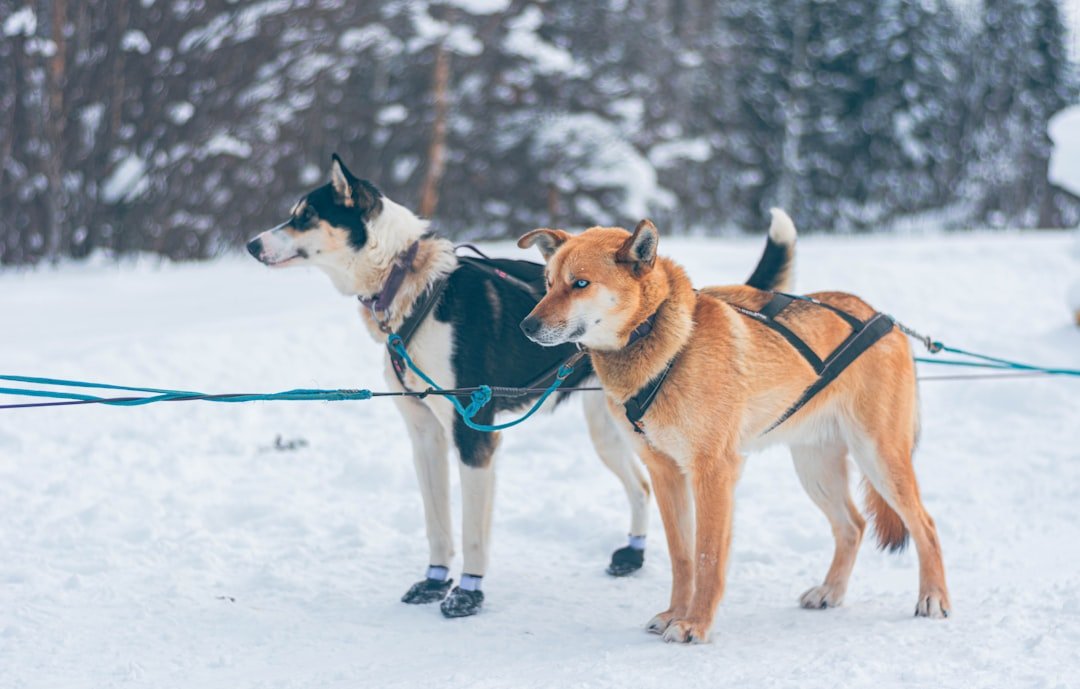
Climate variability is reshaping winter in the Upper Midwest, trading long, steady cold for sharper swings – thaw today, flash freeze tonight, blizzard tomorrow. Those shifts mean more glare ice, more crusted snow that cuts pads, and more surprise storms that catch families off guard. Technology is catching up: smart collars with temperature and activity alerts, GPS geofencing to prevent a panic‑run in whiteout conditions, and lightweight booties with better grip. At home, heated outdoor shelters for working dogs, reflective jackets for low‑light visibility, and insulated water bowls help turn the environment from adversary to ally. Veterinarians are expanding teletriage so owners can get quick guidance on warming protocols or paw injuries without delay. The next step is citywide resilience – warming stations that welcome pets during outages and coordinated alerts that include animal care tips when extreme cold warnings go out.
Home Preparedness and Behavior
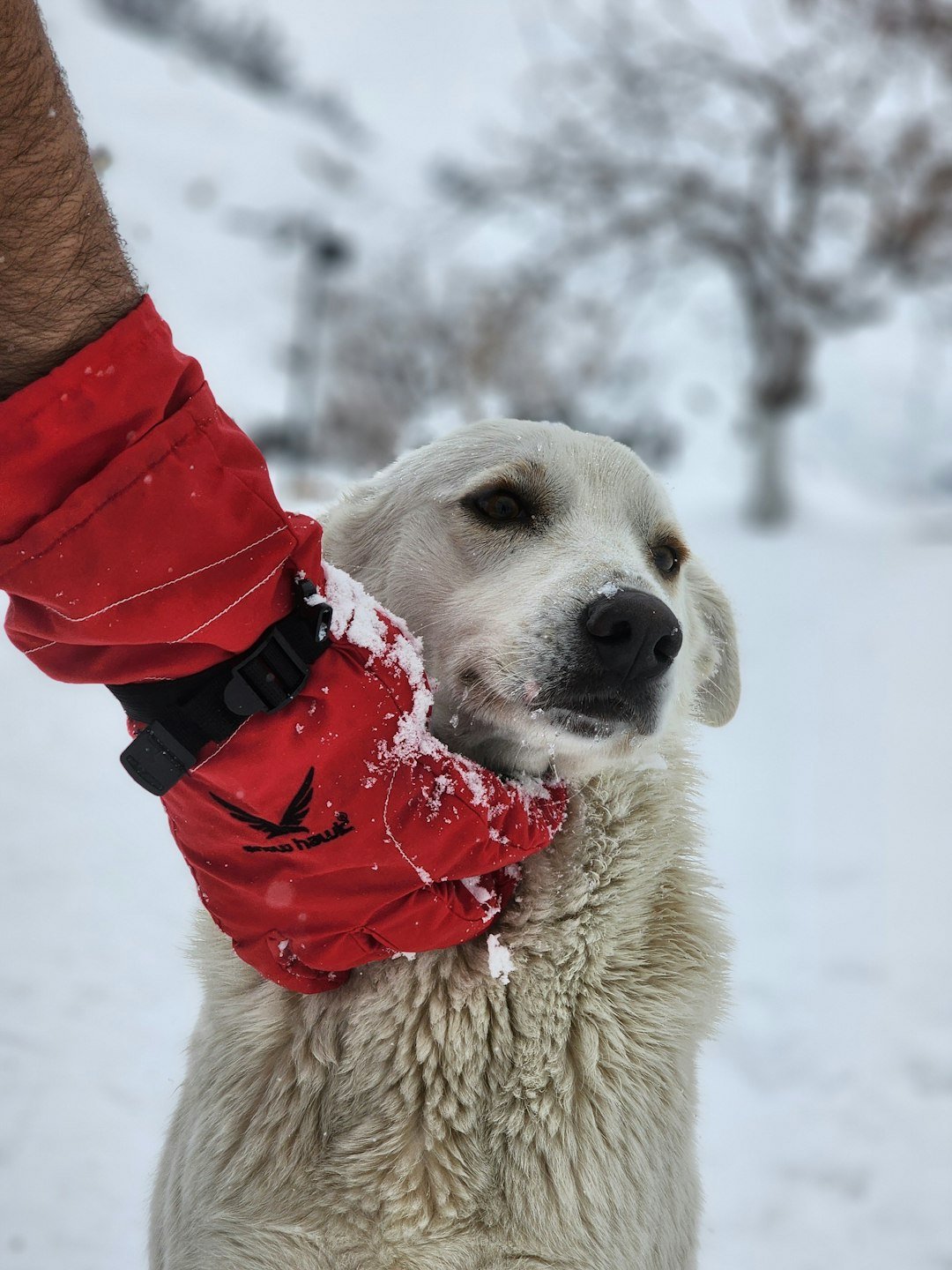
Think of your winter plan as layers, just like a parka system. Start with an indoor environment that stays warm and well‑humidified, especially for short‑snouted breeds and pets with respiratory issues; dry air irritates airways and skin. Build a go‑bag for cold snaps and outages: several days of food, medications, a backup heat source that’s pet‑safe, reflective leash, booties, and a blanket that actually fits your animal. Practice short, frequent walks in severe cold rather than one long outing, and add mental games inside to burn energy when sidewalks turn to skating rinks. Watch for cabin‑fever behaviors – chewing, pacing, vocalizing – and redirect with puzzle feeders or training sessions that feel like work. Above all, set a hard stop temperature and wind‑chill threshold that triggers your indoor‑only plan, and stick to it.
Conclusion
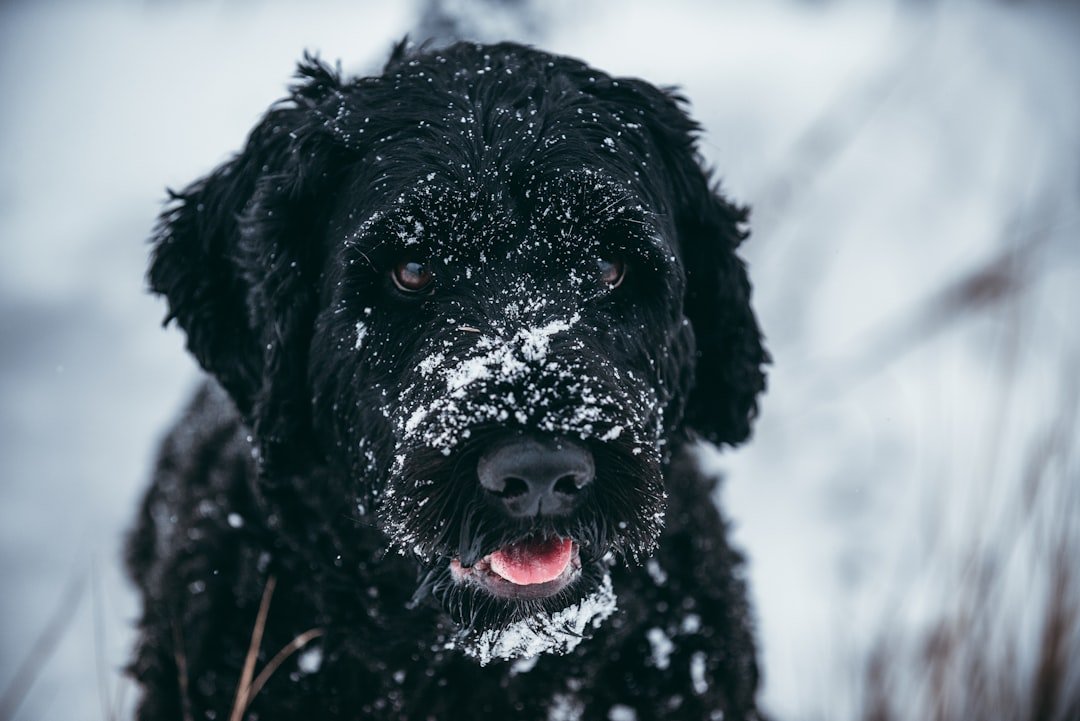
Start today: check your leash and booties, stash a towel by the door for paw rinses, and stock a pet winter kit before the first real cold front. Build a neighborhood text chain so someone can help if a door blows open and a pet slips out in a storm. Ask your veterinarian to review a cold‑weather plan that fits your animal’s age and health, and set alerts on your phone for wind‑chill warnings. Support local shelters with donations of warm bedding, high‑quality food, and pet‑safe de‑icers, because winter hits them hardest. Finally, make one rule non‑negotiable – if you’re cold, your pet is probably colder, and the safest place is back home, together.
Suhail Ahmed is a passionate digital professional and nature enthusiast with over 8 years of experience in content strategy, SEO, web development, and digital operations. Alongside his freelance journey, Suhail actively contributes to nature and wildlife platforms like Discover Wildlife, where he channels his curiosity for the planet into engaging, educational storytelling.
With a strong background in managing digital ecosystems — from ecommerce stores and WordPress websites to social media and automation — Suhail merges technical precision with creative insight. His content reflects a rare balance: SEO-friendly yet deeply human, data-informed yet emotionally resonant.
Driven by a love for discovery and storytelling, Suhail believes in using digital platforms to amplify causes that matter — especially those protecting Earth’s biodiversity and inspiring sustainable living. Whether he’s managing online projects or crafting wildlife content, his goal remains the same: to inform, inspire, and leave a positive digital footprint.