
In a state better known for blistering summers and big skies, the most surprising story is frozen in time – written in the bones of giants. Across central and north Texas, mammoth fossils are pulling back the curtain on a past that looked nothing like a snow‑globe tundra. They speak of flash floods, shifting grasslands, and herds that moved like living weather maps across a cooler, storm‑prone landscape. Today, a mix of classic fieldwork and cutting‑edge lab techniques is turning scattered bones into a coherent climate narrative. And if we listen closely, these Ice Age echoes may tell us something urgent about our future, too.
The Hidden Clues
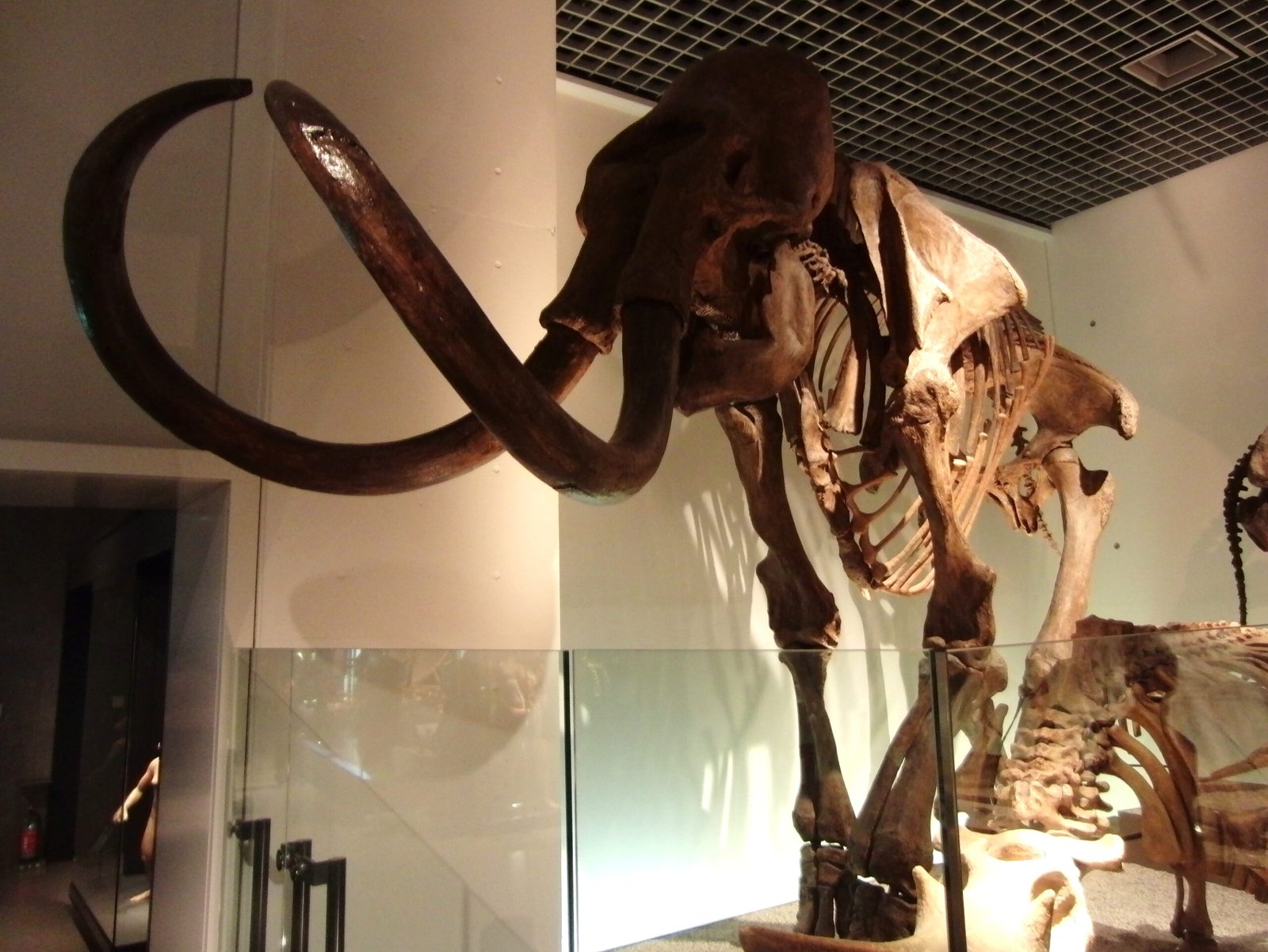
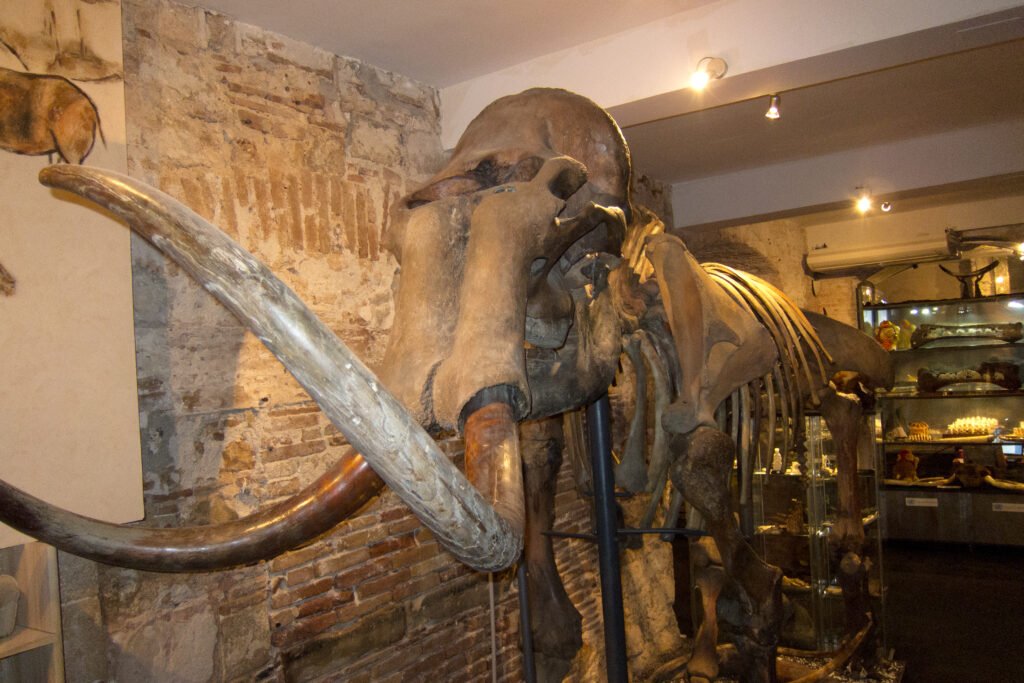
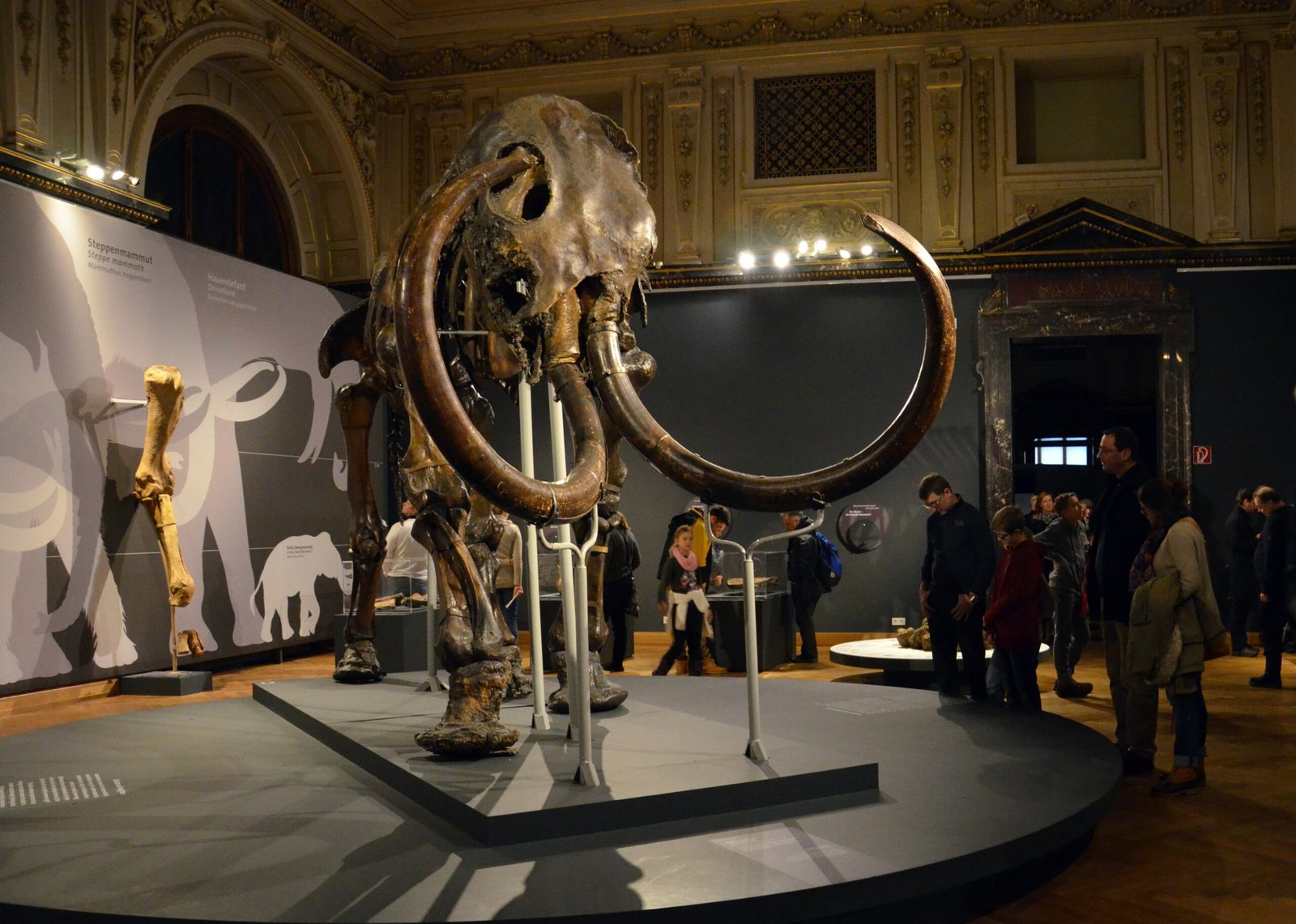
Here’s the twist: Texas’ most revealing Ice Age fossils are not woolly at all – they belong to Columbian mammoths, taller and leaner cousins adapted to open grasslands. At places like Waco, bones lie exactly where water left them, entombed by sudden floods that turned riverbeds into mass graves. The arrangement isn’t random; juveniles cluster near adult females, a frozen snapshot of a nursery herd caught off guard. When I first learned that, it changed how I picture the past – not as a distant blur, but as a moment that unfolded in minutes. The sediment itself is a witness, packed with silt and tiny pebbles that betray powerful, repeat flooding events.
These sites carry the hush of a paused story – no predators dragged the bones around, no campfires mark a human presence. Instead, layers stack like overturned pages, each one a hint at rainfall patterns and river behavior. The fossils are less a trophy and more a data set, waiting for patient eyes and steady hands.
Texas, Not Tundra: A Different Kind of Ice Age
During the last glacial cycle, ice sheets bulldozed the far north, but Texas sat south of the great walls of ice. The climate ran cooler than today and, in many places, wetter, with broad prairies, woodlands, and lively rivers feeding a food web of grasses, camels, horses, and mammoths. Columbian mammoths thrived on warm‑season grasses, trading shaggy coats for long legs and big appetites fit for open country. Think less Arctic postcard, more restless savanna under a softer sun. That matters, because it means Ice Age America wasn’t a single scene – it was a patchwork of local climates and ecosystems.
Texas, perched at the crossroads of plains, hills, and coast, became a natural laboratory for environmental change. The same rivers that nourished herds also set the stage for sudden disasters. When storms hit, floodwater sorted bones by size and weight, leaving viral‑like patterns that scientists now read for forensic climate clues.
From Ancient Tools to Modern Science
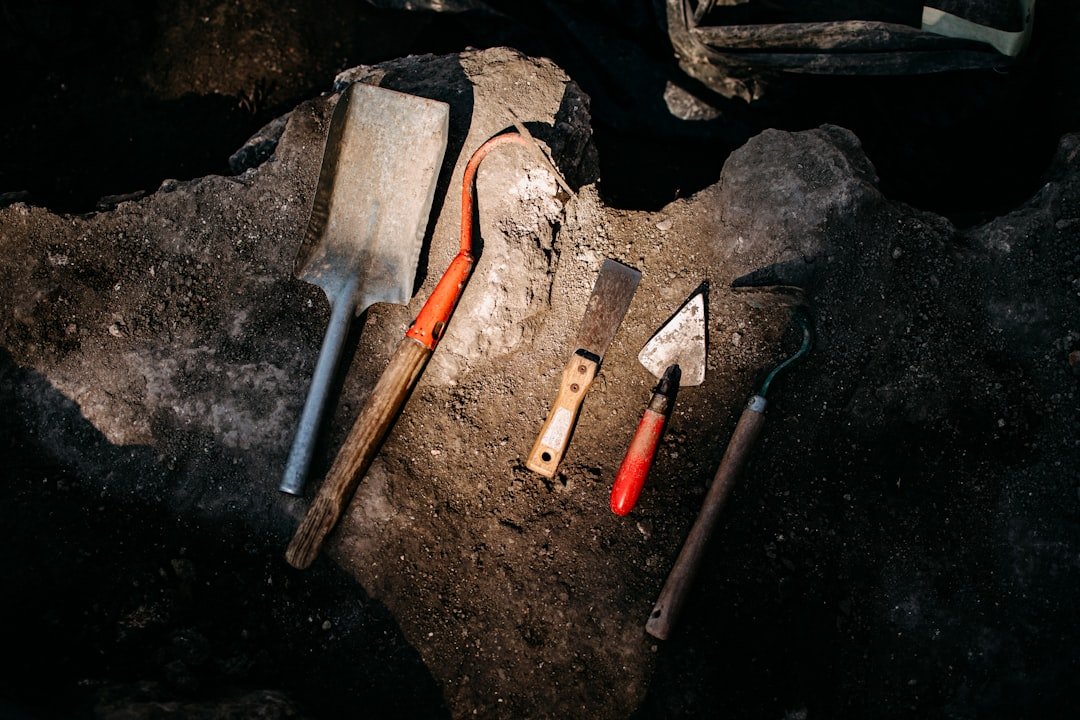
Early excavations relied on shovels, trowels, and intuition, but today’s work blends those with digital mapping, ground‑penetrating radar, and ultra‑precise 3D models. Researchers scan tusks and teeth with micro‑CT to trace growth lines the way a botanist reads tree rings. In the lab, isotopes extracted from tooth enamel act like tiny thermometers and travel logs, recording diet, water sources, and even seasonal movements. Radiocarbon dating helps when collagen survives, and when it doesn’t, scientists turn to luminescence dating of the surrounding sediments to pin down time windows. Put together, these methods stitch single discoveries into a timeline with real dates and real weather.
What used to be guesswork is now pattern recognition. Instead of isolated bones, teams build layered stories where a flood, a drought, and a herd’s migration can be tracked across a valley. It feels a bit like restoring an old film – grainy to start, then crisp enough to spot the background action.
Reading Bones Like Weather Reports
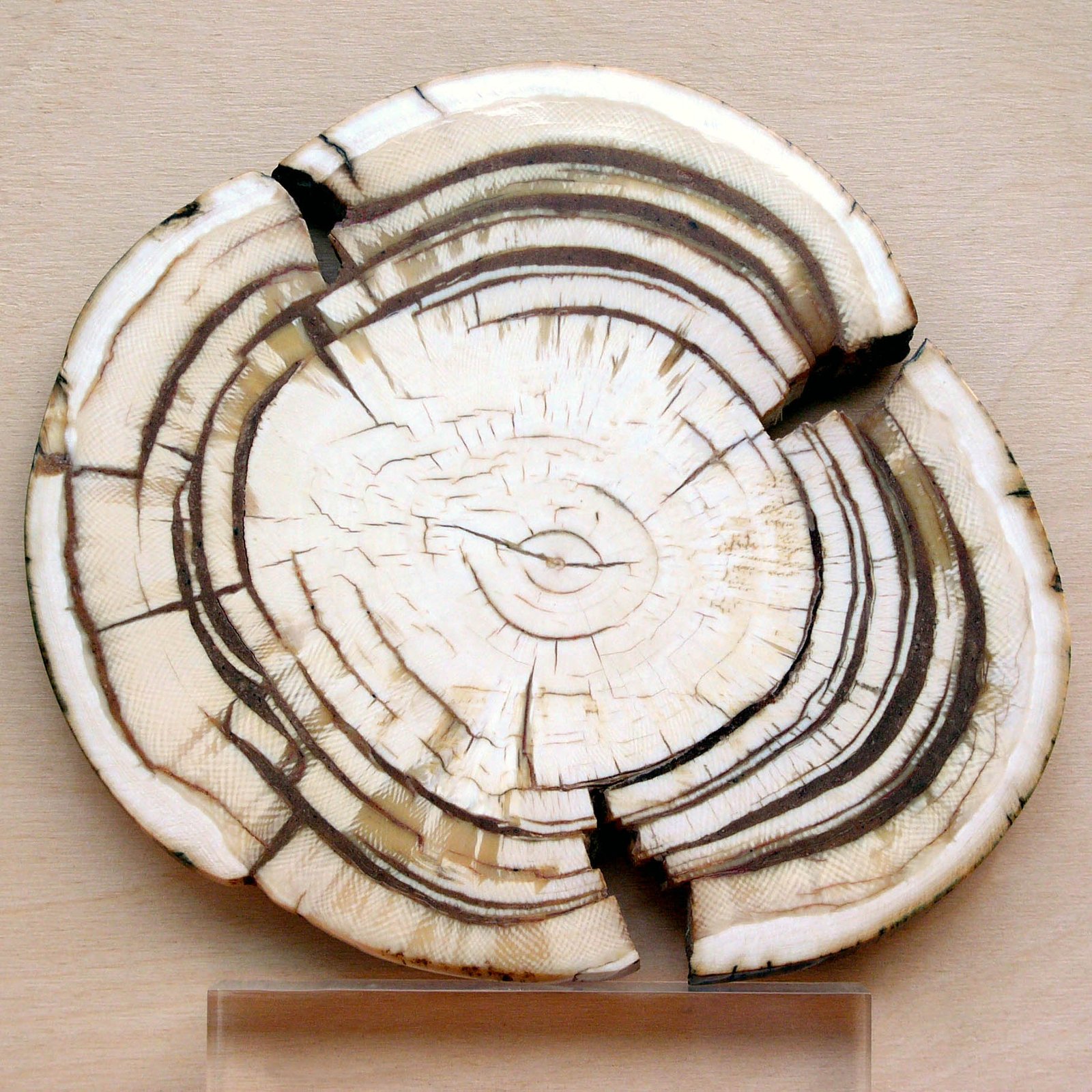
Mammoth tusks grow steadily, stacking up microscopic layers that store chemical fingerprints of what an animal ate and drank. In central Texas, those signals show diets rich in warm‑season grasses and periodic swings that look like dry spells followed by wetter bursts. Tooth enamel records oxygen from drinking water, which shifts with temperature and rainfall; the pattern reads like a bar graph of seasons marching by. Researchers also spot stress bands – brief interruptions in growth – that line up with environmental shocks, exactly what a violent flood would cause. The bones echo the sediments: sudden, powerful events interrupting otherwise regular life.
Even the spacing of skeletons tells a weather story. Piles clustered in low channels point to fast‑moving currents; scattered juveniles suggest a panicked scramble as water rose. It’s sobering to realize a river can write history in an afternoon and have it read seventy thousand years later.
The Social Lives Written in a Graveyard
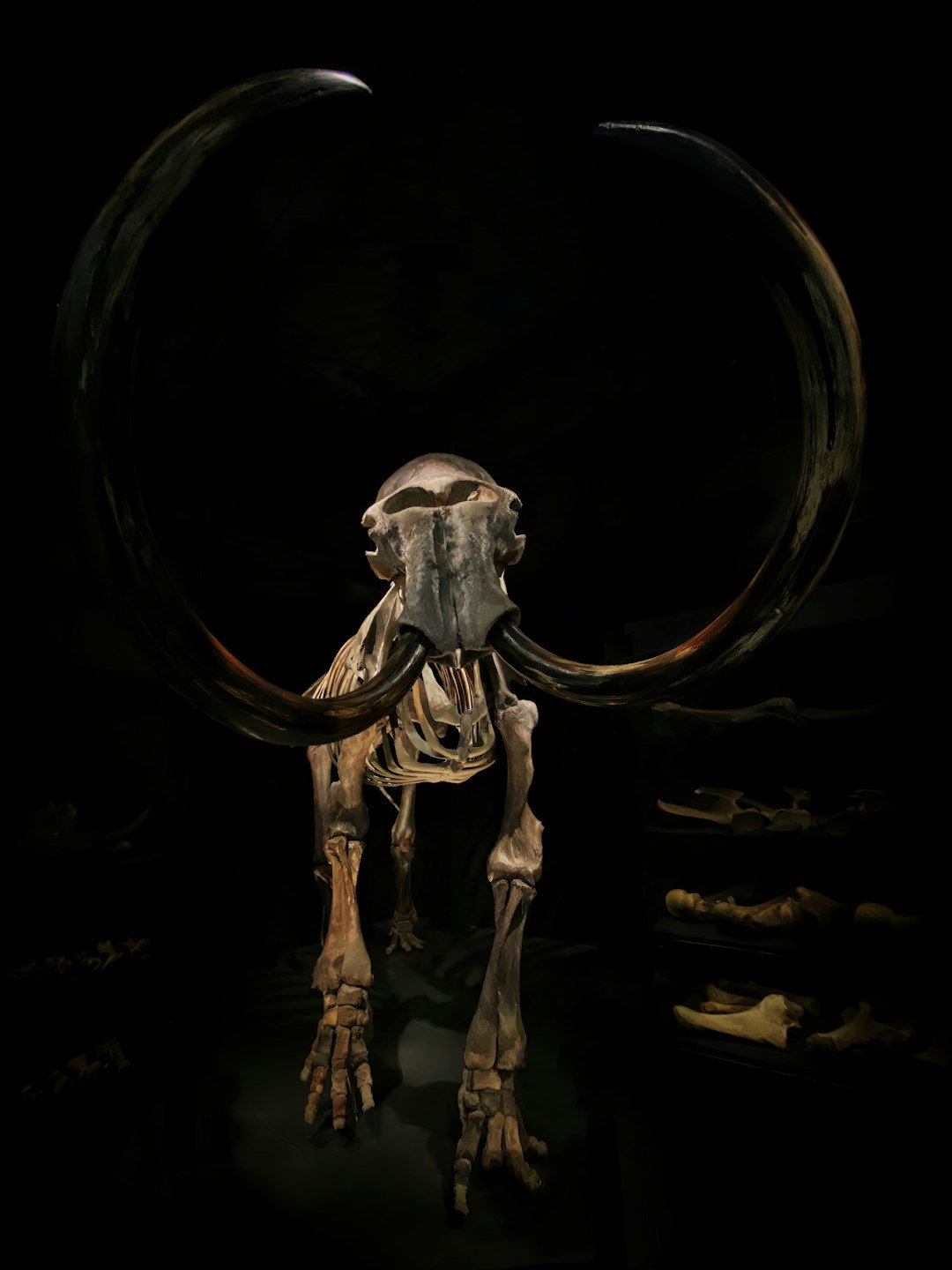
Elephants today live in matriarch‑led families, and Columbian mammoths likely did, too. The dominance of females and calves at some Texas sites suggests a nursery herd that stayed together for safety, while adult males ranged alone or in small bachelor groups. That split matters because it explains why certain deposits are so uniform: a single social unit was struck by the same hazard. At Waco‑style sites, repeated flood horizons may capture different chapters – first a nursery event, later a bull or two, each layer a separate tragedy. The result is a family album no one wanted, but one that reveals how these animals organized their lives.
Behavioral clues soften the stereotype of mammoths as anonymous megafauna and instead present individuals with roles, habits, and vulnerabilities. Social structure magnifies risk in disasters, but it also leaves a clear signature for scientists to follow.
Why It Matters

It’s tempting to treat Ice Age fossils as distant curiosities, yet the stakes are modern and immediate. Texas is already a place of weather whiplash – droughts, deluges, and rivers that can switch personalities overnight – and that’s exactly the pattern written in these bones. Fossils document how extreme events shape ecosystems, from herd movements to sudden die‑offs, giving context for today’s flood risks and habitat planning. They also frame the debate over megafaunal extinctions, showing that climate stresses were real and sometimes acute long before people left clear footprints here. Comparing those natural shocks with later human pressures helps sharpen the timeline of causes rather than flatten it into a single culprit.
In other words, the mammoths don’t just tell us how they died; they show us how landscapes behave under stress. That’s a lesson every modern river town should want on its bookshelf.
Global Perspectives

Texas sits far from the famous mammoth pits of the northern plains, yet its fossil record fills a geographic gap as important as any in North America. To the north, permafrost sometimes preserves DNA; to the south, warmer climates erase organics but keep impeccable sediment stories. That contrast lets researchers compare cold‑world and warm‑world signals, testing whether drought‑flood cycles or grazing patterns reached across the continent. Put simply, Texas translates the Ice Age into a southern dialect: fewer snowdrifts, more storms, the same large‑scale climate drivers humming in the background. Cross‑checking these records against glacial advances and retreat gives a fuller map of America’s last great climate swing.
And this isn’t just about mammoths. Horses, bison, and camels at Texas sites extend the chorus, each species singing a slightly different line that helps tune the whole song.
The Future Landscape
New tools are arriving fast: environmental DNA from sediments, collagen fingerprinting for fragmentary bones, and machine‑learning models that spot patterns humans might miss. Drone photogrammetry makes 3D records of fragile exposures before a rainstorm can erase them, while geochemical baselines refine isotope interpretations at the county scale. The challenge will be heat and time, which degrade biomolecules in the south, pushing teams to squeeze more information from minerals and sediments. Another hurdle is the very thing that made some sites in the first place – floods – which can unearth fossils and destroy them in the same day. Success will hinge on quick reporting, rapid‑response fieldwork, and long‑term site protection that keeps data intact for the next generation.
If the past decade taught us anything, it’s that collaborative science – museums, universities, local governments – turns one discovery into many. Expect Texas to keep punching above its weight in Ice Age research.
Conclusion
Stay curious and keep an eye out when rivers run low or construction exposes ancient layers – responsible reporting can save discoveries that would otherwise wash away. Support your local museums and research programs that fund field seasons, lab analyses, and student training; those dollars turn bones into knowledge. Visit public dig sites and monuments, where entry fees and attention bolster conservation, and follow site rules to protect what’s still in the ground. Teachers and parents can bring these stories into classrooms, using mammoths to talk about climate, water, and decision‑making. If you live near fossil‑rich terrain, join volunteer programs that help catalog finds and monitor sites for erosion.
Suhail Ahmed is a passionate digital professional and nature enthusiast with over 8 years of experience in content strategy, SEO, web development, and digital operations. Alongside his freelance journey, Suhail actively contributes to nature and wildlife platforms like Discover Wildlife, where he channels his curiosity for the planet into engaging, educational storytelling.
With a strong background in managing digital ecosystems — from ecommerce stores and WordPress websites to social media and automation — Suhail merges technical precision with creative insight. His content reflects a rare balance: SEO-friendly yet deeply human, data-informed yet emotionally resonant.
Driven by a love for discovery and storytelling, Suhail believes in using digital platforms to amplify causes that matter — especially those protecting Earth’s biodiversity and inspiring sustainable living. Whether he’s managing online projects or crafting wildlife content, his goal remains the same: to inform, inspire, and leave a positive digital footprint.