Empathy can feel almost magical: your chest tightens when a stranger cries on the subway, or you flinch watching someone stub a toe in a video. But beneath that wave of shared feeling lies a fiercely active brain, shaped by evolution, culture, and experience to tune into the minds of others. For decades, scientists treated empathy as a soft, almost unmeasurable trait. Now, advances in brain imaging, genetics, and social psychology are turning it into one of the hottest frontiers in human science. What is emerging is a picture that is both reassuring and unsettling: empathy is deeply wired into us, yet surprisingly fragile – and crucial to how societies hold together or fall apart.
The Hidden Clues: How Our Brains Quietly Mirror Other People
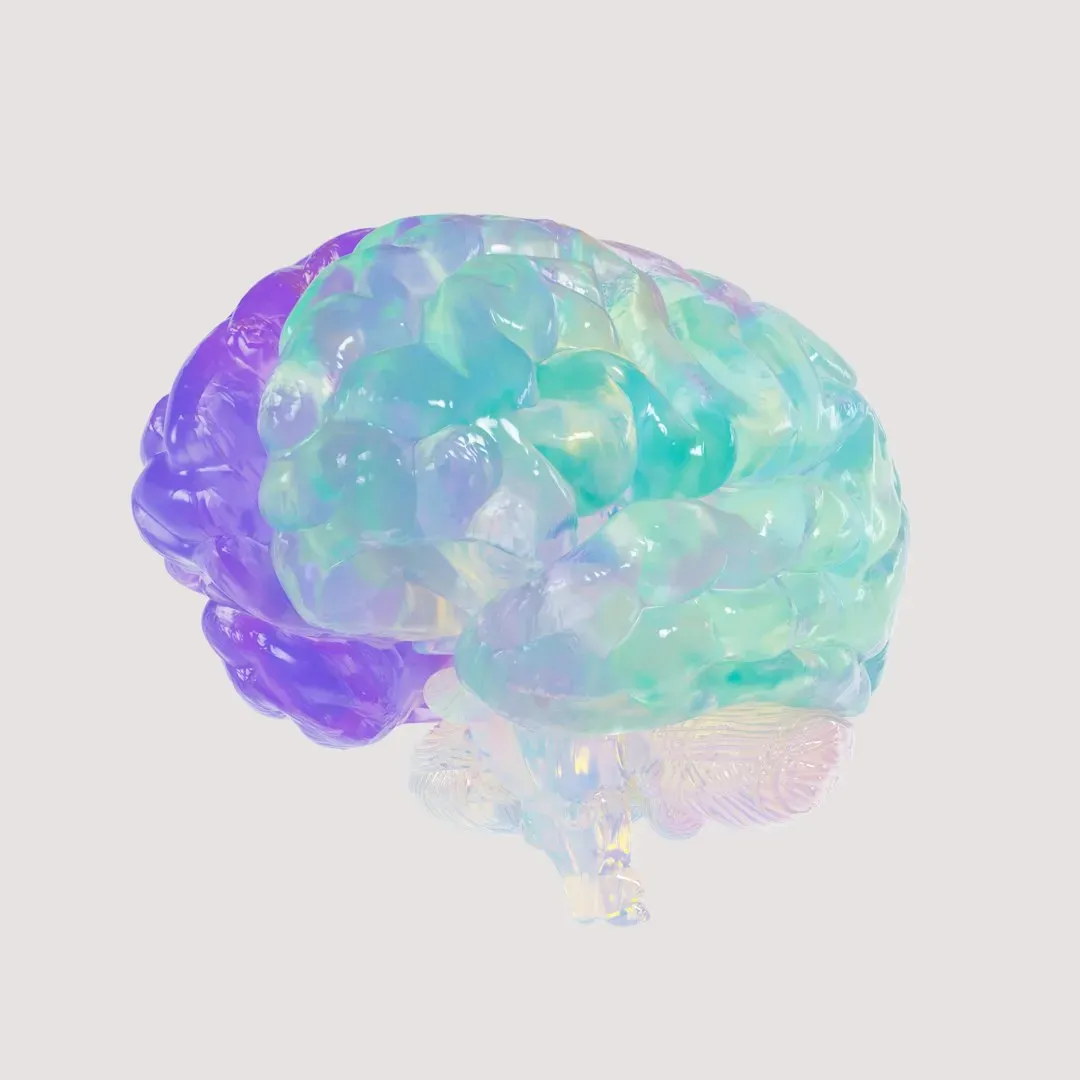
Have you ever felt your jaw clench watching a boxer take a hit on TV, or your throat tighten during a stranger’s emotional speech? Those reactions are not just imagination; they’re signs of a brain that is quietly simulating what it sees. Neuroscientists have identified networks in the brain – often called mirror systems – that fire both when we perform an action and when we watch someone else perform the same action. It is as if your brain is running a low‑resolution rehearsal of another person’s experience, letting you feel a faint echo of their pain, joy, or fear. This automatic mimicry shows up in tiny details too, like unconsciously copying someone’s posture, facial expressions, or even their speaking rhythm.
But empathy is more than simple mimicry; it also involves stepping back and understanding why someone feels the way they do. Brain imaging studies show that when people imagine another person’s thoughts or beliefs, a different set of regions light up, especially in areas involved in perspective‑taking and mental time travel. Scientists sometimes call this capacity “theory of mind,” and it lets us imagine what it is like to stand inside someone else’s shoes instead of just feeling their footsteps. In everyday life, these two systems – fast emotional resonance and slower cognitive understanding – often work together, allowing us to both feel with and think about other people. When that delicate balance breaks down, empathy can become distorted, overwhelming, or strangely absent.
From Ancient Survival to Modern Society: Why Evolution Built Empathy In

Long before anyone scanned a brain, evolution was quietly selecting for creatures that could track the moods and intentions of their group. For early humans, guessing what others were feeling was not a luxury; it was a survival tool as vital as sharp eyes or quick legs. A hunter who sensed fear in a companion’s body language might avoid an ambush. A parent who tuned into a baby’s distress cry was more likely to keep that child alive. Over many generations, individuals better at reading and responding to social signals would have had a slight edge in forming alliances, raising offspring, and navigating conflict.
Anthropologists point out that human societies rely on cooperation at a scale that is unusually large compared with most other mammals. We share food, care for unrelated children, build institutions, and even risk our lives for abstract causes. Empathy acts like social glue, helping turn small kin groups into larger tribes and eventually into complex societies. It motivates altruism, discourages cruelty, and makes reputation matter, because we care how our actions make others feel. Of course, evolution did not design empathy to be perfectly fair or universal. We tend to feel more for those who look, speak, or think like us, a bias that once may have protected small groups but now fuels divisions on a global stage.
The Many Faces of Empathy: Feeling, Thinking, and Sometimes Hurting
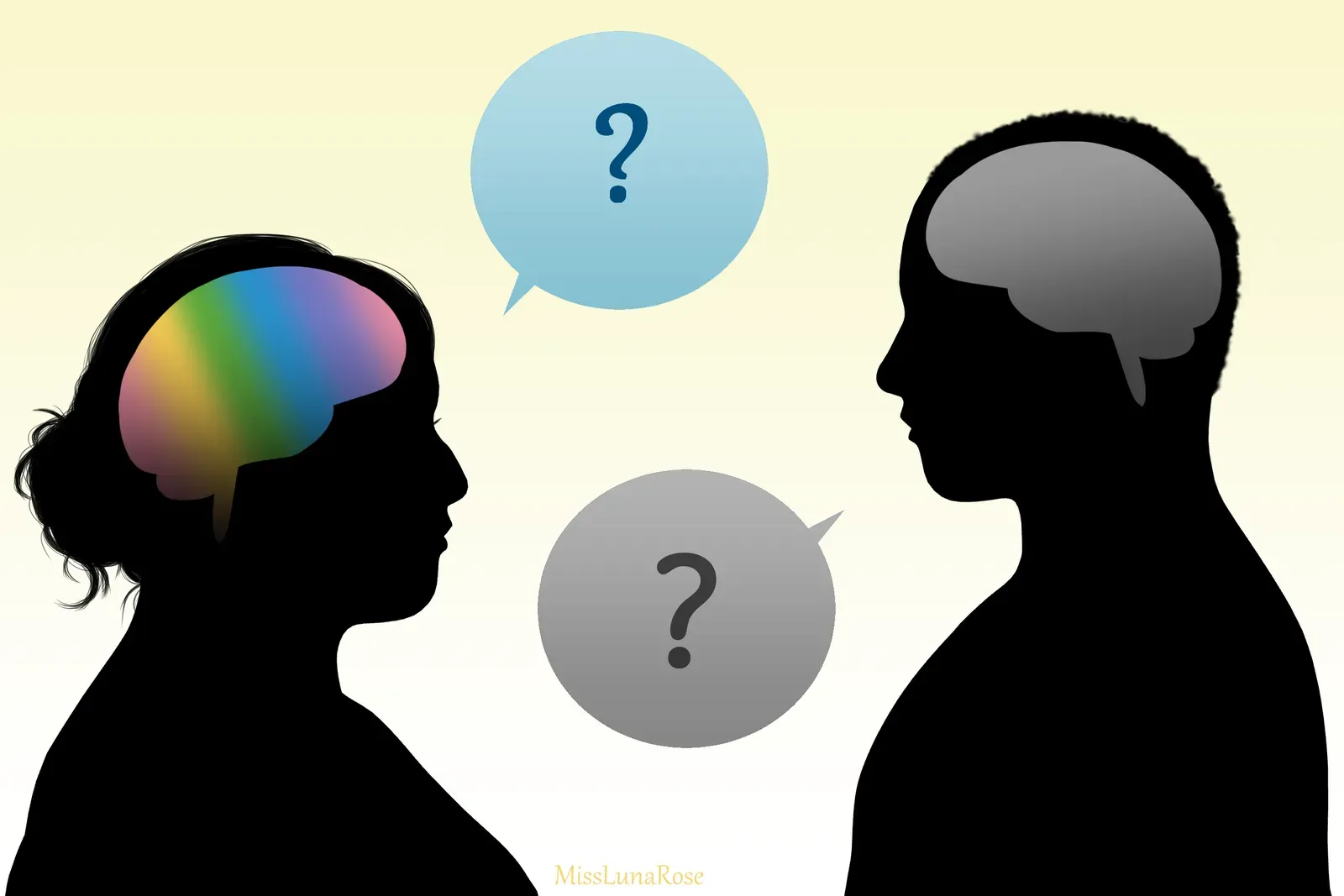
Empathy is often talked about as a single thing, but researchers now see it as a family of related abilities. One strand, sometimes called emotional or affective empathy, is the raw, bodily sensation of sharing in someone else’s feeling – the lump in your throat, the knot in your stomach. Another strand, cognitive empathy, is the mental skill of understanding another person’s perspective without necessarily sharing their emotion. You can understand that a friend is anxious about a job interview without feeling anxious yourself, yet still know what to say to help. In some cases, people are strong in one type and weaker in the other, which can lead to surprising combinations of compassion and detachment.
There’s also a darker cousin to empathy that rarely makes it into inspirational posters: the ability to read others’ emotions and use that knowledge for manipulation. Some forms of antisocial behavior rely on sharp cognitive empathy without the brakes of emotional concern, allowing someone to anticipate reactions while staying emotionally distant. On the other end of the spectrum, too much emotional empathy without boundaries can lead to burnout or “empathic distress,” where people become overwhelmed by others’ suffering and start to shut down or withdraw. This is a real risk for caregivers, therapists, and activists who spend long hours witnessing pain. The healthiest form of empathy seems to involve a balance: enough resonance to care, enough perspective to stay steady, and enough regulation to turn feeling into wise action.
Wired for Warmth: How Genes, Hormones, and Childhood Shape Our Empathic Selves
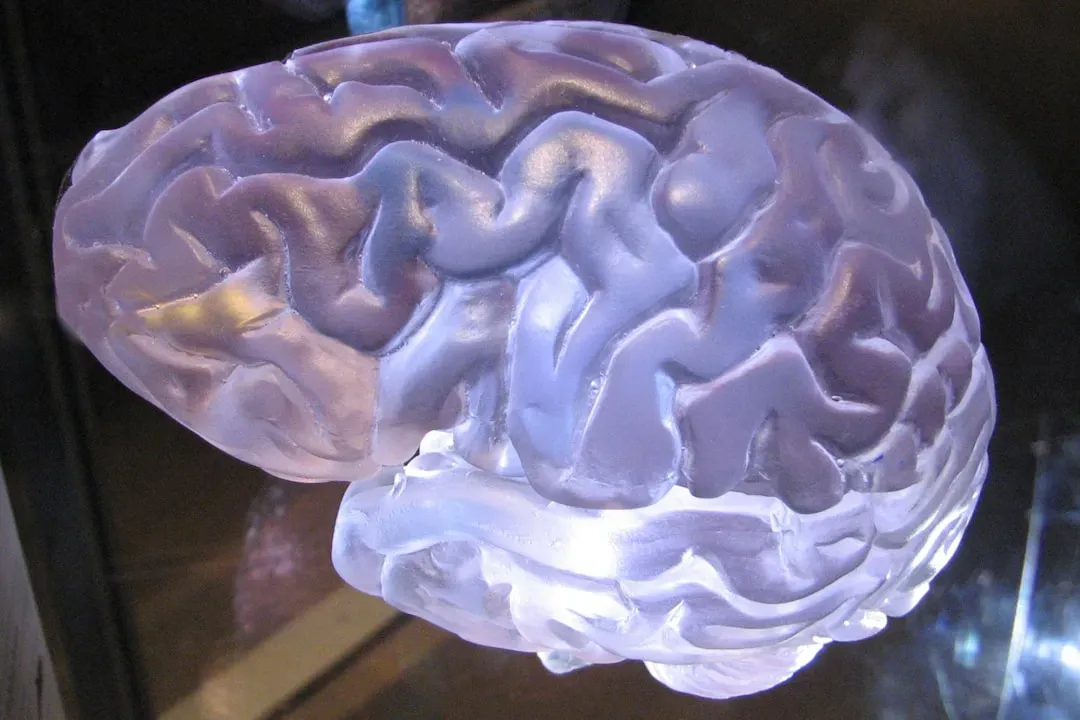
Empathy feels deeply personal, but part of it is written into our biology before we are even born. Twin studies suggest that some aspects of empathy are moderately heritable, meaning that genes contribute to how easily we tune into others. Certain hormones and neurochemicals, such as oxytocin and serotonin, appear to influence social bonding and trust, nudging us toward closeness or caution. Differences in brain structure and connectivity, particularly in regions that process emotion and self‑other boundaries, have also been linked to varying levels of empathic sensitivity. None of this means empathy is fixed at birth, but it does mean people start from slightly different baselines.
Early experience then sculpts those biological tendencies with remarkable force. Babies only a few months old already show distress when they hear another infant cry, hinting at a built‑in template for shared feeling. As children grow, being on the receiving end of warmth, responsiveness, and secure caregiving seems to strengthen their own empathic capacities. Conversely, chronic neglect, abuse, or instability can blunt or warp the way a child reads and responds to others. Researchers have found that children who are encouraged to talk about feelings, read stories with complex characters, and practice perspective‑taking tend to develop richer empathic skills. It is a bit like learning a language: the brain comes prepared, but the social environment decides how fluent we become.
Screens, Strangers, and Social Media: Is Empathy in Decline – or Just Changing? (Why It Matters)
Every few years, headlines claim that empathy is dying, often blaming smartphones, online life, or political polarization. Some long‑term surveys of college students in the United States have reported a drop in self‑reported empathy over recent decades, with fewer young people describing themselves as caring or concerned about others’ problems. At the same time, online spaces give us front‑row seats to suffering and joy from around the world in real time. A single viral video can prompt millions of people to donate, protest, or comfort a stranger, something that would have been impossible for most of human history. So is empathy really vanishing, or just being stretched thin and redirected in ways we are still learning to navigate?
Understanding this question matters because empathy is not just a warm feeling; it’s a public resource that shapes policies, institutions, and daily choices. When we empathize only with people who resemble us, we risk building systems that protect some and ignore others. When we are flooded with constant emotional stimuli, we may numb ourselves as a defense, leading to indifference where concern is desperately needed. Scientists and ethicists are now asking how to design schools, workplaces, and platforms that support sustainable, wide‑ranging empathy rather than outrage or apathy. Compared with older views that treated empathy as a fixed trait, the emerging picture is more hopeful and more demanding: empathy can be cultivated, but only if we pay attention to how our environment trains it, day after day.
Across Cultures and Species: Empathy Is Not Just a Human Story

Walk into a crowd in Tokyo, Nairobi, or São Paulo, and you will quickly see that empathy does not look the same everywhere. In some cultures, openly expressing personal feelings is encouraged, while in others, social harmony and restraint are prized. These differences shape how people show care: one society might emphasize verbal reassurance, another practical help, another shared silence. Studies comparing cultures have found that people everywhere are capable of reading emotions from faces and voices, but the cues they prioritize and the situations that trigger empathy can vary. Even the idea of whose suffering matters most – from family to strangers to animals – shifts with cultural norms, religion, and history.
Empathy also crosses the species boundary more often than we might think. Many pet owners describe sensing when their dog is distressed or when a cat seeks comfort after a loud noise or a household argument. Scientific observations back this up: some animals, including certain primates, elephants, and rodents, show behaviors that resemble consolation or helping, such as grooming a distressed companion or freeing a trapped peer. These findings do not mean animals experience empathy in the exact same way humans do, but they suggest that the roots of caring about another’s state run deep in the tree of life. Recognizing that continuity can change how we think about our responsibilities – not just to fellow humans we may never meet, but to other creatures whose inner lives we are only starting to understand.
The Next Frontier: Can Technology Hack or Harness Empathy?

In the last decade, scientists and technologists have started asking a provocative question: if empathy helps societies work, can we design tools that strengthen it on purpose? Virtual reality experiments already place people in simulations where they experience the world from another person’s viewpoint, such as navigating a city in a wheelchair or facing subtle workplace discrimination. Early results suggest that these immersive experiences can, at least briefly, boost people’s willingness to help or change their attitudes. Meanwhile, artificial intelligence systems are being trained to recognize human emotions from faces, voices, and text, giving companies unprecedented insight into how people feel.
These developments could be used to deepen understanding – or to exploit it. Emotion‑reading algorithms might help mental health apps spot distress and offer timely support, or assist teachers in noticing when a student is struggling silently. But the same tools could let advertisers, political campaigns, or authoritarian regimes fine‑tune messages to push people’s emotional buttons with eerie precision. There are also ethical dilemmas around using brain stimulation or drugs to alter empathic responses, especially in legal or military contexts. The coming years will likely bring intense debate over how far we should go in engineering empathy, and who gets to decide what counts as a “better” emotional citizen in the first place.
Everyday Empathy: Small Actions That Quietly Reshape Our Social World
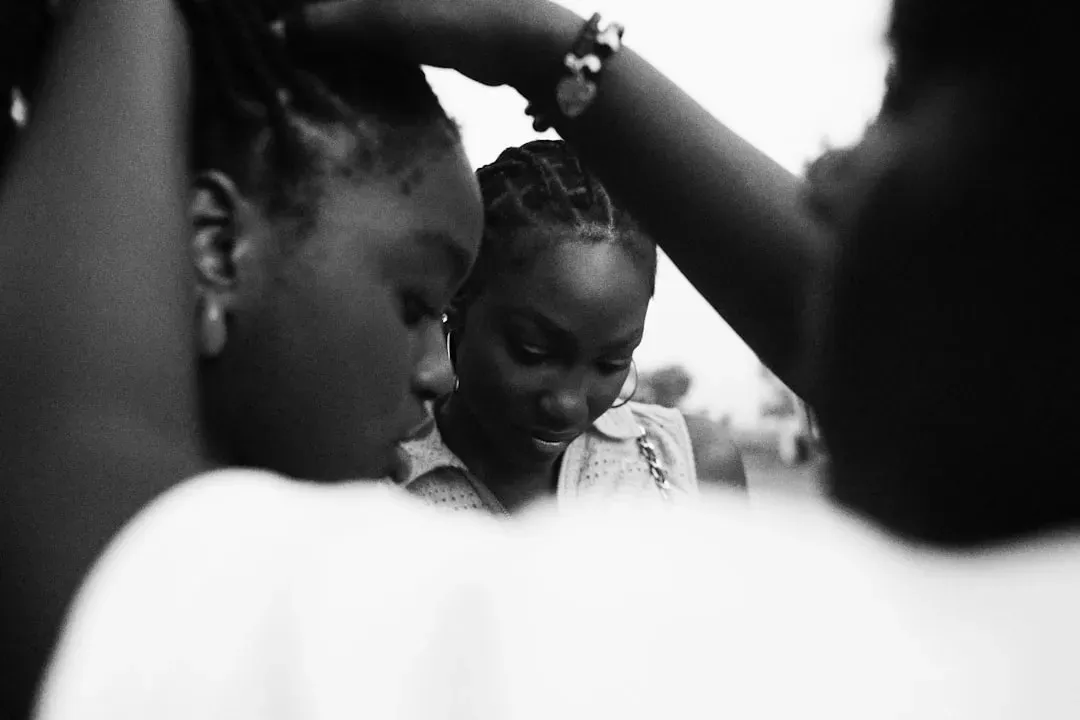
Empathy may sound abstract when described in brain scans and evolutionary theories, but it shows up in quiet, ordinary choices. It appears when you pause to really listen instead of waiting for your turn to speak, or when you imagine how a policy will land on someone with less power or privilege. Researchers studying empathy training programs have found that certain simple habits can make a difference over time. These include practices like deliberately trying to see a disagreement from the other person’s perspective, reading stories with complex characters, or reflecting at the end of the day on a moment when you noticed someone else’s emotion. None of these tricks turn anyone into a saint, but they give the brain more chances to practice its perspective‑taking muscles.
On a larger scale, supporting institutions that nurture empathy can be just as important as any individual habit. Schools that incorporate social and emotional learning, libraries and media that share diverse voices, and community spaces where people from different backgrounds actually meet all act as training grounds. You can play a part by backing science that studies empathy, volunteering in roles that connect you with others’ experiences, or simply choosing news and entertainment that broaden rather than narrow your circle of concern. In an age where outrage often gets the loudest microphone, quietly choosing to understand instead of dismiss may be one of the most radical daily acts available. The feeling of empathy begins inside a single nervous system, but its ripple effects can shape whole neighborhoods, nations, and generations.
Suhail Ahmed is a passionate digital professional and nature enthusiast with over 8 years of experience in content strategy, SEO, web development, and digital operations. Alongside his freelance journey, Suhail actively contributes to nature and wildlife platforms like Discover Wildlife, where he channels his curiosity for the planet into engaging, educational storytelling.
With a strong background in managing digital ecosystems — from ecommerce stores and WordPress websites to social media and automation — Suhail merges technical precision with creative insight. His content reflects a rare balance: SEO-friendly yet deeply human, data-informed yet emotionally resonant.
Driven by a love for discovery and storytelling, Suhail believes in using digital platforms to amplify causes that matter — especially those protecting Earth’s biodiversity and inspiring sustainable living. Whether he’s managing online projects or crafting wildlife content, his goal remains the same: to inform, inspire, and leave a positive digital footprint.