
Imagine standing in a place where silence feels thick, the horizon stretches endlessly, and the sun bears down with an almost ancient intensity. You might picture rolling dunes, but would you be surprised to learn that some deserts are covered in snow, or rocky plains, or even dotted with life? The truth is, deserts are far more mysterious and diverse than most people ever imagine. The idea that a desert is just “a sea of sand” is a stubborn myth—in reality, these landscapes challenge our expectations at every turn. What really defines a desert? Let’s step into these extraordinary worlds and find out.
The True Definition of a Desert

When people hear the word “desert,” they often imagine endless sand dunes. But scientifically, a desert is defined by its dryness, not its appearance. A desert is any region that receives very little precipitation—usually less than 10 inches (25 centimeters) of rain per year. This means deserts can be hot or cold, sandy or rocky. What connects them isn’t what’s on the ground, but what falls from the sky—or more accurately, what doesn’t. This strict definition flips our usual expectations upside down, revealing hidden deserts all around the world.
Sizzling Heat Isn’t Always Required

It’s a shock to many that deserts don’t have to be hot. In fact, some of the largest deserts on Earth are downright chilly. The key ingredient is aridity, not temperature. For example, the polar regions are technically deserts because they receive so little precipitation, even though the ground is frozen most of the year. So, forget the image of relentless sun—deserts come in all temperatures, from freezing to scorching.
Sand Dunes: Only a Small Piece of the Puzzle

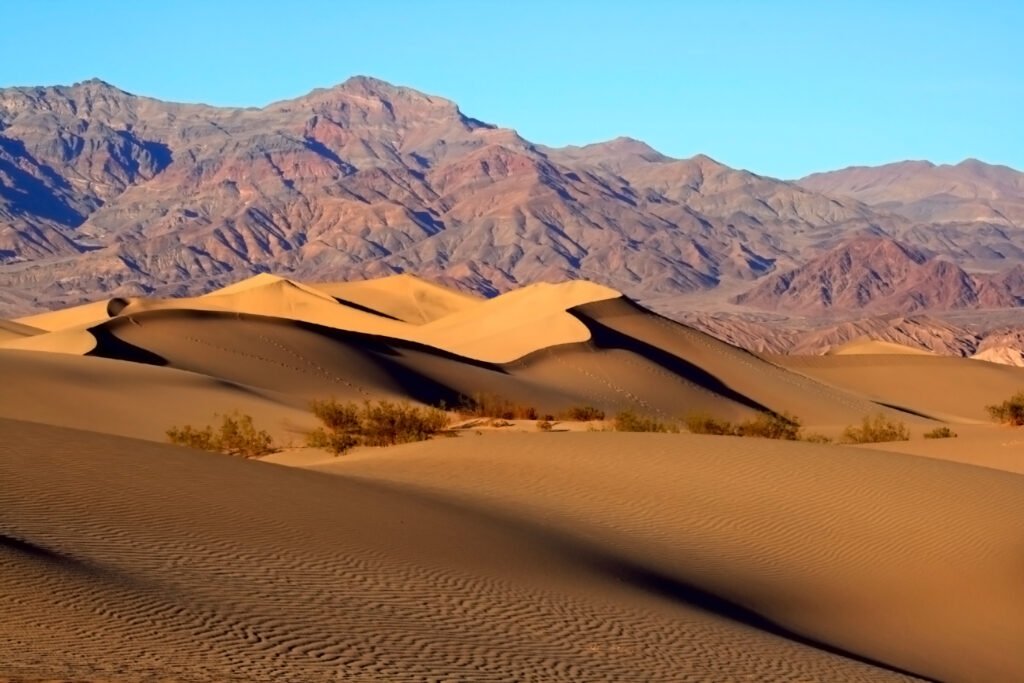
The golden dunes of the Sahara are iconic, but they’re far from the whole story. Sand covers only about 20% of the world’s deserts. The rest can be rocky, gravelly, or even covered in salt flats. The Atacama Desert in Chile, for example, looks more like a barren, rocky wasteland than a sandy playground. This variety shows just how misleading appearances can be when it comes to deserts.
Rainfall: The Crucial Statistic

What truly defines a desert is how little water it gets. Scientists keep a close eye on rainfall, measuring it in millimeters or inches per year. If a region gets less than about 10 inches (25 centimeters) of rain annually, it qualifies as a desert. This lack of moisture shapes everything—from the soil to the plants to the animals that live there. It’s a harsh, unforgiving environment, but also one of surprising beauty and adaptation.
Evaporation Outpaces Precipitation

It’s not just about how much rain falls, but how quickly it disappears. In many deserts, the rate of evaporation far exceeds the amount of rainfall. This means that even when it does rain, the water often vanishes quickly—so fast that plants and animals have to scramble to take advantage. The combination of low rainfall and high evaporation is what truly locks in a region’s desert status.
Polar Deserts: The Cold, Forgotten Kind

One of the most mind-bending facts about deserts is that Antarctica and the Arctic are among the largest deserts on Earth. These polar deserts are dry because cold air can’t hold much moisture, so they get very little precipitation—mostly as snow. The result is vast, windswept plains of ice and rock, with conditions as harsh as the hottest Sahara day. It’s a reminder that deserts aren’t just about heat—they’re about dryness above all else.
Famous Deserts Around the World

When most people think of a desert, the Sahara springs to mind. But the world is dotted with famous deserts, each with its own personality. The Gobi in Asia is known for its bitter winters and stony plains. The Mojave in California is home to the iconic Joshua tree. The Kalahari in Africa is teeming with wildlife and red sands. And then there’s the Atacama, so dry that parts haven’t seen rain in centuries. These places are as different as night and day, united only by their aridity.
Life Finds a Way in the Harshest Places

Despite the harsh conditions, deserts are teeming with life—just not the kind you might expect. Plants like cacti have evolved to store water, while animals like the fennec fox have huge ears to dissipate heat. Some insects and reptiles burrow underground to escape the scorching sun. Even in Antarctica, tiny organisms thrive beneath the ice. Desert life is a masterclass in survival and adaptation.
Desert Soils: More Than Meets the Eye
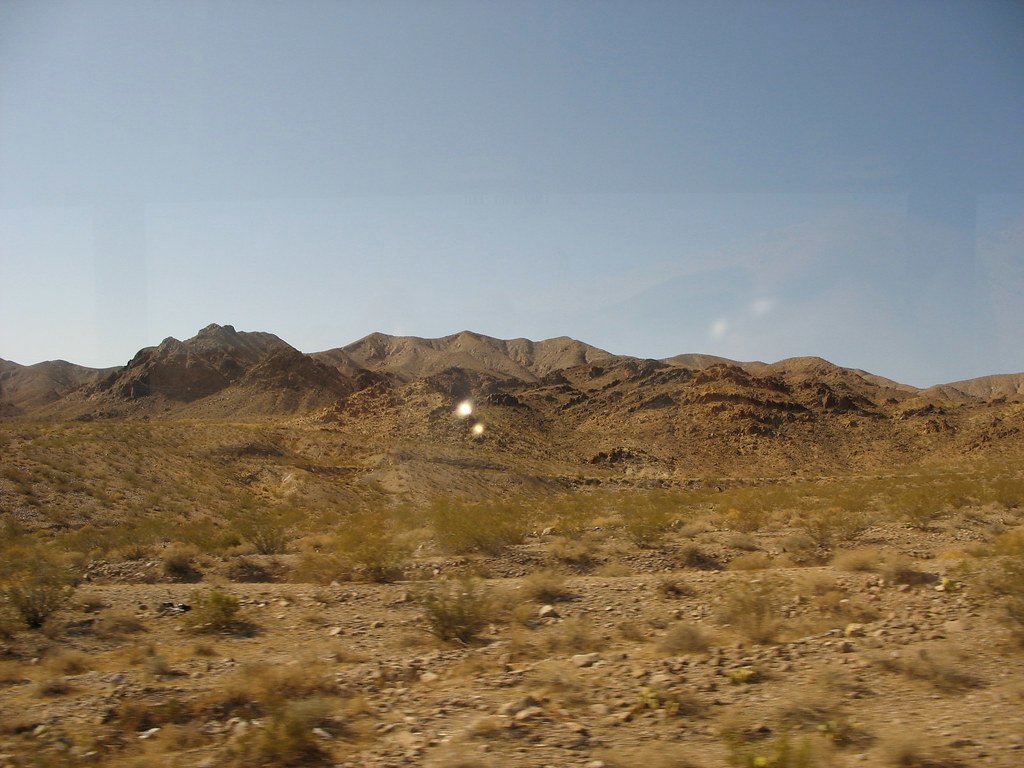
Desert soils are a story of extremes. They often lack organic material because plants are sparse, and they can be salty or alkaline. Some, like those in the Atacama, are so sterile that scientists study them to learn about life on Mars. But desert soils also surprise us—after rare rains, wildflowers can explode into bloom, turning the landscape into a sea of color. It’s a dramatic reminder that deserts are never truly dead.
Rainfall Events: Rarity and Drama
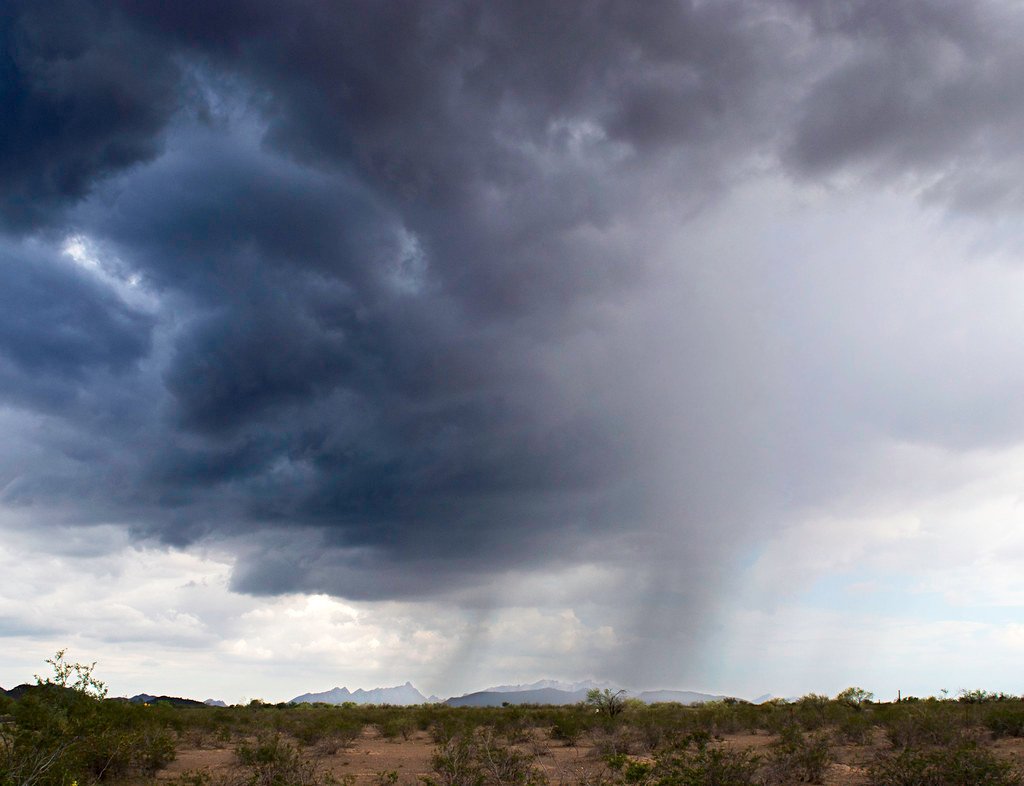
When rain does fall in a desert, it’s often a spectacular event. Flash floods can carve new channels in the land, while dormant seeds burst into life. In the Sonoran Desert, the monsoon season is eagerly awaited by plants, animals, and people alike. These rare downpours are both a blessing and a danger—bringing life, but also sudden floods that can catch the unwary by surprise.
Desert Winds: Sculptors of the Landscape
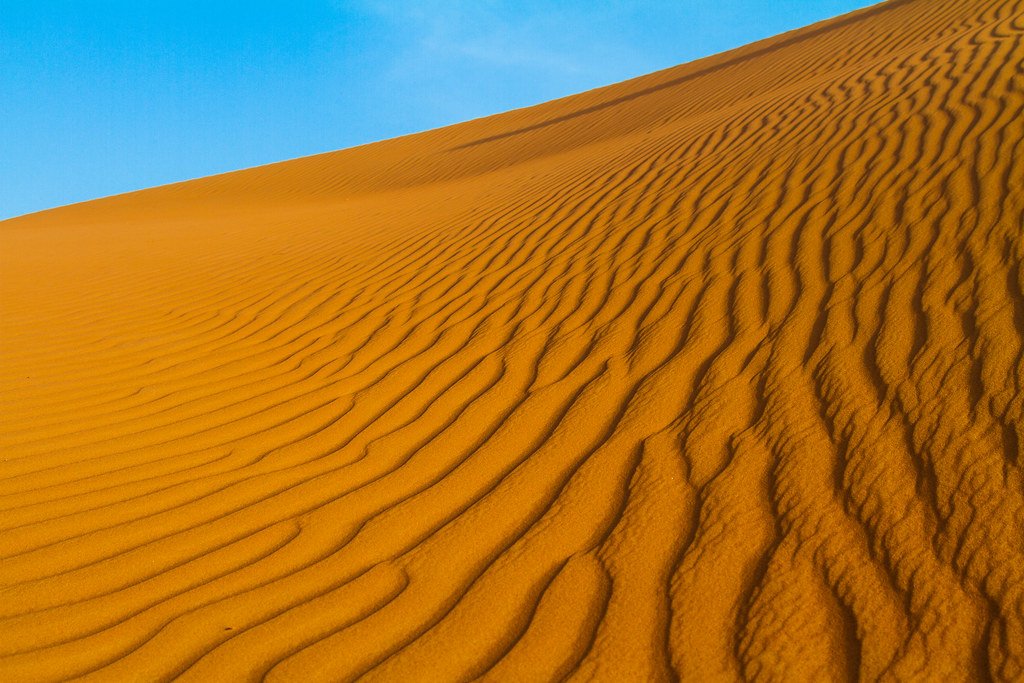
Wind is a powerful force in deserts. It shapes sand dunes, erodes rocks, and moves dust for miles. In places like the Sahara, dust storms can be so massive they’re visible from space, even affecting weather patterns far away. The wind’s constant shaping and shifting create a landscape that’s always changing—never static, never predictable.
Salt Flats and Playas: The Desert’s Mirrored Floors

Not all deserts are about sand or rock. Some are home to dazzling salt flats, created when water evaporates and leaves minerals behind. The Salar de Uyuni in Bolivia is the world’s largest salt flat, turning into a giant mirror after rare rains. Playas—dry lake beds—are another signature, often cracked and shimmering. These features add a surreal beauty to desert environments.
Desertification: Human Impact on Fragile Lands
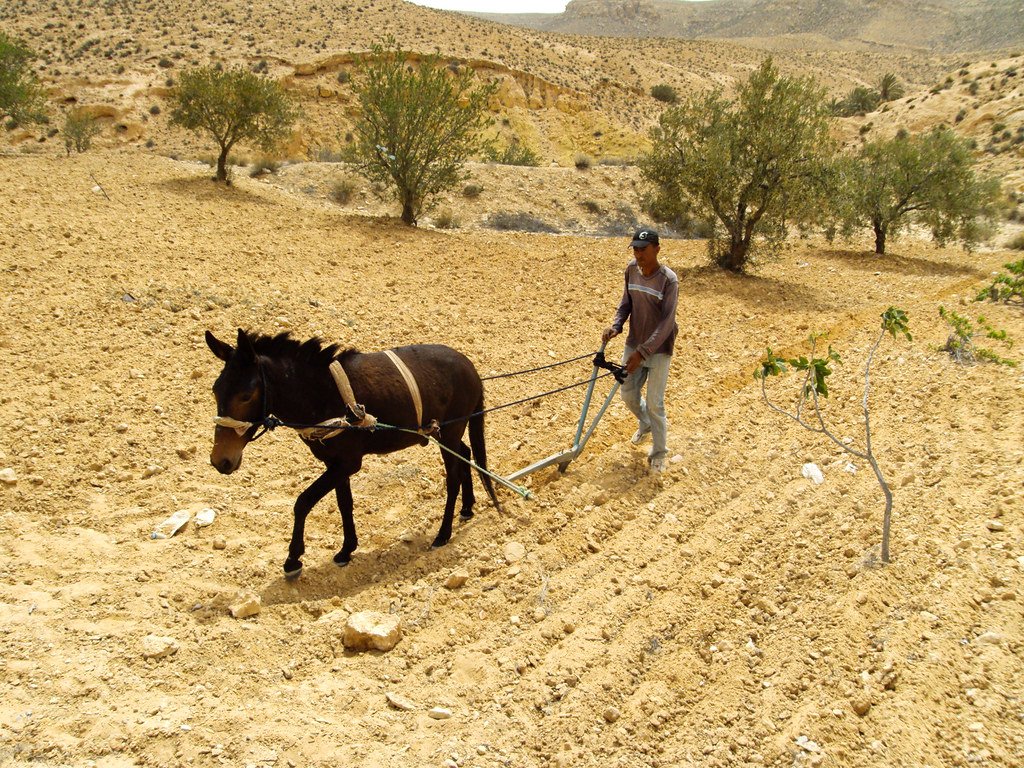
Deserts aren’t always natural. Human activities like overgrazing, deforestation, and poor water management can turn once-fertile land into desert—a process called desertification. This is a major threat in many parts of the world, reducing farmland, displacing communities, and affecting global food supplies. It’s a stark reminder of how delicate the balance is in these ecosystems.
Cultural Connections: Deserts in Human History

Deserts have left a deep mark on human culture and history. Ancient civilizations like Egypt and Mesopotamia flourished along desert rivers. Nomadic peoples have mastered the art of survival in these harsh lands for thousands of years. Deserts have inspired stories, art, and spiritual journeys, from the biblical wilderness to the poetry of the Bedouin. Their emptiness speaks to something deep in the human soul.
Oases: Unexpected Havens of Life

Hidden within many deserts are oases—lush pockets where water surfaces and life flourishes. These green patches have always been vital to travelers and wildlife alike. The presence of an oasis can mean the difference between life and death, a fact that has shaped trade routes and settlements for millennia. Oases are living proof that even the harshest environments can harbor abundance.
Mirages and Optical Illusions
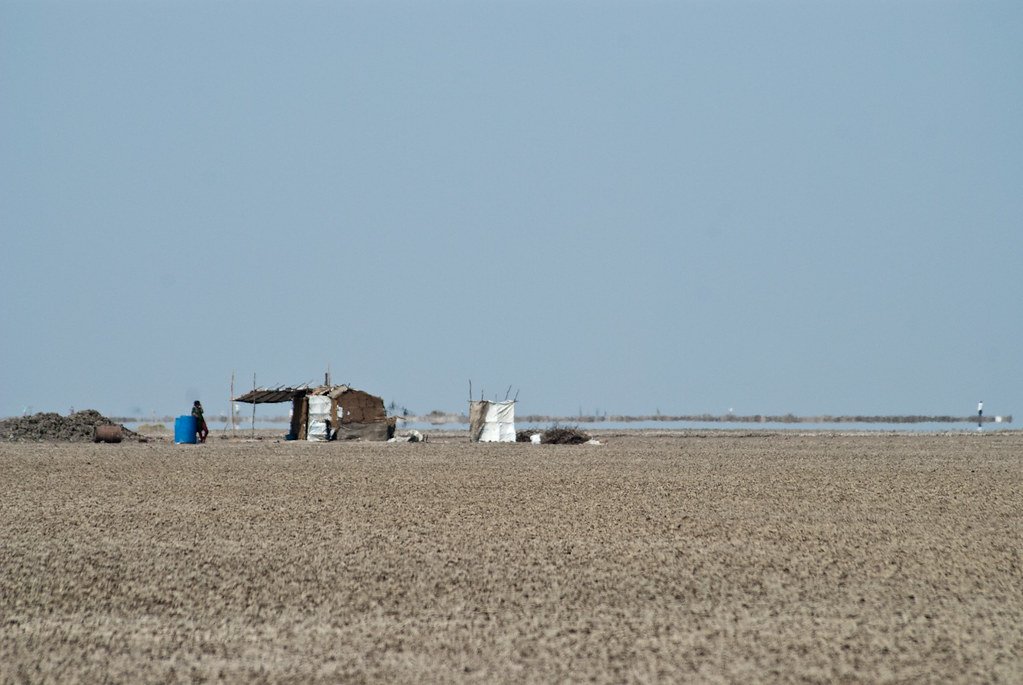
Deserts are famous for their visual tricks. Mirages—caused by layers of hot and cool air—can make it look like water lies just ahead, shimmering on the horizon. Other optical illusions, like fata morgana, can distort distant objects into strange shapes. These phenomena are more than just curiosities; they’ve confounded explorers and inspired legends for centuries.
Deserts on Other Planets

Deserts aren’t just an Earthly phenomenon. Mars, for instance, is essentially a giant cold desert, with endless dust dunes and almost no liquid water. Scientists study Earth’s deserts to understand what life might look like elsewhere. The harsh, dry conditions of the Atacama or Antarctica are often used as analogues for Mars and even for moons like Europa or Titan. In this way, deserts propel our search for life beyond Earth.
Climate Change: Shifting Desert Boundaries

As the climate shifts, deserts are changing too. Some are expanding, encroaching on farmland and cities. Others are experiencing unpredictable weather—more intense storms, longer droughts. Scientists are racing to understand how global warming will affect these delicate ecosystems. The fate of deserts may hold clues for our own future, forcing us to rethink how we live with and within these extreme places.
Desert Tourism: Adventure in the Extremes

Today, deserts attract travelers seeking adventure and solitude. From dune bashing in the Sahara to hiking in Death Valley, these landscapes offer experiences found nowhere else. But tourism must be managed carefully, as fragile desert environments can be easily damaged. Responsible travel ensures that future generations can witness the stark beauty of the world’s deserts.
Why Deserts Matter
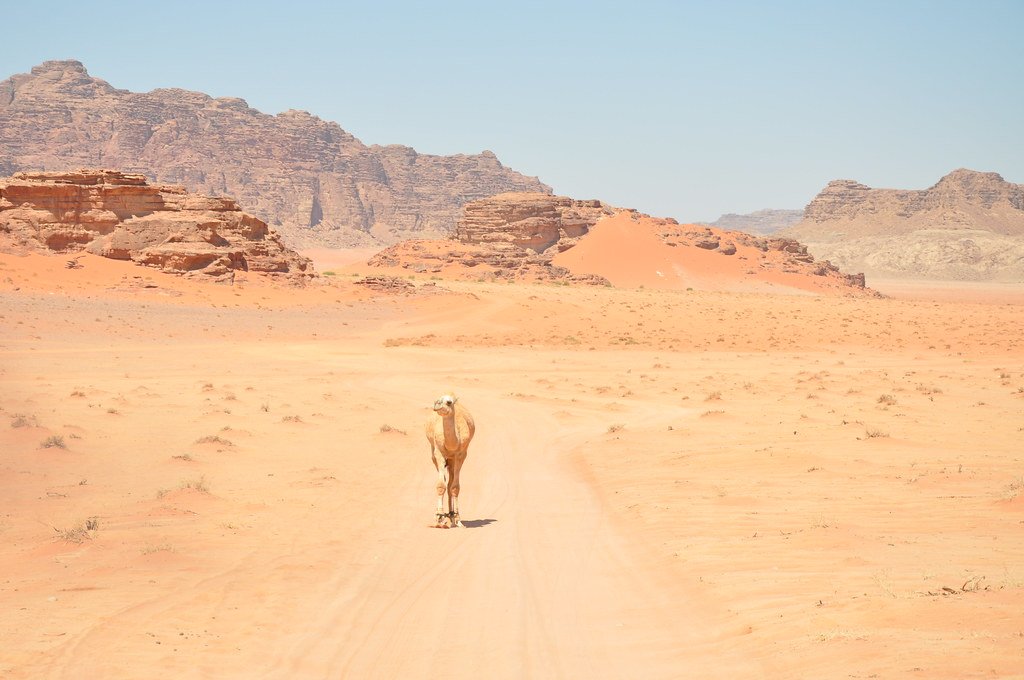
Deserts cover about one-third of Earth’s land surface, making them a vital part of our planet’s story. They influence climate, provide habitats for unique life, and challenge our ideas about survival. Perhaps most importantly, deserts teach us about resilience—how life can persist against the odds, and how beauty can flourish in the most unexpected places.