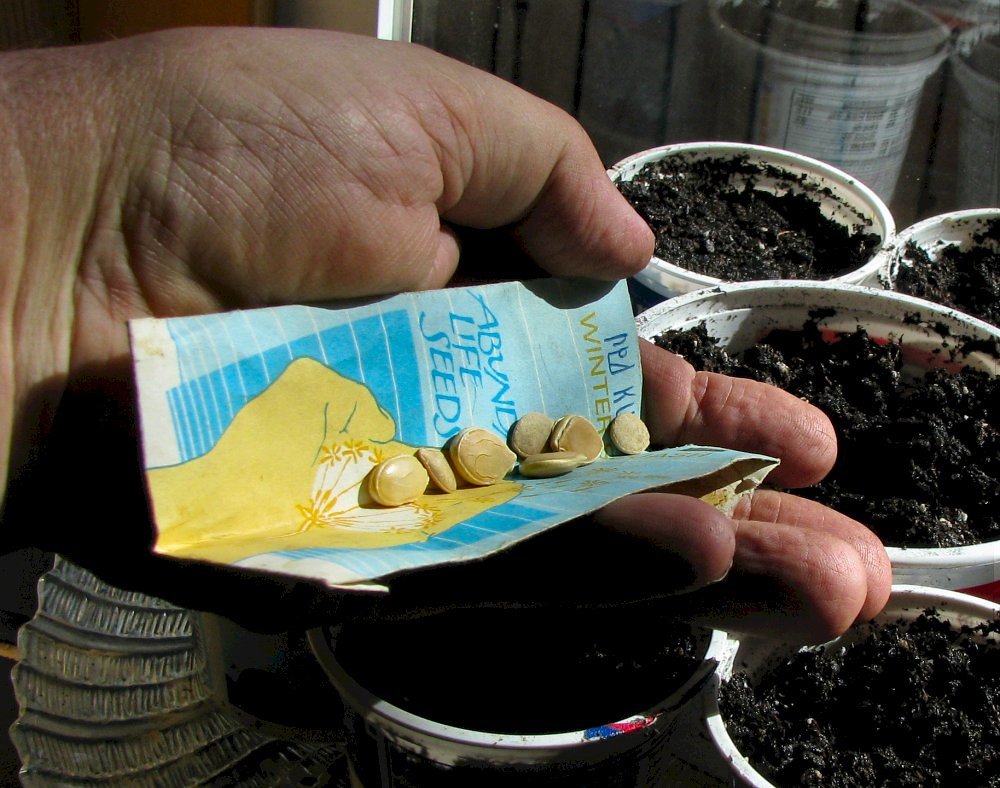
Most of us do it without even thinking about it. You’re telling a story to a friend, and suddenly your hands begin to move, painting invisible pictures in the air to accompany your words. Maybe you’re explaining how big something was, or illustrating the direction someone went, or simply adding emphasis to make your point stronger.
Everyone “talks” with their hands at least sometimes. What you might not realize is that those gestures say far more about you than you ever imagined. From revealing your emotional state to boosting your credibility, hand movements serve as a secret language that operates alongside your spoken words.
Your Brain Is Hardwired for Hand Communication
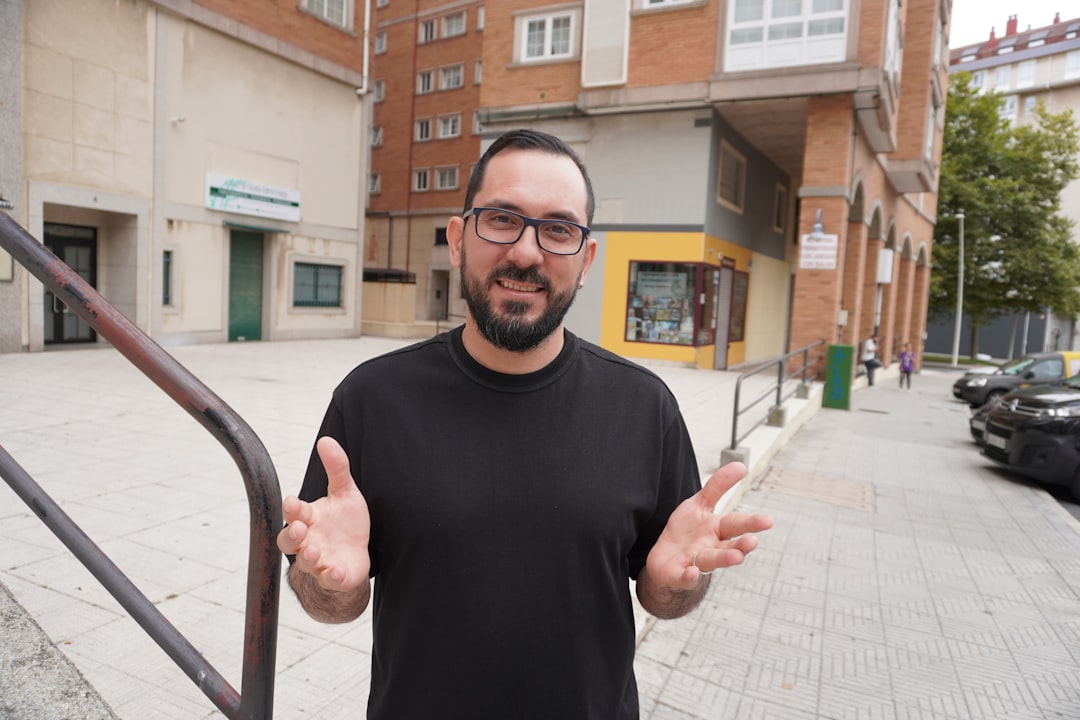
A brain region known as the Broca’s area is at least partly responsible for this. It’s connected to speech production, but is also active when we wave our hands, according to body language experts. This fascinating connection explains why you naturally gesture when you speak.
The study, therefore, claims that Broca’s area is the “motor center for speech”, which assembles and decodes speech sounds in the same way it interprets body language and gestures. Despite the acquisition of spoken language over millions of years of human evolution, our brains are still hard-wired to engage our hands in accurately communicating our emotions, thoughts, and sentiments. This deep neurological connection means that when you gesture, you’re tapping into one of humanity’s most ancient forms of communication.
Gesturing Actually Makes You Think Better

Here’s something surprising: moving your hands doesn’t just help others understand you better; it actually helps you think more clearly. “Gesture is really linked to speech, and gesturing while you talk can really power up your thinking,” Kinsey Goman said. “Gesturing can help people form clearer thoughts, speak in tighter sentences and use more declarative language.”
Hand gestures help us take what’s in our mind and make it intelligible to others. Think about the last time you were trying to explain something complicated. Your hands probably started moving before you even realized it, helping you organize your thoughts and translate abstract ideas into something concrete. Gesticulation helps access memories and ideas from every crevice of your mind and to turn abstract notions into logical words that flow from your mouth.
People Judge You Based on How You Move Your Hands
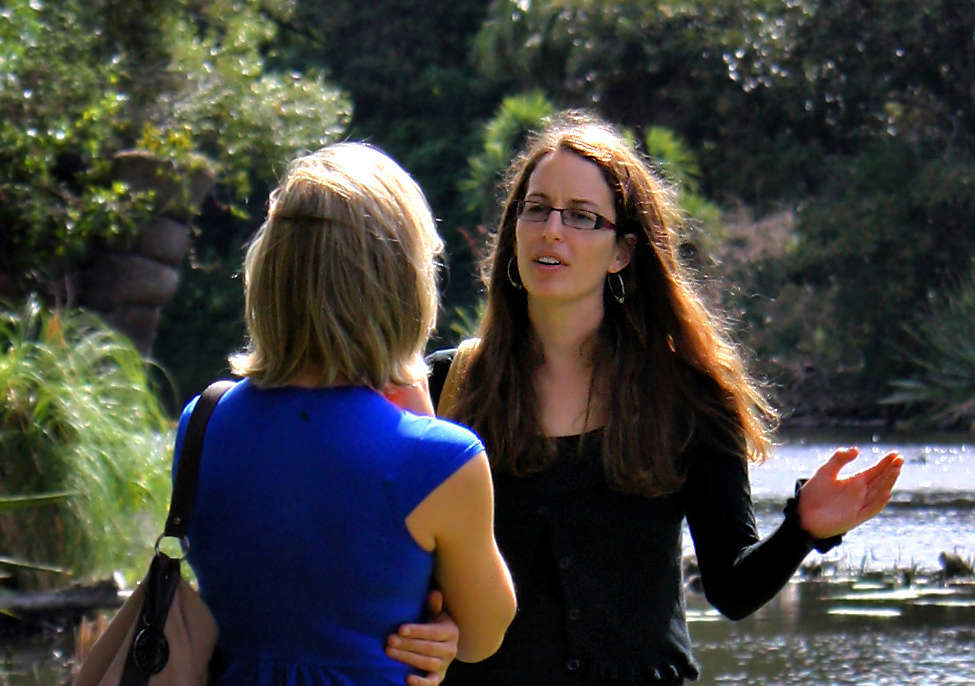
Your hand gestures are silently broadcasting information about your personality and competence. Studies have found that people who communicate through active gesturing tend to be evaluated as warm, agreeable, and energetic, while those who remain still (or whose gestures seem mechanical or “wooden”) are seen as logical, cold, and analytic.
Studies of TED Talks have found that the most popular, viral speakers tend to use significantly more hand gestures, which is nearly twice as many as the least popular speakers used. The message is clear: if you want to connect with your audience and come across as engaging, your hands need to be part of the conversation.
Using no hand gestures: If you don’t use your hands at all, that may be perceived as indifference. Your audience may feel that you don’t care about what you are talking about.
Your Hands Reveal Your True Feelings

While you can control your words, your hands often betray your real emotions. “We have an emotion, our body responds, and then we speak,” Kinsey Goman said. “The body responds first. What is really being communicated is the underlying emotion and motivation — how you’re really feeling about something.”
Hands grasped in front of you: Communicates that you are nervous or tentative, as does touching your face, hair, or neck. When we are comfortable and contented blood flows into the hands, making them warm and pliable. Stress makes our hands feel colder and more rigid. Even the space between your fingers changes based on your confidence level. You may not have noticed, but when you feel strong and confident, the space between your fingers grows, making your hands more territorial. When you feel insecure, that space disappears – in fact, you may find yourself tucking your thumbs under your fingers when under a lot of stress.
Hidden Hands Send Danger Signals
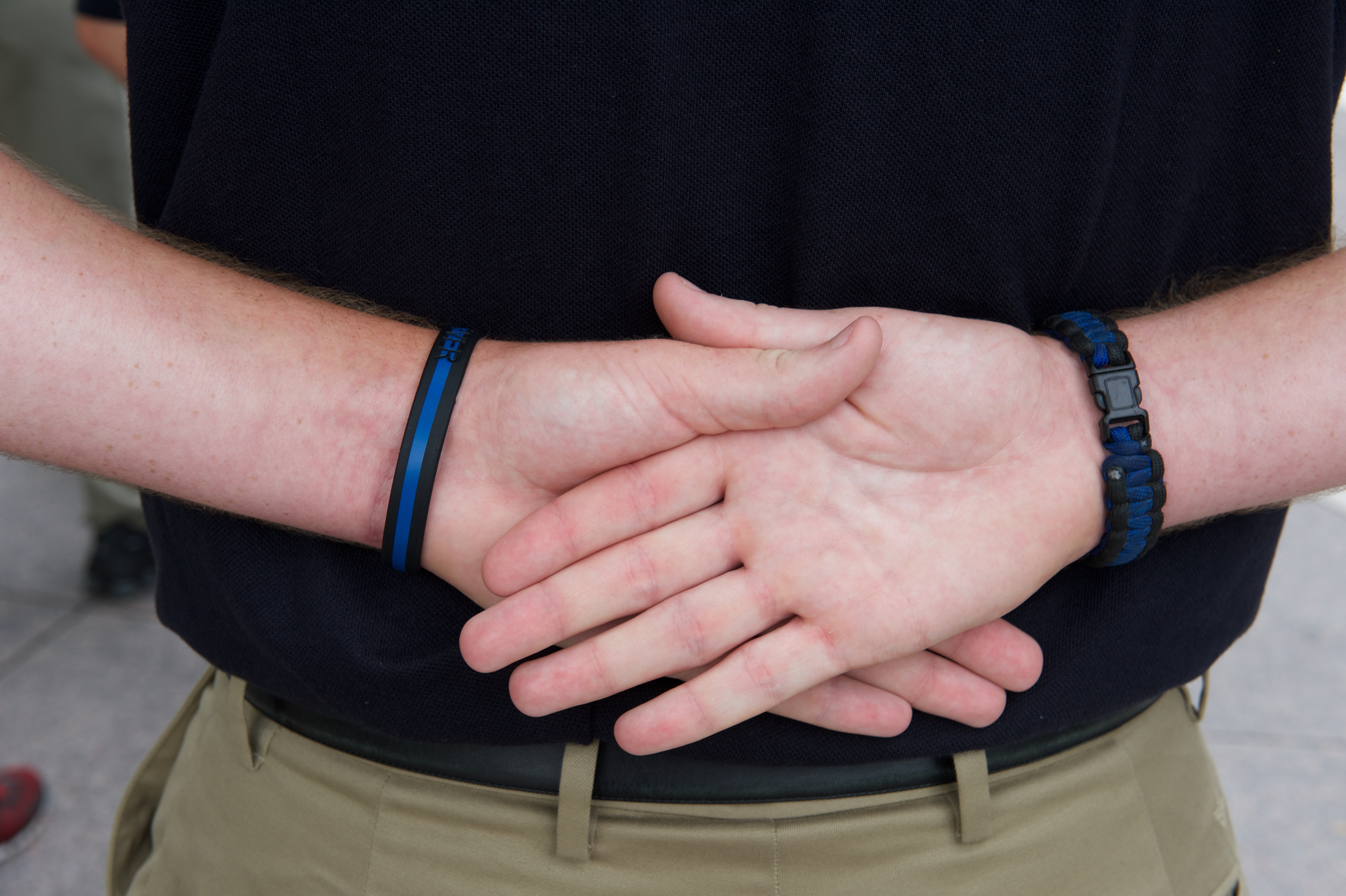
There’s something primal about needing to see someone’s hands. Hands hidden: If your audience can’t see your hands, it will be hard for them to trust you. This reaction goes back thousands of years to our survival instincts.
This is one of the nonverbal signals that is deeply ingrained in our subconscious. In our prehistory, when someone approached with hands out of view, it was a clear signal of potential danger. Although today the threat of hidden hands is more symbolic than real, our ingrained psychological discomfort remains. You will find that people will sense something is wrong. In my work with mock juries, we found that attorneys, or for that matter witnesses, that hide their hands are perceived as less open and less honest by the jurors.
Gestures Add a Second Layer of Information
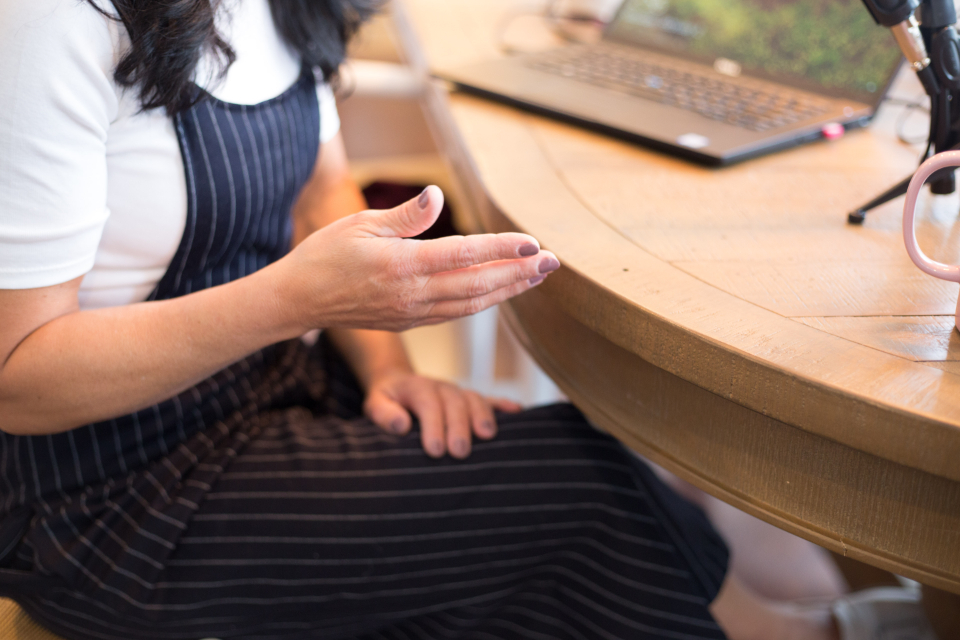
Your hands don’t just emphasize what you’re saying; they often provide completely different information. Hand motions can reveal information that may be absent in our speech. For instance, a gesture might signal that a certain point is more important than others, or that the speaker is still wrapping his or her head around an idea.
“Research demonstrates that the movements we make with our hands when we talk constitute a kind of second language, adding information that’s absent from our words,” Annie Murphy Paul, author of Brilliant: The New Science of Smart, wrote in Business Insider. “It’s learning’s secret code: Gesture reveals what we know.” Sometimes your words and gestures don’t match up at all. “Gesture-speech mismatches” occur when we convey something with our hands that doesn’t seem to match up with what we’re saying.
Hand Position Changes Everything
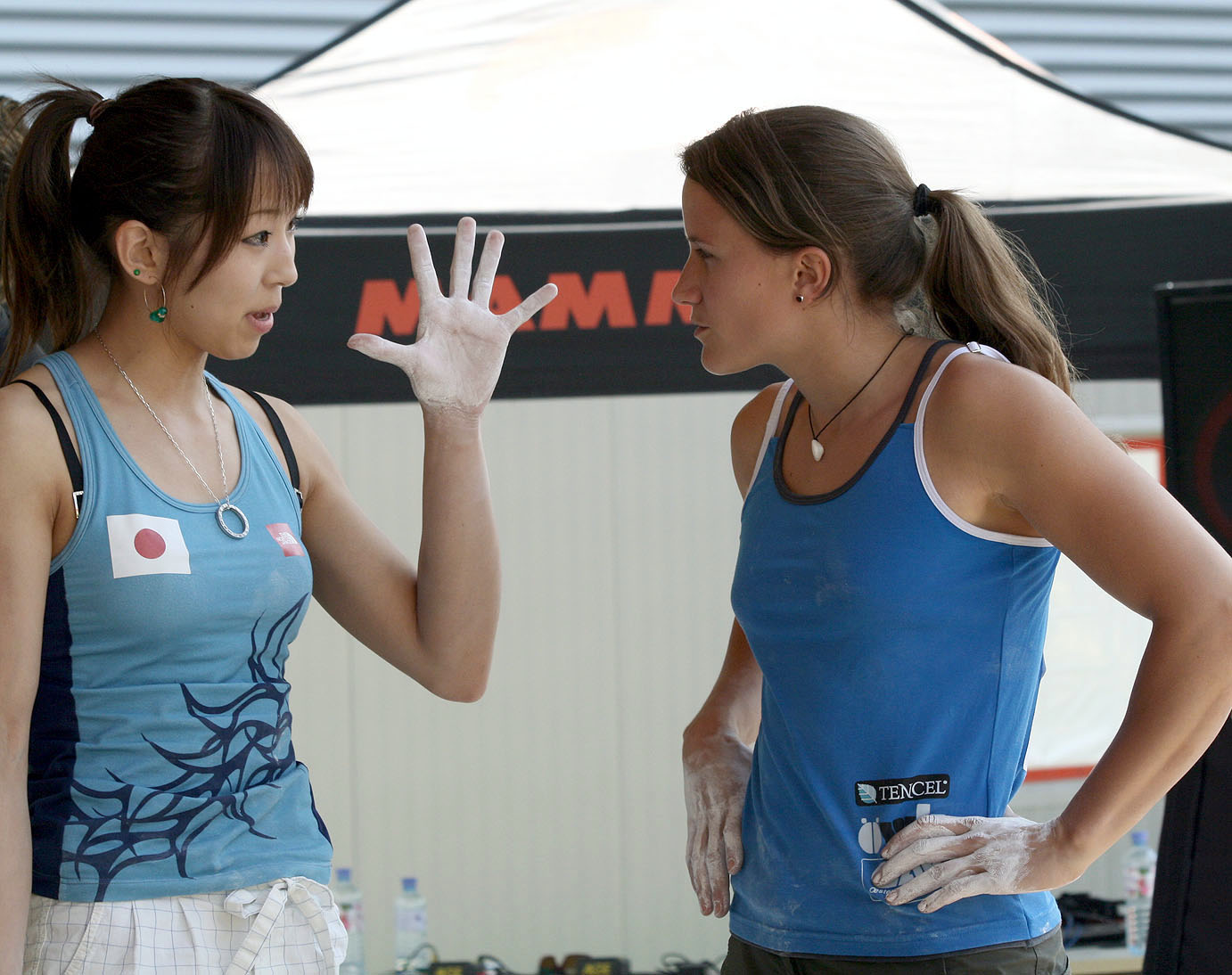
The way you position your hands can completely alter how people perceive your message. The way you use your palms while talking to others can significantly alter other people’s perception of you. Make a simple request with your palms facing up, and people will feel you are asking for a favor. They will not feel bothered by your request, nor will they feel threatened or pressured. But if you make the same request with your palms facing down, it will feel more like an order.
Hands open and your palms at a 45-degree angle: Communicates that you are being honest and open. What it Means: This gesture is a very submissive, nonthreatening gesture that we love to see. When we see others’ palms, it tells us they are not brandishing weapons or concealing something potentially dangerous.
Cultural Differences Can Create Misunderstandings

While many gestures are universal, some can get you into serious trouble depending on where you are in the world. Gestures are culture-specific and may convey very different meanings in different social or cultural settings. While the thumbs-up gesture typically means “good” or “okay” in many cultures, it can be considered offensive in some Middle Eastern countries including parts of Iran.
Hand gestures can mean very different things in different cultures; the ‘OK’ sign in Greece, Spain or Brazil means you are calling someone an a**hole. However, in some Asian and Islamic countries, a thumbs-up is a rude gesture. It’s akin to giving someone the middle finger in the United States, making it profane in those nations. One common example is the use of a finger or hand to indicate “come here please”. This is the gesture used to beckon dogs in some cultures and is very offensive.
You Start Gesturing Before You Can Even Talk
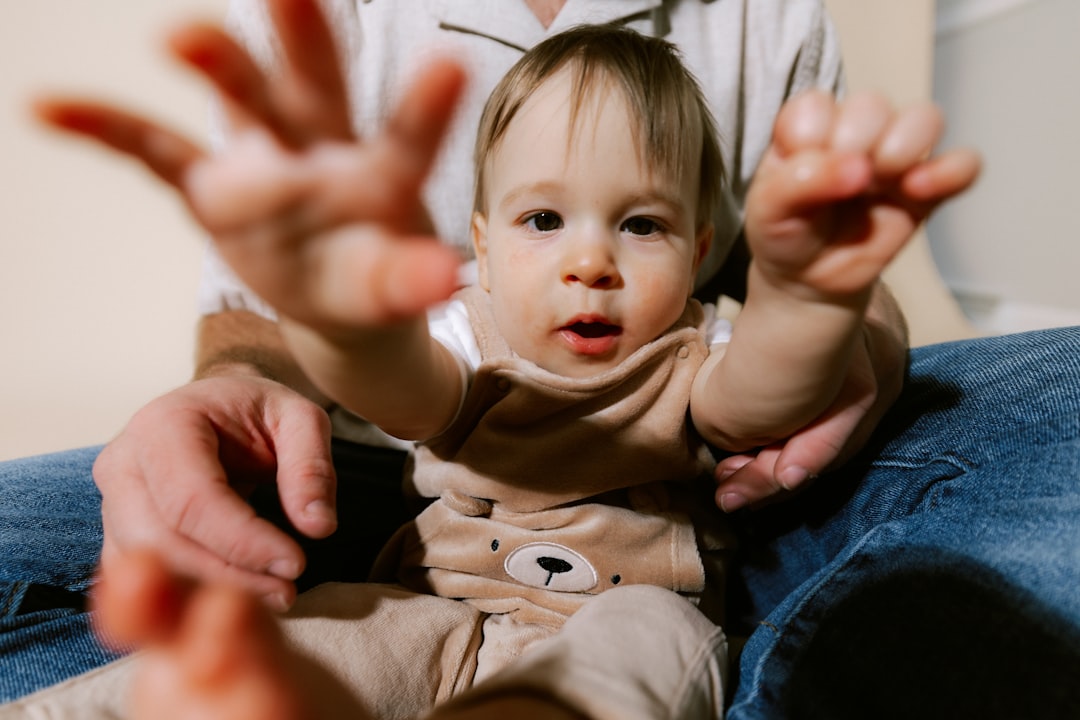
The connection between hands and communication begins incredibly early in life. Researchers have found that infants who use more hand gestures at 14 months old have greater language abilities later on. Hand gesturing is uniquely tied to speech from infancy. In fact, scientists observe the ability of infants as young as 14 months to use hand gestures as a predictor of later language abilities in healthy childhood development.
Using hand gestures early in life can predict that a child will later develop a strong vocabulary, as well as skills related to sentence structure and storytelling, according to a study published last year in the Journal of Child Language. The children’s ability to structure a narrative improved over this time period — and children who had expressed a character’s viewpoint using hand gestures at age 5 were more likely to tell better-structured stories later in childhood. Even congenitally blind individuals, who have never seen anyone gesture, move their hands when they talk, showing just how deeply ingrained this behavior is.
Conclusion
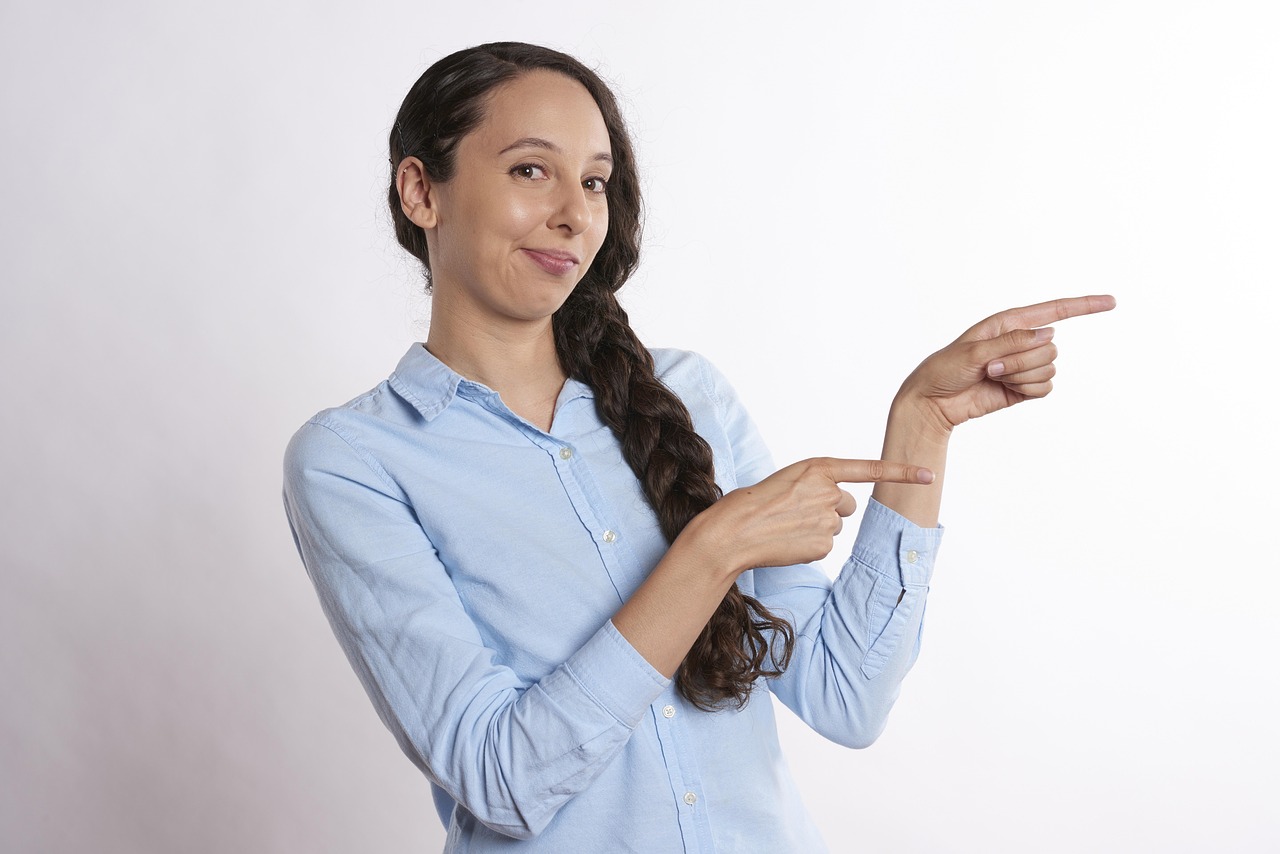
Your hands are far more than simple tools for manipulation; they’re sophisticated communication devices that reveal your thoughts, emotions, and intentions in ways you never imagined. From the neurological connections in your brain to the cultural meanings embedded in specific gestures, hand communication represents one of humanity’s most fundamental forms of expression.
“Among all species, our human hands are unique – not only in what they can accomplish but also in how they communicate. Our hands are extremely expressive; they can sign for the deaf, help tell a story, or reveal our innermost thoughts.” Understanding what your hands are saying can transform how effectively you communicate and connect with others.
What do you think about it? Have you ever noticed how much your own hands move when you’re passionate about a topic? Tell us in the comments.
Jan loves Wildlife and Animals and is one of the founders of Animals Around The Globe. He holds an MSc in Finance & Economics and is a passionate PADI Open Water Diver. His favorite animals are Mountain Gorillas, Tigers, and Great White Sharks. He lived in South Africa, Germany, the USA, Ireland, Italy, China, and Australia. Before AATG, Jan worked for Google, Axel Springer, BMW and others.