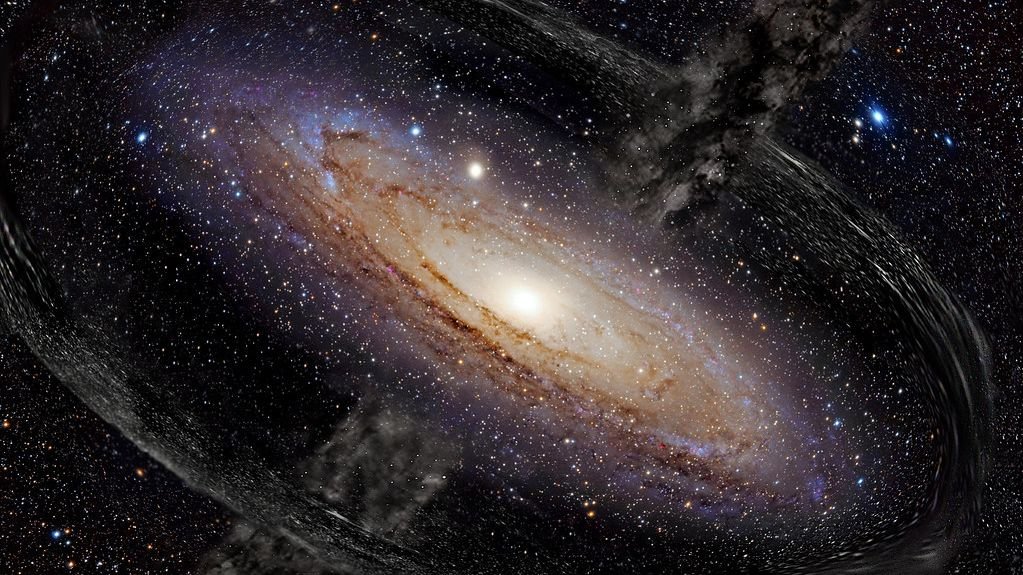

If you could turn off every star, every planet, and every glowing galaxy in the night sky, the universe would look almost completely empty. Yet, strangely, most of the universe is still there, silently shaping everything. That hidden majority is what scientists call dark matter, and it’s one of the most gripping mysteries in modern science.
We can’t see dark matter. We can’t touch it. We can’t shine light on it or bounce signals off it. But like a ghost that leaves footprints in the snow, dark matter leaves unmistakable traces in the way galaxies spin, light bends, and the cosmos evolves. Over the last few decades, researchers have gone from “something is weird” to “we might be closing in,” and that journey is full of drama, dead ends, and a few genuine breakthroughs.
The Shocking Realization: Most of the Universe Is Invisible
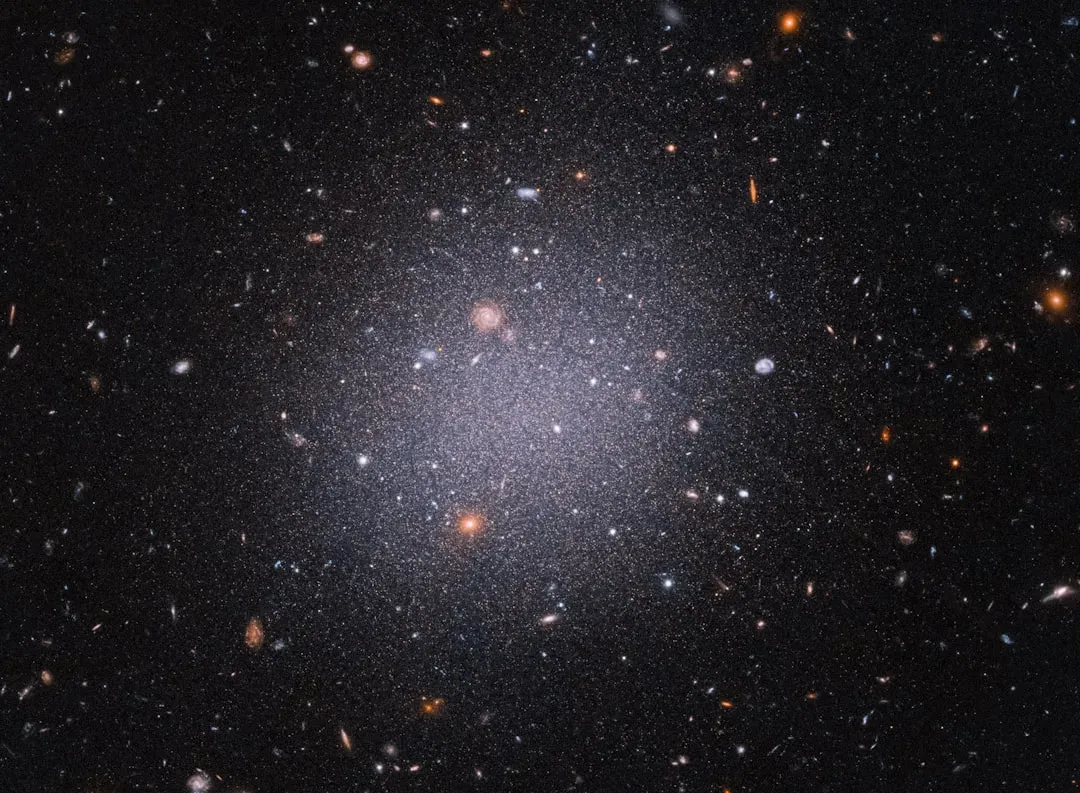
Imagine waking up one day and discovering that everything you thought you knew about the world accounts for only a small fraction of reality. That’s essentially what happened to cosmologists in the late twentieth century. Careful measurements of galaxies, galaxy clusters, and the cosmic microwave background showed that all the ordinary stuff – atoms, stars, planets, gas, dust, even you and me – makes up only a tiny minority of the universe’s total matter and energy.
Today’s best measurements suggest that only a small slice of the cosmos is ordinary matter, while dark matter makes up several times more than that, and dark energy accounts for even more. That means when you look at a picture of a galaxy, you’re only seeing the tip of a colossal, invisible iceberg. The visible stars and gas are like the sprinkles on top of a cake whose bulk is transparent. It’s unsettling, honestly. But it’s also thrilling, because it means physics isn’t finished; it still has deep, unfinished business.
How We Know Dark Matter Is Real (Even Though We Can’t See It)
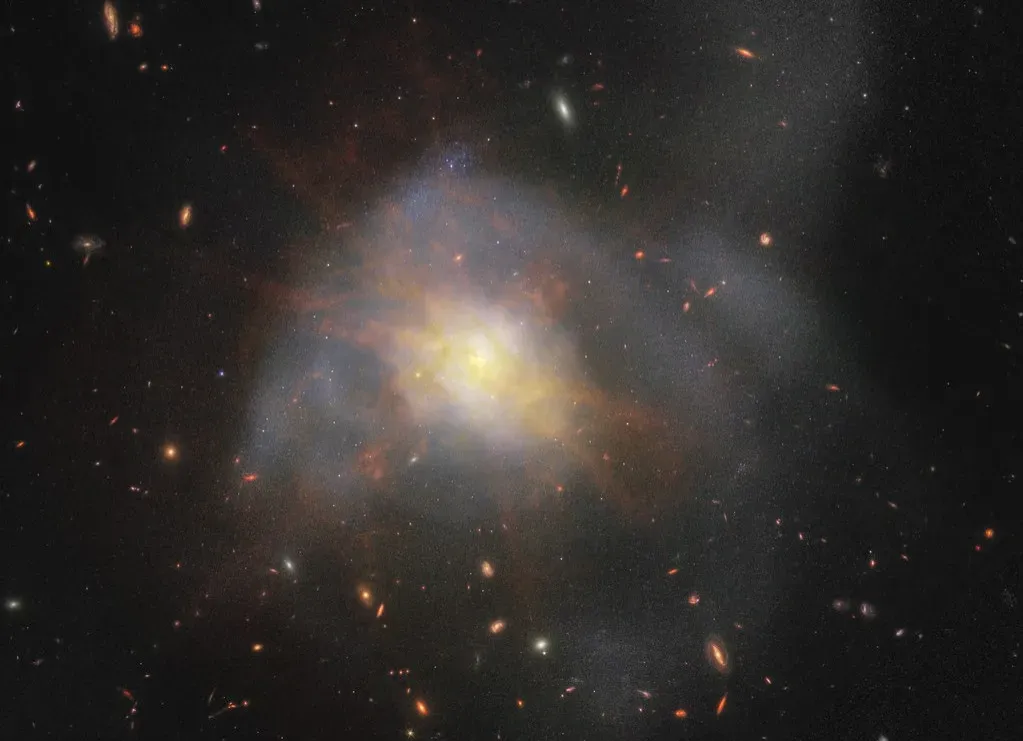
If dark matter doesn’t glow, reflect, or absorb light, how on Earth do we even know it exists? The answer is gravity. Starting in the nineteen thirties, astronomers noticed that galaxies in clusters were moving so fast they should have flown apart if only visible matter were holding them together. Later, in the nineteen seventies, measurements of how quickly stars orbit within individual galaxies confirmed that something unseen was providing extra gravitational glue.
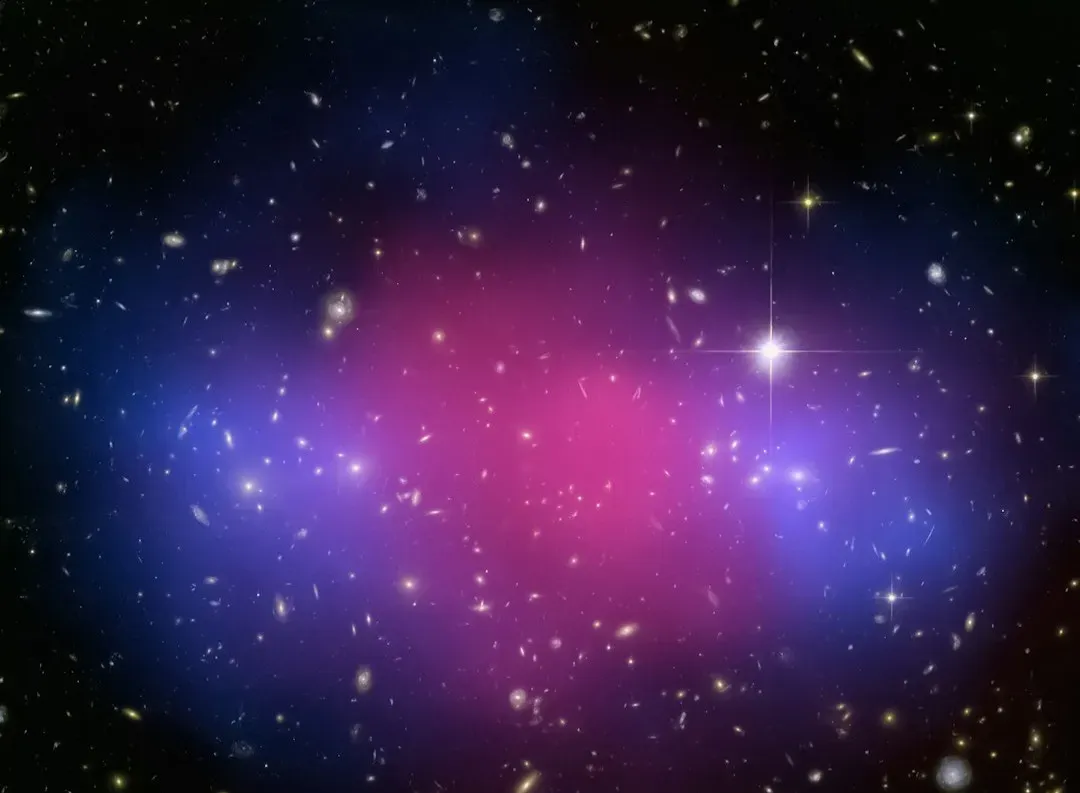
On larger scales, dark matter’s fingerprints are everywhere. Light from distant galaxies bends more strongly than expected as it passes massive clusters, an effect known as gravitational lensing, revealing hidden mass. The pattern of tiny temperature ripples in the cosmic microwave background – the afterglow of the Big Bang – fits beautifully with a universe containing a large amount of dark matter. It’s a bit like inferring the shape of a wind by watching how leaves swirl in the air; you never see the wind itself, but its influence is unmistakable.
What Dark Matter Is Probably Not
At first, scientists hoped dark matter might be something familiar but just hard to see, like dim stars, cold gas clouds, or black holes. Those ideas were attractive because they didn’t require new physics; they were like hoping the missing keys were just under the couch. But careful observations, especially of how light elements formed in the early universe, showed that there simply isn’t enough ordinary matter to account for what we observe gravitationally. The universe can’t hide that much normal stuff without messing up its own origin story.
Other suggestions, like a universe filled with black holes of various sizes, have also been tightly constrained. Big populations of black holes would distort starlight in characteristic ways that telescopes should detect, and surveys so far have ruled out many of those possibilities. Step by step, the “easy” explanations have been peeled away. What’s left is harder to swallow: dark matter is probably made of some new type of particle – or particles – that lie beyond the standard model of particle physics we’ve spent decades building.
The Leading Suspects: WIMPs, Axions, and Other Exotic Particles
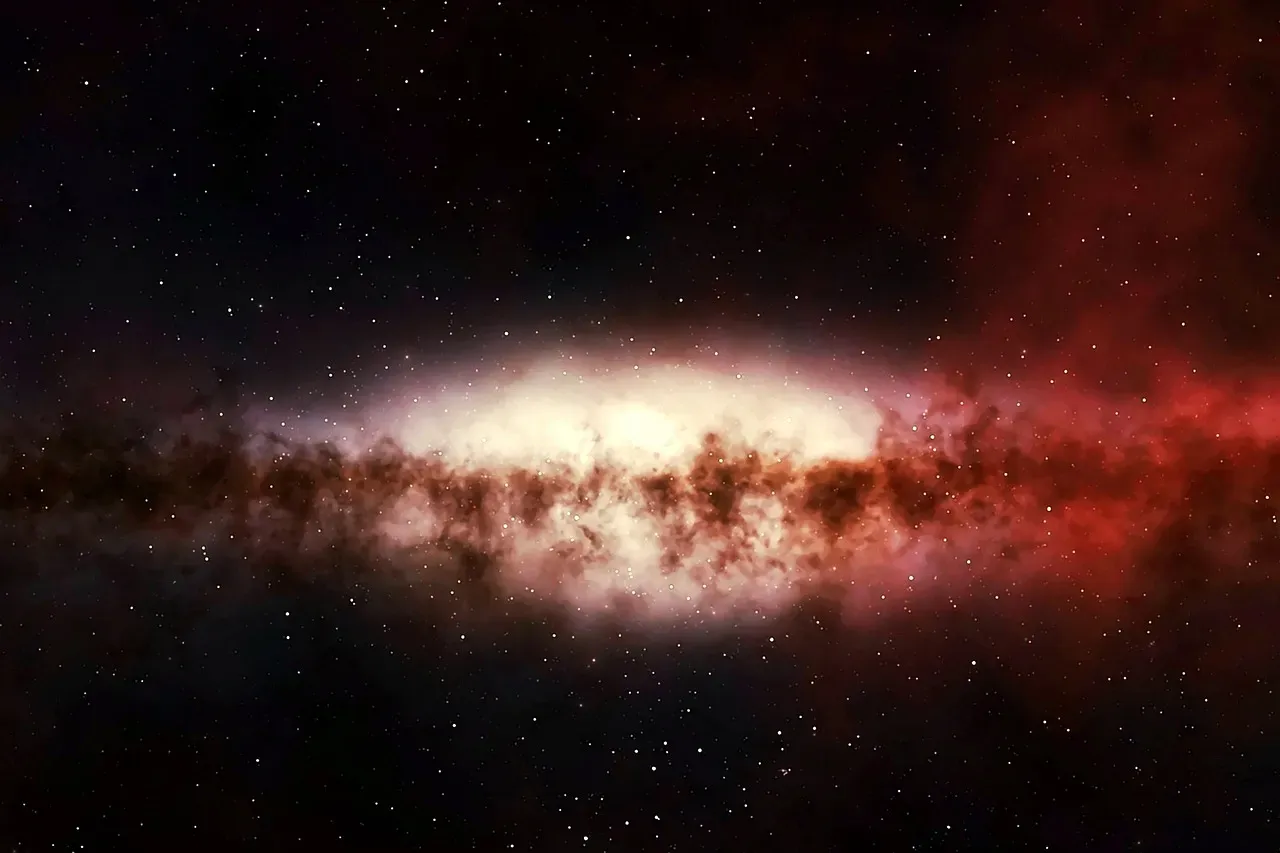
For years, one candidate has dominated the conversation: WIMPs, or weakly interacting massive particles. These hypothetical particles would be heavy, stable, and interact through gravity and the weak nuclear force, but not through light, which would make them naturally dark. Intriguingly, if you run the numbers, WIMPs produced in the Big Bang would stick around in just the right amount to explain dark matter. This numerical coincidence earned it the nickname “the WIMP miracle” and drove huge experimental efforts worldwide.
But axions, much lighter particles first proposed to solve a different puzzle in particle physics, are now catching up fast in the race. Axions would behave more like a vast, ultra-light field filling space rather than discrete heavy particles zipping around. There are also even more exotic ideas, like sterile neutrinos, fuzzy dark matter, or an entire hidden sector of particles that talk to each other but barely whisper to ours. If this sounds like science fiction, I get it – the first time I read about dark sectors, it felt like someone snuck a fantasy novel into a physics textbook. Yet these ideas grow from the real cracks we see in our current theories.
Listening for Dark Matter: Underground Detectors and Quantum Sensors
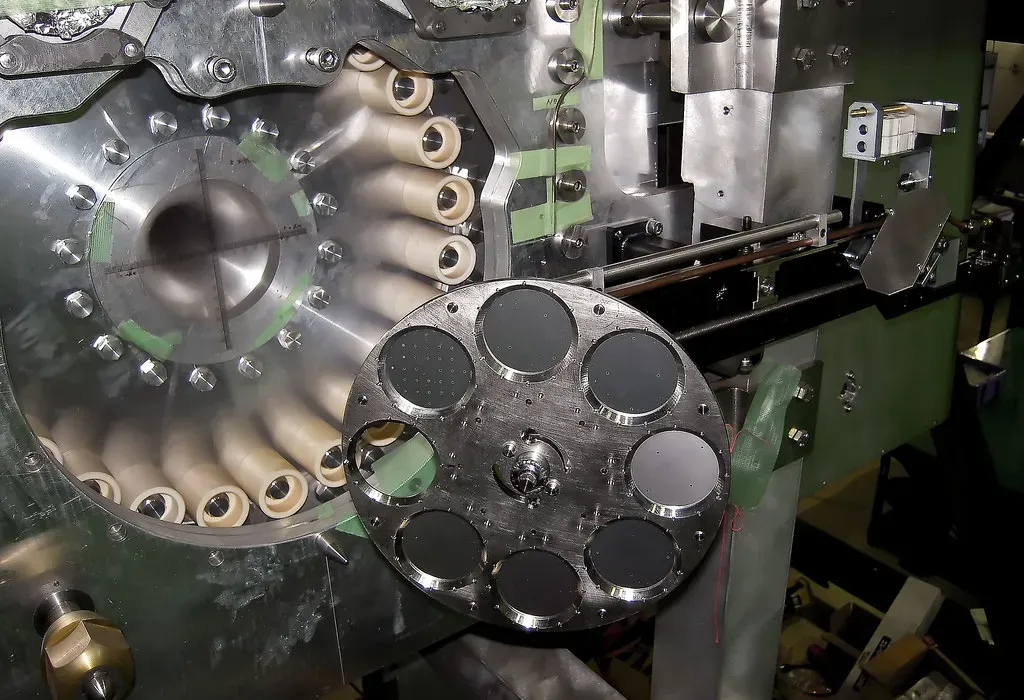
If dark matter is made of particles, you might imagine them streaming through Earth right now, like a quiet cosmic rain. Direct detection experiments are basically giant, hyper-sensitive “ears” buried deep underground, trying to catch the faintest tap of a dark matter particle bumping into an ordinary atom. Massive vats of ultra-pure liquid xenon, for instance, are shielded by rock to block out cosmic rays and background noise. When something interacts inside the detector, it produces tiny flashes of light and electrical signals that researchers scrutinize for the telltale signature of dark matter.
Despite decades of searching, no unambiguous signal has yet been found, but the detectors have become astonishingly sensitive. At the same time, new quantum-based sensors, including devices using superconducting circuits or ultra-cold atoms, are being deployed to search for lighter dark matter candidates like axions. It’s a bit like replacing a simple metal detector with a room full of exquisitely tuned musical instruments, all listening for the faintest, most off-key note in a cosmic orchestra. Each null result closes off one possibility and nudges scientists toward more creative ideas.
Smashing and Mapping: Colliders, Telescopes, and the Cosmic Web
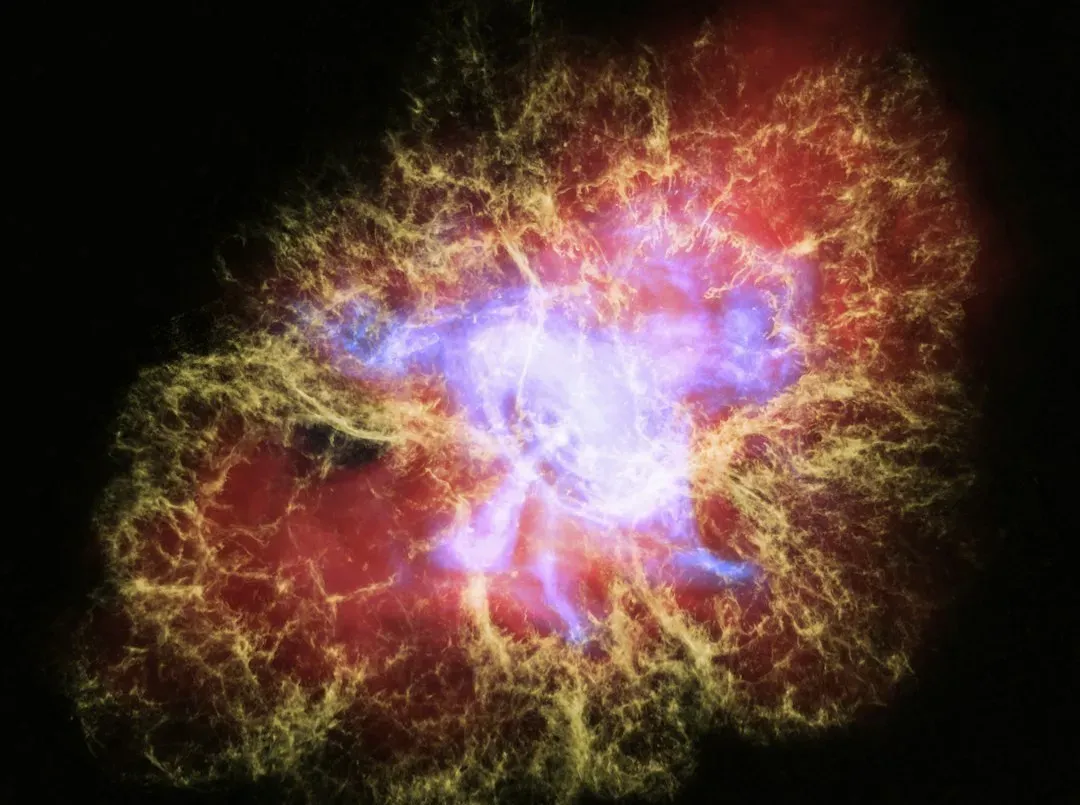
Another strategy is to try to create or reveal dark matter in high-energy collisions. Facilities like the Large Hadron Collider accelerate particles to near light speed and slam them together, then record the debris. If dark matter particles are produced, they would escape the detectors unseen, but their absence would show up as missing energy and momentum. So far, these searches haven’t found definitive evidence, but they have ruled out many simple WIMP models and pushed physicists to think beyond their favorite scenarios.
Out in the universe, giant sky surveys and space telescopes are mapping the large-scale structure of the cosmos with remarkable precision. Galaxies are not scattered randomly; they form a vast cosmic web of filaments and voids, and dark matter is the skeleton of that web. By studying how galaxies cluster and how structures evolved over billions of years, scientists test different dark matter models against reality. Some theories predict slightly sharper clumps, others smoother, fluffier structures, a bit like comparing different dough textures. The model that best matches the cosmic “bread” we see gets to stay on the table.
What If We’re Wrong? Modified Gravity and Radical Alternatives
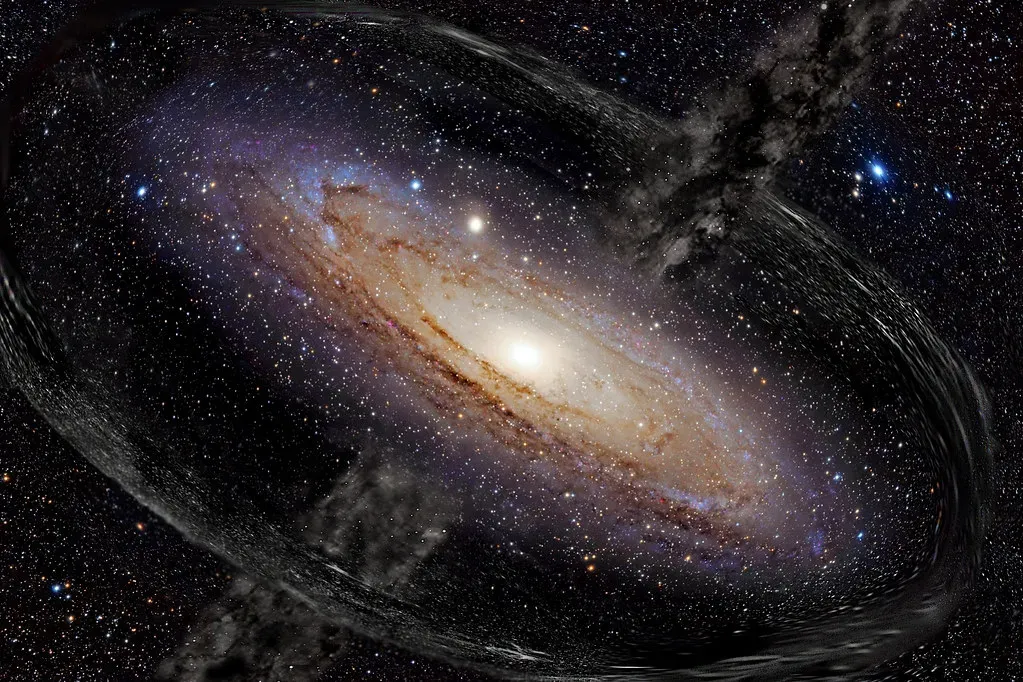
Not everyone is convinced that dark matter is a new substance. A minority of researchers argue that maybe our understanding of gravity itself breaks down on large scales. Instead of adding an invisible ingredient to the universe, perhaps we need to rewrite the recipe for how gravity works. Alternative theories, such as modified Newtonian dynamics and later refinements, try to explain galaxy rotations and other observations by tweaking the laws rather than adding unseen matter.
These ideas are bold and philosophically appealing, and they’ve sparked intense debate. However, they often struggle to match the full range of data, especially the cosmic microwave background and the behavior of galaxy clusters. It’s a bit like changing the rules of chess and then trying to explain every famous game ever played; some moves still make sense, others fall apart. Still, even if dark matter turns out to be real matter after all, wrestling with these alternatives has sharpened the questions and forced standard models to be tested more rigorously.
Why Dark Matter Matters for Us and What Comes Next
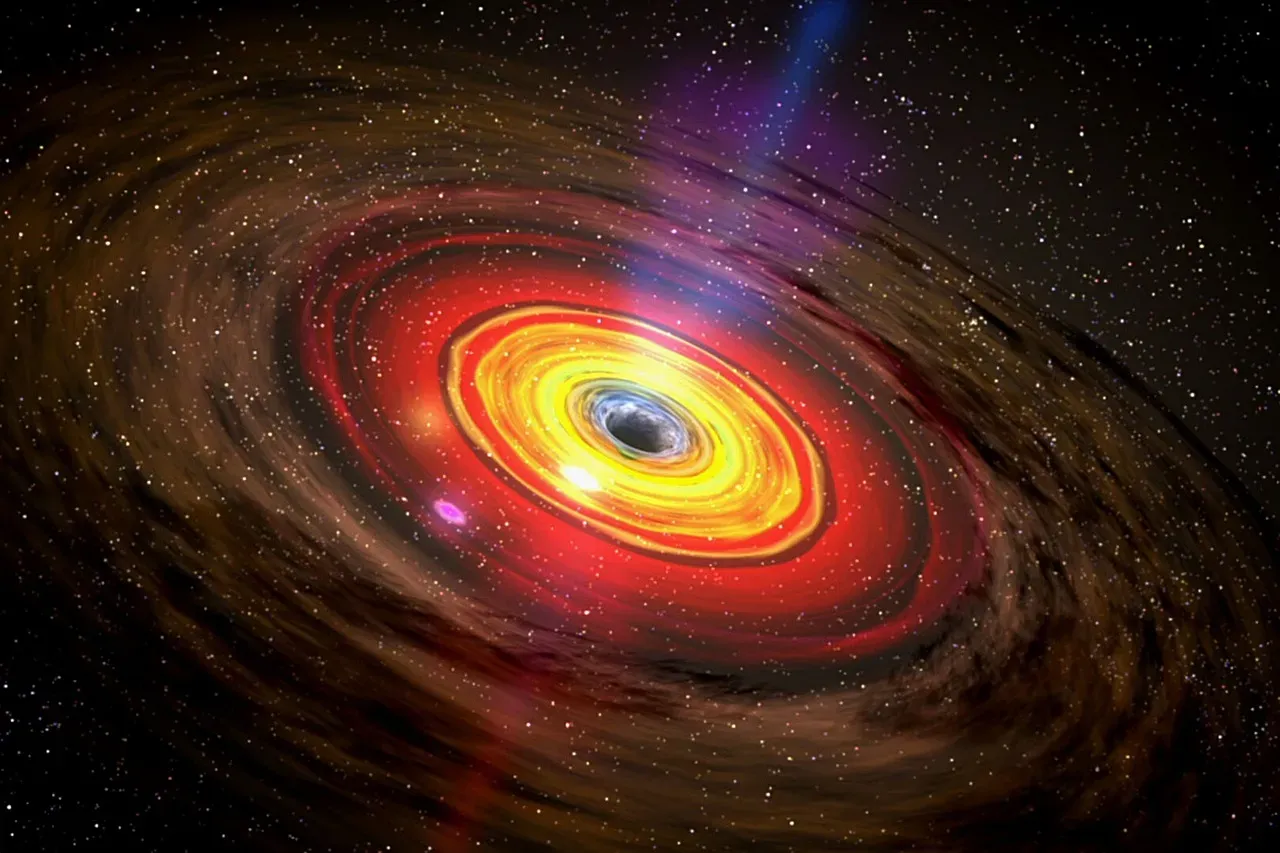
Dark matter isn’t just an abstract cosmic curiosity; without it, our own existence would be in doubt. The extra gravity from dark matter helped pull together the first galaxies in the early universe, giving stars – and eventually planets and life – a place to form. Our Milky Way is thought to be embedded in a huge halo of dark matter, an invisible cocoon that shapes the orbits of stars and the overall structure of our galaxy. In a very real sense, dark matter has been quietly choreographing the stage on which human history unfolds.
Over the next decade, more sensitive detectors, more powerful telescopes, and new collider experiments will push deeper into unexplored territory. It’s entirely possible that dark matter will turn out to be stranger than any of our current leading ideas, forcing textbooks to be rewritten and theories to be rebuilt. Or it might finally snap into focus as the missing puzzle piece that neatly ties together cosmology and particle physics. Either way, the hunt itself is reshaping how we see the universe – and our place in it. When you look up at the night sky now, do you still see mostly stars, or do you feel the vast, invisible ocean holding them all in place?