
Imagine opening a scientific paper and finding your deepest hunch confirmed: the animal you’ve always felt drawn to might reveal something measurable about your personality, values, and even the kind of life you find meaningful. For centuries, spirit animals have lived in the realm of myth and personal symbolism, often dismissed by science as purely subjective. Yet emerging research on personality, nature connectedness, and narrative identity is quietly rewriting that dismissal. Psychologists are finding that the animals we choose, draw, dream about, or identify with can act like a mirror, reflecting hidden motivations and strengths. The question is no longer just whether spirit animals are “real,” but whether they might be useful tools for understanding what we are really here to do.
The Hidden Clues: When an Animal Feels Like “You”
There is a strange, electric feeling when someone says, without hesitation, that they are “such a wolf” or “definitely a crow” as if naming a personality type. What sounds mystical is often grounded in patterns that psychologists can measure, like traits of openness, conscientiousness, or risk tolerance that show up again and again in people’s stories about themselves. Many studies on narrative identity suggest that the metaphors we reach for – hero, explorer, caretaker, trickster – reveal how we unconsciously structure our lives. An animal identity works like a living metaphor, compressing a whole cluster of traits, fears, and dreams into a single, vivid image. In that way, a self-chosen “spirit animal” becomes less like a fantasy and more like an intuitive psychological profile in disguise.
Researchers studying nature connectedness have found that people who feel a deep bond with animals often report a stronger sense of meaning in life and greater wellbeing. This is not because a fox or an owl is sending messages from beyond, but because those symbols help organize chaotic experiences into a coherent story. Instead of asking vague questions about purpose, someone who identifies with a migratory bird might ask whether they thrive in constant change, movement, and wide horizons. A person who feels aligned with a tortoise might pay more attention to work that rewards patience and long time scales rather than quick wins. The clues are not supernatural; they are narrative shortcuts that point toward what already matters to us.
From Ancient Tools to Modern Science
Long before personality inventories and fMRI scanners, cultures across the world turned to animals as guides, teachers, and guardians. In some Indigenous traditions, animal kinship was not a quirky side belief but a primary way of understanding identity, responsibility, and place within the natural world. This was less about individual branding and more about relationship, reciprocity, and ecological knowledge. Certain animals were associated with skills like hunting, healing, or navigation, offering a framework for how a person might contribute to their community. The idea that animals reveal purpose is ancient; it is our language for it that has changed.
Modern psychology approaches similar terrain through different tools: personality tests, longitudinal studies, and brain imaging. Researchers investigate how people project human qualities onto animals – a process called anthropomorphism – and how that projection can shape behavior and choices. For example, people who strongly identify with predators sometimes report comfort with competition and leadership, while those drawn to social herd animals more often prioritize cooperation and belonging. At the same time, cognitive scientists study how metaphors alter decision-making, showing that symbolic frames can nudge us toward certain paths without us realizing it. Put simply, what used to be called a spirit animal might now be studied as a powerful, animal-shaped metaphor that steers a life.
Inside the Mind: Personality, Projection, and Animal Archetypes
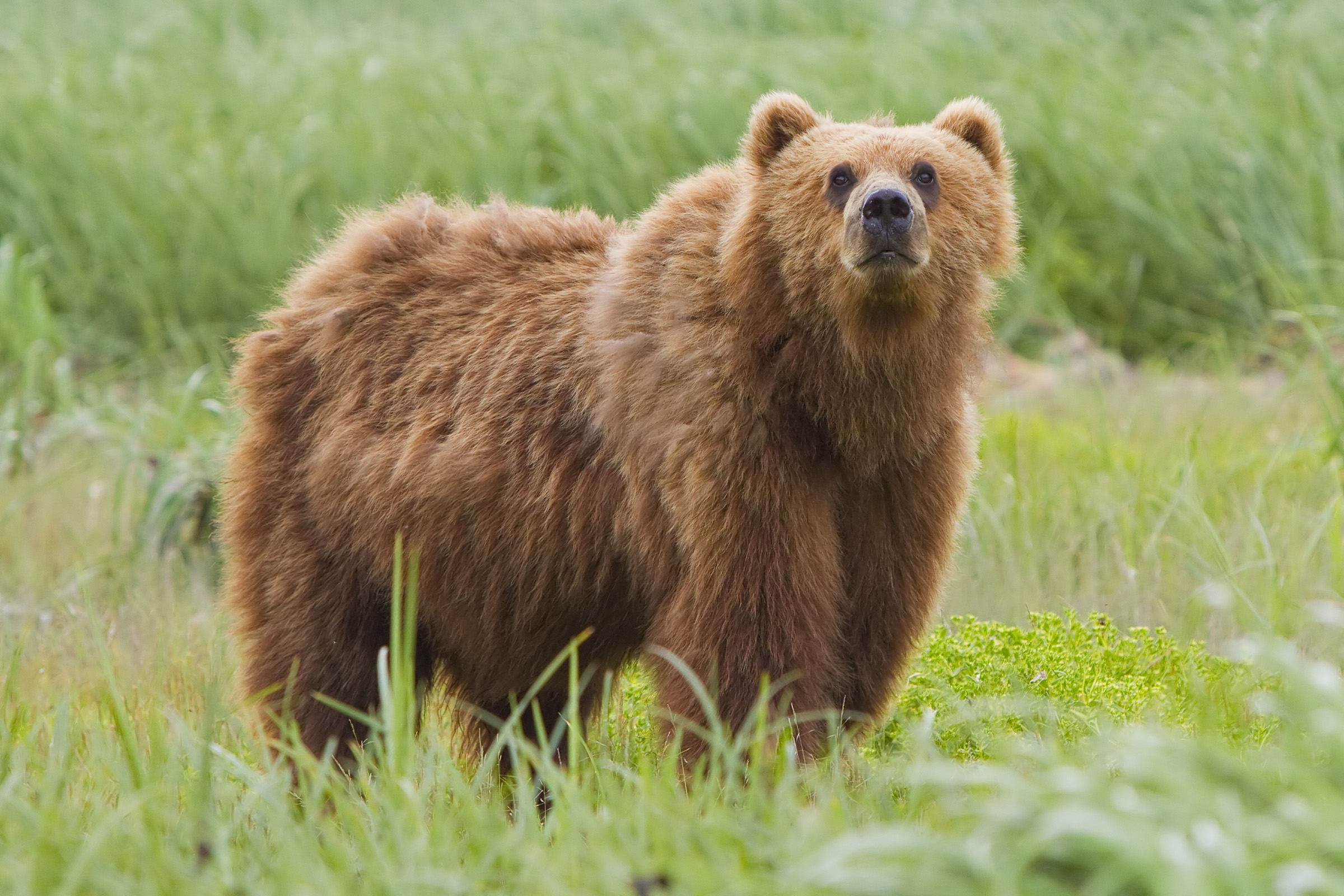
To a cognitive scientist, choosing a spirit animal is a kind of Rorschach test with fur, feathers, or scales. We project traits – cunning, loyalty, independence, grace – onto animals, then take those traits back into ourselves as if they were objectively observed. Studies on projective identification show that when people describe an animal they love, they are often also describing an idealized or feared version of themselves. A quiet person who longs to be more assertive might gravitate toward a lion, not because lions are actually fearless, but because that is how lions function in their inner mythology. The animal is both mask and mirror, hiding insecurities while highlighting aspirations.
Personality research also suggests that people create internal role models that guide their choices over time. An animal archetype can serve as a vivid internal coach, silently asking: what would a raven notice here, or how would a dolphin respond to conflict? This is not trivial; self-guiding imagery has been linked to improved resilience, self-control, and goal pursuit in various studies. When someone repeatedly returns to the same animal image, year after year, it can become a stable part of their identity structure. In that sense, a spirit animal functions like a portable compass, always on, quietly influencing which paths feel like the “right” ones.
Reading the Signs: How Spirit Animals Might Point Toward Purpose
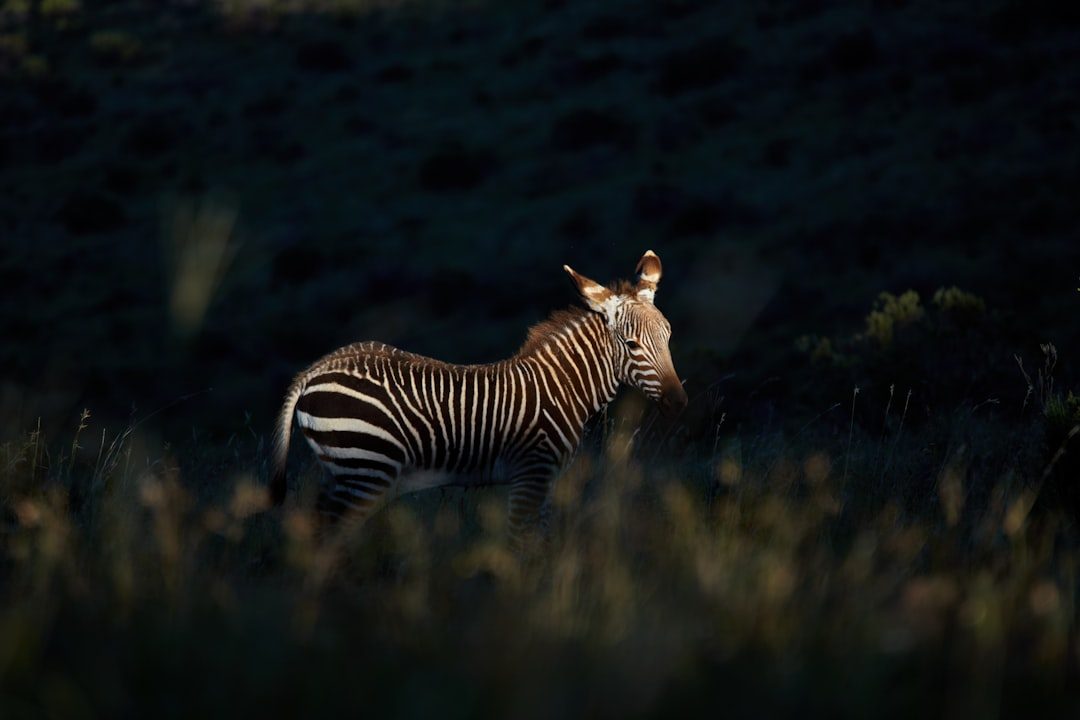
If you take the idea seriously for a moment, a reasonable scientific question emerges: what exactly could a spirit animal tell you about your life’s purpose? It is unlikely to reveal a specific job title, but it may illuminate the conditions under which you feel most alive. A person drawn to migratory birds might be better suited to careers with travel, changing projects, or seasonal intensity. Someone who resonates with elephants could feel at home in roles built on memory, care, and long-term responsibility, such as teaching or conservation. Viewed this way, the animal functions as a shorthand for preferred environments, rhythms, and social roles.
Some frameworks for understanding meaning in life suggest that people often find purpose at the intersection of three things: what they care about, what they are good at, and where they feel needed. Spirit animals tend to encode all three in a single striking image. For example, an octopus archetype might highlight creativity, adaptability, and working in complex, fluid systems like research labs or design studios. A bee archetype may emphasize collaboration, structured communities, and tangible output that supports others. The key is not that the animal dictates destiny, but that it helps surface patterns you might otherwise overlook in the noise of daily life.
Why It Matters: Beyond Horoscopes and Hashtags
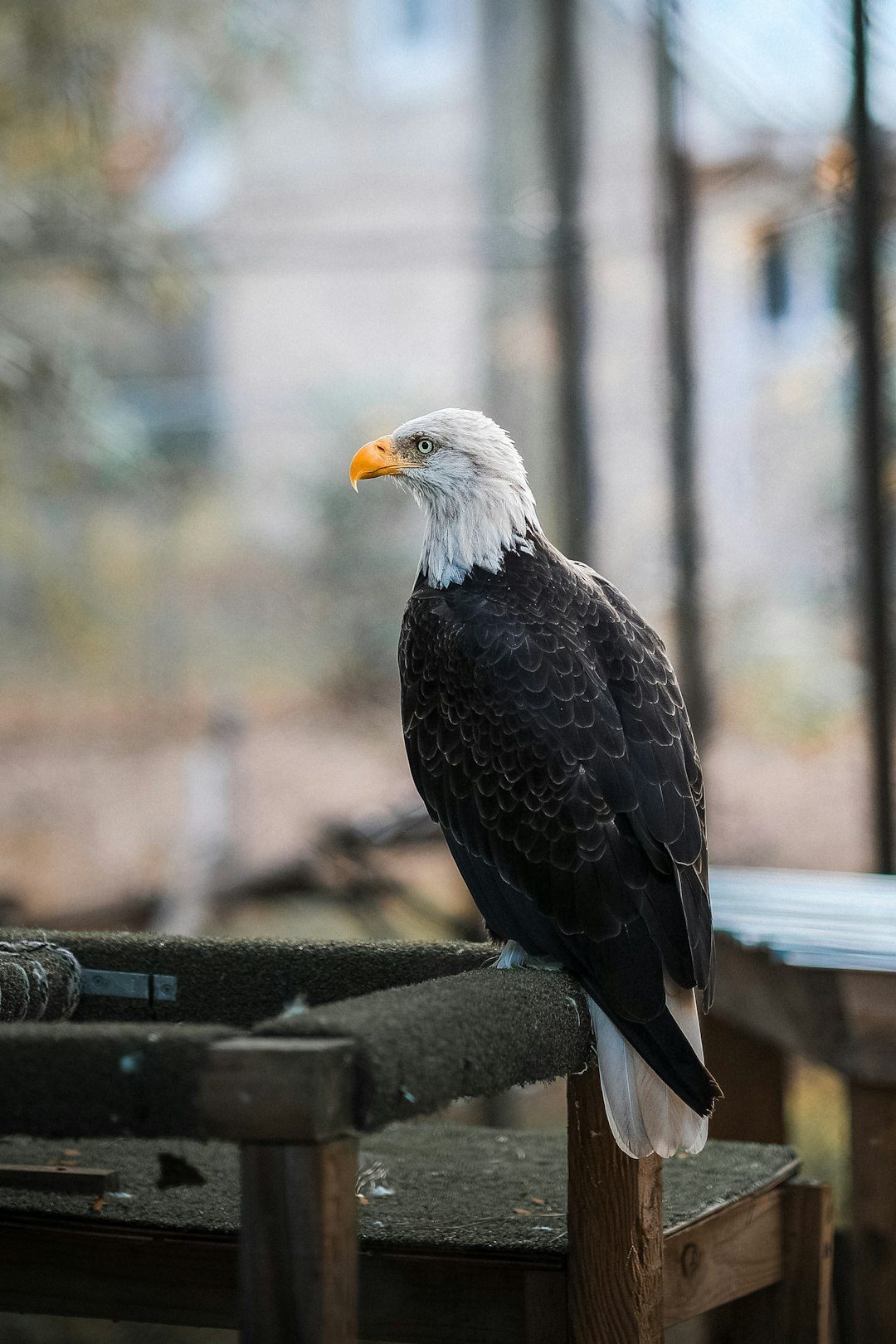
It is tempting to dismiss all of this as another personality fad, no more meaningful than a quiz on what kind of bread you are. Yet research on identity and wellbeing suggests that the stories people tell about who they are can have concrete effects on health, relationships, and motivation. When a symbolic system – whether zodiac signs, archetypes, or animals – encourages passive fatalism, it can erode agency. But when it encourages reflection, experimentation, and responsibility, it can become a surprisingly useful tool. The question, then, is not whether spirit animals are scientifically “real,” but how people actually use them in their lives.
Compared with traditional personality tests, spirit animal narratives offer flexibility and emotional resonance that many standardized categories lack. A five-letter code on a report rarely produces the kind of visceral recognition that an image of a stalking panther or circling eagle can evoke. Symbols work on both rational and emotional channels, which may help bridge the gap between knowing you are, for example, highly introverted and feeling what that means in daily choices. This matters for mental health, career counseling, and even education, where students often struggle to connect abstract traits with real-world possibilities. When handled carefully and respectfully, spirit animal frameworks can turn self-knowledge from a dry report into a living, evolving story.
Global Perspectives and Cultural Caution
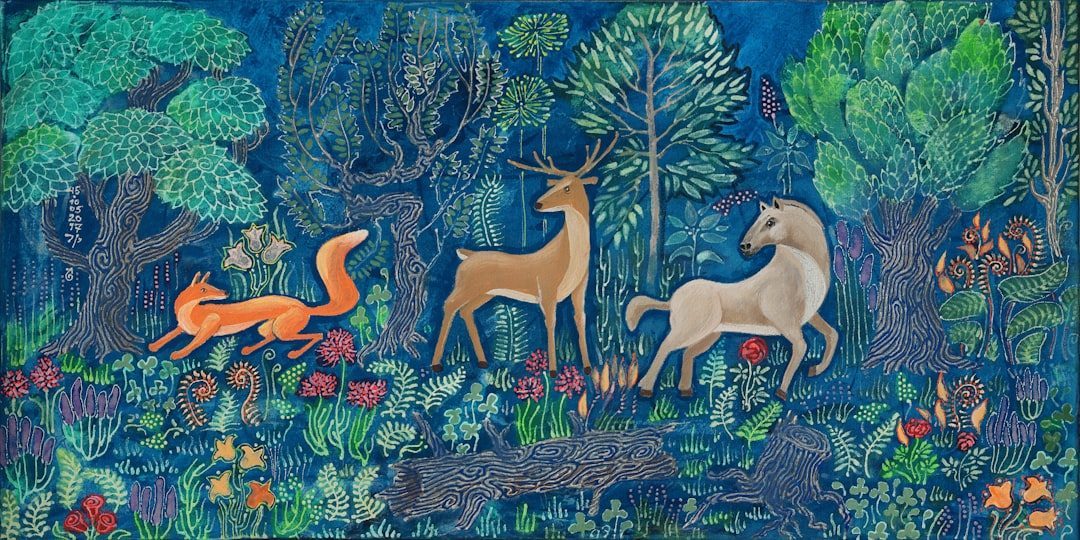
Any discussion of spirit animals in a contemporary context has to confront a difficult reality: the term is often used casually in ways that flatten or borrow from Indigenous traditions without respect. In many Native cultures, animal relationships are sacred, deeply tied to ceremony, land, and community responsibility. They are not party jokes, branding tools, or social media aesthetics. For scientists and journalists exploring the psychology of animal symbolism, this raises ethical questions about language and appropriation. One response has been to distinguish between serious cultural practices and more general concepts like “animal archetype” or “personal animal metaphor.”
At the same time, the human tendency to bond symbolically with animals appears to be nearly universal. From European heraldry to East Asian zodiac systems to African folktales, animals serve as stand-ins for qualities that humans admire, fear, or hope to cultivate. Cross-cultural research on nature connectedness finds that seeing oneself as part of a wider community of life is associated with greater environmental concern and pro-ecological behavior. That means these symbols can play a role not just in personal growth but in collective action. The challenge is to honor specific cultural lineages while also recognizing a wider human pattern: we look to animals to remember who we are and who we might become.
The Future Landscape: Tech, Neuroscience, and the Next Wave of Symbolism

It is not hard to imagine a near future where your “spirit animal” is partially generated by an algorithm trained on your texts, searches, and biometric data. Some wellness and coaching platforms already flirt with this idea, blending personality questionnaires with lush animal imagery and tailored advice. As brain imaging and wearable sensors grow more sophisticated, researchers could, in theory, test whether certain animal images reliably activate motivation, calm, or courage in particular individuals. This would shift spirit animals from pure self-report into something closer to personalized neuromarketing or therapeutic visualization. The prospect is both fascinating and unsettling, especially if such tools are used to sell products rather than foster genuine insight.
On a more constructive front, therapists and educators may increasingly use animal-based metaphors in structured, evidence-informed ways. Guided visualization exercises already help some patients manage anxiety or rehearse difficult conversations, and layering in personally resonant animal imagery could enhance that effect. Conservation organizations might leverage people’s existing animal identities to build longer-term engagement and behavior change. At the same time, there will be ongoing debate about the line between helpful symbolism and pseudoscience. The next decade will likely test whether spirit-animal language can coexist with rigorous psychology, or whether it will be pushed further into the realm of branded spirituality and algorithmic personality theater.
Taking It Personally: How to Engage With Your Own Animal Symbol
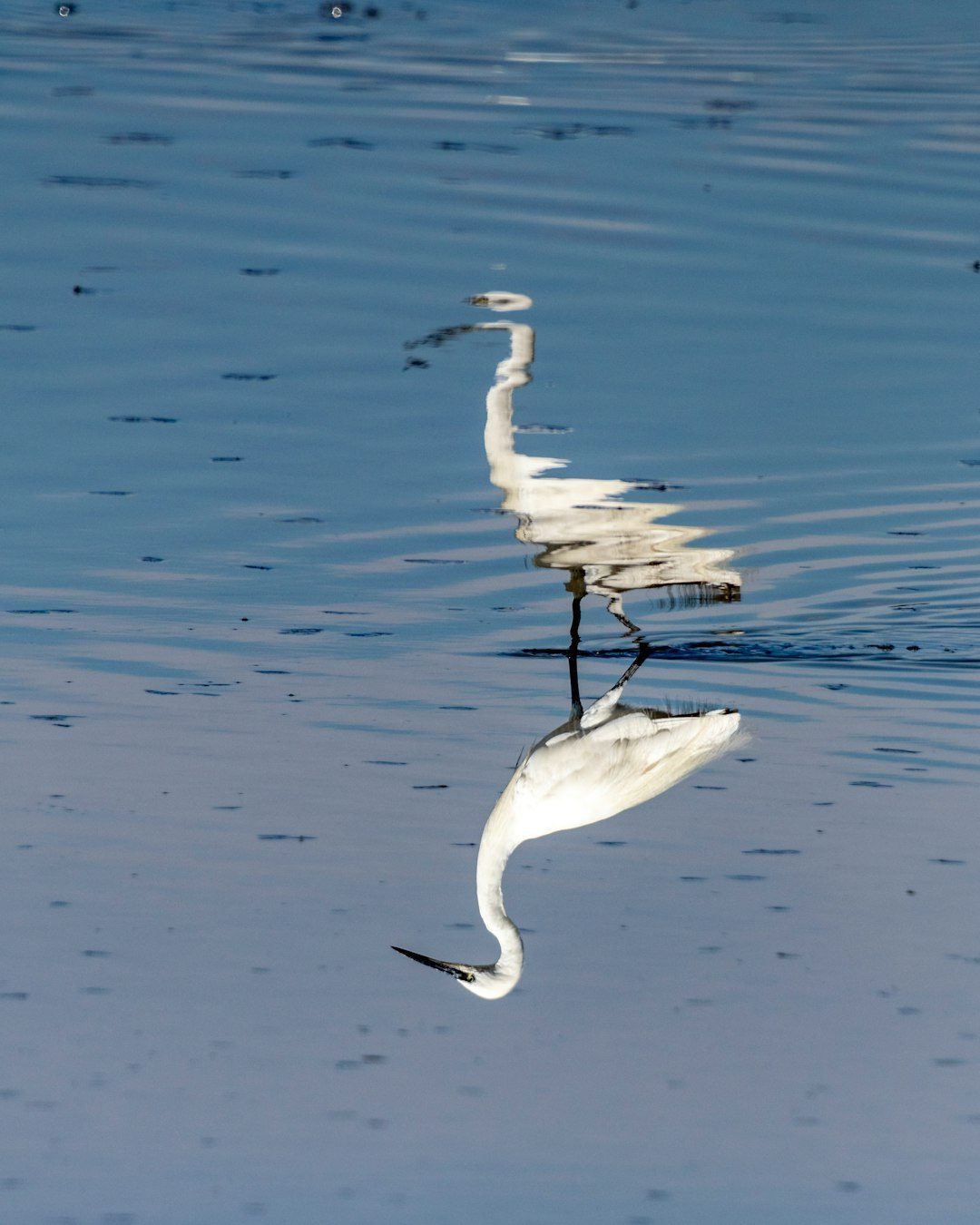
For readers curious about this without wanting to fall into superstition, there is a simple starting point: pay attention to the animals that linger in your mind. Which creatures have you drawn, collected, or referenced since childhood without really knowing why? Which ones show up in your dreams or daydreams when you imagine yourself at your best or worst? Rather than googling quick interpretations, you can treat these animals as prompts for self-interview. Ask which traits you associate with them, in your own words, and how those traits actually show up in your life right now. The value lies less in the animal itself and more in the honesty of the answers.
There are also practical, grounded steps you can take to turn this reflection outward. You might: – Journal for ten minutes about a single animal you feel drawn to and list where its qualities already appear in your relationships or work. – Discuss the idea with a trusted friend or therapist, seeing what they notice in your chosen animal that you might have missed. – Channel that connection into real-world support, such as backing conservation efforts for the species or its habitat. By anchoring symbolic work in concrete action, you reduce the risk of drifting into magical thinking and increase the chance that your chosen animal guide actually helps you live differently. In the end, whether you call it a spirit animal, an archetype, or simply a favorite creature, the question it poses is the same: if you really lived by the qualities you admire in it, how would your life need to change?
Suhail Ahmed is a passionate digital professional and nature enthusiast with over 8 years of experience in content strategy, SEO, web development, and digital operations. Alongside his freelance journey, Suhail actively contributes to nature and wildlife platforms like Discover Wildlife, where he channels his curiosity for the planet into engaging, educational storytelling.
With a strong background in managing digital ecosystems — from ecommerce stores and WordPress websites to social media and automation — Suhail merges technical precision with creative insight. His content reflects a rare balance: SEO-friendly yet deeply human, data-informed yet emotionally resonant.
Driven by a love for discovery and storytelling, Suhail believes in using digital platforms to amplify causes that matter — especially those protecting Earth’s biodiversity and inspiring sustainable living. Whether he’s managing online projects or crafting wildlife content, his goal remains the same: to inform, inspire, and leave a positive digital footprint.