
There is a question that has quietly haunted humanity for centuries, whispered in observatory domes, scribbled in the margins of science papers, and debated across late-night campfires: are we alone? Right now, in 2026, that question feels less philosophical and more urgent than it ever has before. Rovers are crawling across ancient Martian riverbeds. Rocks are being drilled, studied, and sealed into titanium tubes for a potential journey back to Earth. The clues keep piling up.
We are living through a genuinely extraordinary moment in the history of science. The possibility of life on Mars is no longer the domain of science fiction. It belongs squarely in peer-reviewed journals and NASA press conferences. So what would actually happen, scientifically speaking, if we confirmed it? The answer, honestly, would shake every branch of science to its core. Let’s dive in.
The Discovery That Brought Us Closest to the Edge
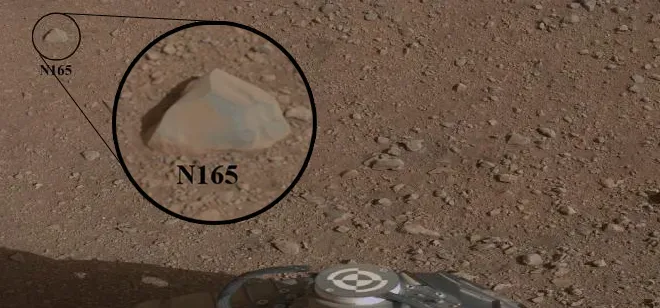
You need to understand just how close we already are to this moment. After a rigorous, yearlong peer-review process, during which outside scientists scrutinized the Mars 2020 team’s data and analysis, the journal Nature published validated results: Perseverance’s “Sapphire Canyon” sample contains potential biosignatures, clues that suggest past life may have been present, but that require more data or further study before any conclusions about the absence or presence of life. That sentence alone should stop you in your tracks.
The spots on the rock could have been left behind by microbial life if it had used the raw ingredients – the organic carbon, sulfur, and phosphorus – in the rock as an energy source. In higher-resolution images, instruments found a distinct pattern of minerals arranged into reaction fronts the team called “leopard spots.” The spots carried the signature of two iron-rich minerals: vivianite and greigite. Think of it like finding fingerprints at a crime scene. No body yet, but the clues are pointing somewhere remarkable.
The discovery was particularly surprising because it involves some of the youngest sedimentary rocks the mission has investigated. An earlier hypothesis assumed signs of ancient life would be confined to older rock formations. This finding suggests that Mars could have been habitable for a longer period or later in the planet’s history than previously thought. In other words, Mars may have been a living world for far longer than science ever dared to assume.
What a Confirmed Discovery Would Mean for Biology
Here is the thing about biology as a science: it has exactly one data point. Every organism ever studied, from a deep-sea bacterium to a blue whale, descends from a single common ancestor on Earth. All life on Earth shares common biochemistry and descends from a common ancestor. This prevents us from understanding which aspects of biochemistry and genetics are essential features of life and which are merely particular to the evolutionary history of life on this planet. To develop a more general understanding of life, we need more than one example.
Finding life on Mars would give science that second example. It would be like spending your whole life studying just one book and suddenly discovering an entire library. If confirmed, a biosignature on Mars would mean that there was microbial life on Mars around 3.5 billion years ago. The key question would then become whether Martian life used the same genetic machinery as Earth life, or something fundamentally different. The answer to that single question would rewrite biology’s rulebook entirely.
Rewriting the Origin of Life Story
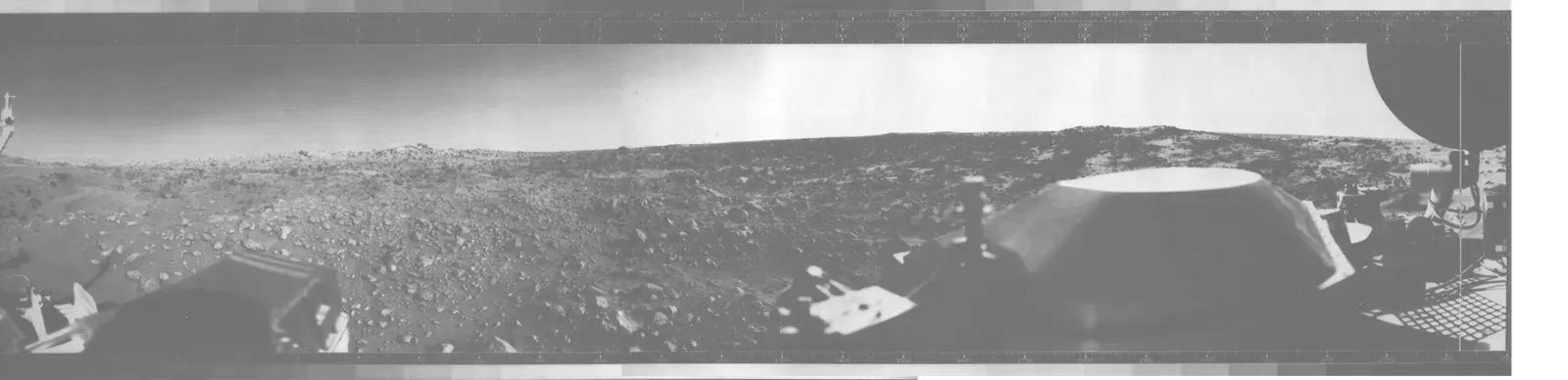
One of science’s deepest mysteries is how life began. Incredibly, if you found life on Mars, you might also discover something stunning about life on Earth. The theory of panspermia invokes the sharing of life via meteorites from one planet to another. In this context, the question generally raised is whether Earth might have been seeded by early Martian life. Mars, it is becoming increasingly accepted, was probably more habitable in its early period than Earth.
It is necessary to consider the possibility that life from Mars was carried to Earth, and it is possible that life from Earth could have similarly been carried to Mars. This implies that the discovery of life on Mars does not automatically mean the discovery of a second genesis. That is a mind-bending idea. You might find life on Mars, and then realize that Martian life and Earth life are, in some ancient cosmic sense, cousins. Or even the same family.
Mars as a Window Into Habitability Across the Universe
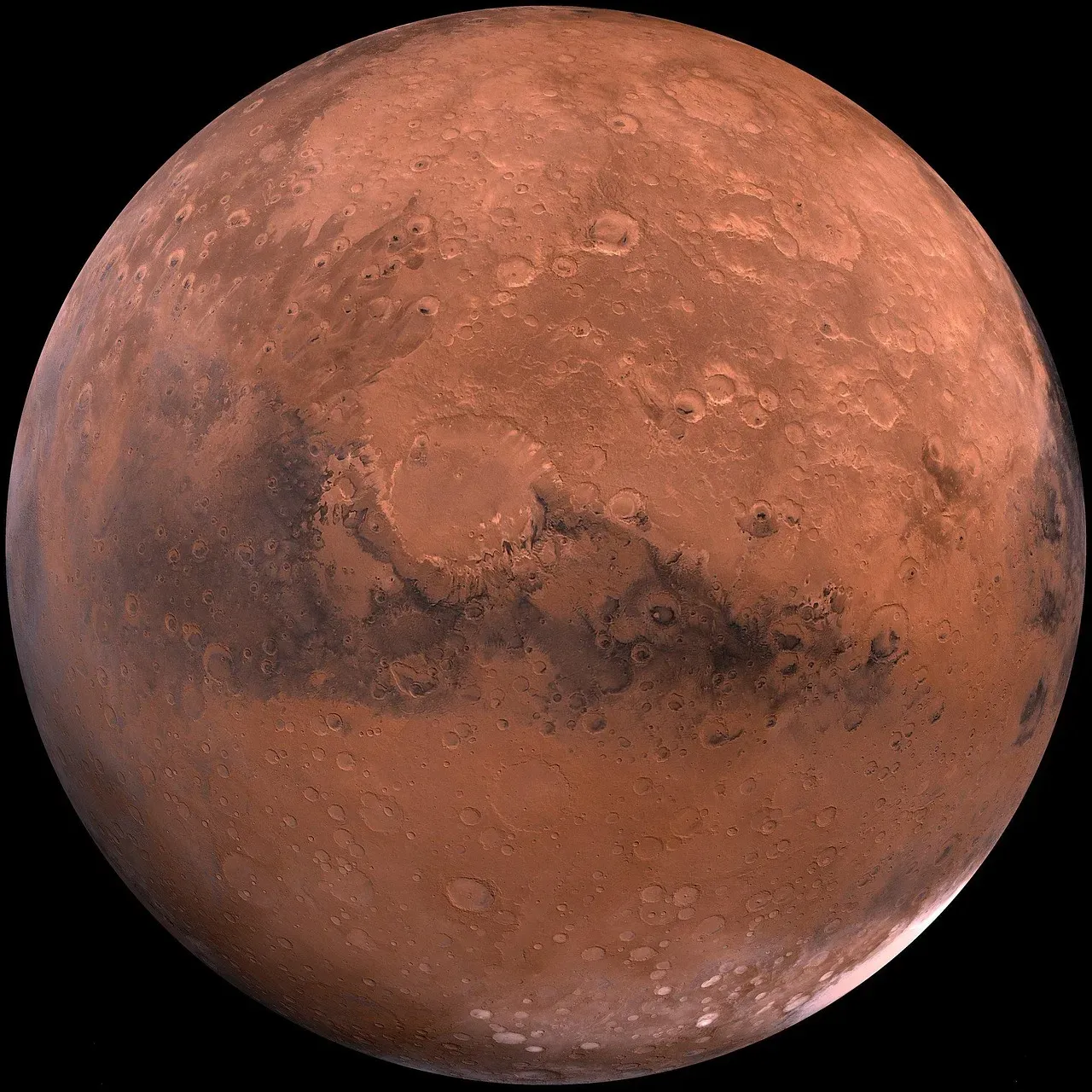
Let’s be real about what confirmed Martian life would do to the broader picture of astrobiology. Right now, scientists search for habitable worlds by looking for conditions similar to Earth. But Earth is again, our only example. Ancient Mars, increasingly, looks less like a planet that was briefly habitable and more like one that sustained habitable settings in different places, at different depths, and for much longer than once thought. These findings do not tell us that life was present on Mars, but they tell us the question remains scientifically alive and increasingly testable.
Finding evidence of life on Mars would suggest that life is easier than we might have thought. There are only two planets in our solar system that look like they could support life. If they both had life, maybe every time you have the right conditions, you get life started. That logic, if confirmed, would send scientists scrambling to rethink the habitability of moons like Europa and Enceladus and potentially thousands of exoplanets. The universe would suddenly seem a lot more crowded.
The Planetary Protection Crisis Nobody Talks About Enough

Planetary protection policies were developed for two specific purposes. One was to protect planets against forward biological contamination, well enough and long enough to allow scientific investigations a reasonable likelihood of establishing whether life had originated or existed on any planets other than Earth. The consequent requirement was to reasonably control potential confoundment by Earth organisms carried on spacecraft. The principal hazard has been considered to derive from the possibility that certain transported organisms might somehow find a supportive refuge, survive, thrive, and proliferate in the alien environment.
Confirmed life on Mars would transform planetary protection from a cautious scientific formality into an urgent, even existential, concern. The risks of contamination involved in the presence of humans on Mars are threefold: the risks to the crew from Martian microbes if any exist, the risk to life on Earth via returned Martian samples, and the risk to Mars from imported terrestrial microorganisms. Think of introducing rabbits to Australia, then multiply that scenario by an entire planet’s worth of microbial complexity. The stakes of getting it wrong would be almost impossible to overstate.
The Challenge of Proving It Beyond All Scientific Doubt
Science is extraordinarily hard to satisfy when the claim is this big. A potential biosignature is a feature that might have a biological origin but still needs more data to rule out nonbiological sources. NASA points mission teams and the public to the Confidence of Life Detection, or CoLD scale, which encourages staged claims and independent checks. The CoLD mindset is simple in practice: first detect a signal, then exclude contamination, then tackle alternatives, and only then talk about life on Mars with high confidence. The Bright Angel work sits early on that ladder.
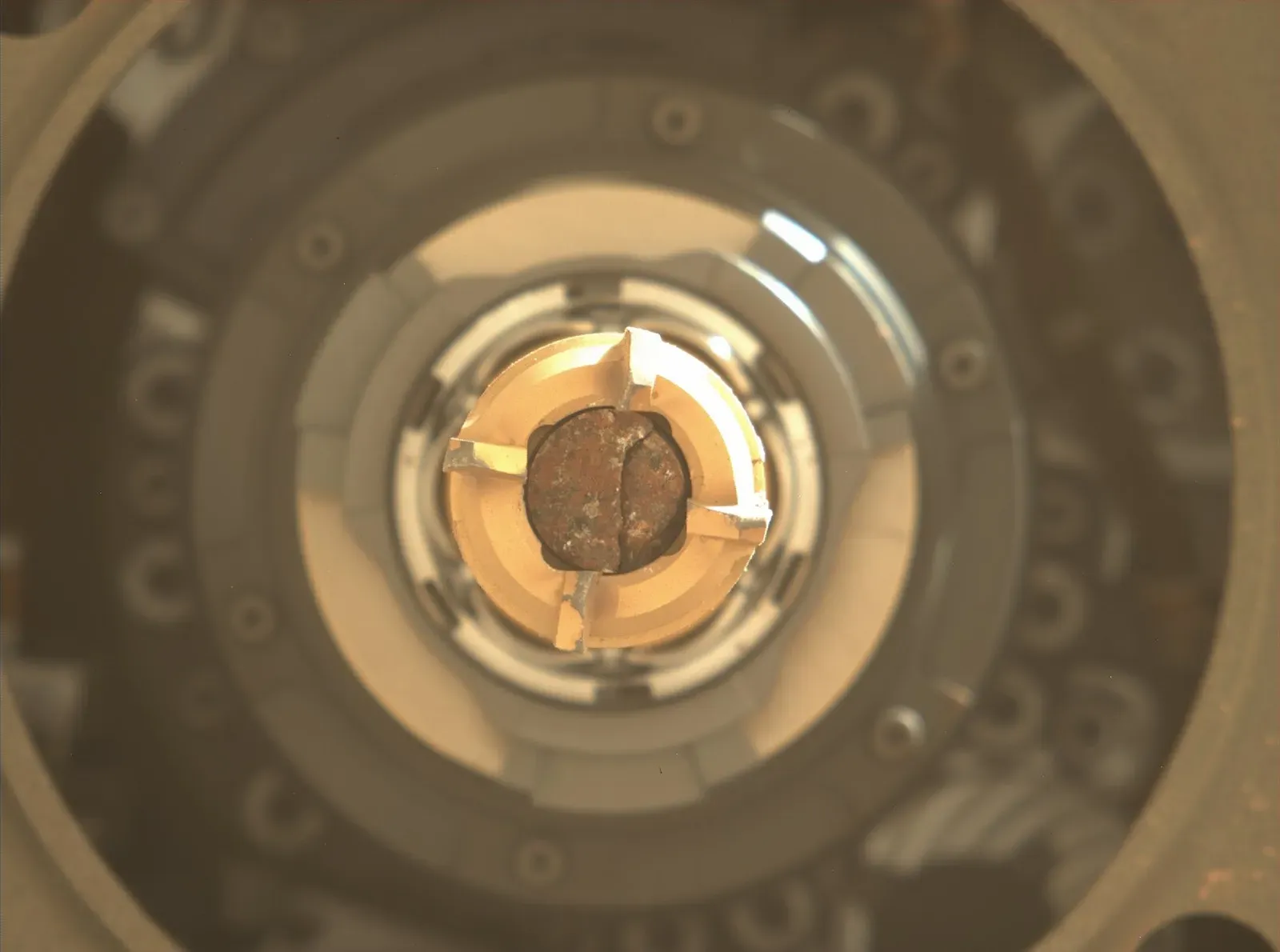
Analyzing Perseverance’s sample of Cheyava Falls in labs on Earth would allow scientists to more or less conclusively determine whether it shows signs of ancient life. Researchers would be able to identify exactly what kinds of organics are in the rock: the kind that can make vivianite on their own, the kind that are perfect food for microbes, or material from microbes themselves. Scientists could look for signs that certain chemicals were created by digestion. The challenge is getting those samples home, and that is where funding and political will become part of the scientific equation in very real ways.
The Philosophical and Cultural Earthquake That Would Follow
Honestly, this might be the most underappreciated implication of all. Science does not exist in a vacuum. The impact of finding life on another planet would be felt across every facet of society, including religion. Every major world religion is built on frameworks that place Earth and humanity at the center of meaning and creation. Confirming microbial life on Mars would not invalidate those frameworks overnight, but it would force profound renegotiation of some very old assumptions about humanity’s place in the cosmos.
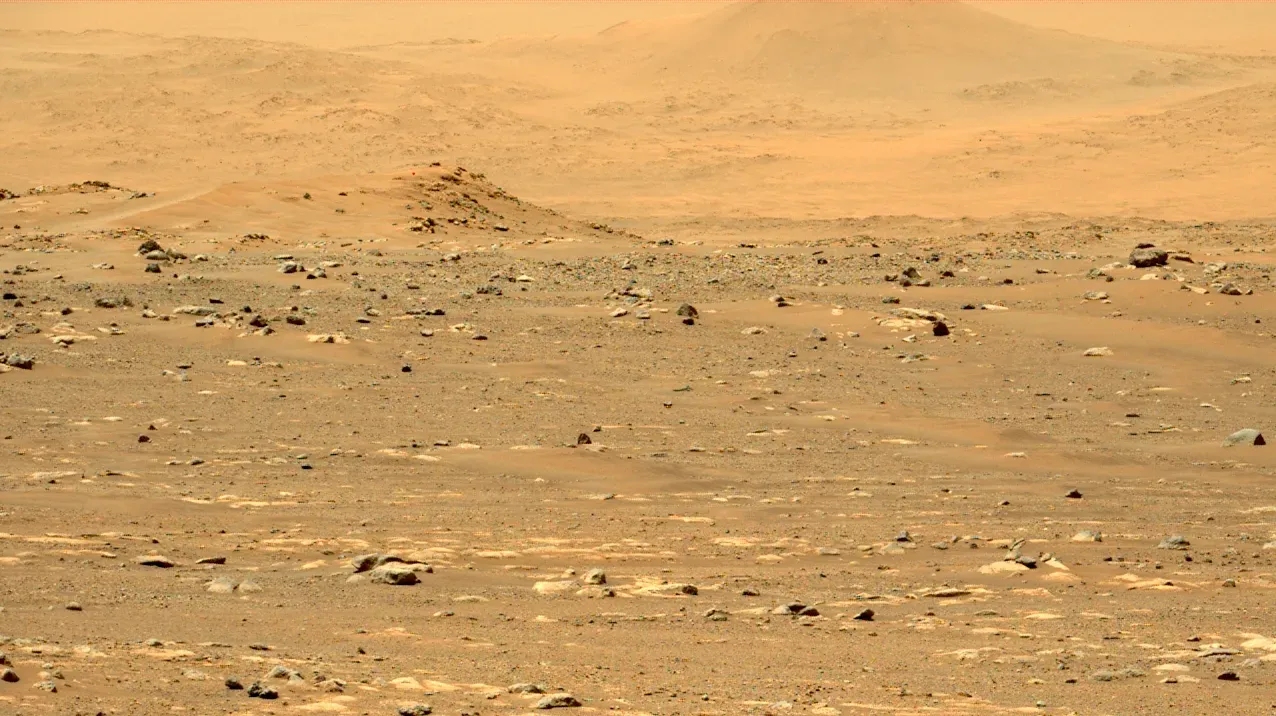
Recent in-situ observations from Jezero crater have produced a potential biosignature in fine-grained sediments, while new laboratory studies indicate that relatively pure Martian ice could preserve organic molecules for geologically significant timescales. Together, these developments elevate the near-term stakes: they sharpen targets, raise the bar for planetary protection, and intensify public attention even in the absence of definitive proof. Science, philosophy, policy, and culture are all about to collide. The question is whether we are ready for the impact.
Conclusion
If life is confirmed on Mars, it would not be a chapter in a science textbook. It would rewrite the entire library. Biology, chemistry, geology, philosophy, religion, and space policy would all be transformed simultaneously, each field sending tremors into the others. It would be, without exaggeration, the most significant discovery in the history of human civilization.
We are not there yet. The leopard spots on Cheyava Falls are tantalizing, not conclusive. They are not “We discovered life on Mars” headlines. They are subtler and, in many ways, more important: a strengthening of the case that ancient Mars had both an organic carbon inventory and environments capable of concentrating, processing, and preserving chemical traces. Science moves carefully. Deliberately. Sometimes frustratingly so.
Every rover wheel-turn on Martian soil right now is humanity inching toward an answer that could redefine everything. The real question is not just whether life existed on Mars. It is what we will do with that knowledge once we have it. What do you think would change first, science or humanity itself? Tell us in the comments.