
Imagine blowing out birthday candles at one hundred and fifty and planning your next career change, not your retirement. The idea sounds like science fiction, but in labs around the world, scientists are picking apart the mechanisms of aging with a seriousness that would have seemed absurd a few decades ago. The mystery is simple to state yet enormous in impact: is growing old inevitable, or just a biological bug we have not yet fixed? As researchers learn how to reset cellular clocks, rejuvenate organs, and even reverse signs of aging in animals, the question “What if we could live forever?” is shifting from philosophy seminar to research agenda. The answer, if it ever arrives, could transform not just how long we live, but what it means to be human.
The Hidden Clues: Bodies That Refuse to Age
Long before humans tried to hack aging with gene therapies and experimental drugs, nature had already run its own wild experiments. Certain jellyfish can revert from adult back to a juvenile state, effectively resetting their life cycle instead of dying. Some clams and Greenland sharks show such slow decline that their lifespans appear to stretch across multiple human centuries. For biologists, these strangely durable species are like cheat codes left lying around in the code of life, hinting that aging is not as fixed as it looks. The surprise is not that organisms die, but that some of them seem to sidestep the process for astonishingly long stretches of time.
Even within our own species, the clues are startling. A very small number of people carry rare genetic variants that protect them from age‑related diseases like Alzheimer’s or heart disease, even when they have high risk in their family histories. Others reach one hundred years old with relatively sharp minds and active bodies, as if their biology resists the usual wear and tear. These outliers suggest that aging is not just a simple countdown, but a complex set of biological switches that can be tuned up or down. If those switches can be mapped and manipulated, the dream of radically extended life stops sounding purely mythical and starts to look like an engineering challenge.
From Ancient Dreams to Modern Longevity Science
Humans have been obsessed with immortality for as long as we’ve told stories around fires. Ancient myths from different cultures tell of magical springs, elixirs, or divine bargains that promise endless life, usually at a terrible price. For most of history, these tales were the only “technology” we had for cheating death, a reflection of our frustration with the brutal limits of biology. What has changed in the last several decades is that our understanding of aging is no longer mystical at all. It is being broken down into pathways, molecules, and levers that can be tested and, in some early cases, controlled.
Modern longevity research grew from a series of surprisingly modest experiments. Scientists noticed that drastically cutting calories in mice, worms, and even some primates could stretch their lifespans well beyond the norm, hinting that metabolism and nutrient sensing are deeply tied to the aging process. Then came the discovery that tweaking single genes in tiny roundworms could double their lifespan, a shocking reminder that the rate of aging is encoded in biological systems we can potentially alter. As these findings piled up, aging shifted from being seen as inevitable decay to something more like a regulated program. The old myths of secret fountains are slowly being replaced by lab protocols and clinical trials.
Cracking the Code: What Aging Actually Is
If living forever depends on stopping aging, the first challenge is to define what aging really is. Researchers increasingly describe it as the accumulation of damage and dysfunction across many levels of the body, from DNA and proteins to entire organs. Cells lose their ability to divide safely, accumulate mutations, and sometimes slip into a zombie‑like state called senescence, where they do not die but spew out inflammatory signals. Stem cells, which normally repair tissues, become exhausted and sluggish, leaving muscles, skin, and organs less able to regenerate. Over time, these changes stack up into familiar symptoms: frailty, slower healing, and vulnerability to disease.
To make sense of this chaos, scientists have proposed a set of “hallmarks” or key features of biological aging. These include genomic instability, disrupted cellular communication, chronic low‑grade inflammation, and changes in how cells sense nutrients. Each hallmark is like a different crack in the foundation of a house; one by itself may not cause a collapse, but together they eventually do. The big idea now driving the field is that if we can repair or prevent several of these cracks at once, we might slow aging dramatically, not just treat one disease at a time. That shift in thinking has fueled an entire new wave of biotechnology startups and research centers devoted to lifespan and, more importantly, healthspan.
Inside the Lab: The Technologies Chasing Forever
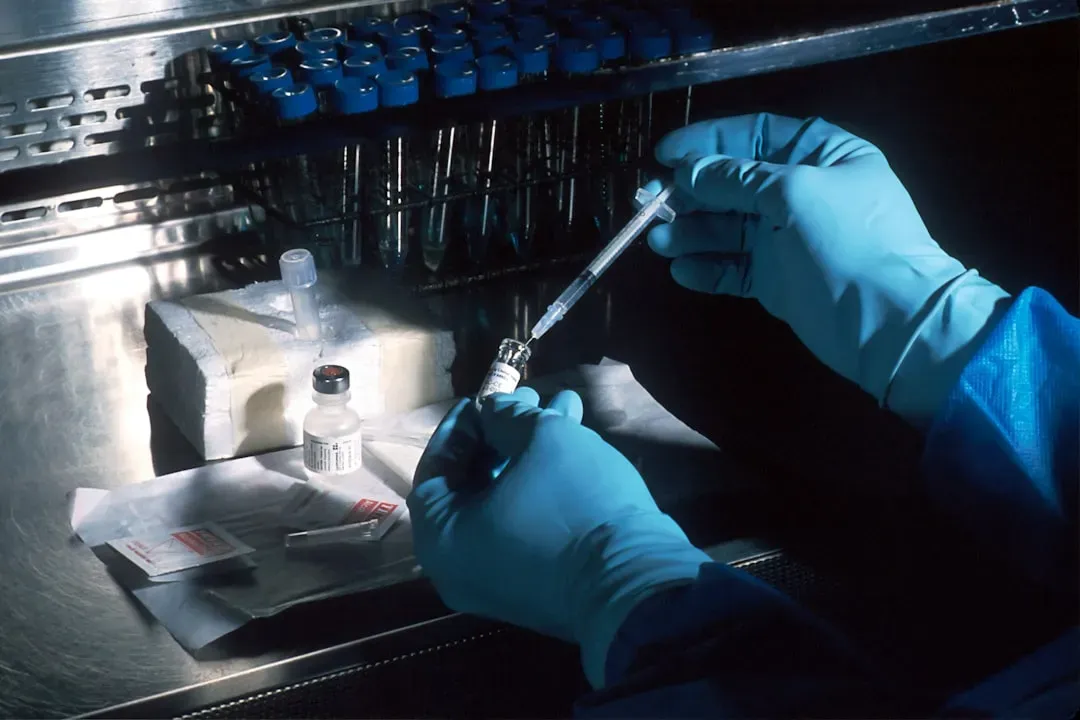
In the last few years, the race to extend healthy life has moved from thought experiment to highly funded industry. Some teams are working on senolytics, drugs designed to selectively wipe out senescent cells that accumulate like biological litter as we grow older. In animal studies, clearing these cells has made mice more energetic, improved organ function, and extended their remaining years in relatively good health. Other scientists are exploring tiny molecules that tweak how cells handle stress and repair DNA, hoping to tilt the balance away from gradual breakdown. Several of these experimental compounds are already being tested in early human trials focused on specific age‑related conditions.
Perhaps the most dramatic line of research involves cellular reprogramming, the idea of turning back a cell’s internal clock without erasing its identity. By carefully activating combinations of genes that are usually active only in early development, researchers have reversed some signs of aging in mouse tissues and improved function in damaged organs. Gene‑editing tools are also being investigated to correct mutations that increase the risk of diseases that tend to appear later in life. Alongside these, advanced diagnostics promise to measure biological age – not just the number of birthdays you have had – by analyzing patterns in DNA, proteins, and metabolic markers. Together, these efforts form a patchwork blueprint for pushing the limits of human longevity.
Why It Matters: Beyond Vanity and Extra Birthdays

It is tempting to see the quest for longer life as a luxury project for people terrified of wrinkles and gray hair, but that view misses the deeper stakes. Most of the suffering associated with aging comes not from the number of years lived, but from the years spent in poor health. In many countries, people now spend roughly about one fifth of their lives managing chronic diseases linked to aging, like heart problems, diabetes, or dementia. Extending healthy years, even without adding a single extra birthday, would mean more time with loved ones, more independence, and less fear of slow decline. Reducing the burden of age‑related illness could ease pressure on families and health systems that are already stretched.
There is also a scientific and economic argument for caring about longevity research. Breakthroughs in understanding aging could spill over into better treatments for a wide range of conditions, from cancer to neurodegenerative disorders, because the underlying processes are often shared. A world where people stay vigorous into their eighties or nineties could reshape work, education, and retirement in ways that are hard to imagine from today’s perspective. At the same time, it raises tough questions about who will have access to these advances and how societies should adapt. The stakes are not just personal; they are political, ethical, and economic all at once.
The Price of Immortality: Social and Psychological Shockwaves

Suppose scientists eventually manage to stretch human lives far beyond what we consider normal today. The consequences would ripple through nearly every part of society, often in uncomfortable ways. Population sizes could swell if birth rates did not drop, putting strain on food systems, housing, and ecosystems already under pressure. Pensions and social safety nets designed around a few decades of retirement would struggle to support people for much longer spans without major redesign. Inequalities could widen if longer, healthier life became another advantage for people who are already privileged.
There is also the more intimate question of how our sense of self would change if life felt effectively open‑ended. Many of our big choices – starting a family, switching careers, taking risks – are shaped by an awareness that time is limited. If that limit moved so far away that it felt abstract, motivation and meaning might shift in ways we cannot yet predict. Some psychologists worry that without a sense of finiteness, people could drift or postpone important decisions indefinitely. Others argue that more time could allow for deeper learning, richer relationships, and greater creativity. Living much longer would not just stretch our calendars; it would rewrite our stories.
The Future Landscape: How Close Are We Really?

Despite the bold claims that sometimes appear in headlines, no one has a switch that turns humans into immortal beings. Most promising advances so far have been in short‑lived animals, where lifespan can be doubled or more under tightly controlled conditions. Translating these results to humans is an enormous leap, made harder by our complexity, diversity, and much longer lifespans. Many experimental drugs and gene‑based therapies that look exciting in mice will turn out to be too risky, too weak, or too difficult to deliver safely in people. The distance between an intriguing preclinical study and a widely available treatment is measured in years, often decades.
Still, the overall trend line is pushing toward longer and healthier lives, even if “forever” remains far out of reach. Over the past century, life expectancy has risen dramatically in many parts of the world thanks to vaccines, antibiotics, and better public health measures. The next wave may come from combining traditional measures, like diet and exercise, with targeted interventions that slow or repair aspects of aging. At the same time, regulators, ethicists, and global health organizations are beginning to debate how to oversee and share these technologies fairly. The future of human longevity is likely to arrive in uneven steps, not as a single dramatic breakthrough, and the choices we make now will shape who benefits.
What You Can Do Now: Living Longer in Today’s World

While billionaires fund futuristic labs and scientists test cutting‑edge therapies, the most reliable tools for extending healthy life are still surprisingly familiar. Regular physical activity, a diet rich in whole foods, sufficient sleep, and avoiding tobacco remain some of the strongest levers for protecting the body’s systems as they age. Managing stress and staying socially connected are increasingly recognized as powerful buffers against both physical and cognitive decline. It may not sound as thrilling as a longevity pill, but the evidence for these habits is far more robust than for most experimental interventions. Taking them seriously is a way to stack the odds in your favor right now.
There are also ways to engage with the broader story of aging science beyond personal habits. People can participate in clinical research, support organizations that fund independent, transparent longevity studies, or simply stay informed about which claims are well‑supported and which are still speculative. On a community level, advocating for cleaner air, safer neighborhoods, and accessible health care helps create conditions where more people can reach old age in good shape. We may not be able to choose immortality, but we can influence how we age and how our societies treat older adults. In a world where living forever is still a question mark, how we use the time we already have might be the most important decision of all.
Suhail Ahmed is a passionate digital professional and nature enthusiast with over 8 years of experience in content strategy, SEO, web development, and digital operations. Alongside his freelance journey, Suhail actively contributes to nature and wildlife platforms like Discover Wildlife, where he channels his curiosity for the planet into engaging, educational storytelling.
With a strong background in managing digital ecosystems — from ecommerce stores and WordPress websites to social media and automation — Suhail merges technical precision with creative insight. His content reflects a rare balance: SEO-friendly yet deeply human, data-informed yet emotionally resonant.
Driven by a love for discovery and storytelling, Suhail believes in using digital platforms to amplify causes that matter — especially those protecting Earth’s biodiversity and inspiring sustainable living. Whether he’s managing online projects or crafting wildlife content, his goal remains the same: to inform, inspire, and leave a positive digital footprint.