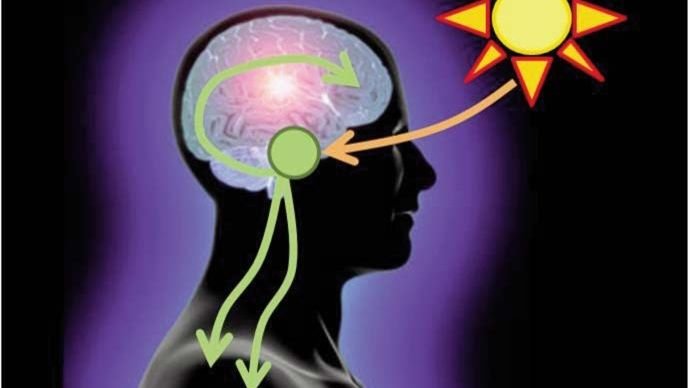

Everyone has at least one memory they wish they could delete: a sudden loss, a humiliating moment, a trauma that still lands like a punch in the gut. For most of history, the best we could do was try to outrun those memories with time, therapy, or distraction. Now, a mix of neuroscience, psychiatry, and biotech is inching toward something far more radical: not just coping with painful memories, but rewriting or even erasing them. The idea sounds like science fiction or a Black Mirror episode, yet serious labs are already testing memory-dampening drugs and precision brain stimulation on real patients. The promise is enormous – relief from post-traumatic stress, addiction, and lifelong anxiety – but so are the ethical landmines.
The Hidden Clues: How the Brain Files Emotional Pain
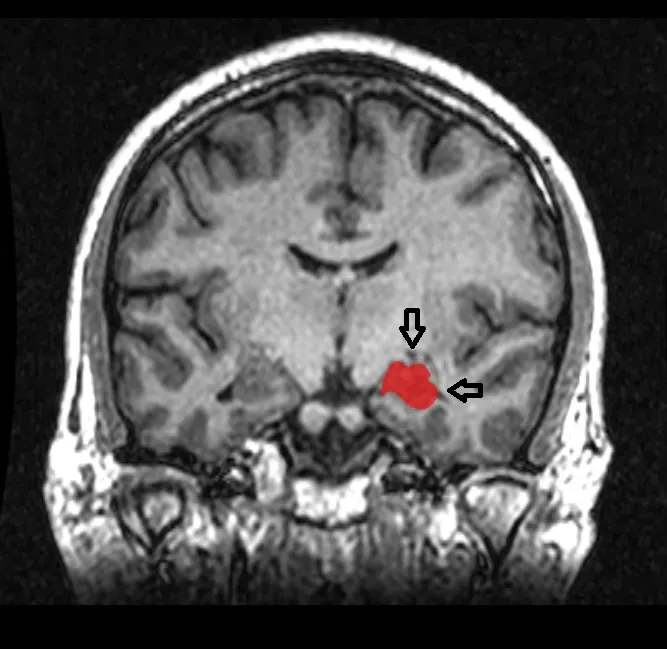
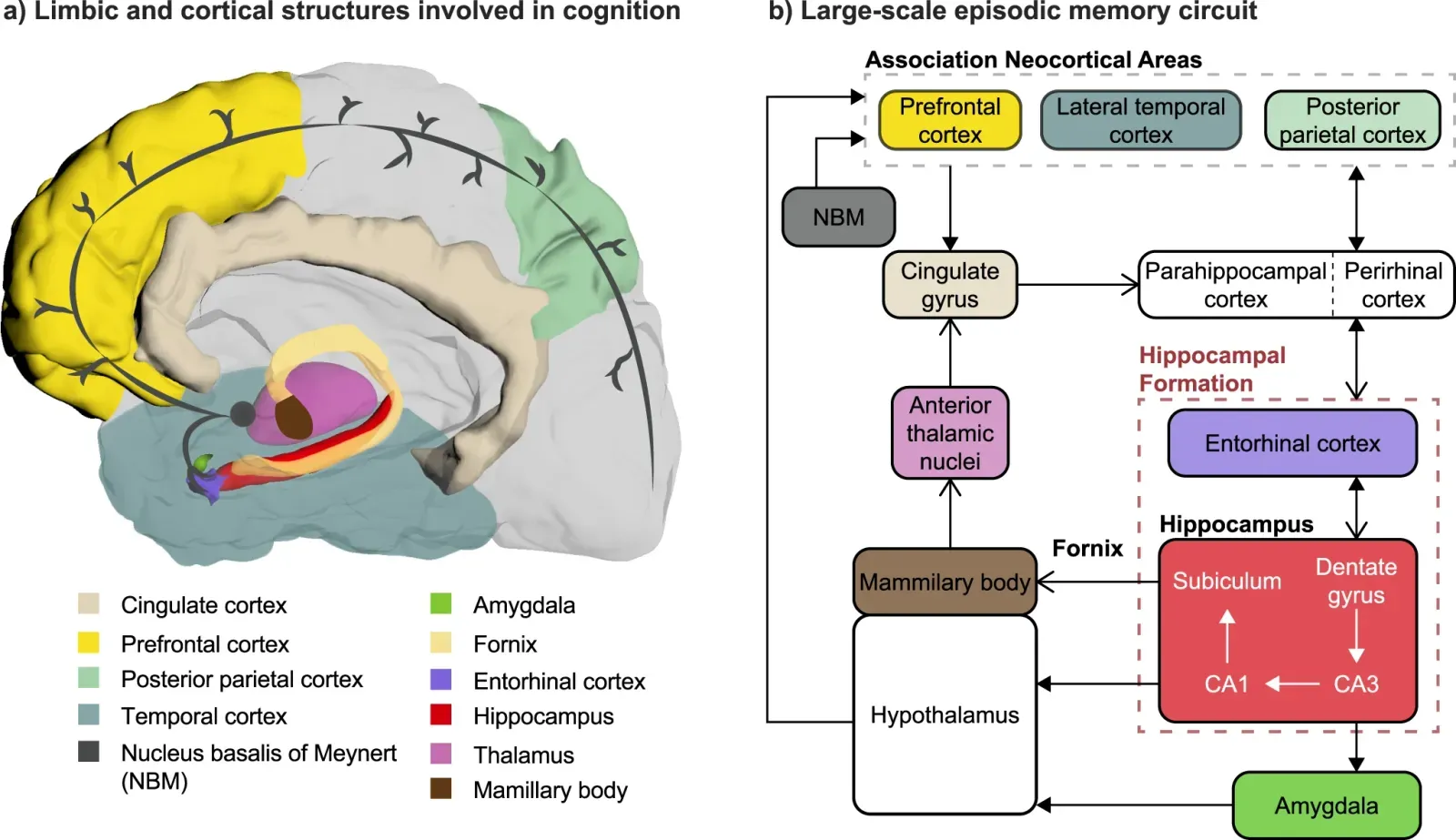
What makes a bad memory feel bad is not the factual record itself, but the emotional charge fused to it. Neuroscientists often point to a tight loop between the amygdala, which tags events as threatening or important, and the hippocampus, which logs the details of where and when they happened. When something terrifying occurs – a car crash, an assault, a warzone explosion – stress hormones surge and that loop goes into overdrive, burning the memory in with special intensity. That is useful if you need to remember which road is dangerous, but brutal when the danger is over and your brain refuses to stand down. Years later, a smell or sound can yank you back into the moment as if it is still happening.
Scientists studying post-traumatic stress disorder have traced these flashbacks to circuits that become hypersensitive, almost like a smoke alarm that keeps going off at burnt toast. Brain imaging often shows overactive fear centers and underactive regions involved in emotional regulation. This imbalance helps explain why a single bad memory can feel louder than hundreds of neutral or happy ones. The hidden clue here is simple but profound: if emotional charge is what makes certain memories unbearable, then targeting that charge – rather than the memory’s basic information – might be the key to softening their impact.
From Ancient Coping to Modern Neuromodulation
Humans have always tried to blunt painful memories, just with much cruder tools. Alcohol, religious rituals, storytelling, and, more recently, talk therapy and antidepressants have all been ways of reshaping how we relate to the past. None of these actually erase memories; instead, they help people reinterpret them, fit them into a larger story, or temporarily numb the feelings they trigger. Traditional exposure therapy, for example, slowly reintroduces reminders of trauma in a safe context so that the fear response gradually shrinks. It can be remarkably effective, but it is hard work, it takes time, and it does not always quiet the most stubborn flashbacks.
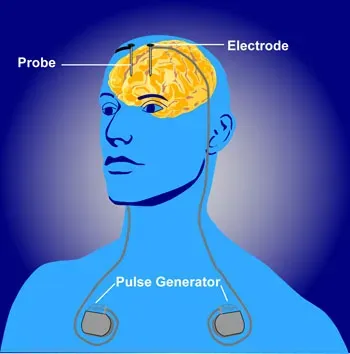
Modern neuromodulation tries to go straight to the circuitry. Techniques like transcranial magnetic stimulation deliver targeted pulses to specific brain regions, nudging networks involved in fear and mood toward healthier patterns. In some experimental settings, deep brain stimulation electrodes are implanted in people with severe, treatment-resistant psychiatric conditions to adjust their brain activity more directly. These are not delete buttons for memories, but they hint at a future where we do not just talk about our pain – we adjust the underlying hardware that keeps replaying it. The leap from coping to direct circuit editing is less distant than it once seemed.
Editing the Past: What Science Can Already Do
In animals, memory editing has moved from wild idea to repeatable experiment. In a well-known line of research, scientists have trained mice to fear a specific tone paired with a mild shock, then later interfered with the process that stabilizes that memory. When they reactivated the memory and gave drugs that block key proteins needed for reconsolidation – the restabilizing phase after recall – the fear response weakened or vanished. To the mouse, the same tone no longer meant danger; the emotional tag had been rewritten. In some studies, researchers even managed to link new, positive experiences to formerly scary cues, effectively flipping the memory’s meaning.
Humans are, understandably, a more delicate test case, but early studies have explored similar principles using medications like propranolol, a blood pressure drug that also blunts the effects of adrenaline. When given around the time a traumatic memory is deliberately recalled in a controlled therapeutic setting, propranolol appears to reduce the later emotional punch of that memory for some people. Researchers have also used carefully timed behavioral techniques – like reactivating a fear memory, then introducing new, safe experiences before it reconsolidates – to subtly reshape how the brain stores it. These approaches do not delete the memory like a hard-drive wipe. Instead, they aim to dial down the emotional volume so the memory becomes like an old photograph: still there, but no longer screaming.
Why It Matters: Relief, Identity, and the Risk of Forgetting Too Much
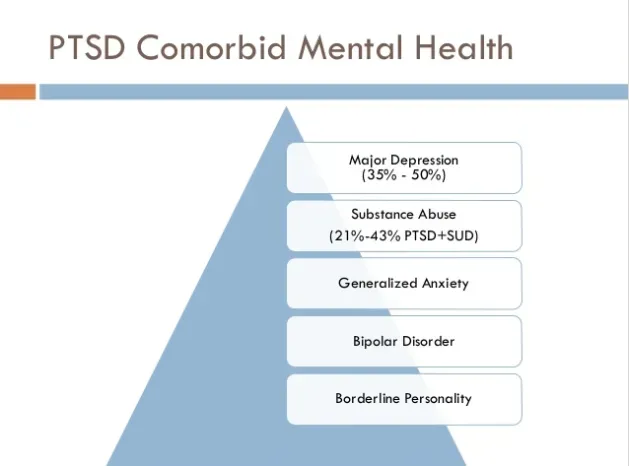
The draw of memory erasure is not abstract; it is painfully concrete for people living with unrelenting trauma. Veterans haunted by combat, survivors of abuse, first responders who cannot sleep because of what they have seen – all carry experiences that can feel like they are still happening every day. Current treatments help many, but not all, and too often people drop out because reliving trauma in therapy feels unbearable. A technology that could calm the worst memories without months or years of struggle is understandably compelling. It promises the possibility of a life where the past does not dictate every waking moment.
But there is a deeper layer that makes this research so charged: our memories do not just record what happened, they help define who we are. Strip out your hardest experiences and you also risk blunting hard-won empathy, resilience, and the sense of continuity that comes from having survived. Some ethicists worry that normalized memory editing could create pressure to “fix” any painful past, stigmatizing grief and struggle instead of respecting them as part of being human. There is also the unsettling possibility of memory technologies being used in coercive ways, from abusive partners to authoritarian states. The stakes are not just medical – they are about what kind of people and societies we want to be.
The Science of Reconsolidation: A Narrow Window of Opportunity
One of the most intriguing discoveries in memory science over the past two decades is that recalling a memory does not leave it untouched. When you bring an old memory to mind, it becomes briefly malleable again, like a file you reopen and can edit before you hit save. This process, called reconsolidation, offers a narrow window – minutes to hours – where interventions might tweak how strongly the memory is stored. If a drug, brain stimulation, or new emotional experience is introduced during this window, the memory may be saved back to the brain in an altered form. That is the opening many current experimental therapies are trying to exploit.
The catch is that reconsolidation is slippery and context-dependent. Not every memory easily reopens, and the precise timing and intensity of the intervention seem to matter a great deal. Some clinical trials have shown dramatic improvements in fear and trauma responses, while others have struggled to replicate those gains. Scientists are still mapping which types of memories – recent versus old, simple versus complex, single-episode versus repeated – are most vulnerable to reconsolidation-based editing. If we are ever going to deliberately weaken a bad memory without accidentally messing up everything around it, understanding this process in far more detail is essential.
Beyond Trauma: Addiction, Phobias, and Everyday Fear
While trauma often dominates the conversation, the potential reach of memory editing is wider. Many addictions are anchored, at least in part, to powerful associative memories: a certain street corner linked to drug use, a bar associated with relief, a notification sound tied to a gambling app. If you could weaken those learned links, you might make it easier for people to resist cravings. Early research has explored using reconsolidation-based approaches to blunt cue-induced urges in nicotine or cocaine dependence, with some promising, if still preliminary, results. Changing the underlying memory could be like moving the bait farther from the hook.
Phobias, too, are built on strong, often irrational fear memories – of heights, spiders, flying, or needles – that persist even when people know they are not really in danger. Traditional exposure therapy works by repeatedly proving to the brain that the feared object is safe. Memory editing might turbocharge that process by pairing exposure with precise timing or pharmacological tools that lock in a calmer version of the memory. Even beyond formal diagnoses, imagine dialing back the intensity of a humiliating moment at school or a painful breakup that still shapes how someone trusts others. The line between therapy and enhancement starts to blur quickly, raising questions about when changing a memory is treatment and when it becomes elective self-editing.
The Future Landscape: Implants, Algorithms, and Global Inequality
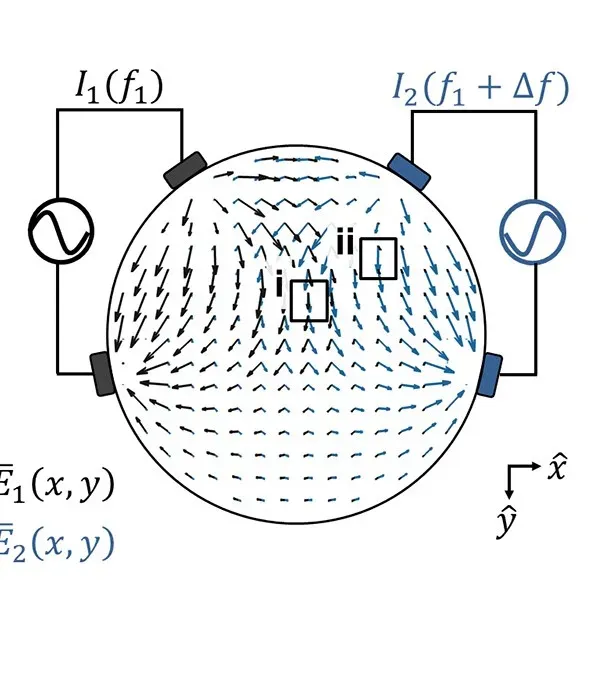
Looking ahead, the tools for memory intervention are likely to expand beyond pills and magnetic pulses. Brain–computer interfaces, already being tested to help people with paralysis move cursors or robotic limbs, might eventually let clinicians read and modulate activity in circuits tied to specific memories with much greater precision. Machine learning models trained on vast amounts of brain-imaging data could help identify individual “signatures” of traumatic recall, guiding personalized treatments. In principle, this could turn memory editing from an art into something closer to a programmable procedure, at least for certain kinds of experiences.
At the same time, these technologies threaten to widen existing inequalities. Advanced neuromodulation devices and customized therapies are expensive and likely to arise first in wealthy health systems. People in low-resource settings – who often face higher rates of trauma from conflict, poverty, or climate disasters – may be the last to access them. There is also a geopolitical layer: countries or institutions that lead in neurotechnology could gain unprecedented leverage if memory tools are ever misused for interrogation, manipulation, or control. Global standards, transparent regulation, and broad ethical debate will be crucial long before memory editing becomes commonplace rather than rare and experimental.
Living With the Option to Forget: Cultural and Personal Tensions
Even if the science advances, there is a cultural question we have barely started to confront: what does it mean to live in a world where erasing or softening bad memories is a real option? Some people might embrace it without hesitation, seeing it as no different from taking antibiotics for an infection. Others might feel that voluntarily editing one’s past crosses a line, turning life into a curated highlight reel and undermining the authenticity of struggle and growth. Families could clash over whether a teenager should blunt the impact of a formative but painful event, or whether an aging parent should soften memories before dementia makes decisions impossible.
On a more personal level, many of us already practice softer forms of memory management. We curate our photos, mute stressful news, and retell our own stories in more flattering or manageable ways. High-tech memory editing would not create the desire to forget; it would supercharge a tendency that is already there. The challenge will be finding ways to use these tools that honor autonomy while acknowledging that choices about memory ripple outward – into relationships, communities, and history itself. Erasing pain might help one person sleep at night, but it might also alter how a society remembers injustice or violence.
What You Can Do Now: Supporting Healthy Memory and Ethical Science
While futuristic memory erasers are still largely in the lab, there are practical ways to engage with this emerging field today. On a personal level, investing in evidence-based care – such as trauma-informed therapy, peer support, or early intervention after crises – can help prevent painful memories from hardening into lifelong scars. Supporting organizations that expand access to mental health care, especially for communities hit hardest by violence, disaster, or systemic inequality, helps ensure that relief from the past is not reserved only for the lucky or wealthy. Staying informed about new studies and clinical trials also makes it easier to separate realistic hope from hype.
As a citizen, you can pay attention to how neurotechnology is discussed in policy and law. Advocating for strong privacy protections for brain data, clear bans on coercive use, and independent oversight of memory-related interventions can shape the landscape before abuses take root. Teachers, parents, and community leaders can use these conversations as a springboard for broader discussions about resilience, consent, and the value of remembering – even when it hurts. The tools to edit memory may arrive faster than we expect; the question is whether we will be ready to use them wisely when they do.
Suhail Ahmed is a passionate digital professional and nature enthusiast with over 8 years of experience in content strategy, SEO, web development, and digital operations. Alongside his freelance journey, Suhail actively contributes to nature and wildlife platforms like Discover Wildlife, where he channels his curiosity for the planet into engaging, educational storytelling.
With a strong background in managing digital ecosystems — from ecommerce stores and WordPress websites to social media and automation — Suhail merges technical precision with creative insight. His content reflects a rare balance: SEO-friendly yet deeply human, data-informed yet emotionally resonant.
Driven by a love for discovery and storytelling, Suhail believes in using digital platforms to amplify causes that matter — especially those protecting Earth’s biodiversity and inspiring sustainable living. Whether he’s managing online projects or crafting wildlife content, his goal remains the same: to inform, inspire, and leave a positive digital footprint.