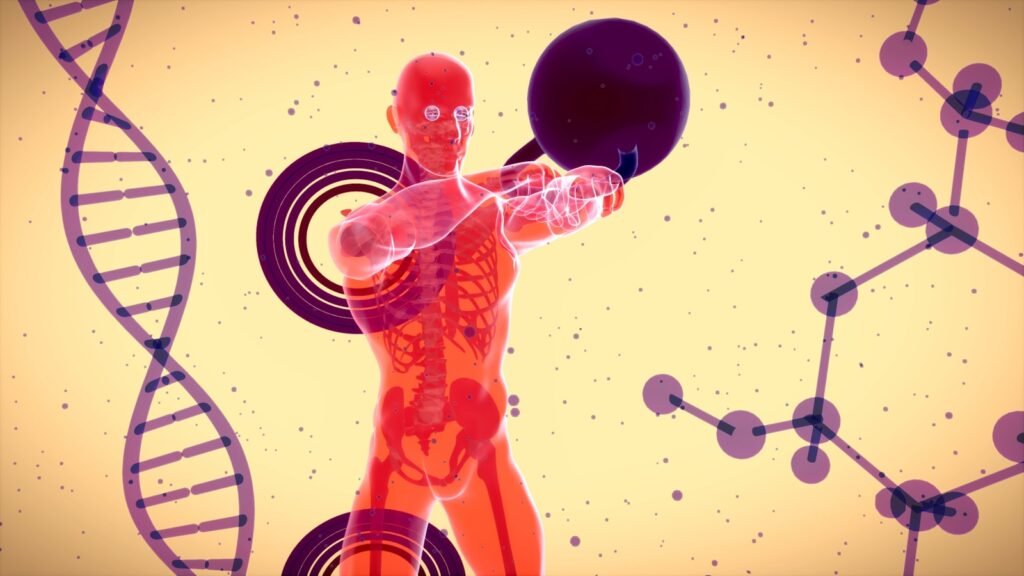

Imagine waking up one day knowing that the migraine that has stalked your family for generations, the cancer risk written into your DNA, or even your response to stress could be dialed down like a volume knob. For most of human history, our genes have felt like destiny – silent, cryptic instructions we inherit and then endure. Now, scientists are quietly learning how to rewrite those instructions, not in some distant sci‑fi future, but in clinical trials and labs operating today. The question is no longer whether we can influence our genes, but how far we’re willing to go in taking control. Between hope and hubris lies a rapidly forming frontier, and it’s forcing us to reconsider what it means to own our own biology.
The First Clues: When We Realized Genes Aren’t Fate
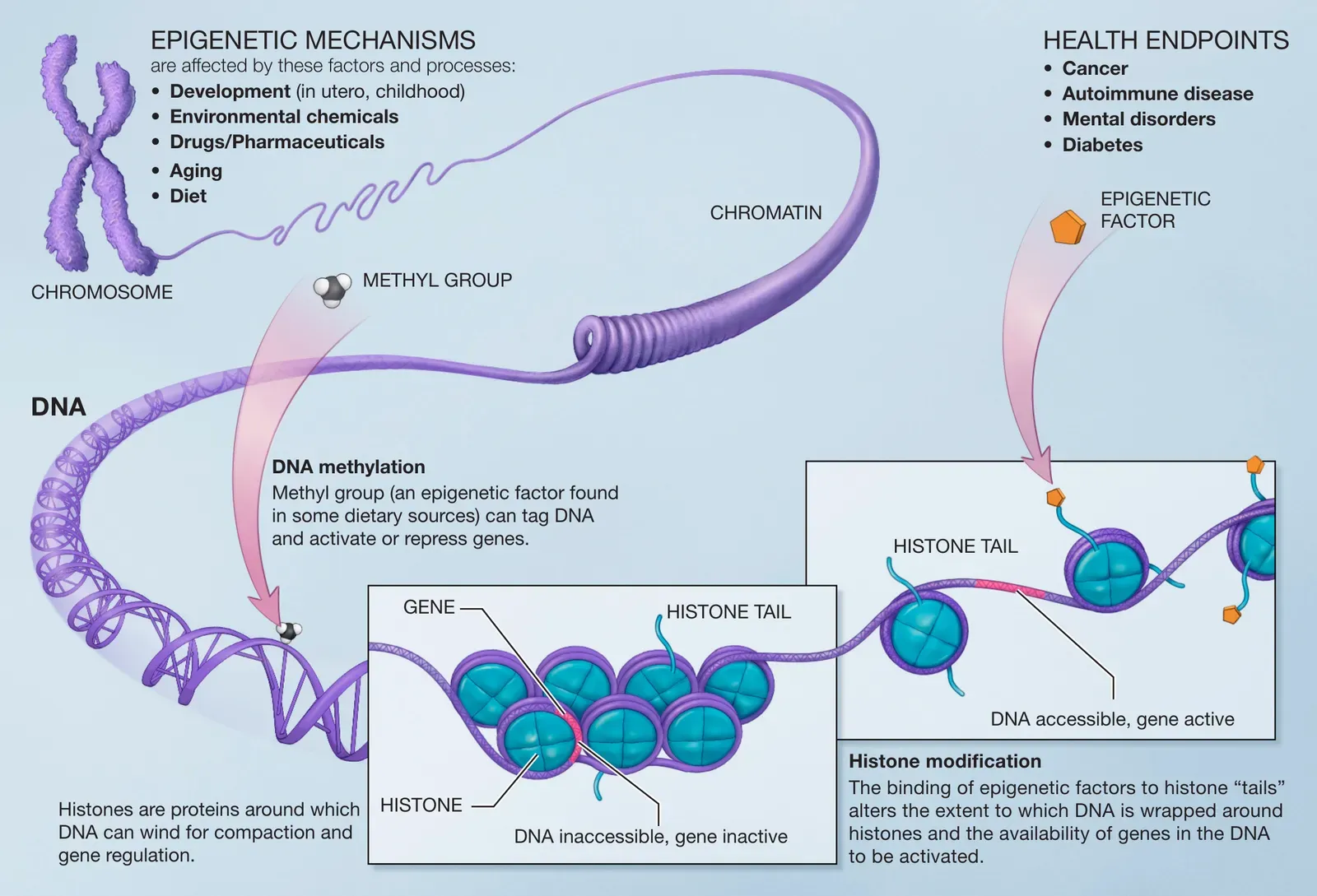
One of the most surprising twists in modern biology is that your DNA is not a rigid script; it is more like a score that can be played louder or softer depending on the conditions of your life. Studies of identical twins – people who share virtually the same genes – show this vividly: one twin can develop heart disease or depression while the other remains healthy, even when their DNA sequences match. Scientists began to notice chemical tags on DNA and its packaging proteins that turned genes on or off without changing the underlying letters, a field now known as epigenetics. That discovery cracked open the idea that lifestyle, environment, and even stress could leave marks on our genome’s “settings.” It was the first serious hint that, under the right circumstances, our genes might be more negotiable than anyone dared to think.
As researchers tracked these tags – methyl groups clinging to DNA, or acetyl groups affecting histone proteins – they found patterns connected to smoking, diet, pollution, and trauma experienced early in life. This moved genetics from a story of fixed risk into one of shifting probability, where actions and experiences could tilt the scale toward or away from disease. The stakes suddenly felt personal: if gene activity could be shaped, then maybe it could be deliberately adjusted. For a lot of scientists, this was the moment the question changed from “What do our genes do to us?” to “What might we someday do with them?”
From Blunt Tools to Molecular Scalpels
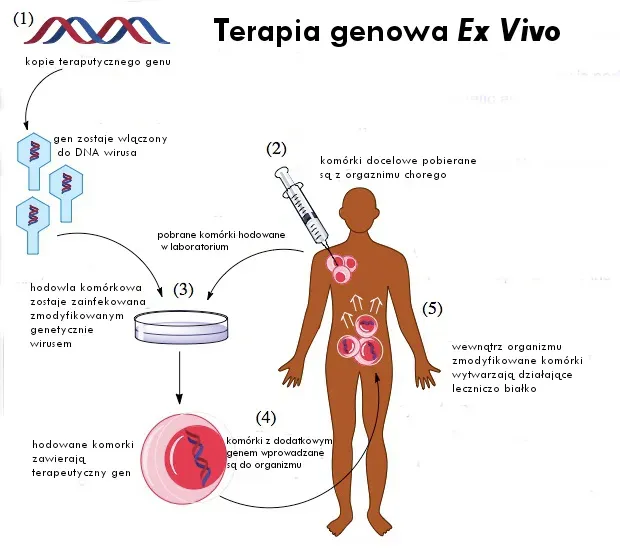
The earliest attempts to control genes were, frankly, clumsy. In the late twentieth century, gene therapy trials tried to add healthy copies of broken genes into patients’ cells using modified viruses, but the process was imprecise and sometimes dangerous. Some trials ended in tragedy, with immune reactions and unintended mutations, reminding everyone that hacking the code of life was not going to be simple. Still, the potential was too great to abandon: if you could fix the root cause of a disease at the DNA level, why keep chasing symptoms forever?
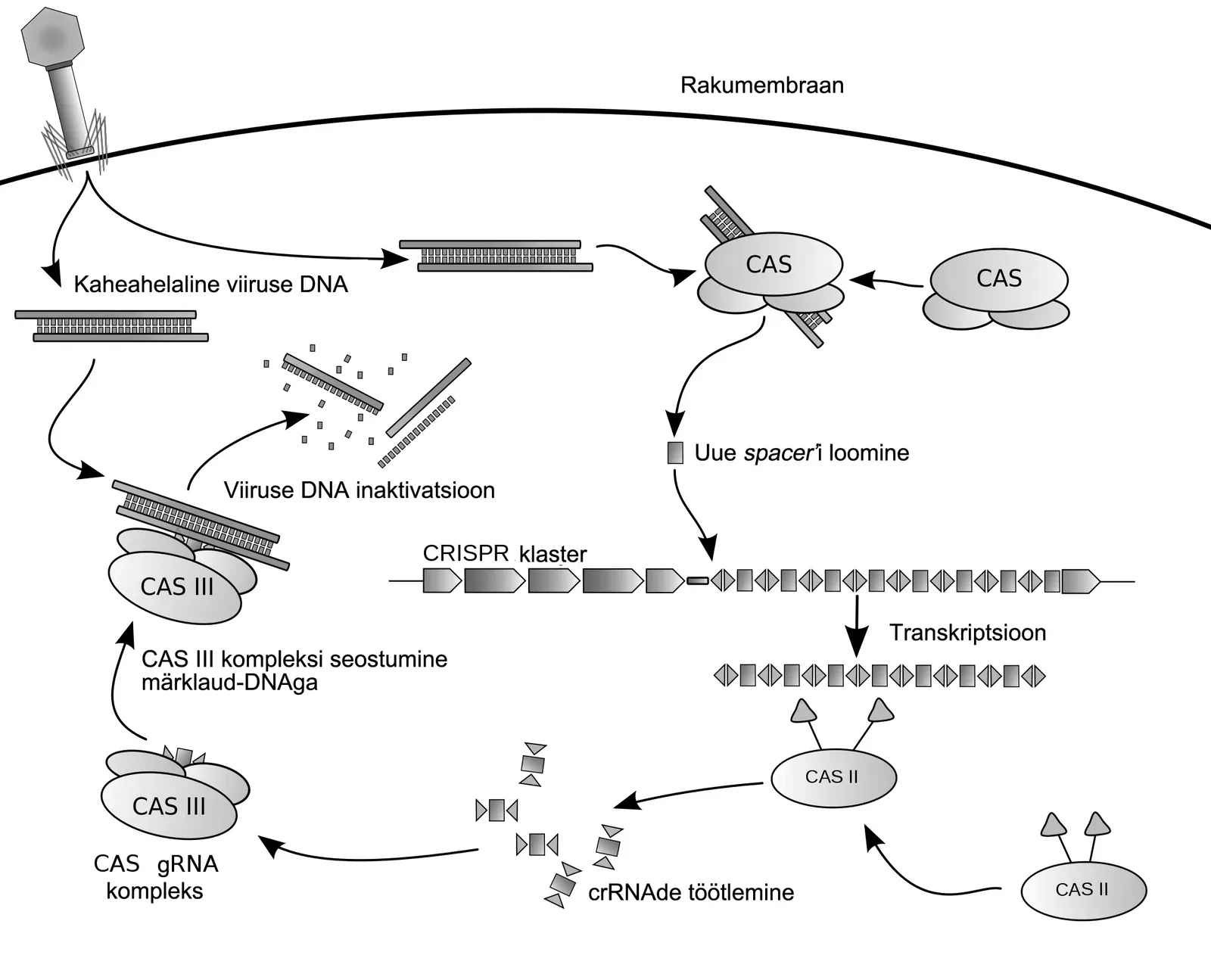
Everything changed when a strange bacterial defense system was reimagined as a precision editing tool, now known worldwide as CRISPR. Instead of randomly inserting genes and hoping for the best, scientists could send molecular scissors to a specific address in the genome and cut with astonishing accuracy. Newer variants – base editors and prime editors – go even further, allowing single-letter changes or small rewrites without fully breaking the DNA strands. It was the difference between swinging a sledgehammer at a wall and tracing the outline of a single brick with a laser cutter. For the first time, “controlling our genes” shifted from metaphor to something uncomfortably literal.
Editing the Body: Diseases on the Front Line
Right now, gene control is most visible in medicine, where the goal is not to sculpt designer humans but to stop devastating diseases in their tracks. In 2023, regulators in multiple countries approved the first CRISPR-based therapy for sickle cell disease, a genetic disorder that twists red blood cells into painful, life-threatening shapes. The treatment reprograms blood stem cells so they switch back on a dormant fetal hemoglobin gene, compensating for the broken adult version. Patients who once lived with frequent hospitalizations and intense pain crises are, in early reports, living with far fewer symptoms. The message is subtle but profound: by controlling a single gene switch, you can rewrite the course of a life.
Other trials are targeting inherited blindness, high cholesterol, some forms of cancer, and rare metabolic disorders where a single faulty gene wreaks havoc. Scientists speak cautiously, but underneath the careful language is a startling reality: for certain conditions, we are beginning to move from lifelong management to one‑time molecular interventions. Instead of taking a pill every day, a person might receive a single genetic procedure that permanently changes how their cells behave. It is not a cure‑all, and it will not work for every disease, but it is a decisive proof of concept that our genomes are not locked doors. With each successful trial, controlling genes becomes less of a thought experiment and more of a clinical option.
Everyday Control: Food, Stress, and the Gene Switches We Already Touch
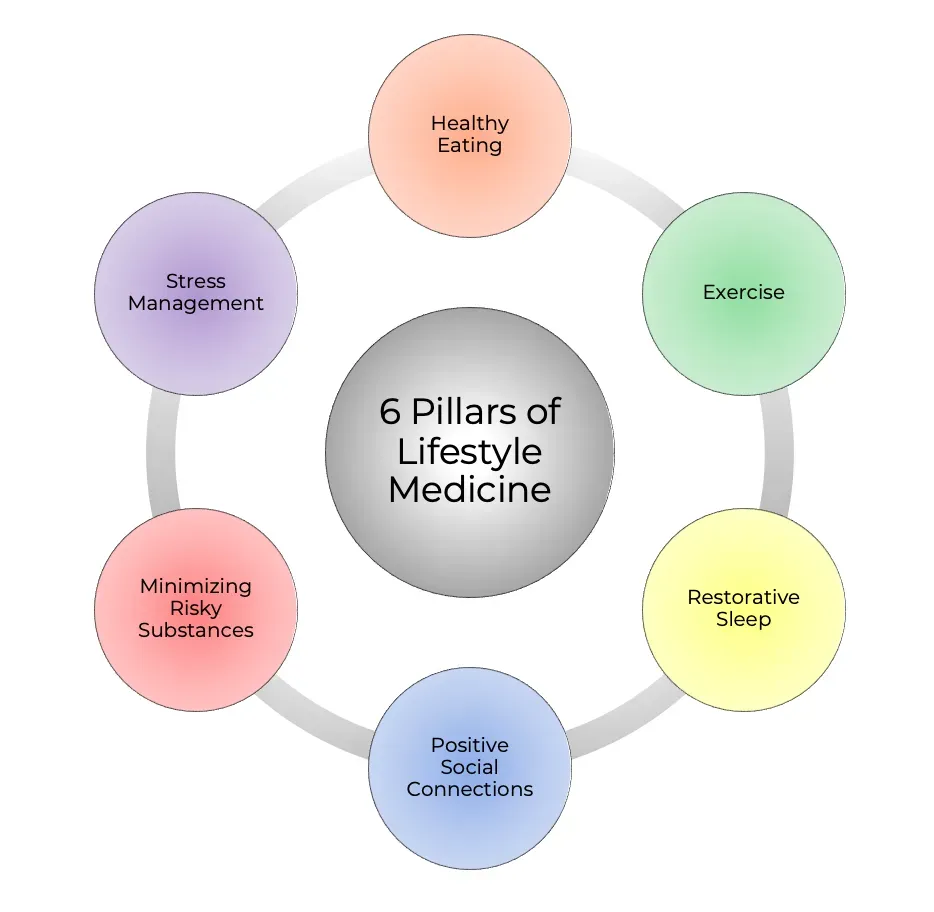
Before we imagine exotic genetic surgeries, it is worth noticing that we already influence our genes in quieter ways, whether we realize it or not. Epigenetic research has shown that diet, exercise, sleep, and stress can nudge gene activity in directions that promote health or disease. For example, people who adopt sustained healthy lifestyle changes sometimes show shifts in the activity of genes involved in inflammation, metabolism, and even cellular aging. These are not fantasies of instant transformation; they are gradual, cumulative adjustments, more like turning a dimmer switch than flipping an on/off button. But they remind us that gene control is not solely the domain of futuristic labs – it is also happening in kitchens, bedrooms, and workplaces every day.
There is a catch, though: not everyone has equal access to environments that support “good” gene expression. Chronic stress from poverty, discrimination, or unsafe neighborhoods can leave molecular marks that are difficult to undo and may increase the risk of disease later in life. So when we talk about controlling our genes through lifestyle, we have to be honest about who actually has the power to make those choices. Still, there is something quietly empowering in knowing that your biology is not a completely sealed vault. Even without a syringe of edited cells, your daily habits are having a conversation with your genes, and that conversation matters.
Why It Matters: Power, Responsibility, and Who Gets to Decide

The idea of controlling our genes matters because it redraws the line between what we consider natural and what we consider chosen. For centuries, people have accepted certain illnesses and traits as unavoidable family inheritances, the biological equivalent of a last name. As genetic control technologies mature, that fatalism starts to crack, and along with it, the stories societies tell about blame, responsibility, and deservingness. If a person could, in theory, reduce a disease risk through a genetic intervention but cannot afford it, does responsibility sit with the individual or the system? When something is technically possible but inaccessible, the ethical terrain gets rough very fast.
There is also the risk of slipping from treating disease to enhancing traits in ways that echo older, darker ideas about genetic “improvement.” Even if most scientists focus on serious conditions, markets have a way of creeping toward cosmetic or performance uses once a tool exists. Compared to traditional medicine, which mainly manages symptoms or replaces failing organs, gene control touches the blueprint itself and can alter not just how long we live, but how we think about normality. That is why many ethicists argue that genetic decision‑making should never be framed as a purely personal choice; it inevitably shapes social norms and expectations. The power to edit biology is also the power to reshape culture, and we ignore that at our own risk.
Global Perspectives: A Patchwork of Laws and Hopes

Look around the world and you’ll see a patchwork of rules about what kind of gene control is allowed, especially when it comes to editing embryos. Some countries have drawn a firm red line against making heritable changes that would pass on to future generations, while others leave space for tightly regulated research. International scientific bodies have called for moratoriums or strict oversight, especially after a widely condemned case in which human embryos were reportedly edited and brought to term. The backlash underscored how uncomfortable many people are with rewriting the genetic future of children who cannot consent. Somatic editing – changing genes only in an individual’s body cells, not their eggs or sperm – has been viewed as more acceptable, but it too raises questions about cost, access, and long‑term safety.
Public opinion is just as varied as national policies. Surveys suggest that many people support using gene control to treat serious diseases but feel uneasy about enhancements like boosting memory or altering physical appearance. Religious, cultural, and historical experiences shape these attitudes, and communities that have suffered from past abuses in medicine or eugenics campaigns understandably approach new genetic tools with skepticism. At the same time, in regions with high burdens of genetic diseases, there can be intense hope that these technologies might finally loosen the grip of inherited suffering. The global conversation is less a single debate and more a sprawling negotiation over fear, opportunity, and trust.
The Future Landscape: From One-Time Cures to Programmable Bodies
Looking ahead a decade or two, scientists envision treatments that are far more flexible than today’s one‑off DNA edits. Some labs are experimenting with programmable gene circuits – genetic “software” that can turn on in response to a signal, perform a task like killing a cancer cell, and then switch back off. Others are exploring RNA-based therapies that temporarily adjust gene activity, acting more like adjustable dials than permanent rewrites. It is not hard to imagine a future where a person with a chronic condition wears a patch or receives periodic injections that keep their genes operating in a narrow, healthier range. This could shift medicine away from daily symptom management and toward dynamic tuning of the body’s underlying programs.
But it is equally likely that the future of gene control will be messy and uneven. Advanced therapies are expensive to develop, and without deliberate policies they could deepen existing health inequalities, creating a world where some people can afford to edit away risk while others remain fully exposed. There are also scientific unknowns: how will edited genes behave over decades, across millions of cells, and under real‑world conditions? Cells are not machines; they are more like bustling cities, and small planning errors can have ripple effects that only become obvious years later. The promise is enormous, but so is the responsibility to move slowly enough that we understand what we are changing, and who might be left behind.
How You Might Take Part: From Curiosity to Action

Most people will never design a gene therapy in a lab, but that does not mean you’re a bystander in this story. One of the simplest, most powerful steps is to stay informed about how genetic technologies are being used and regulated, rather than tuning out because the details feel intimidating. You can support organizations and researchers that prioritize equitable access, transparent trials, and community engagement, instead of chasing only the flashiest enhancements. When public consultations, school board debates, or local forums touch on genetics and health policy, showing up and asking grounded questions genuinely matters. Laws and norms about gene control are being written right now, often by people who assume the public is not paying attention.
On a personal level, you can also engage with the quieter side of genetic influence by focusing on environments – your own and others’ – that support healthier gene expression. That might mean advocating for cleaner air in your city, supporting mental health resources that reduce chronic stress, or pushing for food policies that make healthier diets realistic rather than aspirational. These actions may not carry the drama of a CRISPR headline, but they shape the molecular weather your genes live in every day. In a world edging toward deliberate gene control, perhaps the most grounded power we have is to build conditions where our biology, edited or not, has a fair chance to thrive.
Suhail Ahmed is a passionate digital professional and nature enthusiast with over 8 years of experience in content strategy, SEO, web development, and digital operations. Alongside his freelance journey, Suhail actively contributes to nature and wildlife platforms like Discover Wildlife, where he channels his curiosity for the planet into engaging, educational storytelling.
With a strong background in managing digital ecosystems — from ecommerce stores and WordPress websites to social media and automation — Suhail merges technical precision with creative insight. His content reflects a rare balance: SEO-friendly yet deeply human, data-informed yet emotionally resonant.
Driven by a love for discovery and storytelling, Suhail believes in using digital platforms to amplify causes that matter — especially those protecting Earth’s biodiversity and inspiring sustainable living. Whether he’s managing online projects or crafting wildlife content, his goal remains the same: to inform, inspire, and leave a positive digital footprint.