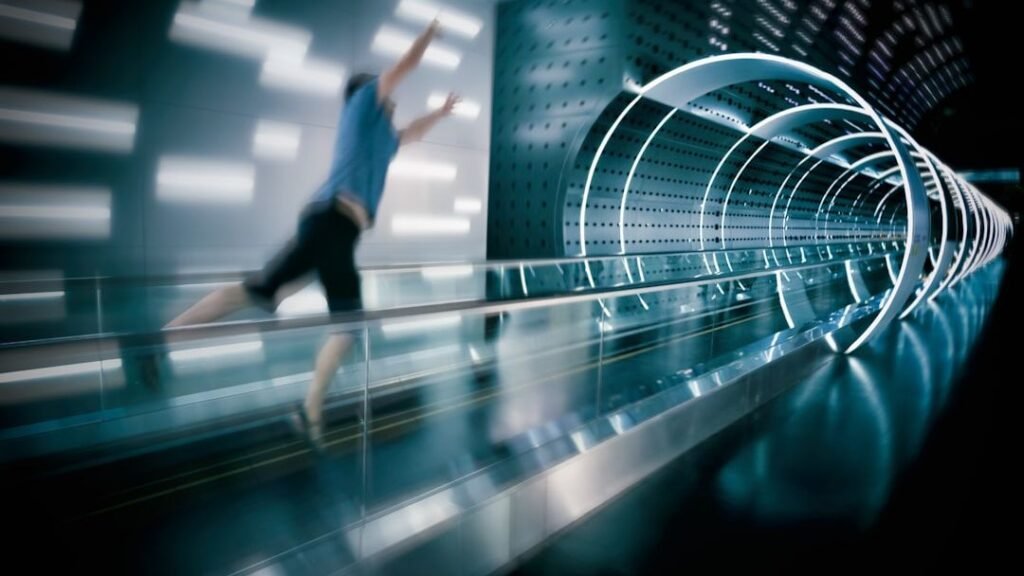

Imagine stepping into a machine, punching in a date from a century ago, and arriving to watch history unfold in real time. No textbooks, no photographs. Just you, standing in the middle of it. The idea is intoxicating, right? Time travel has gripped human imagination for as long as people have looked back with regret or forward with hope.
Here is the thing though: this is not purely a fantasy. Physicists, mathematicians, and cosmologists have spent decades wrestling with whether the laws of nature actually permit travel through time, and the results are far stranger, and far more mind-bending, than any movie has ever captured. So let us dive in.
Time Is Not What You Think It Is
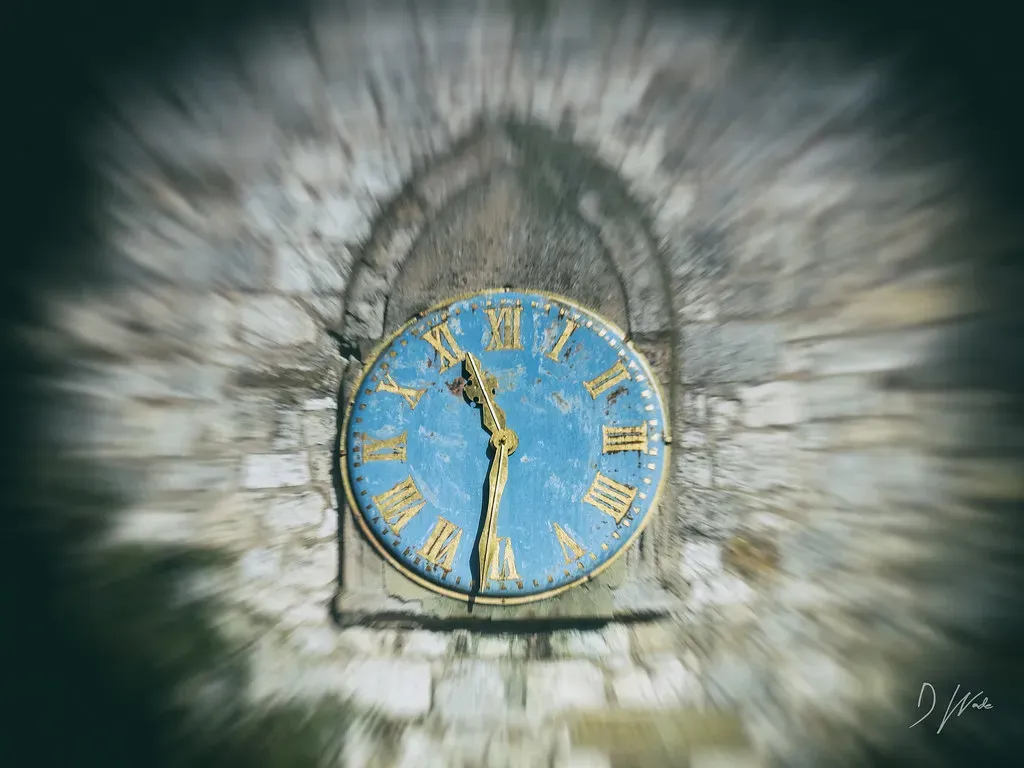
Most of us grow up imagining time as a straight river, always flowing in one direction, at a steady pace, for everyone everywhere. Our everyday understanding of time is rooted in Newtonian physics, where events progress linearly from past to future. Einstein’s general theory of relativity, completed in 1915, challenges this intuitive assumption entirely, revealing that the fabric of spacetime can behave in ways that defy common sense. That is a stunning thing to sit with.
Einstein’s general and special theories of relativity demonstrated that time can actually slow down near massive objects and at high velocities, fundamentally changing how physicists understand temporal flow. Think of it like this: time is more like taffy than a rigid rail. You can stretch it, compress it, warp it. Gravity bends not just space, but time itself.
Relativity proves time can stretch and warp. Quantum mechanics suggests time is not linear. Cosmology reveals a universe where the past and future may already coexist. Honestly, the universe is playing a game far more complex than anything we were taught in school.
Closed Timelike Curves: When Spacetime Loops Back on Itself
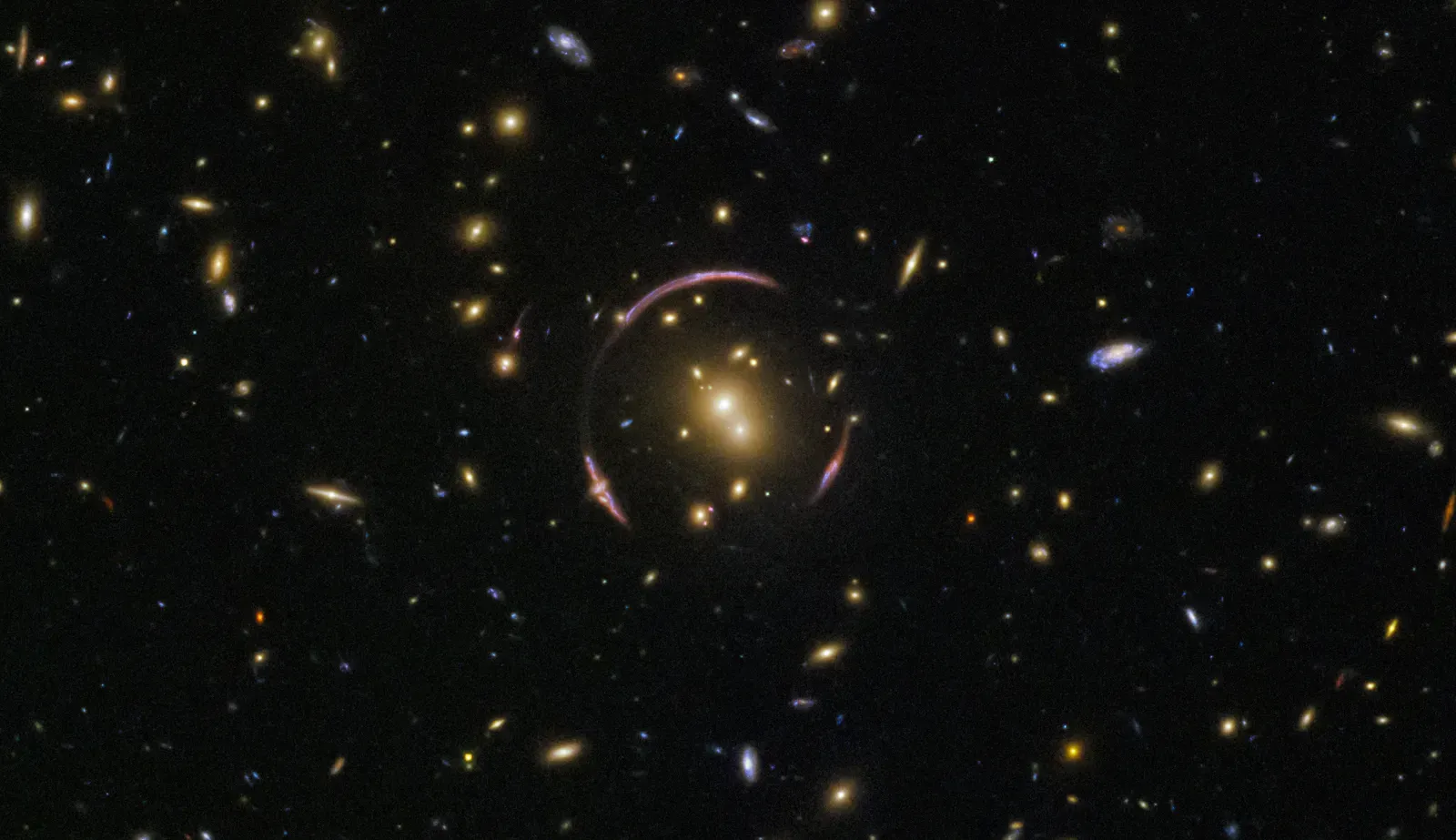
There are spacetime geometries with curves that loop back on themselves, known as closed timelike curves, or CTCs, which describe the possible trajectory of an observer who returns exactly back to their earlier state. These geometries satisfy the relevant physical laws, the equations of general relativity, and in that sense time travel is physically possible. Let that sink in for a second.
A closed timelike curve is a path through spacetime that loops back to the same point in time and space. CTCs appear in mathematical solutions of general relativity. It is a bit like a highway that circles back to its own starting point, except the road itself is made of warped spacetime. Physicists discuss the possibility of closed timelike curves as world lines that form closed loops in spacetime, allowing objects to return to their own past. There are known solutions to the equations of general relativity that describe spacetimes containing CTCs, such as Gödel spacetime, though the physical plausibility of these solutions is uncertain.
The Grandfather Paradox: The Headache That Won’t Go Away
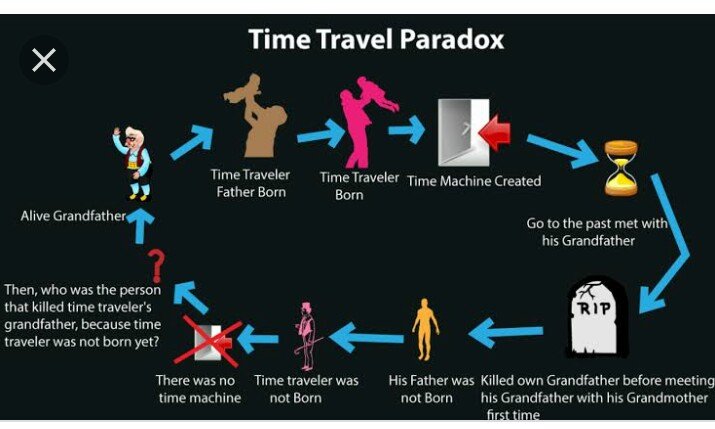
Here is where things get deliciously messy. The grandfather paradox is a self-contradictory situation. Traveling back in time and killing your grandfather as a child would prevent your birth, which means you would not exist, so how could you go back and kill him? It is one of those questions that sounds almost silly until you realize it strikes at the very heart of causality.
Consistency paradoxes occur whenever any change to the past is possible. A common example is a time traveler killing their grandfather so he cannot father one of their parents, thus preventing their own conception. If the traveler were not born, they could not kill their grandfather, and therefore the grandfather proceeds to beget the traveler’s parent who begets the traveler. This scenario is entirely self-contradictory. You end up chasing your own logical tail in an infinite loop.
The Bootstrap Paradox: When Information Has No Origin
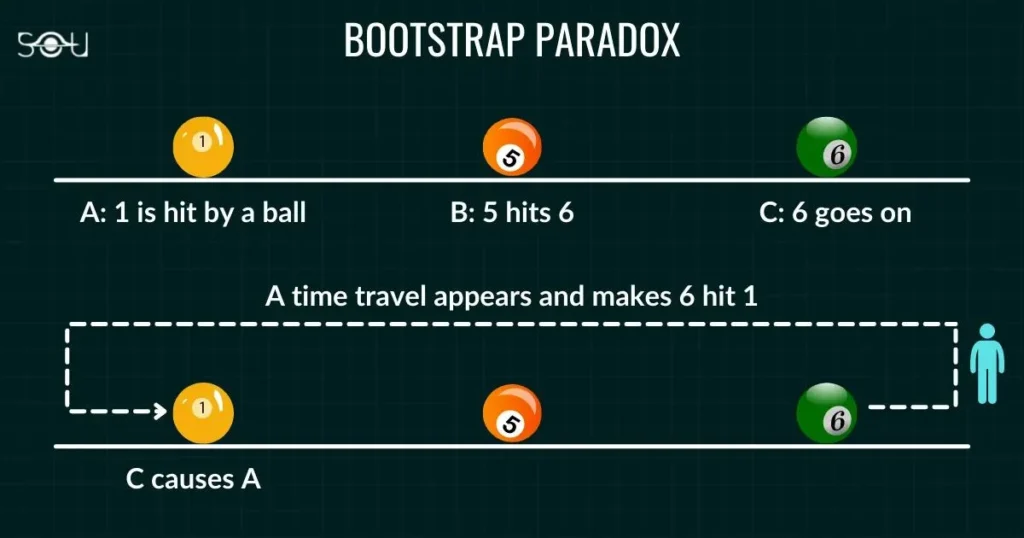
The Bootstrap Paradox is a theoretical paradox of time travel that occurs when an object or piece of information sent back in time becomes trapped within an infinite cause-effect loop in which the item no longer has a discernible point of origin, and is said to be “uncaused” or “self-created.” It is also known as an Ontological Paradox, in reference to ontology, a branch of metaphysics dealing with the study of being and existence.
I find this one personally more disturbing than the grandfather paradox, and here is why. Unlike the Grandfather Paradox, the Bootstrap Paradox is self-consistent and cannot be undone with its own internal logic alone. A classic example: imagine a time traveler goes back in time and teaches a young scientist an extraordinary new theory. That scientist publishes it, it becomes famous, and the time traveler originally learned it from that very publication. So who actually invented the theory? No one. It simply exists, uncreated, floating in a loop of circular causation.
The Predestination Paradox: You Were Always Going to Do That
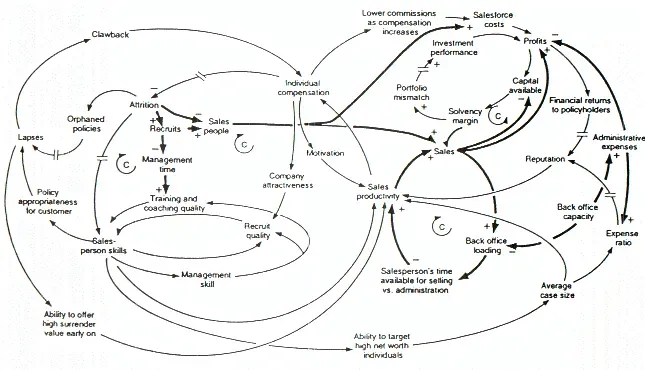
A Predestination Paradox occurs when the actions of a person traveling back in time become part of past events, and may ultimately cause the very event they are trying to prevent. The result is a temporal causality loop in which Event 1 in the past influences Event 2 in the future, which then causes Event 1 to occur. It is the universe eating its own tail, endlessly.
Predestination paradox arises when the actions of persons travelling back in time become part of the past events and may eventually cause the event they are trying to block from happening. This creates a temporal causality loop through which Event A in the past impacts Event B in the future. In turn, it causes Event A to happen, with this circular event loop ensuring that the time traveler does not change history. Any attempt to block something from occurring in the past will only lead to causing itself instead. Destiny, it turns out, might be more stubborn than we ever imagined.
Wormholes: The Universe’s Hypothetical Shortcut
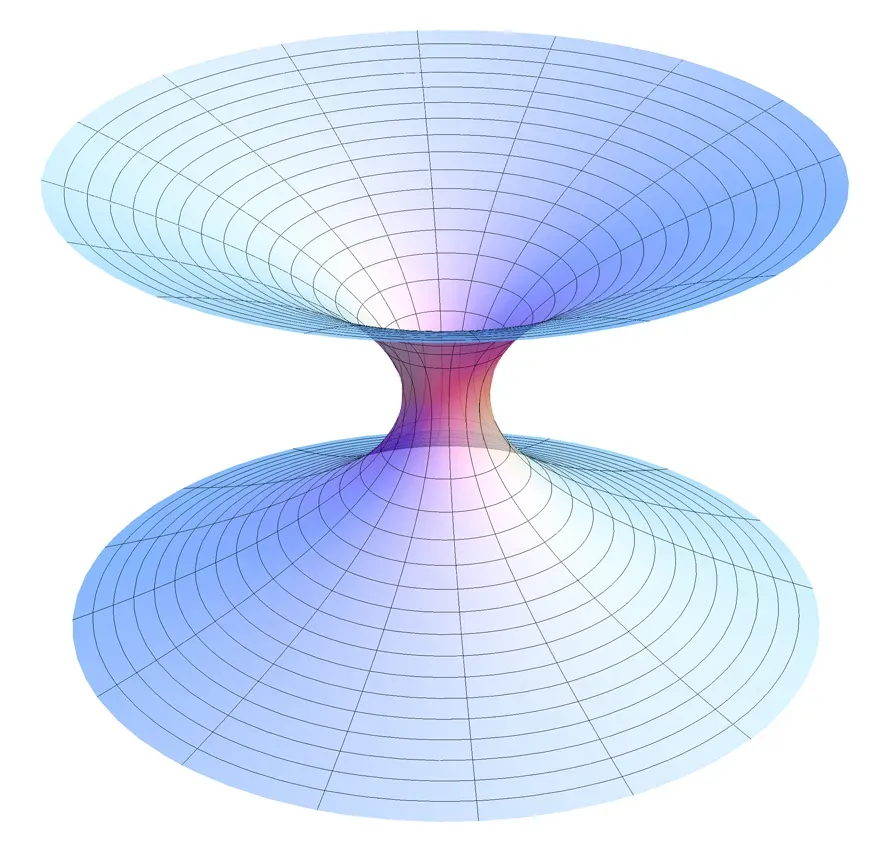
A wormhole is a hypothetical structure that connects disparate points in spacetime. It can be visualized as a tunnel with two ends at separate points in spacetime, meaning different locations, different points in time, or both. Wormholes are based on a special solution of the Einstein field equations, and while consistent with the general theory of relativity, whether they actually exist is unknown.
Although the existence of wormholes is mathematically permitted, significant challenges arise regarding their stability for practical travel. Theoretical physicist John Archibald Wheeler noted that such bridges would likely collapse almost instantaneously, making them unviable for human transportation. The dream version of a traversable wormhole requires something even stranger: more recent research found that a wormhole containing “exotic” matter could stay open and unchanging for longer periods. Exotic matter contains negative energy density and a large negative pressure. No such material has ever been observed in nature.
The Novikov Principle and the Many-Worlds Escape Hatch
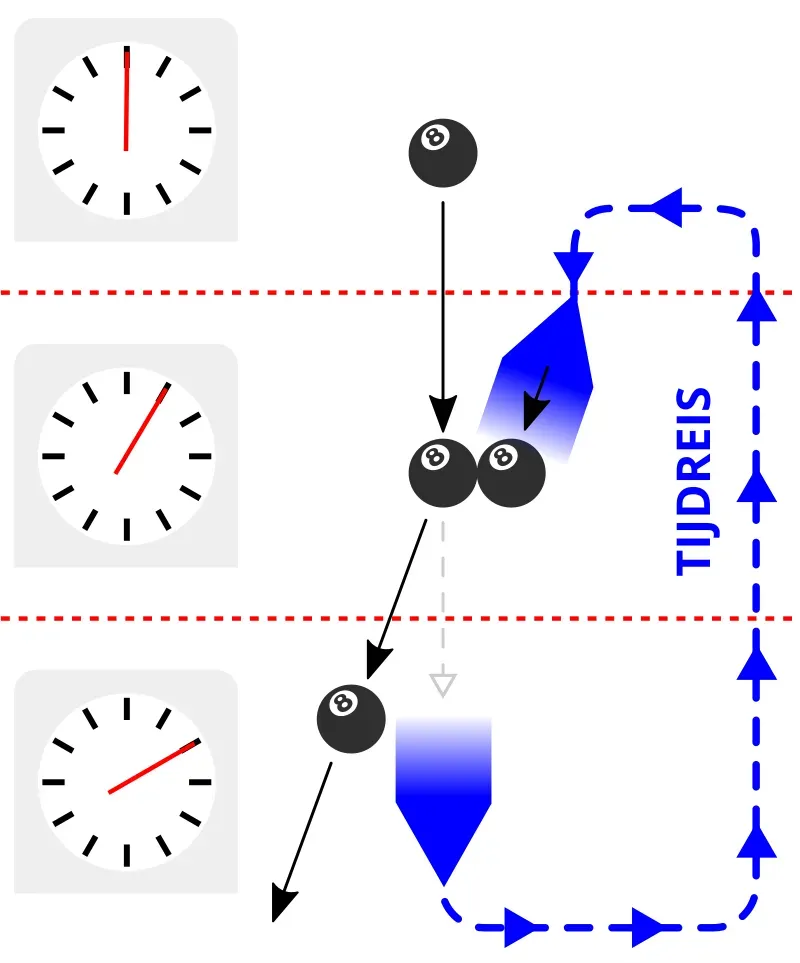
Physicists, being the stubborn problem-solvers they are, have proposed clever ways out of these paradoxes. The Novikov self-consistency principle, developed by Russian physicist Igor Dmitriyevich Novikov in the mid-1980s, was intended to solve the problem of paradoxes in time travel. The principle asserts that if an event exists that would cause a paradox or any change to the past whatsoever, then the probability of that event is zero. It would thus be impossible to create time paradoxes.
In other words, the universe itself would conspire against you. You could try to kill your grandfather, but something would always intervene. A slippery floor, a sudden illness, a mistaken identity. The cosmos has its own edit button. The other major escape route? The many-worlds interpretation proposes that every quantum measurement splits reality into multiple parallel universes. A time traveler journeying to the past might create or enter an alternate timeline rather than their original past. The advantage of this approach is that it resolves causality paradoxes by preserving the consistency of the original timeline. It is not so much changing the past as jumping sideways into a fresh one.
Conclusion: A Universe Full of Unanswered Questions
What makes the physics of time travel so compelling is not just the science. It is the fact that it forces you to question everything, causality, free will, the nature of existence itself. The study of time travel is not just physics. It is metaphysics, philosophy, psychology, and cosmology combined. Few topics in science push so hard against the walls of human understanding.
Given we are still yet to learn how quantum mechanics meshes with general relativity, or even what space and time really are in a fundamental sense, using time travel as a thought experiment is a fun way to probe the limits of current knowledge. The paradoxes are not just obstacles. They are signposts pointing toward something deeper, something the universe has not yet agreed to show us.
Perhaps the greatest irony is this: the more rigorously you study time, the less certain you become about what it actually is. Time travel may remain forever out of reach, or it may one day reveal itself as the most natural thing in the cosmos. Either way, the questions themselves are worth every moment you spend on them. What would you change if you could go back, knowing what you know now?
Hi, I’m Andrew, and I come from India. Experienced content specialist with a passion for writing. My forte includes health and wellness, Travel, Animals, and Nature. A nature nomad, I am obsessed with mountains and love high-altitude trekking. I have been on several Himalayan treks in India including the Everest Base Camp in Nepal, a profound experience.