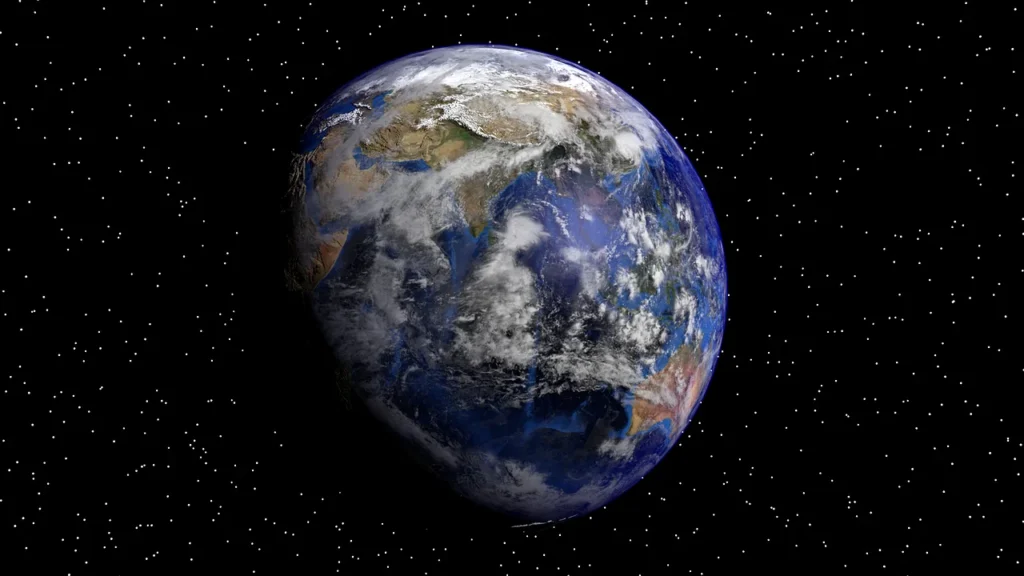

You probably never think much about the fact that you’re standing on a massive spinning ball hurtling through space. Our planet rotates steadily from west to east, completing a full turn roughly every 24 hours at speeds approaching over 1,600 kilometers per hour at the equator. It’s been doing this for billions of years. The motion feels completely natural, invisible even, unless you watch the sun trace its familiar path across the sky.
So, what would happen if, somehow, the Earth suddenly started spinning in the opposite direction? Would we all fly off into space? Would the oceans swallow entire continents? Let’s dive into the science behind this wild thought experiment and unpack the truly bizarre consequences that would reshape our planet.
The Immediate Catastrophe of a Sudden Reversal
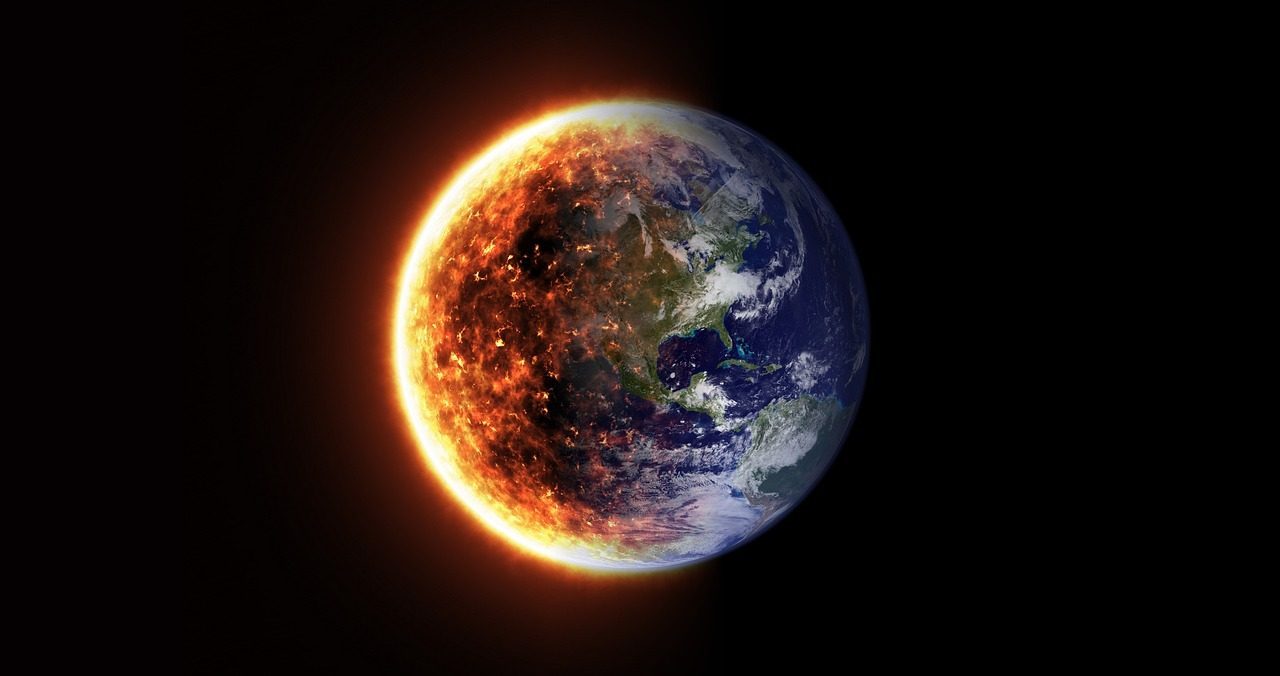
Here’s the thing: if Earth’s rotation reversed instantly, the results would be nothing short of apocalyptic. Everything not anchored to the ground would be launched eastward at speeds exceeding 3,200 kilometers per hour due to inertia. Think about that for a second. Buildings, cars, oceans, people – everything would continue moving in the original direction while the ground beneath suddenly reversed course.
Massive tsunamis would form as the waters were hurled eastward, obliterating coastlines and flooding vast inland areas. The atmosphere itself would keep moving, creating unimaginable windstorms. In short, an instant reversal would end life on Earth as we know it, so let’s instead imagine a scenario where the reversal happens gradually or simply existed from the planet’s formation.
A Greener Planet with Radically Different Deserts
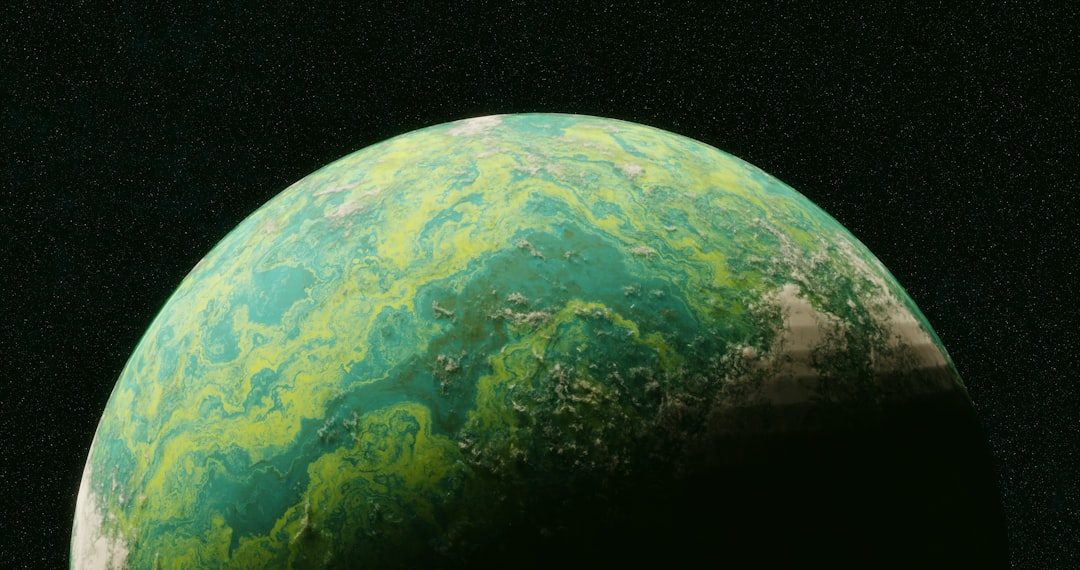
If we magically reversed Earth’s spin without the catastrophic transition, the planet would actually become greener. Global desert coverage would shrink from about 42 million square kilometers to around 31 million square kilometers, with grasses sprouting over half of the former desert areas and woody plants covering the other half. This world’s vegetation would store more carbon than our current forward-spinning Earth.
The catch? Deserts wouldn’t just disappear – they’d relocate. New deserts would emerge in the southeastern United States, southern Brazil and Argentina, and northern China. Picture the lush Amazon rainforest replaced by arid sand dunes, while the Sahara transforms into grasslands and forests. It sounds almost utopian until you realize your own backyard might become uninhabitable.
The Coriolis Effect Would Flip Everything Upside Down
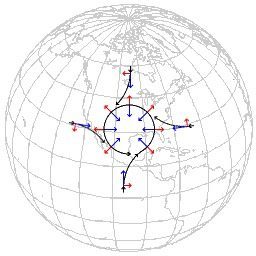
The Coriolis effect is one of those invisible forces that shapes everything from hurricanes to ocean currents without most people ever knowing its name. This force causes fluids and air masses to bend to the right in the Northern Hemisphere, creating the spinning motion of cyclones and determining wind patterns worldwide. Reversing Earth’s rotation would flip this entire system.
A backward-spinning Earth would completely upend the pattern of the Coriolis effect, disturbing the entire climate system and reversing trade winds so that winds normally blowing from the northeast would come from the northwest. Hurricanes that once spun counterclockwise in the Northern Hemisphere would suddenly rotate clockwise. Weather systems would move in entirely opposite directions. Aviation routes would need complete redesigns because eastbound flights would become significantly longer while westbound trips would be much shorter.
Ocean Currents Would Completely Reorganize
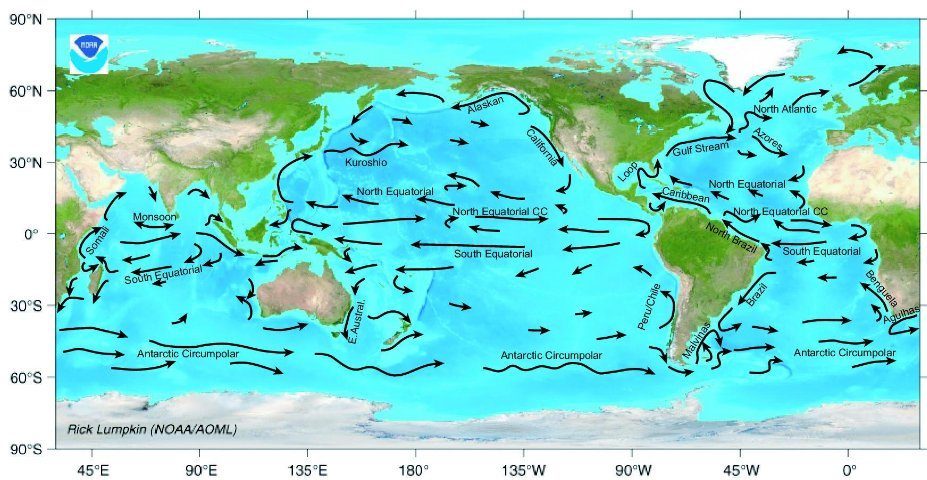
Ocean currents act like massive conveyor belts, redistributing heat around the globe and stabilizing climates. An Earth spinning in the opposite direction would have very different atmospheric and ocean currents, with major ocean currents switching from the Atlantic to the Pacific despite the global mean temperature remaining almost the same. The Gulf Stream, which currently warms Europe, would vanish from the Atlantic entirely.
In computer simulations, a similar and slightly stronger current arose in the Pacific Ocean, carrying heat into eastern Russia. Western ocean boundaries would cool while eastern coasts warmed – a complete reversal of current patterns. This reorganization would fundamentally alter which regions receive warmth and which suffer brutal cold.
Europe Would Face Bitterly Cold Winters
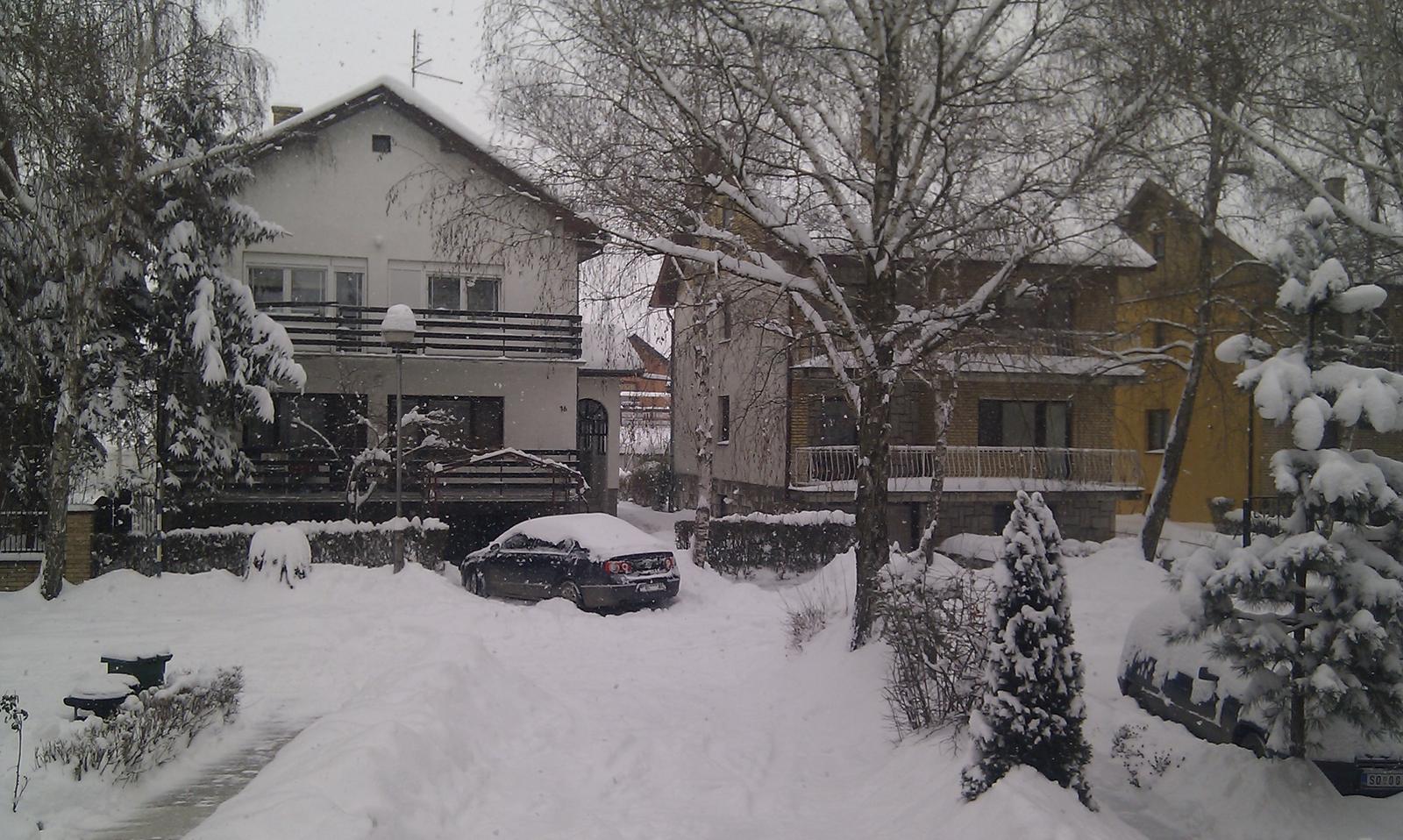
If you live in Europe, a backward-rotating Earth would not be your friend. Temperature changes over Eurasia would be especially prominent with a strong wintertime cooling over northwestern Europe exceeding 20 degrees Kelvin. That’s a dramatic drop that would transform the relatively mild European climate into something resembling Siberia.
Northwestern Europe would suffer extremely harsh winters, and the Atlantic sea ice would have a much greater southern extent. Cities like London and Paris, currently enjoying temperate weather thanks to the Gulf Stream’s warmth, would experience freezing conditions for much of the year. Meanwhile, Russia’s steppes would become surprisingly balmy as ocean currents delivered warmth they never received before.
Strange Marine Ecosystems and Cyanobacteria Blooms
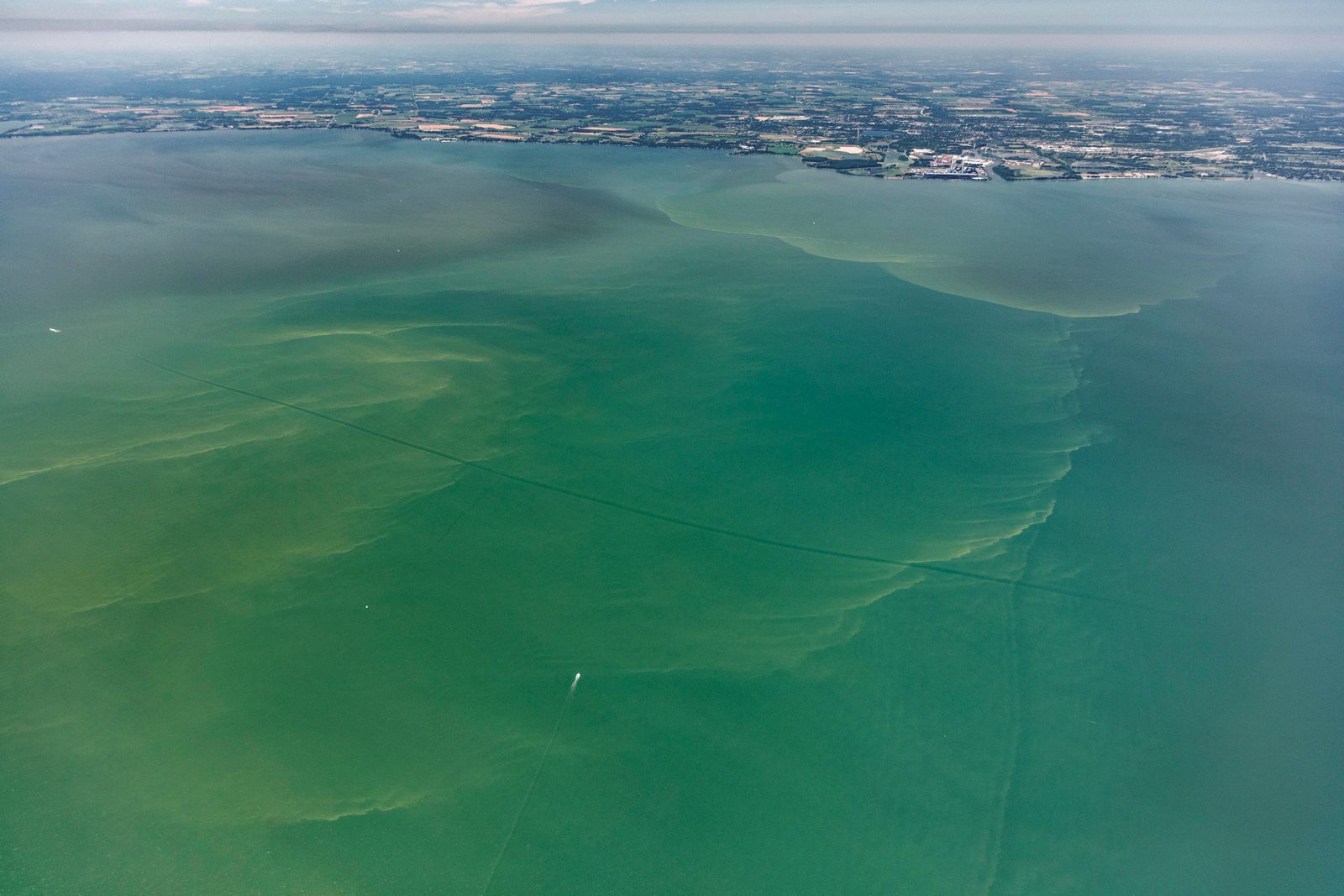
The oceans wouldn’t just change temperature – they’d develop entirely new biological characteristics. Altered sea currents in the Indian Ocean would allow cyanobacteria to dominate the region, which they have never managed to accomplish while Earth spins in its current direction. Cyanobacteria are ancient microorganisms that produce oxygen through photosynthesis, and their unexpected dominance would reshape marine food webs.
Dissolved oxygen levels in the northern Indian Ocean would dramatically decrease with depth, forcing many species to consume nitrates instead of oxygen, while cyanobacteria would thrive in areas with low nitrate levels and become dominant biological producers. These blooms could potentially create dead zones unsuitable for most marine life, fundamentally altering fishing industries and coastal ecosystems.
Mass Migration of Species and Human Populations
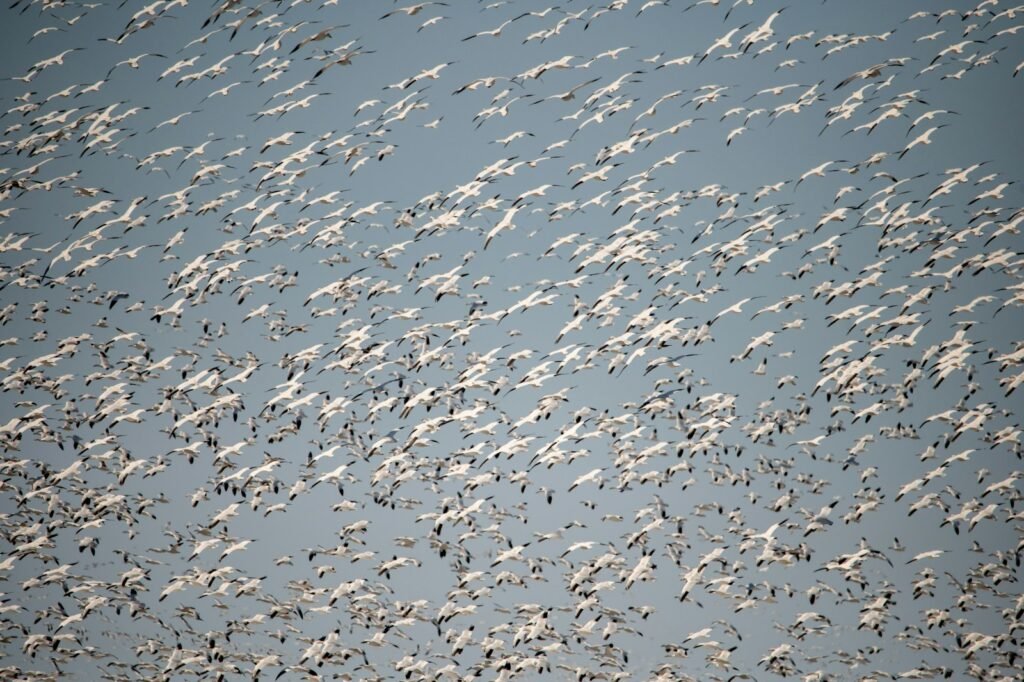
Imagine waking up one day to discover your hometown’s climate has fundamentally changed. A backwards-rotating Earth would see entire climates altered, established weather patterns collapsed, and mass migrations of all Earthly species attempting to counteract the monumental shift. Agricultural lands would become unsuitable for traditional crops. Regions dependent on specific weather patterns for their economies would face collapse.
Desert animals would find themselves in rainforest conditions, while tropical creatures would be thrust into dustlands. Conservation efforts would face impossible choices about relocating entire species or watching them perish. Human populations would similarly need to relocate – coastal cities might become uninhabitable, while previously barren regions could suddenly support thriving communities. The social and economic upheaval would be staggering.
Could This Actually Happen?
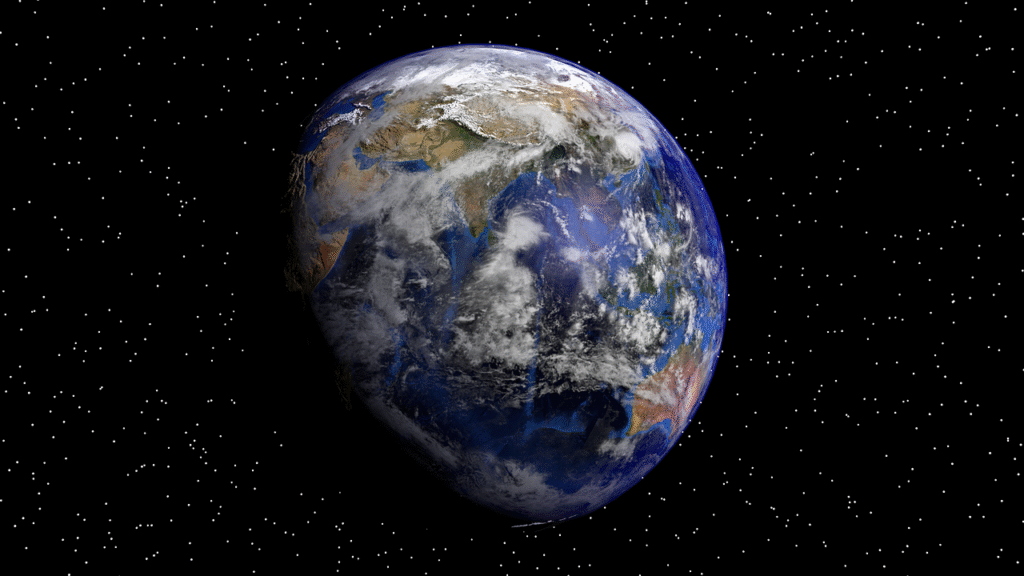
Let’s be real: Earth reversing its rotation is essentially impossible through natural processes. Since Earth formed about four and a half billion years ago, it has been rotating in one direction, eastward or counterclockwise. To physically reverse this would require a force of unimaginable magnitude – likely a collision with another planetary body large enough to fundamentally alter Earth’s angular momentum.
It would most likely require a significant asteroid impact or a number of smaller crashes for Earth to start rotating in the opposite direction. Such an event would be so catastrophic that whether the planet spun forward or backward afterward would be irrelevant – the impact itself would likely end most life on Earth. The only planets in our solar system with retrograde rotation are Venus and Uranus, both believed to have experienced massive collisions in their distant pasts.
Conclusion: A Fascinating Glimpse into Earth’s Delicate Balance
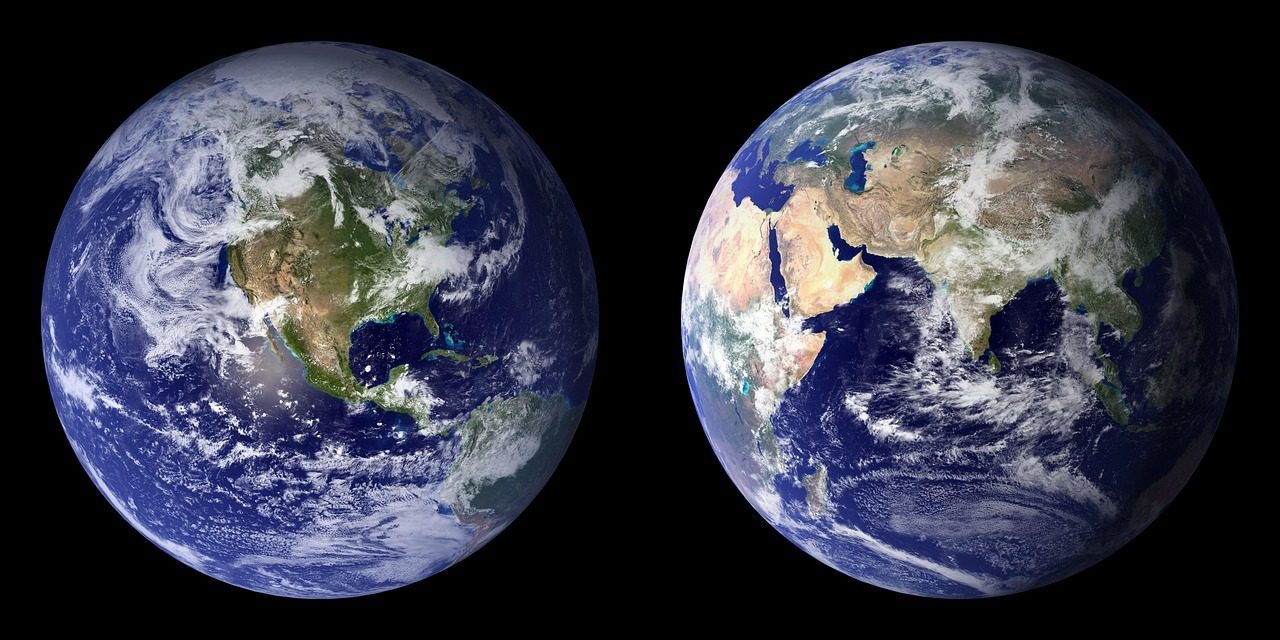
While a reversed Earth makes for compelling speculation, exploring this scenario reveals just how finely tuned our planet’s systems really are. The direction of rotation influences everything from where deserts form to which regions support lush vegetation, from ocean current patterns to the very structure of our weather systems. Even a greener, retrograde Earth with less overall desert would come at the cost of frozen European winters, relocated ecosystems, and unprecedented disruption to every living system.
This thought experiment reminds us that seemingly small factors – like which way a planet spins – can have enormous, cascading consequences. Our familiar blue marble is the product of billions of years of stability, and that stability has allowed life to flourish in remarkably diverse ways. What do you think? Would you want to live on a backward-spinning Earth if it meant more forests but colder winters in your region?
Hi, I’m Andrew, and I come from India. Experienced content specialist with a passion for writing. My forte includes health and wellness, Travel, Animals, and Nature. A nature nomad, I am obsessed with mountains and love high-altitude trekking. I have been on several Himalayan treks in India including the Everest Base Camp in Nepal, a profound experience.