
Look up on a clear night and you’ll see it – that single, steady glow hanging in the darkness. Your moon. It’s been there every night of every human life ever lived. So familiar, so constant, that most of us never stop to ask: what if there were two of them?
It sounds like science fiction. But here’s the thing – it’s a question that real physicists, astronomers, and planetary scientists have seriously tackled. The answers are equal parts fascinating and terrifying. From tides that could swallow coastal cities, to a night sky lit up like nothing you’ve ever imagined, a second moon would reshape your world in ways that go far beyond the poetic. Let’s dive in.
The Gravity of the Situation: How a Second Moon Would Tug at Your World
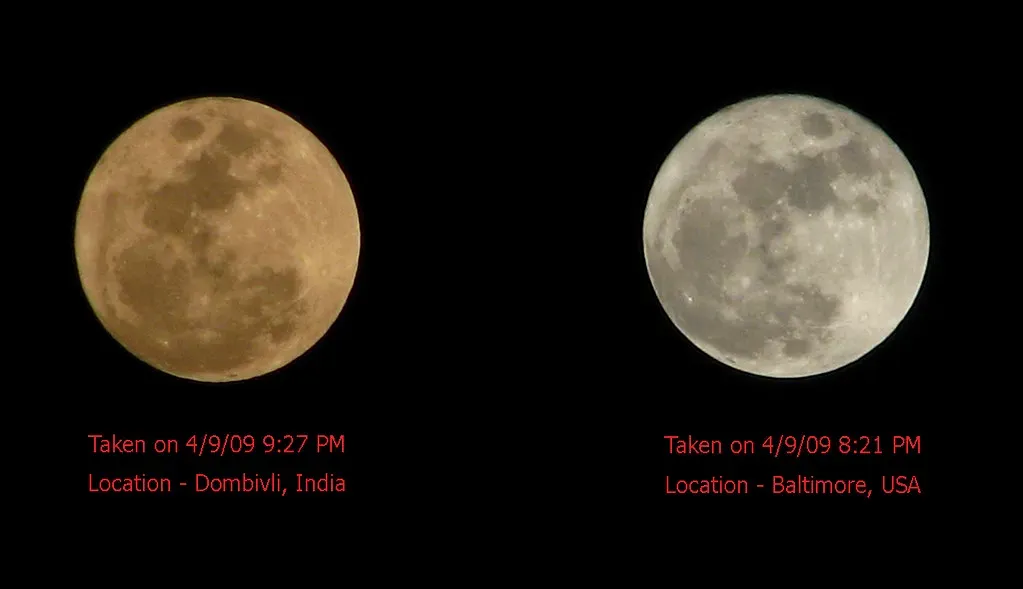
You might think adding a second moon would simply make nights a little brighter. Honestly, that’s just the beginning of the story. If Earth had two moons, it would significantly affect the planet’s rotation, tides, and climate. Each of those effects would ripple outward into virtually every corner of life on the surface.
If Earth had two moons, both would need stable orbits that don’t constantly interfere with each other. Computer simulations of orbital dynamics show that multi-moon systems can remain stable if distances and masses are carefully balanced. Think of it like two spinning tops on a table. Under the right conditions, they coexist beautifully – but nudge one even slightly and chaos follows.
NASA scientists believe our current moon formed 4.5 billion years ago when an enormous Mars-sized body collided with us. Adding a second massive body into that delicately balanced system would not be a gentle process. The gravitational mathematics alone would be staggering, and the Earth you know today would look – and feel – very different.
Tidal Chaos: When the Oceans Stop Playing by the Rules
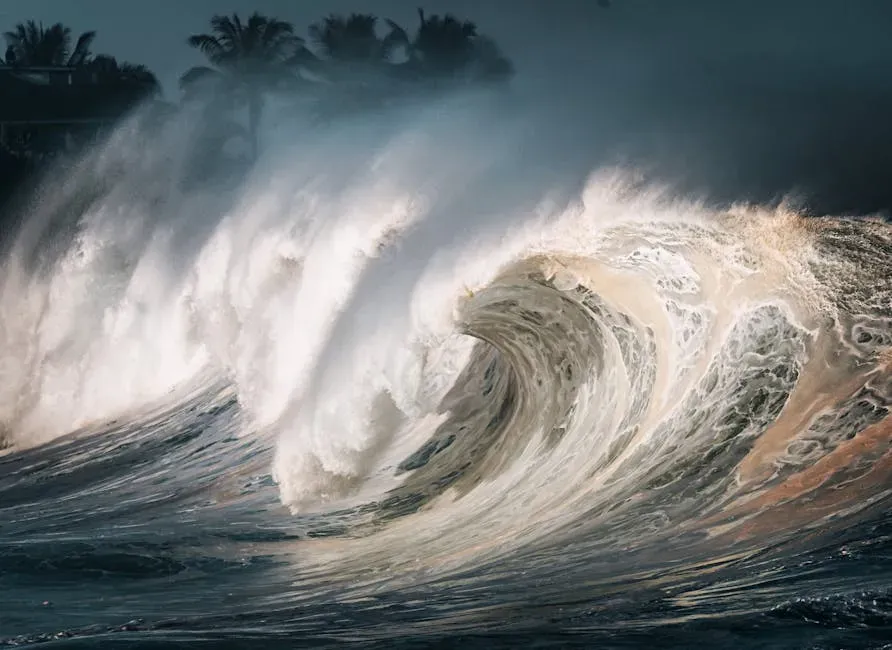
Your relationship with the ocean right now is actually quite orderly. You get your predictable high and low tides, fishermen plan their schedules around them, and coastal cities exist where they do because of that reliability. The tides would become significantly more complex and unpredictable. Instead of a predictable high and low tide each day, you might experience multiple high and low tides of varying heights and at irregular intervals. The exact tidal patterns would depend on the relative positions and orbital periods of the two moons.
The gravitational pull of the new moon would create tides up to eight times higher than our current tides, with enormous tidal waves larger than anything we’ve ever seen before. Imagine the Bay of Fundy in Canada, which already sees tidal differences of more than 16 meters – now multiply that by eight. If the gravitational influence of a second moon were extreme, it could lead to phenomenally huge ocean tides, up to a kilometre high, which would also result in frequent tsunamis. Coastal cities like New York, London, or Sydney? In their current form, they simply would not exist.
Earth’s Spin and the Length of Your Day
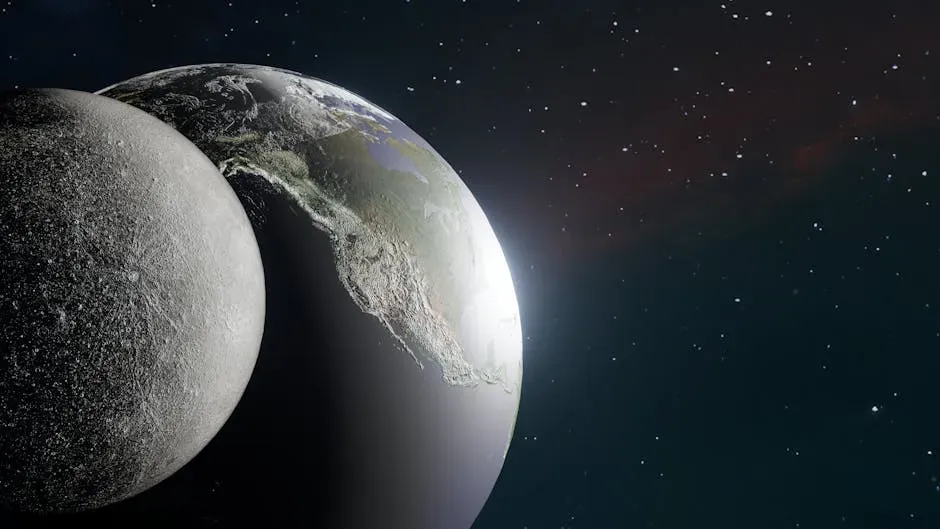
Here’s something you probably never think about: the moon is already slowing your planet down. The moon’s gravitational influence is responsible for the gradual acceleration of its orbit away from Earth by about 3 to 4 centimeters each year, while concomitantly slowing Earth’s rotation, lengthening the duration of our days over millennia. Now imagine two moons doing that job simultaneously.
The gravitational pull of the moons exerts a tidal force on Earth, which gradually slows down its rotation. With two moons, this tidal braking effect would be amplified, potentially leading to a slightly longer day. It’s hard to say exactly how much longer, since it would depend heavily on the mass and orbit of the second moon. A second moon could either speed up or slow down Earth’s rotation, depending on its size and distance from Earth. This would change the length of a day. Your 24-hour day might become something else entirely – and every biological rhythm on the planet would need to adjust.
A Destabilized Climate: Seasons You Wouldn’t Recognize
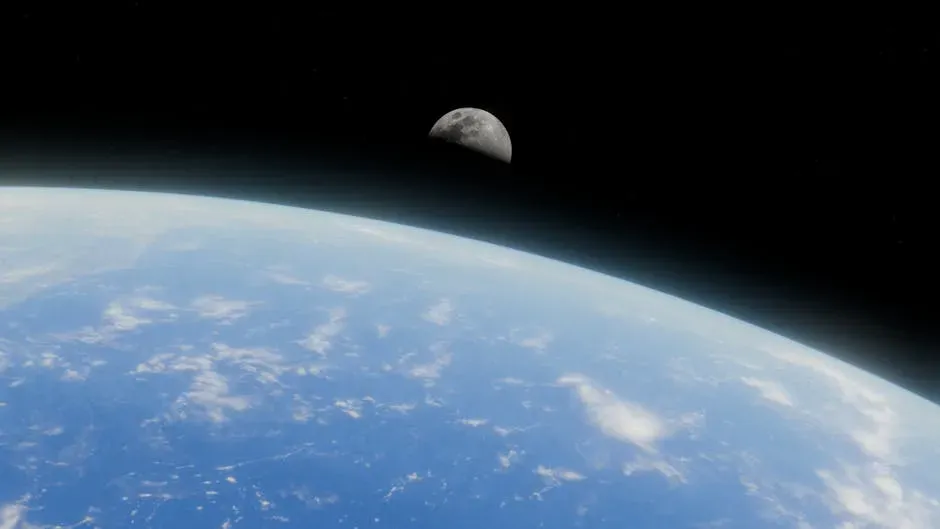
You might take for granted the fact that summer reliably follows spring, and winter is cold where it’s supposed to be cold. That seasonal predictability isn’t an accident – it’s your current moon’s doing. The moon stabilizes Earth’s axial tilt, preventing extreme wobbling that could drastically alter climates and habitats. This stabilization has vital implications for biodiversity on Earth.
If Earth were to have two moons, that could throw that delicate equilibrium off quite easily. The combined gravitational pull of the Moon and of a second moon could cause the Earth’s tilt to shift more dramatically over time. This could result in more dramatic changes between seasonal situations or unpredictable climate fluctuations. In this case, winters might be colder, summers warmer, and the planet might suffer from ice ages that come more frequently or from periods of extreme global warming. That’s not a future anyone would want to navigate without a seriously advanced civilization.
A Planet on Fire: Volcanic and Geological Upheaval
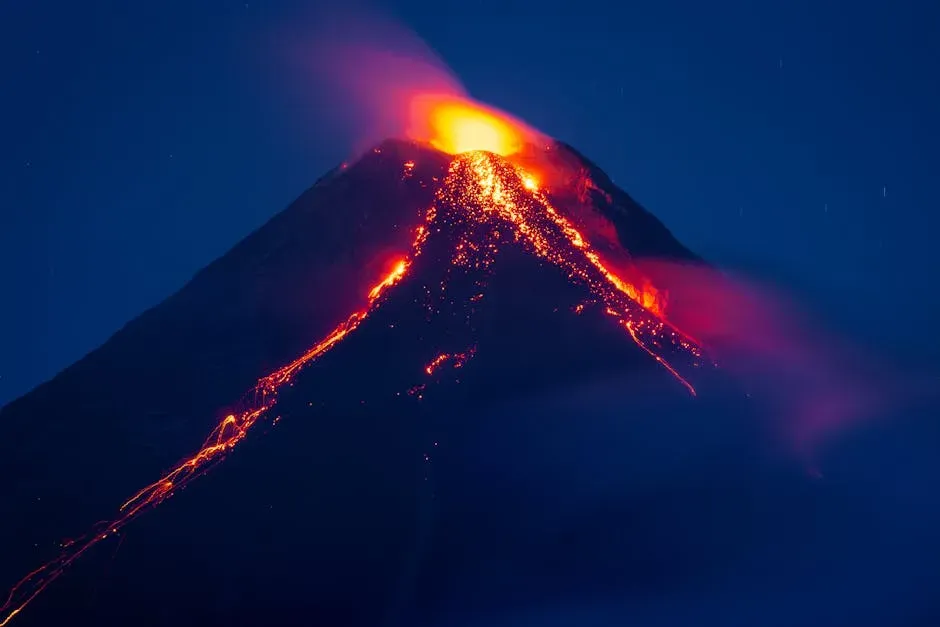
The idea of stronger tides might conjure images of flooded beaches. But there is another consequence that sits far deeper. Extreme gravitational influence from a second moon could lead to enhanced volcanic activity and earthquakes. You’d be looking at a geologically restless planet – one that would make today’s earthquake zones seem calm by comparison.
Look at what tidal forces already do elsewhere in the solar system. Unlike Earth, the volcanism observed on Jupiter’s moon Io is not the result of plate tectonics, but a different force known as tidal heating, which happens when an object’s gravity is so strong it’s able to bend and flex a much smaller object. The elliptical orbit means Io’s distance to Jupiter changes during its orbit. When Io is closer to Jupiter, the immense gravity stretches Io, and when it’s farther away, the moon compresses back to normal. Over long periods of time, this constant flexing leads to internal friction, which leads to heat and pressure, and ultimately, intense volcanic activity. The same basic physics, playing out on Earth with a second moon, would ramp up geological stress in ways that could reshape the continents themselves.
Wildlife in Disarray: What Two Moons Would Do to the Animal Kingdom
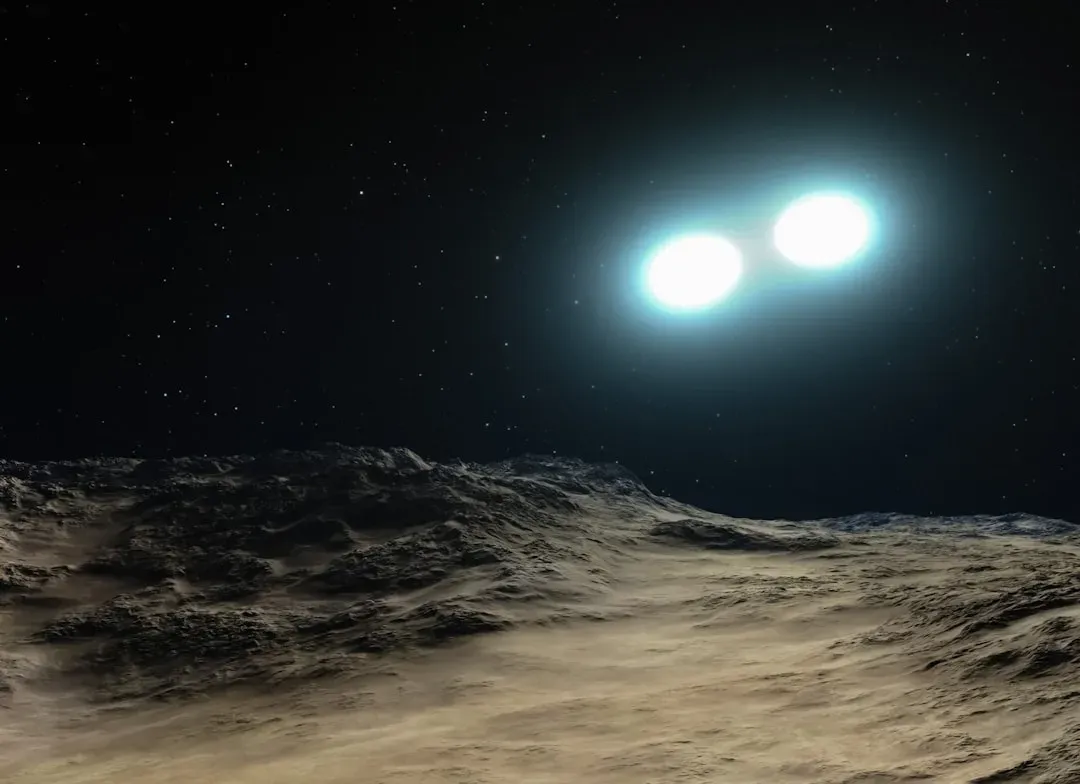
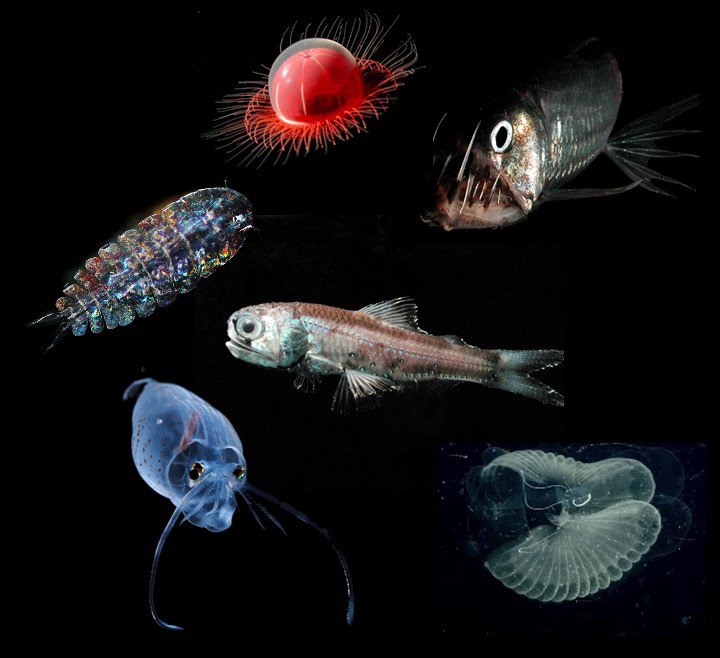
Animals are exquisitely tuned to your current single moon. You might not realize how tightly wired life on Earth is to one predictable lunar cycle. Throughout the animal world, the presence or absence of moonlight, and the predictable changes in its brightness across the lunar cycle, can shape a range of important activities – among them reproduction, foraging, and communication. A second moon doesn’t just add more light; it scrambles the biological clock that millions of species depend on.
For many animals, particularly birds, the moon is essential to migration and navigation; others time their reproduction to coincide with the specific phases of the lunar cycle. Sea turtles navigate beaches by moonlight. Once every spring, a few days after the full moon, corals of the Great Barrier Reef release eggs and sperm simultaneously – a phenomenon so spectacular it can be seen from space. Not only does the moon’s gravitational attraction interact with the sun to cause tides, its orbit around Earth generates different moon phases of varying luminosity. Scientists think the moon’s light at a certain point each spring may provide a cue to corals that the conditions are right to release eggs and sperm. With two moons generating chaotic, overlapping cycles, that extraordinary synchrony would unravel.
Your Night Sky and Culture: A Completely Different Human Story
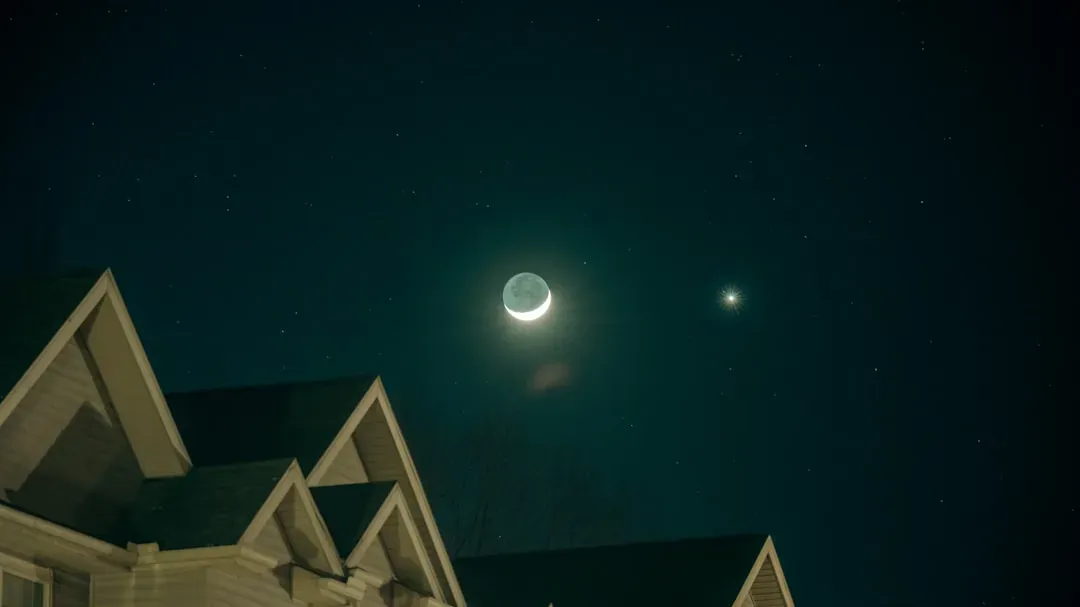
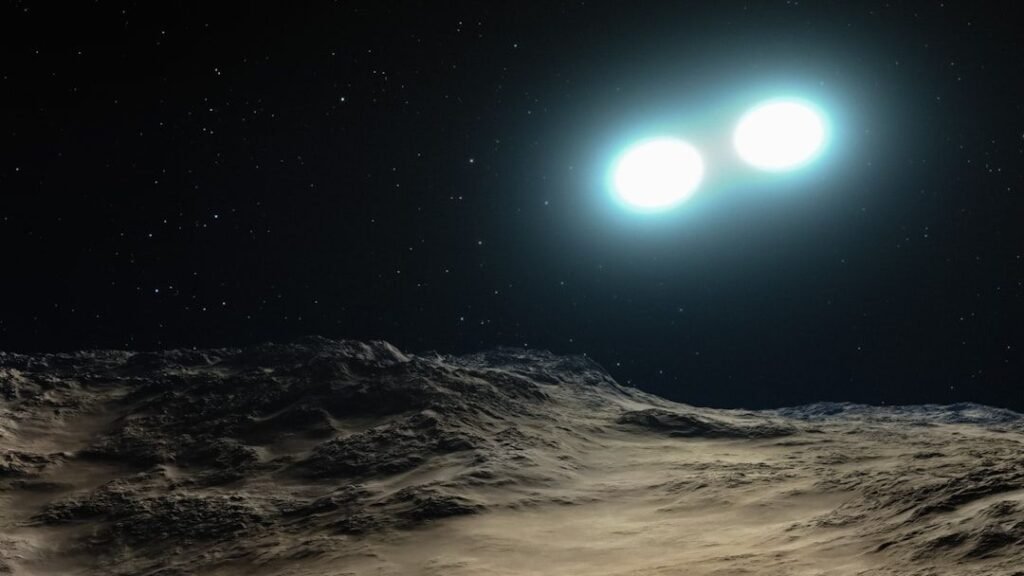
Let’s be real – the single moon has shaped human civilization in ways that are almost impossible to fully account for. Calendars, mythology, poetry, agriculture, navigation, religion. All of it has been threaded through with lunar cycles. The visual effect of having two moons in the sky would be stunning. The two moons would appear to be different sizes and would create a more complex lunar pattern. Imagine every culture on Earth – from ancient Mesopotamia to Indigenous America to East Asia – building their cosmology around not one but two celestial companions.
The scientific effects are complex, involving tsunami-prone tides, altering climate patterns, and even the stability of Earth – but they are only matched by the cultural impacts. The relationship of humans with the cosmos would be turned on its head, leading to new mythologies, calendars, and even art forms. Navigation at sea, your spiritual traditions, even how you track your months – all of it would be different. Navigation and space travel would become more challenging. Navigational systems would need to account for the complex gravitational forces exerted by both moons. Launch windows for space missions would be more restricted, and orbital mechanics would become more intricate. Space exploration as you know it today would be a fundamentally harder problem to solve.
Conclusion: One Moon Is Quietly Extraordinary
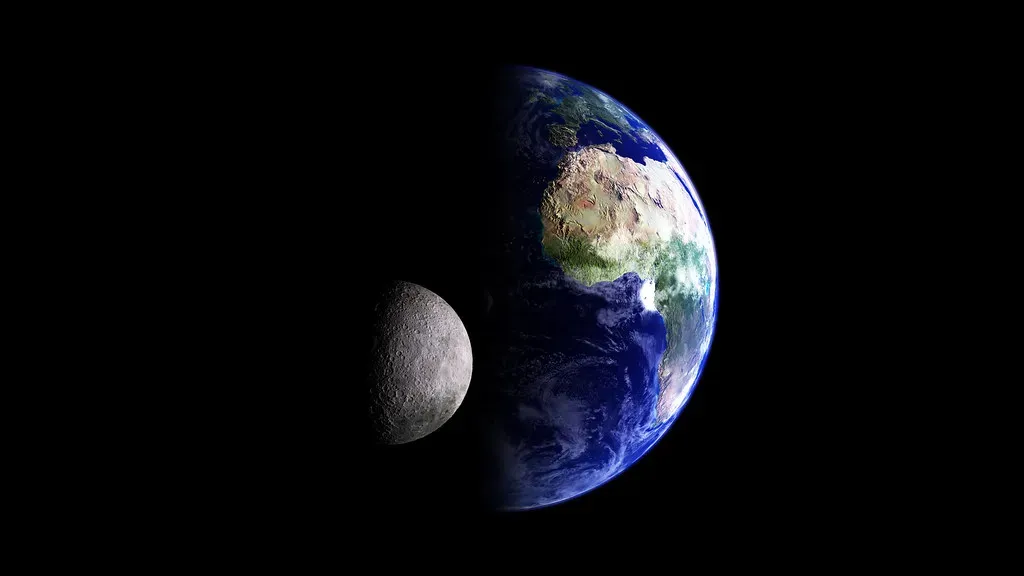
After walking through what a second moon would do to your tides, your climate, your geology, your wildlife, and your culture, the most surprising takeaway might be this: your single, solitary moon is a miracle of cosmic coincidence. It stabilizes your axis. It paces your oceans. It synchronizes the reproductive cycles of species across the entire planet. It made your civilization possible. Earth with two moons wouldn’t be a broken world. It would be a different world – guided by the same laws of gravity and motion that shape everything in the universe. Different, yes. But radically harder to live in.
There’s something quietly humbling about realizing that the planet you walk on every day is as livable as it is partly because of a single large rock in the sky, sitting at just the right distance, with just the right mass, doing a quiet and thankless job. The size of the Moon is a major contributing factor to complex life on Earth. It is responsible for the high tides that stirred up the primordial soup of the early Earth, it’s the reason your day is 24 hours long, it gives light for the variety of life forms that live and hunt during the night, and it keeps the planet’s axis tilted at the same angle to give us a constant cycle of seasons.
Next time you look up and see that one pale circle in the sky, maybe it hits a little differently. What do you think life on Earth would really be like under the glow of two moons? Tell us in the comments – we’d love to hear your take.