
You’ve probably looked up at the night sky at some point and thought, “There has to be something else out there.” It’s almost impossible not to. The universe is so vast, so incomprehensibly ancient, that imagining we are the only living thing in all of it feels almost arrogant. Yet whenever we talk about “alien life,” we tend to picture something that at least loosely resembles us, breathing air, drinking water, built from cells. That is the quiet trap our imagination falls into every single time.
What if the real question isn’t just whether life exists elsewhere, but whether it could be something so fundamentally different that we’d walk right past it? Something that doesn’t breathe, doesn’t move the way we recognize movement, and doesn’t even occupy the same type of matter we call “real”? Prepare yourself, because the science is stranger than the fiction. Let’s dive in.
The Carbon Bias That May Be Blinding Us All
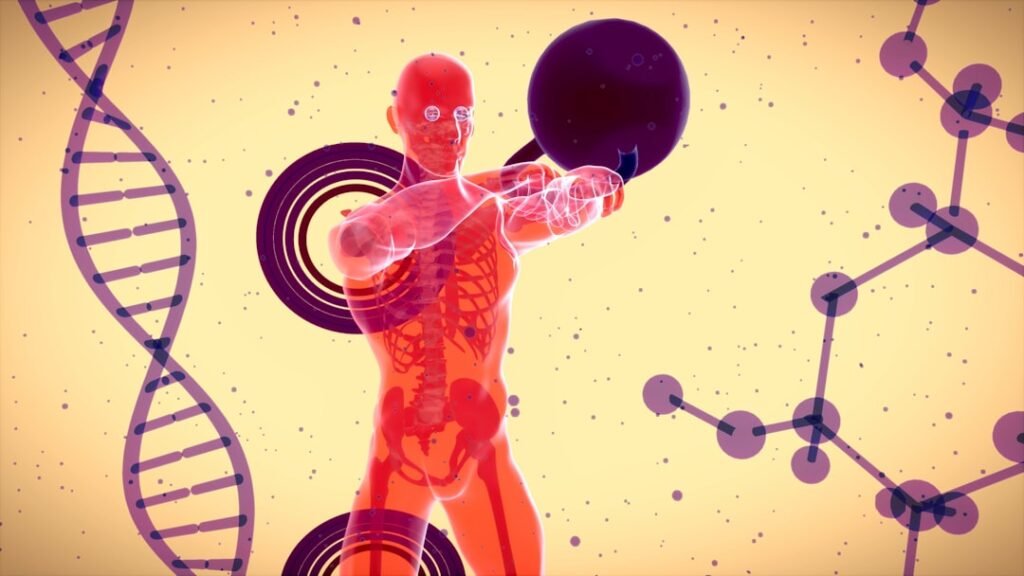
Here’s the thing: every living thing you’ve ever seen, touched, or heard of on this planet is built from carbon. Every kind of living organism known on Earth uses carbon compounds for basic structural and metabolic functions, water as a solvent, and DNA or RNA to define and control their form. That’s an impressive streak. But it’s also a sample size of exactly one planet, which, when you think about it, is a pretty flimsy foundation for a universal law.
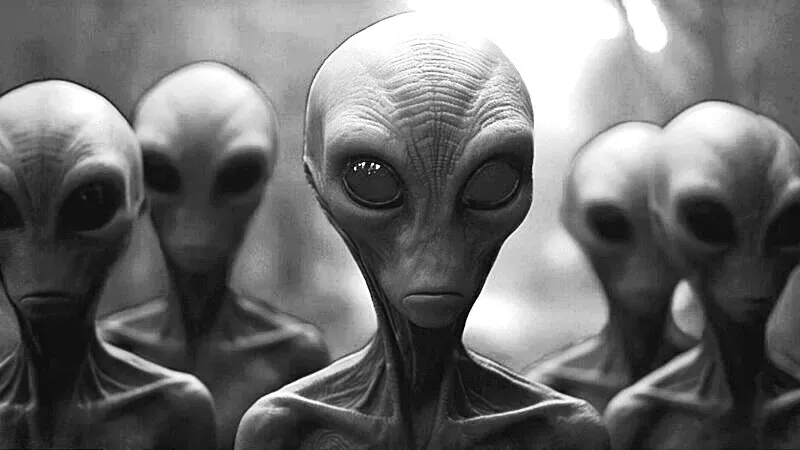
Carbon is regarded as the building block of life, but this notion leads to something referred to as “carbon chauvinism,” a belief that carbon-based life applies to the whole universe, implying that if aliens exist, they would also be based on carbon. Scientists call this assumption out directly. Carl Sagan believed that the notion of carbon-based life being the only form might limit human exploration and imagination of extraterrestrial life. In other words, we may be wearing blinders without even knowing it.
Because these ideas are so foreign to us, there’s a concern that researchers might miss potential signs of life even if they were staring them in the face. One experiment asked participants to look for signs of life on Mars. While the subjects were busy studying photos of terrestrial surfaces, a majority failed to see a little waving gorilla in one of the pictures. The purpose of the experiment was to show that humans develop tunnel vision when tied up in their own biases and will often miss blatant signs if they’re not actively looking for them. That’s a sobering thought. We might be blind to life that is right in front of us.
Silicon, the Crystalline Challenger to Carbon’s Throne
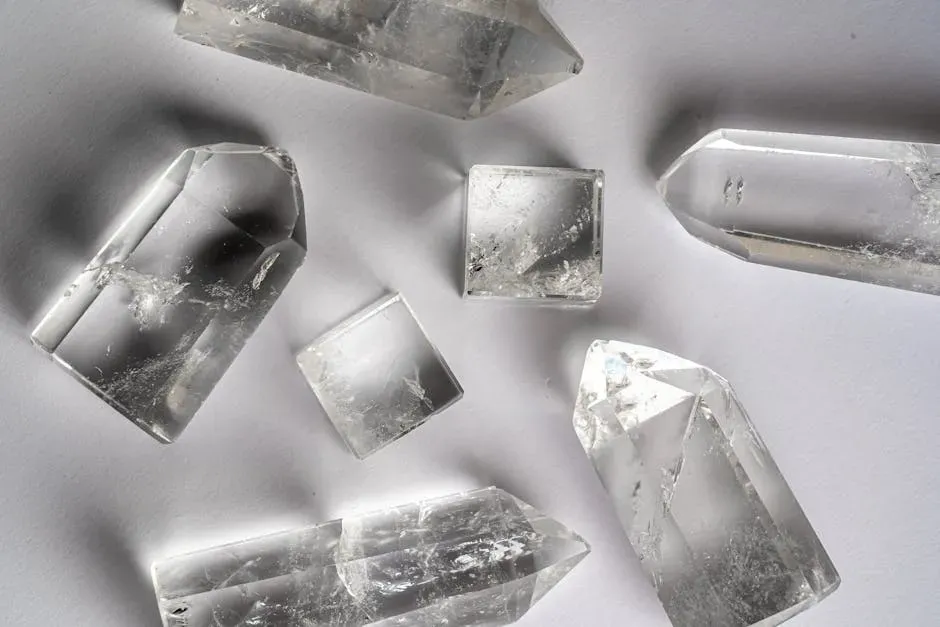
Silicon, for example, shares chemical similarities with carbon. Other exotic possibilities involve ammonia, methane, or entirely different chemical systems under extreme conditions. Silicon is the element most discussed as an alternative backbone for life, and the idea isn’t fringe science. In 1891, German astrophysicist Julius Scheiner raised the question of whether silicon-based life forms might exist in the universe, sparking a long-lasting topic in both academia and science fiction. That debate has never truly ended.
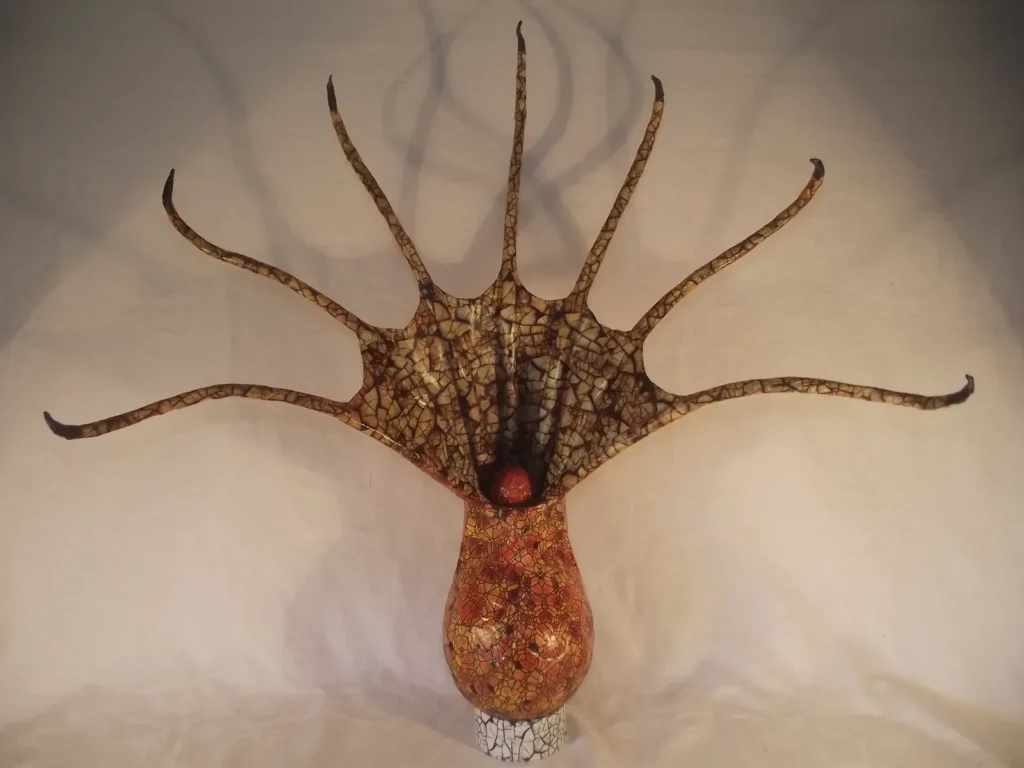
Silicon can form chains and structures similar to carbon, though less flexible. In high-temperature environments or exotic planetary conditions, silicon chemistry might support stable, self-organizing systems. Imagine something alive but crystalline, almost mineral in texture, glittering under the light of a distant sun. The appearance of silicon-based life would likely differ greatly from carbon-based life; most researchers believe that if silicon-based life exists, it would resemble lifelike, mobile crystalline blocks. A creature that looks like a walking gemstone. Not so crazy once you actually sit with the idea.
Life Without Water: The Liquid Methane Possibility
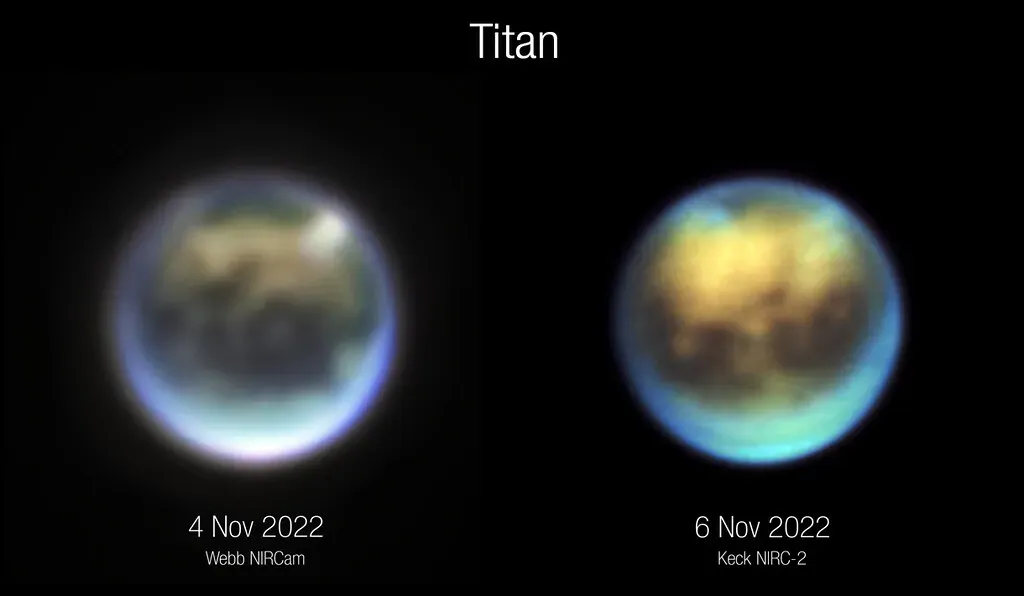
Water is almost sacred in astrobiology. The entire search for extraterrestrial life has been guided by the phrase “follow the water.” Water is often considered a prerequisite for life. However, on distant worlds, other liquids might act as solvents for biochemical reactions. On Saturn’s moon Titan, lakes of liquid methane and ethane create a landscape reminiscent of Earth, albeit much colder. You read that right. Titan has lakes. Just not water lakes.
On Saturn’s moon Titan, liquid methane and ethane exist on the surface. Some scientists have speculated about methane-based life, though no evidence has been found. Similarly, deep within icy moons like Europa, unknown chemical systems may operate beneath frozen crusts. Meanwhile, if life exists on other celestial bodies, it may be chemically similar to Earth life, though it is also possible that there are organisms with quite different chemistries, involving other classes of carbon compounds, compounds of another element, and/or another solvent in place of water. The universe, it seems, didn’t get the memo that water is mandatory.
Extremophiles: Earth’s Own Preview of the Unimaginable
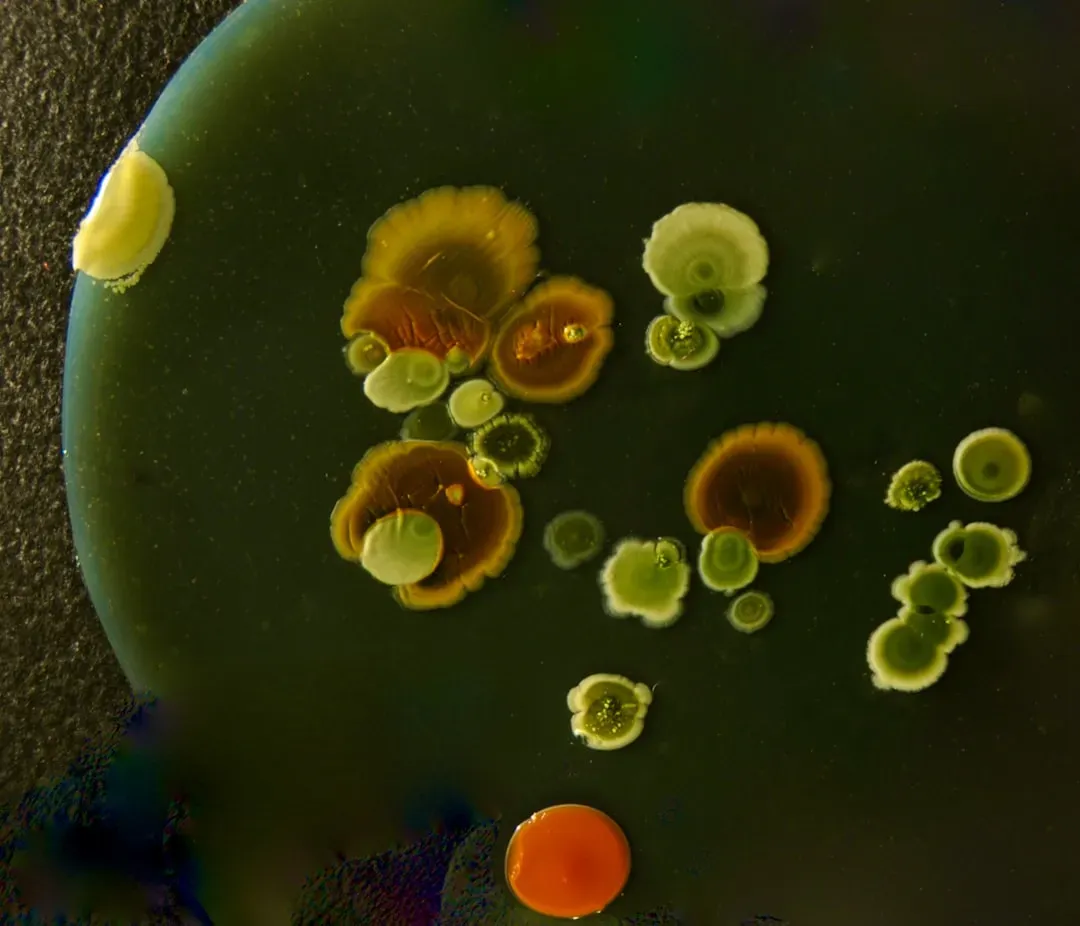
You don’t actually have to leave Earth to find life in places it “shouldn’t” be. Biologists have found extremophiles that thrive in ice, boiling water, acid, alkali, the water core of nuclear reactors, salt crystals, toxic waste, and in a range of other extreme habitats that were previously thought to be inhospitable for life. Every time science declares somewhere too extreme for life, life shows up and proves them wrong. Honestly, at this point it’s almost funny.
Precisely because of their ability to survive in extreme conditions, extremophiles have become key elements in the search for life beyond Earth. Their resilience has significantly expanded the scope of environments considered potentially habitable, showing that life can adapt to very diverse conditions, even those that at first glance seem truly uninhabitable. And recently, following the Nippon Foundation–Nekton Ocean Census Expedition in June 2025, partnering with JAMSTEC, scientists confirmed the discovery of 38 new species and identified 28 further potential new species across two of Japan’s most understudied deep-sea regions. Even in 2026, Earth keeps handing us surprises. Imagine what the rest of the universe holds.
Plasma Life: When Matter Itself Becomes Alive
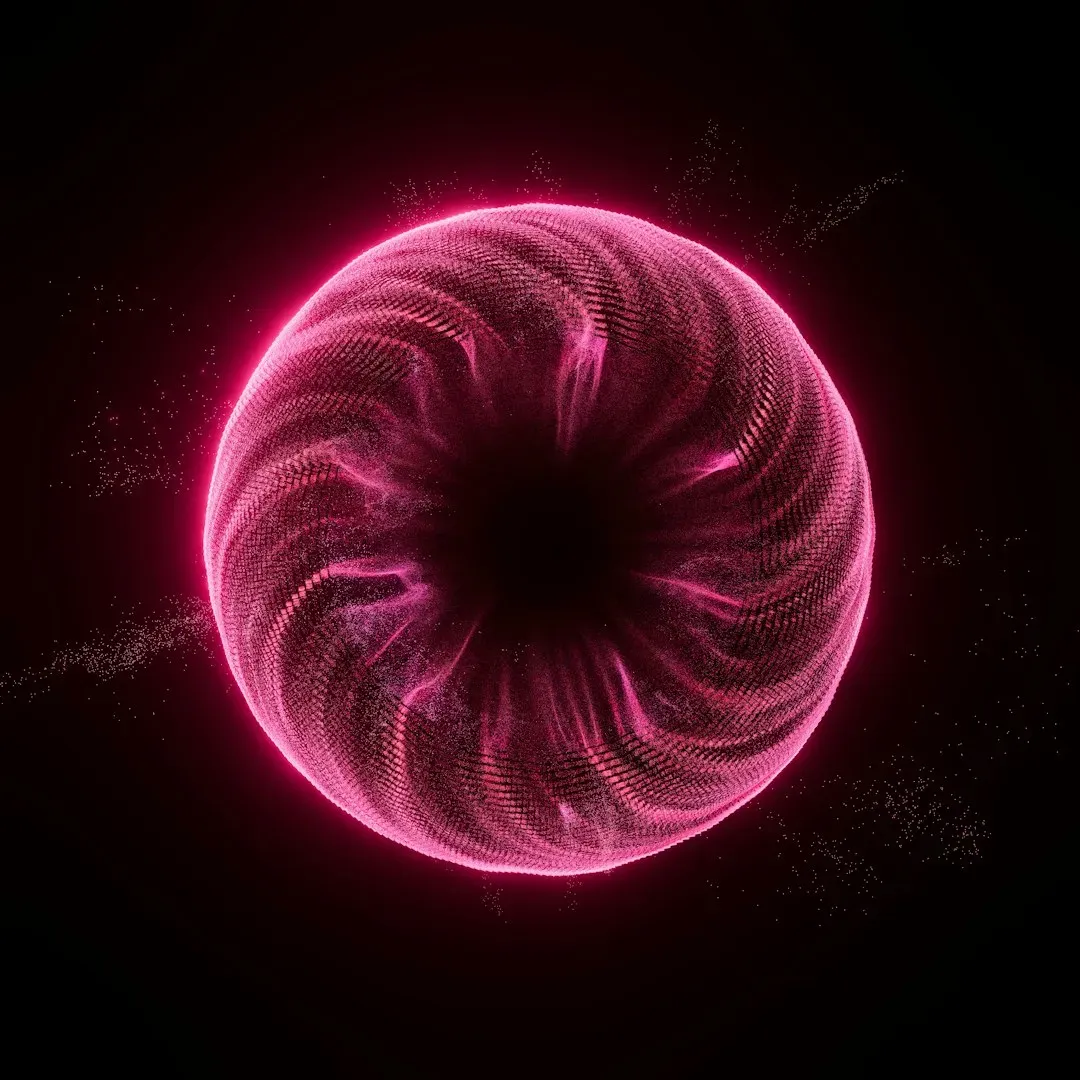
This one is where it gets truly mind-bending. The universe is filled with massive clouds of dust. From past studies, scientists have learned that this cosmic dust can, in the presence of plasma, create formations known as plasma crystals. An international team of researchers published a study in the 2007 issue of the New Journal of Physics indicating that these crystals may be more sophisticated than anyone realized. In simulations involving cosmic dust, the researchers witnessed the formation of plasma crystals displaying some of the elementary characteristics of life, including DNA-like structure, autonomous behavior, reproduction, and evolution. Let that sink in for a moment.
The plasma crystals sometimes developed into corkscrew shapes or even the double-helix shape of DNA. Once in helix form, the crystals can reproduce by dividing into two identical helixes, displaying “memory marks” on their structures. The diameter of the helixes varies throughout the structure, and the arrangement of these various sections is replicated in other crystals, passing on what could be called a form of genetic code. I think that might be one of the most startling things modern physics has quietly placed before us. If that is so, then it will mean that plasma life forms are the most common life form in the universe, given that plasma makes up more than 99% of our universe.
Life in Other Dimensions and Radically Different Physics
Stay with me here, because this section gets truly speculative, though no less scientifically motivated. An even more unusual proposal for exotic organisms is life in a different number of dimensions other than the three of our universe. Life in a one-dimensional universe, or any kind of chemistry, is probably impossible, as each particle could only interact with its immediate neighbors. However, a two-dimensional universe should allow for interactions complex enough for life. Think about that the next time you look at a flat piece of paper.
One astrophysicist went further, suggesting that the concept of life composed of molecules itself might be fallacious. In universes with different properties, atomic nuclei or other structures might combine in entirely unfamiliar ways, resulting in life forms beyond our comprehension. Even closer to home, in 2007, Vadim N. Tsytovich and colleagues proposed that lifelike behaviors could be exhibited by dust particles suspended in a plasma, under conditions that might exist in space. Computer models showed that, when the dust became charged, the particles could self-organize into microscopic helical structures. Physics itself keeps leaving the door open for something utterly alien.
What Happens When Intelligence Evolves Beyond Biology

Some scientists argue that advanced civilizations may eventually transition into machine or hybrid forms, blurring the line between biology and technology. In that case, the most enduring “alien life forms” in the cosmos might be self-sustaining, evolving systems that began as biological but now operate as sophisticated artificial entities. Think of it like a caterpillar that became a butterfly, except the butterfly is made of quantum code and has been alive for a billion years.
Our physical reality within the Milky Way might be more imaginative than we are, because our training data set is limited to Earth and there is much more real estate in outer space. This is perhaps the most humbling realization of all. Astrobiologists have attempted to come up with universal rules that govern the emergence of complex physical and biological systems both on Earth and beyond. Yet even those rules are built from a framework shaped entirely by life on one small, wet, carbon-rich world. The universe may have written a thousand other rulebooks we haven’t found yet.
Conclusion: The Courage to Imagine the Unimaginable
Honestly, what strikes me most about all of this is how narrow our search has been, not out of laziness, but simply because we only know what we know. Researchers assume that life, like life on Earth, must involve organized chemistry, a way to harvest energy, and the ability to grow, reproduce, and evolve over time. Because only one example of life is available for study, Earth remains the main template for thinking about life beyond Earth, even though the universe may host many other possibilities.
You now know that life could wear a crystalline face, swim in methane lakes, pulse as plasma in the rings of a giant planet, or exist as a self-replicating machine civilization older than our sun. Considering non-carbon life expands the search for life beyond Earth. It challenges assumptions and encourages scientists to look for unfamiliar signs rather than only Earth-like biology. Many discoveries in science began with ideas that seemed unlikely at first. The most important thing you can take from all of this is not a single answer, but a better question.
If we only search for life that looks like us, we’ll find exactly what we expect to find: nothing. The cosmos is under no obligation to match our imagination. So here’s something worth sitting with: if life exists in forms we cannot even begin to imagine, what does that say about the limits of our understanding? What would you have guessed? Share your thoughts in the comments below.