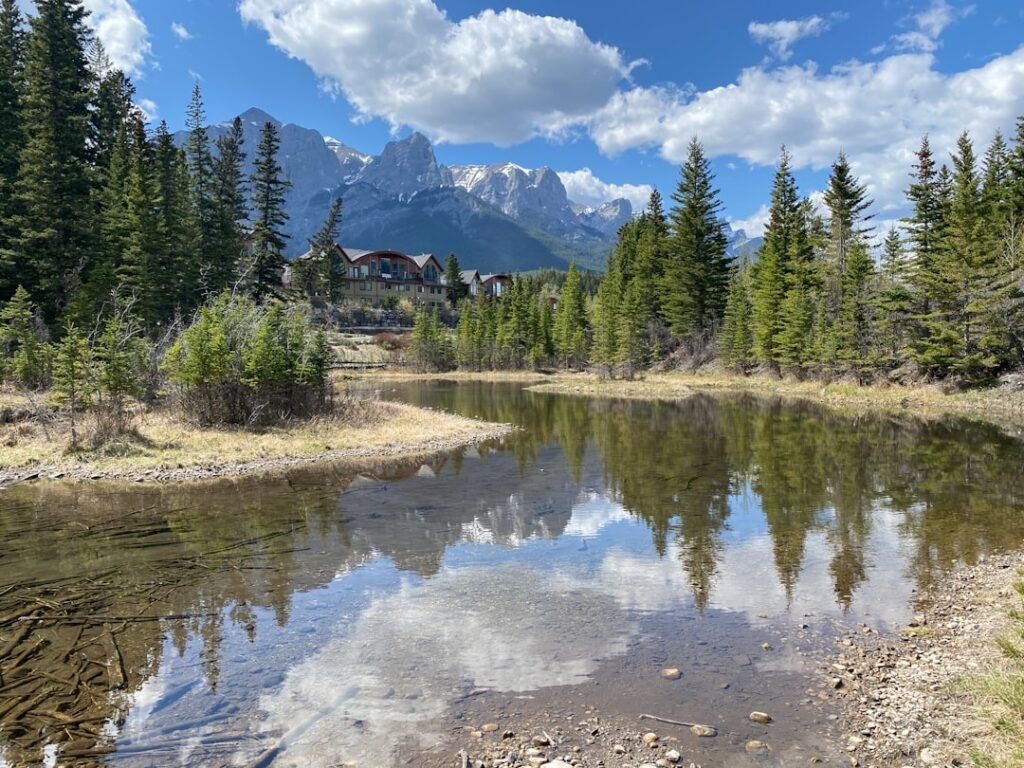

Picture a world where dense forests stretch unbroken across continents, where massive creatures roam freely without fear, and where the oceans teem with life in ways we can barely imagine. This isn’t fantasy – it’s what Earth might have looked like if humans had never existed at all.
The thought of a human-free planet isn’t just fascinating speculation. It opens our eyes to how profoundly we’ve shaped every corner of our world, often in ways we don’t even realize. When we remove ourselves from the equation entirely, we uncover a planet that operates by entirely different rules – one where natural processes reign supreme.
Let’s dive into this extraordinary alternative timeline and discover what our planet might have been like.
The Age of Giants: Megafauna Would Still Rule
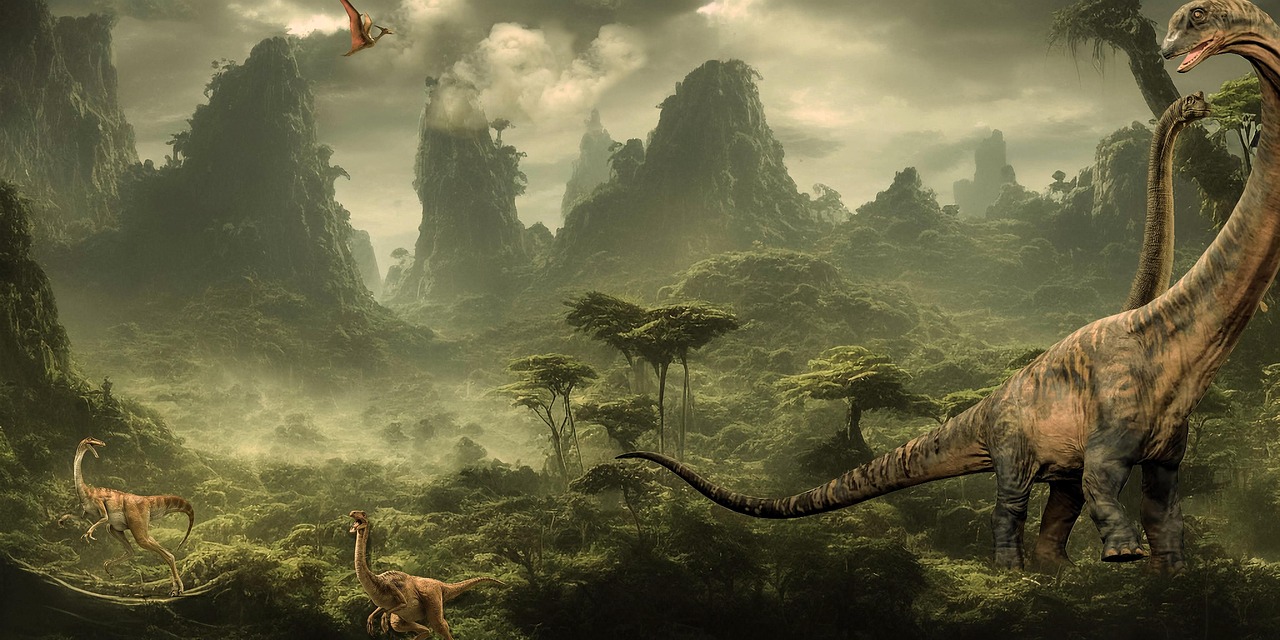
Without humans, evolutionary trajectories would be drastically different, with species that thrived in our absence filling ecological niches we currently occupy. The megafaunal extinctions followed a highly distinctive landmass-by-landmass pattern that closely parallels the spread of humans into previously uninhabited regions of the world. Studies suggest there were significantly more species of megaherbivores weighing over a ton in the past, with far fewer remaining today due to various extinction events.
Without humans spreading to the far corners of the Earth and driving down megafauna populations, the entire planet could have been as diverse in these species as the famed Serengeti in East Africa is today, with large animals everywhere around the globe without human involvement. The central United States and parts of South America would be the most megafauna-rich places on Earth today, with elephants as a common sight in the Mediterranean Islands and rhinoceroses across most of northern Europe.
Forests That Breathe Freely: Carbon Storage Without Human Interference
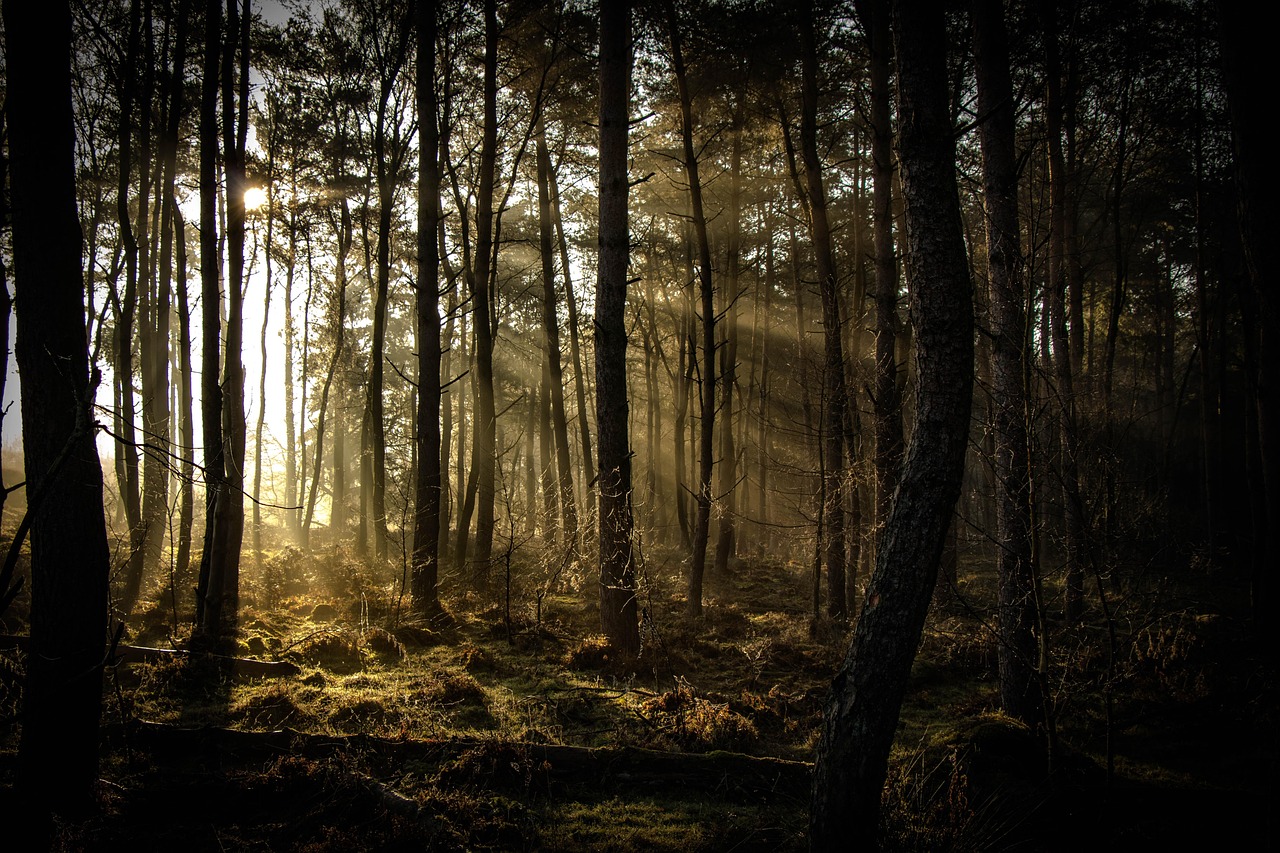
Direct and indirect human-caused land use and land cover change has led to the loss of biodiversity, which lowers ecosystems’ resilience to environmental stresses and decreases their ability to remove carbon from the atmosphere, often leading to the release of carbon from terrestrial ecosystems into the atmosphere. Natural ecosystems store large amounts of carbon globally, as organisms absorb carbon from the atmosphere to build large, long-lasting, or slow-decaying structures such as tree bark or root systems, with an ecosystem’s carbon sequestration potential tightly linked to its biological diversity.
Rainforests would stretch uninterrupted, vast herds of animals would migrate freely, and oceans would teem with life, with coral reefs that today are suffering from climate change potentially thriving as ecosystems filled with vibrant marine biodiversity. Species-rich, naturally grown mixed forests store significantly more carbon in the long term than plantation-type forests.
Without agriculture clearing vast landscapes, Earth’s natural carbon cycle would function with remarkable efficiency.
Ocean Sanctuaries: Marine Life Without Human Pressure
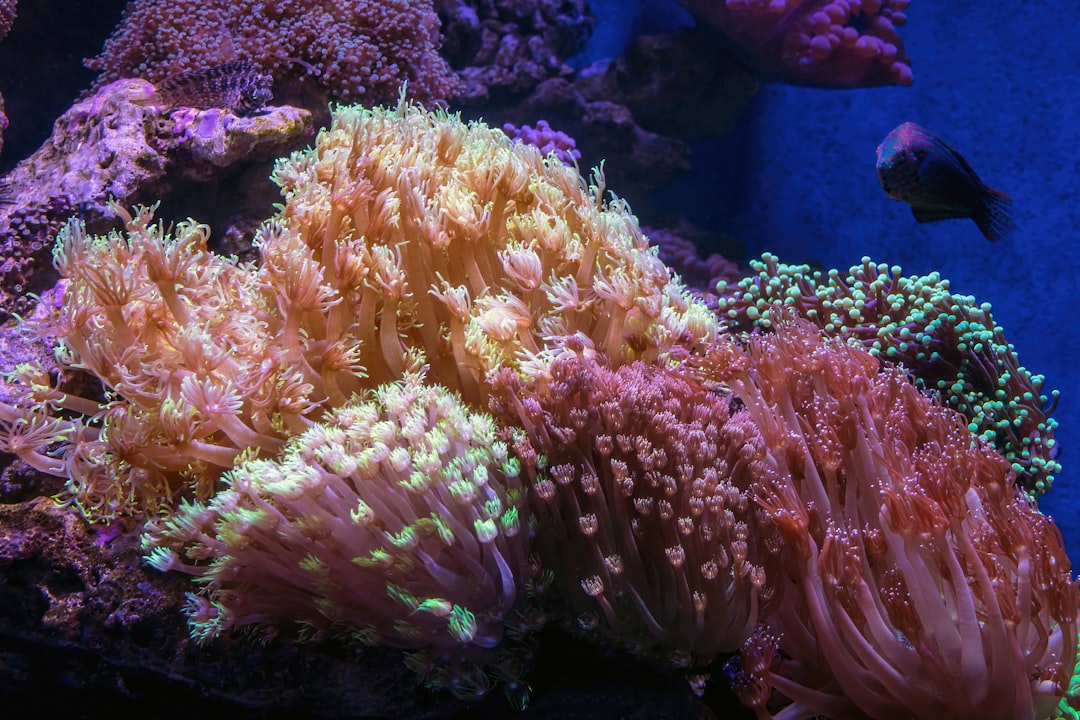
Marine ecosystems would recover from overfishing and pollution, leading to healthier coral reefs and thriving populations of marine life, with species extinction rates significantly lower, preserving a greater diversity of life on Earth. For the past fifty years, the oceans have absorbed more than ninety percent of the excess heat from global warming, resulting in the rise of ocean temperatures and ocean acidification which is harmful to many fish species and causes damage to habitats such as coral.
Recovery rates across studies suggest that substantial recovery of the abundance, structure and function of marine life could potentially be achieved by 2050, if major pressures – including climate change – are significantly mitigated, representing a doable Grand Challenge for humanity, an ethical obligation and a smart economic objective to achieve a sustainable future. The ability of marine ecosystems to recover from impact should fill us with hope and galvanize us into action, as despite continued exploitation, some marine animal populations have shown recovery in the past fifty years.
The Great Oxygen Machine: Photosynthesis Unchained
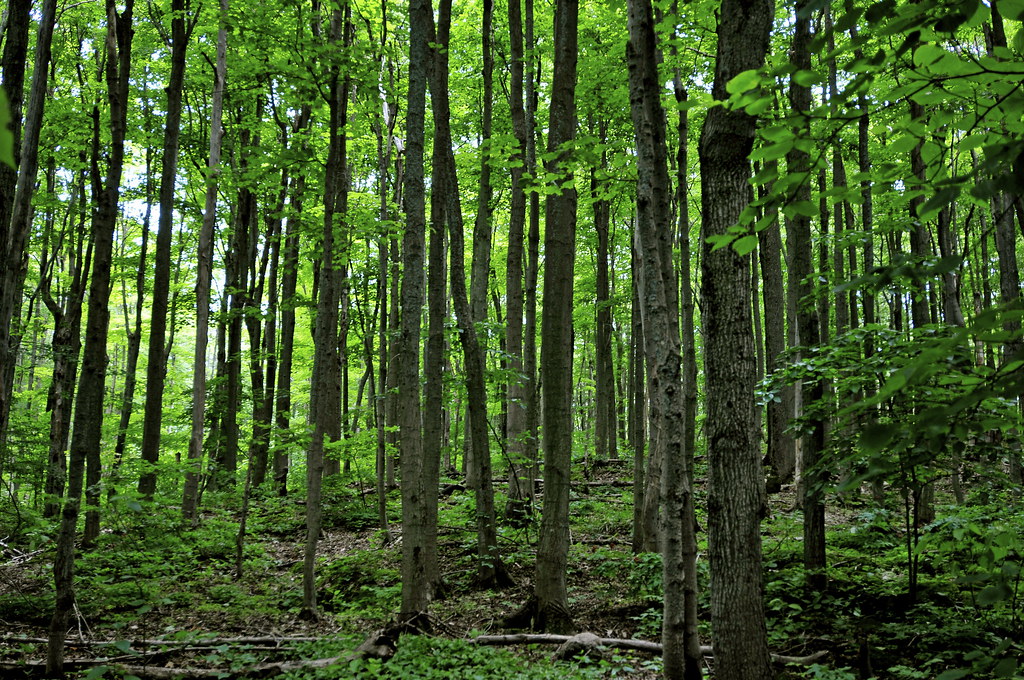
Without humanity’s impact on half of Earth’s habitable land, there would be a swift recovery of insects, as the application of pesticides and other chemicals ceases, creating a real cascade of events where once the insects are doing better, then the plants are going to do much better, then the birds. The absence of industrial activity would result in cleaner air and water, benefiting all living organisms.
Favorable climate conditions, particularly high precipitation, tend to increase both species richness and belowground biomass, which had a consistent positive effect on carbon storage in forests, shrublands, and grasslands, with ecosystem management that maintains high levels of plant diversity enhancing soil carbon storage and other ecosystem services that depend on plant diversity.
Plants would photosynthesize without the burden of air pollution, creating oxygen at maximum efficiency. The atmosphere itself would be fundamentally different – cleaner and more stable.
Natural Climate Patterns: Weather Without Industrial Influence
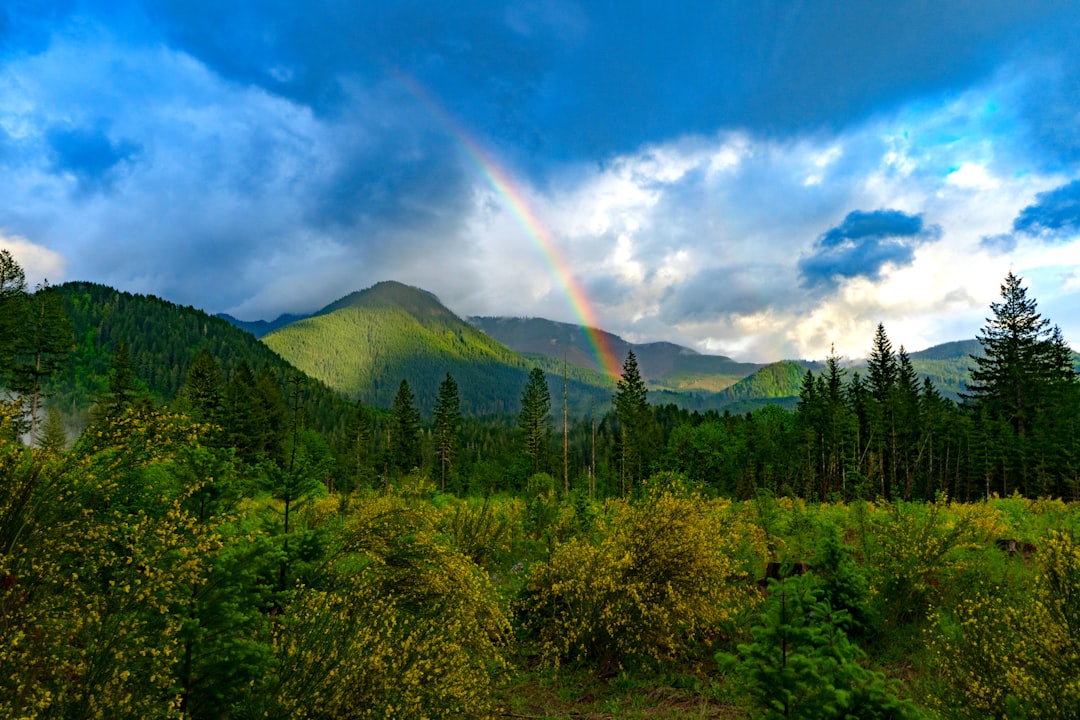
Cities would not exist, landscapes would be unaltered by agriculture, and the climate would be influenced solely by natural factors, with natural climate variations still occurring, but driven by natural factors rather than human activities. The natural flows of carbon between the atmosphere, ocean, terrestrial ecosystems, and sediments are fairly balanced; so carbon levels would be roughly stable without human influence.
Natural weather patterns would follow ancient rhythms. Ice ages would still come and go, but without the accelerated warming we’re experiencing today. Storms, droughts, and seasonal changes would operate according to Earth’s natural cycles alone.
Previous equally dramatic ice ages and interglacials over the past couple of million years did not cause a selective loss of megafauna, with no selective extinctions of large animals during these periods, making the large and very selective loss of megafauna over the last fifty thousand years unique over the past sixty-six million years.
Untouched Wilderness: Landscapes in Their Natural State
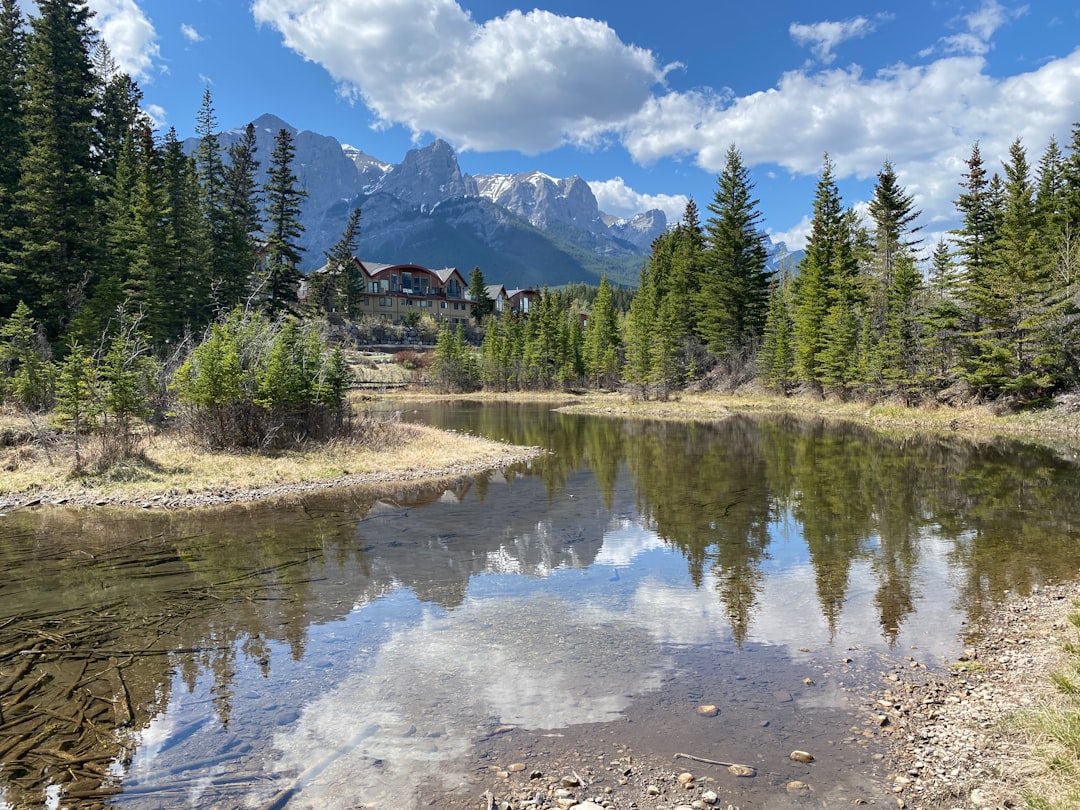
Natural landscapes would dominate the planet, untouched by human development. Forests would spread, reclaiming lands once occupied by agriculture, with coral reefs suffering from human-induced bleaching slowly regenerating, and within a few hundred years, most signs of human civilization buried beneath lush greenery and shifting sands.
Imagine mountain ranges never scarred by mining, rivers flowing their natural courses without dams, and wetlands stretching endlessly without being drained for agriculture. Forests would lack the biodiversity and ecological functions of original woodlands that have been replaced by single-species plantations.
Every landscape would tell the story of geological time rather than human ambition.
Evolution’s Alternative Paths: Species That Never Were
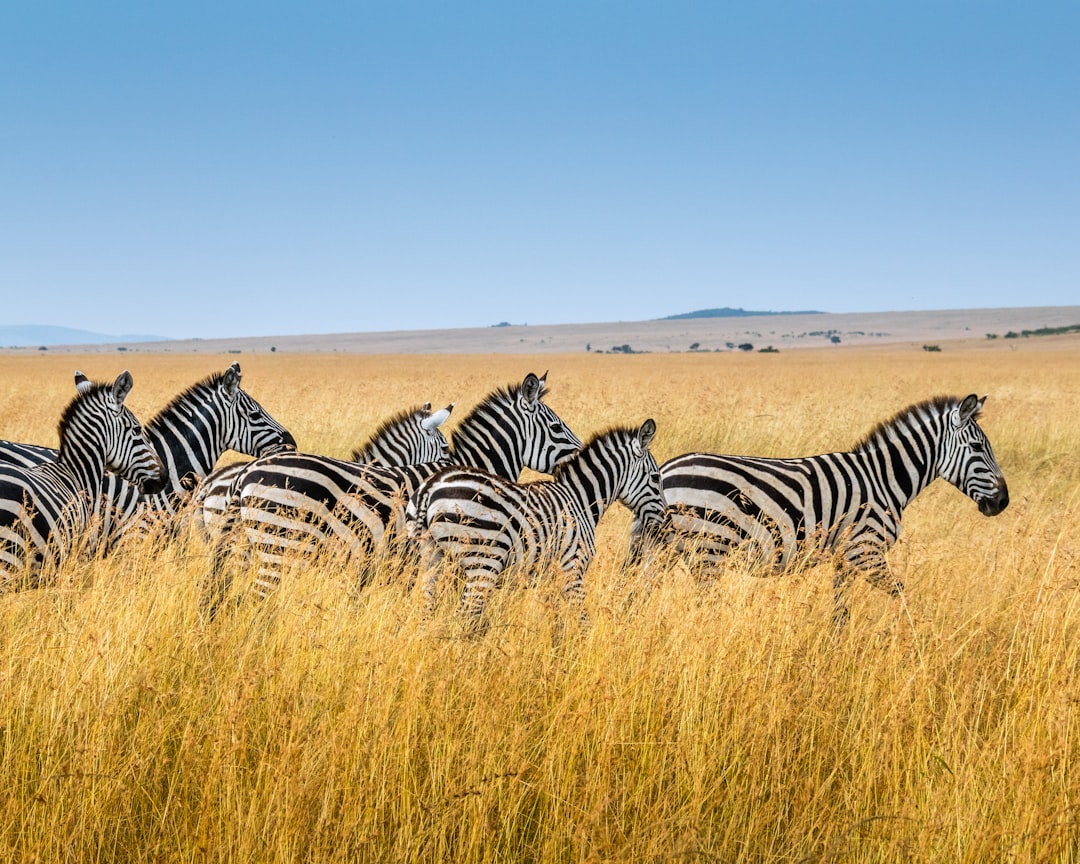
Without humans, evolutionary trajectories would be drastically different, with species that thrived in our absence filling ecological niches we currently occupy. In the precrash state, megafauna biomass was distributed among many megafauna species, each with a relatively narrow ecological niche, but in the postcrash alternative state, megafauna biomass concentrated in one species, humans, which has a very broad ecological niche, meaning that ultimately humans were successful in coopting energy previously shared among other species with big bodies.
Evolution would have continued down completely different paths. Perhaps intelligence would have emerged in dolphins or octopi instead. Maybe birds would have developed complex societies. There is no potential for new megafauna species to evolve into the “megafauna space” as long as humans are so abundant, meaning we have decreased biodiversity for as long as we remain abundant on Earth.
Fire Regimes: Natural Burn Cycles
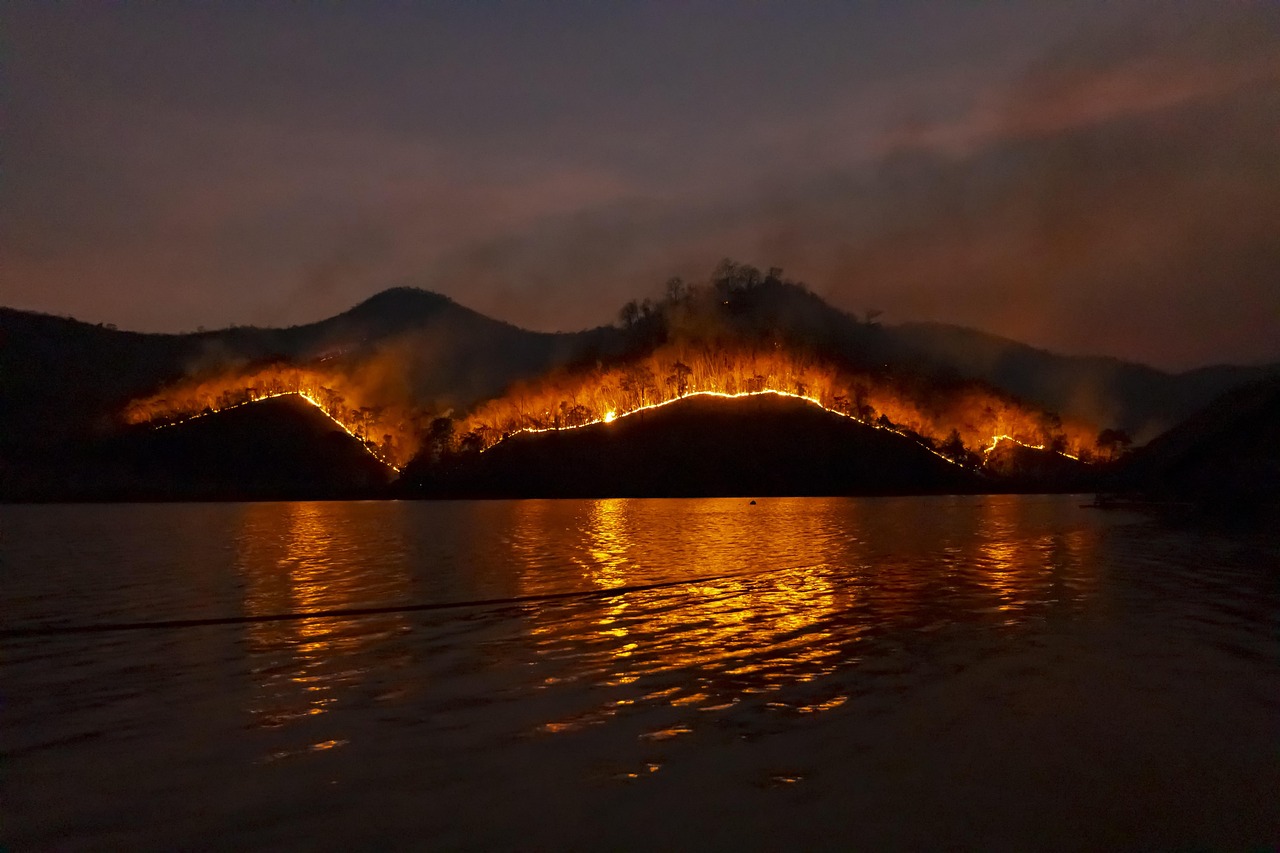
Depletion of herbivorous megafauna results in increased growth of woody vegetation, and a consequent increase in wildfire frequency, while megafauna may help to suppress the growth of invasive plants. Many megafauna species were important seed dispersers, and their extinction altered plant communities, with megafauna grazing helping to control vegetation growth, and their extinction potentially leading to increased fire frequency in some areas.
With large herbivores still roaming the land, fire patterns would be entirely different. These massive grazers would naturally manage vegetation growth, creating a mosaic of grasslands and forests that burns less frequently but more naturally. Lightning-sparked fires would follow ancient rhythms, shaping landscapes without human suppression or ignition.
Nutrient Cycling: The Planet’s Perfect Recycling System
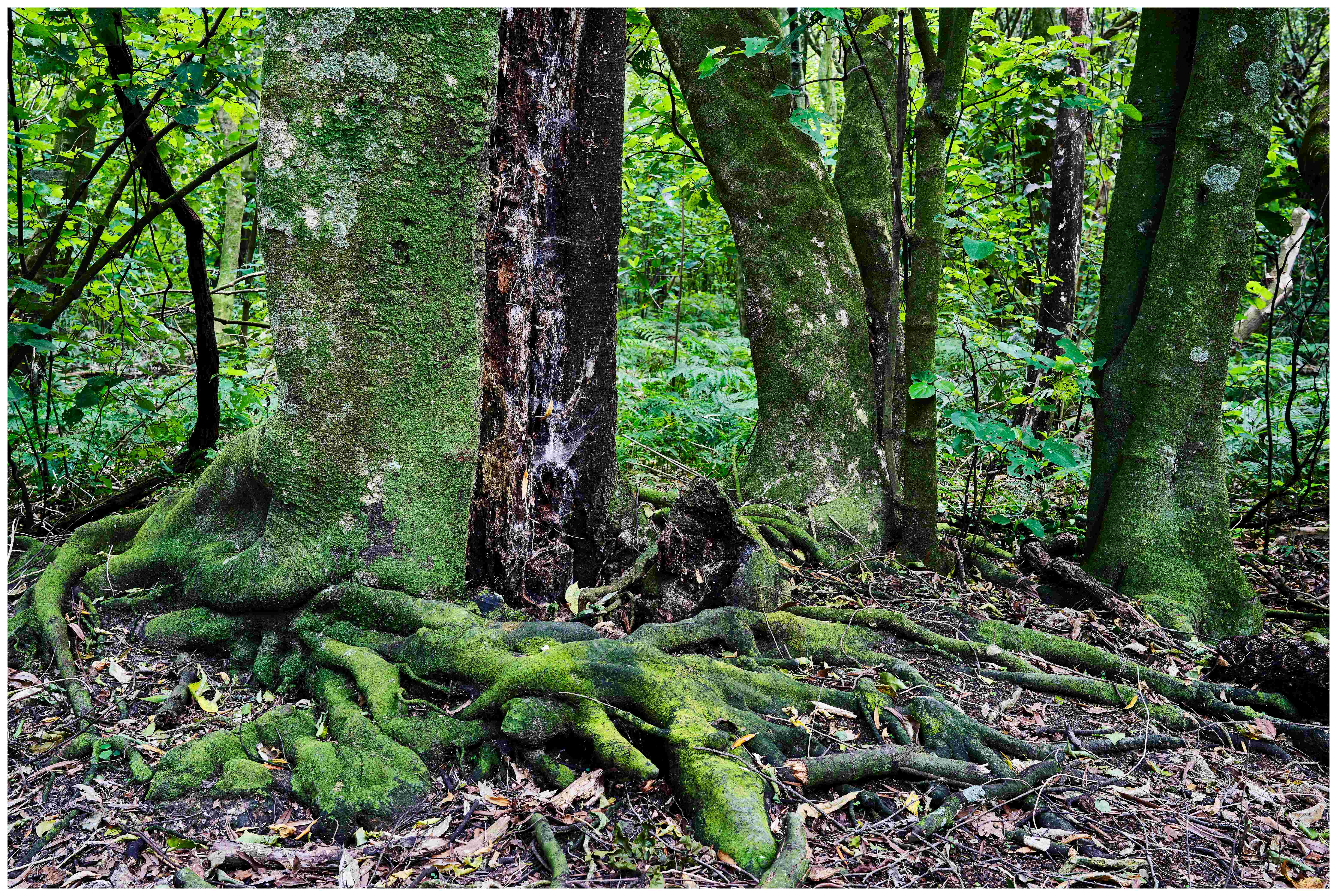
In undisturbed forests, the cycling of nitrogen maintains ecosystem health, facilitating the transfer of this critical nutrient from the soil to plants and back again, but when forests are cleared, this natural balance is disrupted, with removing trees and vegetation for agricultural activities changing the soil’s nitrogen content as the trees that once recycled nitrogen through leaf litter and roots disappear, causing the soil’s capacity to retain and cycle nitrogen to diminish.
Nutrient cycles aid in the functioning of ecosystems and restore ecological balance in which genetic, species and ecosystem diversity remain relatively constant, with the fertility of soil in an ecosystem dependent on efficient nutrient cycling, while the abundance of nutrients is specific to each type of ecosystem.
Without industrial agriculture disrupting these ancient cycles, nutrients would flow seamlessly through ecosystems. Dead plants and animals would decompose naturally, feeding the soil and supporting new growth in an endless, perfectly balanced loop.
The Ultimate What-If: Our Planet’s Hidden Potential
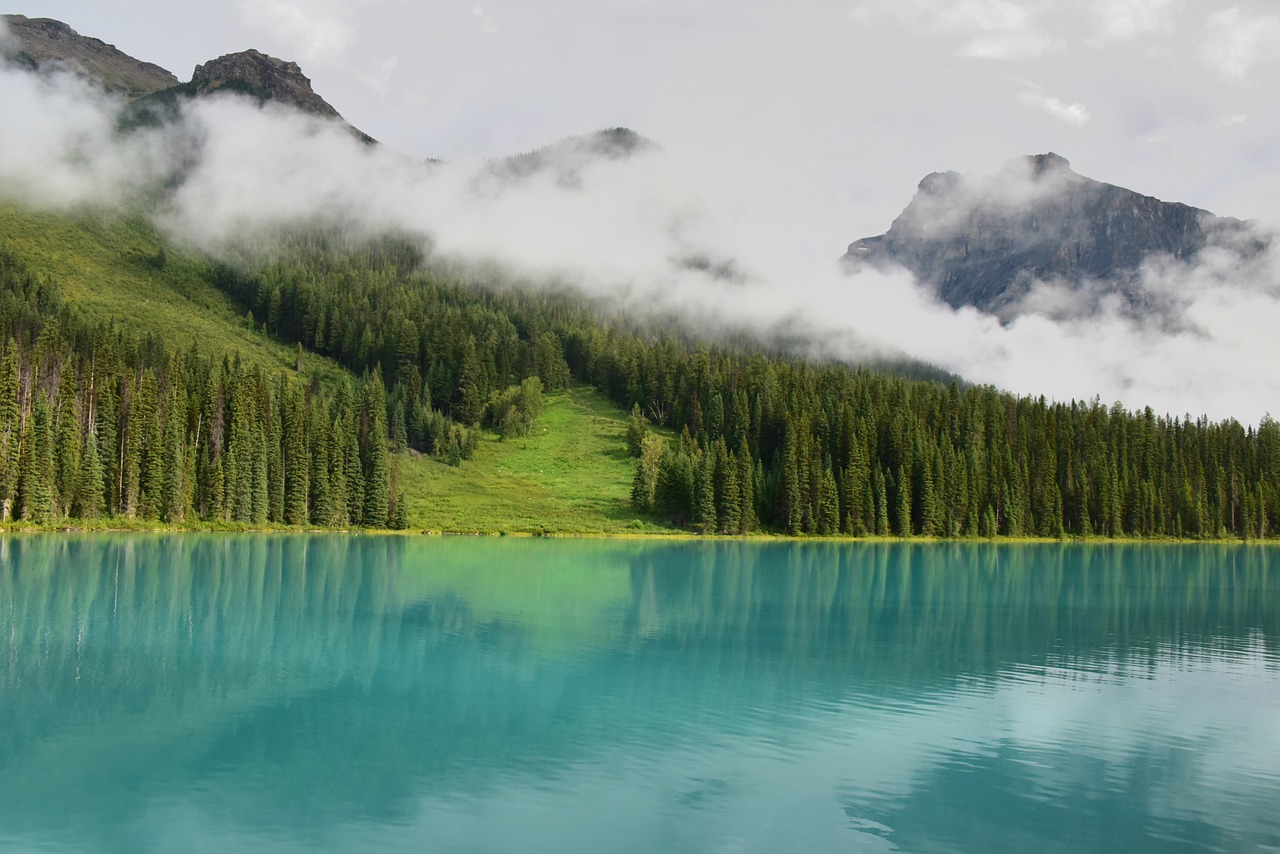
Without humans, could Earth reclaim that diversity? Even if we did suddenly disappear from the picture, it would still take millions of years for the planet to recover from those past extinctions. If humans never existed, the Earth might be a greener, wilder place, but it would also be a world without stories, without history, without the unique spark of consciousness that defines our species, with perhaps the real question not being what Earth would be like without us – but rather, how we can exist without harming it.
This thought experiment reveals something profound about our relationship with Earth. We’ve become so dominant that imagining a world without us seems almost impossible. Yet doing so shows us both what we’ve lost and what we might still be able to protect or restore.
Imagining a world devoid of humanity offers a glimpse into an alternative reality, a planet shaped solely by the forces of nature, free from the dominance of a single, hyper-intelligent species, highlighting the fragility of ecosystems and the responsibility we bear as stewards of our planet.
The Earth without humans would be a world of giants and pristine wilderness, where natural processes reign supreme. While we can’t turn back time, understanding this alternative timeline helps us appreciate what we’ve inherited and what we’re responsible for protecting. What would you choose to save if you could reshape our impact on this remarkable planet?