
Have you ever glanced up at the night sky and wondered what it would be like if another glowing orb hung beside our familiar Moon? It’s a fascinating thought experiment that sounds like something straight out of science fiction. Yet the implications of such a scenario run deeper than you might expect, reaching into the very fabric of life on Earth itself.
Our single Moon has shaped everything from the rhythm of ocean tides to the length of our days. Now imagine doubling that celestial influence. What would happen to our coastlines, our climate, even the animals that rely on lunar cycles? The reality is far more complex than simply having a brighter night sky. Let’s explore the cosmic chaos and unexpected wonders that would unfold if Earth suddenly found itself with two moons orbiting above us.
The Tidal Transformation: When Oceans Go Wild
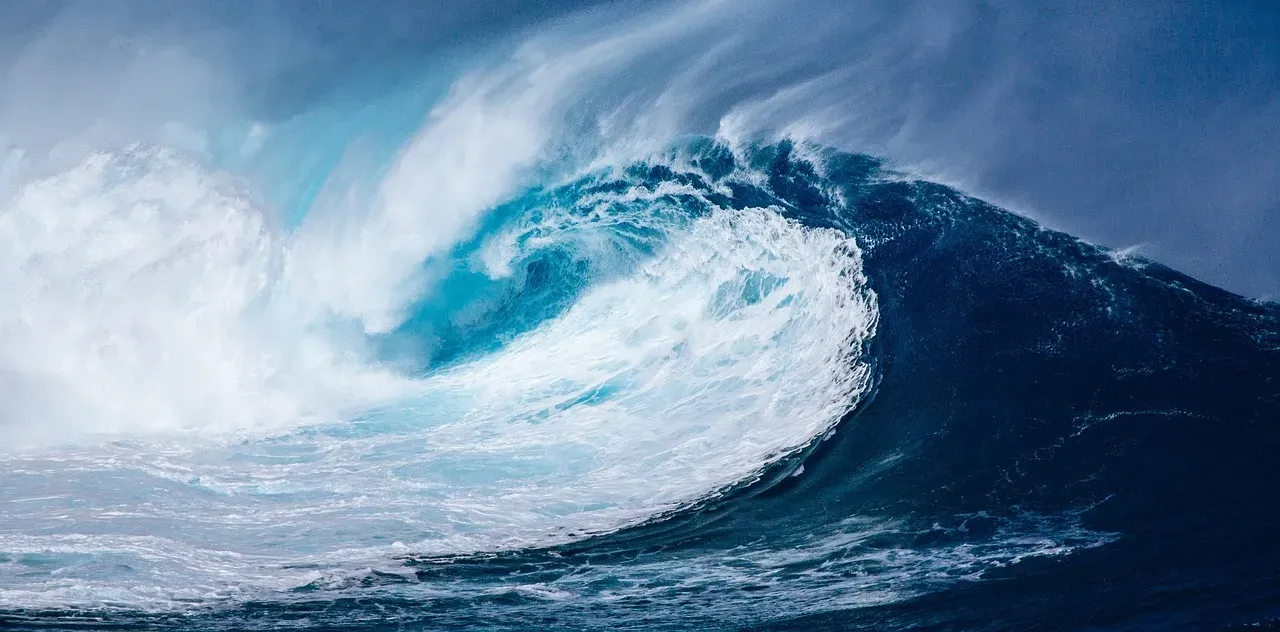
The ocean tides would be dramatically altered, potentially becoming either much smaller or significantly higher, with the possibility of more than two high tides occurring each day. Think about the coastal cities you know. Places like New York, San Francisco, and London would face an entirely different relationship with the sea. If a second moon were positioned halfway between Earth and our current Moon, tides could become eight times higher than what we experience today, and coastal erosion would accelerate far beyond current rates.
Here’s the thing that really gets interesting: the two moons wouldn’t always pull in the same direction. When both moons aligned on the same side of Earth, their combined gravitational forces would create extremely high tides far beyond anything we see today, while positioning them on opposite sides could cause their forces to partially cancel out, resulting in much smaller tides. This unpredictability would make shoreline living nearly impossible. The difference between high and low tide could be measured in thousands of feet rather than the modest variations we’re accustomed to seeing.
A Sky Painted With Double Moonlight
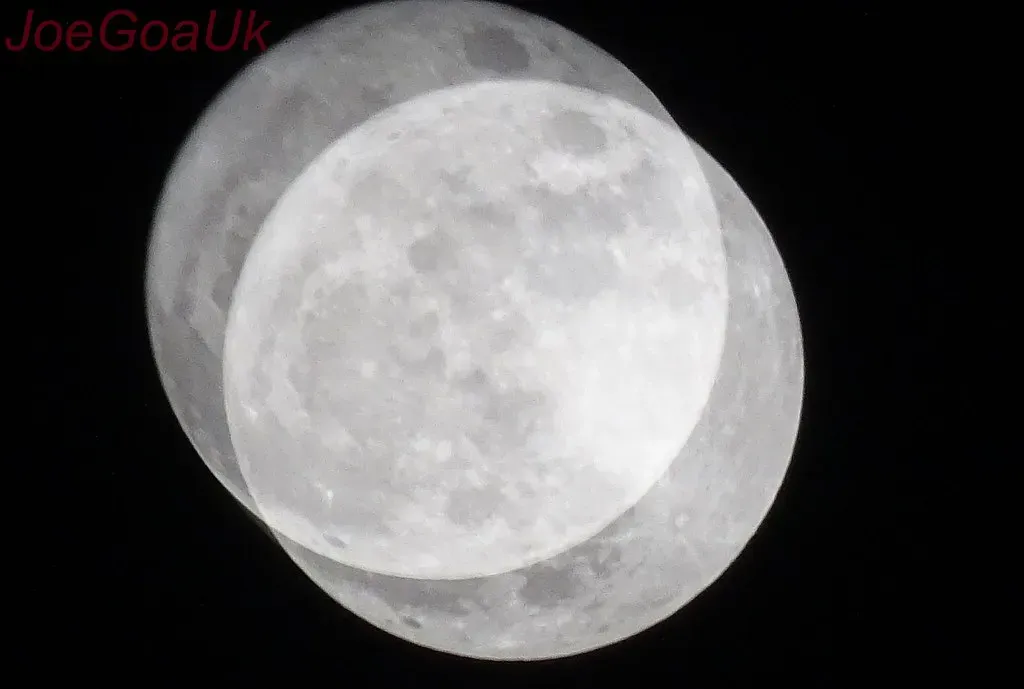
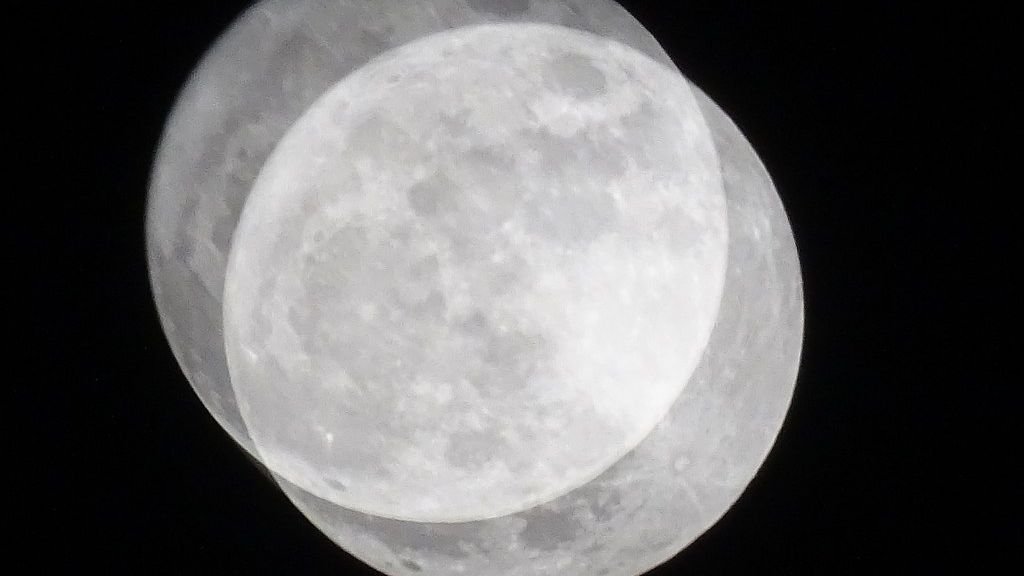
Your evening stroll would never be the same. Nights would become much brighter with two full moons illuminating the darkness, significantly reducing the hours of true darkness we currently experience. Imagine trying to stargaze when the sky is perpetually bathed in silvery light. Astronomers would probably have mixed feelings about this development.
The combined light from both moons would create much brighter nights, and because of their different orbital periods, Earth would experience fewer completely dark nights, fundamentally changing nocturnal ecosystems. Nighttime hunters would have an easier time spotting their prey, while prey animals would need to develop better camouflage mechanisms to survive. Evolution itself would shift gears, potentially creating more cunning and intelligent breeds of nocturnal creatures adapted to this perpetually lit landscape.
The Volcanic Moon: A Spectacular Cosmic Neighbor
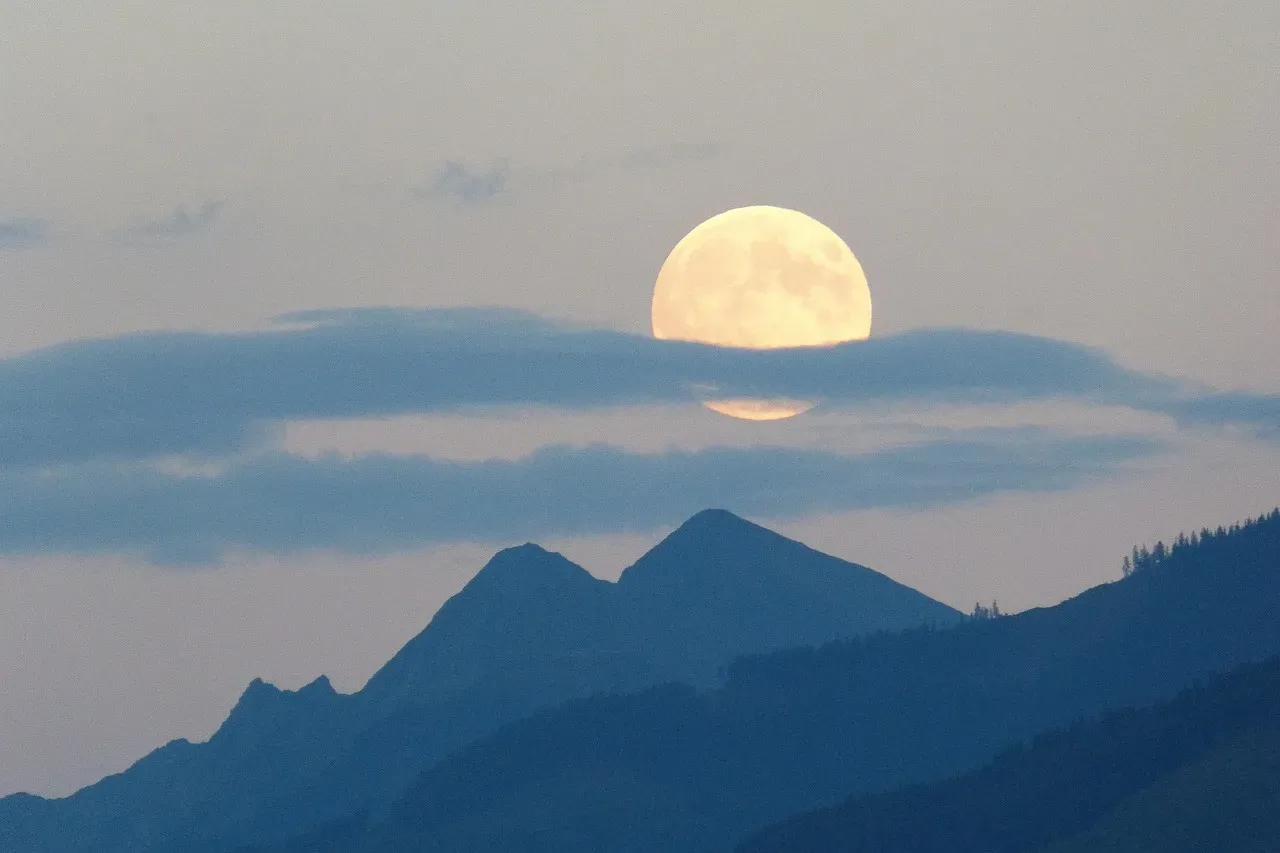
Not all moons are created equal, especially when gravitational forces are at play. If the second moon had a noncircular orbit, the gravitational stresses from its changing distance to Earth could transform it into a volcanic world similar to Jupiter’s moon Io, with the varying gravitational pull causing tidal effects that would stress the moon’s surface. Picture fountains of magma erupting from volcanic peaks, visible even from Earth’s surface.
This volcanic activity would create more than just a spectacular light show. These eruptions would produce space debris entering our atmosphere, creating meteor showers more spectacular than any we know today. However, there’s a darker side to this cosmic fireworks display. The volcanic moon would gradually smooth itself out from constant activity, becoming a beautiful but geologically violent fixture in our night sky. The meteor showers, while stunning, could occasionally pose threats if larger chunks made it through our atmosphere.
Climate Chaos and Seasonal Instability
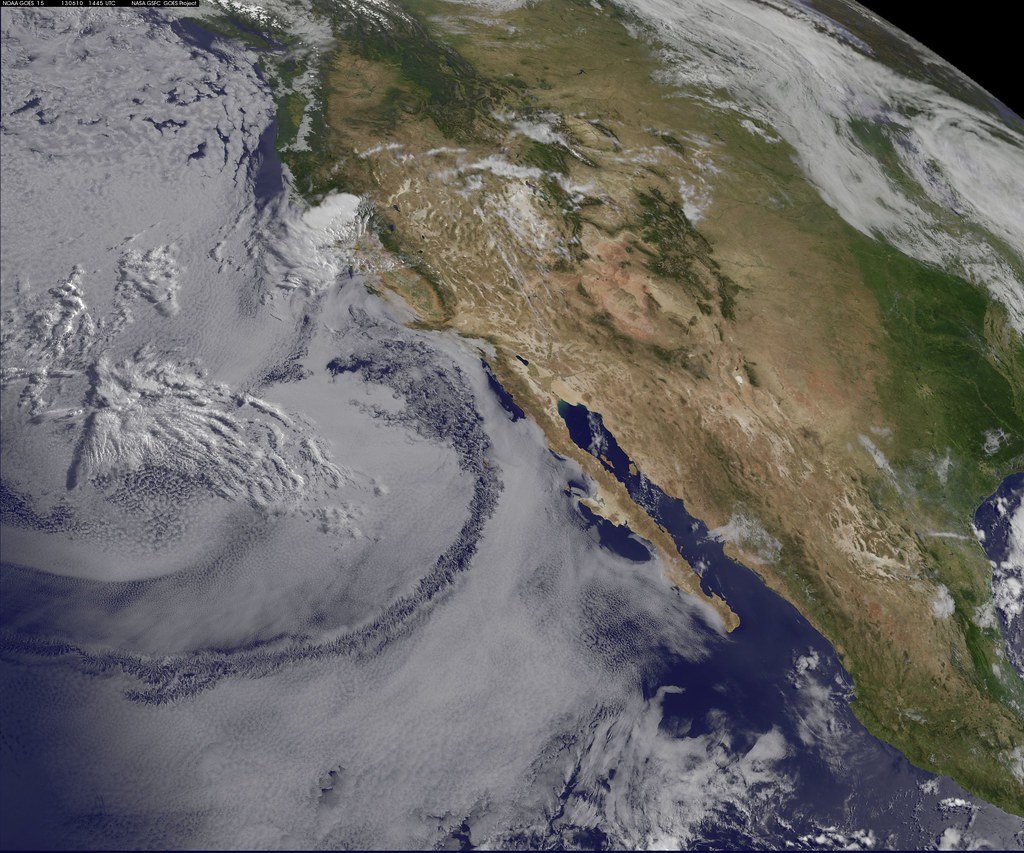
Our single Moon currently stabilizes Earth’s axial tilt, but adding a second moon could disrupt this delicate equilibrium, causing Earth’s tilt to shift more dramatically over time and potentially leading to unpredictable climate fluctuations with more extreme seasonal changes. Think about what that actually means. The predictable rhythm of seasons that life on Earth has adapted to over millions of years could become erratic.
Winters might become significantly colder while summers grow warmer, and the planet could experience ice ages more frequently or face periods of extreme global warming. Agriculture as we know it would face unprecedented challenges. Farmers rely on consistent seasonal patterns to plant and harvest crops. With two moons destabilizing our climate, food production would become a gamble, forcing humanity to develop entirely new approaches to sustaining our population.
Timekeeping in a Two-Moon World

Here’s something you probably haven’t considered: how would we measure time? With two moons in the sky, civilizations would likely develop more complicated calendars, potentially relying more heavily on units like the “parmo” (partial month) rather than our current system based on a single lunar cycle. Our concept of a month is fundamentally tied to the Moon’s phases and orbital period.
While our current Moon takes approximately 29.5 days to complete its lunar cycle, a second moon positioned halfway between Earth and our existing Moon would complete the same cycle in only about 10 days. Imagine coordinating meetings, planning holidays, or tracking pregnancy cycles with two competing lunar calendars. Ancient civilizations would have developed entirely different mythologies, festivals, and religious practices centered around these dual celestial bodies. The cultural impact would be profound and far-reaching.
The Catastrophic Arrival and Eventual Collision
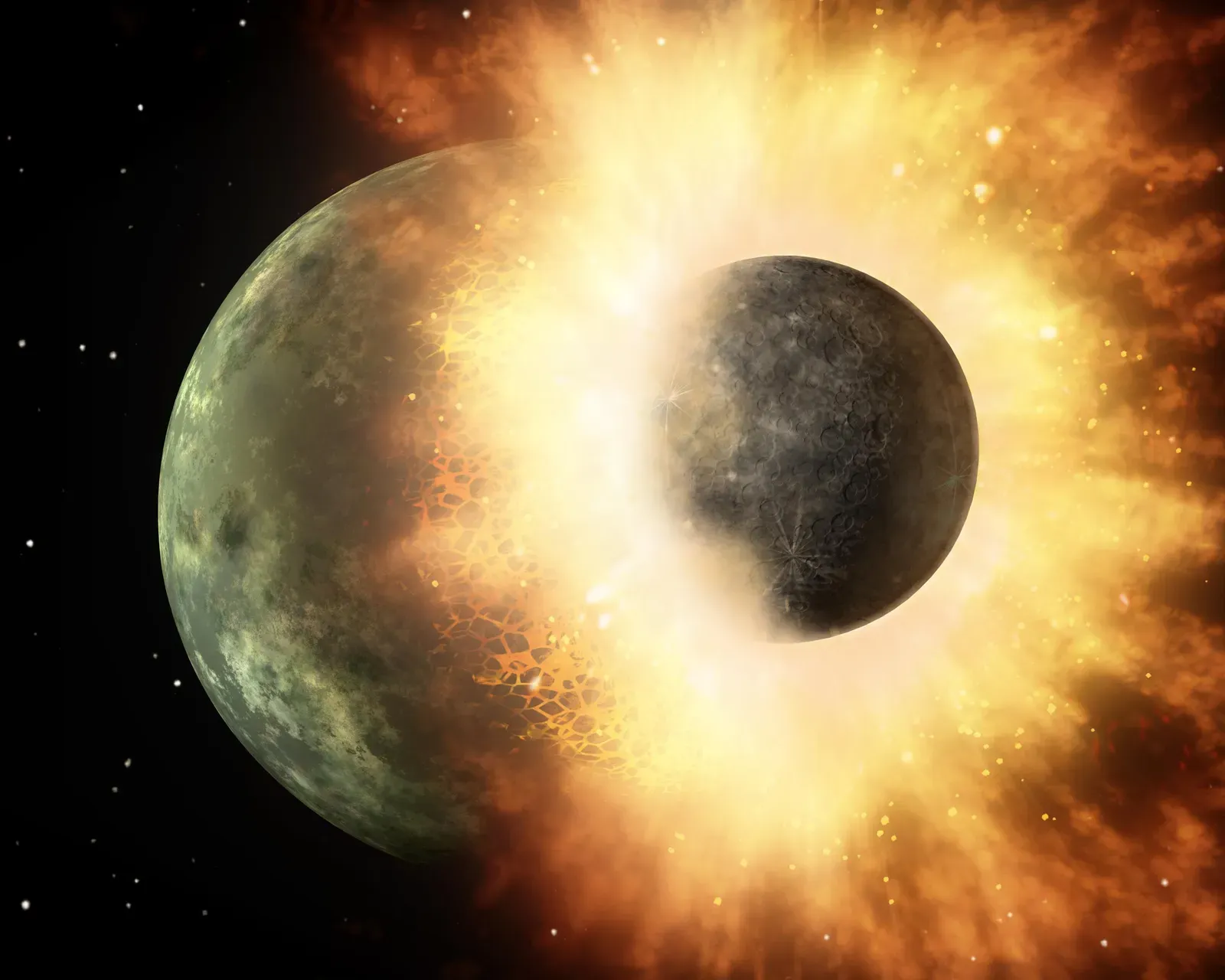
Let’s talk about the elephant in the room: how would Earth actually acquire a second moon? If a second moon were captured by Earth’s gravity, its arrival would trigger absolutely massive tsunamis, earthquakes, and increased volcanic activity, with the ash and chemicals raining down potentially causing a mass extinction event. This isn’t a gentle cosmic addition to our neighborhood.
The story doesn’t end there, either. Eventually, both moons would begin receding from Earth and would ultimately collide with each other, sending debris raining through Earth’s atmosphere and triggering another mass extinction, ultimately resulting in a single moon orbiting Earth once again. Think of it as a temporary cosmic arrangement with a violent beginning and an equally violent ending. Life would get two chances to nearly be wiped out, bookending this dual-moon era with catastrophic events.
Life’s Adaptation to a Brighter Night
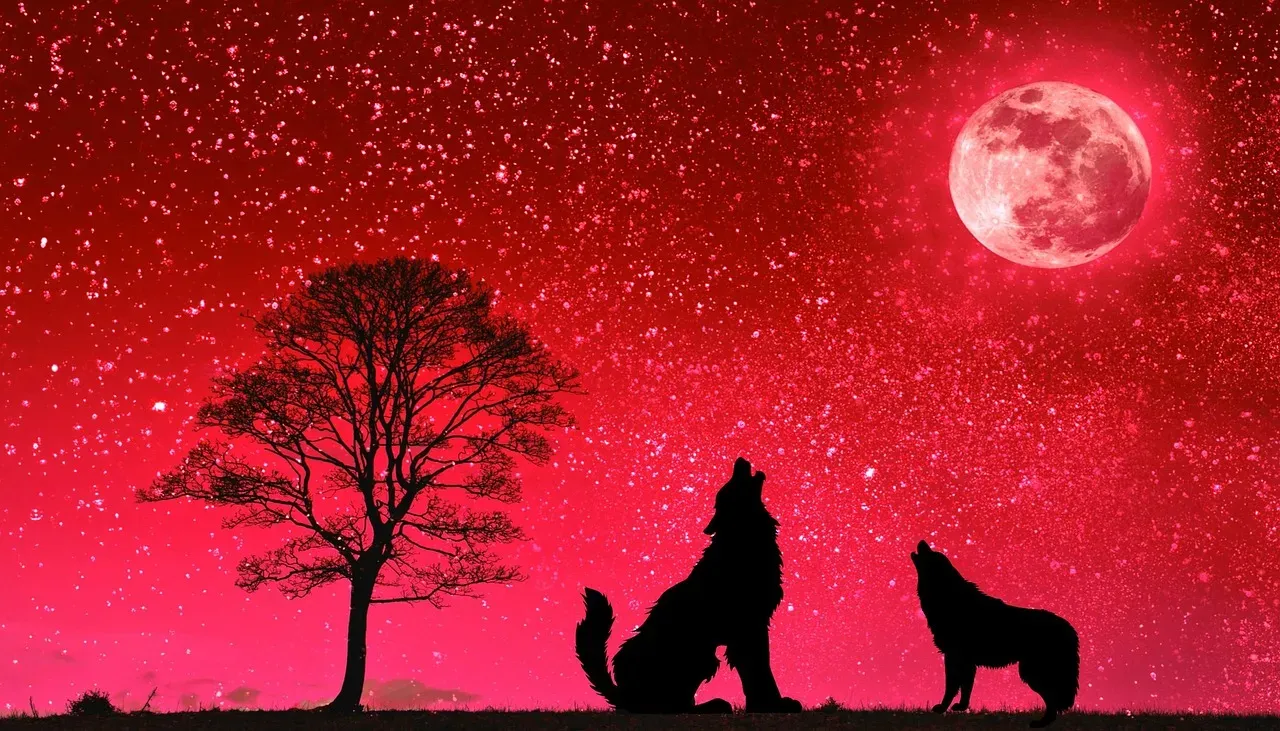
The brighter nights created by two moons would force nighttime hunters to develop enhanced vision for spotting prey, while prey animals would evolve better camouflage mechanisms, potentially driving the evolution of more cunning and intelligent nocturnal animals. This represents a fundamental shift in how life on Earth would develop. Species that currently thrive in darkness would need to completely reimagine their survival strategies.
Consider how this would affect human evolution and culture. Sleep patterns would likely differ from what we know today. Ancient humans might have been more active during these brighter nights, developing different circadian rhythms. Architecture would change too – why build windows to let in moonlight when your bedroom is already bathed in the glow of two moons? The psychological and physiological impacts on human development could be substantial, shaping everything from our myths and stories to our understanding of darkness and light itself.
Conclusion: A Beautiful but Dangerous Reality
The scenario of Earth with two moons paints a picture that’s simultaneously awe-inspiring and terrifying. While the night sky would offer spectacular views and brighter evenings, the price would be steep: unpredictable tides threatening coastal civilizations, chaotic climate patterns disrupting agriculture, and the ever-present threat of celestial collision. Life would adapt, as it always does, but the Earth we know would be fundamentally transformed.
Humanity could potentially survive the arrival of Earth’s second moon, though the journey would be far from easy. We’d face challenges that would test our ingenuity and resilience in ways difficult to imagine. What’s perhaps most striking is how much our single Moon has shaped life on Earth in ways we rarely stop to appreciate. The next time you gaze up at that solitary lunar companion, maybe you’ll feel a bit grateful for the cosmic simplicity of having just one moon watching over us. What do you think – would you want to live in a world with two moons, or are you content with the one we have?