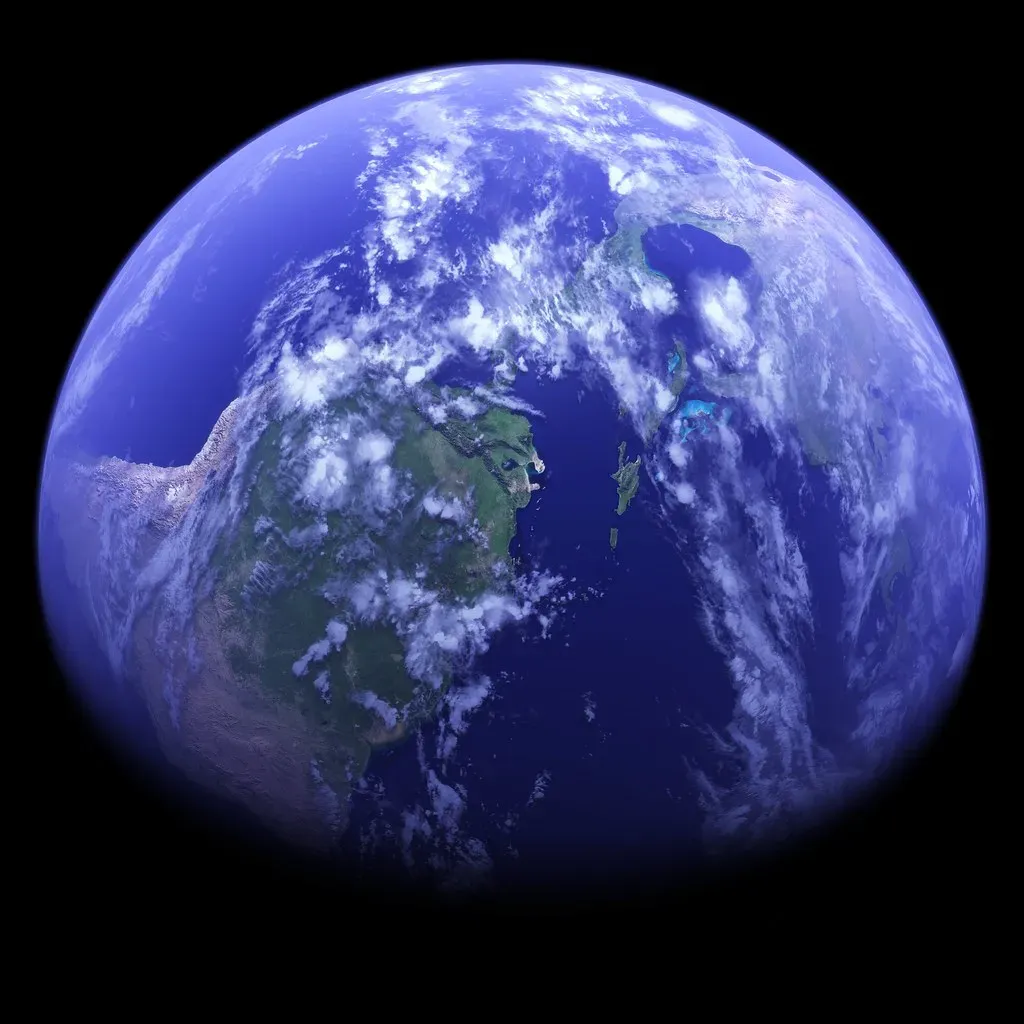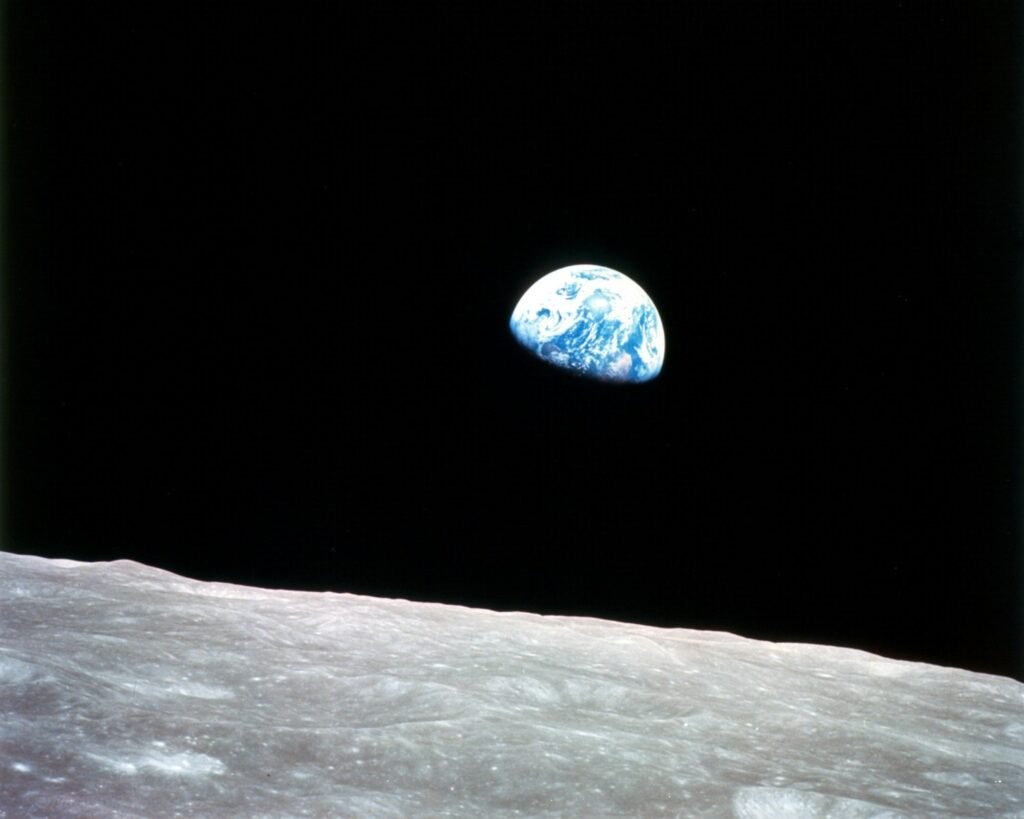

Imagine walking outside at night and seeing not one familiar full Moon, but a bright pair of worlds hanging in the sky, casting double shadows and tugging together on Earth’s oceans and atmosphere. The idea sounds like pure science fiction, yet planetary scientists regularly model similar systems when they study exoplanets and our own early solar system. Thinking rigorously about a two-moon Earth forces us to test what we really know about tides, orbital dynamics, climate, and even the evolution of life. This is not just a visual thought experiment; it is a stress test of the physics that quietly shapes our everyday world. If we take the question seriously, the answers turn out to be far stranger, and far more revealing, than a simple “two moons would be brighter nights.”
How Do You Add a Second Moon Without Breaking the Solar System?
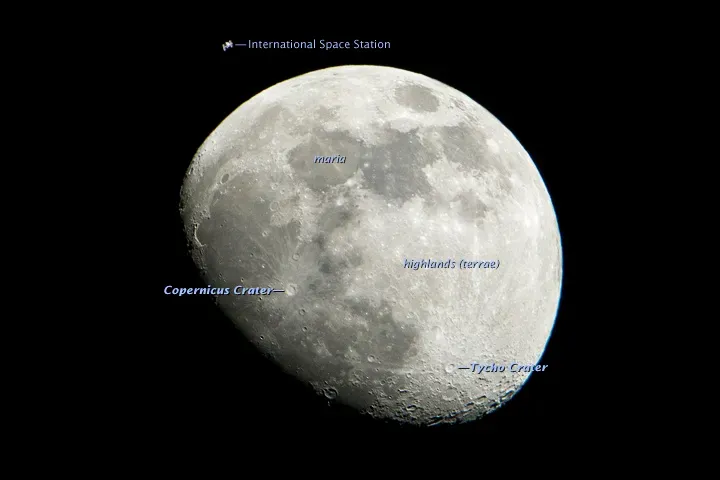
The first problem with a two-moon Earth is brutally practical: where does the extra moon come from, and how does it stay without causing chaos? Our current Moon likely formed about four and a half billion years ago from debris after a Mars‑sized body slammed into the young Earth, and that violent origin helped lock it into a stable orbit over time. To add another similar‑sized moon today would almost certainly mean a catastrophic collision or a captured object that destabilizes the system, so most realistic scenarios assume the two moons formed together early on, or that the Moon we see now is actually the merger of smaller moons that once orbited Earth. Planetary simulations suggest that multiple moons around a terrestrial planet can be stable, but only under very narrow ranges of mass, distance, and orbital alignment.
One workable thought experiment is to imagine two moons each with about half the mass of our current Moon, orbiting at different distances but in the same plane around Earth. If their orbits are spaced far enough apart, they avoid gravitationally yanking each other into unstable paths, yet both still strongly interact with our planet. Another possibility is a “Trojan” moon, sharing nearly the same orbit as the main Moon but sitting ahead of or behind it, balanced in a gravitational sweet spot. These configurations are not purely speculative; we see Trojan moons and multiple‑moon systems among the giant planets, so we know nature can build them. The real question is not whether gravity allows two moons, but what a long‑lived configuration would actually look like from Earth’s surface.
Skies of Silver: How Two Moons Would Transform Nights on Earth
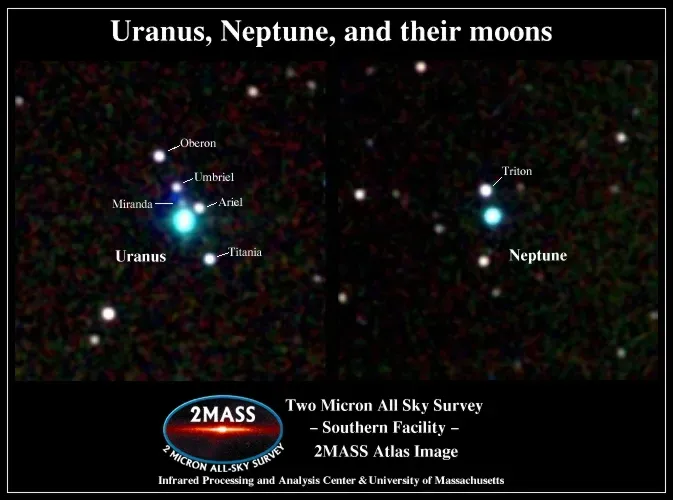
Two moons would rewrite the look and feel of the night sky in ways that go far beyond a prettier photograph. If each moon were roughly half as large as our current one in the sky, they would still be bright enough to cast distinct shadows and light up the landscape, especially when both are near full phase. On some nights you might see them side by side, on others one might hang high overhead while the other hovers near the horizon, like a slow‑moving celestial dialogue across the sky. The patterns of moonrise and moonset would become far more complex, with nights of extended double “moonlight” and other nights when both moons are near new phase, making the sky exceptionally dark.
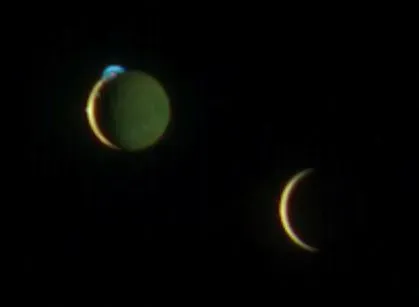
Human perception would adapt to this layered light. Navigating by moonlight might become more common, because the chance that at least one moon is bright and high would increase, lengthening effective twilight for many regions. Astronomers, on the other hand, might quietly curse the dual‑moon setup, because truly dark skies would be rarer, especially if the moons have different orbital periods that keep their phases out of sync. The sight of lunar eclipses would be spectacularly different as well, with scenarios where one moon passes into Earth’s shadow while the other remains fully lit, turning half the sky deep copper while the other half gleams silver. Night, which we tend to think of as a simple switch from light to dark, would become a shifting mosaic of multiple shades and directions of illumination.
Double Tides and Restless Oceans: The New Rhythm of the Seas
The Moon’s gravitational pull is the main driver of tides on Earth, with the Sun adding a secondary but significant contribution. If Earth had two moons, the tides would no longer follow the mostly smooth, predictable pattern that coastal communities and marine life have evolved with over millions of years. Each moon would raise its own bulge of water on the side of Earth facing it and, to a lesser extent, on the opposite side, which means overlapping tidal patterns that sometimes reinforce each other and sometimes cancel out. During certain alignments, the two moons and the Sun could line up to create especially extreme tides, pushing water levels far higher than anything familiar today.
The consequences would play out not just on tide tables but in the lives of organisms that time their behavior to the sea. Many coastal species, from crabs to sea turtles to mangroves, rely on a rhythm of high and low water that repeats in a relatively stable way over days and months. In a dual‑moon world, those cycles might be more complicated, with some regions experiencing extra‑strong cycles that intensify erosion, reshape coastlines, and alter estuaries more rapidly. Shipping routes and harbor engineering would have to deal with larger variability, both in peak water levels and in the timing of safe passages through shallow channels. It is not hard to imagine whole maritime cultures building sophisticated tidal calendars to track the combined pull of both moons, treating the meeting of lunar forces as both opportunity and hazard.
Climate, Seasons, and the Subtle Art of Planetary Stability
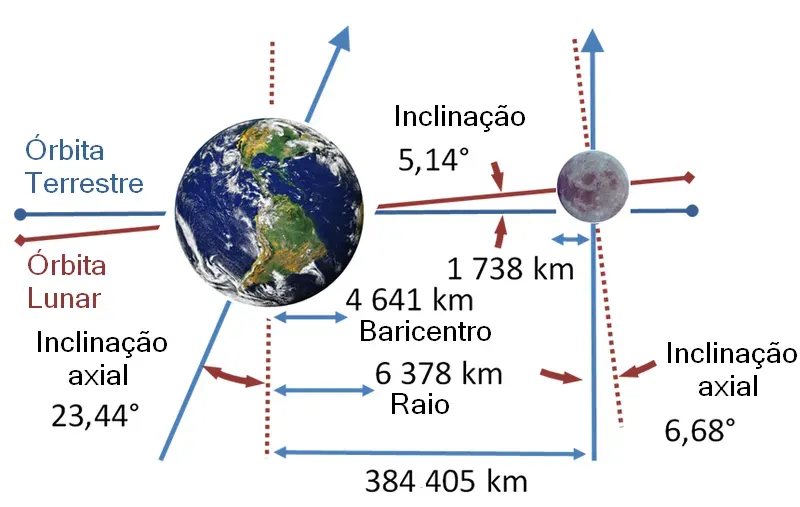
Our single Moon plays an underappreciated role in stabilizing Earth’s axial tilt, which sits at about twenty‑three and a half degrees and changes only slowly over very long timescales. That relatively steady tilt keeps seasons within a range that complex life, and certainly human civilization, can tolerate without constant catastrophic swings. If Earth had two moons, the combined gravitational torque on our planet’s spin axis could be stronger or more irregular, depending on their masses and orbits. Some simulations suggest that without the Moon, Earth’s tilt might wander chaotically over millions of years, so a second moon could either reinforce stability or, if badly placed, inject new instabilities.
In a favorable configuration, two smaller moons might still act as a stabilizing “gyroscope,” spreading the job that our single Moon now performs. In a less friendly setup, their competing pulls could change the rate of precession, the slow wobble of Earth’s axis, altering cycles that already influence ice ages and long‑term climate patterns. That would ripple through everything from monsoon systems to the migration routes of animals that evolved under a different seasonal clock. Even minor shifts in tilt over geological time can mean major swings in where ice sheets form or how far tropical climates extend. In a dual‑moon climate history, the story of Earth’s atmosphere and oceans might have unfolded with different glaciations, different coastlines, and perhaps different opportunities for life to thrive or fail.
Evolution Under Two Moons: Biology in a More Complicated Night
Life on Earth is deeply tuned to the cycles of light and dark, including the monthly phases of the Moon, even though we tend to notice this only in a few dramatic examples. Many coral species release their gametes in mass spawning events timed to specific lunar phases, and countless plants and animals use moonlight as a cue for feeding, mating, or hiding from predators. With two moons in the sky, these cues would multiply or conflict, depending on how their cycles interact. Instead of one neat lunar month, organisms might have to track overlapping cycles, creating opportunities for more finely tuned behaviors but also risks of mistiming critical events.
Nocturnal hunters could gain more frequent bright nights to stalk prey, while prey animals might adapt behaviors specific to particular combinations of moonlight, such as lying low when both moons are bright but becoming more active when only the dimmer one is visible. Bioluminescent species might evolve different strategies in response to a more varied light environment, perhaps shining brightest on the rare nights when both moons are absent or nearly new. Over evolutionary timescales, even subtle changes in the timing of tides and light can nudge species toward novel forms and life histories. A two-moon Earth would likely host ecosystems whose daily and monthly choreography is richer and stranger than what we see today, shaped by a more intricate lunar score.
Myths, Calendars, and Culture: How Two Moons Would Rewrite Our Stories
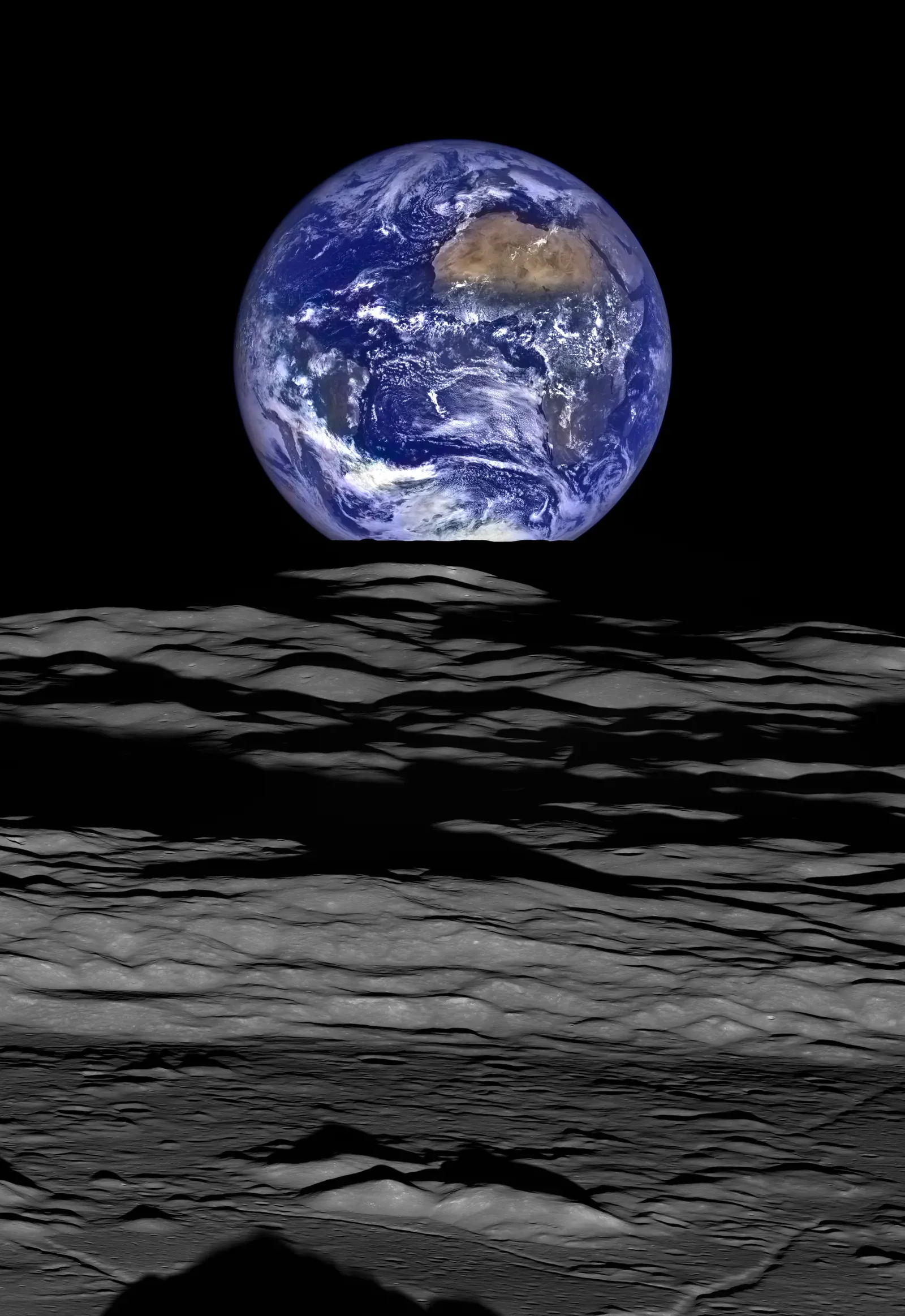
Human cultures have always wrapped meaning around the Moon, from ancient agricultural calendars to myths of gods, monsters, and omens. With two moons, the night sky would offer a far more complex canvas for storytelling and timekeeping. Different civilizations might choose different moons as their primary reference, perhaps favoring the brighter or more regular one, while others could build dual calendars that weave together the cycles of both. Festivals might be tied to rare alignments, such as the night both moons appear full together, which could occur only every so often depending on their orbital periods.
Visually, the symbolism almost writes itself: twin moons representing duality, balance, rivalry, or partnership, becoming central in art, religion, and literature. The moment when one moon eclipses the other, if orbits allowed it, would carry obvious dramatic weight, likely interpreted as cosmic conflict or union long before it was understood as orbital mechanics. Mariners, farmers, and city planners alike would rely on intricate lunar charts not just as practical tools but as cultural artifacts, much as star maps and tide almanacs once did in our own history. Even in a scientifically literate era, people might still feel a visceral connection to the choreography of two moons, treating rare alignments as occasions for reflection, celebration, or anxiety.
The Physics Beneath the Poetry: What a Two-Moon Earth Teaches Us About Planetary Systems
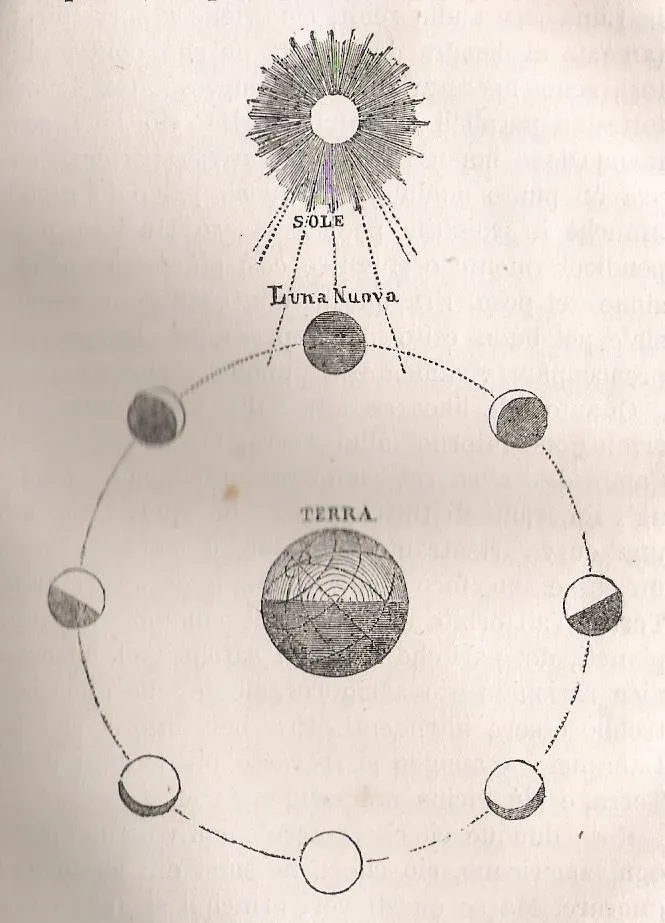
Thinking rigorously about a two-moon Earth is more than a creative exercise; it highlights how delicately balanced our real planetary system is. Many exoplanets discovered so far orbit stars in configurations that at first glance seem wildly different from our solar system, with hot Jupiters skimming near their stars and multiple planets locked in tight resonances. If we imagine Earth with two moons, we are essentially running our own version of those comparative experiments, asking how different gravitational setups might still allow stable climates, oceans, and potentially life. It draws attention to how much of our environment is quietly set by orbital dynamics we rarely see or feel directly.
Comparing the single‑moon Earth we inhabit with a hypothetical dual‑moon version also clarifies why our Moon’s specifics matter: its size, distance, and orbital orientation all feed into tides, axial stability, and long‑term climate. In earlier eras, people could only guess at why the Moon seemed so steady in the sky, while modern physics lets us trace that stability back to angular momentum, resonances, and dissipative processes inside Earth’s interior and oceans. A two-moon scenario forces those concepts into the open, turning abstract orbital mechanics into tangible differences in coastlines, seasons, and evolution. It bridges traditional stories about the Moon’s influence with current models of planet–moon systems, reminding us that our lone Moon is not the only way for a habitable world to be built, just the way ours happened to turn out.
Looking Ahead: Dual Moons, Exomoons, and the Search for Other Earths
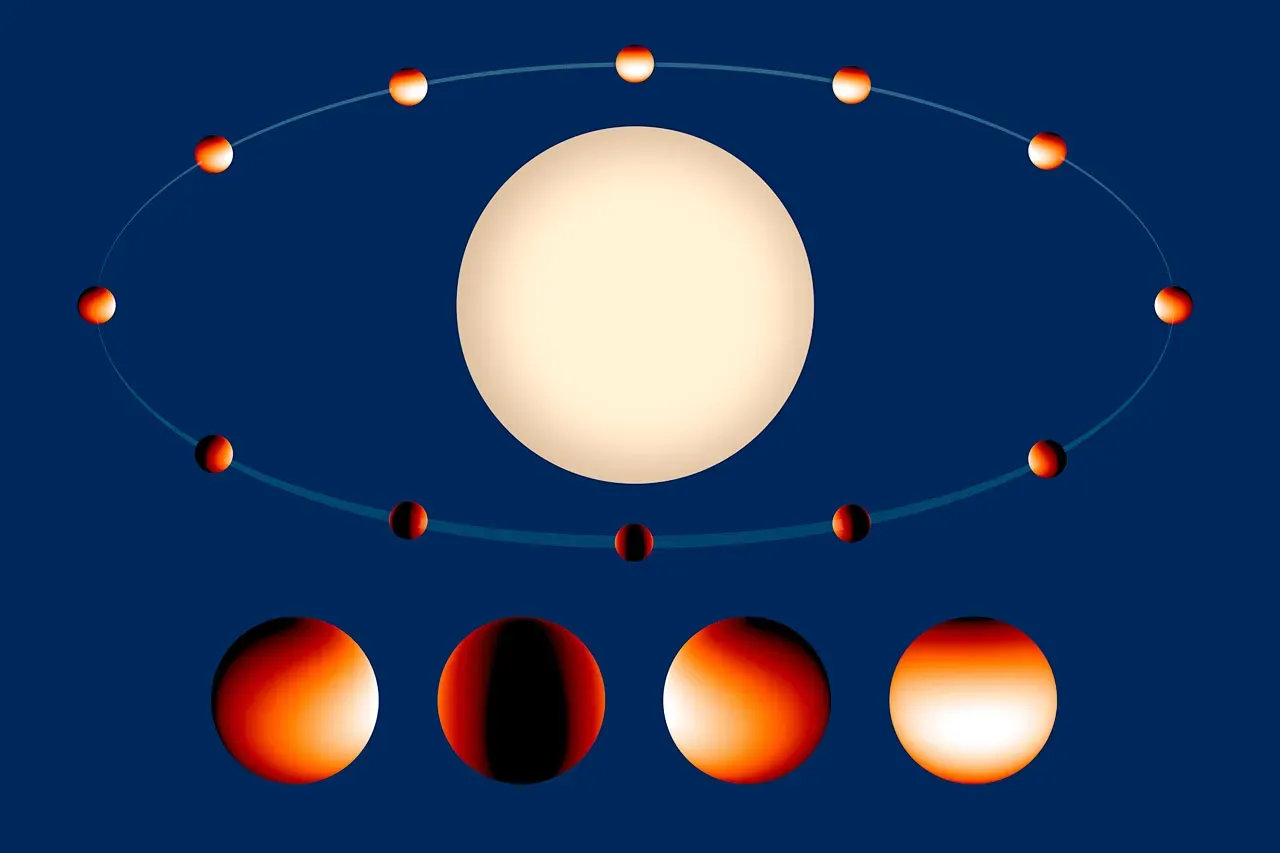
While Earth is unlikely ever to gain a second natural moon, telescopes and missions now under development are poised to tell us whether two‑moon Earth‑like planets exist elsewhere. Astronomers are increasingly interested in exomoons, moons orbiting planets around other stars, because they may play crucial roles in making a world habitable or shaping its climate history. Some theoretical studies suggest that large moons could help stabilize a planet’s tilt or generate tidal heating that affects its geology, and systems with multiple moons might offer even more complex possibilities. If we discover a rocky planet with two sizable moons in a star’s habitable zone, our thought experiments become a starting point for interpreting what that world might be like.
At the same time, robotic exploration closer to home continues to refine our understanding of how moons form, migrate, and sometimes merge or disappear. The more we learn about captured objects, collision debris, and resonant orbits, the better we can judge whether a dual‑moon Earth was ever plausible early in our solar system’s history. Instead of treating our Moon as an isolated curiosity, planetary scientists increasingly see it as one example in a broad family of planet–satellite relationships. A two-moon thought experiment keeps our imagination aligned with that broader view, nudging us to ask sharper questions about what “Earth‑like” really means when we look out into the galaxy.
How You Can Explore the Two-Moon Question Yourself
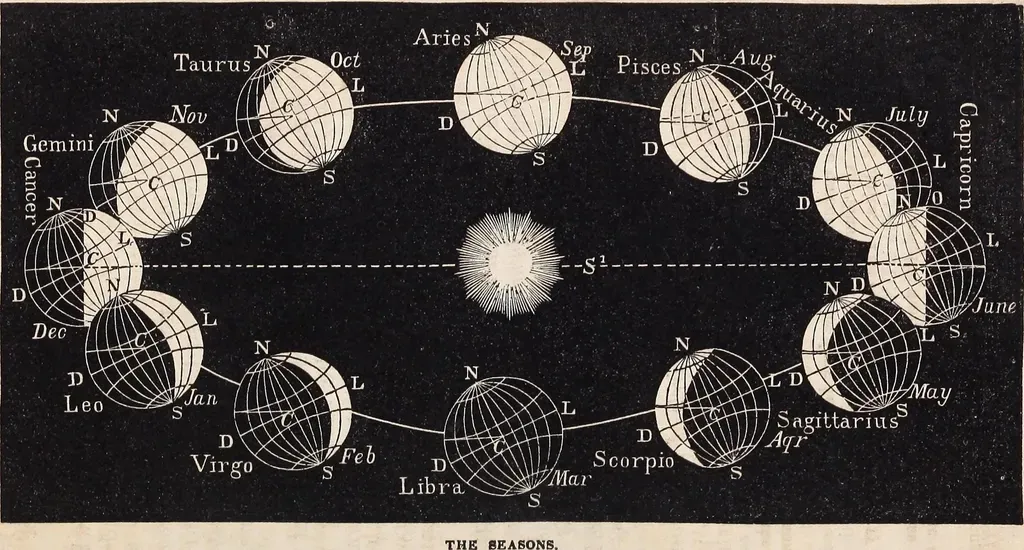
You do not need an observatory or a physics degree to dive deeper into what a two-moon Earth would imply. Simple tide charts, planetarium apps, and backyard stargazing already let you see how our single Moon shapes shadows, tides, and even your own sleep, and imagining a second light in the sky adds a new layer of curiosity to those everyday observations. Educational simulations and open‑source orbital mechanics tools can help you play with different moon masses and orbits, showing in real time how quickly unstable setups fall apart. Even sketching how the phases of two moons might overlap across a month can be a surprisingly eye‑opening way to feel the complexity in your own notebook.
If you want to go further, you can follow research on exomoons, planetary formation, and Earth–Moon evolution from universities, space agencies, and observatories that regularly share accessible explanations. Popular science books and museum exhibits on tides, eclipses, and the early solar system often touch on the same physics that a dual‑moon scenario would amplify. Paying closer attention the next time there is a lunar eclipse or an unusually high tide turns our familiar Moon into a live demonstration of the forces at work. From there, asking how the story would change with a companion moon is a natural next step, and one that keeps sharpening your sense of how fragile and particular our own version of Earth really is.
Suhail Ahmed is a passionate digital professional and nature enthusiast with over 8 years of experience in content strategy, SEO, web development, and digital operations. Alongside his freelance journey, Suhail actively contributes to nature and wildlife platforms like Discover Wildlife, where he channels his curiosity for the planet into engaging, educational storytelling.
With a strong background in managing digital ecosystems — from ecommerce stores and WordPress websites to social media and automation — Suhail merges technical precision with creative insight. His content reflects a rare balance: SEO-friendly yet deeply human, data-informed yet emotionally resonant.
Driven by a love for discovery and storytelling, Suhail believes in using digital platforms to amplify causes that matter — especially those protecting Earth’s biodiversity and inspiring sustainable living. Whether he’s managing online projects or crafting wildlife content, his goal remains the same: to inform, inspire, and leave a positive digital footprint.