
Imagine waking up from a dream so vivid that, for a few seconds, you’re not entirely sure which life is real – the one in your bed, or the one you just left behind. That tiny moment of confusion can feel unsettling, even a little haunting, like you just returned from somewhere you were never supposed to see. Now stretch that feeling into a wild idea: what if your dreams aren’t just random brain noise, but actual windows into other versions of you living in parallel universes?
This possibility sounds like the plot of a late-night sci‑fi movie, yet it taps into questions that real physicists and neuroscientists wrestle with every day. We don’t fully understand why we dream, and we definitely don’t fully understand the true nature of reality. When science hits those gaps, speculation rushes in – and sometimes, those speculations are surprisingly thoughtful. Let’s tug on this thread and see what unravels when we take the idea of dream-as-portal seriously, without losing touch with what we actually know.
The Strange Science of Why We Dream

One of the most shocking things in modern science is how little we truly understand dreams, even in 2026. We know that during rapid eye movement (REM) sleep, the brain becomes almost as active as it is when we’re awake, especially in areas linked to emotion, memory, and imagination. At the same time, parts of the brain involved in logical thinking and self-control quiet down, which helps explain why dreams feel wild and irrational but absolutely convincing in the moment.
Researchers have suggested a bunch of functions for dreams: emotional processing, memory consolidation, threat rehearsal, creativity training, or just the brain “housekeeping” its neural connections. Yet no single explanation fits every type of dream, from mundane scenes of brushing your teeth to bizarre narratives involving flying cities and talking animals. That leftover mystery – the fact that a full scientific consensus still hasn’t landed – leaves just enough room for people to wonder whether dreams might be more than internal simulations, perhaps even tiny cracks in the wall of a larger multiverse.
Parallel Universes: From Wild Idea to Real Physics Debate
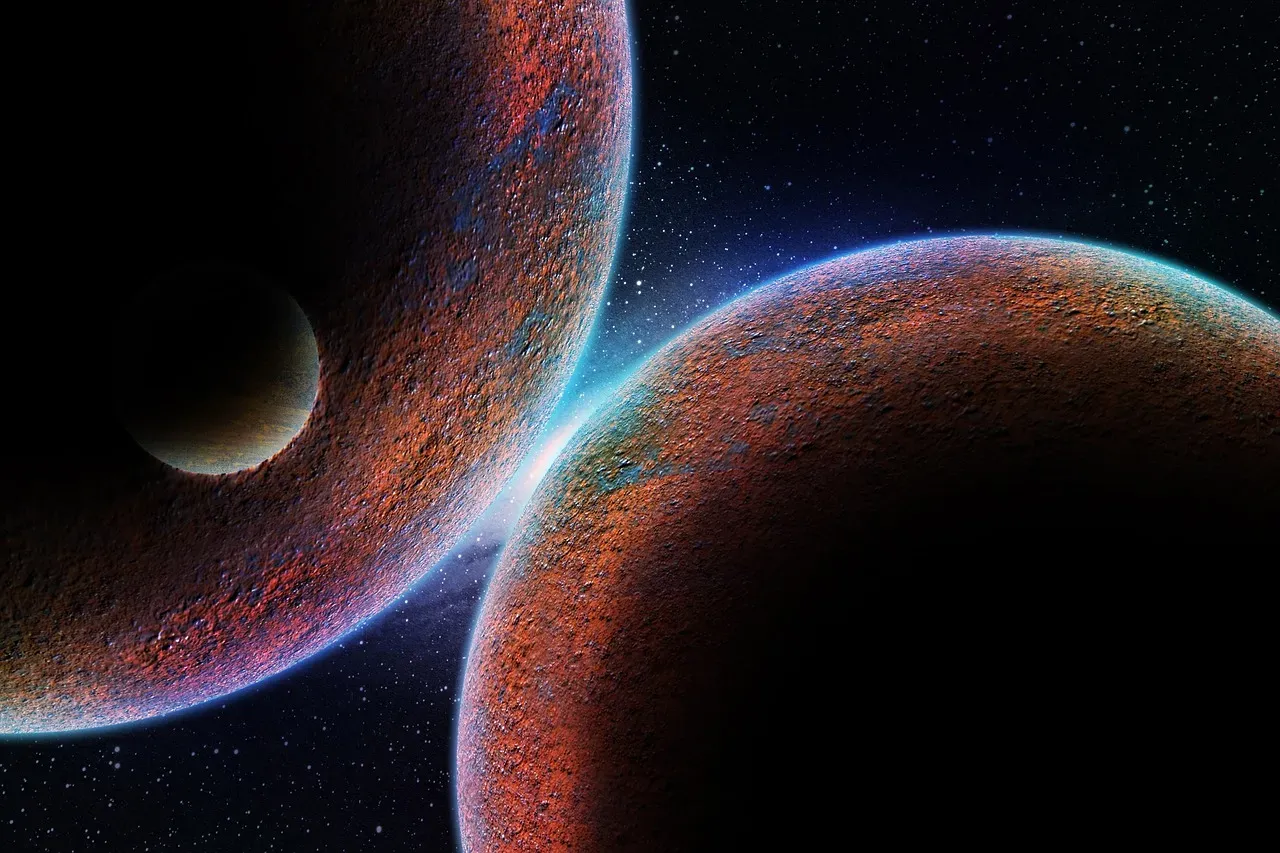
Parallel universes used to sit firmly in the category of fantasy, somewhere between magic portals and comic book storylines. Over the last few decades, however, they’ve slipped into serious conversations in physics, thanks to ideas like the many-worlds interpretation of quantum mechanics and certain models of cosmic inflation. In some of these theories, every possible outcome of a quantum event – a particle going left or right, a decision you make or don’t make – branches into a separate universe where that version of reality plays out.
To be clear, this isn’t “proven” in the everyday sense of the word; it’s one way of making sense of equations that already work very well to describe the microscopic world. But if a multiverse does exist, it implies there might be countless versions of you, living out different choices and possibilities, some very close to your life and others unimaginably far. That simple but staggering idea provides fertile ground for the notion that your dreams might somehow be cross‑talk between these branches, quick visits to lives you might be living elsewhere.
Could the Brain Tune into Other Realities?

If dreams were glimpses of parallel universes, the brain would have to be some kind of antenna, capable of locking onto signals beyond our own physical reality. Right now, nothing in mainstream neuroscience says the brain does this; it’s described as an electrochemical organ generating patterns from within, not a cosmic radio picking up outside channels. The activity we see in brain scans during dreaming looks a lot like internal storytelling built from memories, fragments of experiences, and emotional themes stitched together on the fly.
Still, there’s something oddly compelling about how dreams can sometimes feel more like memories than pure imagination, especially when they involve places we’ve never visited or situations we’ve never consciously experienced. Some people report recurring locations with incredible detail – the same house, the same street, the same fictional city that evolves over years of dreaming. From a scientific standpoint, this can be explained as stable networks in the brain reactivating over and over, like a well‑worn mental map. But if you’re open to more speculative thinking, it’s easy to see how someone might interpret these recurring dream worlds as snapshots of a consistent, parallel life.
Déjà Vu, Dream Premonitions, and the Multiverse Temptation

Almost everyone has had that eerie déjà vu sensation, the feeling that a new situation has somehow happened before. Many people also swear they’ve dreamt about specific events that later unfolded in real life: a conversation, a place they’d never seen, or even a small but oddly precise detail. Psychologists generally explain this through memory quirks, confirmation bias, and the sheer volume of dreams we forget – a tiny number will naturally appear predictive just by chance.
But the parallel universe idea adds a romantic twist: what if those experiences aren’t predictions, but overlaps between nearby realities? In that view, your dream self might be living out a scenario that your waking self will encounter slightly differently, leading to a strange echo when the moments line up. Scientifically, this is not backed by hard evidence; it’s more story than data. Yet from a human perspective, the story can feel powerful, especially when a dream lines up with reality so closely that the rational explanations feel unsatisfying, like trying to explain thunder with a polite shrug.
Psychological Power: When the Theory Changes the Dreamer
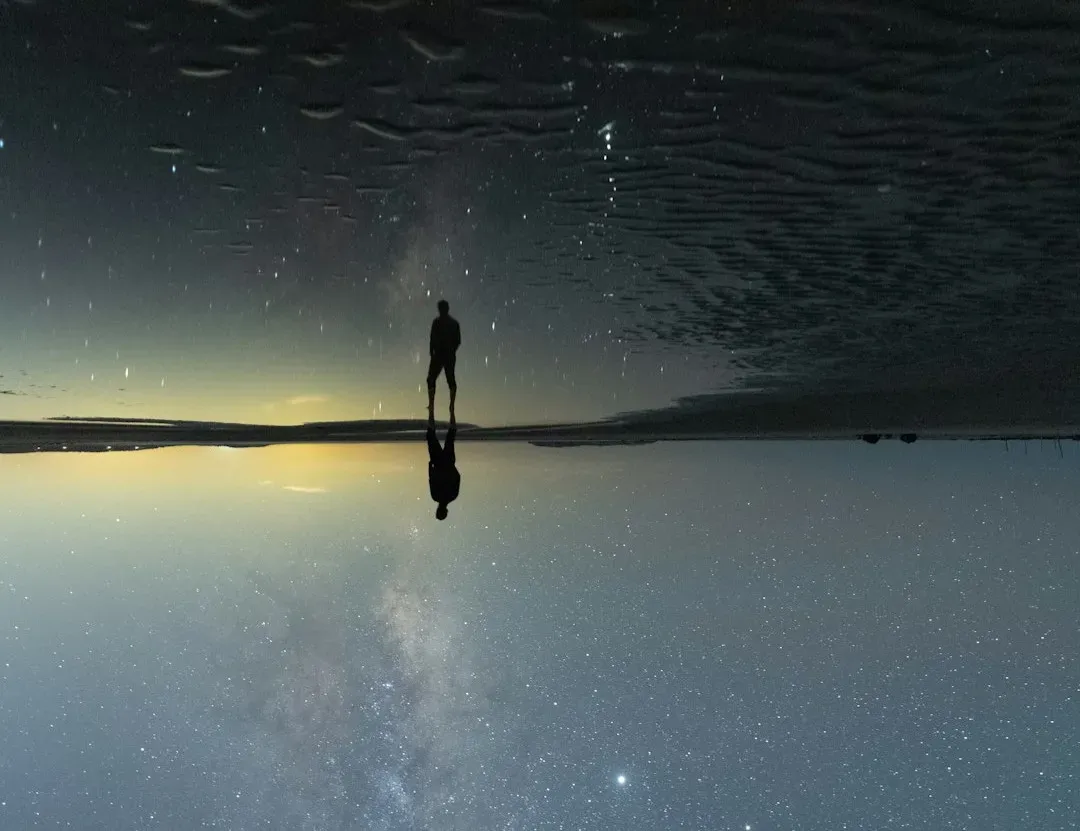
Whether or not dreams are actual portals, believing that they might be can change how you relate to your own life. If you see dreams as glimpses of other selves, those alternate versions of you can become mirrors, reflecting back different choices, fears, and desires. A dream where you quit your job, move to a new city, or repair a broken relationship might feel like more than fantasy; it can feel like a challenge from another path you could take right now, in this universe.
Psychologists already know that dreams help us process emotions and rehearse possible futures, even without any multiverse attached. Adding the parallel universe layer is like putting a dramatic filter over the same process: it turns ordinary mental simulations into epic, cross‑reality experiments. The risk is drifting too far from reality and using dreams as literal guidance for big decisions. The benefit, though, is that this perspective can nudge you to take your inner life more seriously, to listen more carefully when another version of you appears in the night and seems a little braver than you felt yesterday.
Lucid Dreaming as Your Personal Multiverse Lab

Lucid dreaming – when you become aware that you’re dreaming while still inside the dream – offers a strange kind of inner laboratory for exploring these ideas. With practice, some people learn to change their dream environment, confront fears, or experiment with different identities and behaviors in a totally safe mental space. Neuroscientists studying lucid dreaming have found unique brain patterns when this happens, including increased activity in areas linked to self-awareness and decision-making.
If you adopt the parallel universe angle, lucid dreams start to look like conscious negotiations with alternate realities, a place where you can talk to other “yous” or deliberately step into new versions of your life. Again, the scientific view is more grounded: it’s you manipulating a vivid simulation generated by your brain. But even as metaphor, treating lucid dreams as a multiverse playground can change the way you think about possibility and choice. When you learn that you can bend the rules so dramatically in your own head, it’s hard not to wonder which rules in your waking life are more flexible than they seem.
Grounded Reality: What We Know, What We Don’t, and Why It Still Matters

Pulling back to solid ground, there is no reliable scientific evidence as of now that dreams provide literal access to parallel universes. Physics theories that propose a multiverse remain deeply debated, and we currently have no method for testing contact between different universes, let alone tracking it through individual dream reports. Sleep research continues to point toward internal processes: memory replay, emotional digestion, creative recombination, and neural maintenance that just happens to feel like a story.
Yet the question itself does something interesting: it forces us to admit how much mystery still surrounds both consciousness and the fabric of reality. Even if dreams are “only” the brain talking to itself, they are still one of the most intimate, strange, and revealing things we experience, night after night. Seeing them as possible glimpses of other worlds might not be literally true, but it can still shift our imagination, our sense of self, and our appreciation for how thin the line sometimes feels between the life we live and the lives we can only visit with our eyes closed.