
Imagine sitting across from your dog one morning, coffee in hand, and your dog looks you straight in the eyes and says, “You know, I’ve been trying to tell you for years that I hate that brand of kibble.” Ridiculous? Sure. Impossible? Well, that depends entirely on what you think “talking” actually means. The question of whether animals have an inner life rich enough to hold a conversation is one of the most fascinating, emotionally loaded, and scientifically complex topics humanity has ever wrestled with.
You might assume science settled this long ago. It hasn’t. In fact, researchers in 2025 and 2026 are still fiercely debating what consciousness even is, let alone which creatures have it. The more scientists dig into the minds of animals, the more extraordinary, surprising, and honestly a little humbling the findings become. Let’s dive in.
The Science of Animal Consciousness Is Having a Moment
You probably haven’t heard much about the “New York Declaration on Animal Consciousness,” but it’s kind of a big deal. Signed on April 19, 2024, by a diverse group of eminent scientists and philosophers, it marks an important acknowledgment of the growing scientific evidence that a wide range of animals, including all vertebrates and many invertebrates, are likely conscious and able to subjectively experience the world. That isn’t just a philosophical statement. It’s a scientific one, backed by real data.
A team of researchers has outlined a new approach for better understanding the depths of animal consciousness, describing a “marker method” that scientists can use to assess it. It involves identifying behavioral and anatomical features associated with conscious processing in humans and searching for similar properties in nonhumans. Think of it like a checklist: the more boxes an animal ticks, the more likely it experiences something resembling inner awareness. The conversation is no longer “do animals feel things?” It has upgraded to “just how deeply do they feel them?”
Defining Consciousness: Harder Than You Think

Before you can attribute consciousness to animals, you must first grapple with its elusive definition. Is it merely sentience, the ability to feel sensations like pain and pleasure, or something more akin to self-awareness, metacognition, or the capacity for complex emotions? Human consciousness itself remains a profound mystery, often described as the “hard problem” of philosophy. Honestly, if we still can’t fully explain our own inner experience, judging another species’ inner life becomes even trickier.
Phenomenal consciousness, the first-person experience of what it is like to be an organism in the world, remains one of the most debated topics in philosophy of mind and cognitive science. The subjective character of experience appears, at first glance, fundamentally distinct from third-person descriptions of physical, biological, or neural properties. This apparent gap makes the question of how consciousness evolved especially difficult to address. It’s a bit like trying to explain the color blue to someone who has never seen it. You can describe wavelengths all day long, but the actual experience? That part stays stubbornly private.
How Animals Communicate: Far More Than Noise
Animals communicate through a variety of signs, such as sounds and movements. Signing among animals may be considered a form of language if the inventory of signs is large enough, the signs are relatively arbitrary, and the animals seem to produce them with a degree of volition, as opposed to relatively automatic conditioned behaviors or unconditioned instincts. You’ve probably watched a dog bark at a stranger or a cat flick its tail in annoyance and thought you knew exactly what they meant. You weren’t entirely wrong.
The sounds animals make, along with their posture and even their scents, can communicate important information to others of their species. This might include feelings such as hunger or fear, as well as attracting mates or warning of danger. Intelligent, highly social animals, like dogs, wolves, dolphins, whales, and primates, are more likely to have complex communication systems. The complexity scales with social need. The more an animal needs others of its kind to survive, the more sophisticated its communication tends to be. Think of it as evolution forcing a language lesson.
Can Animals Actually Learn Human Language?
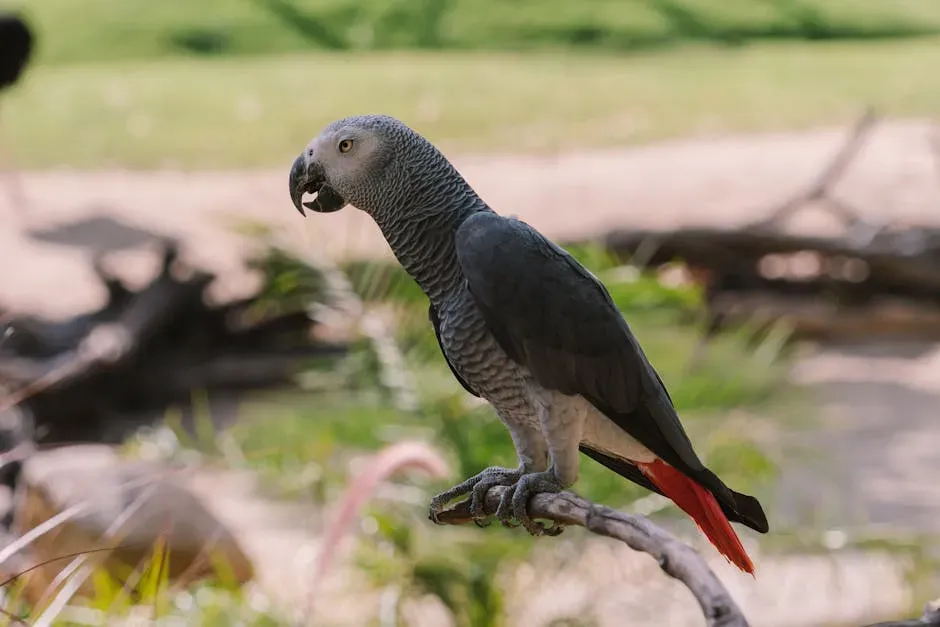
The African grey parrot has shown remarkable linguistic abilities. One of the most famous, Alex, was studied by animal psychologist Dr. Irene Pepperberg. Alex learned over 100 words, could identify colors, shapes, and numbers, and even asked questions, a sign of cognitive ability beyond simple mimicry. He once famously asked, “What color am I?” when looking at himself in a mirror, suggesting some level of self-awareness. That is genuinely astonishing when you sit with it for a moment.
Individuals of some animal species have been taught simple versions of human language despite their natural communication systems failing to rise to the level of a simple language. Yet some animals appear to be smart enough to handle a simple language, but we have yet to discover an animal communication system in nature that rises to this level. Even intelligent animals like apes and dolphins lack the physical ability to produce the full range of sounds necessary for human language. Additionally, while some animals can learn words and signs, few can grasp complex grammar and syntax. There’s a ceiling, it seems, but that ceiling is much higher than most people once assumed.
The Elephant and Dolphin Exception
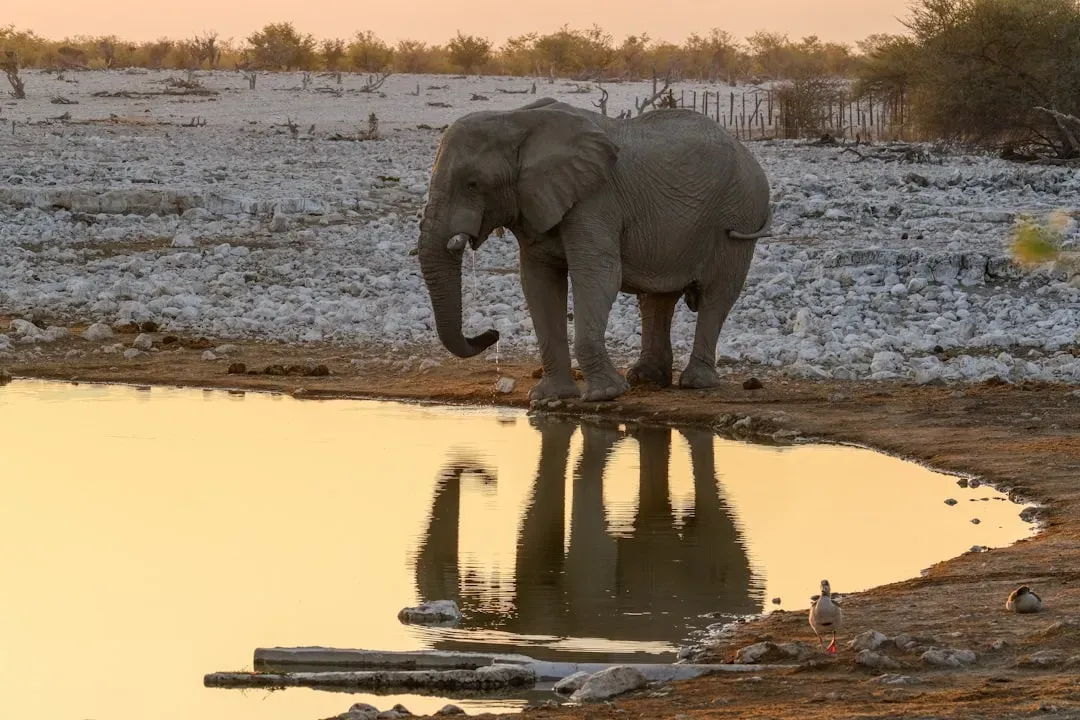
Asian elephants have the greatest volume of cerebral cortex available for cognitive processing of all existing land animals. It exceeds that of any primate species, with one study suggesting elephants be placed in the category of great apes in terms of cognitive abilities for tool use and tool making. That’s not a trivial finding. We’re talking about a creature that mourns its dead, recognizes itself in mirrors, and apparently experiences something very close to PTSD.
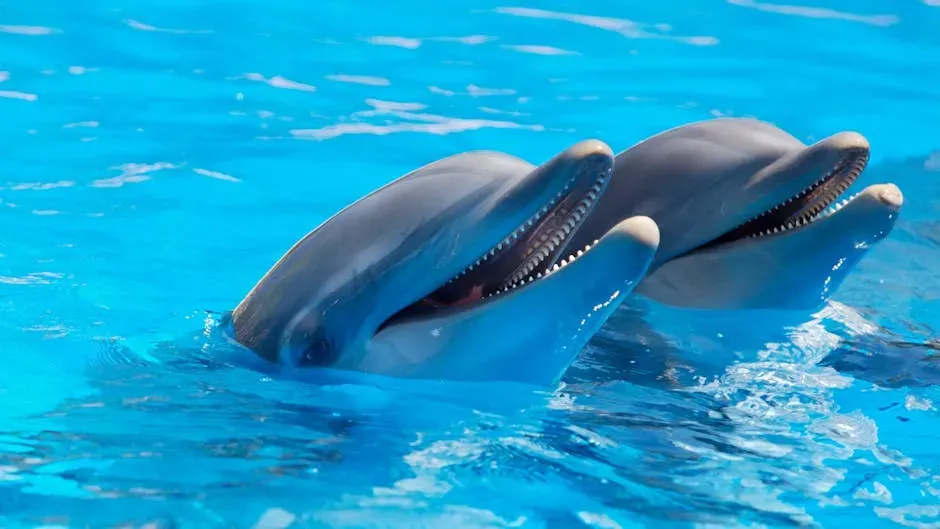
One of the most well-known studies of dolphin communication demonstrated that captive bottlenose dolphins could understand not just simple sentences but also new or unusual combinations of words. What was remarkable was that it demonstrated that the dolphins actually showed understanding of syntax, an advanced linguistic concept. The brain physiology of cetaceans suggests high levels of intelligence, sophisticated thought, and cognition, with bottlenose dolphins even having been taught simple sign language. In other words, dolphins don’t just communicate. They may actually comprehend structure in a way that nudges uncomfortably close to something we’d call language understanding.
Consciousness in the Unlikeliest Places: Insects and Invertebrates

The New York Declaration highlights that there is strong scientific support for consciousness in mammals and birds, and a “realistic possibility” of consciousness in other vertebrates like reptiles, amphibians and fishes, as well as many invertebrates including octopuses, crabs, shrimps, and insects. Yes, you read that right. Insects. This is where many people draw the line, but the science is catching up fast, and it’s genuinely unsettling in the best possible way.
Research shows that insects, like bees, possess advanced cognitive capabilities. Bees can apply abstract rules to new situations and master the concept of zero. These findings suggest that small brains harbor high-level cognitive processes. Recent studies have also revealed that octopuses avoid pain and seek pain relief, suggesting they have subjective experiences, and that cuttlefish can remember details of specific past events, indicating episodic-like memory. That’s not robotic instinct. That looks a lot like something going on upstairs.
The Mirror Test and Self-Awareness in Animals
The “mirror test,” where some animals recognize themselves in a mirror, suggesting a form of self-awareness, has been demonstrated in great apes, dolphins, elephants, and magpies. This is one of the most famous tools in consciousness research. You mark an animal in a spot it can’t see without a mirror, then show it a reflection and watch whether it investigates the mark on its own body. Most animals just see another animal. The ones that understand it’s themselves? That’s a short and remarkable list.
Elephants have joined a small group of animals, including great apes, bottlenose dolphins and Eurasian magpies, that exhibit self-awareness. Although many animals respond to a mirror, very few show any evidence that they recognize it is in fact themselves in the reflection. Evidence of elephant self-awareness was shown when the elephant Happy, at the Bronx Zoo, repeatedly touched a painted X on her head with her trunk, a mark which could only be seen in the mirror. It’s hard to watch that and not feel something shift in the way you view the animal kingdom.
The Evolution of Consciousness: Where Did It Begin?

Competing theories range from early evolution views, which trace consciousness back to the Cambrian period around 540 million years ago, to latecomer theories, which associate it with complex cognition in mammals or humans. This divergence stems largely from unresolved debates about how to identify consciousness in extant animals. Whether consciousness is a recent luxury or an ancient survival tool is one of the biggest open questions in science. I think the evidence leans toward ancient, but that’s still hotly contested.
Consciousness is now believed by some researchers to have evolved in stages, starting with basic survival responses like pain and alarm, then expanding into focused awareness and self-reflection. These layers help organisms avoid danger and learn. The concept of “pathological complexity,” the adaptive challenge of managing life-history trade-offs, provides a compelling functional rationale for the evolution of consciousness. This framework encourages us to consider consciousness as a gradual and multidimensional phenomenon shaped by ecological demands. In short, consciousness may not be a switch that flips on or off. It may be more like a dimmer, gradually brightening across species and evolutionary time.
What This Means for How You Treat Animals
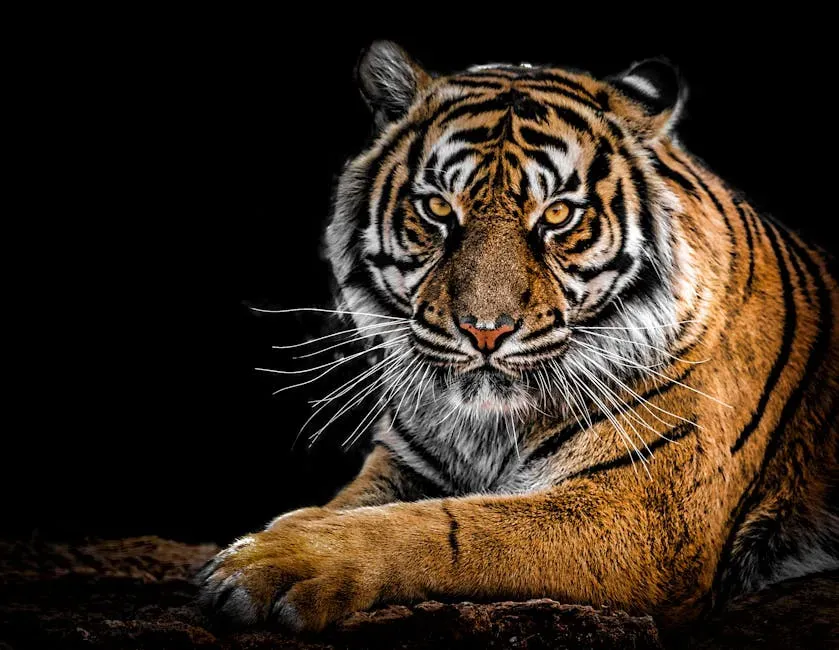
Sentience means being able to feel things. Research confirms that animals experience joy, pleasure, pain, and fear. They are individuals who are sensitive to the world around them, with likes and dislikes, wants and needs. Once you accept that as scientifically grounded rather than sentimental projection, it forces some uncomfortable questions about how you interact with animals in everyday life. Your food choices, your entertainment, your research priorities, all of it becomes fair game for reconsideration.
The New York Declaration states that when there is a realistic possibility of conscious experience in an animal, it is irresponsible to ignore that possibility in decisions affecting that animal, and that we should consider welfare risks and use the evidence to inform our responses to these risks. A strong and rapidly growing database on animal sentience supports the acceptance of the fact that other animals are sentient beings. We know that individuals of a wide variety of species experience emotions ranging from joy and happiness to deep sadness, grief, and PTSD, along with empathy, jealousy, and resentment. The science, in other words, is shifting the moral ground beneath our feet, whether we’re ready for it or not.
Conclusion: The Conversation Has Already Started
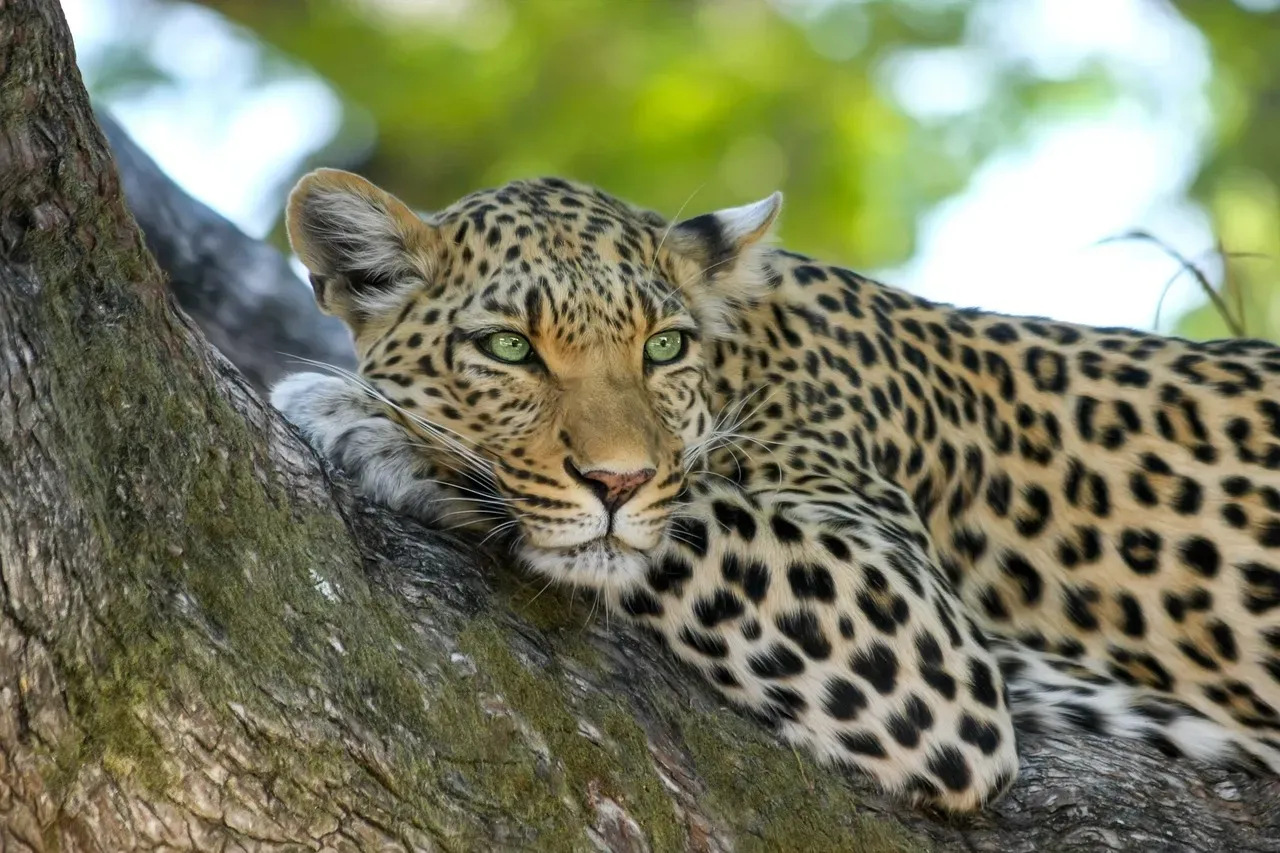
Here’s the thing: animals may never sit down and tell you exactly how they feel in words you’d recognize. The anatomical limits are real, the cognitive gaps are real, and full human-style language almost certainly remains beyond their reach. Yet the deeper question, the one that actually matters, is not whether animals can form a grammatically correct sentence. It’s whether there is something it feels like to be them. The evidence in 2026 is louder than ever that the answer is yes, in ways that should genuinely change how you see every creature sharing the planet with you.
The weight of evidence increasingly suggests that consciousness, in its myriad forms, is not an exclusively human domain. Embracing this reality compels us to look at the world, and our fellow inhabitants, with renewed curiosity, humility, and a profound sense of ethical responsibility. You don’t need an animal to say a single word to know that something is happening behind those eyes. The science is already saying it for them. The only question left is whether you’re truly listening.
What do you think? Would knowing that animals are conscious change how you treat them? Share your thoughts in the comments.