
Picture this. You wake up one morning, scroll through your phone with your coffee, and every news outlet is screaming the same terrifying headline: a supervolcano has erupted. Not in some distant geological past, but right now, in our interconnected, fragile modern world. Your mind races. What happens next? How bad could it really get? Let’s be real, this isn’t just some disaster movie premise. It’s a scientifically plausible scenario that could reshape civilization as you know it, and the consequences would reach every corner of the planet.
The truth is, supervolcanoes are sleeping giants beneath your feet. While you go about your daily life, these massive volcanic systems quietly simmer underground, holding enough molten rock to unleash catastrophic eruptions. Think about Yellowstone in the United States, Toba in Indonesia, or the rumbling Campi Flegrei near Naples, Italy. Any one of these could blow with little warning, and when they do, the world you live in would change overnight. The real question isn’t if they’ll erupt again, but what you and the rest of humanity would face when they finally do. Let’s dive in.
The Immediate Blast Zone Would Be Apocalyptic
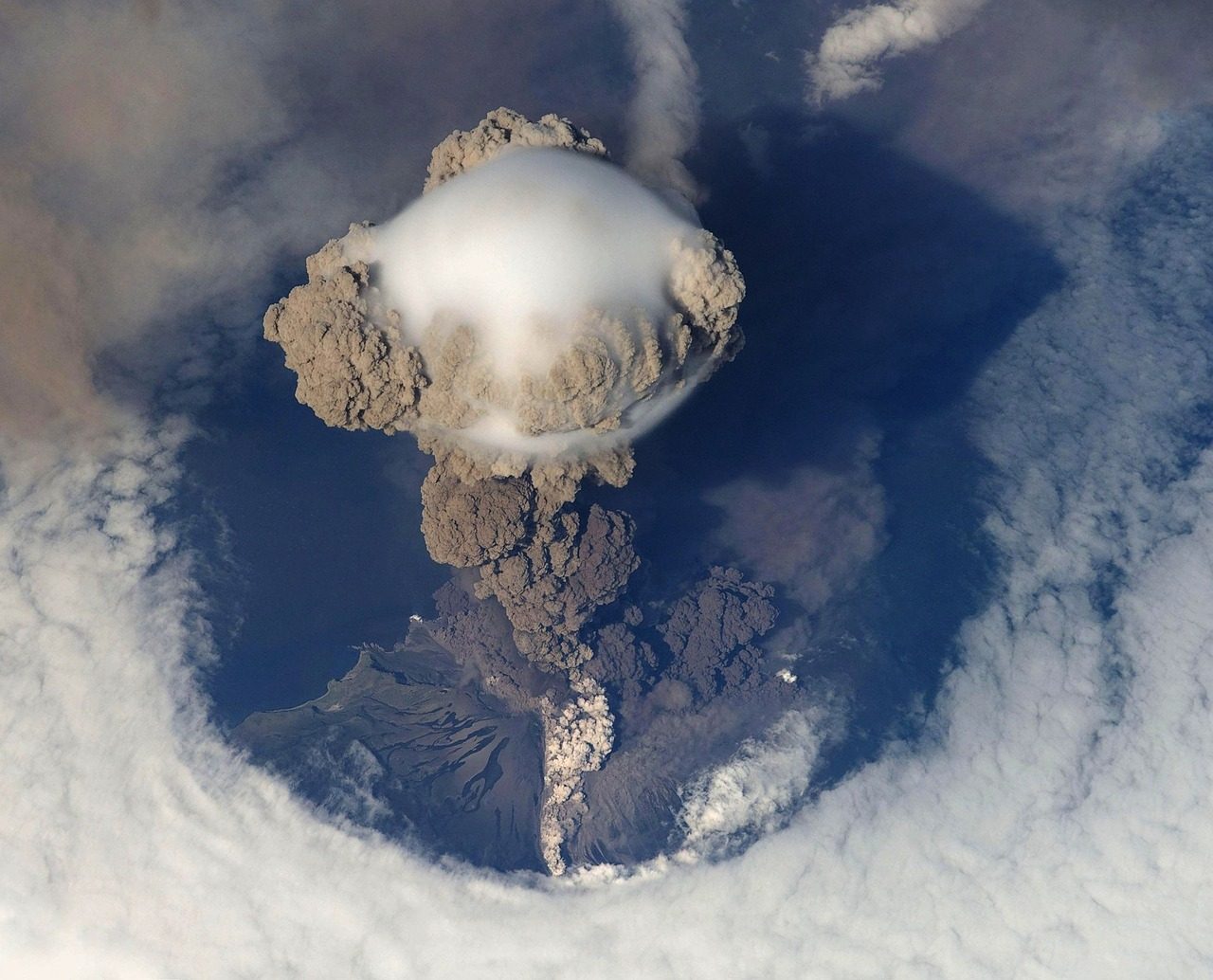
A supervolcano is defined as any volcanic system that has erupted more than 1,000 cubic kilometers of material in a single event. To put that in perspective, a supervolcano must release more than 240 cubic miles of magma, which is truly staggering. If Yellowstone erupted today, the closest states including Montana, Idaho and Wyoming could be affected by destructive pyroclastic flows. These flows are terrifying mixtures of lava blocks, pumice, ash, and superheated gas that race across the landscape at hundreds of miles per hour. Nothing survives in their path.
Honestly, anyone within a few hundred kilometers of the eruption wouldn’t stand much chance. Pyroclastic flows from supervolcanoes can be super-heated to some 1,472 degrees Fahrenheit and cover terrain at speeds between 30 and 60 miles per hour. Buildings would collapse, forests would incinerate instantly, and entire communities would be obliterated within minutes. The ground itself would tremble violently, triggering massive earthquakes. Over half a million people would have to be evacuated from the red zone around a supervolcano like Campi Flegrei, which sits dangerously close to densely populated Naples.
Ash Would Blanket Entire Continents
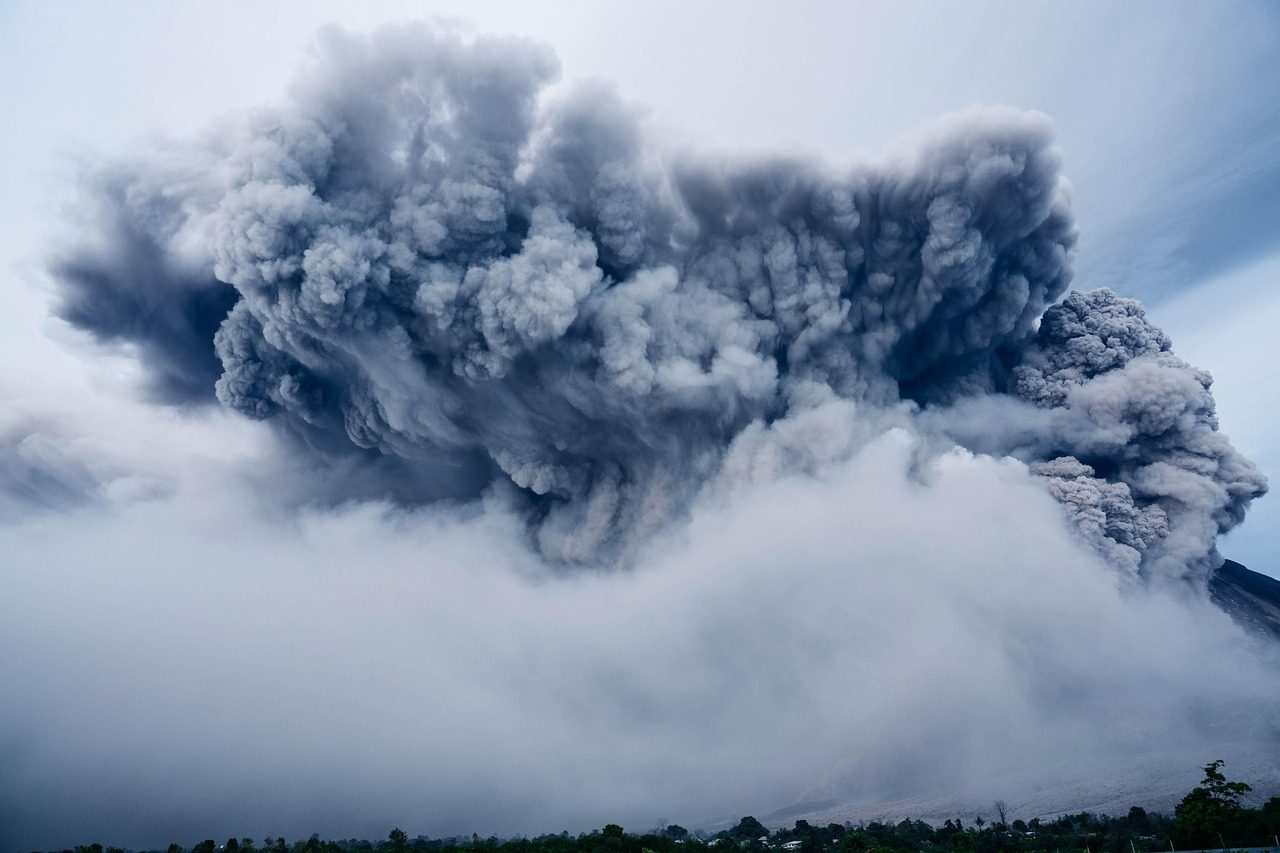
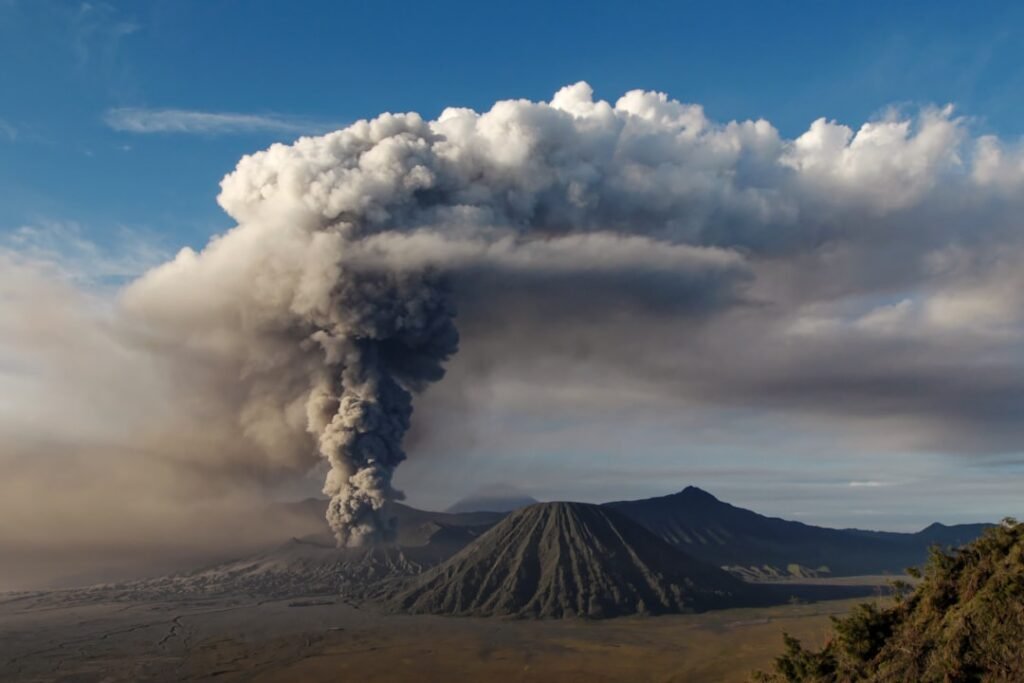
You might think volcanic ash is like the soft stuff from a campfire. It’s not. Volcanic ash is made of tiny fragments of jagged rock, minerals and volcanic glass that is hard, abrasive, and does not dissolve in water. When a supervolcano erupts, it doesn’t just spew lava. It blasts unimaginable quantities of this abrasive material high into the atmosphere, and winds carry it thousands of miles from the eruption site.
Much of the United States could be blanketed in falling volcanic ash, in some places more than three feet deep if Yellowstone erupted. Think about what that means for cities, roads, airports, and farmland. Plumes of volcanic ash can spread over large areas of sky, turning daylight into complete darkness and drastically reducing visibility. Your car wouldn’t start because engines can’t handle the ash. The small, abrasive particles of rock and glass can melt inside airplane engines and solidify on turbine blades, causing engines to stall. Air travel would grind to a complete halt, not just regionally but potentially globally.
The weight of falling ash can even collapse roofs of homes, especially when mixed with rain. Infrastructure would crumble under the burden. Water supplies would be contaminated. Such an eruption could shut down transportation, collapse buildings, short out the electrical grid and cause massive agricultural failure. Within days, the modern conveniences you rely on would vanish.
A Volcanic Winter Would Plunge Global Temperatures
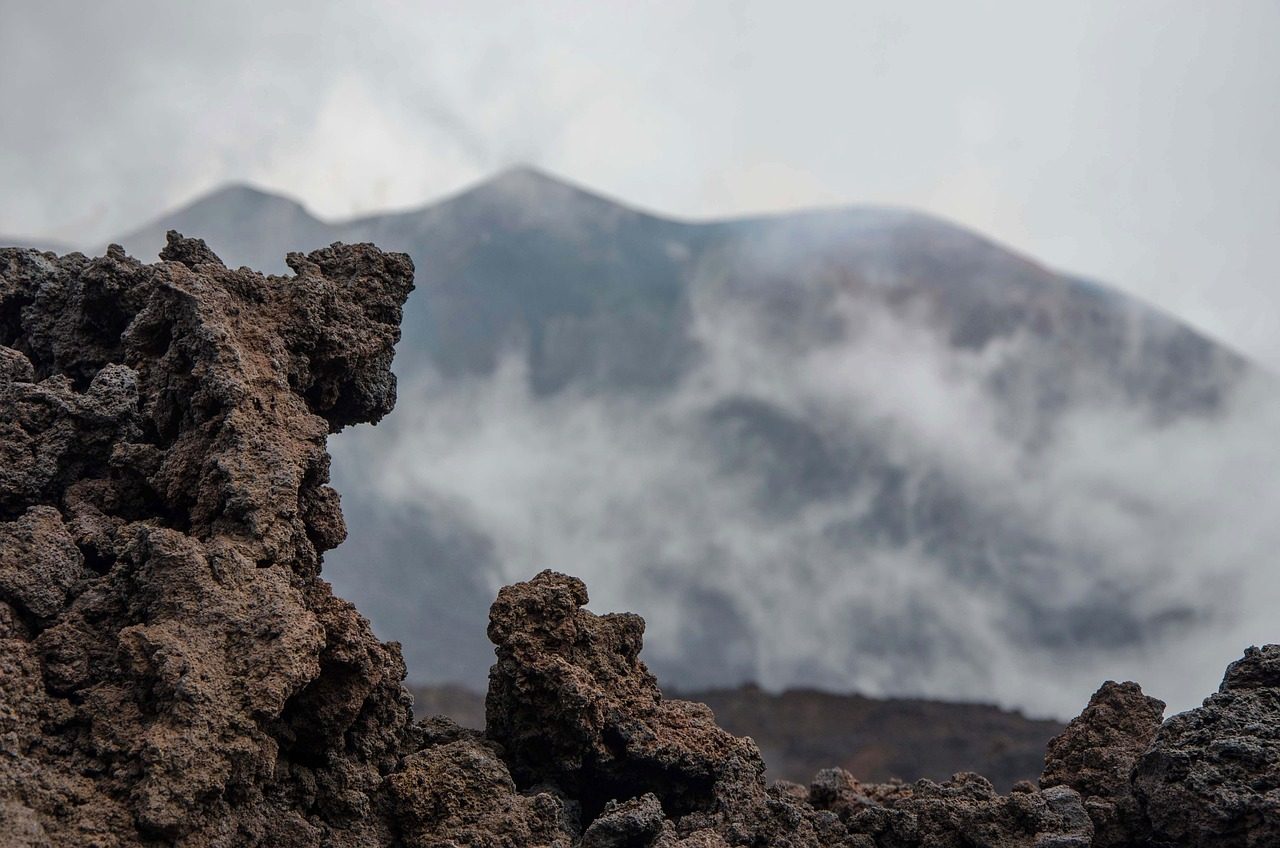
Here’s where things get truly scary on a planetary scale. Volcanic winter is a reduction in global temperatures caused by droplets of sulfuric acid obscuring the Sun after a large, sulfur-rich volcanic eruption. When a supervolcano erupts, it doesn’t just inject ash into the atmosphere. Sulfur dioxide converts to sulfuric acid, which condenses rapidly in the stratosphere to form fine sulfate aerosols. These tiny particles create a global veil that reflects sunlight back into space.
The volcano could impact the global climate by emitting ash and gas into the stratosphere, which could block sunlight and lower global temperatures for a few years. I know it sounds crazy, but even recent studies suggest temperature drops would be significant. Post-eruption cooling would probably not exceed 2.7 degrees Fahrenheit for even the most powerful blasts according to NASA research. That might not sound like much, yet the global temperature of the most recent Ice Age was only about five degrees C below the current average.
Look at historical examples. The 1991 eruption of Mount Pinatubo in the Philippines caused about a half-degree drop in global temperatures for two years. That was a relatively modest eruption compared to a supervolcano. The Toba eruption around 74,000 years ago expelled possibly 2,800 cubic kilometers of ash, and ice-core evidence suggests average air temperatures worldwide plunged by 3 to 5 degrees Celsius for years after the eruption.
Agriculture Would Face Catastrophic Collapse
The thing about volcanic winters is they don’t just make you reach for a warmer jacket. They destroy crops. The main cause of disaster would be destruction of global agriculture and food supply, and after a year of severely reduced food supply, there would be mass starvation. Think about how delicate modern farming is. Crops need specific temperature ranges, adequate sunlight for photosynthesis, and predictable rainfall patterns. A supervolcano would shatter all three.
Survival of agricultural crops and pasture is often severely limited when ash thickness is greater than 100 to 150 millimeters. Even thinner layers cause serious problems. Ashfall can have serious detrimental effects on agricultural crops and livestock, and fluorine poisoning can occur in livestock that graze on ash-covered grass if fluoride is present in high concentrations. Animals would die. Crops would fail across vast regions.
Historical precedent is sobering. Summer temperatures in Europe after the 1815 Tambora eruption were the coldest on record between 1766 and 2000, resulting in crop failures and major food shortages across the Northern Hemisphere. The series of volcanic eruptions in the 1810s led to Europe’s worst famine of the century. Now imagine that scenario today, when global food supply chains are stretched thin and billions more people depend on them. A major Yellowstone eruption would have a huge impact on agriculture in the United States, as all the grain producing states are downwind of the volcano.
The Global Economy Would Shudder to a Halt
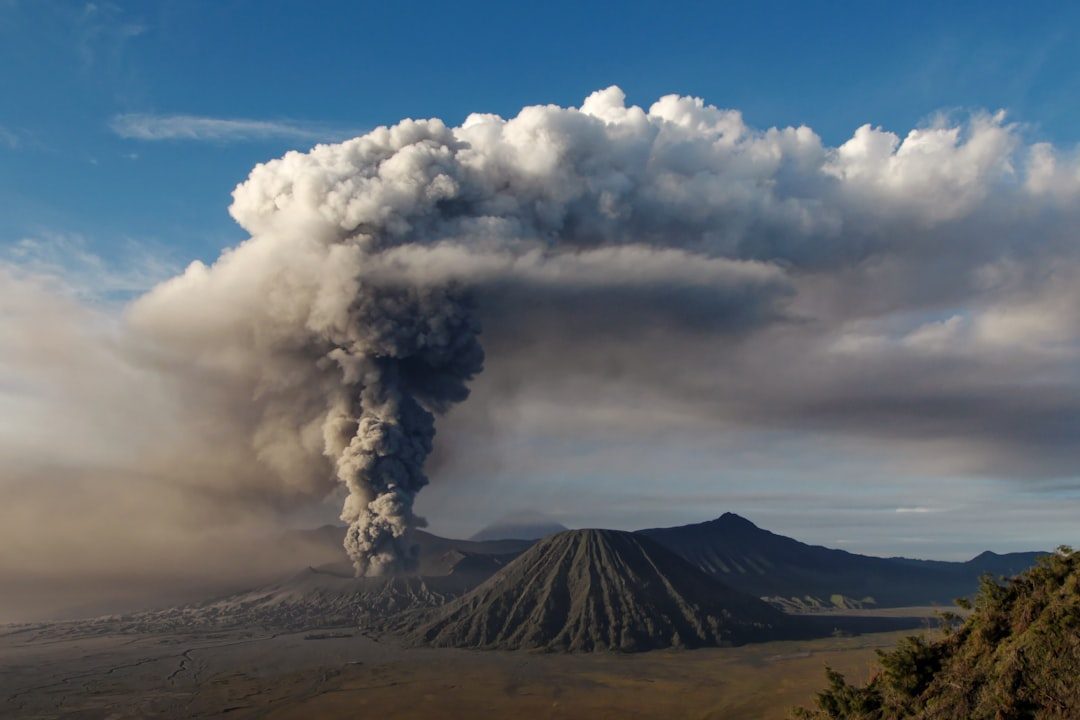
Modern civilization runs on just-in-time supply chains, international trade, and constant movement of goods and people. A supervolcano eruption would snap those systems like brittle twigs. The effects of heavy and extensive ash-fall would devastate agriculture across much of North America and bring the US economy to its knees. The United States alone produces a massive share of global grain exports. Losing that would send food prices skyrocketing worldwide.
Air travel would cease. Remember how the 2010 eruption of Eyjafjallajökull in Iceland forced the cancelation of roughly 100,000 flights and affected seven million passengers, costing the aviation industry an estimated 2.6 billion dollars? That was a relatively small eruption. A supervolcano would shut down global aviation for weeks or even months. Manufacturing would halt. International trade would collapse. Stock markets would crash as panic spread.
Volcanic eruptions and the associated climate anomalies can cause unanticipated shocks to food production, which are a major concern given the fragility of the global food system. Countries that depend on food imports would face immediate shortages. Civil unrest would likely follow. It’s hard to say for sure, but the economic damage could easily reach trillions of dollars, and recovery would take decades.
Health Crises Would Overwhelm Medical Systems
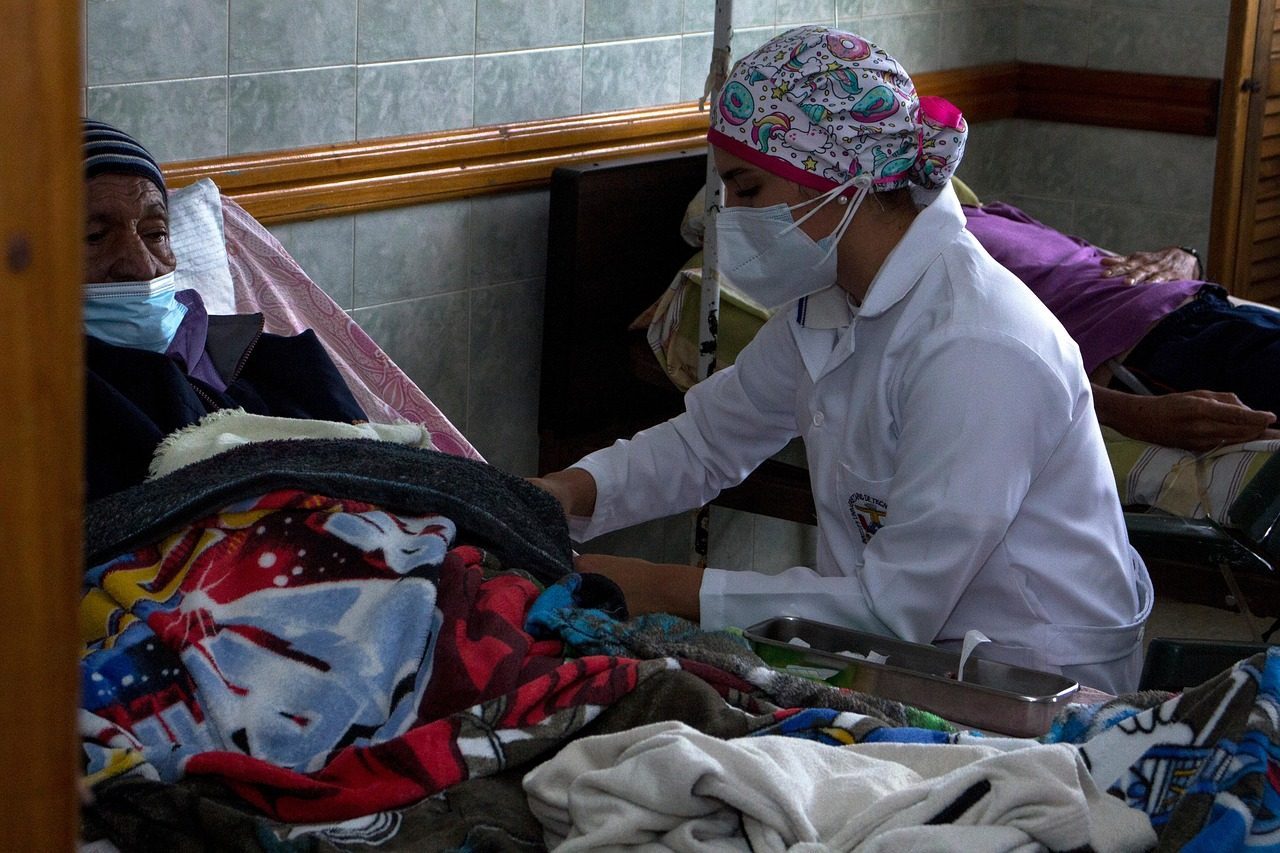
You’d face serious health risks even if you lived far from the eruption. Volcanic ash is nasty stuff for your lungs. Unlike soft ash from burning wood, volcanic ash is hard and abrasive, and breathing it causes respiratory problems. People with asthma, bronchitis, or other lung conditions would suffer acutely. Hospitals would be overwhelmed by patients struggling to breathe, especially in areas covered by heavy ashfall.
Water contamination would be another major issue. Availability of uncontaminated feed and water becomes critical after ashfall. Ash poisons water supplies, clogs filtration systems, and carries toxic chemicals including fluoride. Fluorine poisoning can occur even with thin ash coverage, affecting both humans and animals. Diseases would spread more easily as sanitation systems fail.
Mental health impacts shouldn’t be underestimated either. Imagine living under dark, ash-filled skies for months, not knowing when food will run out or if temperatures will ever return to normal. The psychological toll of such prolonged crisis would be immense. Depression, anxiety, and trauma would become widespread. Social fabric would fray as communities struggle to survive.
Climate Disruption Would Persist for Years
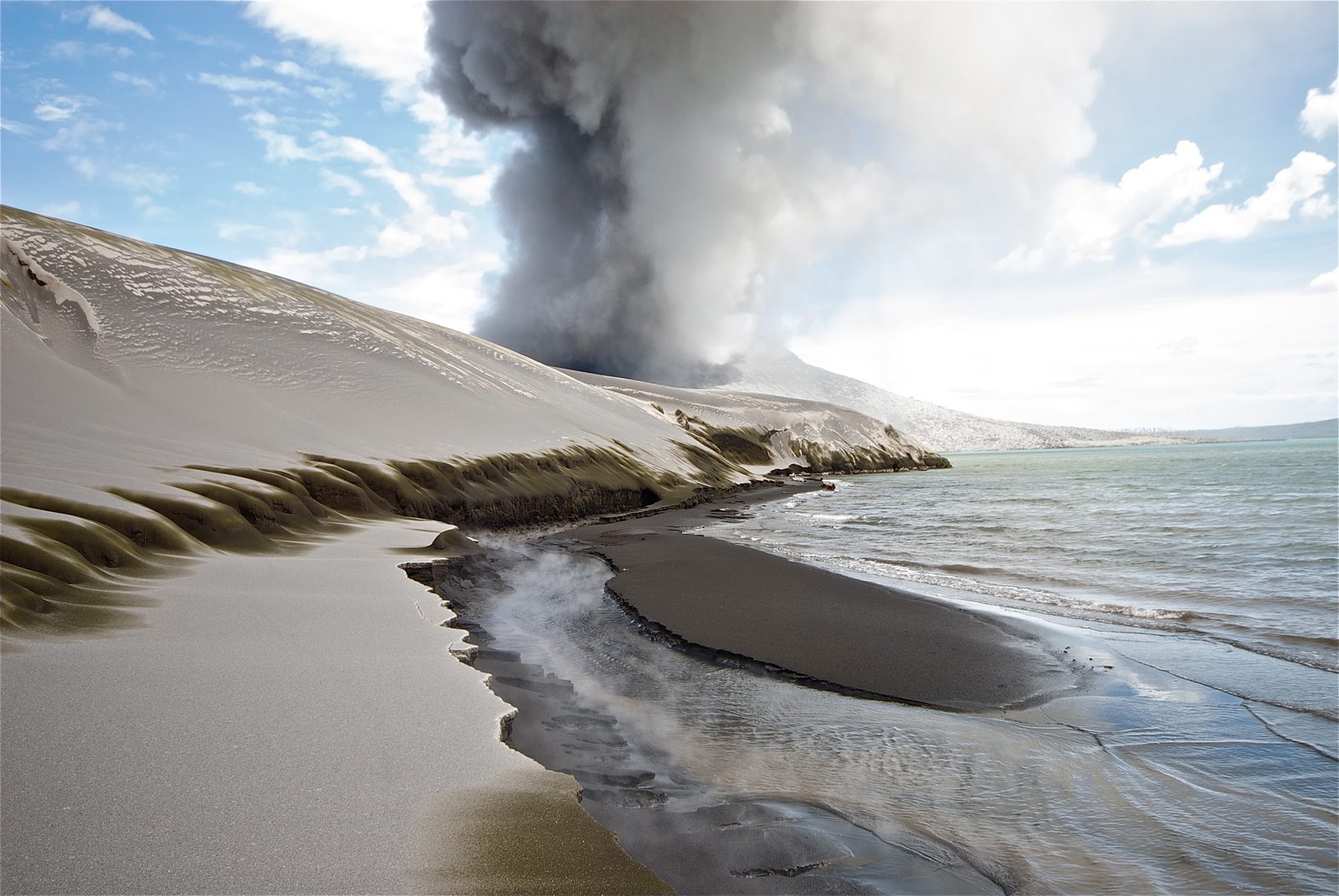
Let’s be clear about something. Volcanic winters don’t just last a few weeks. Sulfate aerosol particles can linger as long as three to four years in the stratosphere after a major eruption. Sulphur dioxide gas blasted into the stratosphere spreads across the planet within weeks, combines with atmospheric water vapour to form an aerosol of tiny particles that build a global veil, shields the planet from incoming sunlight, and lowers surface temperatures.
Weather patterns would become chaotic and unpredictable. The blockage of sunlight could disrupt weather patterns, notably affecting rainfall, which could severely impact regions dependent on monsoon rains like Asia and Africa, leading to failed harvests. Billions of people in those regions depend on monsoon rains for agriculture. Disrupting those patterns would trigger humanitarian catastrophes.
It’s worth noting that cooling trends can be further extended by atmosphere-ice-ocean feedback mechanisms, and these feedbacks can continue to maintain cool climate long after volcanic aerosols have dissipated. Think about ice sheets expanding, reflecting more sunlight, cooling the planet further. These cascading effects could potentially lock us into cooler conditions for much longer than the aerosols themselves persist.
Humanity Would Face an Unprecedented Test of Resilience
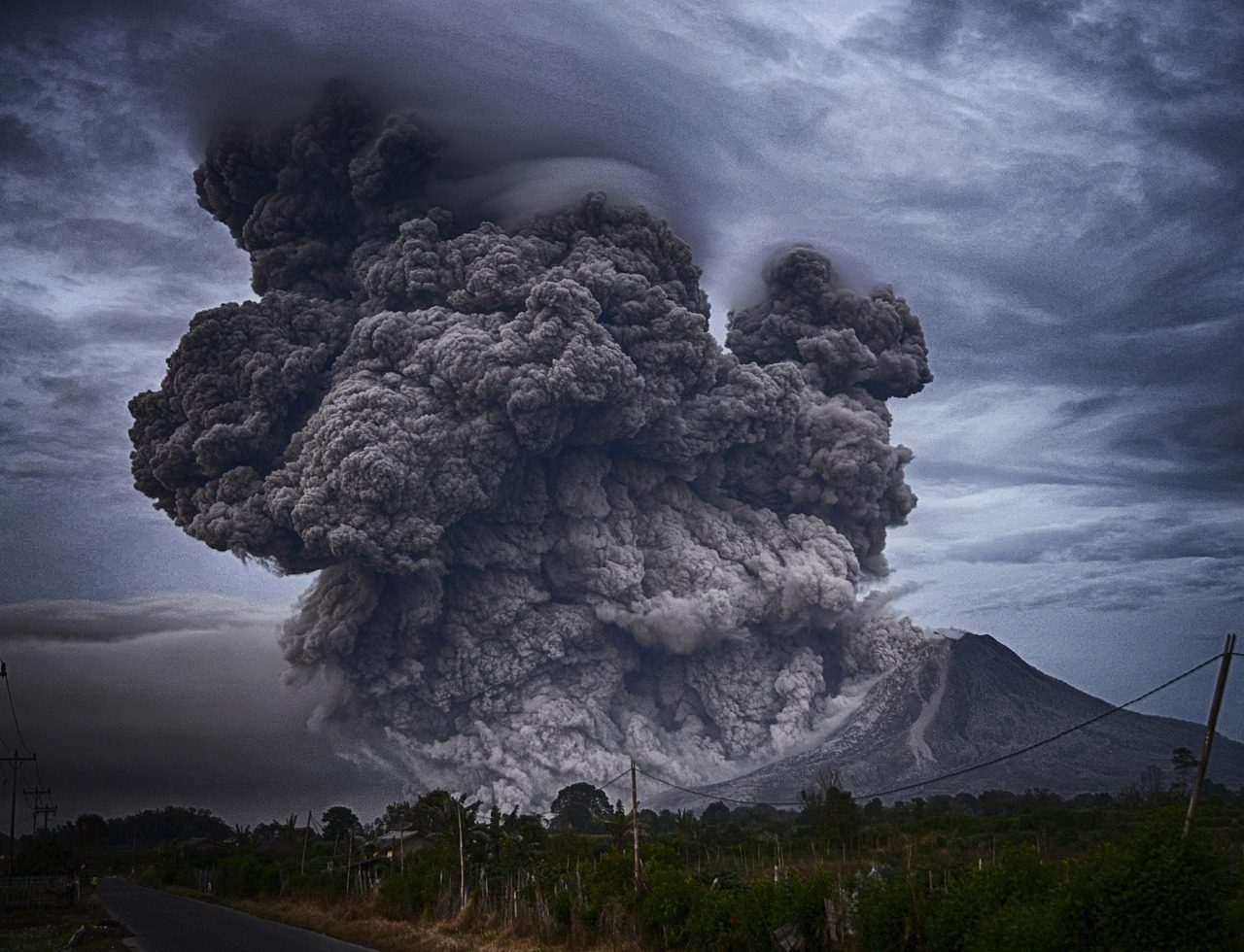
Could humanity survive a supervolcano eruption? Probably yes, though survival would look very different from the comfortable lives most people in developed nations enjoy today. The eruption of the Yellowstone supervolcano isn’t the end of the human race, experts say. No single super-eruption has produced firm evidence of global-scale catastrophe for humans or ecosystems based on recent research, though this remains debated.
The key would be preparation and cooperation. Governments would need to coordinate massive evacuations, distribute food reserves, and maintain order as systems collapse. Communities would need to band together, share resources, and support vulnerable populations. Technology might offer some solutions like indoor farming with artificial light, though scaling that globally would be nearly impossible in the timeframe needed.
Recent research shows that supervolcanoes may not take centuries to erupt, and rapid magma movements could lead to catastrophic eruptions with little warning. That makes monitoring absolutely critical. The Yellowstone Volcano Observatory closely monitors volcanic activity at Yellowstone, watching for warning signs. Scientists believe there would be some precursory activity before a major eruption, giving at least some warning time for preparations.
Still, honestly, it’s hard to imagine the full scope of suffering such an event would cause. Mass displacement, starvation, conflict over dwindling resources, breakdown of law and order. The darkest aspects of human nature would emerge alongside inspiring acts of heroism and compassion. Our species has survived ice ages and past volcanic catastrophes. Whether modern civilization could survive intact is another question entirely. What do you think would happen in your community? Could you adapt and survive?
Hi, I’m Andrew, and I come from India. Experienced content specialist with a passion for writing. My forte includes health and wellness, Travel, Animals, and Nature. A nature nomad, I am obsessed with mountains and love high-altitude trekking. I have been on several Himalayan treks in India including the Everest Base Camp in Nepal, a profound experience.