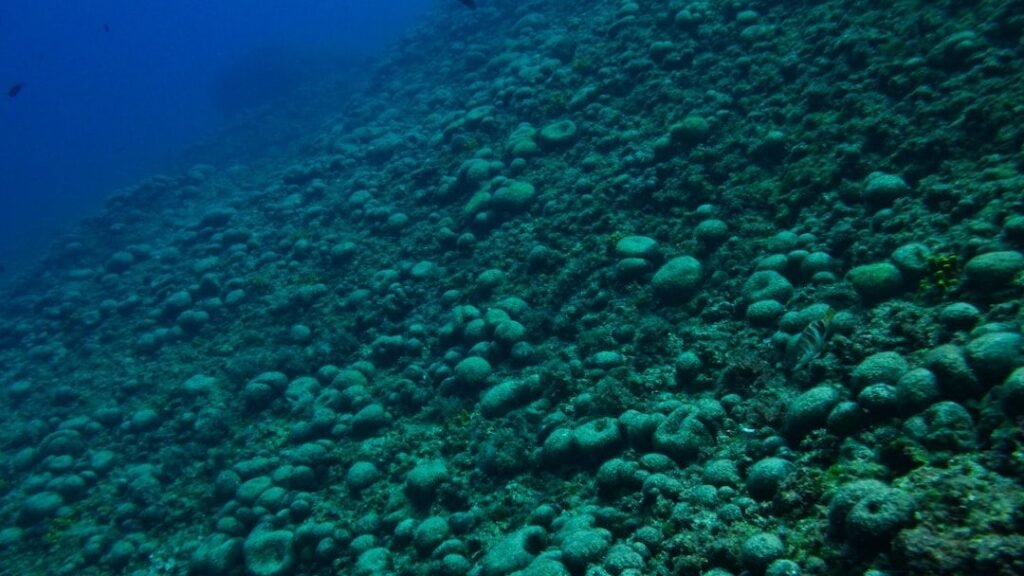

Every time researchers drop a camera into a deep-sea trench, something strange shows up that no one quite expected. There’s a very real sense that the deepest oceans are the last wild frontier on Earth, a place where physics feels bent, life rewrites the rulebook, and our imagination constantly trails behind reality. We’ve mapped distant planets more thoroughly than the floor of our own oceans, and that mismatch hides possibilities that feel almost unreal.
We’ve explored only a small fraction of the deep sea in detail, and an even tinier slice of the ultra-deep trenches where pressures crush steel and sunlight has never existed. Down there, chemistry turns weird, ecosystems feed on rock instead of sunlight, and forces powerful enough to reshape continents play out silently in the dark. When people ask what hidden powers might be waiting in these depths, they’re really asking how much of our world we still don’t understand – and whether those discoveries will help us, harm us, or simply prove that Earth is far stranger than we thought.
Life That Thrives on Crushing Pressure and Total Darkness
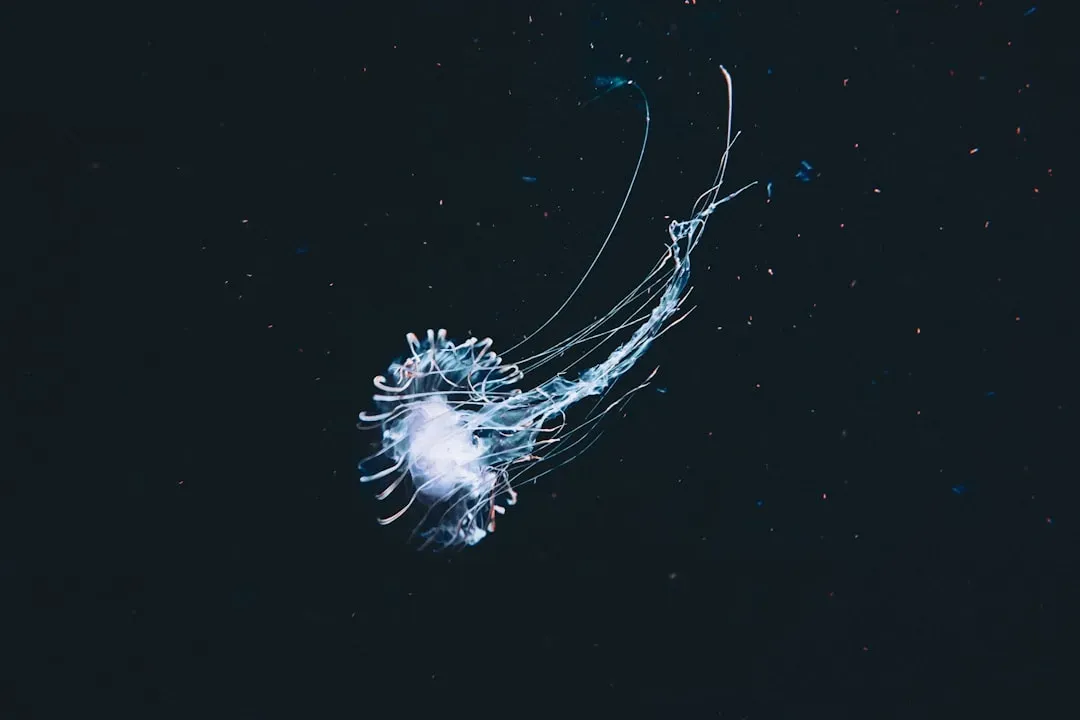
Imagine living under a weight like fifty jumbo jets pressed onto every square meter of your body – that’s the kind of pressure life faces in the deepest trenches. Yet scientists keep finding organisms that not only survive there but seem perfectly at home, from snailfish with translucent skin to microscopic creatures clinging to particles of sediment. Their cells are stabilized by special molecules that stop proteins from collapsing under pressure, and their membranes are tuned like flexible armor rather than brittle shells. It’s a type of biological engineering that nature perfected long before humans ever learned the word “pressure-resistant.”
The hidden power here is adaptation on a scale that reshapes how we think about where life can exist, both on Earth and on other worlds. If a fish can glide through a place that would crush a submarine, what might be living under the ice of Europa or in the methane lakes of Titan? Studying deep-sea DNA has already led to new enzymes for biotech and medicine, because these creatures’ molecular machinery keeps working in conditions that break most lab tools. The more of them we find, the more it looks like life is not fragile by default – it’s stubborn, ingenious, and willing to reinvent itself to fit any possible niche.
Supercharged Chemistry at Hydrothermal Vents and Cold Seeps
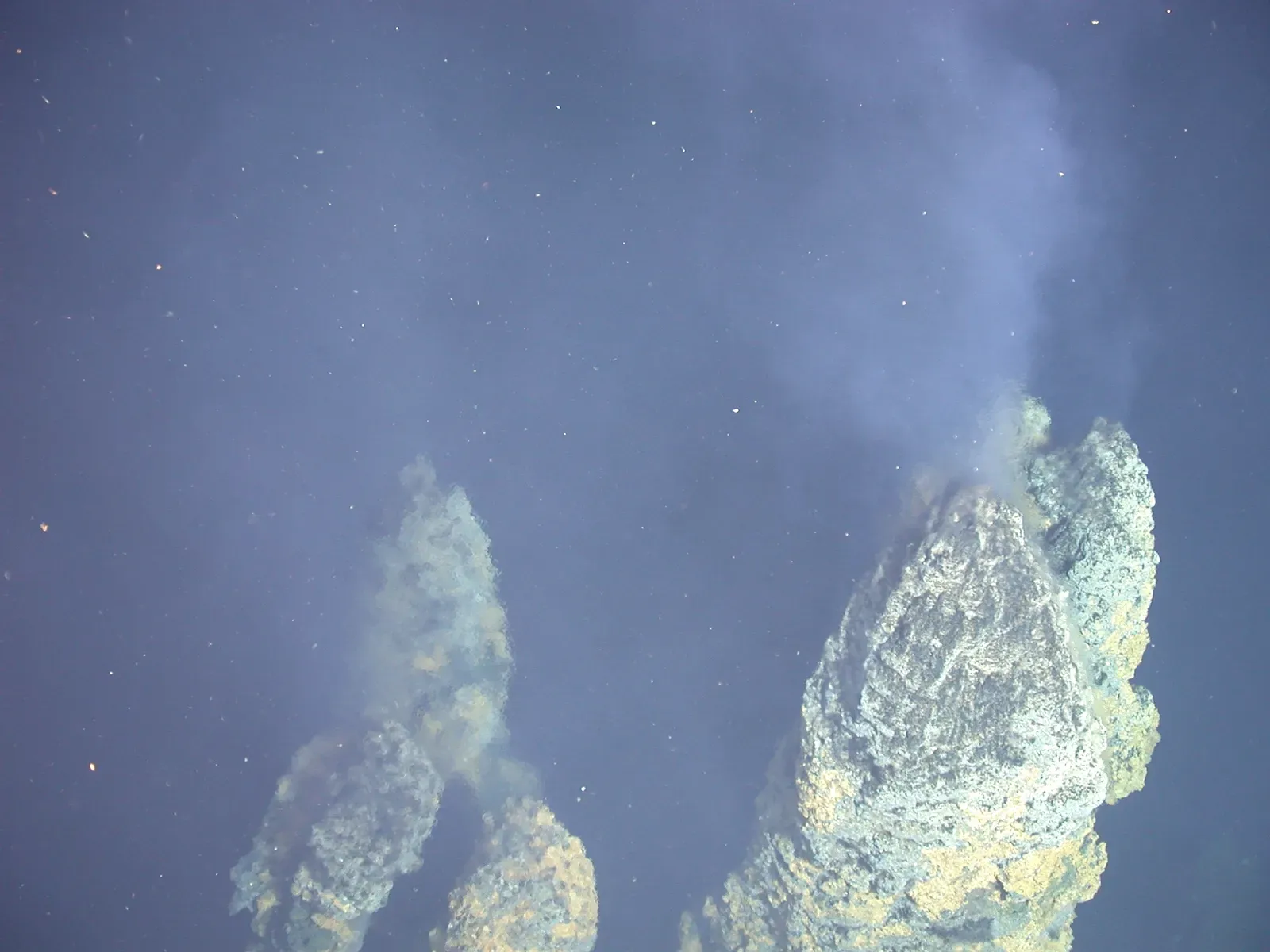
Far below the waves, where tectonic plates tear apart, vents spew hot, mineral-rich fluids into near-freezing seawater, creating billowing chimneys that look like underwater factories. Around them, life gathers in dense, almost alien-looking communities powered not by sunlight but by chemistry, using hydrogen sulfide, methane, or hydrogen as fuel. This is energy coming straight from the planet’s interior, converted by microbes into living tissue in a kind of slow-motion magic trick. These systems show that a planet doesn’t need a sunlit surface to host rich ecosystems.
At cold seeps, where methane and other fluids leak from the seafloor, communities grow more quietly yet just as strangely, sometimes forming mats, reefs, or bizarre tube worm clusters. The hidden power here is that these chemical engines might resemble the earliest ecosystems on Earth, offering clues about how life first sparked into existence. They also represent massive natural reactors, processing greenhouse gases and minerals in ways we only partially understand. If we learn to read and maybe even carefully tap into these systems, we might find new ways to handle carbon, create novel materials, or design industrial processes that mimic the deep ocean’s efficiency.
Vast Carbon Stores and Climate Control Mechanisms
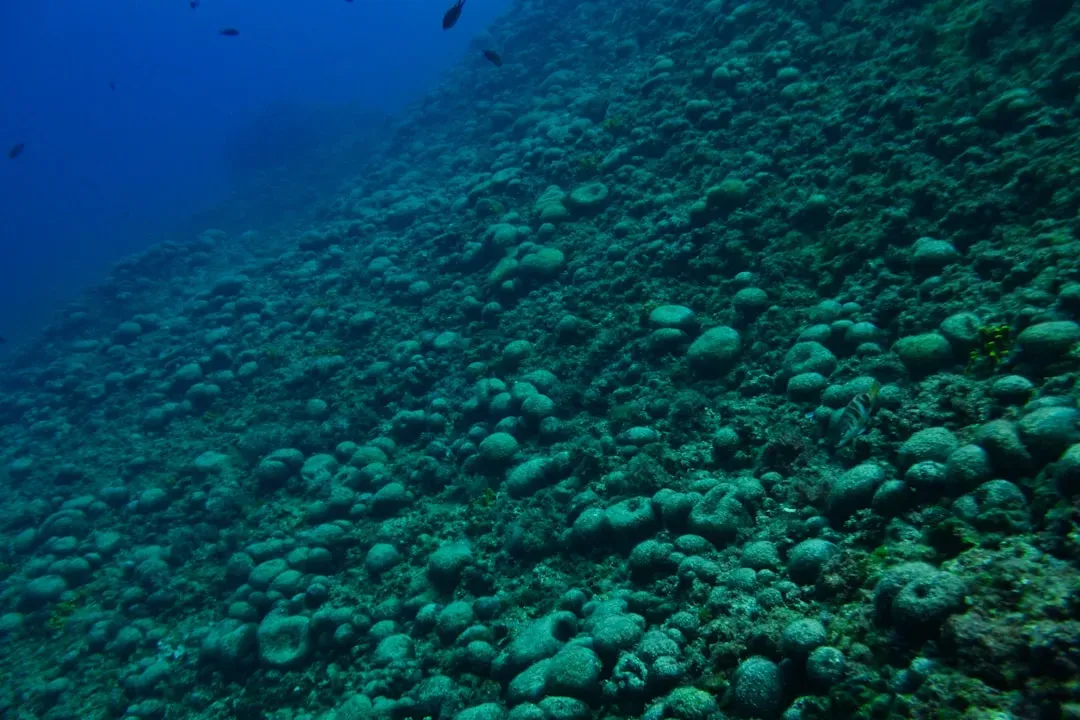
When people talk about climate, they usually think about the atmosphere or forests, but the deep ocean is the true giant in the room. It stores far more carbon than the air and land combined, locking it away in cold water masses, deep currents, and sediments that can bury carbon for thousands to millions of years. Tiny organisms at the surface pull carbon dioxide from the air, die, and sink, turning the deep ocean into a slow but powerful conveyor belt for the planet’s carbon. This invisible traffic is one of the main reasons Earth’s climate has remained relatively stable over long timescales.
In the deepest trenches, organic matter and even entire landslides of sediment can slide down the slopes and get trapped, forming carbon archives that outlast civilizations. The hidden power here is double-edged: the deep sea can buffer climate change by absorbing heat and carbon, but it can also become overwhelmed, or release some of that carbon back if we destabilize it. We’re only just starting to understand how deep currents, microbial communities, and sediment chemistry combine to manage this planetary bookkeeping. If we misread it or disrupt it with careless mining or drilling, we could be tugging on a thread without knowing how big the tapestry really is.
Extreme Microbes as a Blueprint for New Medicines and Materials
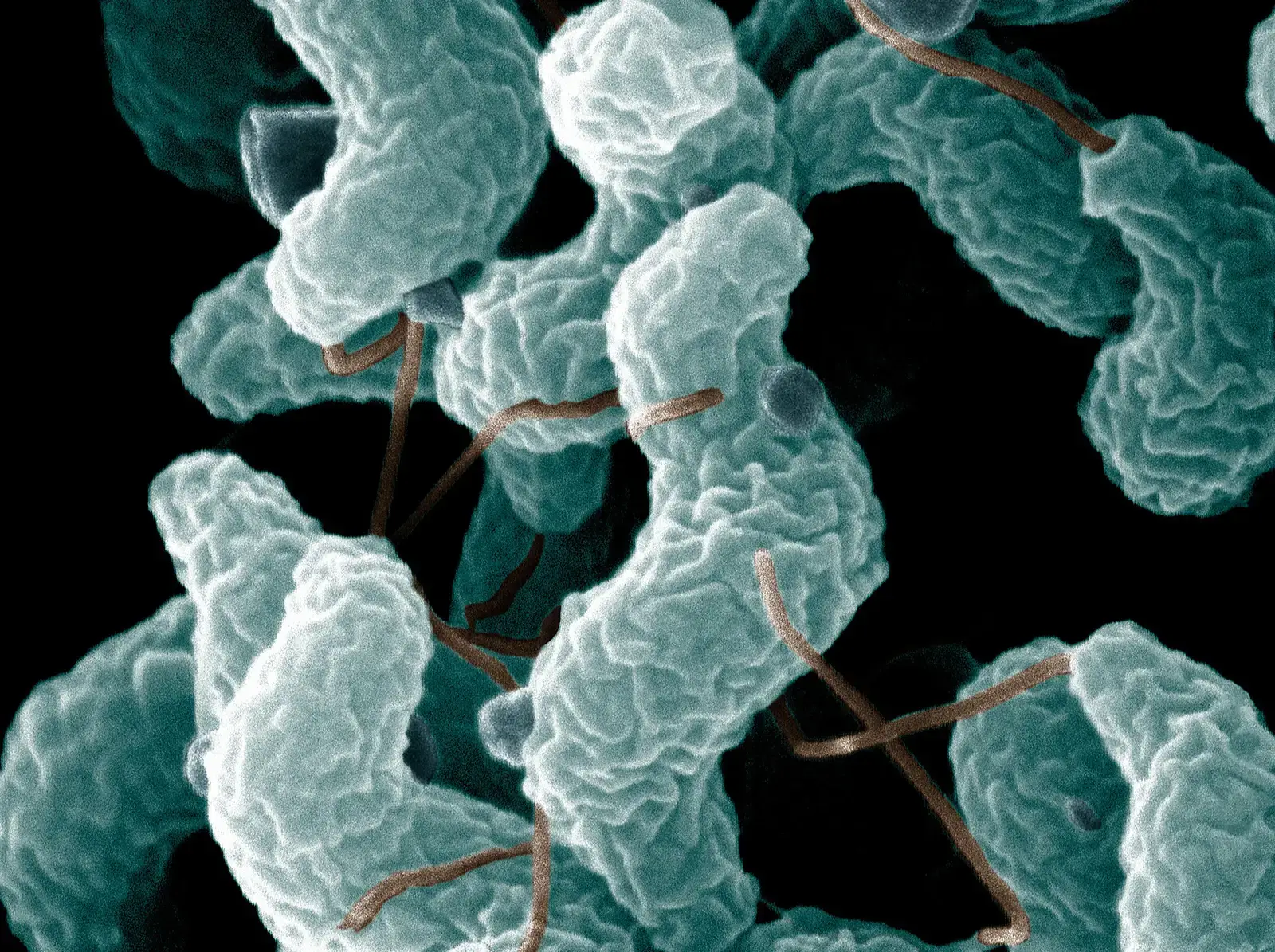
Deep-sea microbes live a life that sounds almost impossible: no sunlight, scarce nutrients, high pressure, and in some places, toxic chemicals everywhere. To cope, they’ve evolved enzymes that work in cold dark water or extreme heat, and protective molecules that keep their DNA and proteins from falling apart. These microscopic survival kits are already inspiring industries, from detergents that work in cold water to enzymes that can handle brutal industrial conditions. It’s like nature has been running a quiet research lab in the abyss for billions of years, and we’ve only recently knocked on the door.
Medicinal chemists are increasingly interested in molecules produced by deep-sea organisms, especially those that help them fend off competitors or predators. Some of these compounds show promise for treating infections, cancer, or inflammation, because they target biological pathways in original ways. The hidden power here is a vast, mostly untapped library of chemical ideas, written in the language of survival under constant stress. Every time a new deep-sea microbe is cultivated or its genome is decoded, there’s a chance we uncover a new tool that could reshape how we treat disease or build smarter materials.
Geological Forces That Shape Earth’s Crust in Silence
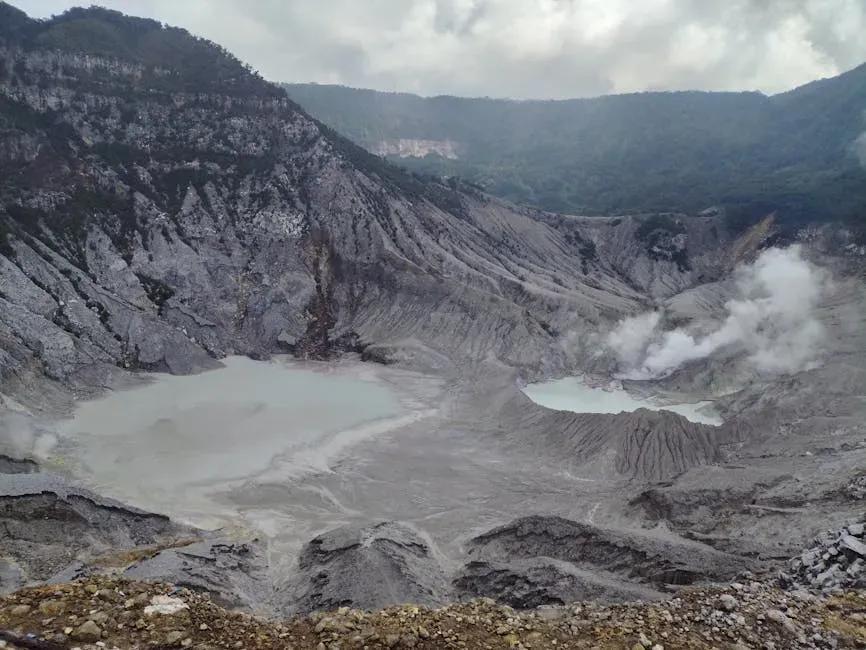
The deepest parts of the ocean often sit along active plate boundaries, where the planet’s crust is being created, stretched, or destroyed. In subduction zones, entire slabs of seafloor dive back into the mantle, pulling down sediments, water, and carbon in the process. These regions generate powerful earthquakes and tsunamis, yet most of their machinery is hidden miles below the surface in permanent darkness. To a large degree, the deep trenches are like the hinges of the planetary shell, flexing slowly while we walk around on top unaware.
By sending instruments into these regions, scientists are finding that faults can creep, lock, and slip in far more complicated ways than once thought. Slow-slip earthquakes, deep tremors, and fluid migrations all seem to play into whether a fault breaks quietly or unleashes a devastating tsunami. The hidden power of the deep here is its control over long-term geological risk and even the way continents move and mountains rise. If we manage to understand these systems better, we could improve tsunami early warnings, refine quake forecasts, and gain a more honest sense of how fragile our surface world can be when the deep Earth shifts its weight.
Sound, Darkness, and Strange Forms of Communication
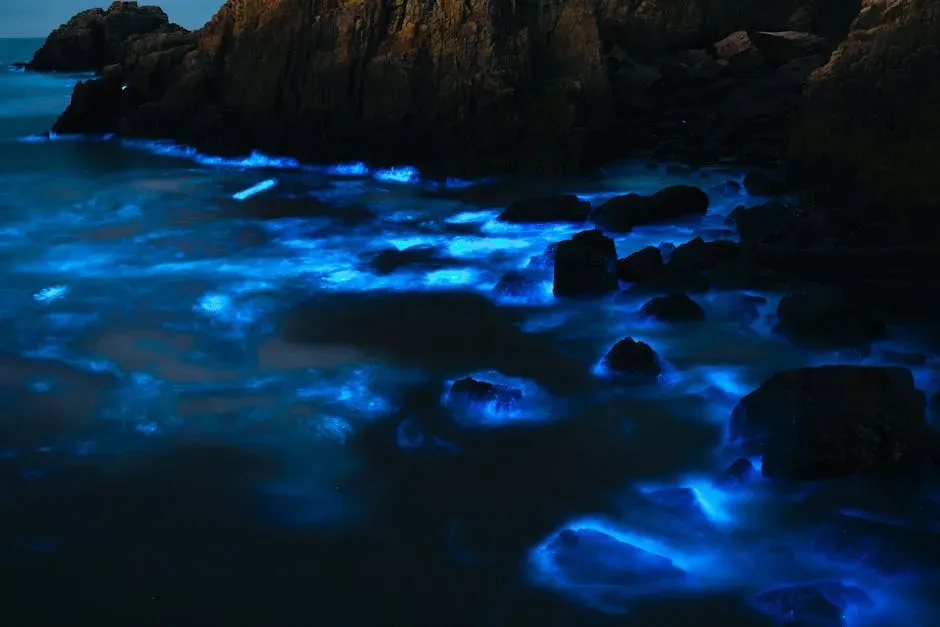
In the deep ocean, vision is almost useless; light barely penetrates, and what little exists is often produced by organisms themselves. Many creatures rely on sound instead, using clicks, pulses, and low-frequency calls that can travel huge distances in water. The deep sea is crisscrossed by these acoustic highways, carrying signals we’re only beginning to decode, from whale songs to mysterious repeating sounds that don’t yet have a clear source. Sound becomes both a map and a language in a place that the human eye can’t navigate.
We’ve also found animals that communicate using bioluminescence, flashing patterns of light to attract mates, lure prey, or warn predators. In the deepest zones, some species likely use chemical cues and subtle movements of water as messages in ways we barely grasp. The hidden power here is a universe of communication systems that operate on scales and in modes unlike our own, reminding us that intelligence and interaction don’t need to look anything like human behavior. As we develop better underwater sensors and AI to interpret these signals, we may discover complex patterns that reshape how we think about animal minds and social worlds in the dark.
Energy, Minerals, and the Temptation of Deep-Sea Mining
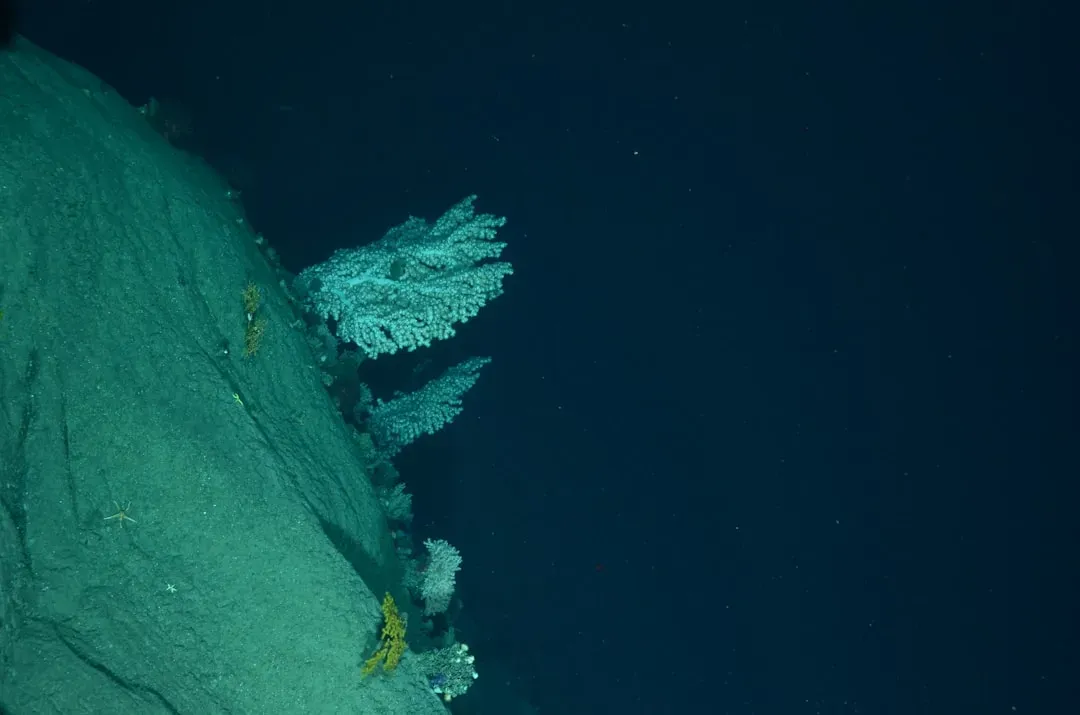
Scattered across the deep seafloor are fields of metal-rich nodules, crusts, and sulfide deposits packed with manganese, cobalt, nickel, and rare earth elements. For industries chasing batteries and high-tech components, these deposits look like a glittering opportunity, especially as land-based resources become harder and more destructive to mine. The deepest regions also hold powerful thermal and chemical gradients that could, in theory, be harnessed for energy. On paper, the abyss sometimes gets pitched as a kind of resource bank waiting to be tapped.
The reality is far more complicated and precarious. The ecosystems living on and around those nodules and vents grow incredibly slowly and might be wiped out on timescales that make recovery unrealistic for human lifetimes. Sediment plumes, noise, and habitat destruction from mining could disrupt deep-sea processes we barely understand, including some that help regulate climate and support fisheries higher up. The hidden power here is a stark moral and practical question: do we rush to use these resources at the risk of breaking a system that quietly supports the planet, or do we hold back until we truly understand what’s at stake?
A Planet-Sized Mystery Still Waiting in the Dark
The deepest parts of the ocean hold more than strange creatures and eerie landscapes; they’re home to forces that influence climate, geology, biology, and even the future of technology and medicine. From microbes that thrive in what looks like chemical hell to trenches that steer earthquakes and tsunamis, the abyss quietly shapes the world we experience every day on land. With every new dive and every new sensor lowered into the dark, we discover that our old assumptions about limits – of pressure, of temperature, of what life needs – were far too narrow.
At the same time, our ability to reach these depths brings a heavy responsibility, because we’re now capable not only of observing but of disturbing them at a massive scale. The ocean’s deepest realms are both our greatest scientific opportunity and one of our most fragile unknowns, and those two facts are on a collision course. How we balance curiosity, caution, and need will decide what kind of relationship we build with this vast hidden half of our planet. When you think about all that still lies unseen below the waves, doesn’t it make you wonder how much of Earth we truly know at all?