
Walk into a prehistoric cave, and it almost feels like you’re trespassing in someone else’s mind. Shapes of animals flicker in the flashlight beam, strange symbols drift in and out of the shadows, and you get this eerie feeling that whoever painted these walls was trying to say something very important. But what, exactly, were they trying to tell us? Were these paintings just art for art’s sake, or were they messages, warnings, maps, or even prayers?
Archaeologists, neuroscientists, and anthropologists have been wrestling with these questions for decades, and the answers keep getting more surprising. The deeper researchers look, the more it seems that cave paintings are not just pretty pictures of bison and horses. They may be complex systems of communication, early attempts to understand the universe, and even a record of how the human mind was born. Let’s dig into the hidden messages those ancient artists may have left behind for us to find tens of thousands of years later.
Are Cave Paintings the First Storybooks in Human History?
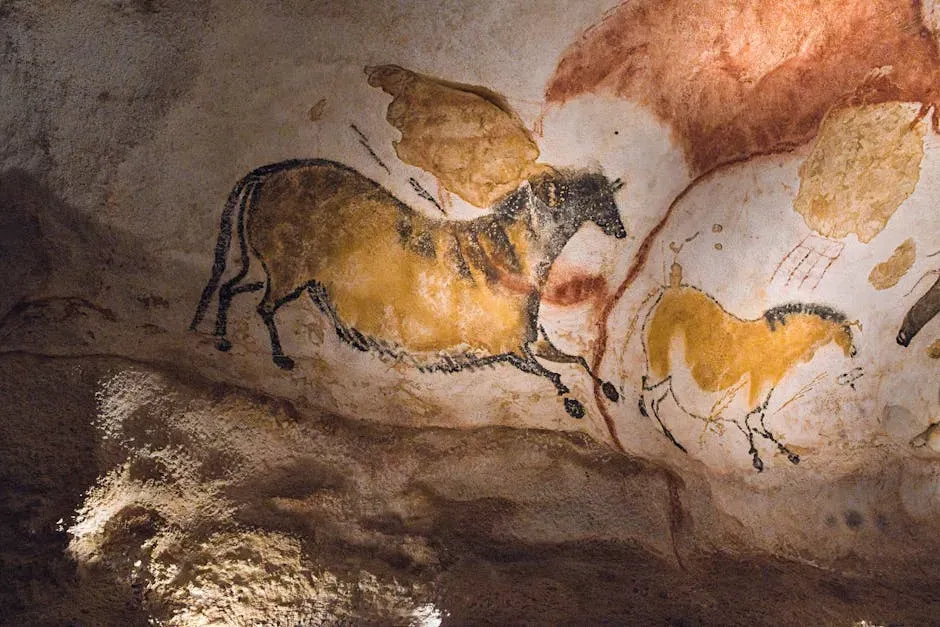
One powerful idea is that many cave paintings are actually frozen scenes from stories, captured mid-action like a still from a movie. Instead of random animals scattered across stone, some scenes show sequences that look suspiciously like a narrative: a hunt in motion, a wounded animal, humans with raised spears, or strange hybrid creatures that don’t exist in real life. To a modern eye, this looks like the earliest attempt at storytelling using images instead of words.
When you think about it like that, a cave wall becomes less like a gallery and more like a book you read with your eyes and your imagination. Certain animals might stand in for characters, repeated symbols could act like recurring themes, and the arrangement of images might guide you from the beginning of a tale to its climax. The fact that many paintings are deep inside caves, where you need firelight to see them, also adds to this sense of performance, like the paintings only come alive in the flicker of flames as someone narrates the story aloud.
Why Are There So Many Animals, and So Few Humans?
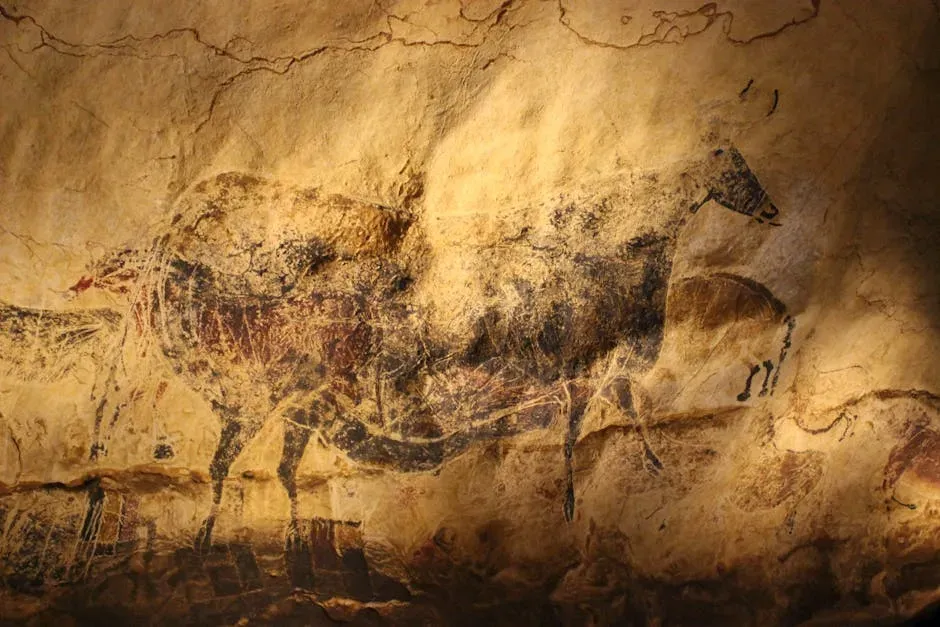
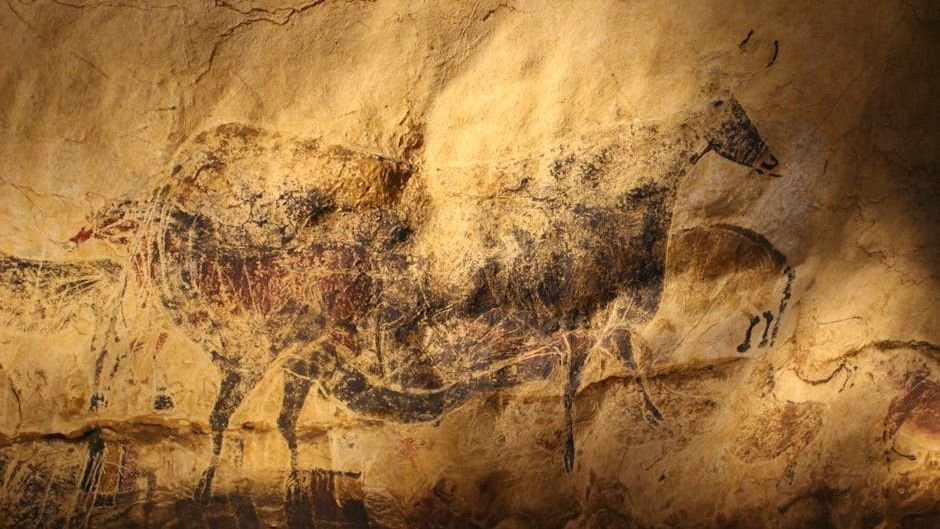
One of the most striking things about prehistoric cave art is how often animals take center stage while humans are oddly absent or simplified. In famous caves like Lascaux and Chauvet, you see herds of bison, horses, lions, rhinos, mammoths, and deer, but human figures, when they appear at all, are often stick-like or strangely abstract. It’s as if the artists cared far more about the animals than they did about showing themselves.
This imbalance might be a message in itself: animals weren’t just food, they were central to how people understood the world and their place in it. Some researchers think certain animals represented power, danger, or spiritual forces, and painting them precisely was a way of engaging with that power. Others suggest that showing humans too vividly might have felt taboo or dangerous, almost like tempting fate. So the walls become a kind of emotional mirror, revealing who really dominated people’s thoughts, fears, and hopes: not themselves, but the creatures they depended on and competed with every day.
Were These Walls Early Maps and Survival Guides?
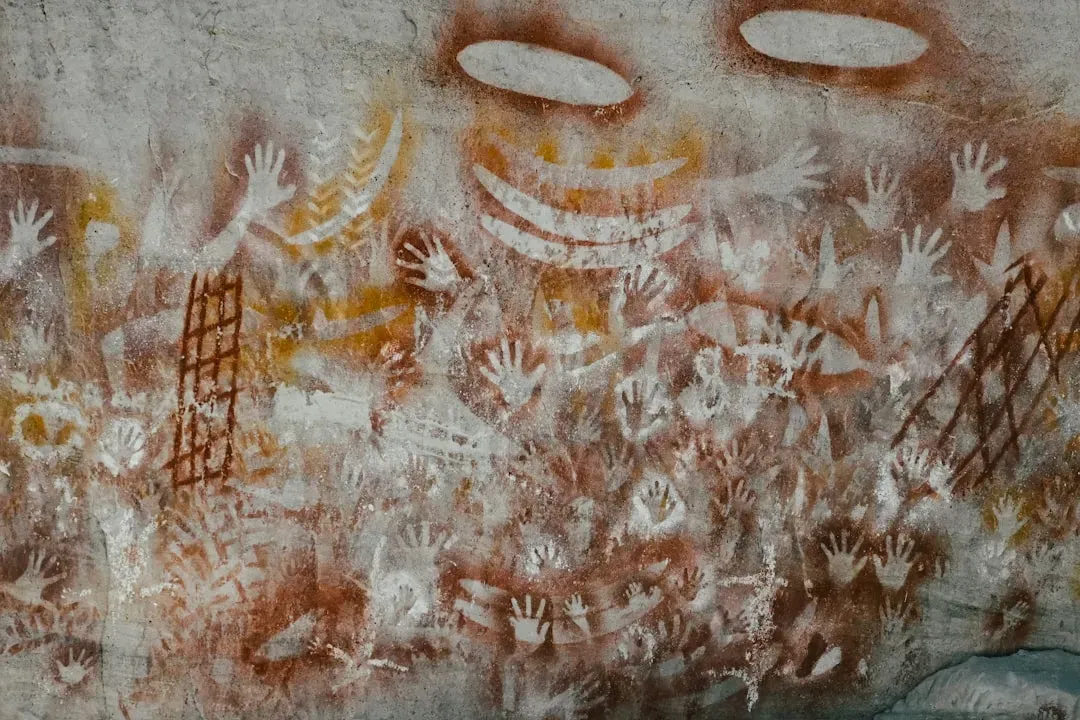
At first glance, a cluster of bison on a wall just looks like, well, a cluster of bison. But some researchers argue that cave paintings may double as maps or memory aids, encoding crucial information about where animals roamed, how they behaved, and when they could be hunted. Certain animals appear in groups, arranged in ways that might match real-life migrations or hunting grounds. Sometimes, odd marks around them could represent trails, geographical features, or patterns in the seasons.
Imagine living in a world with no written language, no printed guides, and no GPS. If you wanted to teach younger members of your group where to find food, how to avoid danger, and when to move, you’d need strong, memorable cues. In that sense, cave paintings could have been the ultimate teaching tool, a visual survival manual etched in stone. The people who painted them might have been the equivalent of expert trackers or navigators, using art as a way to store and pass on vital knowledge long before anyone invented text.
Do Strange Symbols Hide an Early Form of Writing?
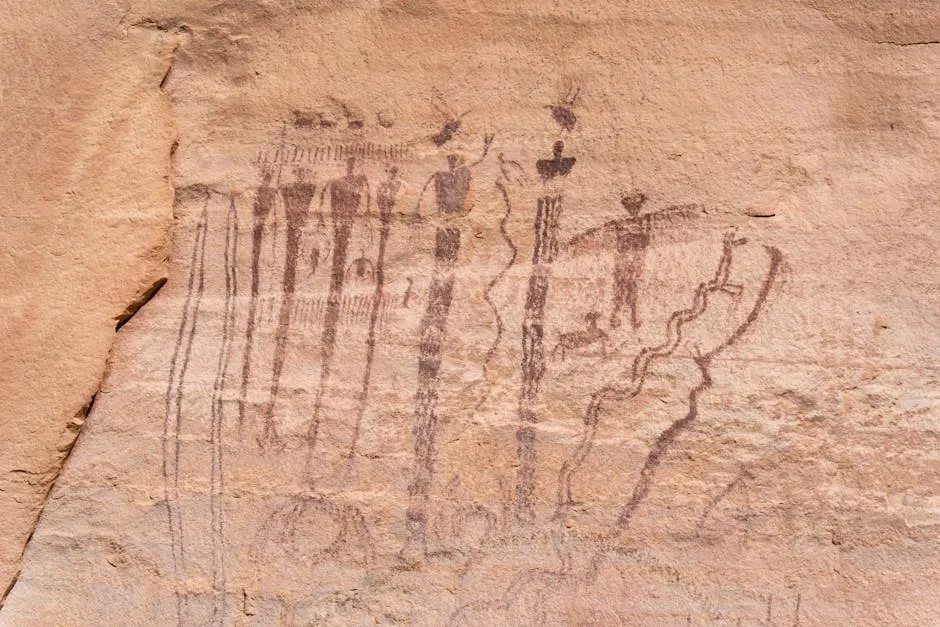
Alongside towering images of horses and bison, many caves also contain small, repeating signs: dots, lines, handprints, spirals, ladders, and abstract shapes that look nothing like animals or people. For a long time, these were dismissed as random decoration or graffiti from bored artists. In recent years, though, some researchers have noticed patterns that suggest something far more intentional, almost like a code.
A growing idea is that these abstract marks might form an early, very simple system of notation, perhaps used to track time, animal behavior, or ritual events. For instance, sequences of dots or shapes often appear near specific animals, in patterns that might relate to seasonal cycles or mating periods. If that’s true, we may be looking at the seeds of writing: not sentences and grammar, but symbols used to record and predict important facts about the world. It’s like stumbling on the rough draft of human literacy, scratched onto a cave wall thousands of years before clay tablets or alphabets appeared.
Were Cave Paintings Part of Powerful Rituals and Beliefs?
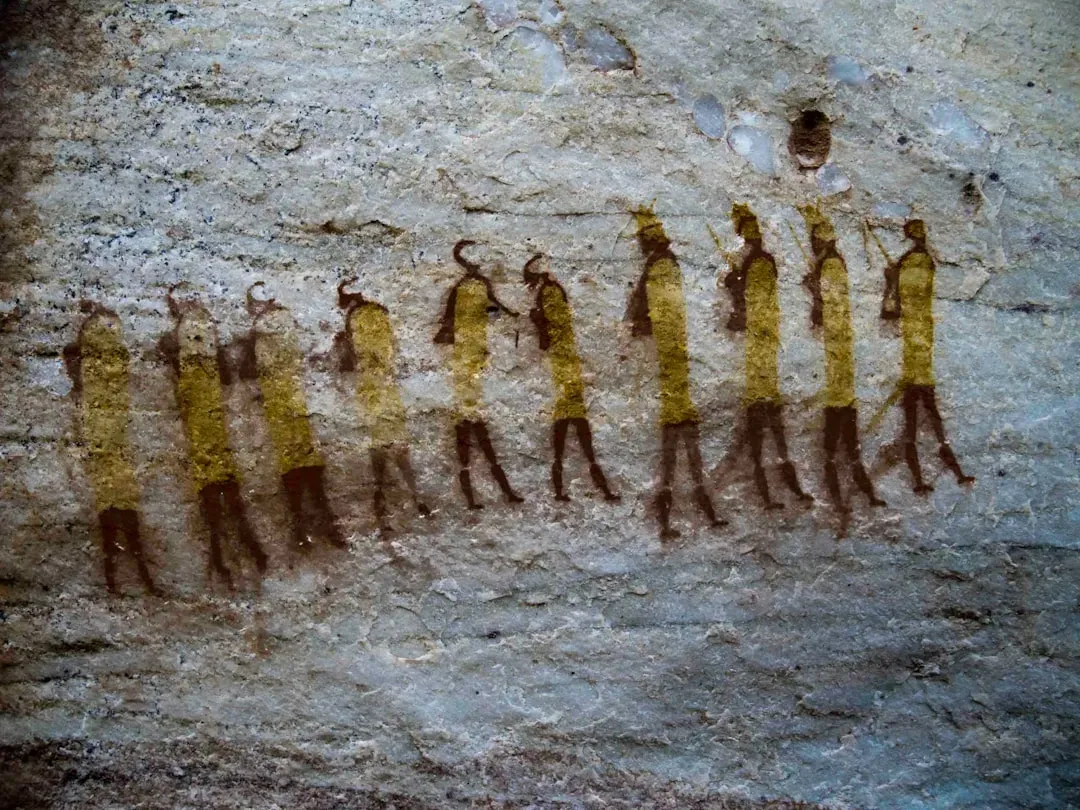
Many caves with rich paintings are incredibly hard to reach: narrow tunnels, steep climbs, and absolute darkness that you can’t survive in without fire. That difficulty alone suggests these spaces weren’t used casually. Some archaeologists think the effort to get there was part of the message. Entering deep into the earth, illuminated only by flickering torches, could have felt like stepping into another world entirely, a place where people carried out rituals to influence animals, weather, or unseen forces.
In that context, painting might have been less about decoration and more about doing something. A painted bison could be part of a ritual to ensure successful hunts; a strange human-animal hybrid figure might represent a shaman or a spirit. The walls become a kind of spiritual interface, a place where humans tried to negotiate with whatever they believed existed beyond everyday life. When you stand in those silent chambers today, it’s easy to feel that weight, as if the air is still thick with old hopes, fears, and whispered requests.
Do Handprints Reveal Identity, Community, and Even Rebellion?
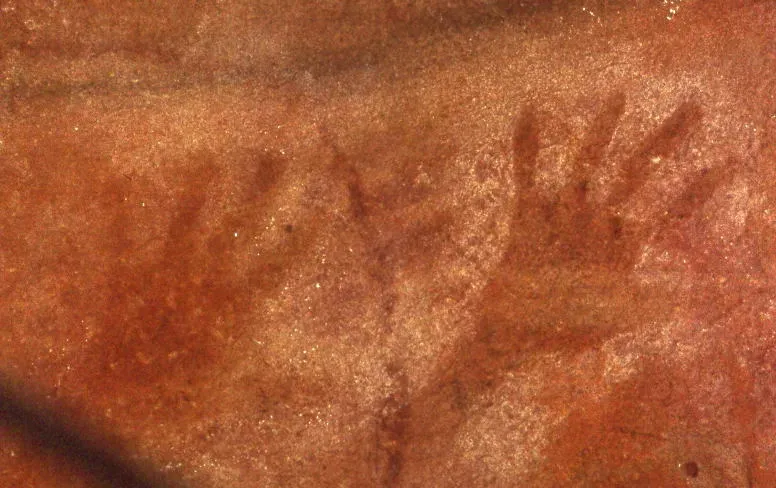
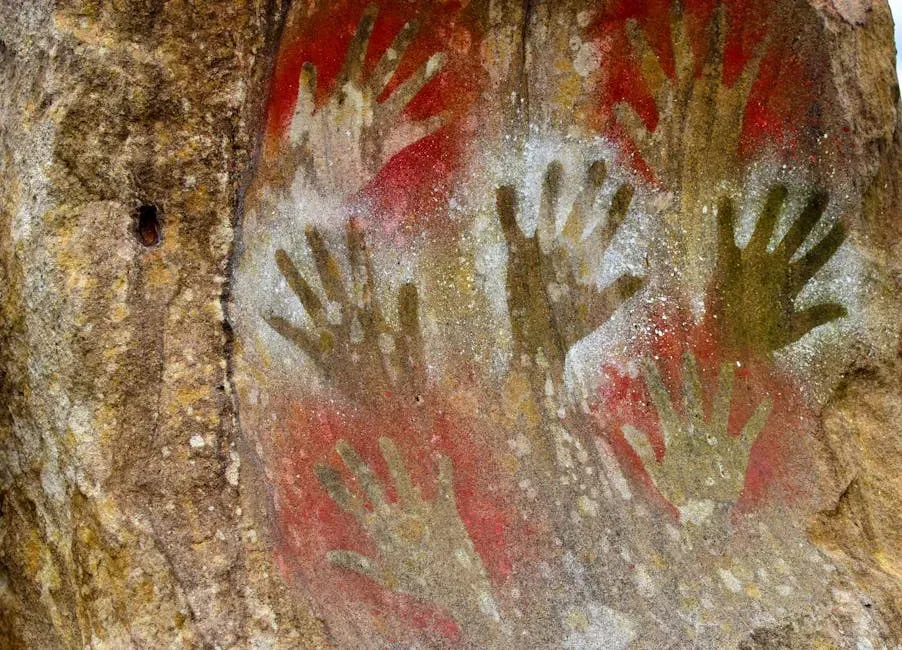
One of the most haunting images in many caves is the stenciled handprint: a hand pressed against the rock while pigment is blown or spat around it, leaving a ghostly outline. These handprints show up in clusters, in rows, or scattered like signatures across the walls. At first, I used to think of them like ancient high-fives, but the more I read and saw, the more they felt like a claim: I was here, I exist, I am part of this story.
Interestingly, studies of finger lengths and hand sizes suggest that a lot of these prints likely belong to women, adolescents, and possibly even children, not just adult men. That flips the old stereotype of the lone male hunter-artist on its head. The message here might be subtle but powerful: cave art was a shared activity, and identity mattered. People literally left their mark on the wall, maybe as a sign of belonging to a group, or even as a small act of personal expression in a world where most of life was collective and tightly controlled by survival needs.
Is There a Hidden Connection to Stars and Cosmic Cycles?
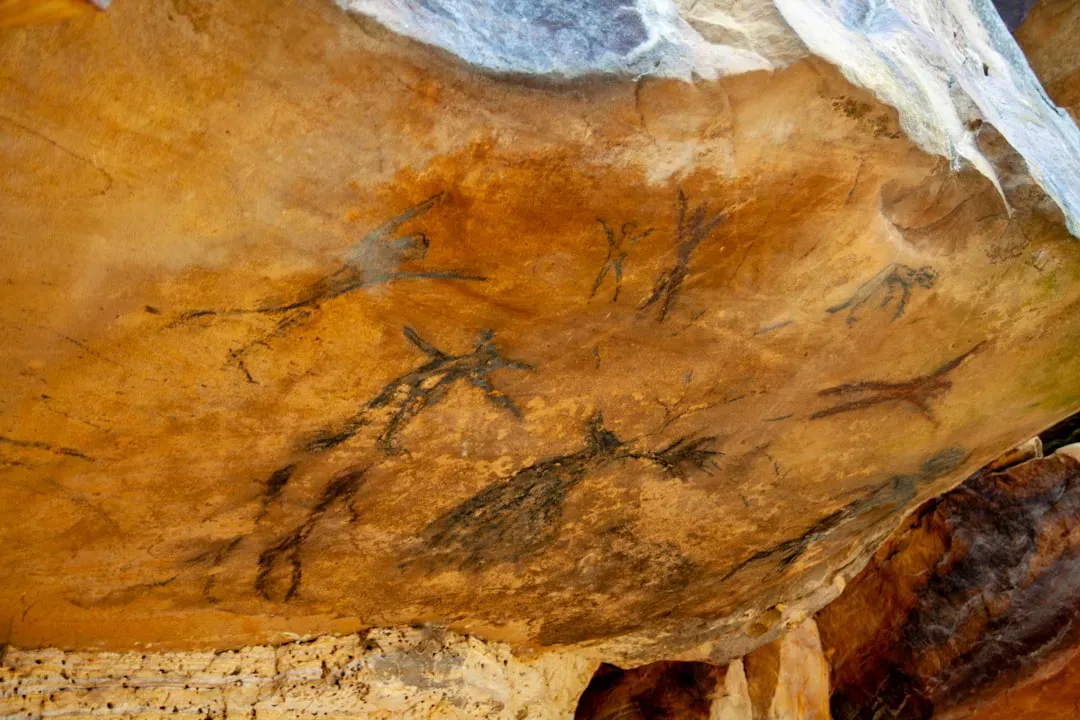
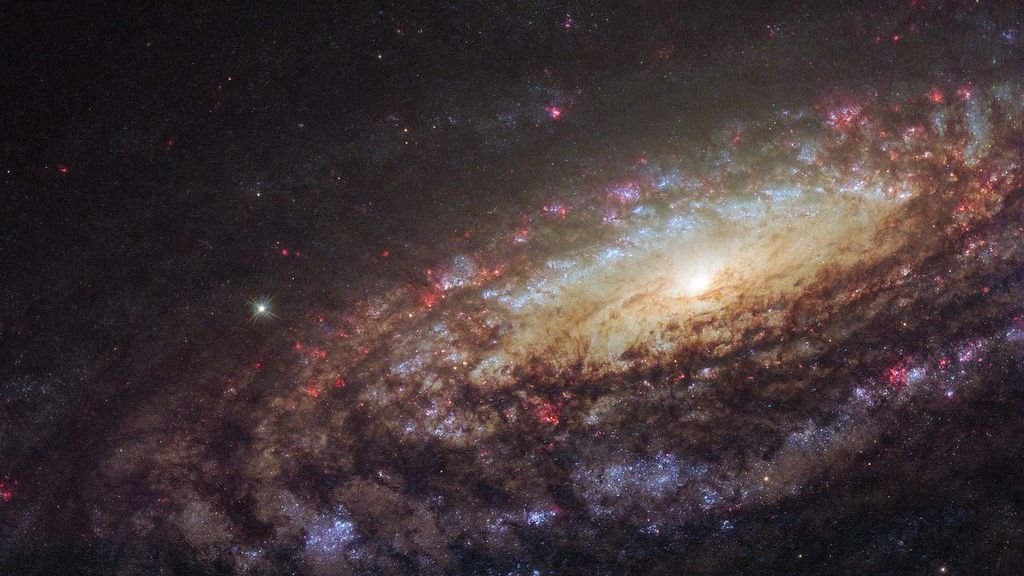
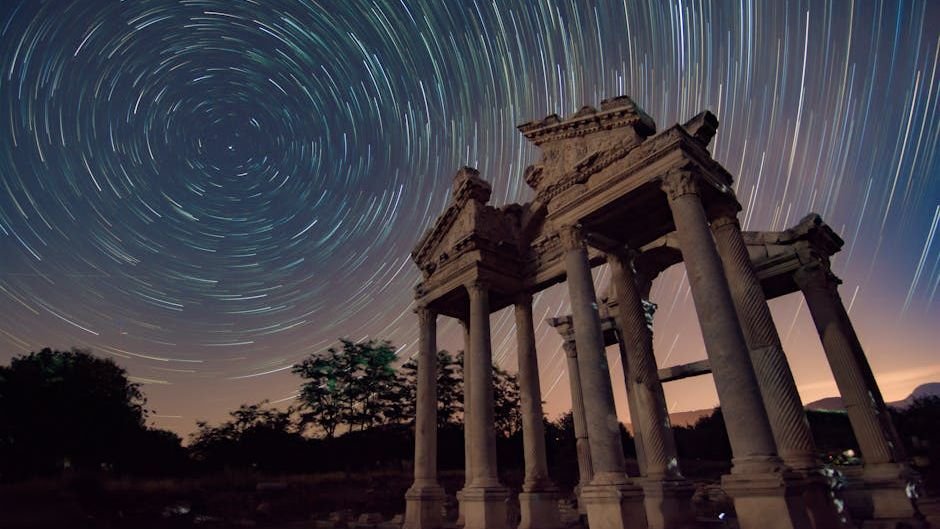
Some researchers have proposed a fascinating, controversial idea: that certain animals and signs in caves might correspond to constellations and sky patterns. According to this view, a particular cluster of animals could mirror the arrangement of stars, and repeated symbols next to them might mark important astronomical events like meteor showers or solstices. If that interpretation is right, those caves aren’t just about daily life; they’re also quiet observatories, storing knowledge of the sky.
Even if not every cave scene maps neatly to constellations, it wouldn’t be surprising that people living so closely with nature paid deep attention to the heavens. The rising and setting of constellations can signal seasons, migrations, and climate changes. Turning that knowledge into paintings on stone would be a smart way to remember and share it. At the very least, the idea that some cave art might encode cosmic patterns reminds us that ancient people weren’t just surviving; they were observing, comparing, and looking for meaning in the vastness above them.
Are We Seeing the Birth of Imagination and Inner Worlds?
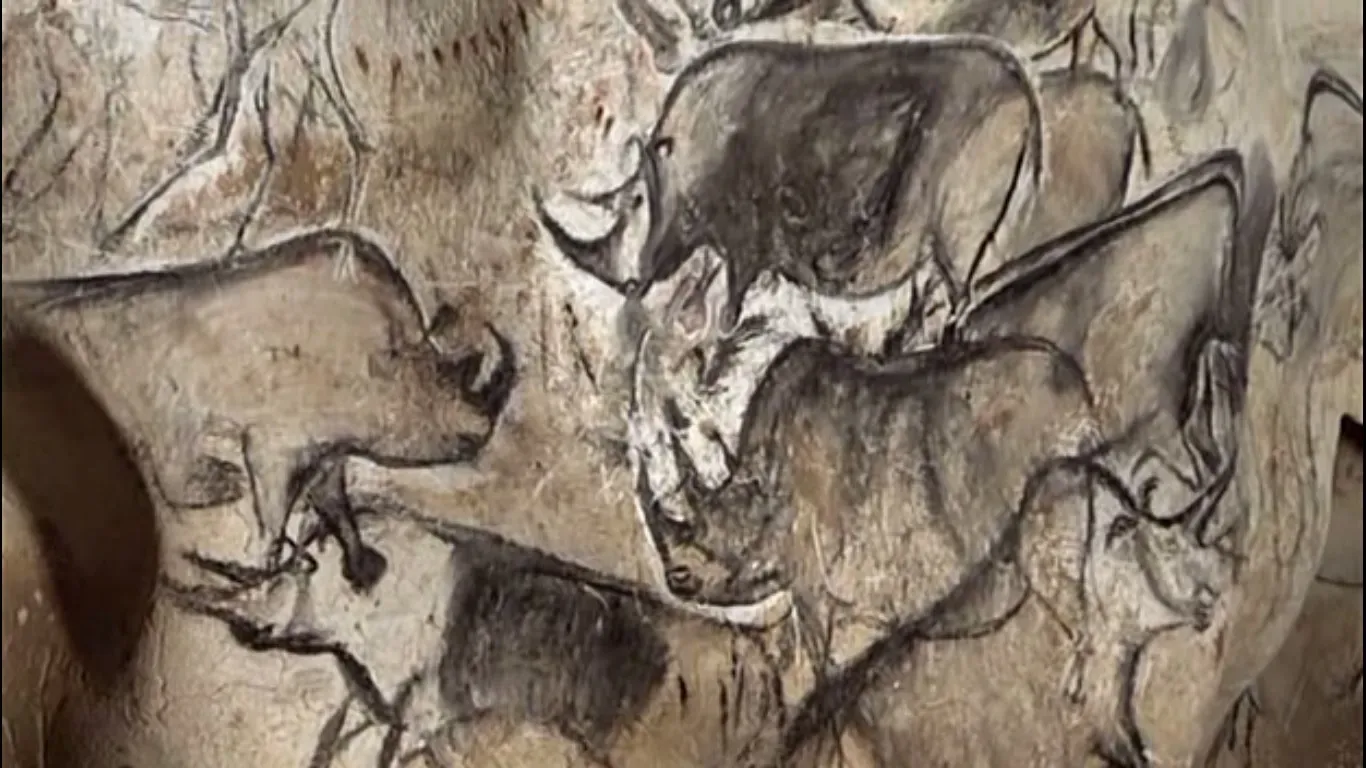
Another hidden message in cave paintings might not be about animals or weather at all, but about something far more intimate: the inner life of the human mind. These paintings appear around the same time that archaeologists see an explosion of symbolic behavior: ornaments, carved figures, musical instruments, and buried bodies treated with care. It’s as if a switch flipped in our species, and suddenly we were not just reacting to the world, but imagining it, reshaping it, and reflecting on it.
Some scenes in caves show creatures that don’t exist in nature: human bodies with animal heads, or animals with exaggerated or distorted features. That’s imagination in action, the kind of creativity that lets us tell myths, invent gods, and picture things that never were. In that sense, the caves may be showing us the moment when humans started really living in two worlds: the physical world outside, and the mental world inside. The message is subtle but profound: we don’t just see what is, we see what could be, and we paint it on the walls to make it real.
Could These Paintings Be Ancient Brain Maps and Vision Records?
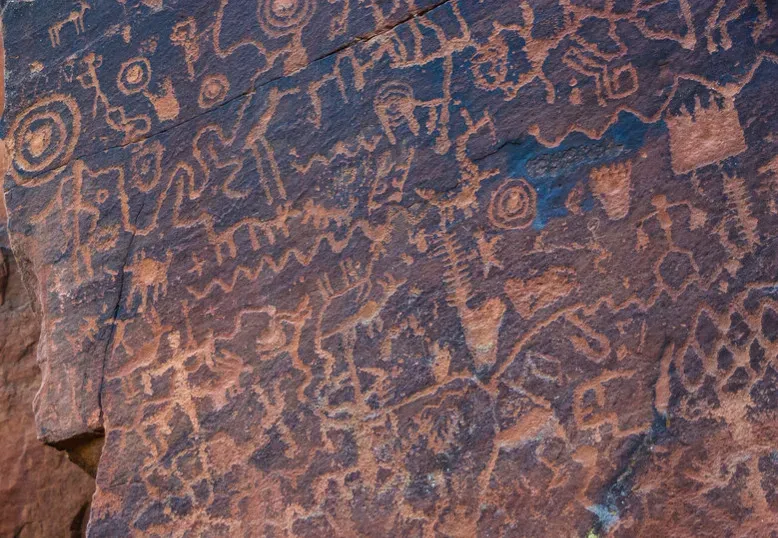
Neuroscientists have noticed that some abstract patterns in caves – like zigzags, lattice shapes, and repeating lines – look a lot like the visual effects people see when they are in altered states of consciousness. These can happen during migraines, sensory deprivation, trance states, or after taking certain natural substances. The idea is that some cave art might literally be a record of what the brain does when it’s pushed into unusual modes, almost like a prehistoric neuroscience sketchbook.
If that’s true, then the artists were not just looking outward at animals and landscapes; they were turning inward, exploring the strange geometry of their own perception. The flicker of torchlight on uneven walls would only intensify these effects, making the paintings feel alive and shifting. Those shapes and lines might be messages from inside the nervous system, hints that people were curious not only about the outer world, but also about the mysterious theatre of their own minds. In a way, the caves might mark the start of humans trying to understand what it means to be conscious.
What Do These Hidden Messages Say About Us Today?
When you step back and look at all these possible interpretations together – stories, survival guides, rituals, early writing, cosmic charts, identity marks, and brain patterns – you get a picture of cave art as something incredibly rich and layered. These were not simple doodles by bored hunters stuck inside on rainy days. They were concentrated efforts to capture what mattered most: food, danger, awe, belonging, mystery, and the strange feeling of being alive in a world you only half understand.
What strikes me most is how familiar that feels. We still make images to tell stories, teach each other, express identity, record scientific ideas, and explore our minds. Our screens are just our new cave walls. The big difference is that those ancient messages were never meant to be timeless, yet here we are, tens of thousands of years later, still trying to read them. Maybe that’s the deepest message of all: humans have always been trying to leave traces of meaning behind, hoping that someone, someday, would care enough to look and wonder what was really being said.