


Climate change is an undeniable force that is reshaping ecosystems and habitats across the globe. The rapid changes in temperature, precipitation patterns, and sea levels are creating challenging environments for countless species. As these conditions become more extreme, species are being compelled to adapt to survive. This article delves into how species are forced to adapt to climate change, the mechanisms of adaptation, and the broader implications for biodiversity and ecosystems.
Mechanisms of Adaptation
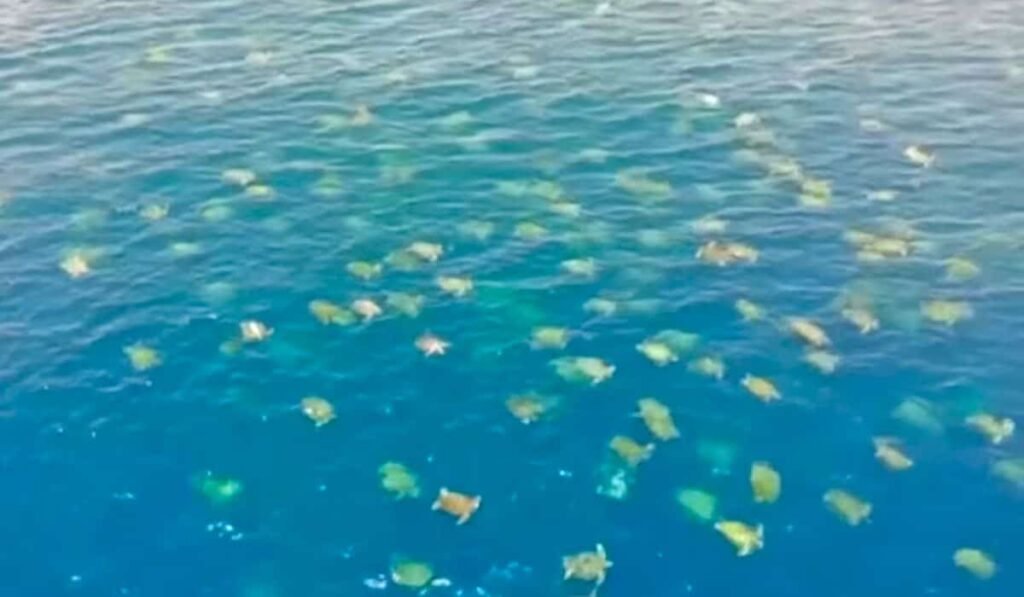
Adaptations to climate change can manifest in various forms, ranging from physiological changes to behavioral shifts. These adaptations are essential for the survival of species experiencing altered habitats and food sources. Some common mechanisms include:
- Phenotypic Plasticity: This refers to the ability of an organism to change its behavior, physiology, or development in response to environmental changes. For example, some animals might change breeding times to align with new seasonal patterns.
- Genetic Adaptation: Over generations, species may undergo genetic changes that enhance their ability to cope with new environmental stresses. Natural selection plays a crucial role in this process, favoring traits that improve survival and reproduction.
- Migration: Some species may shift their geographical range in response to changing climates, moving to areas that offer more favorable living conditions.
Case Studies of Species Adaptation

Several species have showcased remarkable adaptability to the impacts of climate change. These case studies highlight both successful adaptations and the challenges faced by different organisms:
- Polar Bears: As Arctic ice melts, polar bears are spending more time on land and are increasingly adapting to terrestrial hunting and scavenging. However, these new strategies are not always enough to compensate for the loss of their primary hunting ground.
- Coral Reefs: Coral species are exhibiting signs of adaptation through a process known as “bleaching resistance.” Some reefs are developing symbiotic relationships with more heat-resistant algae, allowing them to withstand warmer ocean temperatures better.
- Butterflies: Many butterfly species have shifted their ranges northwards, seeking cooler climates. For instance, the Edith’s checkerspot butterfly has moved northward and to higher elevations in response to warming temperatures.
Challenges of Adaptation

While some species demonstrate a capacity to adapt, the speed and scale of climate change present significant challenges:
- Time Constraints: Evolutionary changes typically occur over long periods. The rapid pace of climate change may outstrip the ability of species to adapt in time.
- Habitat Fragmentation: Human activities often exacerbate the effects of climate change by fragmenting habitats, making migration and adaptation even more difficult for many species.
- Loss of Genetic Diversity: Smaller populations are more vulnerable because they have less genetic diversity, reducing their ability to adapt to changing conditions.
Implications for Ecosystems and Biodiversity
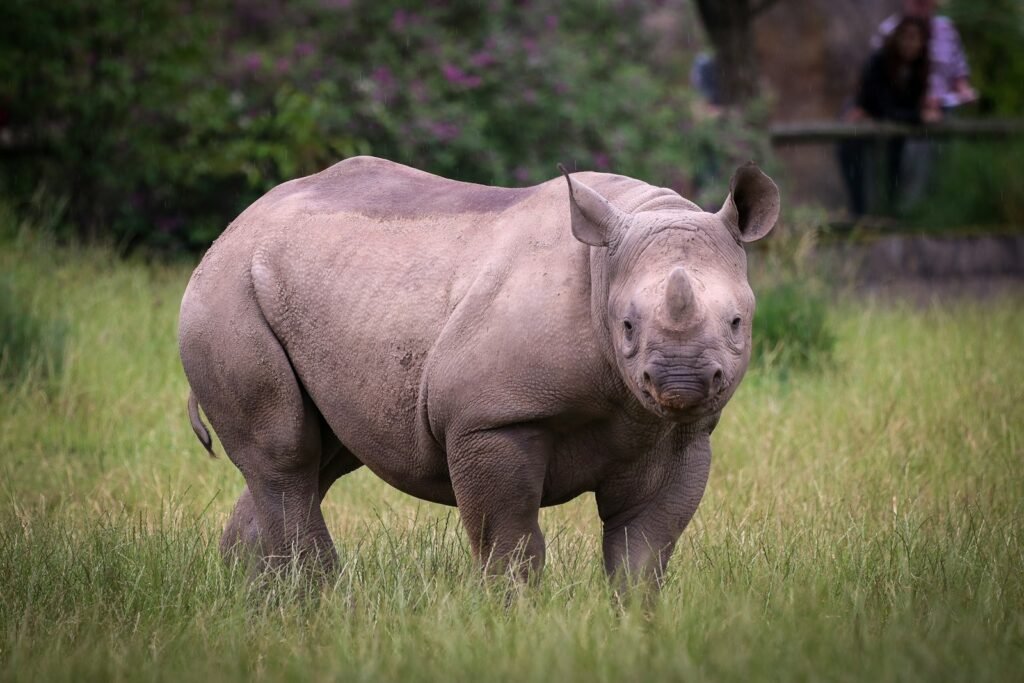
The forced adaptation of species due to climate change has profound implications for ecosystems and global biodiversity:
- Ecosystem Dynamics: As species adapt or migrate, they can disrupt existing ecosystem dynamics, potentially leading to the decline of some species and the proliferation of others. These changes can have cascading effects throughout the food chain.
- Extinction Rates: Species unable to adapt quickly enough face an increased risk of extinction. This loss of biodiversity affects ecosystem services that humans rely on, such as pollination, water purification, and climate regulation.
- New Interactions: Novel interactions between species can arise as animals and plants move into new areas or alter their behaviors. While some may be benign or positive, others can lead to increased competition or new predator-prey relationships.
Conclusion

Climate change is compelling species to adapt in ways that are reshaping their physiology, behaviors, and distributions. While some species display remarkable resilience and adaptability, many others struggle to cope with the swift pace of environmental change. As we continue to witness the consequences of climate change, understanding these adaptation processes is crucial for conserving biodiversity and mitigating the disruptions to ecosystems. Continued research and proactive conservation strategies are essential to help species navigate the challenges posed by our changing planet.


